
Storage Tips
5 Reasons to Rent Storage While Renovating Your Apartment
5 Reasons to Rent Storage While Renovating Your Apartment

Enter at least 3 characters.
Home renovation brings refreshment and new energy, but it also presents a series of challenges, especially when it comes to the items you currently use in your space. Storing belongings during renovation is a practical and efficient solution that can significantly ease the process. In this guide, we will explain why storage is a key part of successful renovation, its benefits, and how to best organize it. Besides protecting your valuable items, storage allows for better organization of the work and reduces the stress that renovation often brings. Proper storage planning can help ensure the renovation proceeds smoothly, without unnecessary delays or property damage. It is also important to understand how storage can contribute not only to protecting items but also to more efficient space and time management during renovation. Below, we will thoroughly examine the key aspects of storage and provide practical advice for their implementation.
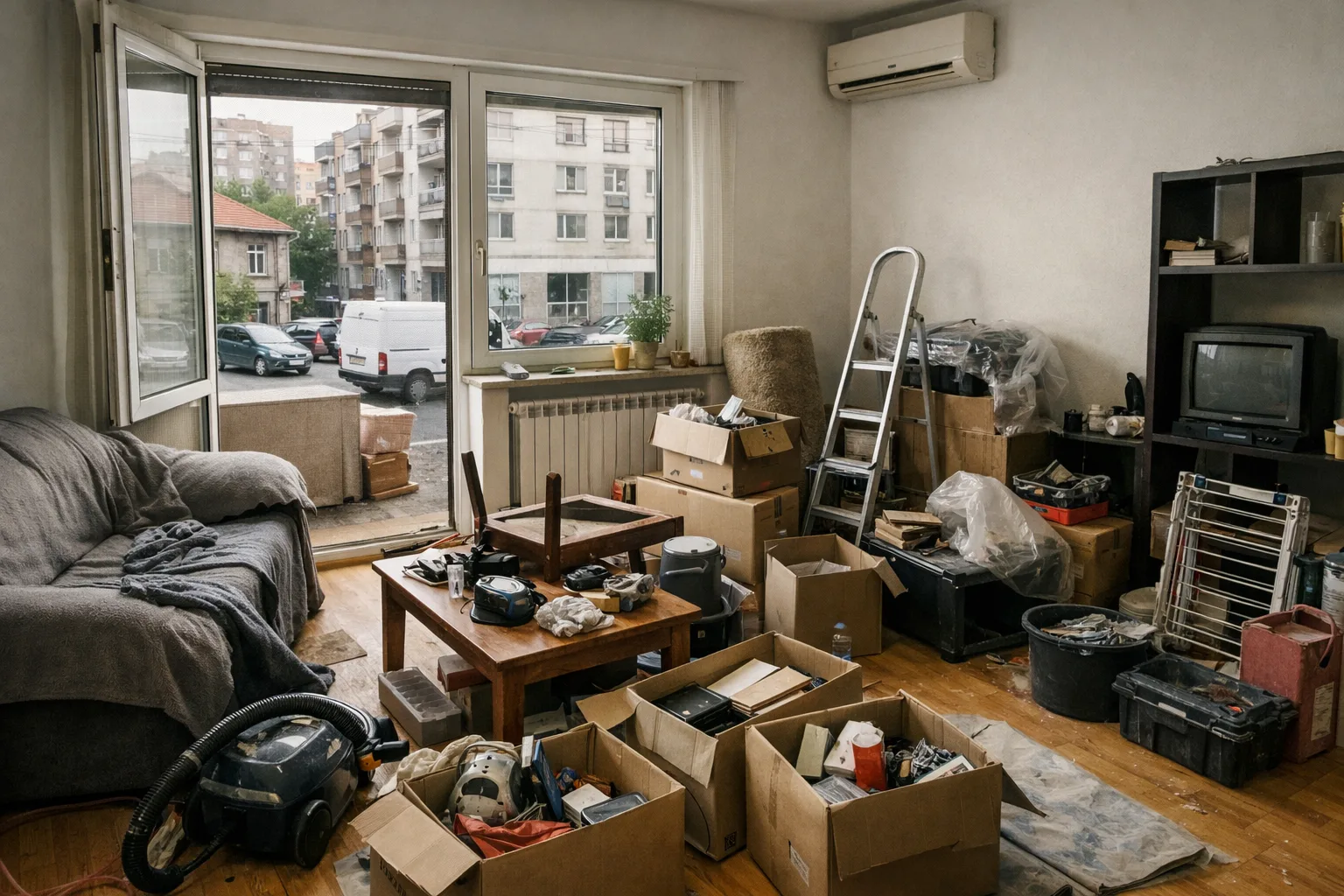
During renovation, dust, paint, tools, and construction materials can easily damage furniture, electronics, and other valuable items. Storing belongings in a dedicated storage unit reduces the risk of permanent damage. For example, wooden furniture can get scratched or stained if left in a room where painting or similar work is taking place. Therefore, it is advisable to clean and cover furniture with appropriate protective covers before storage.
Storing belongings in a controlled environment also protects against moisture and temperature fluctuations that can damage sensitive items such as books, paintings, or electronic devices. This is especially important if the renovation involves work on roofs or plumbing where leaks may occur. Regularly checking storage conditions can prevent mold or corrosion on items.
Proper packing and storage ensure that belongings are kept in a safe place, reducing stress and worry during the work. Additionally, an organized storage unit makes it easier to find items when needed. It is recommended to group items by type and frequency of use to facilitate access.
Besides basic protection, it is important to use appropriate packing materials such as plastic wrap, bubble wrap, and special cardboard boxes for fragile items. This further prevents mechanical damage and the impact of external factors. Also, labels with descriptions and handling instructions can help preserve the integrity of items.
Remember to turn off electronic devices and protect them from dust and moisture, and place heavy items at the bottom of storage units to avoid damage to them or other belongings. Keep cables and accessories in separate bags or boxes, labeled to avoid confusion when returning items to the home.
Renovation requires a free and clean space for work, which is often difficult if belongings are scattered around rooms. Moving items to storage gives workers unobstructed access to walls, floors, and ceilings, speeding up the process. The freed space allows contractors to use larger tools and machines without obstacles, increasing productivity.
If belongings remain in the rooms being renovated, workers may have to move them from place to place, which slows down work and increases the chance of mistakes or damage. This can lead to additional costs and extended project deadlines.
By storing belongings, you free up space that can be used for storing construction materials and tools, further improving organization and safety on the site. An organized space reduces the risk of accidents and allows easier access to necessary materials at any time.
Additionally, a clean and organized space contributes to better worker concentration and reduces the risk of accidents, which is especially important for complex tasks such as electrical installations or laying floor coverings. Providing safety zones and clearly marked pathways further enhances site safety.
Workspace planning with the help of storage allows contractors to prepare the necessary materials and tools in advance, avoiding unnecessary waiting and work interruptions. This saves time and money while maintaining high-quality workmanship.

When items are stored in one place, it’s easier to create a detailed renovation plan and work schedule. You know exactly which rooms are empty and ready for work, enabling more precise coordination of contractors. This is especially useful for larger projects where multiple teams work simultaneously.
Additionally, storage allows items to be sorted and inspected before being returned to the renovated space, providing an opportunity to discard unnecessary or damaged items. This reduces clutter and increases the functionality of the space after renovation.
This organization helps avoid delays during renovation by reducing the need for improvisation and additional removal of items during work. Planning ahead also allows better control over deadlines and resources.
Moreover, storage facilitates communication between the owner and contractors by clearly defining which rooms are available for work and when certain tasks can be expected. Transparency in communication contributes to better collaboration and reduces the possibility of misunderstandings.
A well-organized space and planning also make it easier to monitor the budget, as additional costs related to damages or delays are avoided. It also allows timely responses to potential problems and adjustments to plans as needed.
Renovations can last weeks or even months, meaning items must be securely stored for an extended period. Professional storage facilities offer security systems, video surveillance, and controlled access, reducing the risk of theft or damage. It is recommended to inquire about all security measures before choosing a storage facility.
If the renovation includes work on the exterior parts of the house, storing items inside a secure space protects them from weather conditions such as rain or wind. This also prevents damage caused by direct sun exposure or extreme temperatures.
This way, owners can be at ease knowing their belongings are protected and accessible when needed again. Regular inspections of stored items can further enhance the sense of security.
It is important to choose a storage facility with appropriate insurance covering potential damages or losses during storage, providing additional protection for your property. Check the contract terms and exactly what the insurance covers.
Regularly checking the condition of items in storage, as well as maintaining the storage space, helps preserve the quality and safety of stored belongings. It is also recommended to occasionally air out items and keep the storage clean and tidy.
When you complete certain renovation phases, you can gradually return items from storage, allowing for step-by-step furnishing and arranging of the space. This reduces stress and facilitates adjustment to the new home appearance.
This flexibility is important because renovations often do not follow the exact planned schedule, so storage allows adaptation to current needs. You can easily postpone returning certain items if the work takes longer than expected.
You can also use storage for temporarily keeping items you don’t currently need, maintaining functional space in your home throughout the process. This is especially useful for seasonal items or decorations.
Gradual return of items allows optimal use of space and avoids overcrowding, which is particularly beneficial for larger renovations involving multiple rooms. This helps maintain order and cleanliness throughout the process.
This method also helps preserve order and cleanliness, as items are returned only when the space is ready, reducing the risk of damage or dirt. Planning the return of items can be part of the overall renovation plan.
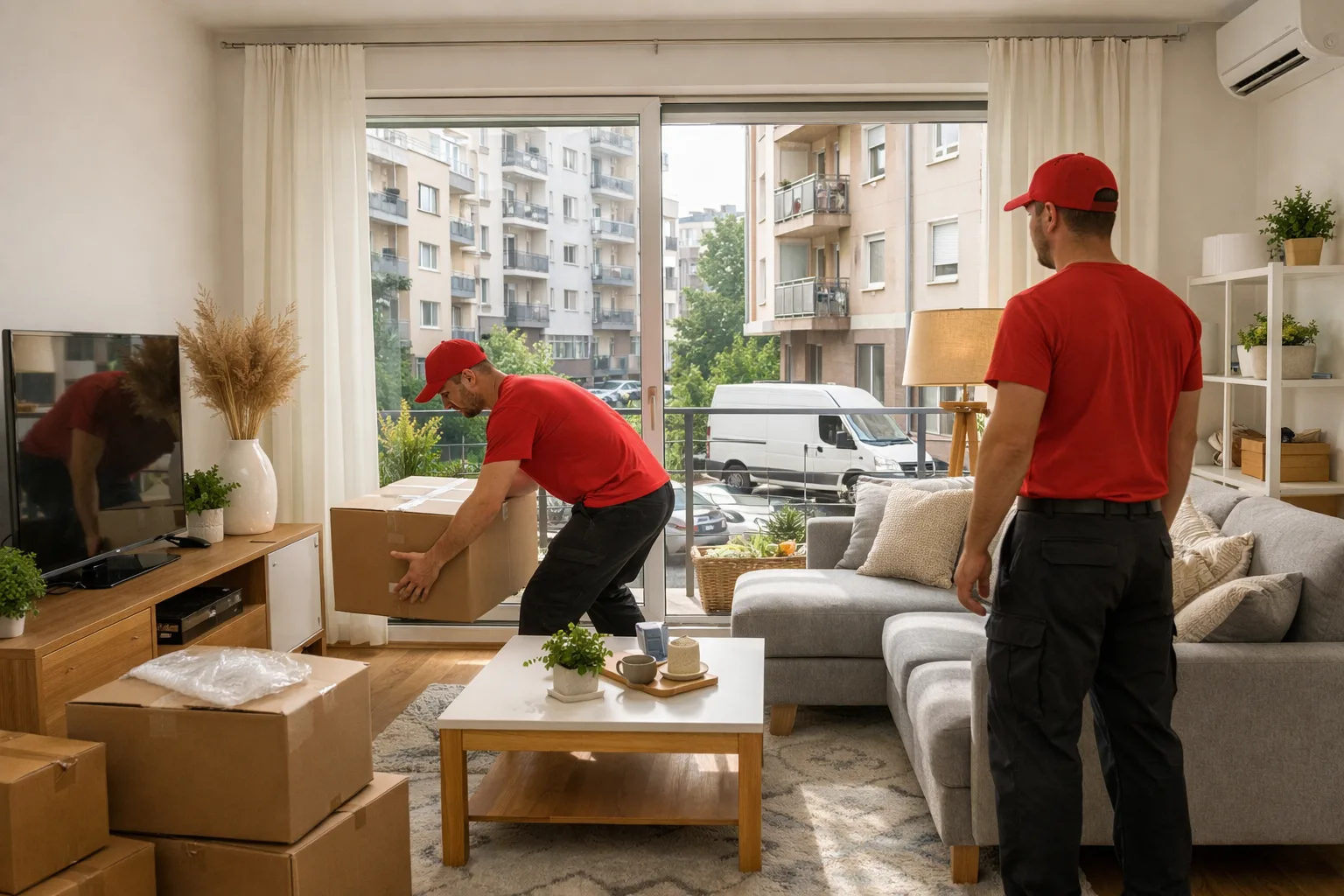
In smaller spaces, renovation can be particularly challenging because there is nowhere to temporarily place belongings. Storage is an ideal solution that frees up valuable square footage during the work. This allows for uninterrupted work and maintaining cleanliness in the apartment.
For example, in studios or two-room apartments, storing larger furniture pieces and seasonal items allows the space to be used for work without clutter and risk of damage. This can significantly reduce stress for household members during renovation.
This is especially useful when renovating bathrooms or kitchens, where specific conditions and cleanliness are required, and items must be kept away from dirt and dust. Storage enables these areas to be used exclusively for work without interference.
Besides freeing up space, storage in small apartments also allows for better planning of the space after renovation, as items can be sorted and possibly replaced with new, more functional elements. Additionally, this is an opportunity to refresh and reorganize the home.
Also, storage helps maintain hygiene and safety during the work, which is crucial for the health of household members, especially if children or elderly people live in the apartment. Ensuring a clean and safe environment during renovation is of utmost importance.
Renovation often involves temporary relocation or rearrangement within the home. In such cases, storing belongings can be part of a broader moving and space organization plan. This enables more efficient asset management and reduces stress.
For example, if you move in with relatives or to temporary accommodation, storage allows you not to carry all your belongings with you, only what is necessary. This facilitates temporary stays and reduces logistical complications.
This approach reduces stress and makes returning to the renovated home with all your stored belongings easier. Planning ahead allows moving and renovation to proceed without unnecessary delays.
Combining storage and moving can also reduce costs by avoiding multiple transports and unnecessary exposure of items to risk during the move. This saves time and money while keeping your belongings protected.
Planning storage as part of the move allows renovation and relocation to happen simultaneously, saving time and easing the entire process. This coordination is key to successfully completing both processes.
Choose a storage facility close to your location so you can easily access your items when needed. Check if the storage has good ventilation, security cameras, and access control. Also, inquire about the facility's working hours and options for extended access.
When packing, use quality boxes and protective materials like bubble wrap and styrofoam for fragile items. Be sure to label boxes so you know what’s inside and which room they belong to after renovation. This will save you time and make unpacking easier.
Consider hiring a professional moving service that can assist with transporting and storing your belongings, saving time and reducing the risk of damage during transport. Professionals have experience in proper handling and packing.
Also, make a list of all stored items and update it regularly, which will help you keep track of what is in storage and make finding needed items easier. A digital list with photos can further simplify tracking.
Don’t forget to check storage conditions, such as the maximum allowed box weight and rules regarding storing hazardous materials, to avoid problems during storage use. Also, inform yourself about rules related to storing food or plants if you plan to store them.
5 Reasons to Rent Storage While Renovating Your Apartment

We will respond to you as soon as possible.
Below we answer the most common questions that arise when considering storage during home renovation. Our goal is to help you make the right decisions and avoid potential problems.
Most storage facilities allow items to be kept for extended periods, from several weeks to several months, or even longer. It is important to inquire about storage conditions and the possibility of contract extensions if the renovation takes longer.
Fragile items such as glass, ceramics, and electronics should be carefully wrapped in bubble wrap or newspaper, then placed in boxes with extra cushioning space. Label the boxes as fragile to ensure proper handling.
Fabric furniture can be stored, but it is important that it is clean and dry before packing to prevent mold and unpleasant odors. It is also recommended to cover the furniture with protective covers.
Most storage facilities offer flexible contracts that allow storage extensions. It is advisable to check the terms and any additional costs in advance so you can respond promptly.
It’s good to label each box with its contents and the intended room in the home. Arranging heavier and larger items at the bottom, and lighter, frequently used items on top, greatly facilitates access and retrieval.
Although storage involves an additional cost, it can be cost-effective when considering the protection of items from damage and speeding up the work. Freeing up space can reduce renovation time, which saves money in the long run.
It is important that the storage facility has a good reputation, security measures such as video surveillance and access control, and adequate space for your items. Also, check if the facility is dry and ventilated to keep your belongings in good condition.