
How to Plan a Moving Budget?
How to Plan a Moving Budget?

Enter at least 3 characters.
Safe relocation of offices, archives, binders, and inventory of government institutions to a new address. Our team carefully plans and executes every phase, maintaining constant coordination and adapting to the specific requirements of public institutions.

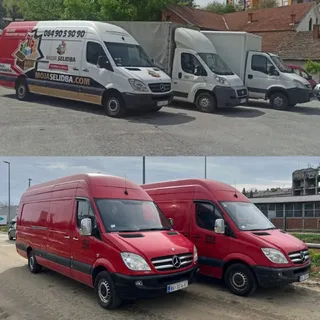
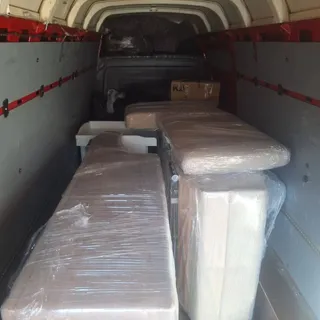
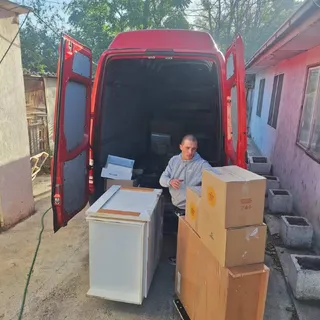

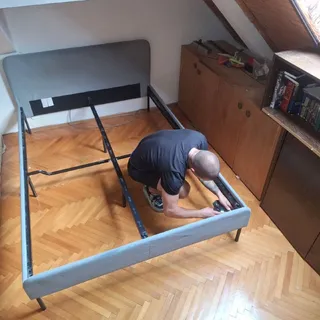
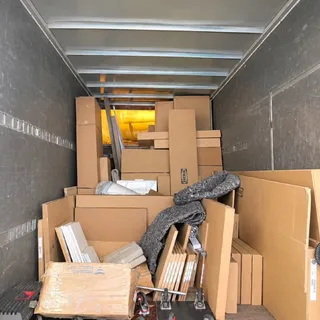
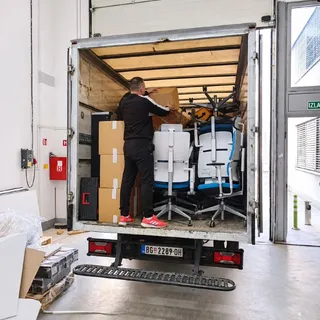
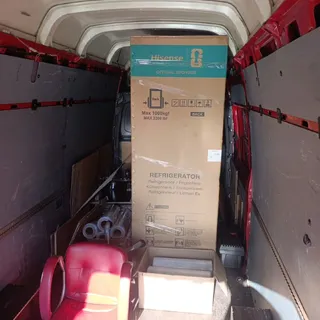
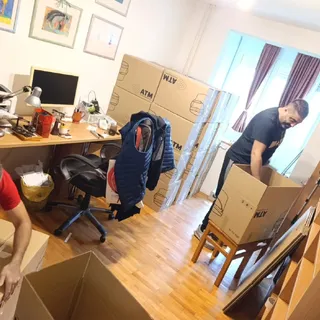
Organizing relocations of government institutions requires a special approach due to the complexity of facilities, variety of documentation, and specific inventory. The Moja Selidba team provides a complete service, from phased archive transport to equipment arrangement at the new location. Every step is carefully planned, with additional services such as packing for relocations and relocations with workers, to ensure a more efficient and secure process. We pay special attention to the integrity of official documentation and proper record-keeping throughout all phases. Archive relocation is organized as part of company relocations and other business premises, following a specific order of documentation.
Relocations of government institutions often occur in phases, allowing part of the staff to continue working while others are moved, with special planning for service halls, archives, and offices containing confidential material.
The relocation service for government institutions includes moving offices, service halls, archives, and official premises from one building to another, with complete organization from assessment to final equipment arrangement. Throughout the process, emphasis is placed on maintaining work continuity, so relocations are often scheduled outside working hours or on weekends, in agreement with responsible personnel.
The team carefully plans the relocation sequence, allowing phased moves by departments or floors, enabling multiple sectors to operate simultaneously. For larger relocations, we recommend specialized processes for internal office relocations to handle each segment more efficiently.
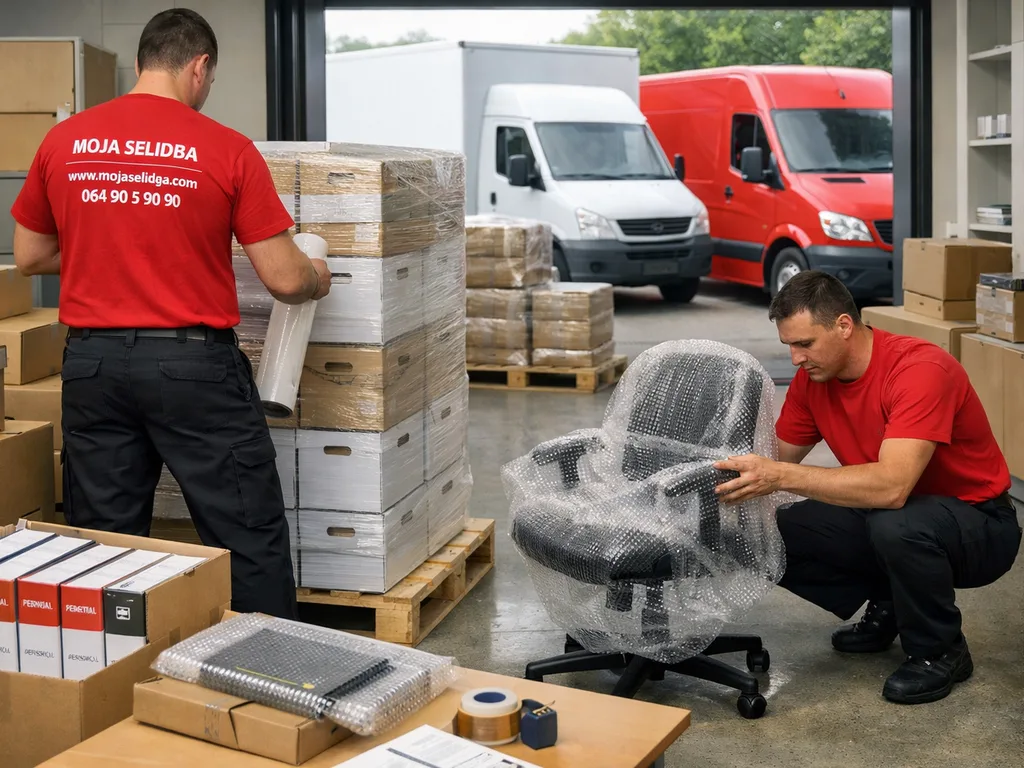
During relocations of government institutions, special attention is given to archives, binders, official documents, and office inventory. We transport desks, computers, shelves, and service counters, with detailed records and labeling of each box and folder by department.
Priority is given to cabinets with binders and archive shelves due to the need for quick restoration of functionality. Organized packing and inventory facilitate arrangement at the new address. Larger facilities are efficiently relocated through organized company relocations.

Describe what your move includes. We provide you with a transparent estimate, answers to all your questions, and the expected moving costs. Our expert's visit to your address is also free of charge.
A site visit before the move allows for an accurate assessment of the archive volume, inventory layout, and access possibilities. This phase is crucial for selecting the vehicle and organizing the loading, especially due to the complex office and archive arrangements in government institutions.
For buildings with multiple floors, no elevator, or limited entrances, the assessment includes hiring additional workers or using special archive carts. Temporary storage is possible by warehousing items and goods until the moving process is completed.
The team records all entrances, passages, floor levels, and the presence of elevators to avoid obstacles during loading. Based on this information, we propose the optimal relocation method.
Preparation for loading involves protecting archive boxes, labeling binders, and carefully packing office equipment. Sensitive materials are additionally wrapped to prevent damage, and each box, folder, and piece of furniture is marked with appropriate stickers or numbering.
For archives requiring special preservation conditions, double protection and sealing of boxes are used, while electronic equipment is packed in anti-static bags or protective materials. This system facilitates distribution at the new address and speeds up unpacking.
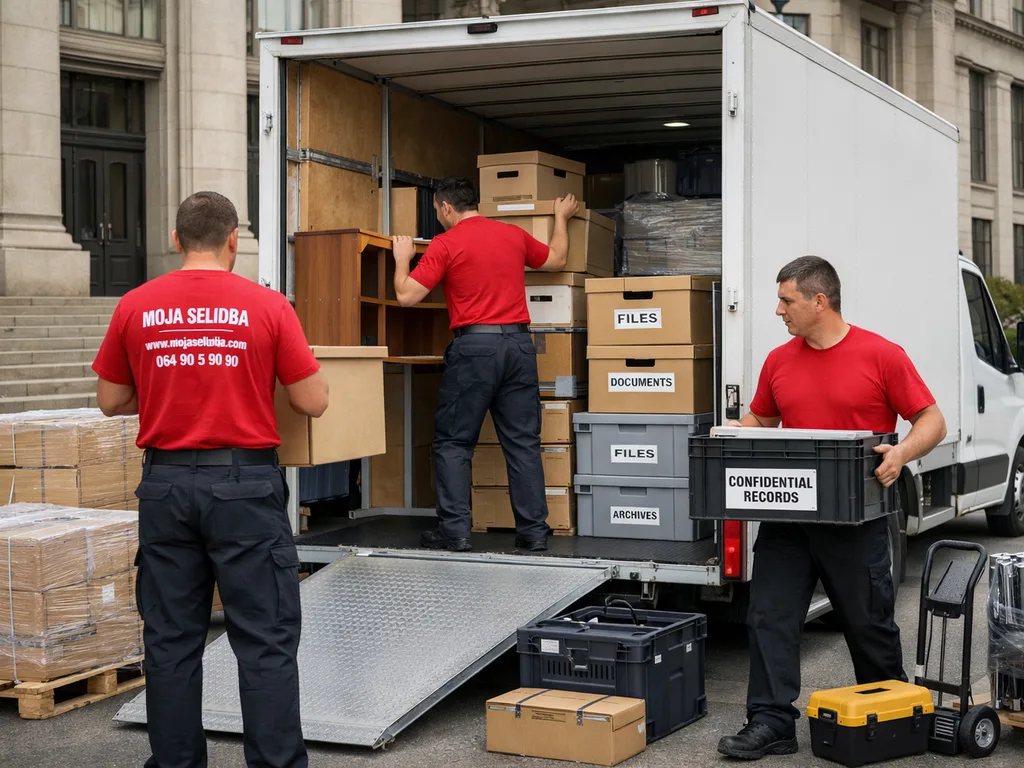
Carrying inventory and archives is conducted according to a pre-established room plan and item type, preventing mixing of documentation from different departments. Archives and documentation are removed first and brought in first at the new location, while heavier inventory and furniture are removed last. For binders and sensitive equipment, we use moving packaging with clear labels.
For larger buildings and institutions with specific operating regimes, loading is organized in late afternoon hours or on weekends. For extensive moves, multiple teams work simultaneously on different floors, while walls and floors are protected with special materials.
Special attention is given to protecting walls and floors in buildings such as public administrations or schools. For more complex tasks, multiple workers are employed for faster and safer loading.
We organize moves in Belgrade through six simple steps, from a free estimate and scheduling to safe transport and completion of the move at the new address.





See all 14 steps, from the first conversation with the client to the successfully completed move.
See the move step by stepLoading into the vehicle is organized so that archives and binders are secured against shifting, while furniture and equipment are arranged according to the unloading sequence at the new location. Official documentation and archives are prioritized, and shelves and electronic equipment are additionally tied and protected.
We take special care to ensure that confidential documentation is not accessible to unauthorized persons during unloading, and each cargo segment is recorded for easier tracking. Read the detailed guide on transport at the page transport, shipping, and moving.
Additional protection is used for electronic equipment and computers. The driver and team check the cargo stability before departure to prevent damage during transport.
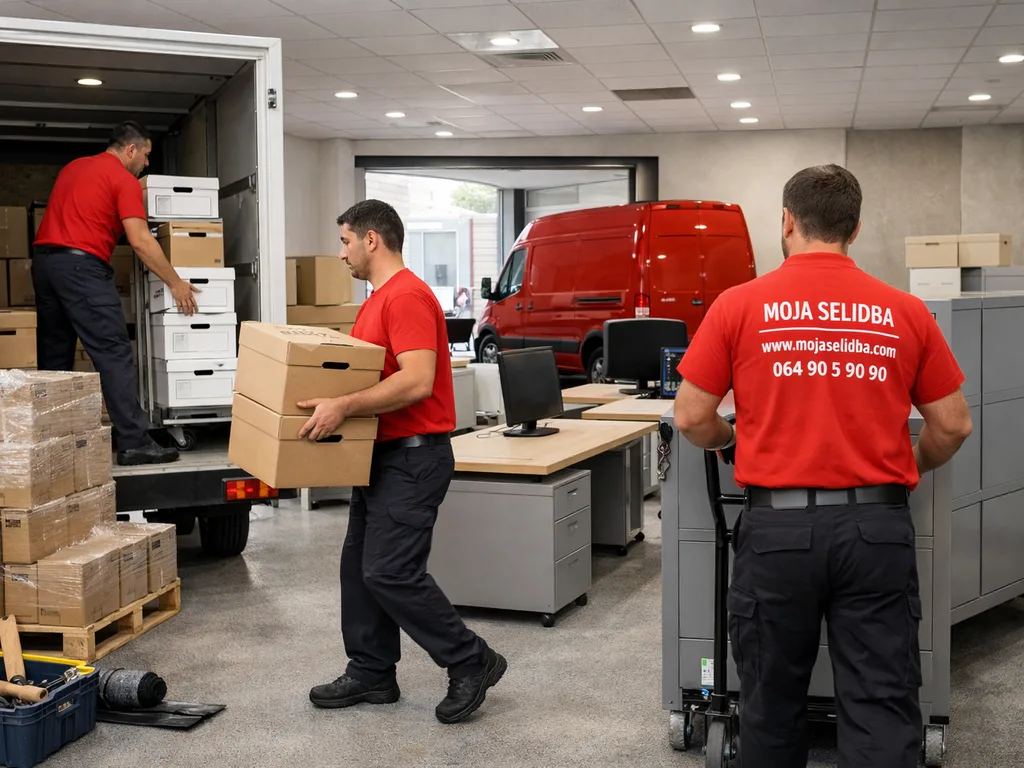
Upon arrival at the new address, the archive and documentation are arranged directly into designated offices or archive rooms, while furniture and equipment are set up according to the previously agreed plan. Unloading is carried out in phases, prioritizing administrative units.
The team uses a map of the new location and labeled boxes, assisting with basic furniture assembly and placing binders on shelves as needed. Electronic equipment is left at the agreed workstations, and access to rooms is checked before unloading begins.
Read what clients say about our organization, item protection, and our workers.


Highly recommended for the team! Fast, careful, and punctualReviews on Google profile

Great GuysReviews on Google profile

The team arrived at the agreed time. They professionally and carefully moved the packed furniture and protected/packed the furniture we hadn't packed. Highly recommended.Reviews on Google profile

Everything as agreed, excellent guysReviews on Google profile

The guys were great! They arrived quickly, professional, polite, and it was no problem that they carried the machine into a building without an elevator. Great experience!Reviews on Google profile
The scope of work depends on the building's square footage, volume of archive, type of inventory, and accessibility of the location. Multiple visits during phased moves, number of floors, parking availability for the transport vehicle, as well as temporary storage of documents or inventory, all influence the overall estimate.
For institutions with a large number of binders and complex archival systems, the price also includes the time needed for labeling, packing, and arrangement at the new address. The estimate is made after an inspection and review of the load, with agreement on additional services such as storage or furniture assembly. Temporary storage of items and goods can be useful when departments move on different days.
The moving date is coordinated with the institution’s working hours and room availability at both addresses. The client prepares a list of offices, inventory, and archives to be moved, as well as priorities— which departments or archives must be relocated first.
It is recommended that the client provides basic information about building access, contact persons, and working hours to avoid misunderstandings during the move. Learn more about scheduling and organization at selidbe Beograd. For a more efficient process, we recommend informing employees and using moving boxes for easier organization.
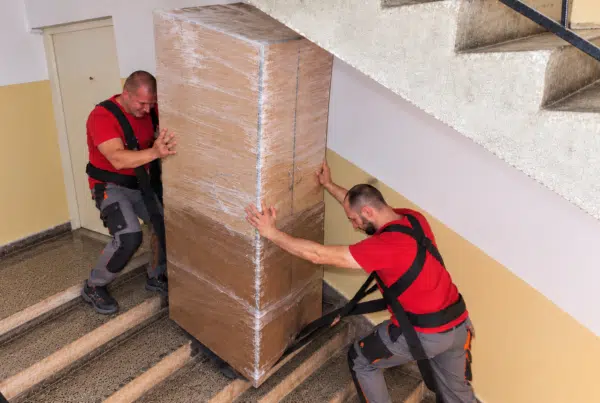
Apartments, houses, and business premises — team and organization all in one place.
Learn more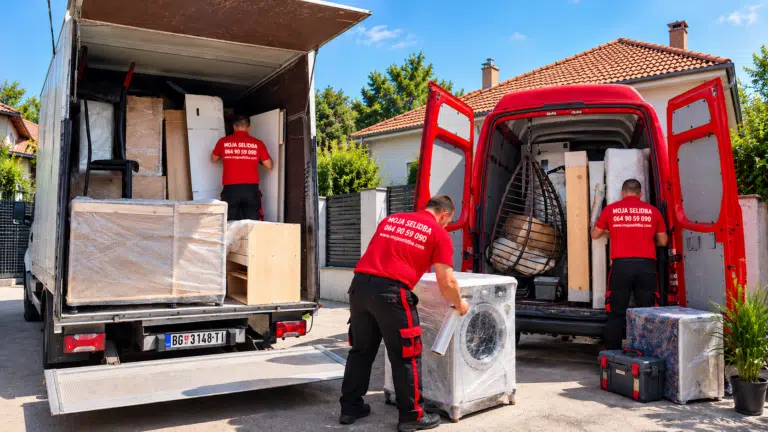
A practical solution for smaller apartments, boxes, and individual pieces.
Learn more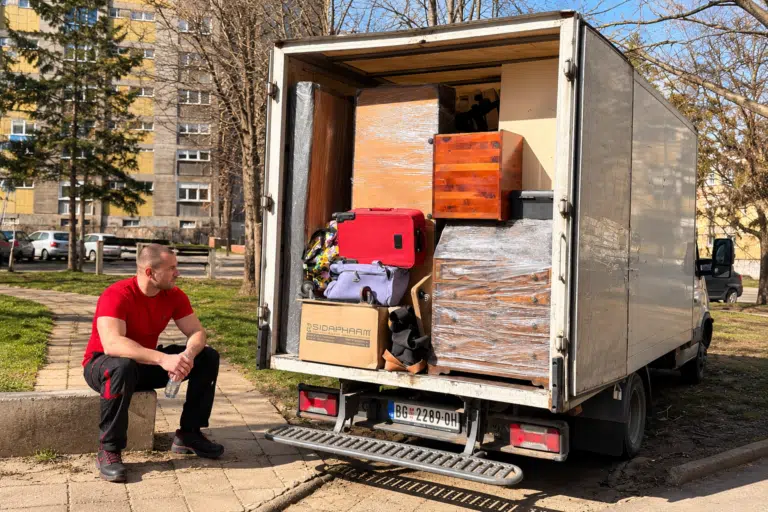
Protection, removal, transport, and delivery to the new address.
Learn more

Reasons to Hire a Professional Moving Company
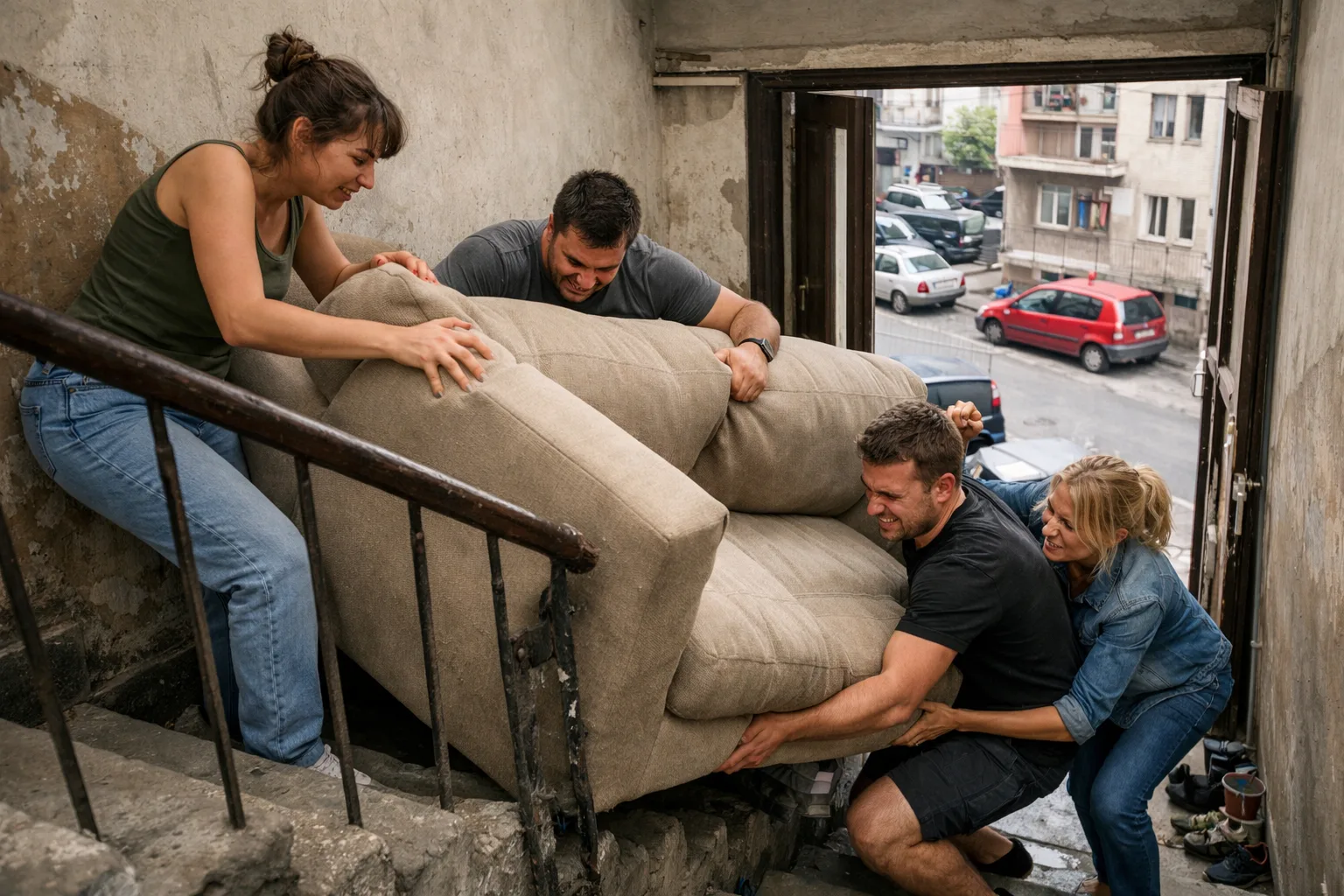
Moving with the Help of Friends or Professionals – Which to Choose?

5 Items Professional Moving Companies Will Not Transport
The most common questions regarding moving government institutions relate to organization, document protection, deadlines, and phased relocation. Here you can find answers to the most important concerns.
The archive is packed in numbered boxes, labeled by departments, and transported according to the agreed schedule, with special protection against damage.
Phased relocation is possible and recommended for larger institutions to ensure uninterrupted work during the transition period.
Official documentation is packed in sturdy boxes, labeled, and secured against movement during transport, with careful arrangement in the vehicle.
Binders are usually removed from shelves and packed into boxes, while shelves are dismantled and transported separately for easier handling.
The most commonly moved items include office furniture, desks, shelves, office equipment, binders, and electronic devices.
The scope of work is assessed based on a walkthrough of the premises, the volume of archives, types of inventory, and access to the facilities.
Yes, relocating counter areas includes transporting counters, cash registers, documentation, and other necessary operational elements.
Electronic equipment is carefully packed, additionally secured, labeled, and transported separately from other inventory.
It is recommended to schedule the move at least seven days in advance to allow detailed planning and preparation of all necessary resources.
Temporary storage is possible, especially during phased relocations or when the new location is not immediately available for move-in.