Tips for Van Moves
Should you choose a van or a truck for your move?
Should you choose a van or a truck for your move?

Enter at least 3 characters.
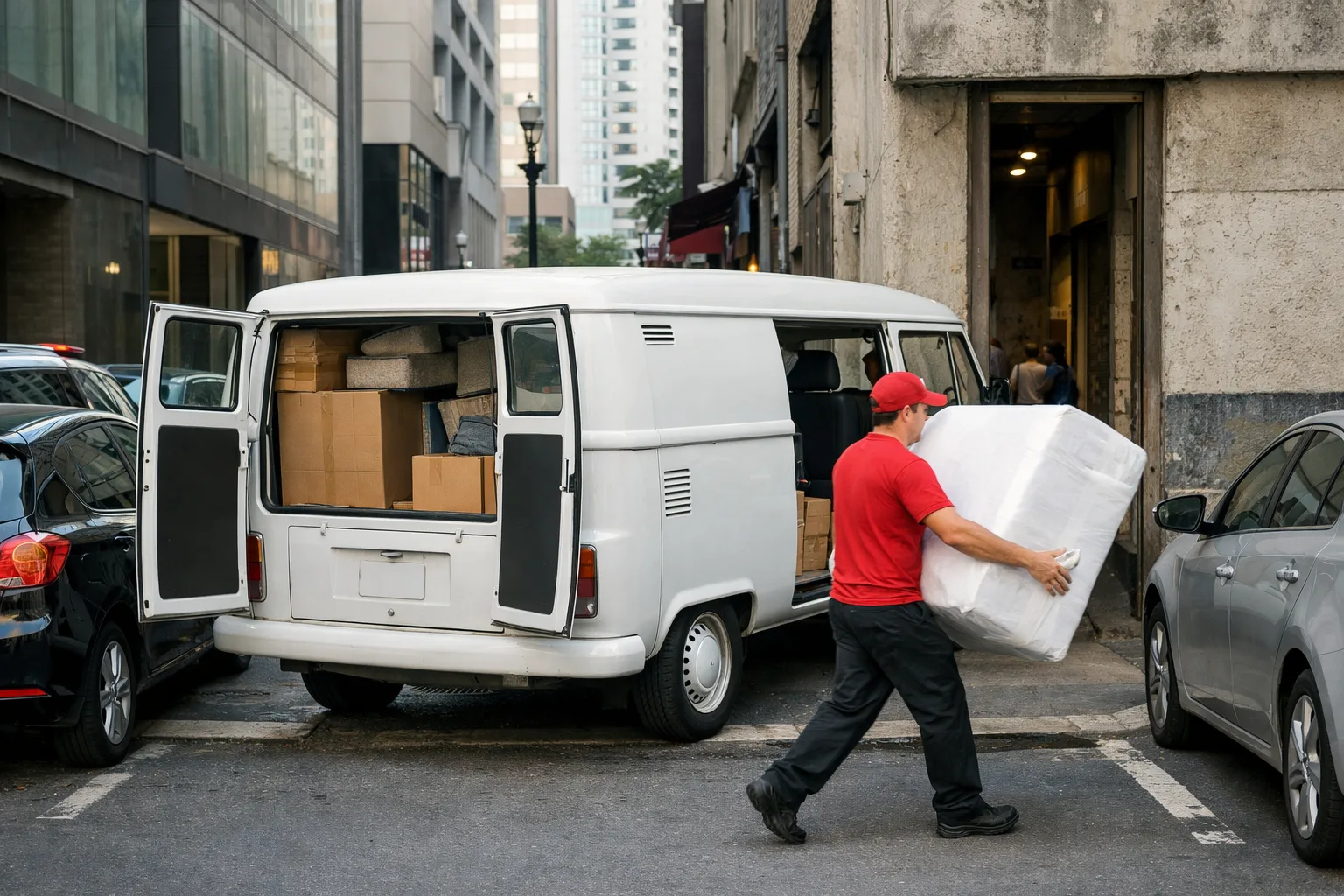
When moving, optimal use of van space is crucial for transport efficiency and safety. A well-organized space not only saves time and money but also reduces the risk of damage to furniture and boxes. In this guide, we will explain in detail how to smartly pack and arrange items in the van, making the best use of every centimeter of available space. In addition to basic tips, we will provide practical recommendations to help you avoid common mistakes and make the moving process as simple and safe as possible. Also, pay attention to details that can significantly affect load stability and safety during transit. With proper planning and organization, moving can become a less stressful and much more efficient process, which is especially important when you have limited time or resources. Remember, good preparation is the key to success, so it is advisable to create a detailed plan and schedule before packing and loading.
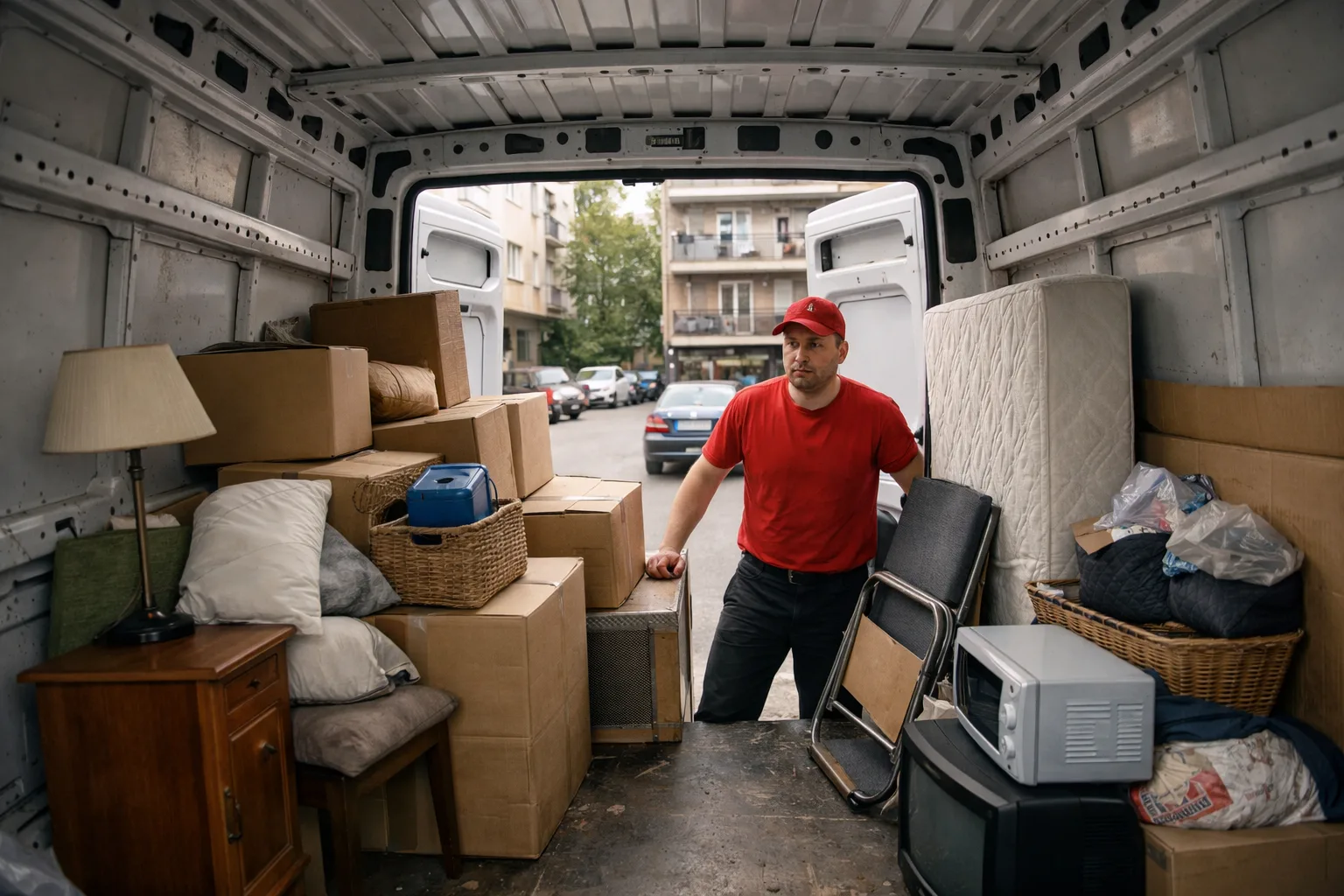
Before you start packing, it is important to accurately estimate the amount of items you have and the van's volume. Moving vans vary in size, so it is useful to know the dimensions of the cargo space. For example, a standard moving van in Belgrade can have a volume of about 8 to 12 cubic meters. Measuring the van's dimensions in advance allows you to better plan the layout and avoid unnecessary overcrowding or leaving empty space.
Planning allows you to choose the appropriate type of van and prepare the necessary packing materials. Calculate an approximate number of boxes and other packaging to avoid unnecessary gaps in the van. Also, consider whether you will need additional equipment such as straps or partitions to secure the load.
Also, make a list of items to be moved and estimate their weight and shape. This will help you distribute the load so that one side or the bottom of the van is not overloaded. Include an assessment of item fragility so you know which items need extra protection or should be placed in a safe spot. Planning ahead reduces stress and speeds up the packing and loading process.
In addition to basic volume assessment, it is useful to create a sketch of the item arrangement in the van. This way, you can visualize where everything will fit and how the load will be best distributed. Also, if you have helpers, the sketch can serve as a guide for more efficient loading and unloading.
Don't forget to account for extra space for protective materials such as blankets, wraps, and cushions, which are essential for the safe transport of fragile items. Planning space for these materials in advance can prevent unnecessary repacking and damage to belongings.
Boxes should be sturdy and sized appropriately for their contents. Oversized boxes can make stacking difficult and create gaps that are hard to fill, while undersized boxes may be impractical for heavier items. Properly sized boxes allow for stable stacking and easier handling during loading and unloading.
It is recommended to use uniform boxes where possible, as they facilitate stacking and load stabilization. For example, standard moving boxes measuring about 60x40x40 cm are ideal for most items. Uniformity allows boxes to be stacked on top of each other without shifting, which increases safety during transport.
For fragile items, use specialized boxes with extra protection, and for clothing and soft items, use packages or bags that can easily fit into niches. Additionally, using vacuum bags for clothes and bedding can significantly reduce the occupied space. Vacuum bags are especially useful because they remove excess air and save space while protecting items from moisture and dust.
Besides standard boxes, consider using plastic containers with lids for items that require additional protection from moisture and dirt. They are more durable and can be reused multiple times, which is both economically and environmentally beneficial.
Be sure to label boxes clearly with descriptions of their contents and possibly indicate their weight. This will help you distribute the load more easily and know which boxes require careful handling. Also, sorting boxes by rooms or types of items can greatly speed up unpacking.
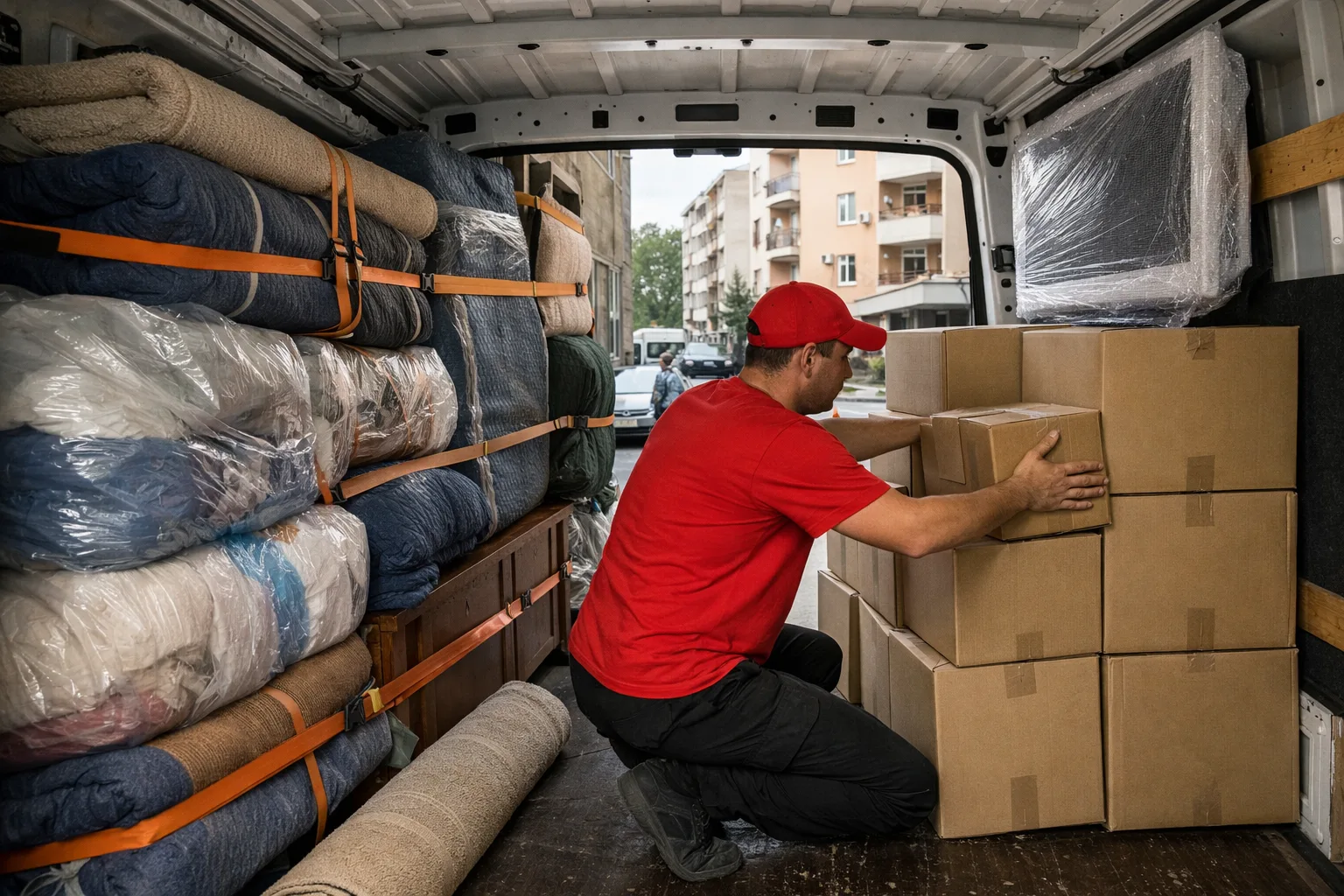
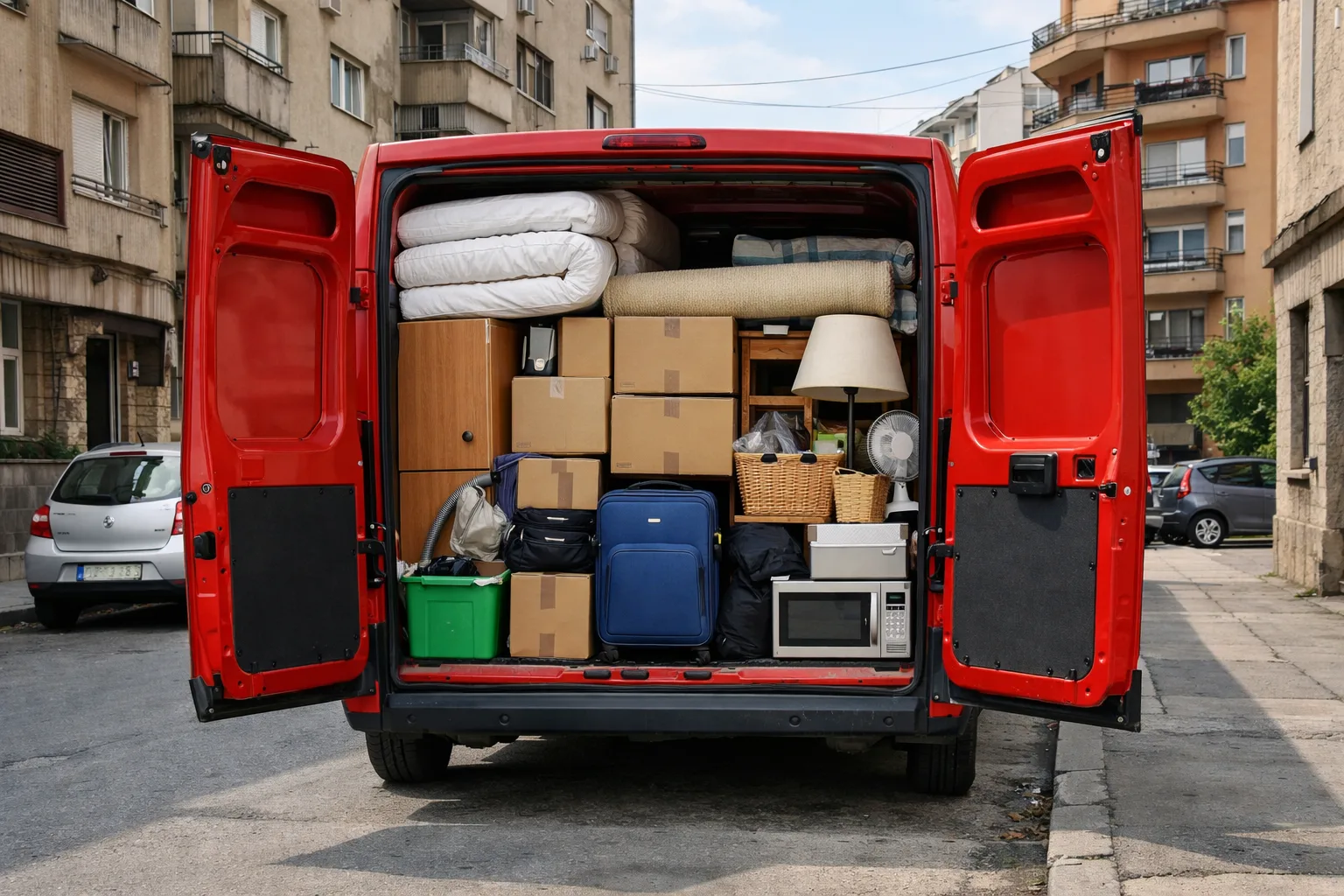
Heavy and large items, such as refrigerators, wardrobes, or machines, should be loaded first into the van. They go on the bottom and along the van walls, as they provide a stable base and prevent other items from shifting. If you need furniture transport in Belgrade, a professional team can efficiently organize the loading and protection of these items. Placing these items at the bottom also makes it easier to stack lighter items on top of them.
Pay attention to even weight distribution to avoid uneven vehicle loading, which can be dangerous during driving. Improperly distributed weight can affect vehicle handling and increase the risk of tipping over or losing control.
Use straps and ties to secure large items. This is especially important to prevent their movement and damage during transport. It is recommended to attach straps to special mounts in the van or to sturdy parts of the structure, not just to other items.
When placing large items, make sure to leave minimal space between them and the van walls, which you can fill with soft materials for additional protection. This prevents bumps and scratches during transit.
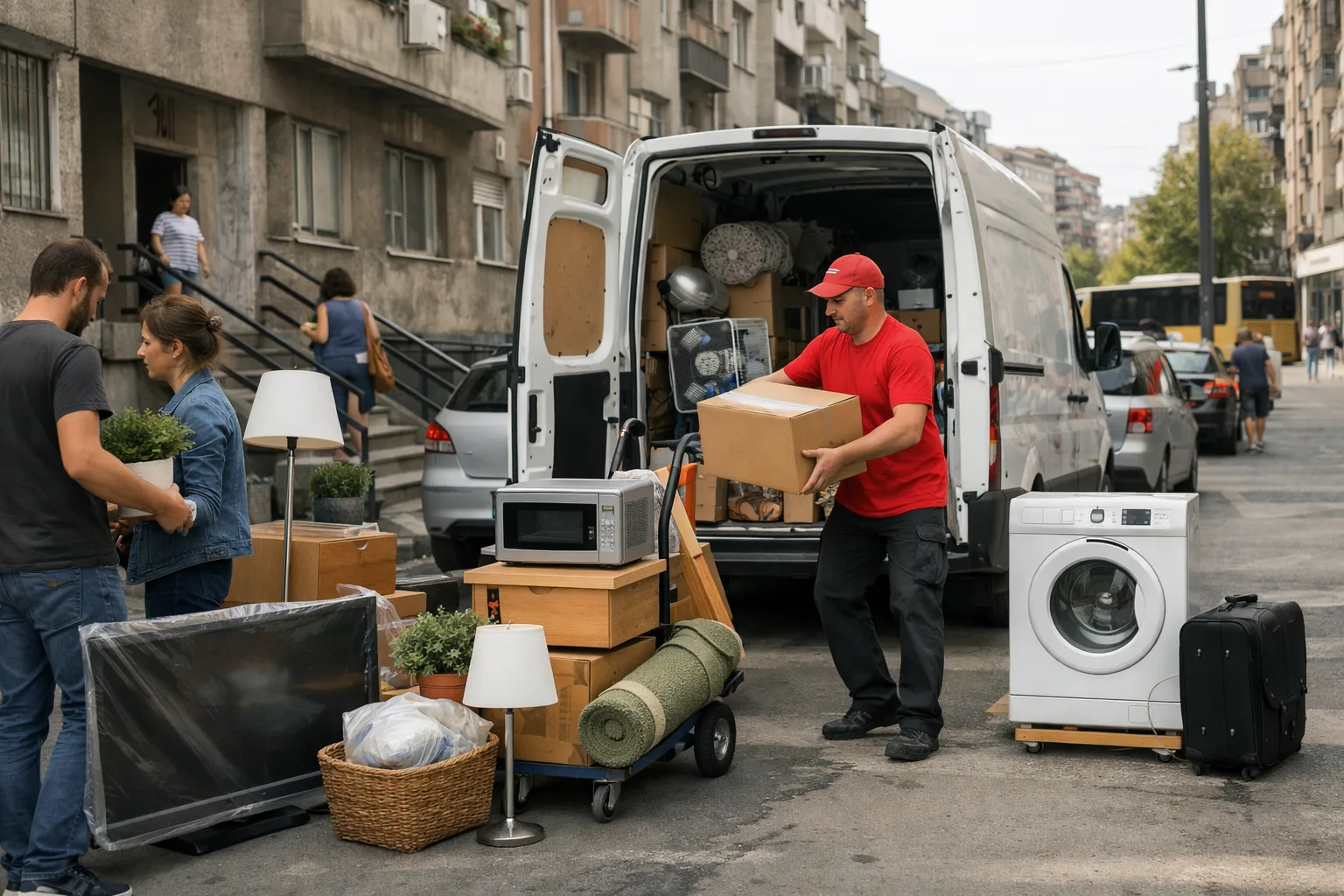
If possible, use carts or other auxiliary tools to move heavy items to reduce the risk of injury and damage to the items. Also, hiring an extra person to assist with loading large items significantly eases the job and increases safety.
Gaps between boxes and items can cause shifting and damage during transit. Use soft items like pillows, blankets, or clothing to fill these gaps. This not only protects the items but also stabilizes the load and reduces noise during the drive.
Vertical stacking is key to maximizing space utilization. Use the van's height by stacking boxes and items up to the ceiling, ensuring heavier items are at the bottom. When stacking multiple layers, check that the upper layers are stable and there is no risk of falling during transit.
Use shelves or temporary partitions if the van allows, to better organize space and prevent items from falling during transit. Also, consider using elastic nets or additional straps to secure smaller items in the upper parts of the van.
To further utilize vertical space, consider installing foldable shelves or platforms that can be mounted and dismounted as needed. This can significantly increase the van's capacity and allow for more complex stacking of smaller items.
Remember to use materials that won’t damage items when filling gaps, such as foam pads or soft fabrics. Avoid hard objects that can cause scratches or break fragile items.
Sort items by their purpose and weight. Place items you will need immediately upon arrival closer to the van doors. This allows quick access and facilitates unloading without moving other items.
Boxes with fragile items and valuables should be easily accessible and labeled on all sides, making identification and safe handling easier. Use clear labels and possibly colors or symbols to further simplify content recognition.
Place clothing and other lighter items on top or in less accessible parts of the van, as they can be easily accessed after unloading larger and heavier items. Also, soft items can serve as additional protection for fragile boxes or furniture.
When organizing, it is helpful to create a digital or paper inventory listing boxes and their contents. This can significantly ease finding items after the move and reduce unpacking time.
Consider grouping items by rooms or function, for example, kitchen utensils, books, clothing, which will help you arrange them more easily in the new space and speed up the unpacking process.
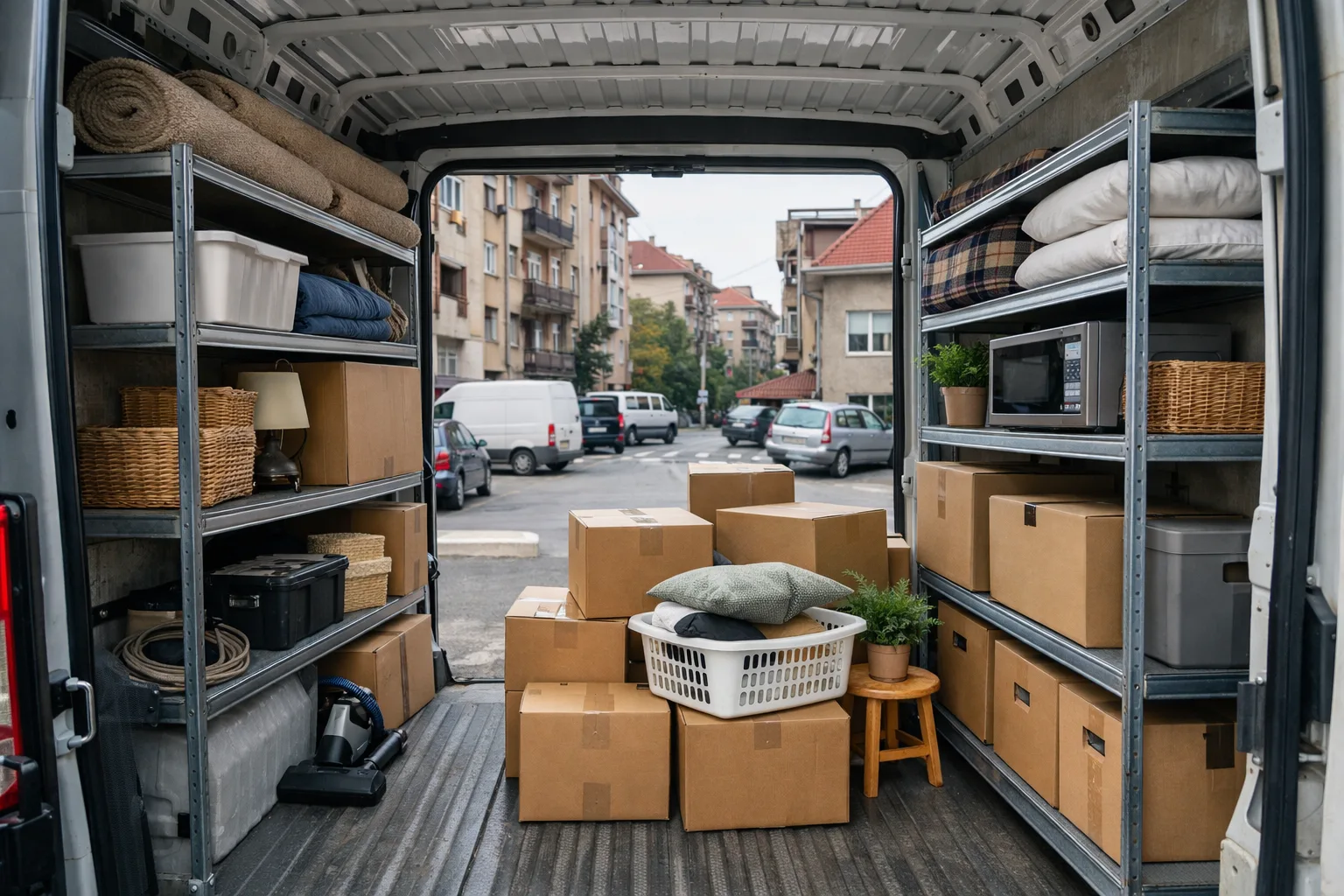
Straps, nets, and tie-downs are essential for cargo safety. They prevent shifting and damage during transit and are especially important when combining items of different shapes and sizes. It is recommended to have spare straps and regularly check them during the trip.
Use covers, blankets, and special films to protect furniture and equipment. This will prevent scratches, dents, and other mechanical damage. If you need professional furniture assembly after the move, contact experts who will carefully disassemble and reassemble your furniture. Pay special attention to corners and edges of furniture, where damage is most common.
Always check that securing equipment is properly installed and tightened before departure, as even slight movement can cause major problems during transport. During longer trips, periodically stop the vehicle and check the condition of the cargo and straps.
In addition to standard straps, consider using special cushions or rubber pads under heavy items to reduce friction and prevent damage to the van floor and the items themselves.
Also, if you are transporting delicate or valuable items, consider additional protection such as foam wraps or cardboard corners that protect the edges of furniture and appliances from impacts.
When unloading, it is important to have a plan for how you will arrange items in the new space. This means it is useful to label boxes during packing and arrange them in the van according to the unloading order. This saves time and reduces stress during unpacking.
Use experience from loading the van: items to be unloaded first should be loaded last in the van. This way, you won’t have to move other items to reach those you urgently need.
Start unpacking with the most essential items, then gradually move on to the rest. This will prevent clutter and make organizing the new space easier. Also, it is recommended to immediately set aside packaging and boxes in one place to facilitate recycling or waste disposal later.
During unloading, pay attention to safety and use proper lifting techniques to avoid injuries. If possible, enlist helpers for heavier items.
After unloading, make a plan for unpacking that includes priority rooms and items, which will help you settle in faster and avoid chaos in the new space.
Never overload the van to the point where it cannot be safely driven. Assess the maximum load capacity and adhere to it. An overloaded van can cause vehicle damage and increase the risk of traffic accidents.
Wear protective gloves and footwear during packing to avoid injuries. Also, lifting heavy items with proper technique prevents back injuries. Use help from others or carts for heavier items to reduce injury risk.
Regularly check the cargo condition during longer trips and secure it additionally if necessary. Safety should be a priority both during packing and driving. Also, pay attention to road conditions and adjust driving speed according to the cargo and vehicle condition.
Before departure, check that all items are well secured and that there are no loose parts that could pose a danger during driving. Also, check tire pressure and brake condition, as a loaded van requires optimal vehicle performance.
If possible, avoid driving in bad weather conditions or on uneven roads, as this increases the risk of cargo shifting and damage. Plan your route in advance and take frequent breaks to check the load.
Should you choose a van or a truck for your move?

How to find fast and quality intercity van transport for your belongings?
Advantages of using van transport for items throughout Serbia
We will respond to you as soon as possible.
Below we answer the most common questions that arise when organizing space in a moving van. These tips will help you avoid common mistakes and efficiently utilize every centimeter of cargo space.
The easiest way is to measure the internal length, width, and height of the van's cargo space in meters, then multiply them to get the volume in cubic meters. For example, if the length is 3 m, width 1.7 m, and height 1.8 m, the volume is 3 x 1.7 x 1.8 = 9.18 m³.
Use quality boxes with additional protective layers such as styrofoam or bubble wrap. Also, place them where they are surrounded by softer items and secure them with straps or nets to prevent movement during transit.
Start by placing larger and heavier boxes at the bottom of the van and along the walls, then fill gaps with smaller and lighter boxes. Try to use boxes of similar dimensions to make stacking easier and stabilize the load.
If your van allows for shelf installation, this can significantly help organize cargo, especially if you carry a variety of items of different sizes. Shelves enable better use of vertical space and easier access to items.
It is crucial to place heavy items as low and as close to the van walls as possible. Use straps and ties to secure them, and if possible, install barriers or use special holders that further stabilize the load.
Labeling boxes is essential for efficient unloading and unpacking. Clear labels save time and reduce stress because you can easily find what you need immediately upon arrival, especially for boxes with fragile or urgently needed items.
Utilize the van's height by stacking boxes and items up to the ceiling, but ensure heavier items are at the bottom. Use shelves or temporary partitions if available, and fill gaps with soft items to prevent shifting and damage.