
Storage Tips
5 Reasons to Rent Storage While Renovating Your Apartment
5 Reasons to Rent Storage While Renovating Your Apartment

Enter at least 3 characters.
Temporary storage is a crucial step in space organization, especially in situations such as moving, renovations, or seasonal wardrobe changes. We often face the problem of where to place items we don't use daily but don't want to throw away or give away. Efficient temporary storage preserves the value and functionality of items while freeing up space in your home or business premises. This guide will provide you with detailed advice on how to properly prepare, organize, and protect your belongings during temporary storage, minimizing the risk of damage and loss. Additionally, you will learn how to choose the right storage facility, how to pack items correctly, and which security measures to take to keep your belongings safe and in good condition during storage.
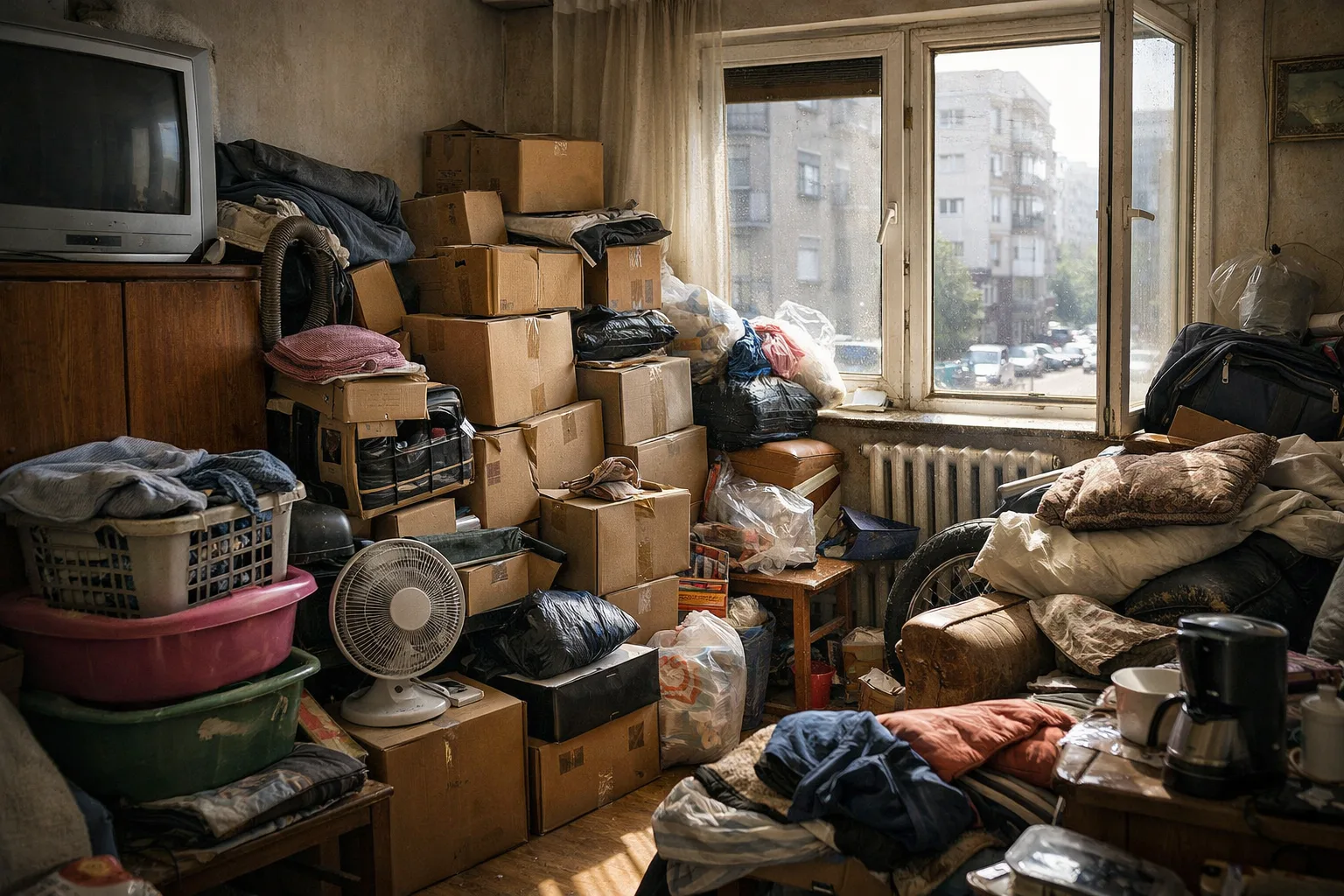
Temporary storage is an ideal solution when you need extra space or want to preserve items you are not currently using but plan to reuse. For example, during apartment renovations, professional item storage can protect your belongings from damage, dust, and moisture. This reduces stress and facilitates space organization by providing a clearly defined area for storage.
Besides convenience, temporary storage can also be a cost-effective solution. Instead of buying additional furniture or making permanent changes to your space, storage allows you the flexibility to keep your items without significant expenses. You can also choose the storage duration according to your needs, giving you greater control over costs.
It is important to carry out storage properly to prevent loss, damage, or deterioration of items. Proper preparation, choosing the right storage, and organizing within the storage space are key factors in preserving the value and functionality of your belongings. Inadequate storage can lead to permanent damage, which can be costly and frustrating for the owner.
Moreover, temporary storage enables better space management in business premises, where there is often a need to store seasonal equipment or document archives. This increases work efficiency and reduces maintenance costs.
Also, temporary storage can be useful in emergencies such as floods or fires, when it is necessary to quickly evacuate items and keep them safe until the space is restored.
When choosing storage, it is important to assess the size of the space you need, the storage duration, and the type of items you plan to store. For example, furniture and clothing require space protected from moisture and dust, while tools or construction materials can be stored in simpler and cheaper options.
There are different types of storage: self-storage units, storage containers, or storage services offered by professional companies. A self-storage unit is a good choice if you want to manage access and organization yourself, while professional services often offer additional benefits such as packing, transportation, and insurance.
Security measures are crucial when choosing a storage facility. Pay attention to the availability of video surveillance, quality locking systems, and access control. Some storage facilities also offer additional services such as insurance for your belongings or regular inspections, which can be very beneficial if you are storing valuable or sensitive items.
Before making a decision, it is recommended to visit several storage facilities to personally check the conditions, cleanliness, and accessibility. Also, inquire about contract flexibility and options for extending or shortening the storage period.
If you plan on long-term storage, consider facilities with controlled temperature and humidity conditions, which can significantly extend the lifespan of your belongings and reduce the risk of damage.
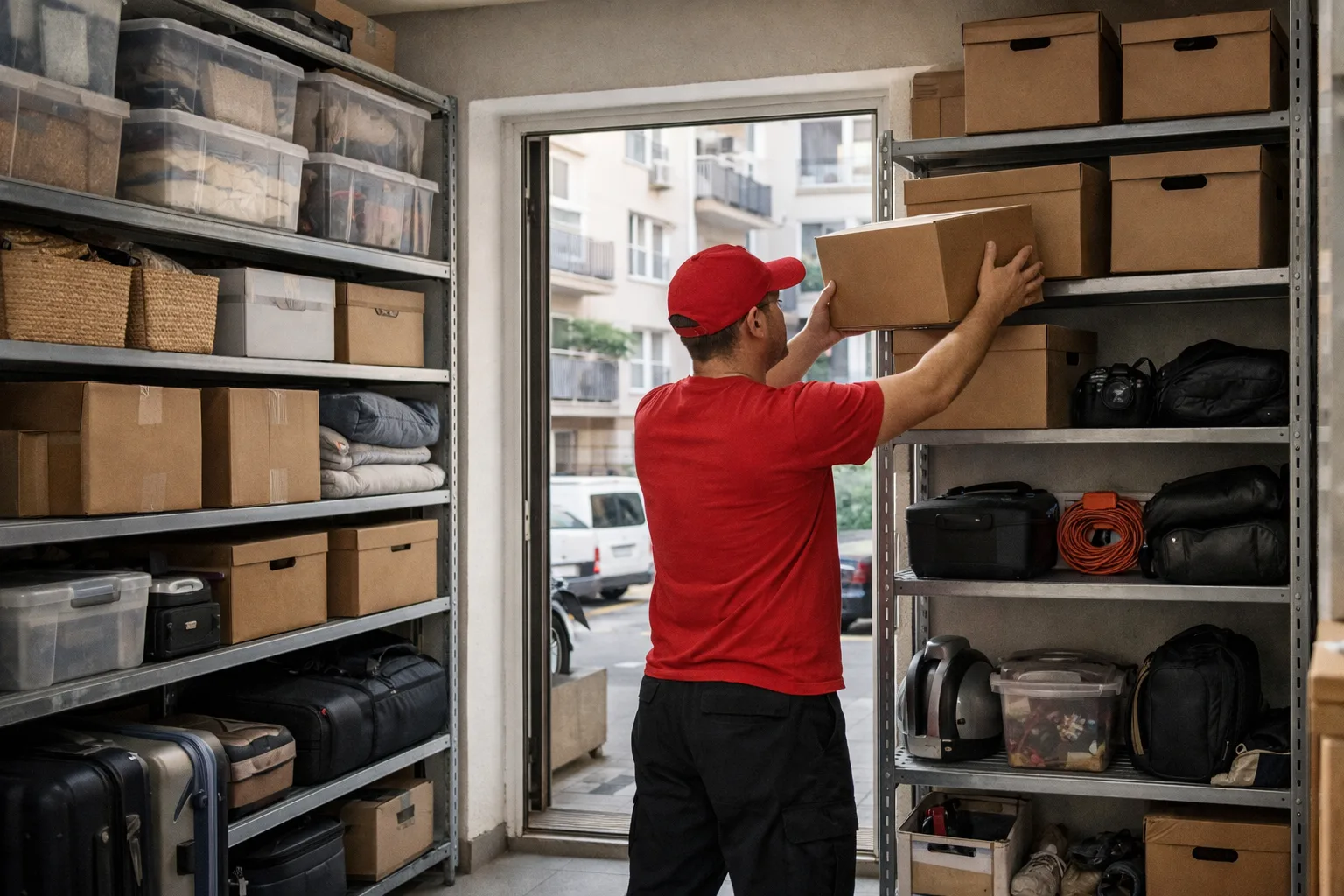
Proper preparation of items before storage is essential for their long-term protection. Before storing, be sure to clean and dry the items to prevent mold, unpleasant odors, and damage. Clothing and fabrics are best wrapped in protective covers or ventilated bags to prevent moisture retention.
Packing should be systematic and clearly labeled. Use sturdy moving boxes that are suited to the weight and size of the items. Fragile items must be wrapped in bubble wrap or paper, and heavier boxes should be placed at the bottom, while lighter ones should go on top to avoid breakage and damage.
For items requiring special care, such as antiques, artworks, or electronics, it is recommended to consult experts or manufacturers. They can provide specific advice on packing and storage conditions, helping to keep your items preserved even after extended storage periods.
It is also advisable to use silica gel packets in boxes with sensitive items to absorb any moisture. For clothing, avoid plastic bags that can trap moisture and cause mold; instead, use cloth covers or specialized storage bags.
Don’t forget to label boxes with their contents and any special handling instructions, which will make it easier to find items and reduce the risk of damage during handling.
A well-organized storage space allows easier access to items and reduces the risk of damage. When stacking, place boxes and items so they are easily accessible and clearly labeled. Heavy boxes should be placed at the bottom, while lighter and fragile items should be stored on top or on shelves.
Use shelves or pallets to keep items off the floor, which is especially important in areas prone to moisture. Leave enough space between rows for passage and ventilation, which helps preserve items and facilitates access.
If you expect to need certain items during storage, mark them as priority and place them in easily accessible locations. This way, you avoid unnecessary movement of other items and protect them from damage.
Also, consider using transparent boxes for frequently used items, as this allows quick identification of contents without opening them.
Regularly maintain order in the storage – periodically check that boxes are in place and that labels remain legible to avoid clutter and facilitate future access.
Humidity and temperature fluctuations can seriously damage many types of items. Wood can crack, fabrics can mold, and electronics can be permanently damaged. Therefore, choosing a storage facility with controlled conditions is very important, especially for sensitive items.
An ideal storage facility has good ventilation that prevents moisture buildup and allows air circulation. If you use closed boxes, periodically check the condition of the items and boxes for moisture, insects, or other potential issues to respond promptly.
For storing sensitive items such as artworks, books, or musical instruments, it is recommended to use climate-controlled storage facilities that maintain stable temperature and humidity throughout the year. Such conditions significantly extend the lifespan and preservation of the value of these items.
Additionally, some storage facilities have pest detection and control systems, which is especially important for storing textiles, paper, and other organic materials.
If you do not have access to an air-conditioned storage unit, consider using portable dehumidifiers and regularly ventilate the space to reduce the risk of condensation and mold.
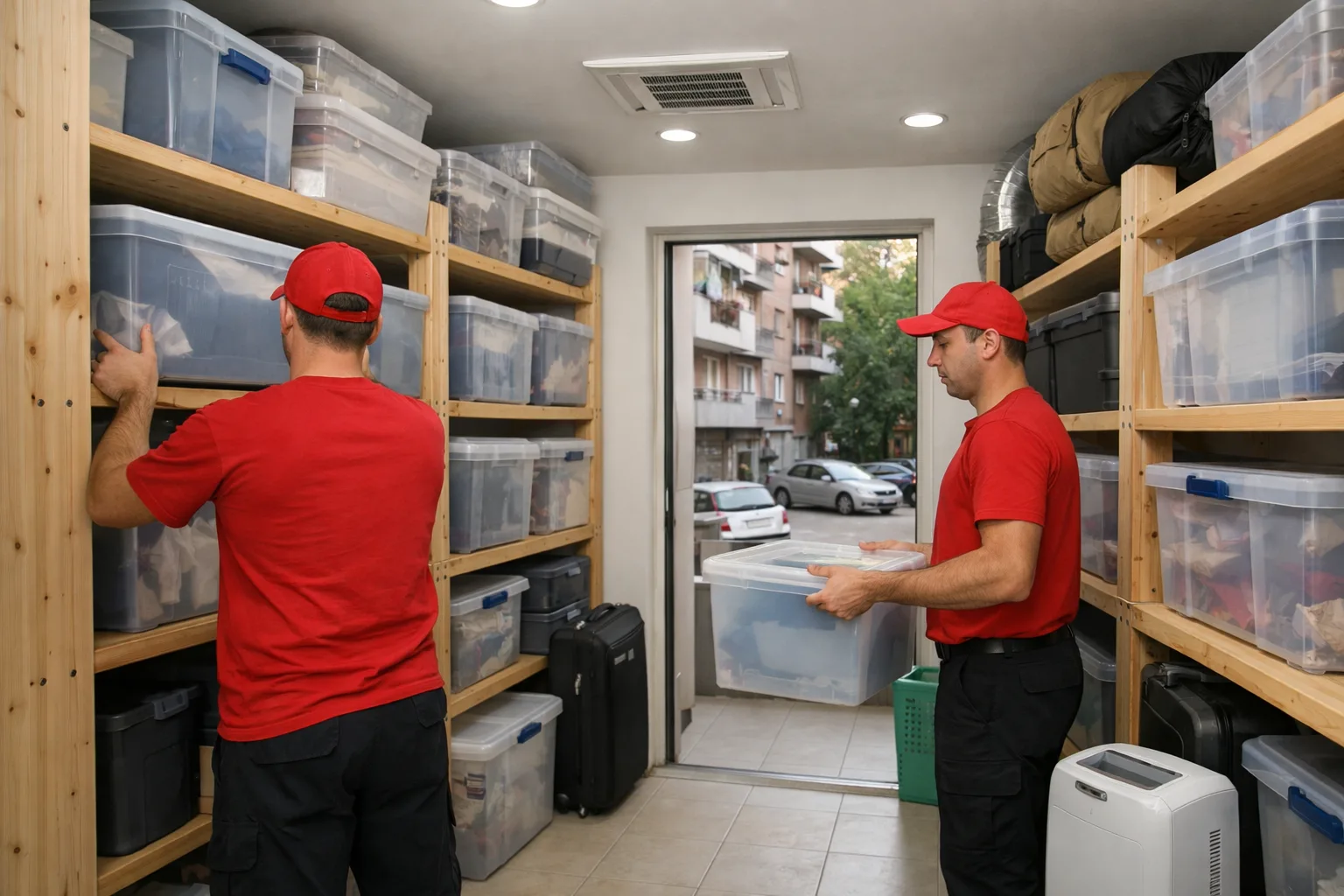
The security of the items you store should be a top priority. Before choosing a storage facility, check if it has an alarm system, video surveillance, and access control. Also, inquire about insurance options for your belongings, either through the storage facility or private insurance.
If you are storing valuable or sensitive items, it is recommended to keep detailed records with photos and descriptions. This can be very helpful in case of any issues, as well as for potential claims or insurance purposes.
Never leave keys or codes in easily accessible places. If you share storage space with others, clearly define usage and access rules to prevent unwanted situations and ensure the safety of your belongings.
Also, consider using additional security measures such as combination padlocks or security locks on boxes containing valuable items.
Regularly check the condition of security systems and contact the storage manager if you notice any irregularities or suspicious activities.
Organize your access schedule so you don’t have to move items frequently, which can cause damage or disorder. Plan in advance which items you will need during storage and place them in easily accessible locations.
Keep records of items entering and leaving the storage, especially if you use professional services. This helps track the condition of your belongings and prevents loss or forgetting items during extended storage periods.
Regularly check the condition of your items and storage conditions, especially if the storage period is long. Timely response to signs of damage, moisture, or other issues can significantly reduce damage and extend the lifespan of your belongings.
It is also recommended to create a priority list for accessing items to efficiently plan your needs and avoid unnecessary movement of a large number of boxes.
If you use professional storage services, maintain good communication with them and stay informed about any changes in storage conditions or access to your belongings.
If you cannot use an external storage facility, there are options for temporary storage within your home, such as basements, garages, or organized corners in your apartment. It is important to carefully prepare and adapt these spaces to storage conditions.
Use shelves, cabinets, and boxes that save space and protect items from dust and moisture. Pay attention to conditions such as ventilation and temperature, as improper conditions can lead to deterioration of items during storage.
If space is limited, consider minimizing items before storage. Donating, selling, or recycling unnecessary belongings can significantly ease organization and reduce the need for additional storage, saving you time and money.
You can also use vacuum bags for clothing and bedding, which significantly reduce volume and protect against moisture and dust, especially useful in smaller spaces.
Don't forget to regularly check the conditions in home storage spaces, as moisture and pests can be unnoticed yet very harmful to your belongings over time.
5 Reasons to Rent Storage While Renovating Your Apartment
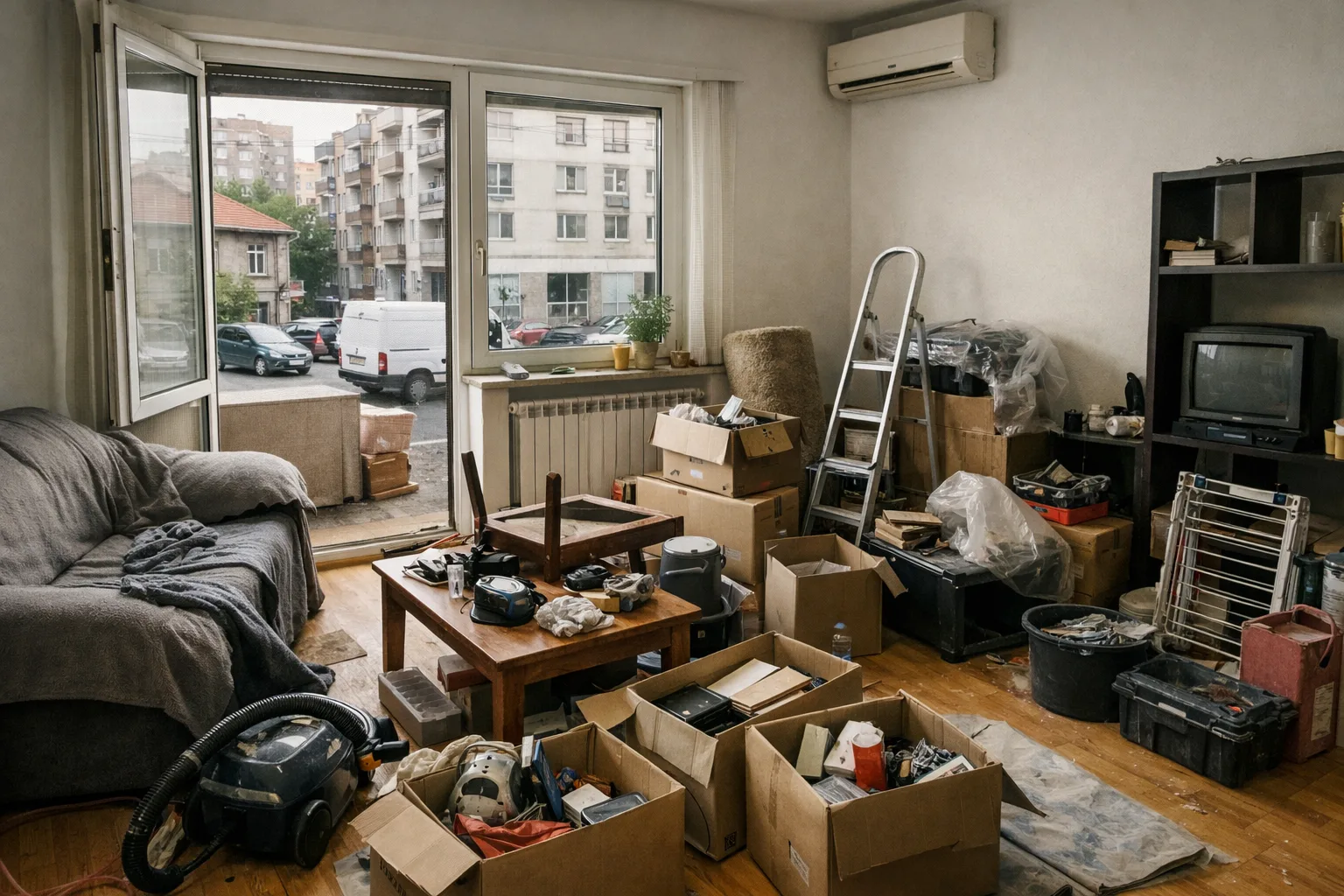
Why Is Storing Your Belongings a Good Solution for Home Renovation?
We will respond to you as soon as possible.
Below we address the most common concerns and specific issues related to temporary storage of items to help you plan and organize more easily.
Temporary storage can last from a few days to several months, or even years, depending on the storage facility and conditions. The risk of damage increases if items are not properly prepared, especially for sensitive objects, so it is important to use appropriate packaging and monitor storage conditions.
The most important thing is that items are completely dry before storing. Use silica gel packets or moisture absorbers inside boxes. Choose storage facilities with good ventilation and regularly check the condition of your belongings. Also, keep items off the floor by using pallets or shelves.
Boxes protect items from dust and mechanical damage but should be properly labeled and stacked. Shelves allow easier access and better ventilation, so ideally combine both options depending on the type of items and available space.
Choose a storage facility with video surveillance, alarm systems, and access control. Keep an inventory of your items and, if possible, insure them. Do not share keys or codes with unknown persons and regularly check the storage condition.
Items that are very sensitive to moisture and temperature changes, such as food, plants, unprotected washable fabrics, perishable goods, and flammable materials, are not recommended for storage without adequate conditions. Such items require specialized environments.
Use detailed labels on boxes and create a list describing the contents and their location in storage. Organize items by categories and place frequently used items in accessible spots. A digital or paper inventory will make finding items easier.
Outdoor storage is not recommended for most items due to exposure to weather conditions and risk of damage. If there is no other option, be sure to use waterproof and sturdy boxes, as well as additional protection against moisture and dust.