
Storage Tips
5 Reasons to Rent Storage While Renovating Your Apartment
5 Reasons to Rent Storage While Renovating Your Apartment

Enter at least 3 characters.
Long-term storage of belongings requires careful preparation to keep them in good condition regardless of the duration. Improper packing or placement can lead to damage and loss of value. In this guide, you will learn the steps and tips to efficiently prepare your items for long-term storage, whether it's furniture, clothing, books, or electronic devices. Besides basic recommendations, we will focus on practical advice to help you maximize protection of your belongings and avoid common mistakes during storage. Proper preparation and organization not only extend the lifespan of items but also facilitate access and management of stored goods over time.
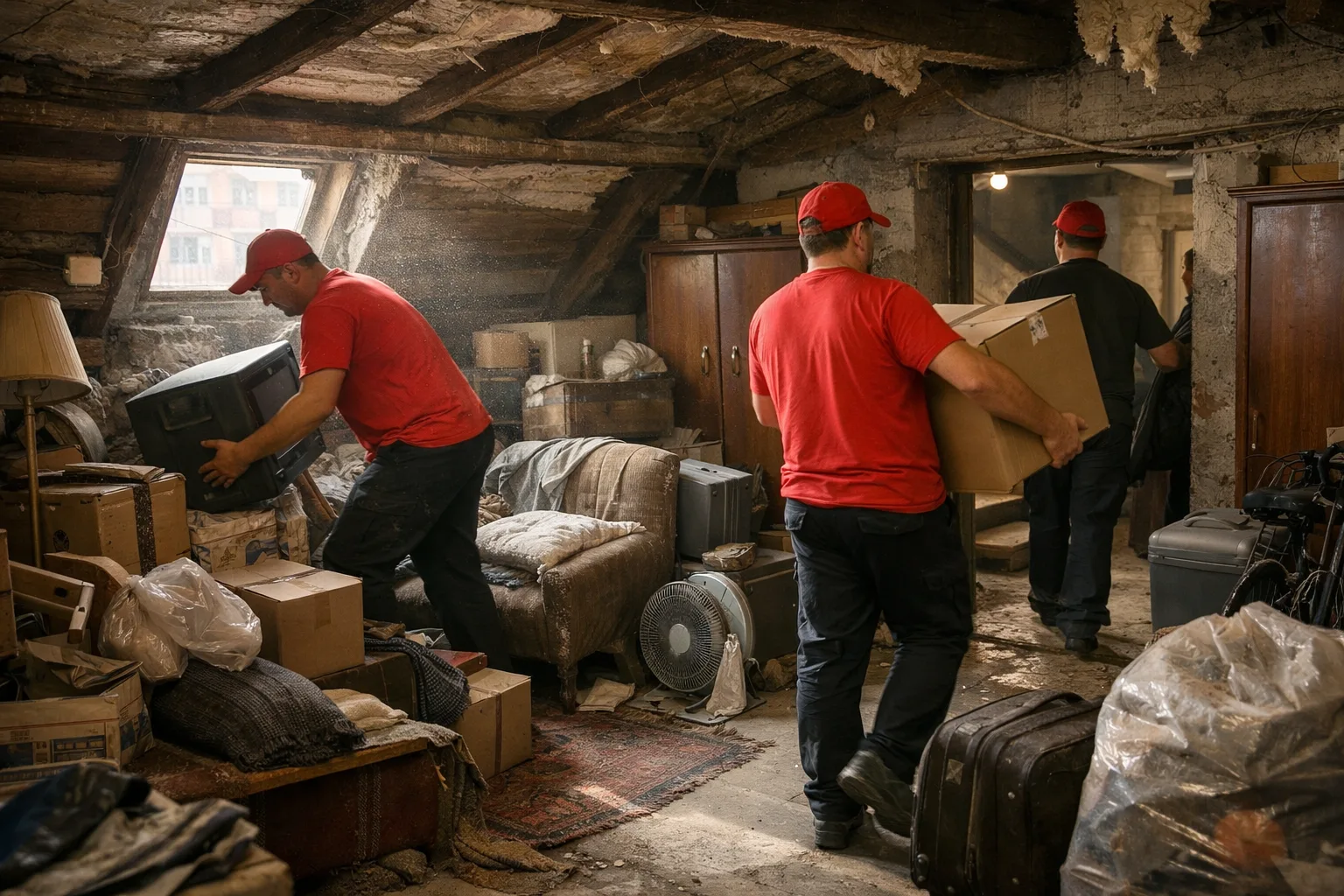
The first step in preparing items for long-term storage is selecting an appropriate storage space. The ideal storage should be dry, well-ventilated, and protected from extreme temperatures. Humidity can cause mold and rot, while excessively high or low temperatures can damage sensitive materials. Therefore, it is important that the space maintains stable environmental conditions, with temperature and humidity control, especially if you plan to store valuable or delicate items.
When choosing a space, it is important to check if it is protected from water ingress and whether there is a security system to prevent theft or unauthorized access. Additionally, the space should have a good ventilation system to prevent moisture buildup and lingering unpleasant odors. It is recommended that the space also has smoke detectors and a fire suppression system, which further enhances the safety of your belongings.
For long-term storage, specialized facilities for furniture, belongings, and goods storage are recommended, designed for keeping items over extended periods and often featuring controlled environmental conditions. These facilities offer various unit sizes, allowing customization to user needs and flexibility in accessing items. Before deciding, visit the facility to check conditions and availability of additional services such as insurance and transport assistance.
Before placing items in storage, it is essential to clean them thoroughly. Dust, dirt, and stains can become permanent if stored for a long time. For example, clothing should be washed and completely dry, while furniture should be dusted and possibly treated with wood protection products. Also, remove any food or liquid residues from items to prevent attracting insects or causing unpleasant odors.
Electronic devices should be cleaned and dried, and batteries removed to avoid leakage and damage. Books and paper materials should be protected from moisture and insects, so it is advisable to use plastic or metal boxes with lids. Before packing, check that all devices are turned off and have no damage that could worsen during storage.
If storing clothing or bedding, it is good to use vacuum bags that save space and protect from dust and odors. Avoid plastic bags that are not vacuum-sealed as they can retain moisture and cause mold. Also, before packing, ensure all textile items are completely dry to prevent mold growth and unpleasant smells.
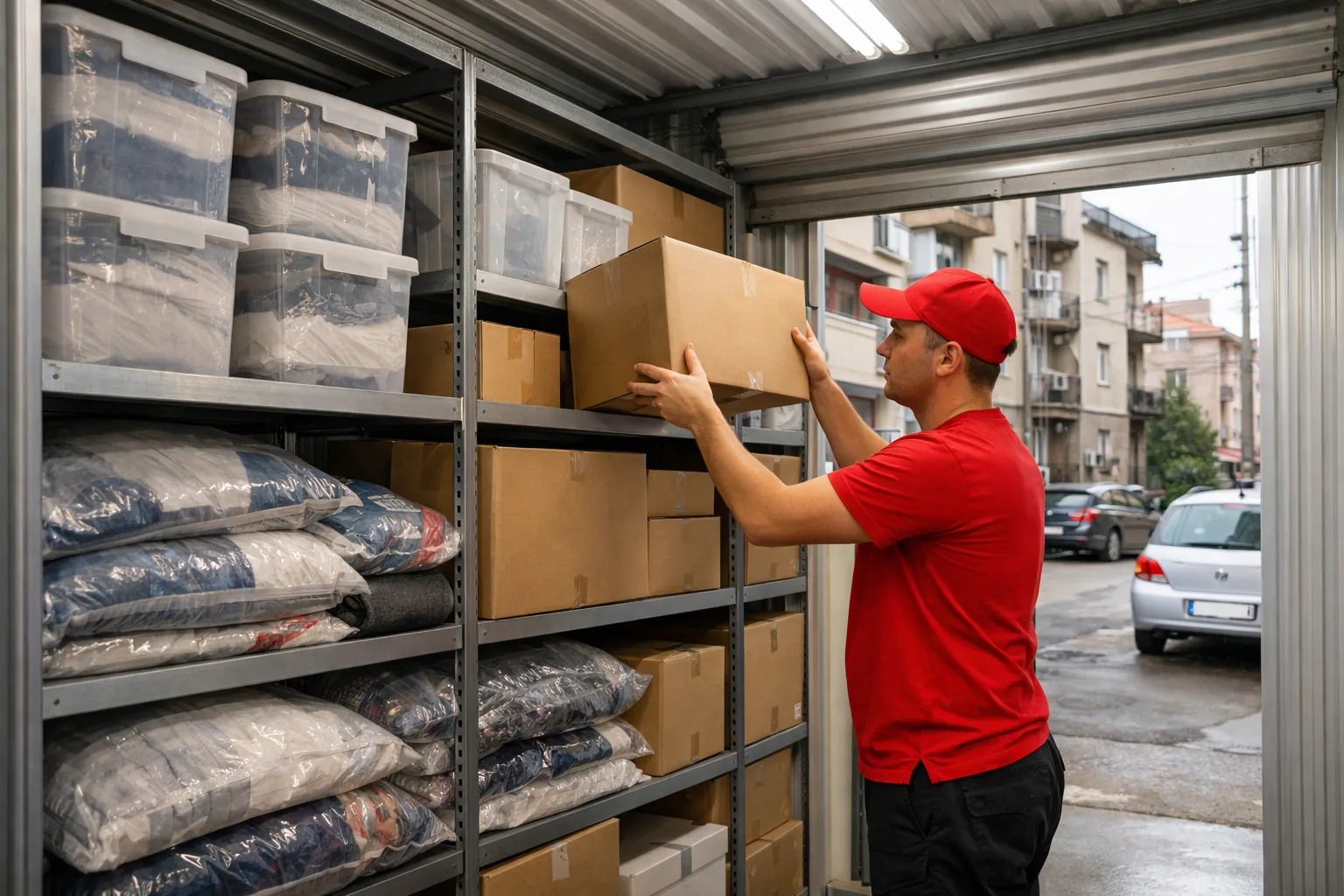
For long-term storage, high-quality packing materials are essential. Use sturdy moving boxes or plastic containers with lids that are resistant to moisture and dust. Boxes should be strong, undamaged, and securely sealed with tape. It is recommended to use boxes that stack easily and have reinforced corners to prevent deformation over time.
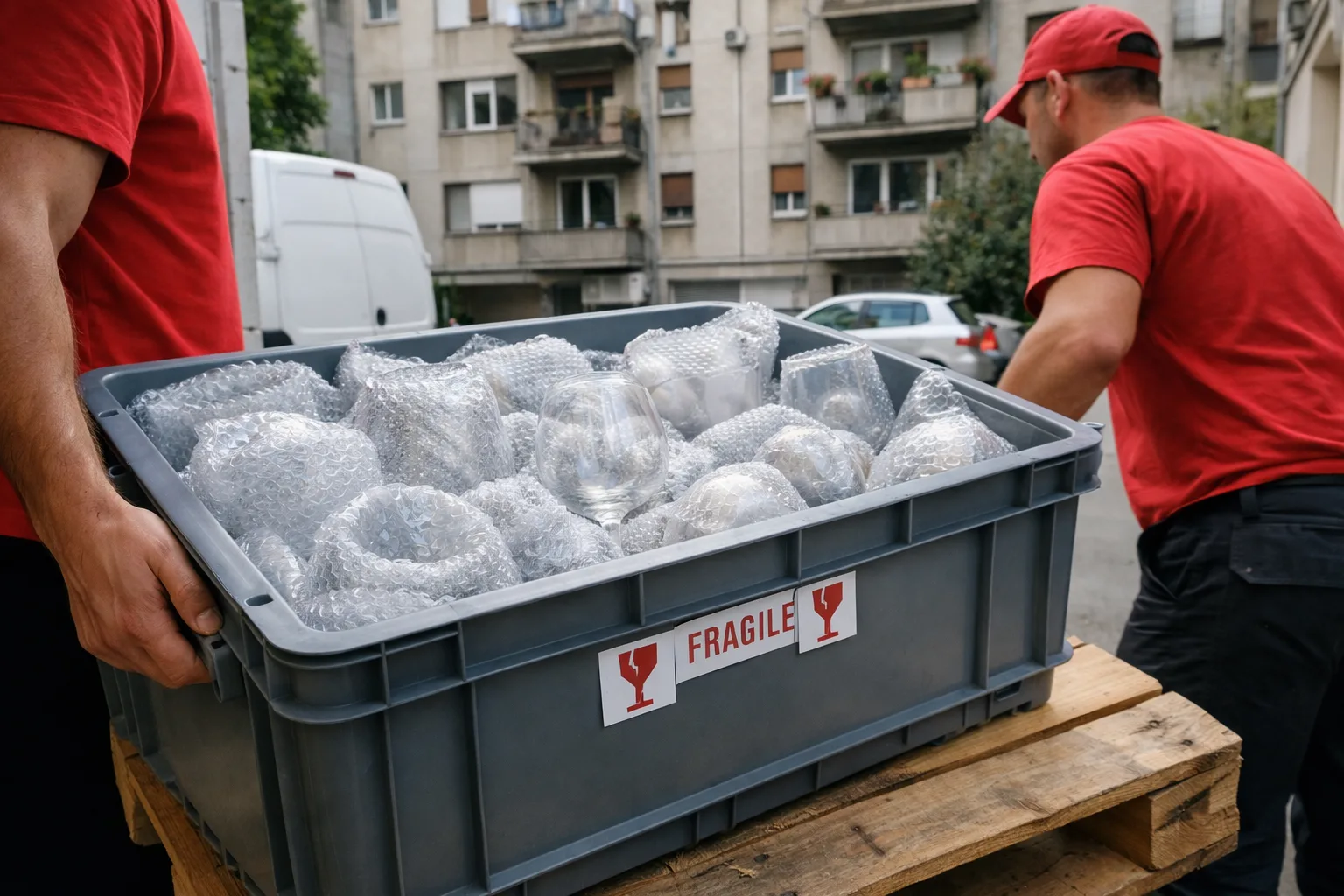
Wrap delicate items, such as glass or ceramics, in bubble wrap or old clothing to protect them from breakage. Electronic equipment should ideally be wrapped in anti-static bags. Also, when packing fragile items, label the boxes with "fragile" warnings and mark the sides that should face up to prevent improper handling.
When stacking boxes, place heavier ones at the bottom and lighter ones on top. Do not overfill boxes as this can cause deformation and damage to the contents. Label each box with a list of contents and any handling instructions. Additionally, photographing the contents before packing can help with later identification and condition checks.
Furniture should be prepared by disassembling it if possible to reduce space and prevent damage. Protect cushions, mattresses, and upholstered parts with breathable covers or plastic films; non-breathable plastic bags are not recommended as they can trap moisture. For extra protection, you can use specialized covers that guard against dust and insects while allowing air circulation. If you need assistance with disassembly and reassembly, you can hire professional furniture assembly services.
Coat wooden surfaces with wax or oil before storage to protect the wood. Protect metal parts from corrosion by applying rust inhibitors or light oil. Avoid direct contact between furniture and the floor by using pallets or mats. This will prevent moisture from penetrating the lower parts and damaging the material.
If you are storing larger items such as bicycles or tools, clean them of dirt and lubricate chains and gears, then cover them with an appropriate tarp or cover. Regularly check the condition of these items during storage and maintain them as needed to keep them functional.
Textile items should be packed in vacuum bags or plastic boxes with lids to prevent dust and moisture penetration. Before storage, clothing must be completely dry and clean. Do not store damp or dirty items as this can cause mold and unpleasant odors. Also, avoid storing clothing in direct contact with walls or the floor of the storage space.
For additional protection, you can place silica gel packets that absorb moisture or natural moth repellents like cedarwood blocks inside the boxes. Avoid using insecticides in enclosed spaces as they can damage fabrics and be harmful to health. Regularly check the condition of textiles and replace protective agents as needed.
Regularly inspect the storage area, especially if there is high humidity or temperature fluctuations. Occasionally air out clothing to prevent odor retention. Also, if possible, use humidifiers or dehumidifiers in the storage space to maintain optimal humidity levels.
Books and documents are sensitive to moisture and light. Pack them in sturdy cardboard boxes or plastic containers with lids. Before packing, ensure they are dry and undamaged. Also, avoid exposing them to direct sunlight as it can cause fading and deterioration of paper.
Avoid placing them directly on the floor or against storage walls; use pallets or shelves to allow air circulation and prevent potential moisture damage. Also, regularly check the condition of boxes and replace or reinforce them as needed.
For extra protection, you can use acid-free paper to wrap valuable documents and books. Never use plastic bags that can trap moisture and cause mold. If books are particularly valuable, consider professional restoration or conservation before storage.
Before storage, clean electronic devices of dust and dirt. Remove batteries to prevent leakage and damage. If possible, wrap devices in anti-static bags or soft cloth. Also, ensure all cables and accessories are neatly packed and labeled.
Store them in a dry place without direct exposure to sunlight or extreme temperature changes. Ideally, use plastic boxes with lids to further protect equipment from dust and moisture. Avoid storing in basements or areas with high humidity.
Before reuse, check the condition of the device and clean it again. If the device has been stored for a long time, it is advisable to leave it at room temperature for a few hours before turning it on. This helps evaporate condensation inside the device and reduces the risk of damage.
Good organization can significantly simplify finding items later. Clearly label each box with a list of contents and the room it belongs to. Use waterproof markers or labels for permanent marking. You can also use code labels or colors for quick identification of item categories.
Making a list of items you have stored can help you keep track of where everything is and avoid unnecessary opening of multiple boxes. Digital lists or photos of contents can further simplify searching and managing the storage.
If you store items you might need during storage, mark them as priority and place them in an easily accessible spot in the storage. Plan the arrangement of boxes so that frequently used items are on top or at the front of the storage, saving you time and effort when accessing them.
5 Reasons to Rent Storage While Renovating Your Apartment
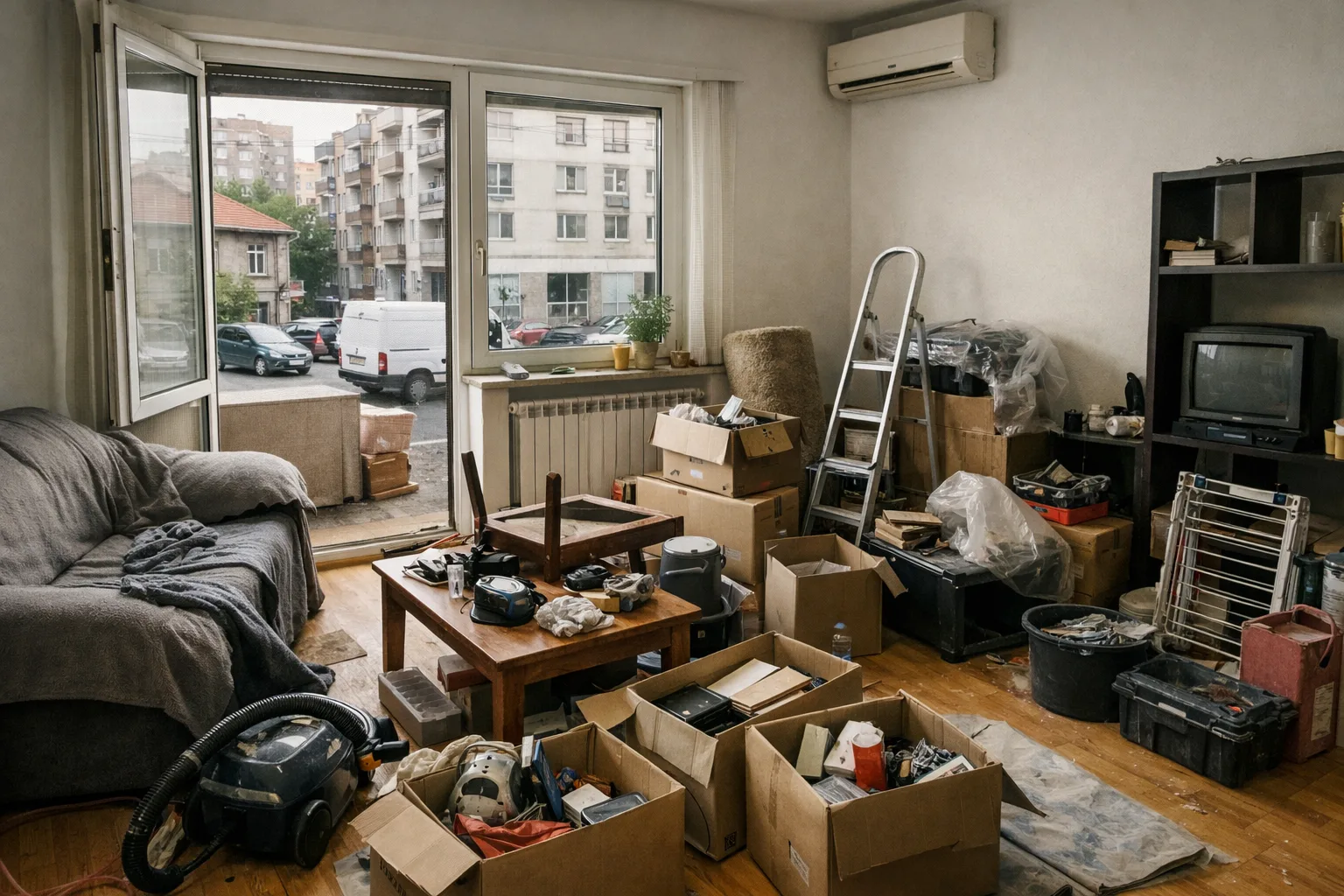
Why Is Storing Your Belongings a Good Solution for Home Renovation?


We will respond to you as soon as possible.
Below we answer the most common questions related to preparing and storing items for an extended period, to help you avoid common mistakes and keep your belongings in optimal condition.
To prevent moisture, choose a storage unit with good ventilation and climate control, use moisture absorbers like silica gel packets, as well as vacuum bags for clothing and textiles. Also, regularly check the condition of items and the space.
It is recommended to disassemble large and heavy furniture to save space and reduce the risk of damage. Carefully pack and label the disassembled parts to make reassembly easier later.
Clean electronic devices, remove batteries, and wrap them in anti-static bags or soft cloth. Store them in a dry space, protected from direct sunlight and temperature fluctuations.
Use bubble wrap or soft fabrics to wrap glass items, then carefully place them in sturdy boxes with additional padding to prevent movement during storage.
Pack clothes in vacuum bags or plastic containers, ensuring they are dry and clean. Use moisture absorbers and natural moth repellents such as cedarwood.
It is advisable to check items at least once every few months, especially if the storage is not climate-controlled, to detect and address any moisture or damage issues in time.
For long-term storage, plastic containers with lids are better because they protect against moisture and dust. Cardboard boxes are acceptable for dry and less sensitive items but are not recommended in humid conditions.