Storage Tips
Why Is Storing Your Belongings a Good Solution for Home Renovation?
Why Is Storing Your Belongings a Good Solution for Home Renovation?

Enter at least 3 characters.
Apartment renovation often brings unpredictable challenges, especially when it comes to managing belongings and furniture. Renting storage space can be a crucial step towards a smoother, more organized, and safer renovation. In this guide, we will thoroughly explain the five most important reasons why storage is essential during renovation, along with practical tips on how to choose the right space. Additionally, we will provide concrete recommendations for packing, organization, and security, as well as advice on how to maximize storage space throughout the renovation process. We will also touch on additional aspects that can significantly contribute to the success of your renovation, such as logistics planning, communication with contractors, and maintaining cleanliness during the work.
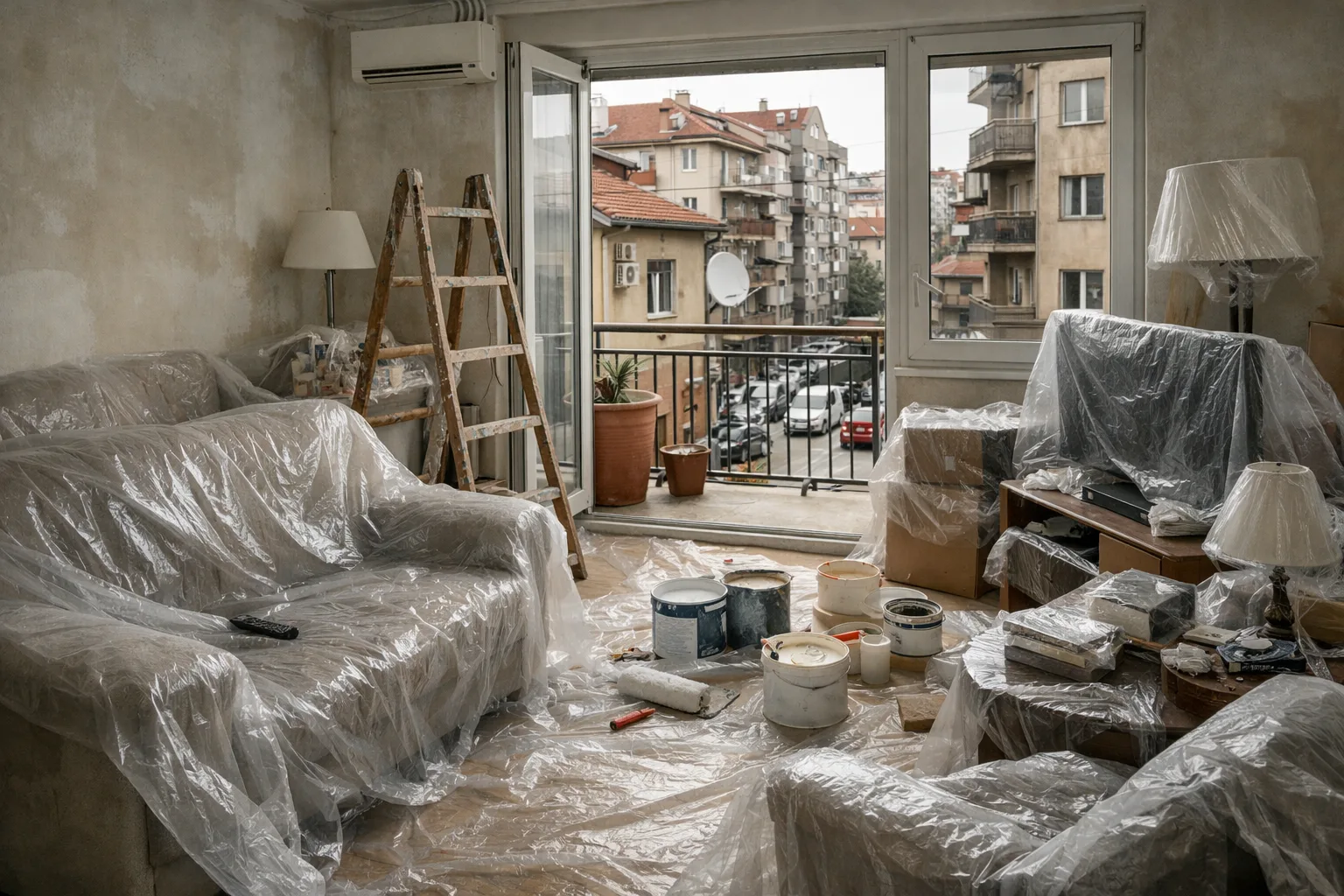
Renovation involves dirt, dust, paint, and other materials that can seriously damage furniture and other valuable items. Renting storage space allows you to safely store your belongings in a place where nothing can harm them. For example, carpets, curtains, or delicate decorations won’t be exposed to dust and potential scratches during the work.
Storage facilities are usually climate-controlled or at least protected from moisture and extreme temperatures, which further protects wood, fabrics, and other materials from deterioration. Keeping your belongings in a secure place also prevents unpleasant odors that can arise from construction work.
This measure also reduces stress during renovation because you don’t have to worry about accidentally damaging your belongings or something going missing from your home while workers are present.
Practical tip: Before packing furniture and delicate items, be sure to clean and dry them thoroughly to prevent mold or unpleasant odors during storage. Use protective covers for furniture and moving boxes with lids for smaller items, which further protect against dust and moisture.
Additionally, it is recommended to wrap valuable items such as paintings, mirrors, and glass surfaces with soft materials like cotton cloths or special protective films against impacts. For upholstered furniture, use breathable covers that prevent condensation and mold growth. Also, label boxes with fragile contents as "fragile" so they are handled with extra care during transport and storage.
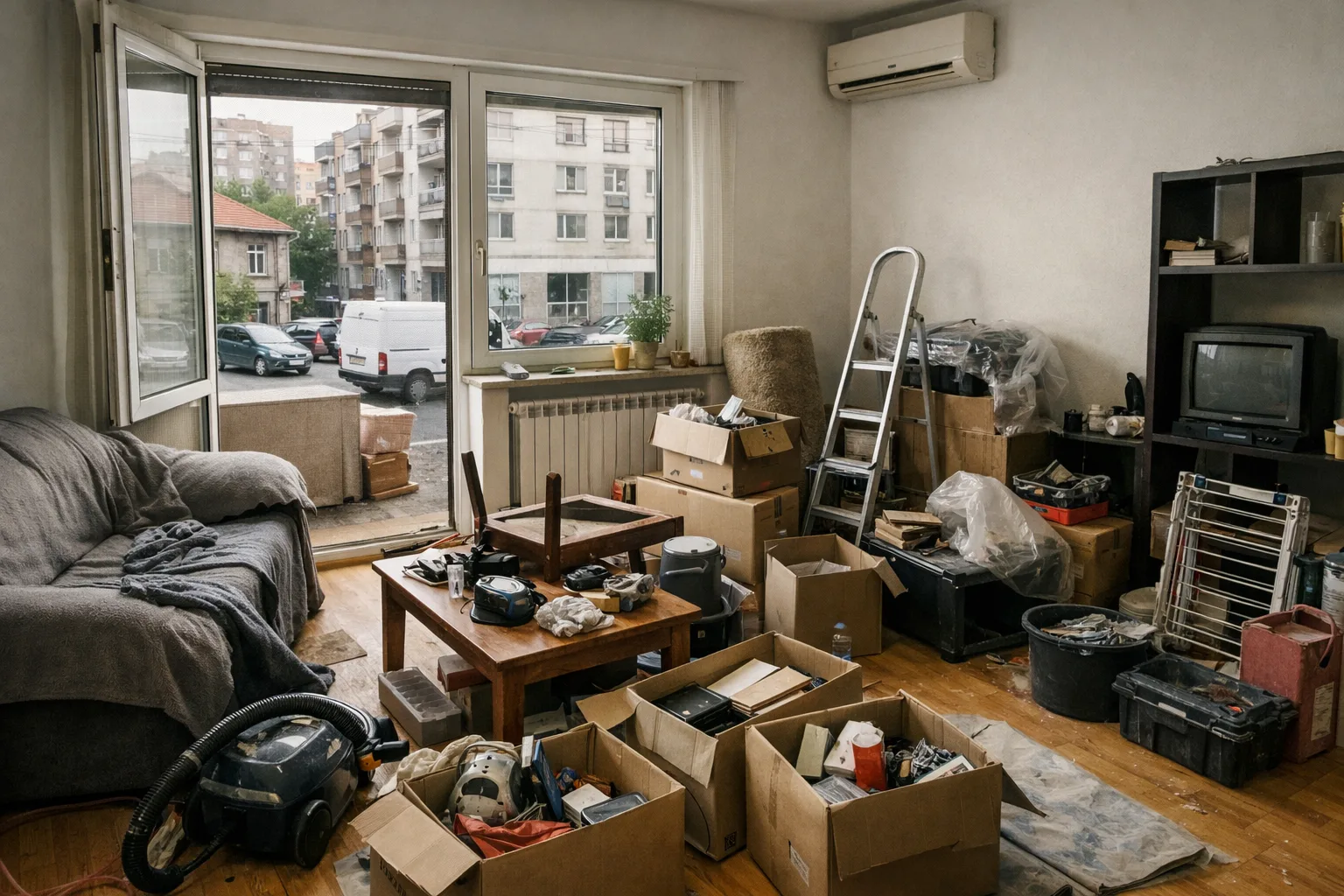
When an apartment is cluttered with furniture and belongings, it is difficult for workers to perform their tasks quickly and efficiently. Renting storage frees up space that can be used to facilitate the work and improve organization.
More space also means fewer risks of accidents and damage during the work, as tools and materials can be better arranged, and access to all parts of the apartment is easier. This also reduces the duration of the work, which is beneficial if you want to return to your renovated home as soon as possible.
For example, if you plan to change floors or walls, workers will be able to work without constantly moving items or covering furniture, which contributes to the quality and speed of the renovation.
Practical tip: Before renting storage, make a detailed renovation plan and estimate how much space you will need for storing items. Also, inform the contractors that the space will be cleared so they can plan their work more efficiently and without delays.
Another useful approach is to define renovation phases in advance and prepare the storage so that items needed in the first phase are easily accessible, while others can be stored deeper inside. This avoids unnecessary moving of items and additional costs.
Also, consider setting up temporary work surfaces or storage shelves inside the storage unit, which can help contractors organize tools and materials on-site, further speeding up the work.

During renovation, the apartment may be accessible to more people, increasing the risk of theft or loss of valuable items. The storage you rent offers an additional level of security, especially if you choose a space with video surveillance, alarm, and access control.
This solution reduces the stress of owners worried about the safety of their belongings while they are away or while the work is ongoing. Additionally, storage facilities often have insurance that further protects your property.
For example, if you have expensive electronics or antiques, storing them in a controlled and secure space can prevent unwanted incidents and unforeseen costs caused by theft or damage.
Practical tip: When choosing storage, inquire about the security measures the facility offers and whether additional insurance for your property is available. Also, keep an inventory of the items you store, including photos and a list, which can be useful in case of any issues.
It is recommended that the storage has double access control, such as cards or coded entries, and that the space is well-lit and regularly patrolled. If the storage is not near your home, consider hiring a professional security service or adding extra security measures to the items themselves, such as security locks or protective covers.
It is also important that the storage has clear procedures for reporting and resolving incidents, and that it provides you with the option to monitor access via an app or online system, which further increases control over your property.
Renting storage gives you the freedom to renovate on your own schedule, without rushing to quickly return items to the apartment due to lack of space. You can plan work phases in more detail and adjust them to the actual situation.
For example, if unforeseen problems or delays arise, you don’t have to worry about where to temporarily place your belongings, as the storage remains available for as long as you need.
This flexibility is especially useful if you are renovating a larger apartment or multiple rooms at once, as the storage allows you to gradually return items when individual parts of the apartment are ready for use.
Practical tip: Choose storage that offers contract extension options or flexible rental terms so you can adjust the storage duration to the actual renovation needs. Also, organize items in storage so that the most needed ones are easily accessible for quick return to the apartment.
Additionally, it is recommended to regularly communicate with contractors and the storage facility to timely adjust plans and avoid extra costs due to rental extensions. Also, pay attention to deadlines and contract termination conditions to avoid unpleasant surprises.
If possible, choose storage that allows access at different times of the day, which can be useful if you want to pick up or return items yourself during certain renovation phases.
When you rent storage, you can organize your belongings in advance and pack them neatly according to the renovation phases. This reduces chaos and makes it easier to find and retrieve items when needed.
For example, seasonal clothing, books, or decorations can be separated into specific storage sections, allowing better control over the entire inventory.
An organized approach reduces stress and saves time because you don’t have to search the entire apartment for a particular item; instead, you can easily find it in storage.
Practical tip: Use labels and numbered boxes for packing items, along with an inventory list for each box. Also, create a storage map or photograph the layout of items, which will help you quickly locate what you need without unnecessary searching.
It is recommended that boxes be standardized in size to stack more easily and save space. Use transparent boxes for frequently used items, while opaque boxes with clear labels can be used for others.
Also, when packing heavy items, place them in smaller boxes to make carrying easier and prevent damage. Use waterproof folders or boxes for documents and important papers.
If possible, create a digital inventory of items in storage, which can be useful for quick searches and inventory tracking.

During renovation, especially if you have small children or pets, it is important to provide them with a safe environment free from dangerous tools, dust, and construction materials.
By renting storage, you free up space in the apartment, allowing children to have a safer place to play and stay during the work. It also reduces the risk of injuries caused by clutter and hazardous items.
For example, you can store chemicals, paints, and heavy items in storage, while keeping only safe items for everyday use in the apartment.
Practical tip: Before starting renovation, ensure all hazardous materials are properly packed and stored out of reach of children and pets. Also, consider installing barriers or doors to restrict access to work areas during the renovation.
Additionally, it is recommended to regularly clean rooms during renovation to remove dust and debris that may be harmful to health. Use protective covers for furniture and floors in areas where children spend time.
If possible, arrange a temporary play or living area for children in a part of the apartment not affected by the work, further enhancing their safety and comfort.
Also, inform contractors about the presence of children and pets so they can take extra precautions during the work.
If you are renovating an apartment in a multi-story building without an elevator or in a building where there is a risk of moisture penetration, storage with controlled conditions may be the best choice for your belongings.
Humidity and sudden temperature changes can damage wooden furniture, electronic devices, and sensitive materials. Storage facilities with proper insulation and ventilation prevent such issues.
For example, during winter months or rainy periods, storing items in such a space preserves their durability and quality, which is especially important if the renovation lasts longer.
Practical tip: Before placing items in storage, check if the space has proper ventilation and is protected against water intrusion. Also, use absorbent materials like silica gel in boxes with sensitive items to further reduce moisture.
Additionally, it is recommended to regularly check the condition of items in storage, especially if the renovation lasts for an extended period. If you notice any signs of moisture or damage, act immediately by repacking or relocating the items.
Also, if the storage is not climate-controlled, consider using portable dehumidifiers or fans to maintain optimal storage conditions.
If you have electronic devices or other sensitive items, it is advisable to turn them off and protect them from dust with appropriate covers or boxes.
Many storage service providers offer extra benefits such as furniture transportation, packing assistance for moves, or 24/7 access to storage, which further simplifies the renovation process.
For example, if you don't have your own transport, you can use a transportation service that picks up your items and returns them after the work is completed. This saves time and effort.
Also, some storage facilities offer options in various sizes, allowing you to choose the one that best fits the amount of items you need to store, optimizing costs and space.
Practical tip: When choosing a storage facility, inquire about additional services they offer and assess whether you need help with packing or transportation. Also, check the facility's working hours and access options in emergencies, which can be very useful during renovations.
Additionally, some providers offer storage services for specialized items, such as pianos, artworks, or sensitive electronics, with special storage conditions.
Consider also the possibility of using digital tools for storage tracking, such as apps that allow you to monitor the condition and location of your items in real time.
If you plan long-term storage, inquire about options for regular maintenance and cleaning of the storage space, which can help preserve the quality of your belongings.
Why Is Storing Your Belongings a Good Solution for Home Renovation?

We will respond to you as soon as possible.
Below we answer the most common questions related to renting storage while renovating your apartment, to further ease this process for you.
It is recommended to rent storage at least a few days before the work begins to allow enough time for safe packing and transporting of items. Also, leave yourself a buffer in case the renovation takes longer than planned.
Yes, but it is important to choose storage with controlled temperature and humidity to protect sensitive items. Using quality boxes and additional protection such as wraps or covers for electronic equipment is recommended.
It is recommended to label boxes and make an inventory list of each package's contents. You can also group items by renovation phases or by item types, which makes finding and returning items to the apartment easier.
Be sure to check if the storage unit has video surveillance, an alarm system, access control, and insurance. Also, inspect the physical condition of the space and storage conditions to ensure your belongings are protected.
Yes, a storage unit can be useful for minor work as it frees up space and protects furniture and items from paint and dirt. Even short-term use of storage can significantly ease the renovation process and safeguard your property.
Estimating the amount of items to be stored is crucial. It is recommended to make a list and assess the volume of furniture and boxes. Most storage facilities offer various sizes, so it’s better to choose a slightly larger space for added comfort.
Many companies offer storage units with 24/7 access, but it’s important to verify this before signing the contract. Flexible access can be beneficial if you need to frequently retrieve or return items during the renovation.