
How to Plan a Moving Budget?
How to Plan a Moving Budget?

Enter at least 3 characters.
Do you need secure transportation of particleboard, MDF, OSB, or drywall to your desired address? Our team organizes complete transport of flat panel materials, from protection and loading to delivery and careful placement at the location.
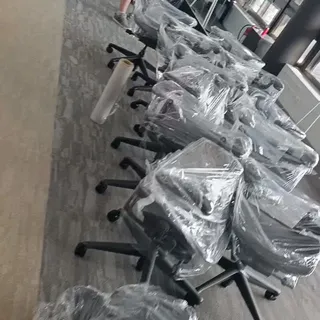
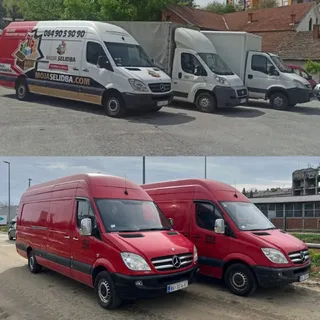
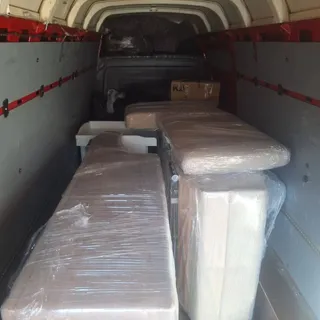
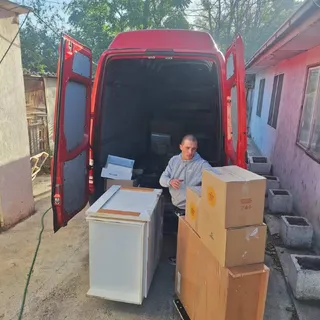

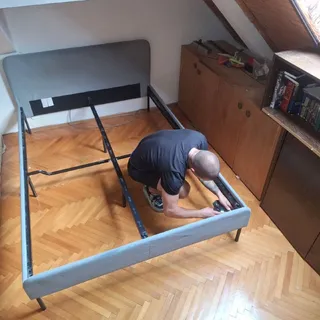
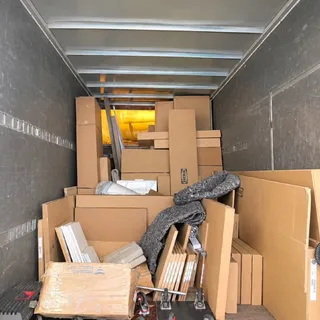
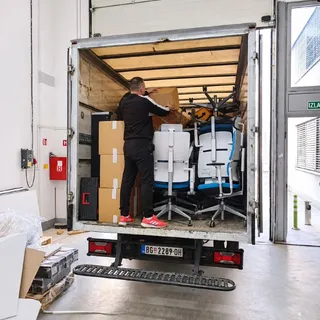
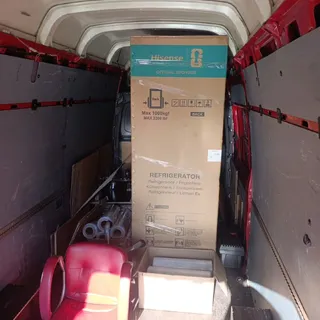
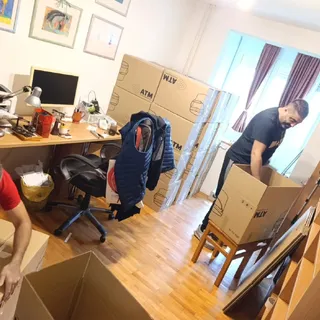
Flat panel material transport in Belgrade and surrounding areas is intended for carpenters, construction teams, interior designers, and individuals who require careful transport of raw panels – particleboard, MDF, OSB, and drywall. Our service includes full organization, from pickup at warehouses to precise placement at the new address. The organization of transport and delivery depends on the length of the panels, total weight, and loading conditions.
The flat panel material transport service covers all stages – from picking up panels at warehouses, depots, or workshops, through detailed protection and professional loading into specialized dry vehicles, to safe transport and unloading at the agreed location. All panels are carefully protected and sorted by type, and delivery is made to workshops, business premises, or construction sites.
We transport exclusively raw panels – material intended for further processing or assembly, not finished furniture. Special attention is given to large panels (up to 280x207 cm), which require expert handling to avoid bending or damage. The service is tailored to the needs of carpentry workshops, interior work teams, as well as private individuals transporting material for renovation.
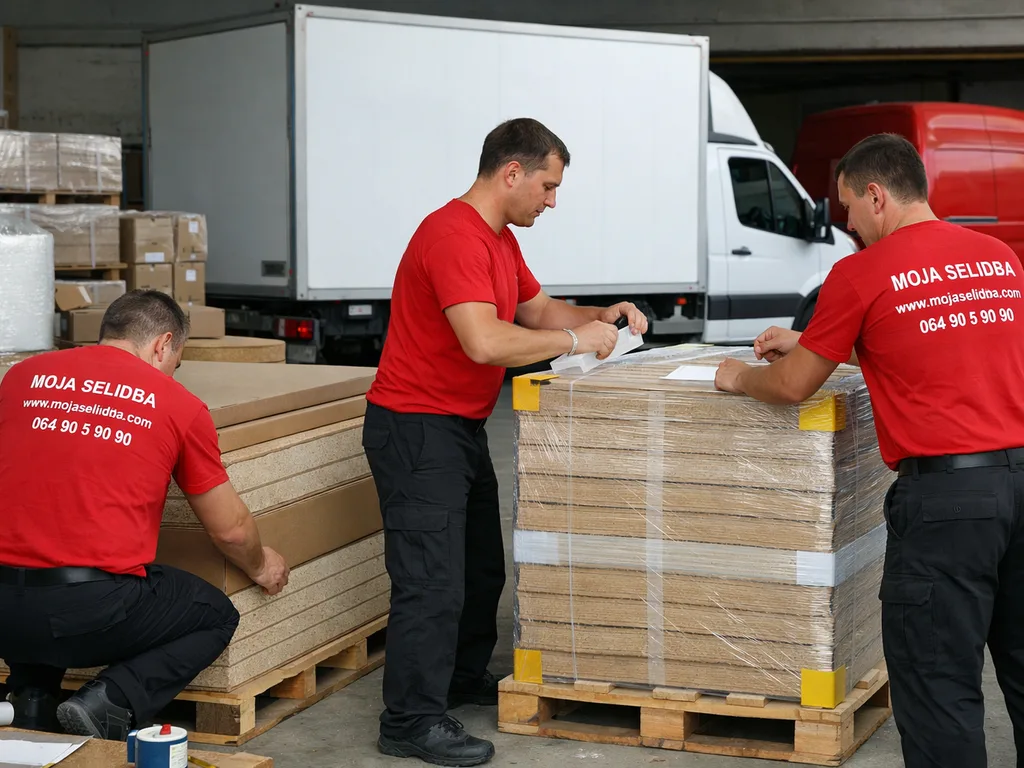
The most common materials we transport are particleboard, MDF (medium-density fiberboard), OSB panels, drywall, and similar panels of various dimensions. Each type requires a specific approach due to differences in weight, moisture sensitivity, and fragility. Particleboard and MDF are typically used for making flat furniture, while OSB and drywall are applied in construction and drywall installation. During furniture transport, protection of finished surfaces differs from that of raw panels.

Describe what your move includes. We provide you with a transparent estimate, answers to all your questions, and the expected moving costs. Our expert's visit to your address is also free of charge.
Before organizing transport, a detailed phone or in-person inspection is conducted – recording the quantity, type, and dimensions of the panels, as well as access to the property. The client specifies the floor, door width, presence of an elevator, and any restrictions, which are crucial for planning the transport of large panels that require a special entrance or transport via ramp.
If loading is from a warehouse, workshop, or storage, the possibility of direct loading from the premises or ramp is assessed. All information is important for vehicle selection and determining the number of workers. For higher floors without an elevator, timely notification allows for bringing enough workers and preparing protective materials for passages and staircases. If you want to know how the entire moving process looks, for picking up smaller quantities, a vehicle used for van moves may be sufficient if dimensions allow.
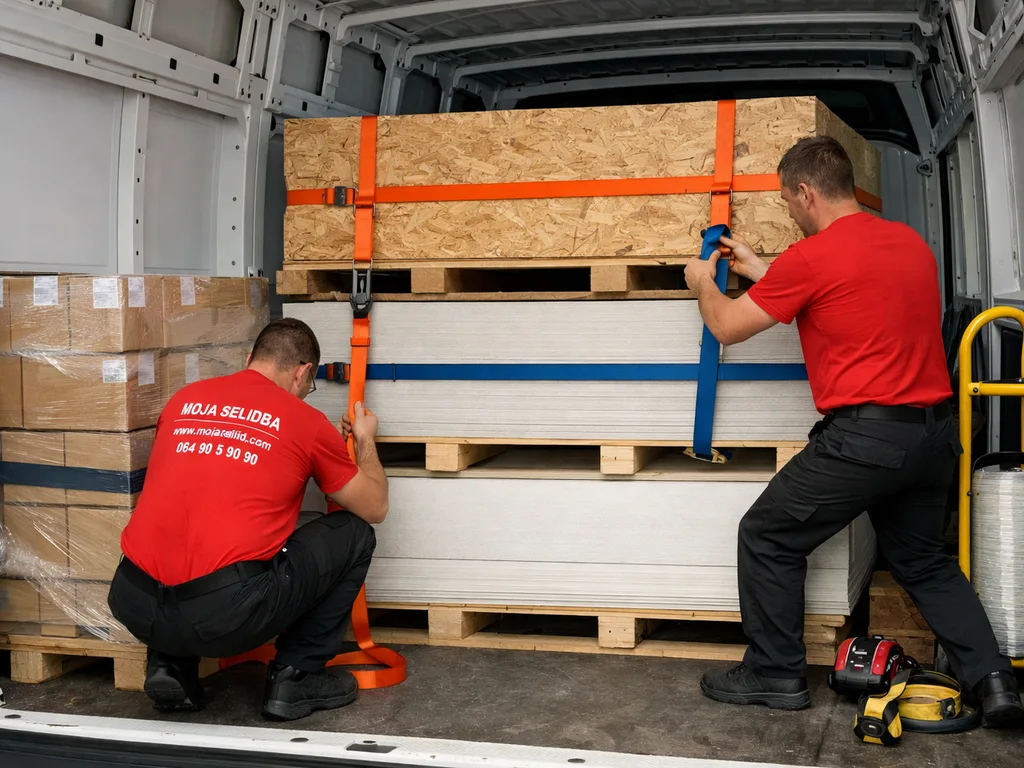
Each panel is individually protected with edge profiles, cardboard, or foil, and panels are clearly marked for easier sorting and identification at the destination. This preparation reduces the risk of damage, especially for materials with sensitive edges like MDF and drywall. Before loading, the condition of each panel is checked, and materials with multiple types are specially labeled.
Carrying and loading are organized by at least two workers, with the number increasing depending on the weight, dimensions, and quantity of boards. Accessibility of the premises directly affects the speed and complexity of the process – if passages are narrow or there are multiple stairs, additional protection for walls and doors is used.
When loading from the ground floor or warehouse, the material is carried directly to the vehicle to avoid unnecessary handling and reduce the risk of damage. When a longer distance to the vehicle must be covered, auxiliary equipment is used, and workers maneuver carefully to keep edges and surfaces undamaged. For complex cases, you can learn more in our practical moving section.
We organize moves in Belgrade through six simple steps, from a free estimate and scheduling to safe transport and completion of the move at the new address.





See all 14 steps, from the first conversation with the client to the successfully completed move.
See the move step by stepBoards are stacked horizontally or at a slight angle in the vehicle, depending on the type and rigidity of the material. The edges of the boards are further secured with rubber pads and wedges, and each type is separated by a protective layer. The load is secured with straps to prevent shifting during transport.
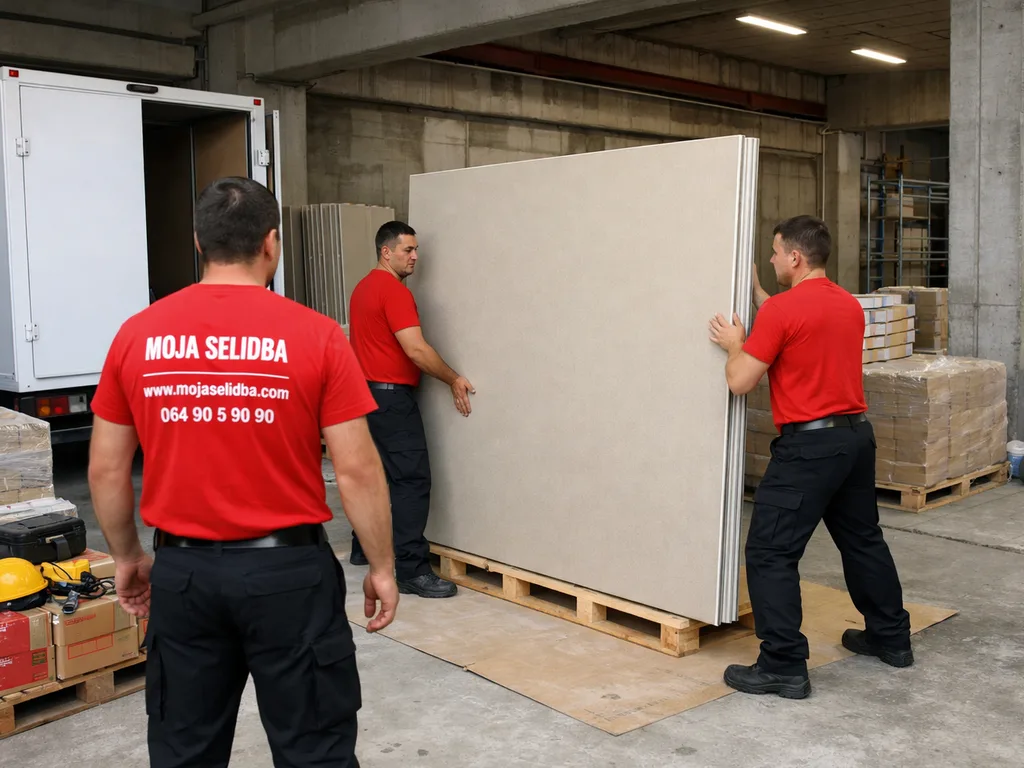
Material unloading is carried out according to a pre-agreed schedule: boards are placed in the prepared location, whether in a workshop, commercial space, residential area, or construction site. Before unloading, the condition of each element is checked and all protective materials are removed. The arrangement is adapted to the client's needs – boards can be made immediately available for work or storage.
Material must not come into contact with moisture or sharp objects. If necessary, we also provide temporary storage or rearrangement within the space. For drywall, boards are placed upright against the wall, while particleboard and OSB are recommended to be stacked horizontally on pallets or supports that prevent contact with the floor.
Read what clients say about our organization, item protection, and our workers.


Highly recommended for the team! Fast, careful, and punctualReviews on Google profile

Great GuysReviews on Google profile

The team arrived at the agreed time. They professionally and carefully moved the packed furniture and protected/packed the furniture we hadn't packed. Highly recommended.Reviews on Google profile

Everything as agreed, excellent guysReviews on Google profile

The guys were great! They arrived quickly, professional, polite, and it was no problem that they carried the machine into a building without an elevator. Great experience!Reviews on Google profile
The scope of work and price depend on the quantity and type of material, accessibility of the premises, floor level, availability of an elevator, and any additional requirements for protection or complex loading. For example, larger quantities of MDF or particleboard require more workers and longer loading times, while transporting drywall requires special care due to its fragility.
The transport date is arranged by phone or via an online form – precise details about the material, locations, date, and desired transport time are provided. We recommend scheduling a few days in advance, especially when dealing with a larger quantity of boards or when more workers are needed. The client provides exact dimensions, number of boards, and special requests, such as delivery in a dry vehicle or distribution across multiple locations.
The material should be prepared for loading – provide access, ensure space for temporary storage, and inform us of any specific building features. It is advisable to stack the boards in one place and prepare them for carrying, which allows for faster and safer loading organization. For smaller moves, see small moves.
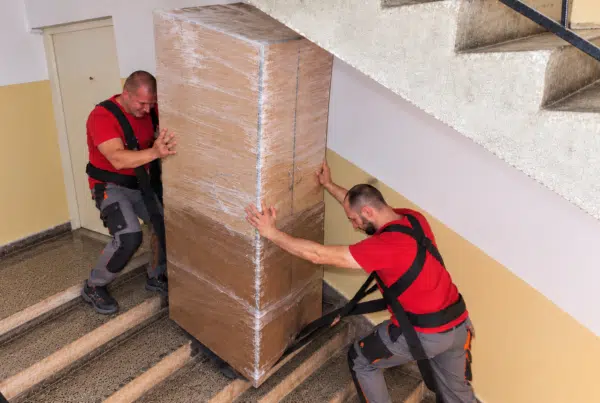
Apartments, houses, and business premises — team and organization all in one place.
Learn more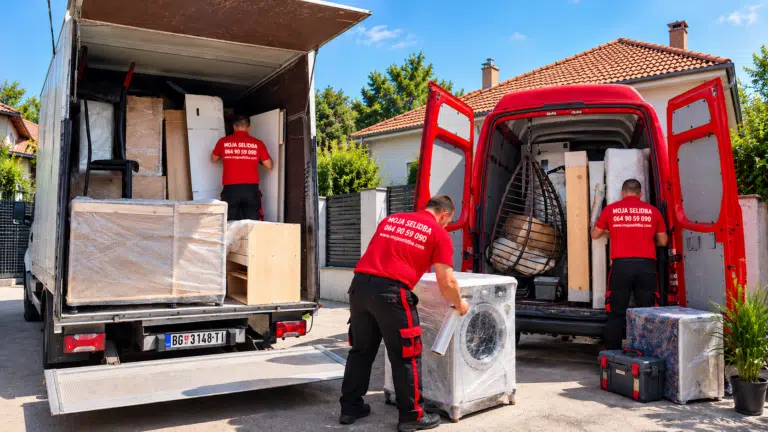
A practical solution for smaller apartments, boxes, and individual pieces.
Learn more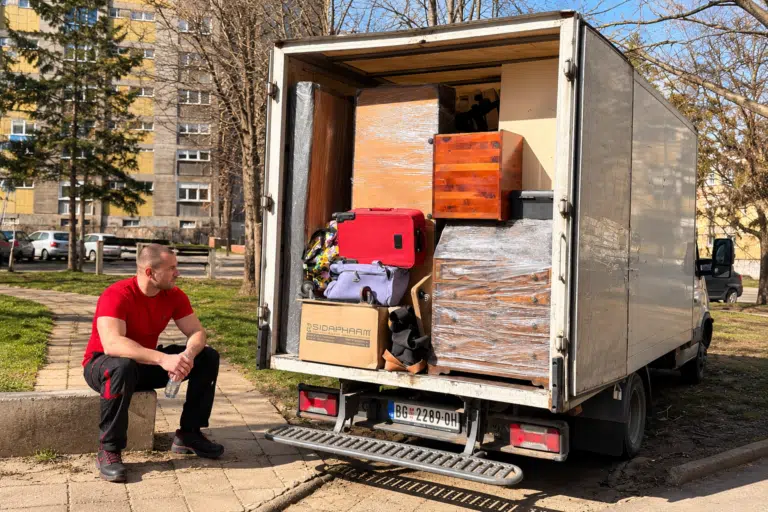
Protection, removal, transport, and delivery to the new address.
Learn more

Reasons to Hire a Professional Moving Company
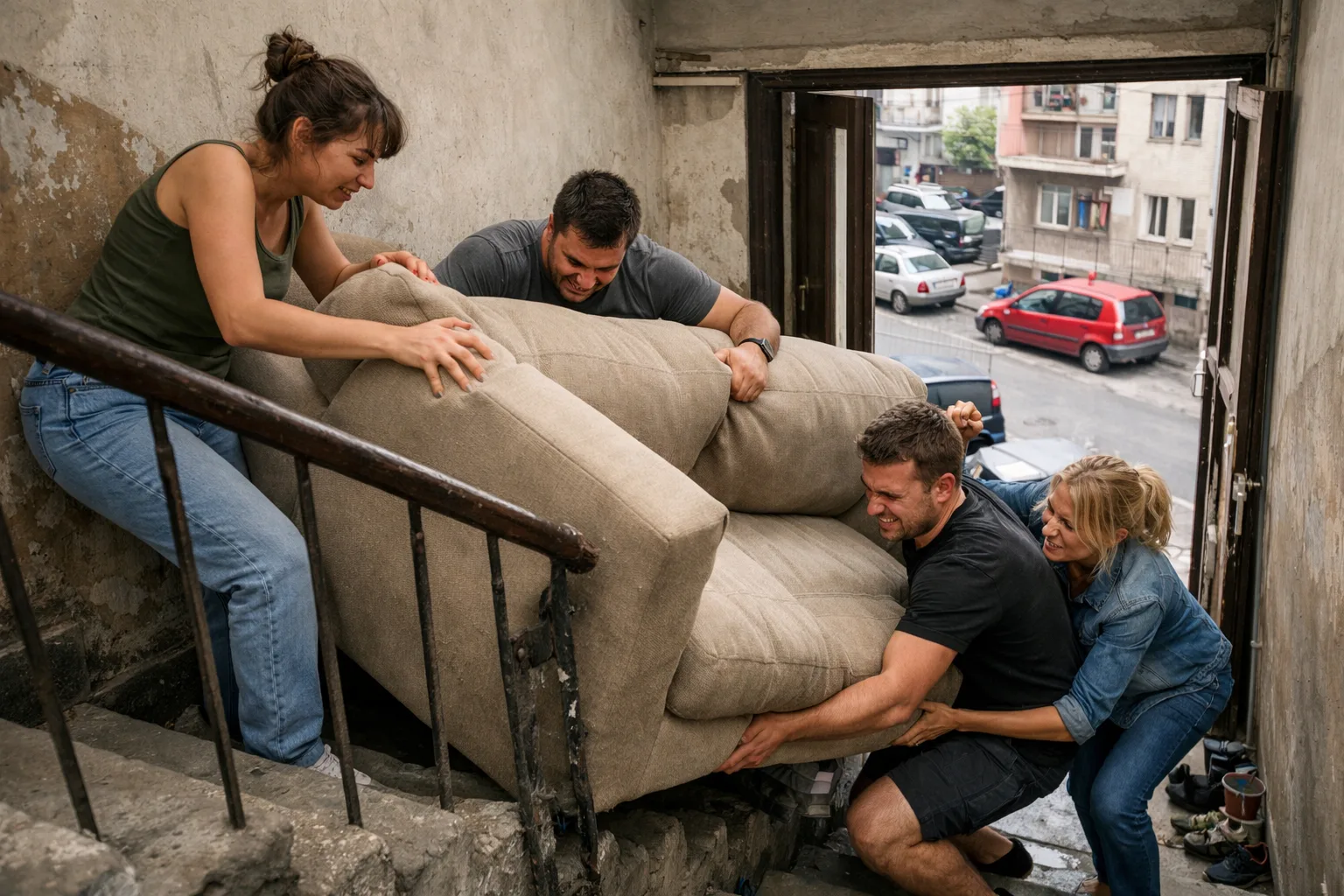
Moving with the Help of Friends or Professionals – Which to Choose?

5 Items Professional Moving Companies Will Not Transport
We answer the most common questions regarding the transport of board materials. Here you will find useful information about organization, protection, deadlines, and transport logistics.
We transport chipboard, MDF (medium-density fiberboard), OSB boards, drywall, and other sheet materials intended for further processing or assembly.
The edges of the boards are protected with profiles or sponges, and cardboard or felt is placed between the boards. All materials are additionally secured with straps inside the vehicle.
The number of workers depends on the weight and quantity of the material, as well as access to the building. Usually, two to four workers are involved.
No, this service is exclusively for transporting board materials. For finished furniture, see furniture transport.
Yes, transport from or to a warehouse is possible, subject to prior assessment of access and the required space for loading or unloading.
Yes, we use enclosed and dry vehicles to ensure the material is protected from moisture and weather conditions.
It is advisable to have the material gathered in one place, protected at the edges, and ready to be carried to the vehicle.
We recommend scheduling at least two to three days in advance, especially for larger quantities of material or specific time slots.
Yes, but it is important to mention during scheduling if there is no elevator, due to the required number of workers and time estimation.
Yes, if needed, we can also offer temporary storage services. For more information, see storage of items and goods.