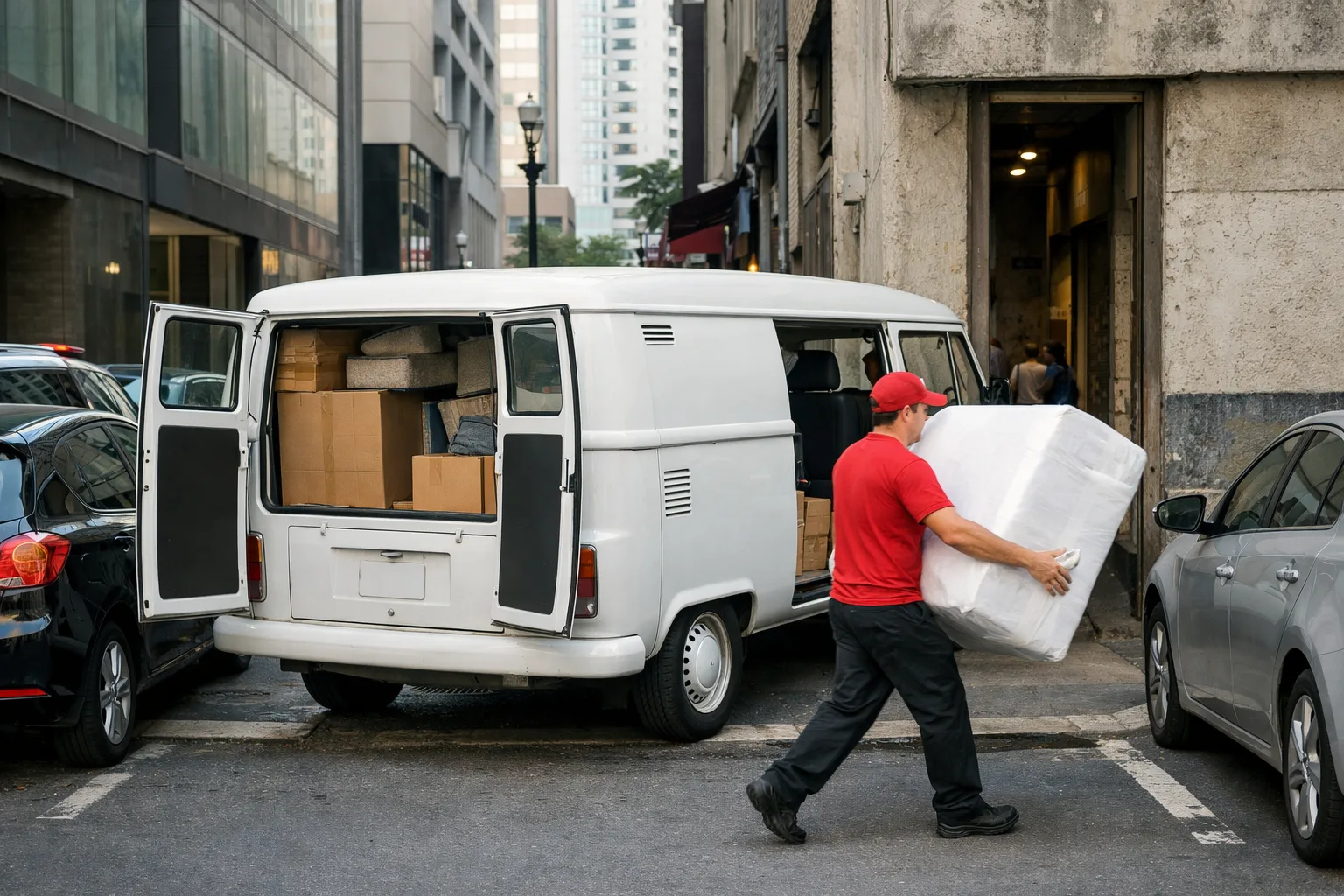
Tips for Van Moves
Should you choose a van or a truck for your move?
Should you choose a van or a truck for your move?

Enter at least 3 characters.
Intercity van transport of goods is a practical and efficient solution for those planning a move or transporting smaller quantities of items between cities. This service is especially suitable for individuals and small businesses that do not require large trucks but seek a more economical and faster mode of transport. Speed and quality of service are key factors influencing customer satisfaction, and proper organization and careful planning can significantly contribute to the success of the entire process. In this guide, we will thoroughly explain how to choose a reliable carrier, what to pay attention to during negotiations, as well as best practices for successful and safe long-distance transport of goods. We will also offer practical advice on preparing items, tracking transport, and procedures after the transport is completed, so users are fully prepared for the process. Additionally, we will address specifics to consider during intercity transport and common mistakes to avoid to ensure smooth and safe transportation.

The first step in finding suitable intercity van transport is a clear assessment of the quantity and type of items to be transported. Different types of cargo require different transport conditions; for example, fragile items need extra care and secure packaging. It is also necessary to consider the dimensions and weight of the items to select a van with appropriate capacity and load-bearing capability.
It is important to define the transport timing — whether urgent service is needed or if there is flexibility in scheduling. This can significantly affect the price and availability of the van, as urgent transport often involves additional costs. Planning ahead allows better organization and can result in a more favorable offer.
Additionally, the distance and route of transport should be evaluated, as some companies have restrictions or extra charges for certain destinations or routes with difficult traffic conditions. Information about road conditions, possible construction, or seasonal restrictions can help in choosing the optimal route and avoiding delays. This information enables more precise planning and selection of the best provider.
Besides basic factors, it is important to consider specific requirements such as conditions for transporting sensitive or valuable items, as well as the possibility of additional services like assistance with loading and unloading. If you need a complete relocation service over a longer distance, consider engaging intercity moving to ensure all your needs are covered. Taking all these details into account contributes to choosing a service that fully satisfies user requirements.
Factors such as weather conditions and seasonal traffic variations, which can affect transport duration and safety, should not be overlooked. Preparing for these circumstances allows timely responses and minimizes risks during transport.
The internet is usually the starting point for searching van carriers, but it is important to use relevant and verified sources. Specialized transport and moving portals often have user ratings and detailed service information, which can assist in selection. It is advisable to check official company websites as well as their social media profiles.
It is recommended to ask acquaintances or local communities for recommendations, as personal experiences can be the most reliable indicator of service quality. Also, local forums and social media groups can be useful sources of information and advice about reliable carriers in a specific region.
Also, directly contacting several carriers allows you to receive offers and compare conditions, which is crucial for making an informed decision. Pay attention to communication and their willingness to answer your questions, as well as transparency regarding prices and service terms.
In addition to online sources, it is useful to visit local offices or branches of transport companies to get a better impression of their professionalism and equipment. Personal contact can help clarify any doubts and establish trust.
Don’t forget to check whether the carrier holds all necessary licenses and permits for intercity transport, as well as insurance covering potential damages during transit. This information is essential for the safety of your cargo.

The vehicle’s capacity must match the volume of cargo; the van should have enough space to securely accommodate items without overcrowding, which could compromise safety during the drive. It is advisable that the carrier provides information about the vehicle’s dimensions and load capacity before finalizing the contract.
Checking the vehicle’s condition is also important — regular maintenance and technical soundness ensure safer and more reliable transport. Questions about the van’s year of manufacture and its equipment should be asked before signing the contract. Vehicles with modern safety systems and air conditioning further enhance service quality.
Another criterion is the experience and professionalism of the driver and team. An experienced driver knows the best routes and can respond to unforeseen situations, contributing to the speed and safety of transport. Additionally, courteous and professional staff can significantly ease communication and the transport process itself.
Besides the above, it is important to verify whether the carrier has appropriate equipment to protect cargo during transport, such as straps, tarps, or special holders. This equipment can prevent shifting and damage to items during the drive.
Also, flexibility regarding scheduling and the ability to tailor the service to the client’s specific needs represent additional qualities to consider when choosing van transport.
Studying reviews from other clients provides insight into the carrier’s reputation. Pay attention to comments about punctuality, care during loading and unloading, and the overall impression of the service. Negative reviews may indicate potential issues to avoid.
A good carrier will also offer additional services such as cargo insurance, packing assistance, or shipment tracking during transport, which reflects seriousness and quality of business. These services can significantly reduce stress and risk during transport.
Also, transparency in communication and clearly defined cooperation terms indicate reliability. Avoid those who are unwilling to answer questions precisely or avoid written contracts, as this may be a sign of unprofessionalism or distrust.
Besides online reviews, it is useful to request references or contacts of previous clients to directly verify experiences with the carrier. This can provide additional assurance when choosing a service.
Pay attention to the speed and quality of responses to your inquiries — a professional carrier will be ready to provide all necessary information and advice, which is a good indicator of their dedication and seriousness.
Before accepting an offer, thoroughly check what is included in the price — mileage, waiting time, additional services, and any potential costs that may arise during transport. Clearly defined costs help avoid unpleasant surprises.
The contract should be clear and detailed, specifying transport dates, cargo description, obligations of both parties, and terms for complaints or refunds in case of issues. It is recommended that the contract be in written form and signed by both parties.
Don’t hesitate to ask about cancellation or rescheduling terms, as flexibility is often necessary. It is good to have all agreements in writing to avoid misunderstandings. Also, verify that the carrier holds the necessary licenses and insurance for conducting the activity.
During negotiations, try to obtain as detailed information as possible about potential additional services and their prices, as well as procedures in case of unforeseen situations, such as delays or cargo damage.
If possible, request written confirmation of all agreements, including payment terms, to avoid misunderstandings and ensure legal protection in case of disputes.

Proper packing and labeling of items significantly facilitates loading, transport, and unloading. If you want to further protect your belongings and ease the process, you can use professional moving packing, where experts take care of the safety of your items. Use sturdy boxes and protective materials such as bubble wrap or paper for fragile items. Proper packing reduces the risk of damage during transport.
Separate items according to priority and weight and mark them with clear labels so the carrier knows what requires special attention. Place heavier items at the bottom and lighter ones on top to avoid breakage or damage.
Also, make a list of the items you are sending and check that everything is included before departure. Good order and organization reduce the risk of loss or damage during transport. It is advisable to keep a copy of the list for yourself and give another to the carrier.
It is recommended to additionally protect fragile and valuable items with special wraps or cushions, and if possible, organize the transport of these items in separate boxes or containers.
Don’t forget to check that all packages are securely closed and marked with labels such as "fragile" or "this side up," which can help the carrier properly position the cargo and avoid damage. For extra security and easier organization, it is recommended to use moving boxes designed for transporting various types of items.
Many carriers today offer the possibility of vehicle tracking via GPS systems, allowing the user to know in real time where their shipment is located. This increases security and reduces anxiety during waiting.
Regular communication with the driver or dispatcher helps provide timely information about any delays or problems on the road. It is advisable to agree on exact times to check the shipment status.
If you notice any discrepancies or damage to items, report them immediately to the carrier so that appropriate measures can be taken and any dispute resolved to mutual satisfaction. Timely action can prevent further complications.
In addition to GPS tracking, it is useful to have a contact person at the transport company who can quickly respond to questions and provide additional information about the shipment status.
It is also recommended to have the cargo and contract documentation ready during transport so that you can quickly resolve any discrepancies or issues if needed.
After delivery of items, it is important to thoroughly inspect all belongings to ensure they were not damaged during transport. It is advisable to conduct the inspection in the presence of the driver or carrier representative.
If damage has occurred, document it with photographs and contact the carrier as soon as possible to initiate the claims or insurance process. Keep all relevant documents and contracts as evidence during the claim procedure.
Also, provide feedback on the service, whether positive or constructive criticism, as this helps other users and the carriers themselves improve service quality. Your opinion can contribute to better offerings and greater satisfaction for future clients.
After transport is completed, it is also recommended to organize the space for storing items at the destination to avoid unnecessary damage or loss during unloading.
If you are satisfied with the service, consider establishing a long-term partnership with the same carrier, which can bring additional benefits and more favorable terms for future transports.
Should you choose a van or a truck for your move?


Advantages of using van transport for items throughout Serbia

How to Maximize Space in a Moving Van?
We will respond to you as soon as possible.
Below we answer specific questions that often arise when organizing intercity van transport of goods. Each answer provides practical advice and solutions for potential issues.
A standard van can usually accommodate up to around 10 cubic meters of cargo, but the exact volume depends on the vehicle model. It is advisable to contact the carrier and describe the items you plan to transport so they can recommend the appropriate vehicle or possibly a van with a trailer.
Yes, provided that fragile items are properly packed and labeled. Carriers who adhere to packing standards and handle cargo carefully can safely transport such goods. It is also helpful to inform the carrier about the specifics of the cargo to ensure appropriate conditions.
Before signing a contract, thoroughly check what is included in the price. Ask about additional costs such as waiting time, extra kilometers, or special services. Request a written offer or contract where all costs are clearly stated to avoid unpleasant surprises.
If the carrier is delayed, it is important to establish contact and find out the reason for the delay. It is best to have an agreement in the contract regarding possible delays and any compensations. Communication and flexibility from both sides are key to resolving such situations.
Yes, van transport is suitable for special equipment and furniture, but it is important that the carrier has experience and appropriate equipment to securely fasten such cargo. Be sure to specify the nature of the items to ensure proper protection during transport.
Prepare the loading and unloading areas at both locations to be accessible to the van. Organize items so that the heaviest objects are loaded first, and fragile items are specially protected. If you do not have assistance, check if the carrier offers loading and unloading services.
Cargo insurance can cover damage incurred during transport due to accidents, theft, or other unforeseen circumstances. Before signing a contract, check if the carrier offers insurance and under what conditions, as well as the procedure for reporting damage.