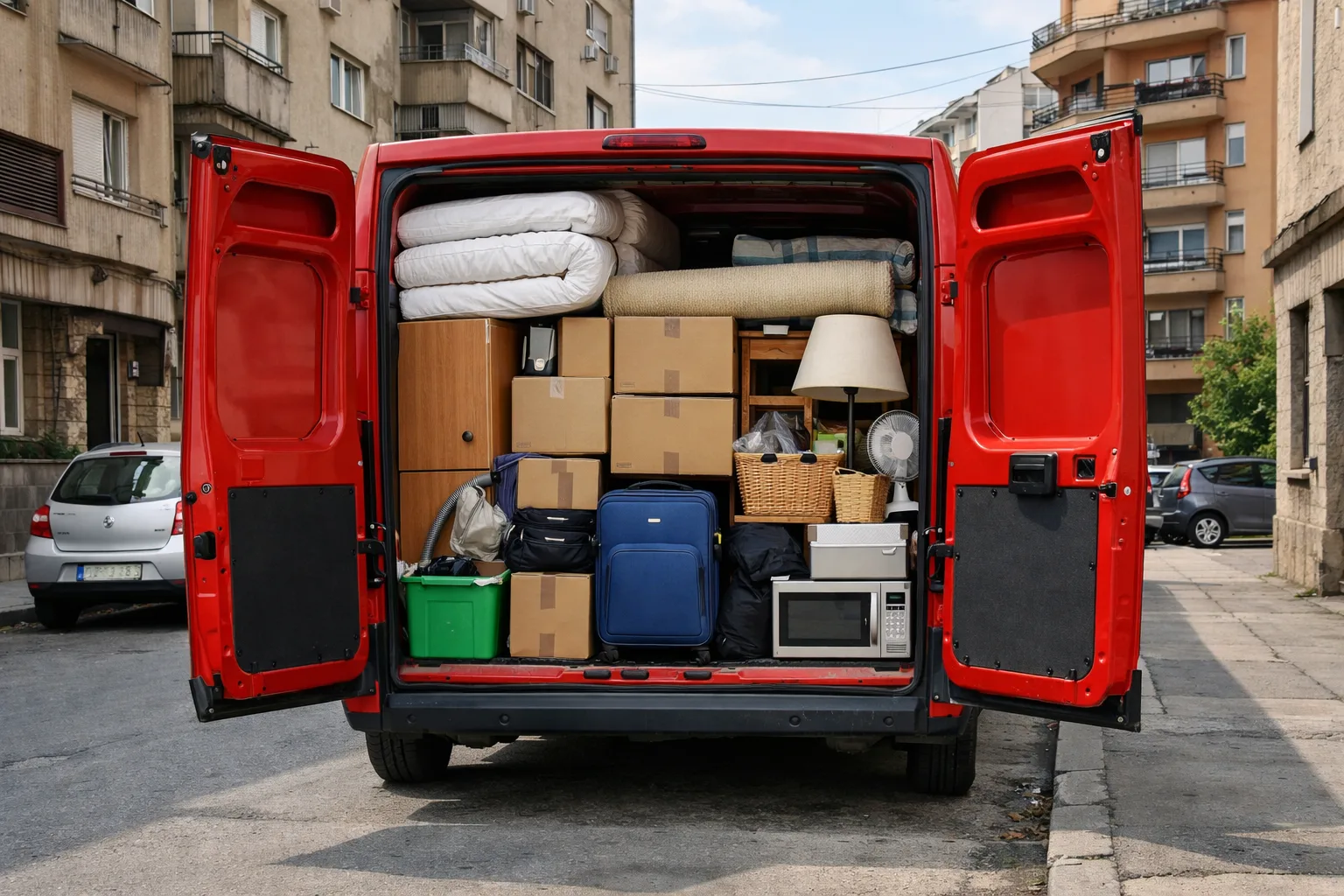
How to find fast and quality intercity van transport for your belongings?
How to find fast and quality intercity van transport for your belongings?

Enter at least 3 characters.
Moving is one of the most challenging life events that requires detailed planning and organization. Choosing the right vehicle is one of the key factors that can significantly impact the success and efficiency of the entire process. Vans and trucks are the most commonly used vehicles for moving, but each has its own advantages and disadvantages that should be carefully considered. Taking into account the size of the load, transport distance, accessibility of locations, and other specific conditions, you can make the best decision that will save you time, money, and reduce stress. In this guide, we will provide a detailed analysis of both types of vehicles, including practical tips and recommendations, to make your move as simple and safe as possible.
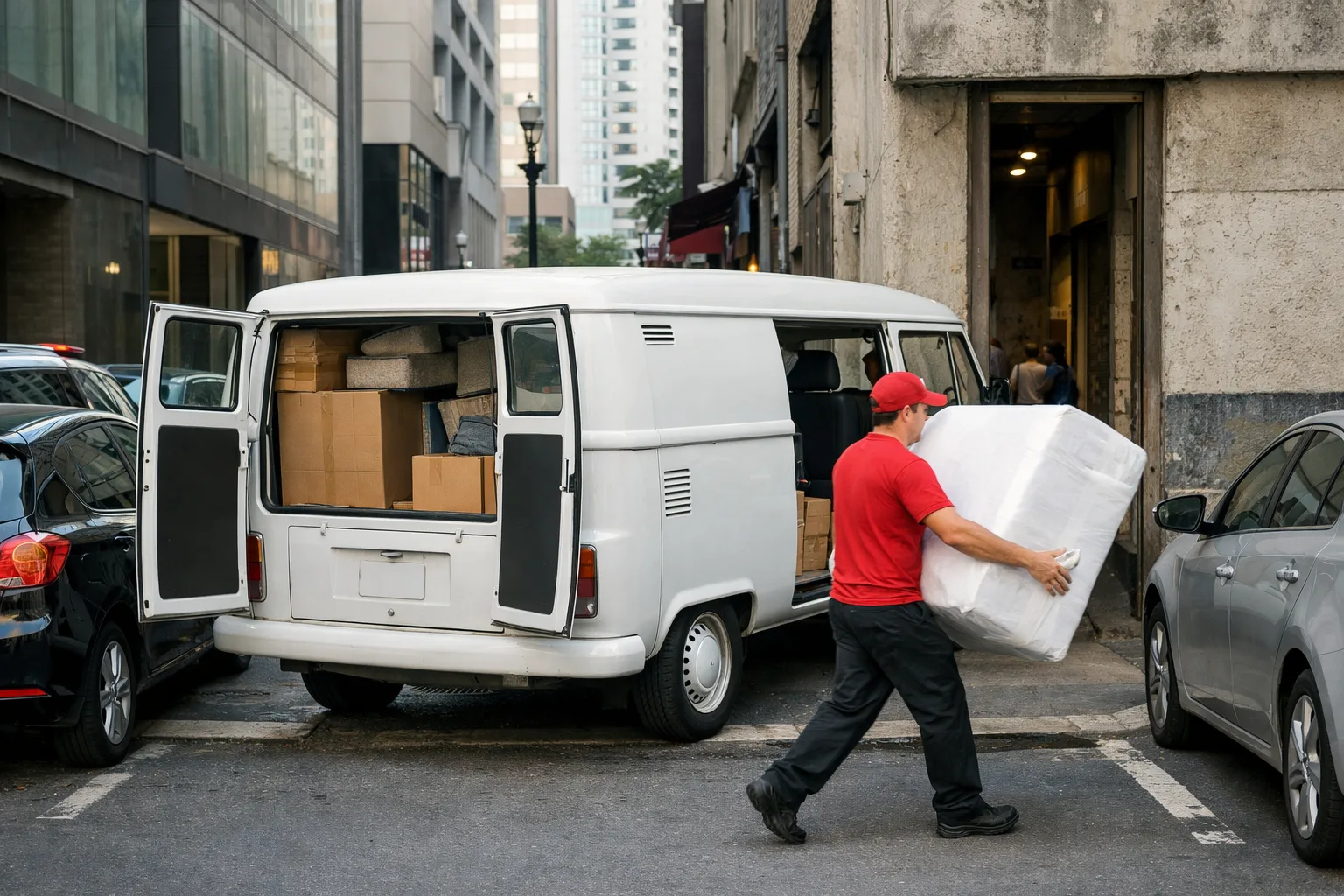
Vans, with a volume of about 5 to 10 cubic meters, are ideal for smaller moves, such as studio or one-bedroom apartments. Their limited volume means careful packing and stacking of items is necessary to maximize space.
Trucks, with a capacity often exceeding 20 cubic meters, are intended for larger moves involving bigger apartments or houses. Besides the larger volume, moving trucks also allow easier distribution of cargo, which is important for the safety and preservation of items during transport.
When choosing a vehicle, the dimensions of individual items should also be considered. Large pieces of furniture, such as wardrobes, beds, or kitchen units, can be difficult to fit into a van, while a truck provides enough space for such items without the need for disassembly.
Also, keep in mind that an overloaded van can lead to damage due to the inability to properly stack and secure the cargo. A truck, with its larger space, allows better distribution and additional protection of items, reducing the risk of damage.
If you plan a move with many boxes and smaller items, a van may suffice, but for moves that include heavier and larger pieces of furniture, a truck is a safer and more practical choice.
Vehicle rental costs vary significantly depending on size, rental duration, and additional services. Vans are generally cheaper to rent, making them an attractive choice for smaller and shorter moves. Lower fuel consumption and maintenance costs further reduce overall expenses.
However, for larger moves, renting a truck can be more cost-effective as it allows transporting a larger load in one or two trips, reducing the number of necessary drives. This saves time and decreases the risk of damage due to multiple loadings and unloadings.
Additional costs for trucks may include hiring a professional driver, using specialized equipment such as lifting platforms or carriers, as well as possible fees for entering certain city zones. It is important to inform yourself about all these items in advance to avoid unpleasant surprises.
With vans, there is often the possibility of self-driving, which can further reduce costs but requires having the appropriate driver's license and driving experience. Additionally, attention should be paid to extra costs such as fuel, parking, and potential fines.
When planning your budget, it is recommended to make a detailed estimate of all costs and compare them with your needs and capabilities. Consulting moving companies can help obtain accurate offers and advice for the optimal choice of vehicle.

Van vehicles are compact and easily navigate limited space conditions, making them ideal for urban areas with narrow streets, courtyards, and limited parking space. Their greater agility allows easier parking and access to properties that are inaccessible to larger vehicles.
On the other hand, trucks require significantly more space for maneuvering, which can be problematic in urban environments with narrow streets or congested traffic zones. Truck drivers must be especially careful and experienced to avoid damage to the vehicle or surroundings.
In situations where access to the location is difficult, for example in old town centers or narrow alleys, a van is often the only practical solution. Also, vans can more easily access inner courtyards and garages, facilitating loading and unloading.
For moves in suburbs, outskirts, or places with wide streets and available parking, a truck offers greater security and efficiency thanks to its larger capacity and the ability to transport all items at once.
It is recommended to thoroughly check access roads and parking spaces at both moving locations before renting a vehicle to avoid problems and additional costs.
Cargo safety during transport is extremely important to avoid damage and loss. Vans, due to their smaller internal volume and limited cargo securing options, require careful packing and the use of protective materials such as blankets, stretch film, and foam pads.
Trucks are equipped with special tie-down straps, partitions, and often have soft padding that allows stable placement and securing of cargo. This reduces shifting during transit and protects items from impacts and scratches.
When packing and stacking items in a van or truck, it is important that heavier items are placed at the bottom, and lighter and fragile ones on top to avoid damage. It is also recommended to label boxes and specially mark fragile items.
For transporting valuable or sensitive items, such as electronic devices, artworks, or antiques, a truck offers additional security thanks to its larger space and better cargo organization possibilities. A van may be acceptable only if each item is carefully prepared and protected.
If you are not confident in your packing and protection skills, it is recommended to hire professional moving services that have the experience and equipment for safe transport.
For shorter moves involving a smaller amount of belongings, a van is an efficient and practical solution. It loads and unloads quickly, and smaller vehicles allow easier movement and parking close to the moving site, significantly speeding up the entire process.
For longer and more complex moves, which involve a larger number of items, heavy furniture, and additional equipment, a truck is indispensable. Its larger capacity allows all items to be transported in one or two trips, reducing the number of drives and the risk of loss or damage.
For long-distance moves, a truck is more suitable as it can handle longer journeys with heavy loads without problems. A van is better used for shorter routes where the load is smaller and a quick and simple move is a priority.
The complexity of a move may include additional services, such as dismantling and assembling furniture, packing, or storage of items. In such cases, a truck with larger capacity and professional staff can significantly ease the entire process.
It is recommended to thoroughly plan all stages of the move, including estimating the time, number of workers, and equipment needed, so you can choose the vehicle that best suits your needs and reduce stress during the move.
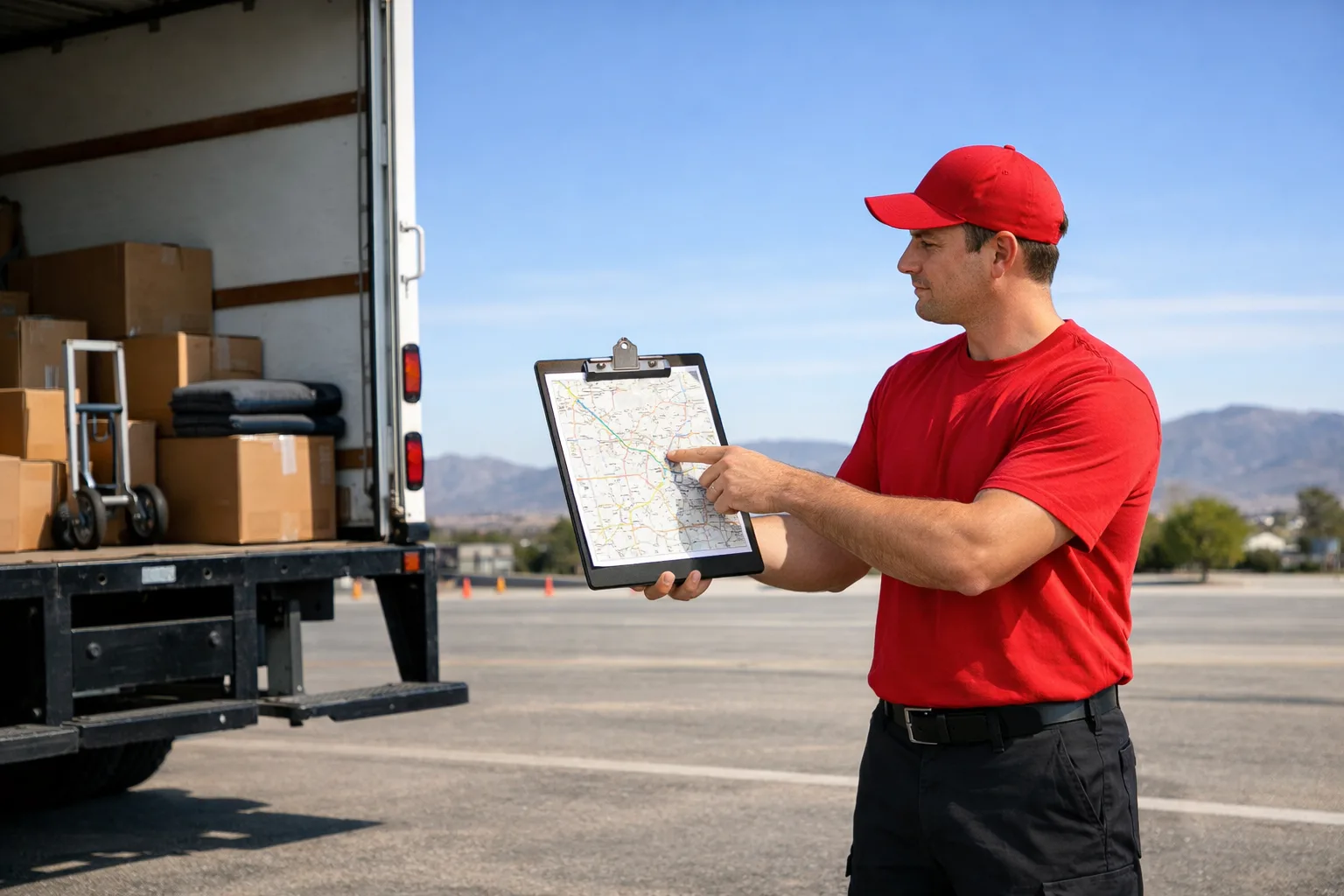
Legal regulations play an important role when choosing a vehicle for moving. Van drivers can operate vehicles with a standard category B license, which is the most common driving license and allows driving vehicles up to certain weight and dimensions.
Driving trucks, especially those over 3.5 tons, requires special license categories, such as C or C1. If you do not have the required license, you will not be able to legally drive the truck, meaning you will need to hire a professional driver or choose a smaller van.
In addition to driving licenses, there are other legal requirements, such as vehicle technical inspections, cargo insurance, and compliance with traffic regulations. Also, some cities have restrictions on truck movement in certain zones or time intervals, which can affect move planning.
Before renting a vehicle, check all relevant regulations and conditions to avoid fines and complications. If you are unsure, consult moving companies or relevant authorities.
If you plan to drive the van or truck yourself, it is recommended to further inform yourself about the rules and safety measures to ensure safe and legal driving during the move.
Environmental aspects are becoming increasingly important when planning a move, and the choice of vehicle directly affects fuel consumption and harmful gas emissions. Vans are usually more economical and consume less fuel, making them suitable for shorter distances and smaller loads.
Trucks have larger engines and higher fuel consumption, which increases carbon dioxide and other harmful gas emissions. However, for large moves, a truck can be more environmentally justified if the load is transported in one trip instead of multiple van trips.
Planning an optimal route and reducing the number of trips are key factors in minimizing negative environmental impact. Using vehicles with modern engines and lower harmful gas emissions further contributes to nature preservation.
Also, consider the possibility of using alternative transport methods or hiring environmentally responsible moving companies that apply sustainable practices and use low-emission vehicles.
By considering these factors, you can contribute to environmental protection while efficiently and economically completing your move.
For moves in small apartments or studios, where the amount of belongings is limited, a van is a practical and economical choice. Its size allows easy access and quick move execution, especially in urban areas with limited parking space.
For family moves or those involving larger and heavier items, such as large wardrobes, bunk beds, or kitchen units, a truck is recommended as it provides enough space and security for transport.
Before making a final decision, carefully assess the number of items, their size and weight, as well as the accessibility of the locations you are moving to and from. Also, check the availability of parking spaces and vehicle maneuvering possibilities.
Consultations with professional moving services can be very helpful, as they have experience in assessment and can recommend the most optimal solution for your situation. Also, consider hiring packing and loading experts, which can further ease the process.
Always keep in mind that proper planning and choosing the right vehicle are key to a successful, fast, and safe move, regardless of the size and complexity of your project.

How to find fast and quality intercity van transport for your belongings?

Advantages of using van transport for items throughout Serbia

How to Maximize Space in a Moving Van?
We will respond to you as soon as possible.
Below we answer the most common questions that arise when choosing between a van and a truck for moving. These answers will help you better understand the key aspects and make an informed decision.
A standard van typically has a capacity of about 5 to 10 cubic meters, which is enough for moving a studio or a small one-bedroom apartment. A truck can have a capacity of over 20 cubic meters, allowing the transport of belongings from larger apartments or houses in one trip.
No, operating a truck requires a category C or C1 driver's license, depending on the vehicle's weight. Category B allows driving vans and passenger cars, but not larger freight vehicles.
A van is smaller and easier to maneuver through narrow city streets and offers better handling, allowing easier access and parking closer to the moving location. Additionally, rental and fuel costs are lower compared to a truck.
The choice depends on the volume of belongings, distance, and budget. One larger truck can be more efficient and safer since everything is transported at once, while multiple van trips may increase the risk of damage and prolong the moving process.
Yes, larger trucks require more space to maneuver and may have difficulties in narrow streets or residential areas with limited parking. In such cases, a van is a more practical choice.
It is important to use protective materials such as blankets, plastic wrap, and straps to stabilize items and prevent shifting and damage during transit. Proper stacking and arrangement of items further enhance cargo safety.
Vans consume less fuel and emit fewer harmful gases, making them more favorable for shorter distances and lighter loads. Trucks have a larger environmental impact but can be more efficient for large moves if they reduce the number of trips.