Tips for Van Moves
Should you choose a van or a truck for your move?
Should you choose a van or a truck for your move?

Enter at least 3 characters.
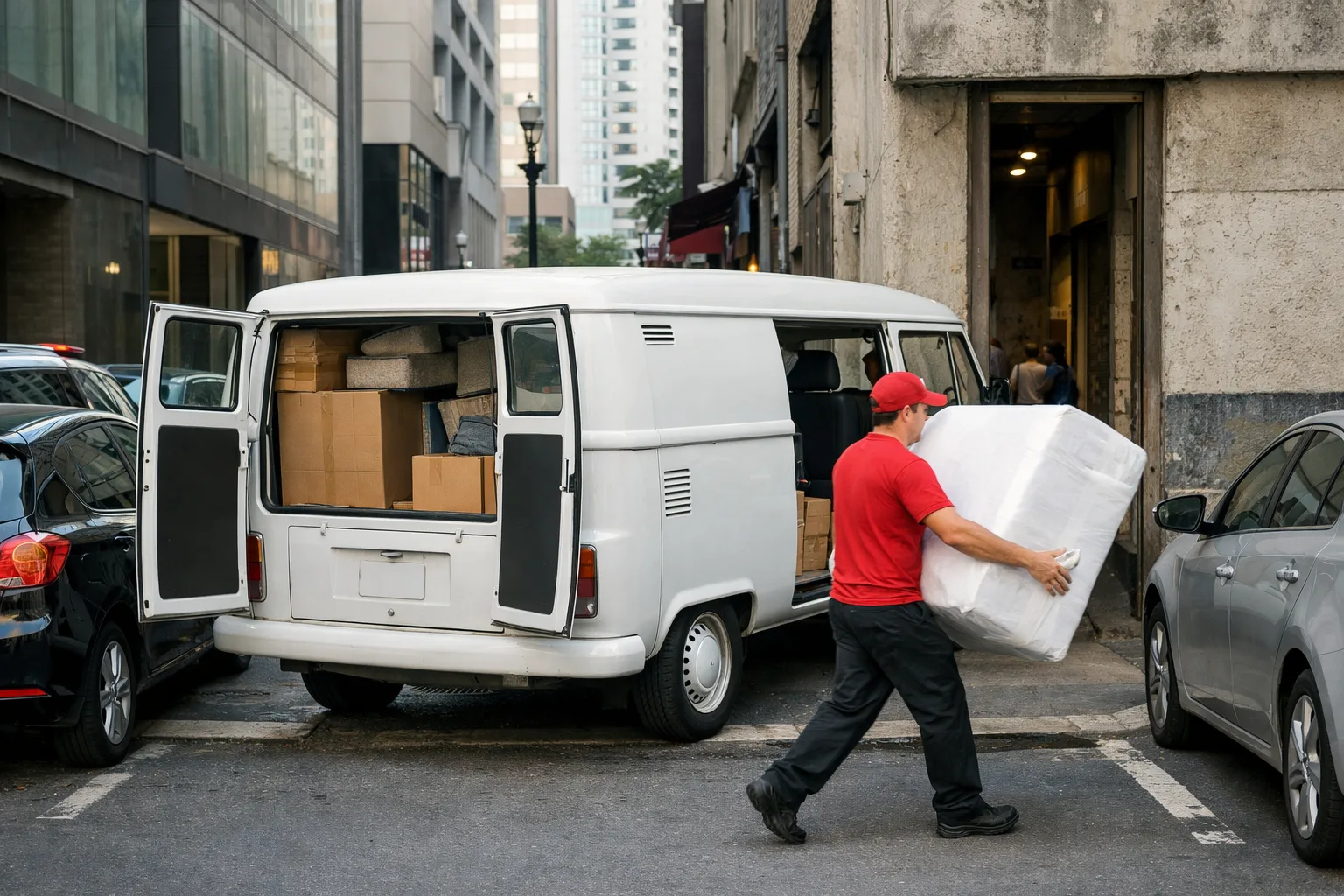
Moving with a van is a practical and often economical solution for relocating furniture, especially when it comes to a small or medium-sized apartment or office space. However, the success of the move largely depends on careful and thorough preparation of the furniture before transport. Improper packing or poor organization can lead to damages that are often costly to repair or even irreversible. In this guide, we will provide you with detailed and proven advice on how to prepare different types of furniture, which materials to use for adequate protection, and how to properly arrange furniture in the van. Our goal is to make the entire process easier for you, reduce stress, and ensure that your furniture arrives at the new address undamaged and ready for use.
The first step in preparing furniture for moving is thorough cleaning of all pieces. Dust and dirt can not only damage surfaces during transport but also make proper packing and protection more difficult. Use mild detergents and soft cloths to remove impurities, taking care not to damage materials such as leather or lacquered wood.
Removing decorative and easily detachable parts is crucial. Cushions, decorative handles, glass shelves, and other detachable parts should be carefully removed and packed separately. This not only protects these parts from breaking but also facilitates handling and reduces the risk of damage to the main furniture pieces.
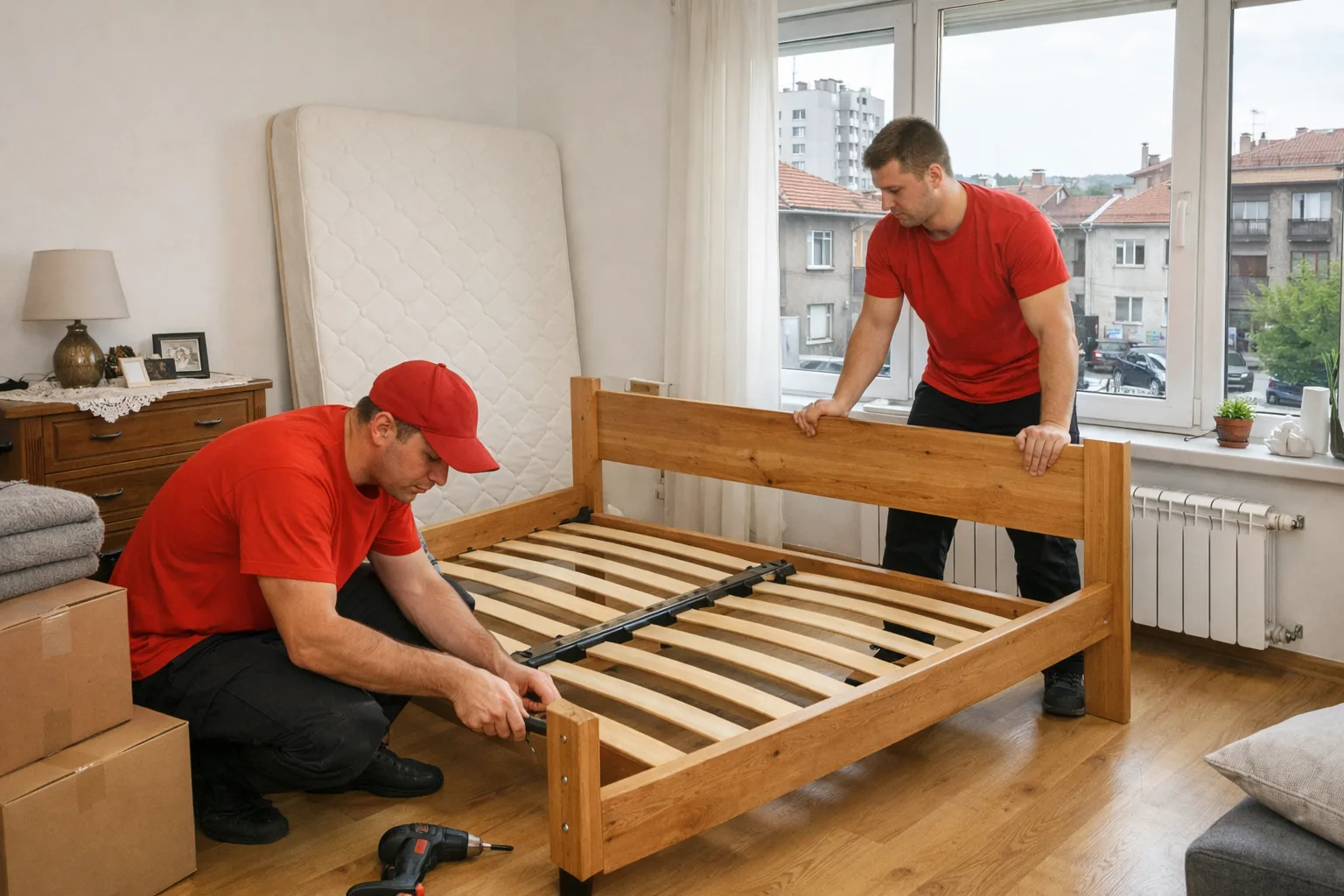
Disassembling larger furniture pieces, such as wardrobes, beds, and shelves, significantly eases transport and reduces the risk of damage. When disassembling, use appropriate tools and label each part to facilitate later assembly. Pack all screws, nuts, and smaller parts in transparent bags that you can tape to the corresponding furniture parts or keep in clearly labeled boxes. If you are unsure how to disassemble a particular piece, consult the manufacturer's instructions or seek advice from a professional, or consider hiring experts for furniture assembly and disassembly.
If you do not plan a complete disassembly, be sure to remove parts that move easily or could be damaged during transport. For example, drawers from dressers or shelves from display cabinets should be taken out and packed separately. This prevents their movement and potential damage, as well as damage to the interior of the furniture.
Also, pay attention to the specific materials from which the furniture is made. For example, wooden furniture may require additional protection against moisture, while upholstered furniture should be protected from dirt and fabric damage. Proper furniture preparation significantly contributes to a successful and safe move.
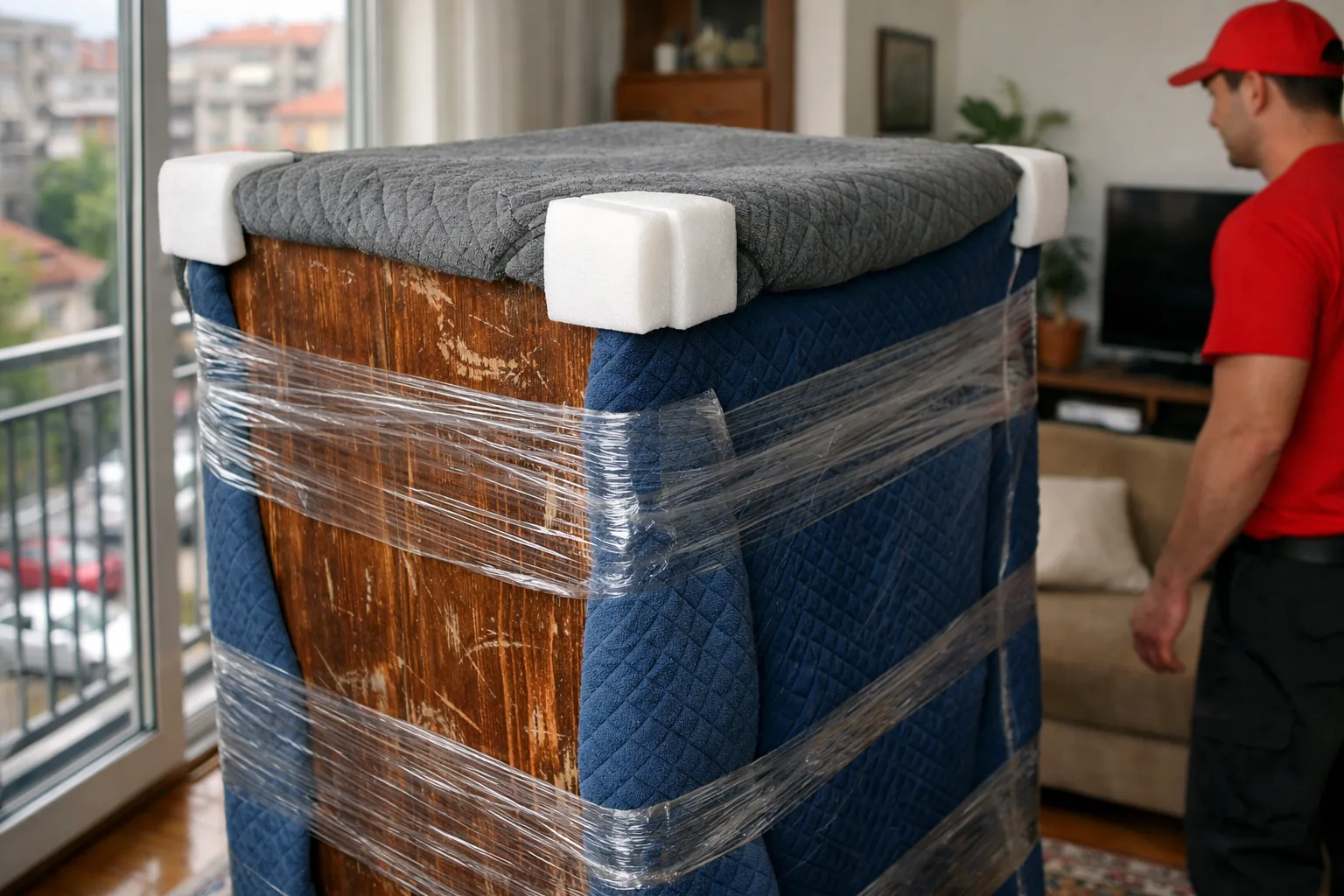
Proper protection of furniture is key to preserving its appearance and functionality during the move. Thick moving blankets or stretch wrap are ideal for wrapping larger surfaces as they protect against scratches, dust, and moisture. When wrapping, ensure the wrap is tightly secured but not so tight as to damage the furniture surface.
Protecting corners and delicate parts of furniture requires special attention. Special corner protectors made of styrofoam, cardboard, or rubber effectively absorb shocks and prevent damage caused by impacts during transport. These protectors can be purchased at moving supply stores or made yourself from cardboard boxes.
Thick blankets, moving cushions, or padded covers provide an additional layer of protection, especially for wooden and upholstered furniture. They cushion impacts and prevent scratches, and can be easily secured with straps, elastic bands, or moving belts. These materials are reusable and can also be used for other parts of the move.
For delicate surfaces such as glass tables, mirrors, or glass shelves, it is recommended to use thick cardboard sheets or special protective frames. These materials offer extra protection against breakage and scratches and can be combined with bubble wrap for maximum safety.
Remember to choose protective materials according to the type and value of the furniture. Quality materials can significantly reduce the risk of damage and make the move less stressful and safer.
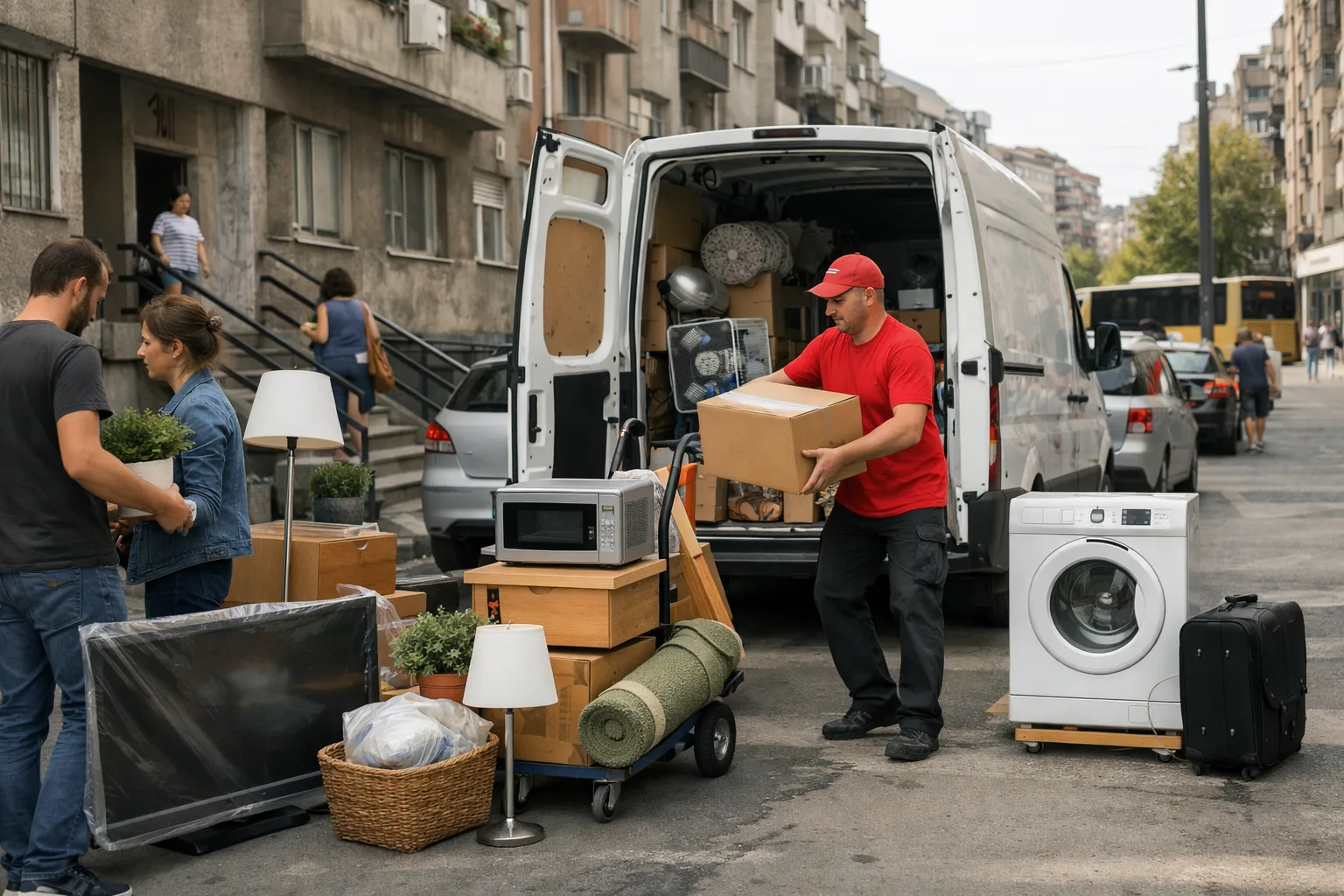
When loading furniture into the van, careful handling is essential to avoid damage to the furniture and injuries. Use special straps for carrying heavy pieces, as well as gloves that provide a good grip and protect your hands. If possible, work in pairs or teams to evenly distribute the weight and reduce the risk of dropping or impact. If you want to avoid physical strain and risk, you can hire professional movers.
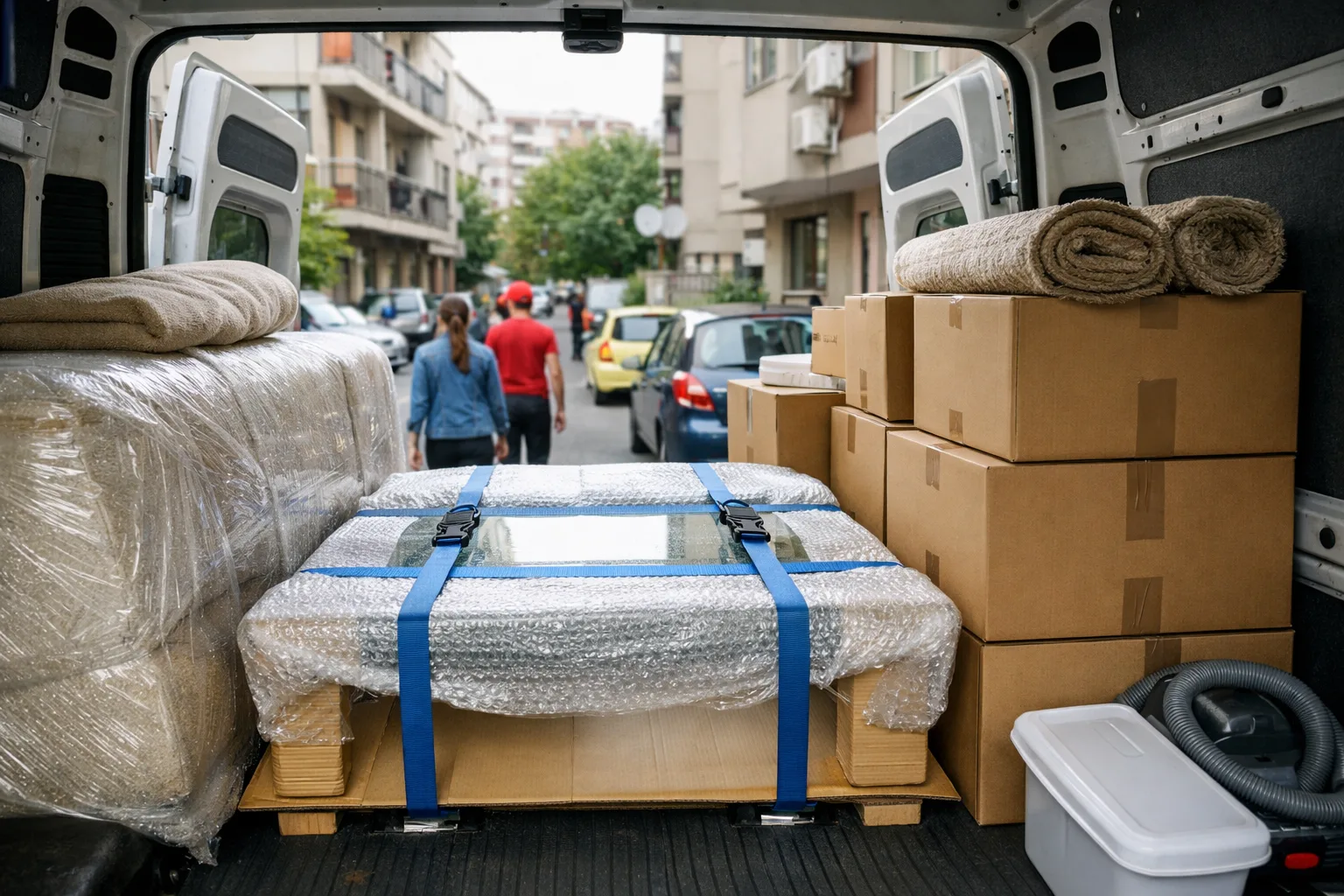
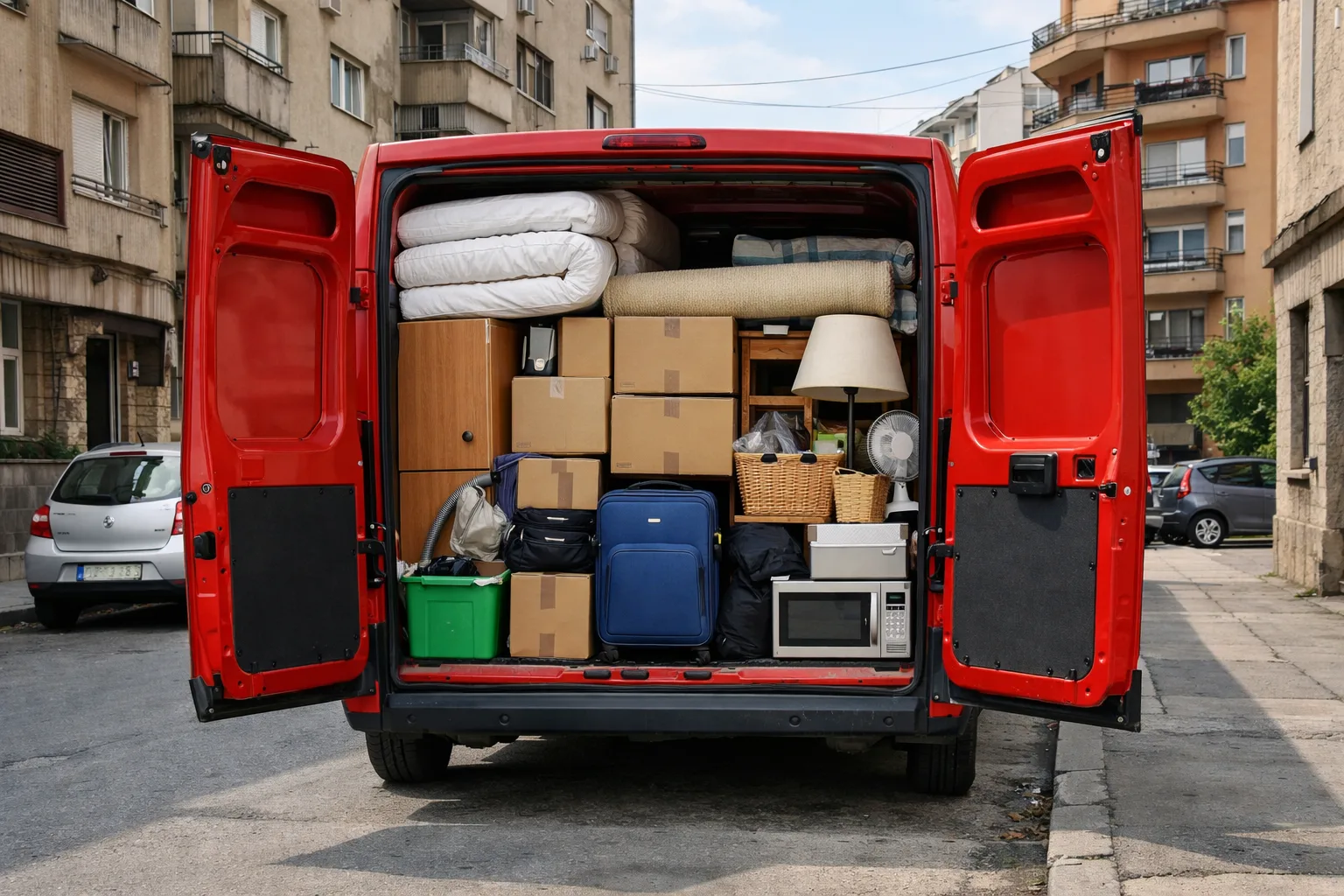
Planning the furniture arrangement in the van before loading can significantly ease the process. Heavier pieces should be placed first, at the bottom and as close to the vehicle walls as possible, ensuring stability and preventing movement during transit. Lighter and fragile items should be placed on top or in protected spaces.
Using straps to secure furniture inside the van is necessary. Straps prevent furniture from shifting due to vibrations and sudden movements during the drive, which can cause damage or injuries. Regularly check the tightness of the straps, especially on longer or uneven road sections.
During unloading, be especially careful and use appropriate equipment such as carts or ramps to facilitate the transfer of heavy pieces. Avoid sudden movements and drops that could damage the furniture or cause injuries.
Also, pay attention to the conditions at the unloading site. If the terrain is uneven or wet, take additional precautions to prevent slipping or dropping the furniture. Planning and careful handling during loading and unloading greatly contribute to safety and furniture preservation.
Disassembling furniture is not only a way to facilitate transport but also to reduce the risk of damage during the move. For example, removing legs from tables or separating beds can significantly reduce volume and lighten the load, making handling easier and saving space in the van.
Be sure to pack all screws, nuts, and small parts in plastic bags that you will attach to the furniture itself or keep in specially marked boxes. It is advisable that the bags are transparent and clearly labeled so you can easily find the necessary parts during reassembly. You can also create a list or take photos of disassembled parts for easier identification.
Pay special attention to parts that are fragile, such as glass shelves, mirrors, or decorative elements. It is recommended to wrap these parts in bubble wrap or foam and then pack them in sturdy cardboard boxes with an additional layer of protection. This significantly reduces the risk of breakage during transport.
When disassembling, be careful not to damage the furniture surfaces. Use appropriate tools and handle parts gently to preserve the material's integrity. If you are unsure of your skills, consider hiring professionals for disassembly and assembly.
Disassembly and proper protection of furniture parts are key steps that contribute to an efficient and safe move, as well as easier furniture arrangement in the van.
Properly arranging furniture in the van is crucial for maximizing space utilization and safety during transport. Before starting to load, make a layout plan and consider the size and weight of each piece to place them in the most suitable spot.
Place large and heavy furniture pieces at the bottom and against the van walls. This provides stability and prevents them from shifting during the drive. Such an arrangement also contributes to an even weight distribution, which is important for driving safety.
Lighter and smaller furniture pieces should be placed on top or in gaps between larger pieces. This maximizes space usage and reduces the risk of shifting and damage. Use cushions, blankets, or folded quilts to fill gaps between furniture, which further stabilizes the load.
Ensure an even weight distribution inside the van to avoid handling issues during the drive. Excessive load on one side can cause instability and increase the risk of accidents.
Also, pay attention to the accessibility of essential items. If there are pieces of furniture or boxes you will need immediately upon arrival, place them in easily accessible spots to avoid unnecessary rearranging of other cargo.
Upholstered furniture, such as sofas, armchairs, and chairs, requires special care due to the material's sensitivity to dirt, moisture, and mechanical damage. Before packing, remove cushions and wrap them in protective covers or plastic bags to shield them from dirt and moisture.
To protect the structure of upholstered furniture itself, use thick blankets, moving pads, or special covers that can be secured with tape or elastic straps. These materials protect the furniture from scratches, dust, and moisture during transport while also cushioning impacts.
Avoid direct contact between upholstered furniture and hard objects inside the van. Place additional protective layers between different pieces to prevent rubbing and wear of fabric or leather. This is especially important for furniture with delicate or light-colored fabrics.
If possible, avoid exposing upholstered furniture to direct sunlight or moisture during the move, as this can cause discoloration or material damage.
Regularly check the condition of protective materials during loading and transit to ensure the upholstered furniture remains protected and undamaged.
Glass furniture elements, such as tables, display cabinets, and mirrors, pose the greatest challenge during moving due to their fragility. Before packing, thoroughly clean them of dust and stains to more easily spot any damage after transport.
Use bubble wrap or thick cotton cloths to wrap glass parts, as these effectively cushion impacts. After wrapping, carefully pack them into sturdy cardboard boxes or special frames designed for glass transport. Avoid direct contact between glass pieces to prevent scratching or breaking.
When loading into the van, place glass elements upright and secure them with additional straps and cushions. The upright position reduces the risk of breakage caused by vibrations or sudden movements during the drive.
Also, label boxes containing glass items as fragile and inform everyone involved in the move about their sensitivity. This increases caution and reduces the risk of carelessness.
If possible, hire professionals for transporting particularly valuable or large glass items, as they have specialized equipment and experience for safe transport.
Before starting the move, be sure to conduct a thorough check to confirm all furniture is properly protected and secured inside the van. Verify that all screws and parts are in place and that you have packed all disassembled parts and accessories.
Make a detailed inventory of the furniture you are moving, including the condition of each piece before the move. This record will help you quickly identify any damage and facilitate communication with the moving company or insurance provider if needed.
Pay special attention to weather conditions before and during the move. If there is a chance of rain or high humidity, additionally protect furniture with waterproof covers or tarps to prevent moisture damage.
Check that the van is adequately equipped and that you have all necessary materials for securing and protecting furniture. Also, ensure the vehicle is technically sound and ready for the trip.
If possible, hire professional furniture movers for transporting particularly valuable or large glass elements, as they have specialized equipment and experience for safe transport.
Should you choose a van or a truck for your move?

How to find fast and quality intercity van transport for your belongings?
Advantages of using van transport for items throughout Serbia
We will respond to you as soon as possible.
Preparing furniture for moving can raise many questions. Below, we answer the most common questions regarding protection, packing, and transporting furniture by van.
Wooden furniture is best protected by wrapping it in stretch wrap or moving film, then additionally wrapping it with thick blankets or cushions. Protect corner parts with styrofoam or cardboard corners to prevent impacts and scratches.
Disassembling furniture makes transport easier and reduces the risk of damage because pieces stack more easily and are less prone to breaking. However, if you lack tools or experience, some furniture can be safely transported assembled with proper protection and careful stacking.
Use strong straps or ties to fasten the furniture to the van’s anchors or other stable parts. It’s important that the ties are tight but not overly so to avoid damaging the furniture, and to regularly check their tightness during the drive.
Upholstered furniture should be wrapped in waterproof plastic covers or films, then additionally protected with blankets or cushions. It’s important that all layers are securely fastened so they don’t slip and expose the furniture.
Wrap glass parts in bubble wrap or thick cotton cloths, then pack them in sturdy cardboard boxes or special transport frames. Place them upright in the van and secure with straps and additional cushions to prevent shifting and breakage.
If you don’t have enough protective materials, try using available household items like blankets, old quilts, or throws. It’s important that the furniture is wrapped and corners and sensitive parts are protected to prevent damage.
Preparation time depends on the quantity and type of furniture, but it’s advisable to set aside at least one to two days for thorough disassembly, cleaning, and protection. Planning ahead reduces stress and ensures a safer move.