
Storage Tips
5 Reasons to Rent Storage While Renovating Your Apartment
5 Reasons to Rent Storage While Renovating Your Apartment

Enter at least 3 characters.
When it comes to storing different types of items, it is not uncommon for temperature and humidity to play a crucial role in preserving their quality and durability. Climate-controlled storage provides regulated conditions necessary for certain products and materials. In this guide, we will explain in detail which items require such conditions, why it is important, and what to consider when choosing a climate-controlled storage space. In addition to basic information, we will offer practical tips for proper storage and recommendations for maintaining optimal conditions throughout the entire storage period. Understanding the specific needs of each product type will help you select the most suitable option and avoid potential losses or damage. It is also important to keep in mind that proper maintenance of climate-controlled storage includes regular checks and calibration of temperature and humidity measuring equipment, as well as adequate ventilation to prevent the buildup of harmful gases and unpleasant odors. When selecting storage, consulting with experts who can help define optimal parameters for specific products and implement monitoring and alarm systems in case of deviations from set conditions is recommended.

Electronic devices and technical equipment are highly sensitive to changes in temperature and humidity. High humidity can cause condensation inside devices, leading to oxidation and component failure. On the other hand, excessively high temperatures can reduce the lifespan of batteries and sensitive components. Additionally, sudden temperature changes can cause expansion and contraction of materials, further compromising device integrity.
For this reason, climate-controlled storage is ideal for storing computers, monitors, cameras, medical equipment, and other electronic devices. Optimal conditions typically involve temperatures between 18 and 24 degrees Celsius and humidity levels from 40 to 60%. It is important to regularly monitor and maintain these parameters, as even short-term deviations can cause damage or reduced performance of the equipment.
An example is the storage of computer servers or medical devices where even minor deviations in conditions can cause malfunctions or data loss. Considering these factors, a climate-controlled room becomes essential for the long-term preservation of such equipment. It is also recommended to use anti-static mats and perform regular cleaning to reduce the risk of damage caused by static electricity and dust.
Besides the basic parameters, it is important to pay attention to proper packaging of electronic devices before storage. Use anti-static bags and protective boxes that shield against mechanical damage and dust. It is also recommended to store devices on shelves that allow good air circulation, further reducing the risk of overheating or condensation. If you need assistance with safe packing and preparation of equipment for storage, you can use our moving packing service.
If storing batteries, especially lithium-ion ones, it is necessary to follow additional manufacturer guidelines regarding temperature and humidity, as improper conditions can lead to leakage or even explosion hazards. Regularly checking battery condition and proper disposal after expiration are key for storage safety.
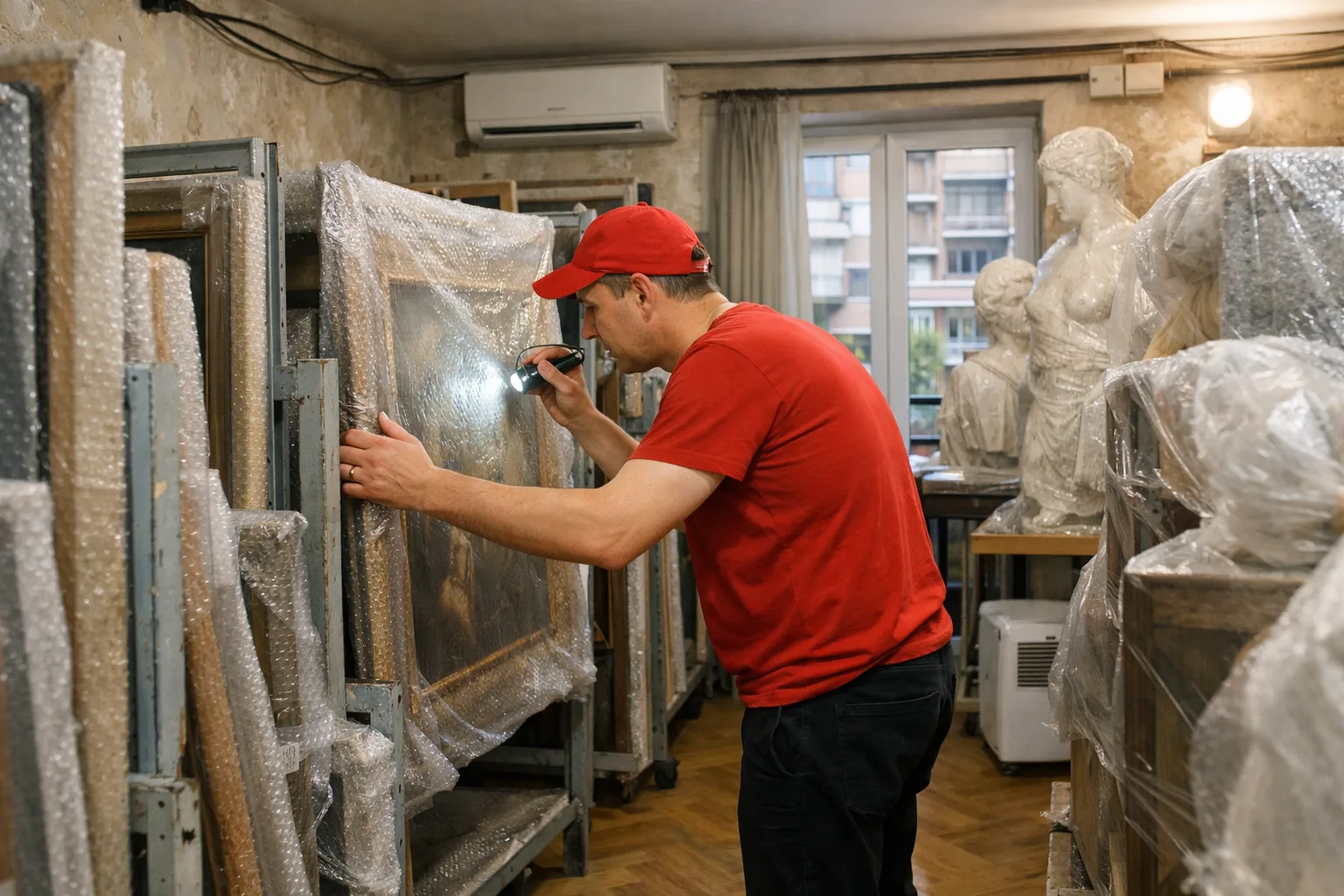
Antiques, paintings, sculptures, and other artworks require specific storage conditions to prevent material damage. Changes in temperature and humidity can cause cracking, deformation, or color changes. Additionally, direct exposure to light and UV radiation can further damage surfaces and pigments.
Air-conditioned storage helps maintain stable temperature and relative humidity, preventing damage such as mold, mildew, or drying out of wooden and fabric surfaces. Regular ventilation and control of lighting conditions are also recommended, along with the use of specialized packaging materials to protect artworks during storage.
For artworks, a temperature of around 20 degrees Celsius and humidity between 45 and 55% are recommended. Controlling these parameters extends the lifespan of the items and protects them from permanent damage. Periodic inspection and maintenance are also advised to detect potential issues early and take appropriate protective measures.
In addition to basic conditions, it is important to use packaging materials that do not emit harmful gases or chemicals that could react with the surfaces of artworks. For example, acid-free paper and specialized films can help preserve color and texture. Artworks should also be stored horizontally when possible to prevent deformation or damage to frames.
For valuable or sensitive items, it is recommended to engage conservation experts who can provide advice on specific protective measures and possible restoration interventions. Additionally, air-conditioned storage should include protection against potential pests such as insects or rodents, which can cause significant damage.
Certain food products require storage under controlled conditions to prevent spoilage and maintain freshness. This is especially true for items like chocolate, nuts, honey, spices, and dried fruit. Improper conditions can lead to changes in taste, texture, and nutritional value, directly affecting product quality.
Air-conditioned storage provides stable temperature and low humidity, which are crucial for preventing mold growth, fermentation, and other undesirable processes. Proper packaging and regular expiration date checks also contribute to maintaining food safety and quality.
For example, chocolate can easily deform and lose flavor if stored at too high a temperature or in high humidity. The optimal storage temperature is between 15 and 18 degrees Celsius. It is also recommended to store it in a dark place, away from light sources and strong odors, to avoid absorption of unwanted aromas.
Besides temperature and humidity, attention should be paid to the hygiene of the storage area. Regular cleaning and disinfection prevent the development of bacteria and other microorganisms that could compromise food safety. It is also advisable to separate different types of food to prevent contamination and mixing of odors.
For longer storage, especially for products like spices and dried fruit, hermetically sealed packaging is recommended to further protect against moisture and air. Monitoring storage conditions through sensors and alarm systems can help respond promptly to any issues.
Medicines and medical supplies often require strict temperature control to preserve efficacy and safety. Some pharmaceutical products may lose effectiveness if not stored in climate-controlled environments. Inadequate conditions can also cause chemical changes harmful to patients.
Air-conditioned storage allows precise regulation of temperature and humidity, which is often a legal requirement for storing certain medicines, vaccines, and medical materials. Additionally, monitoring expiration dates and transport conditions is essential to ensure complete product safety.
For example, vaccines require storage in cold conditions (usually between 2 and 8 degrees Celsius), while other medicines require stable temperatures around 20 degrees. Failure to adhere to these standards can compromise their safety. The use of specialized refrigeration equipment and real-time temperature monitoring alarm systems is recommended.
Furthermore, pharmaceutical storage areas must be equipped with access control systems to prevent unauthorized handling of medicines. Regular staff training on proper handling and storage of pharmaceutical products, as well as precise record-keeping of storage conditions and any deviations, is also advised.
In cases of storing sensitive materials such as biological samples or special medicines, backup power sources for refrigeration units are necessary to prevent failures due to power outages. Implementing automatic notification systems in case of temperature drops or other issues further enhances storage security.
Clothing and textiles, especially those made from natural materials like wool, silk, and cotton, can be sensitive to moisture and temperature. High humidity can cause mold and unpleasant odors, while excessive heat can dry out fibers and reduce elasticity.
Air-conditioned storage with controlled temperature and humidity helps preserve the quality and appearance of textiles during extended storage periods. Protective covers and appropriate packaging are also recommended to prevent mechanical damage and contamination by dust or insects.
For textiles, a temperature between 18 and 22 degrees Celsius and humidity of 45 to 55% is recommended. Proper storage prevents damage and extends the lifespan of clothing. Regular airing and inspection also contribute to preserving the material and timely detection of potential issues.
In addition to basic measures, it is important to use specialized bags or boxes that allow air circulation while protecting textiles from dust and insects. It is also recommended not to store clothes too densely folded to avoid creasing and fiber damage.
If dealing with valuable or delicate clothing items, such as vintage or handmade products, consulting textile conservation experts is advised. They can provide guidance on additional protective measures, as well as proper cleaning and maintenance during storage.
Wood is a material that reacts to changes in temperature and humidity, which can lead to cracking, warping, or swelling. Furniture and other wooden products require stable conditions to maintain their shape and structure. Excessive moisture can cause mold growth and rot, while dryness can lead to breakage and loss of strength.
An air-conditioned storage facility allows for maintaining constant conditions, preventing damage caused by excessive moisture or dryness. Regular inspection of furniture condition is recommended, as well as using protective coatings or waxes for additional protection of wooden surfaces. For safe and professional storage of furniture, belongings, and goods, we recommend choosing air-conditioned spaces that guarantee the preservation of your wooden items.
Optimal conditions for wood are a temperature of around 20 degrees Celsius and humidity between 45 and 55%. For example, antique wooden furniture that is not properly stored can lose its value due to damage. It is also important to avoid direct exposure to sunlight and heat sources that can further damage the material.
In addition to basic measures, it is recommended to use pads or cushions under furniture to prevent damage to lower parts and allow air circulation. Furniture should also be stored in a position that prevents deformation, avoiding stacking heavy items on delicate parts.
For additional protection, specialized impregnation coatings that protect wood from moisture and insects can be used. Regular maintenance and inspection enable timely detection of problems and application of appropriate measures, thereby extending the lifespan of wooden products.
Photographic equipment, films, and negatives are very sensitive to humidity and temperature fluctuations. Moisture can cause mold and surface damage, while high temperatures can accelerate chemical processes that degrade the material. Inadequate storage can lead to loss of valuable footage and information.
An air-conditioned storage facility provides the necessary protection to preserve these valuable materials over time, especially for archival or professional equipment. It is also recommended to use specialized boxes and covers for additional protection, as well as regular inspection of equipment and materials.
Ideal conditions for film reels and negatives are temperatures between 10 and 15 degrees Celsius and humidity around 30 to 40%. These parameters are significantly lower than for other products, requiring special attention. Minimal handling and protection from light are also recommended to prevent further damage.
In addition to basic measures, it is important to use antistatic gloves when handling film and photographic equipment to prevent the transfer of oils and dirt. Storage in dark, enclosed spaces with minimal exposure to light and vibrations is also advised.
Regular digitization and creating backup copies of film and photographic material can be an additional protective measure against data loss. If possible, engaging archiving experts who can assist with proper storage and preservation of these valuable materials is recommended.
Plant materials for research, laboratory samples, and other biological substances often require storage in air-conditioned conditions to prevent degradation and ensure research validity. Improper conditions can lead to changes in chemical composition and physical properties, affecting experimental results.
Stable temperature and controlled humidity are crucial for preserving the chemical and physical characteristics of these materials over extended periods. It is also important to follow specific requirements for each sample type, including freezing or cooling conditions when necessary.
For example, laboratory blood or tissue samples are usually stored at temperatures ranging from cold to room temperature, in accordance with manufacturer recommendations and safety regulations. Proper labeling and organization of samples further facilitate work and reduce the risk of errors or contamination.
In addition to basic conditions, it is important to use specialized containers and packaging that prevent air and moisture penetration, as well as sample contamination. It is also recommended to keep detailed records of storage conditions and conduct periodic quality checks of the samples.
Laboratory storage facilities must ensure security protocols, including access restricted to authorized personnel only, as well as emergency response systems in case of equipment failures or other issues. Regular maintenance of air conditioning and storage equipment is crucial to preserve sample integrity and research validity.
5 Reasons to Rent Storage While Renovating Your Apartment
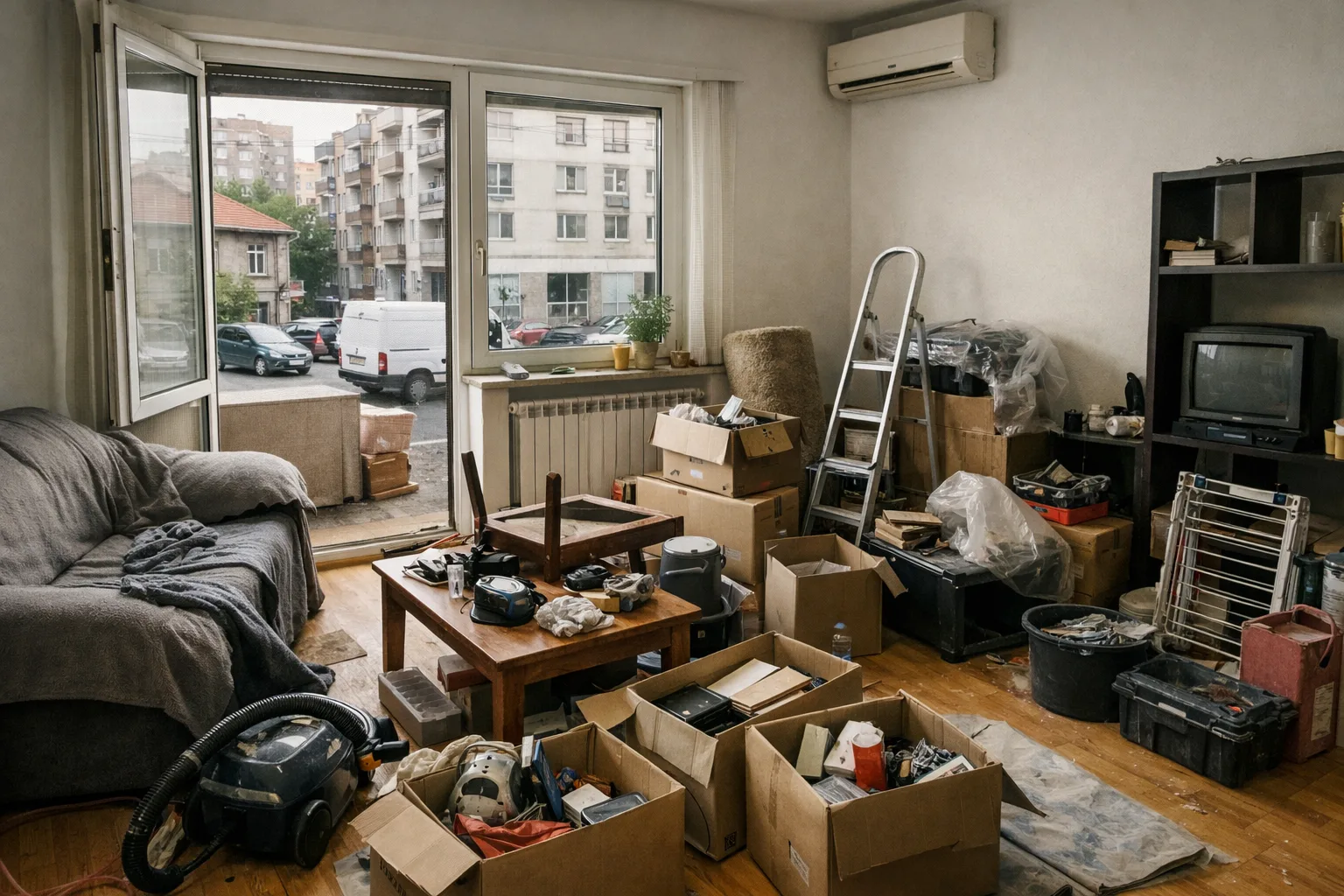
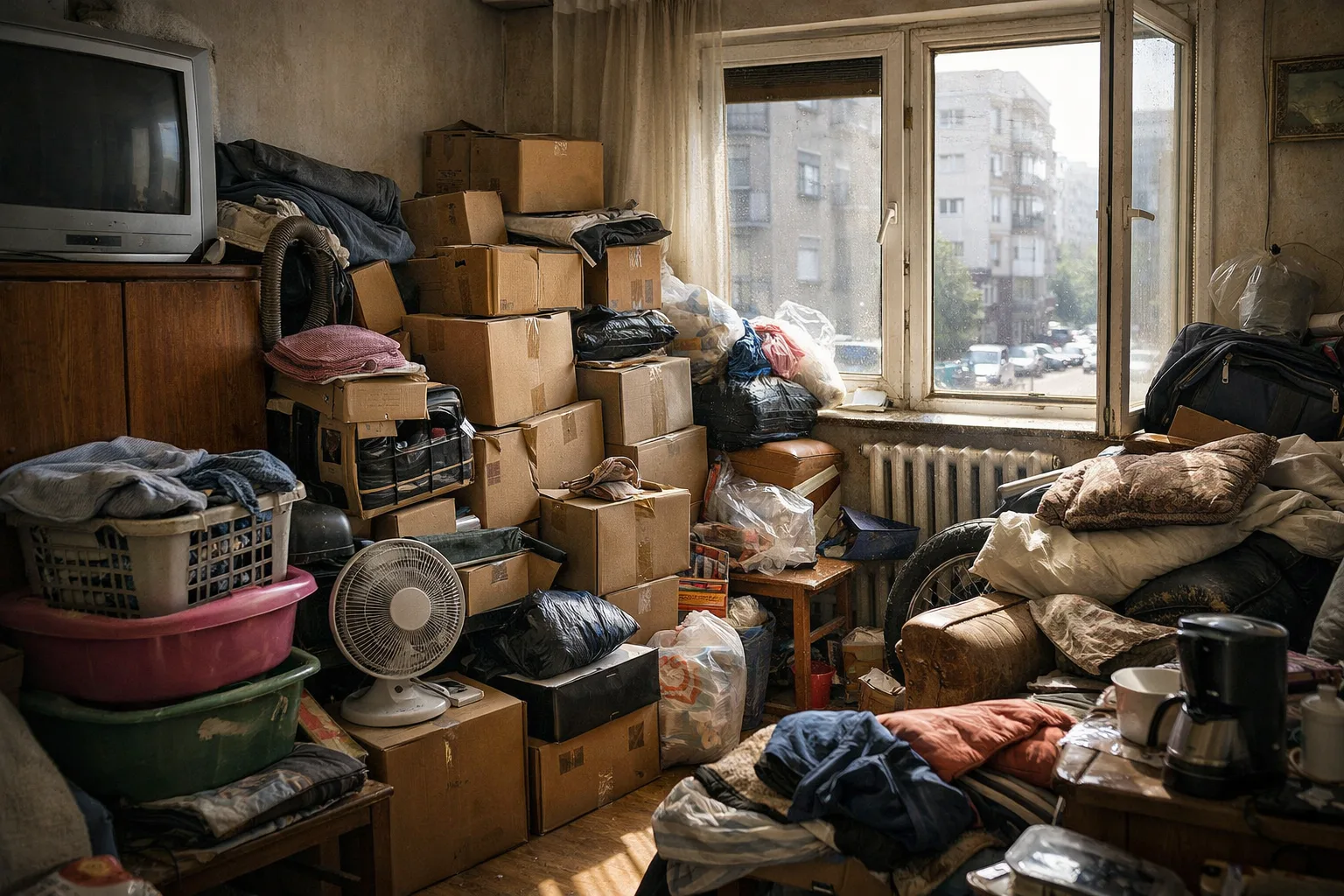
Why Is Storing Your Belongings a Good Solution for Home Renovation?
We will respond to you as soon as possible.
Below we answer common questions related to the use and requirements of climate-controlled storage, to help you better understand when and why it is necessary.
Optimal conditions depend on the type of items stored, but generally the temperature ranges between 15 and 24 degrees Celsius, with humidity around 40 to 60%. For specific products such as pharmaceuticals or film equipment, these parameters may be stricter.
For clothing made of sensitive natural materials, climate-controlled storage can significantly help prevent mold, unpleasant odors, and damage. For ordinary clothing less sensitive to moisture, it is not always mandatory.
Manufacturers often provide recommendations in storage instructions. If the equipment contains sensitive electronic components, batteries, or is intended for professional use, climate control is advisable.
The price depends on the size of the space, location, and storage duration. Climate-controlled storage is more expensive due to additional costs for maintaining temperature and humidity, but prices vary and there is no fixed rate.
Climate-controlled storage is not intended for storing living organisms as they require constant care and specific conditions that cannot be provided by temperature and humidity control alone.
Maintenance includes regular checks of the air conditioning system, monitoring temperature and humidity, as well as hygiene conditions of the space to prevent mold buildup and other harmful factors.
No, some products require low temperatures but are less sensitive to humidity, while others are extremely sensitive to both factors. Therefore, it is important to precisely define storage conditions according to the product type.