
Storage Tips
5 Reasons to Rent Storage While Renovating Your Apartment
5 Reasons to Rent Storage While Renovating Your Apartment

Enter at least 3 characters.
Musical instruments hold invaluable worth for both professional musicians and enthusiasts or collectors. Their construction often involves delicate materials such as wood, metal, and leather, which are susceptible to damage from unfavorable environmental conditions. Proper storage is not only about preserving the aesthetics but also the functionality of the instruments, as even minor damage can affect sound quality and longevity. In this guide, we provide detailed and practical advice on how to prepare and protect various types of musical instruments before storage, which materials to use, and how to avoid common mistakes that can lead to permanent damage. This way, your instruments will remain in optimal condition, ready for use whenever you need them.

Before starting the packing process, it is essential to conduct a thorough inspection of each instrument. Pay attention to surface scratches, cracks, loose or damaged parts, as well as the presence of moisture or mold. This assessment helps identify potential issues that could worsen during storage.
Documenting the instrument's condition through photographs and written notes is an important step. This provides a clear record of the initial state, which can be helpful in case of claims or repairs after storage.
In addition to visual inspection, check the functionality of the instruments. For example, with string instruments, check the tension of the strings and the condition of the frets, while for pianos, pay attention to the functionality of the keys and mechanisms. If you notice any irregularities, it is recommended to address them before storage to prevent further damage.
This assessment helps determine the necessary protective measures and type of packaging. Instruments with delicate parts, such as string instruments with thin necks, require extra care and specialized protective materials, while more robust instruments can be protected using standard methods.
Without a thorough condition assessment, there is a risk that existing problems may worsen during storage, potentially leading to costly repairs or permanent loss of the instrument's value.
Cleaning instruments before storage is essential to remove dust, sweat, grease, and other residues that can damage materials over time. This is especially important for wooden instruments, as impurities can affect the finish and cause wood deterioration.
Use soft, non-abrasive cloths and specialized cleaning products tailored to the type of instrument. For example, wood instruments are recommended to be treated with wood care products that nourish and protect the surface, while gentle solutions that prevent corrosion but do not damage the metal are used for metal parts.
Avoid using harsh chemicals or excessively wetting surfaces, as this can cause damage or deformation. After cleaning, allow the instrument to dry completely at room temperature in a well-ventilated area to prevent mold or corrosion.
Pay special attention to mechanical parts and internal components, which sometimes require additional lubrication or protection according to the manufacturer's instructions. Maintaining these parts extends the lifespan and ensures proper functioning after storage.
Regular maintenance and cleaning of instruments before storage not only protects the materials but also facilitates later use, as the instruments remain in good condition and ready to play without the need for additional interventions.
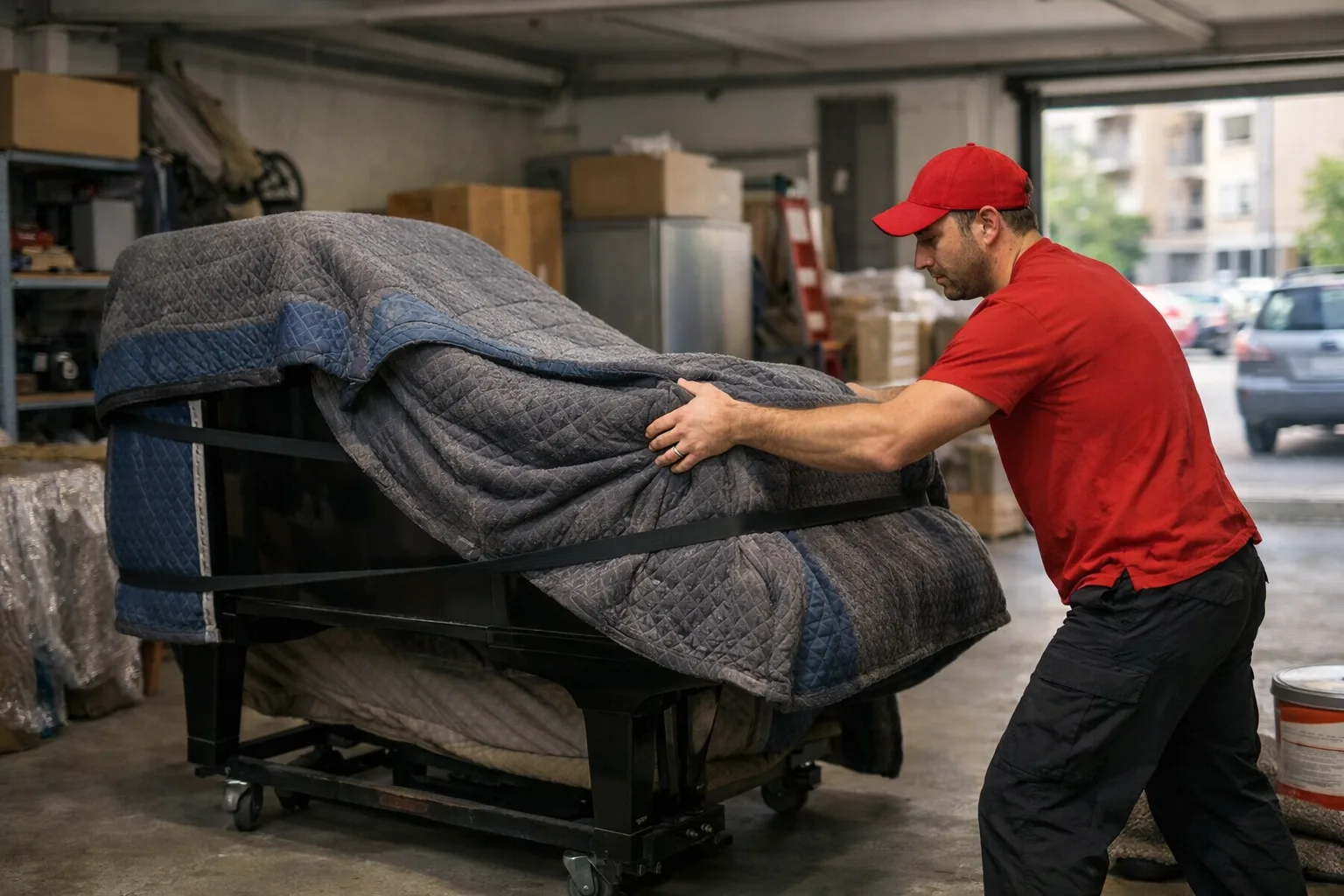
When packing musical instruments, selecting the right materials is crucial for protection against mechanical damage, moisture, and dust. Bubble wrap is an excellent choice for cushioning impacts, while cotton or fleece fabrics serve to gently wrap instruments and prevent scratches.
For instruments with delicate parts, such as string instruments, it is recommended to use internal protective inserts or cushions that prevent movement inside the case. These inserts can be made of foam or special materials that further absorb shocks and vibrations.
Protect metal parts from corrosion by lightly coating them with anti-rust agents or wrapping them in moisture-absorbing paper, such as silica gel or special paper towels. Avoid plastic bags that retain moisture and can cause condensation, leading to damage and rust.
Cardboard or wooden boxes should be sturdy enough to withstand the instrument's weight and protect it from external pressure. If using cardboard boxes, choose moving boxes with a higher resistance level and preferably double-layered for extra security.
Proper packing not only protects the instrument during storage but also facilitates transport and handling, reducing the risk of damage due to improper handling.
String instruments, such as violins, cellos, and double basses, require careful handling due to their construction and sensitivity. Before storage, it is important to loosen the string tension to prevent deformation of the neck and body caused by prolonged pressure.
Bows should be carefully removed and packed separately in a protective case wrapped in soft fabric or a special cover. Bows are particularly sensitive to changes in humidity and temperature, as well as mechanical damage, so they require additional protection.
The instrument should be placed in a quality case that provides adequate internal protection, then additionally wrapped in bubble wrap or soft cushioning materials. It is recommended to store it horizontally or vertically in a place free from direct sunlight and extreme temperatures.
During storage, periodically check the condition of the instruments, especially the strings and joints, to detect any changes or damage early. If possible, maintain the relative humidity in the space at an optimal level to prevent drying out or swelling of the wood.
Proper preparation of string instruments significantly extends their lifespan and maintains sound quality, which is of great importance to musicians and collectors.
Pianos and electric keyboards pose a challenge due to their size, weight, and delicate mechanisms. Before storage, it is essential to thoroughly clean the surface with special cloths designed for these instruments to remove dust and grease that can damage the finish.
Ideally, pianos and keyboards should be stored in rooms with stable temperature and relative humidity between 40 and 50%, which helps preserve wooden and metal parts. Avoid rooms with large temperature fluctuations or high humidity, such as basements or garages.
For electric keyboards, if possible, use the original packaging which provides optimal protection during storage and transport. If the original packaging is not available, be sure to use quality cases and protective covers.
For mechanical pianos, it is recommended to consult a specialist before storage, as a long period of inactivity can affect the tuning of the mechanisms and will require subsequent servicing. Regular checks and possible adjustments after storage ensure long-lasting functionality.
For the transport and storage of pianos, it is recommended to hire professionals, as professional piano moving ensures safe handling, appropriate equipment, and experience in protecting this demanding instrument throughout all stages of relocation and storage.
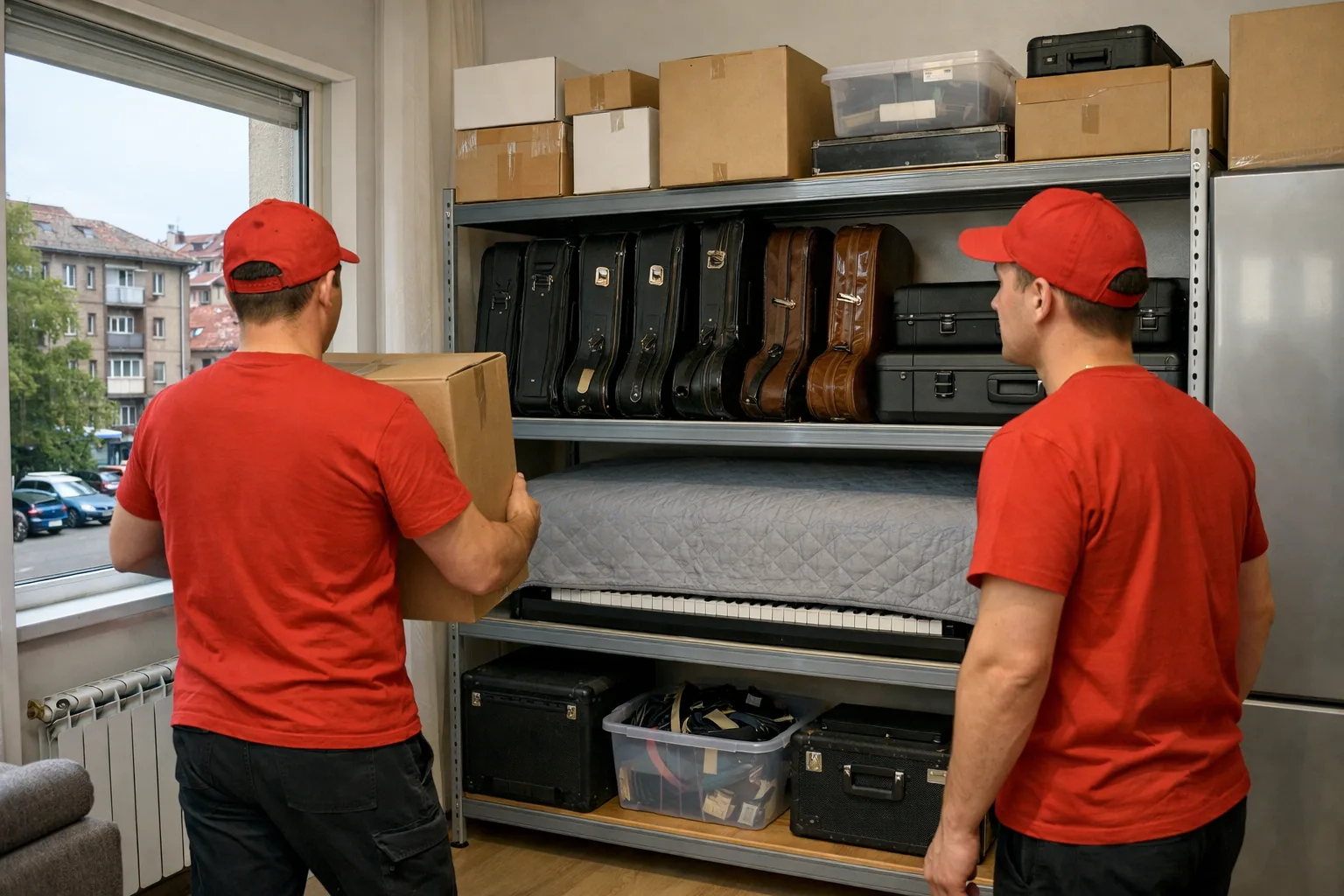
Humidity and temperature fluctuations pose the greatest threat to the preservation of musical instruments. Wooden parts can warp, crack, or swell, while metal parts can corrode and lose functionality. Therefore, choosing the right storage space is crucial.
Use humidity control devices, such as dehumidifiers or silica gel packets inside the packaging, which effectively absorb moisture and prevent condensation. Regularly check the storage conditions and the state of the instruments to respond promptly to any changes.
Avoid storing instruments in rooms that are not climate-controlled or are prone to drafts, sudden temperature changes, or high humidity, such as basements, garages, or attics. Ideally, choose rooms with stable conditions and good ventilation.
If possible, use hygrometers to monitor humidity and temperature in the storage, allowing precise maintenance of optimal conditions. Also, regularly inspect instruments for signs of damage or changes to take necessary measures in time.
Proper protection from moisture and temperature significantly contributes to preserving the quality and longevity of instruments, reducing the risk of costly repairs and loss of value.
Each instrument should be clearly and precisely labeled before storage. Use labels with basic information such as the instrument's name, current condition, packing date, and specific notes on handling or maintenance requirements.
Organizing packaging enables efficient management of storage space and facilitates finding instruments when needed. Grouping similar instruments and keeping records of their locations reduces the risk of errors and damage during retrieval.
It is recommended to keep digital or paper records with detailed information about each instrument, including photos and notes on condition. This is especially useful if you store a large number of instruments or if storage is long-term.
Good organization saves time and reduces stress during subsequent moves or use of instruments, allowing quick and safe handling without unnecessarily exposing instruments to risk.
Also, clearly labeled boxes and cases make it easier for staff handling the instruments, further reducing the possibility of damage due to carelessness or lack of knowledge.
Transport is one of the most critical parts of protecting musical instruments. Properly securing instruments in the vehicle prevents their movement and potential damage during transit. Use specialized mounts, frames, and protective platforms to ensure stability.
Never place instruments directly on the vehicle floor, as vibrations and uneven surfaces can cause damage. Instead, use foam pads or other materials that absorb shocks and vibrations.
Be sure to inform drivers and staff about the sensitivity of the instruments and the need for careful handling. For larger instruments, such as pianos, it is recommended to hire a specialized piano moving service with experience and appropriate equipment.
During transport, avoid exposing instruments to extreme weather conditions such as heavy rain, snow, or direct sunlight. Upon arrival at the storage facility, immediately check the condition of the instruments and place them in prepared storage conditions.
Following these tips significantly reduces the risk of damage during transport and helps preserve the quality and functionality of musical instruments.
5 Reasons to Rent Storage While Renovating Your Apartment

Why Is Storing Your Belongings a Good Solution for Home Renovation?


We will respond to you as soon as possible.
We provide answers to the most common concerns regarding the proper preparation and storage of musical instruments, helping you avoid common mistakes and keep your instruments in perfect condition.
Wooden instruments should be kept in a room with stable temperature and humidity, ideally around 40-50%. Before storage, release the tension of the strings to reduce pressure on the wood. Use humidifiers or dehumidifiers to maintain optimal conditions and avoid direct sunlight.
Original cases are often the best solution as they are designed to protect the specific instrument. If you don't have the original case, use quality protective covers and additionally wrap the instrument in bubble wrap or soft fabrics for extra safety.
You can protect metal parts by applying special anti-rust agents or wrapping them with moisture-absorbing materials like silica gel. It is important that the instrument does not come into contact with moisture, so choose dry and well-ventilated spaces.
Electric keyboards should be stored in a dry place with stable temperature. Before storage, clean the surface and protect it with an appropriate cover. Avoid places with high humidity and temperature fluctuations that can damage the electronics.
Yes, always release the string tension on string instruments before storage. This prevents neck deformation and extends the instrument's lifespan. Strings should be carefully tightened before reuse.
Each instrument should be clearly labeled and packed in a way that prevents mutual damage. Use labels with instrument details and organize them by type or size for easy and efficient access.
It is recommended to check instruments at least once every six months. During inspection, pay attention to humidity, any damage, and the condition of protective materials. Regular maintenance helps prevent major issues.