
Storage Tips
5 Reasons to Rent Storage While Renovating Your Apartment
5 Reasons to Rent Storage While Renovating Your Apartment

Enter at least 3 characters.
Books are valuable items that often carry sentimental, educational, or collectible value. Proper preparation for storage is not only about preserving their physical appearance but also about protecting the cultural and intellectual heritage they represent. Inadequate storage can lead to irreversible damage, which is especially important for rare and antique editions. In this guide, we will thoroughly explain how to properly prepare books for storage, from cleaning and packing to optimal storage conditions. This way, you can be confident that your books will remain intact during storage, whether for short-term or long-term periods, preserving their value and accessibility for future generations.
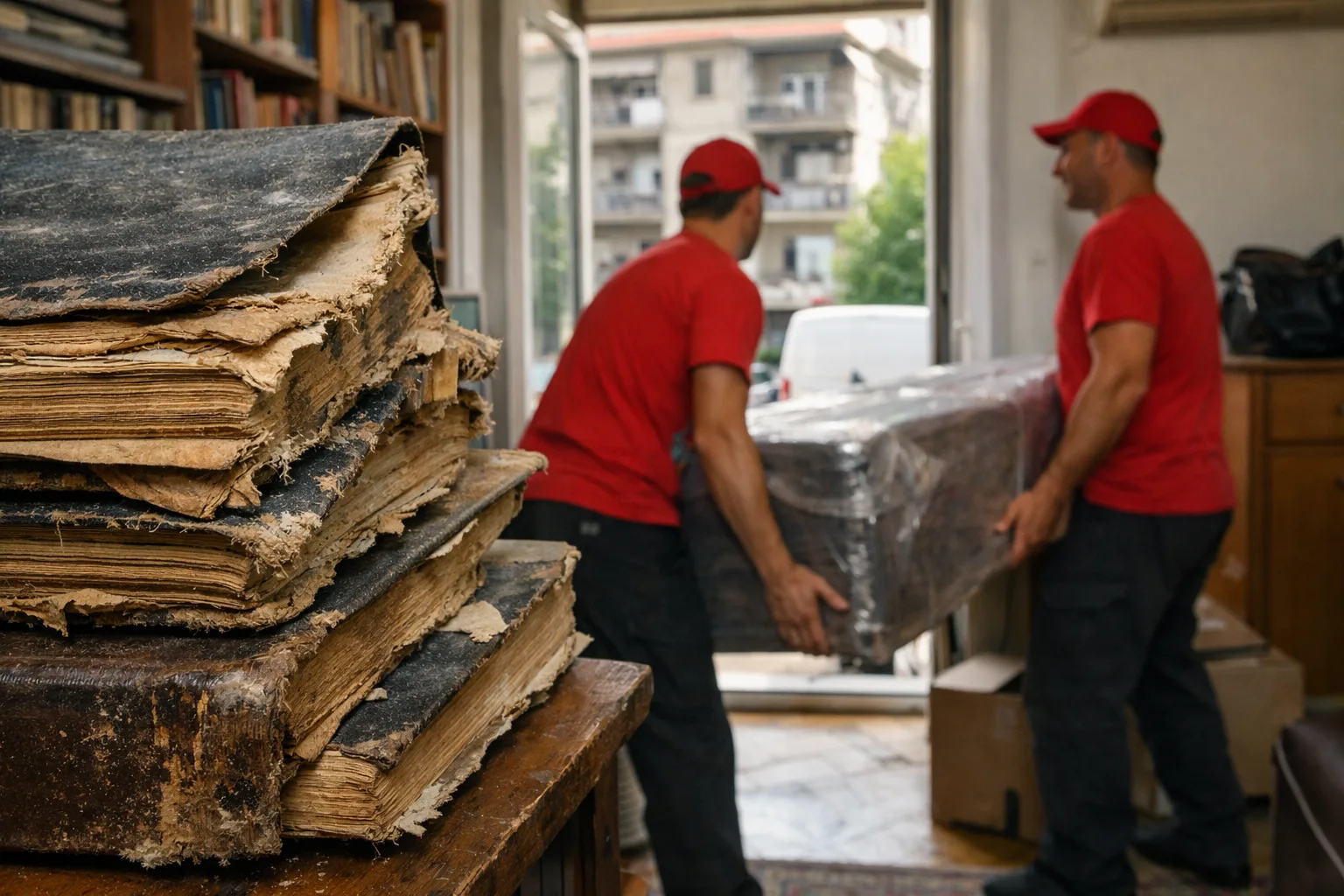
Books are sensitive to moisture, dust, light, and temperature changes, which can cause damage such as yellowed pages, worn covers, or even mold. Controlling moisture is especially important as it can cause swelling of paper and covers, while dust can accelerate wear and attract insects. Therefore, proper preparation is key to preserving their structure and appearance during storage.
Without adequate protection, books can absorb unpleasant odors, and poor conditions can cause permanent damage to paper or covers, especially if the books are old or rare. For example, acids from low-quality paper or packaging can accelerate deterioration, so it is important to use materials that are neutral or acid-free. Proper preparation reduces the risk of these issues and extends the lifespan of the books.
Additionally, good organization of books before storage makes it easier to find and access specific titles later, which is especially important if storage lasts for an extended period. Proper labeling and cataloging enable efficient collection management, reducing the time and effort needed to locate a desired book. For this reason, the guide on preparing books for storage also includes advice on labeling and sorting.
Before packing books for storage, it is important to clean them thoroughly. Dust and dirt can attract insects and accelerate paper deterioration. Use a soft brush or a slightly damp cloth to gently remove dust from covers and page edges, taking care not to wet the paper as this can cause moisture buildup and damage.
If books are very dirty or stained, use specialized paper cleaning products, but always test on an inconspicuous area before applying to the entire surface. For example, erasers specially designed for paper can remove surface stains without damage. Avoid harsh chemicals that can damage color or paper, as chemical residues can compromise the book's integrity over time.
For books with damaged covers or loose pages, additional protection with transparent film covers or special plastic sleeves is recommended. Also, if pages are loose, you can temporarily secure them without adhesive using special archival tapes that do not damage paper. This will help prevent further damage during storage and handling.
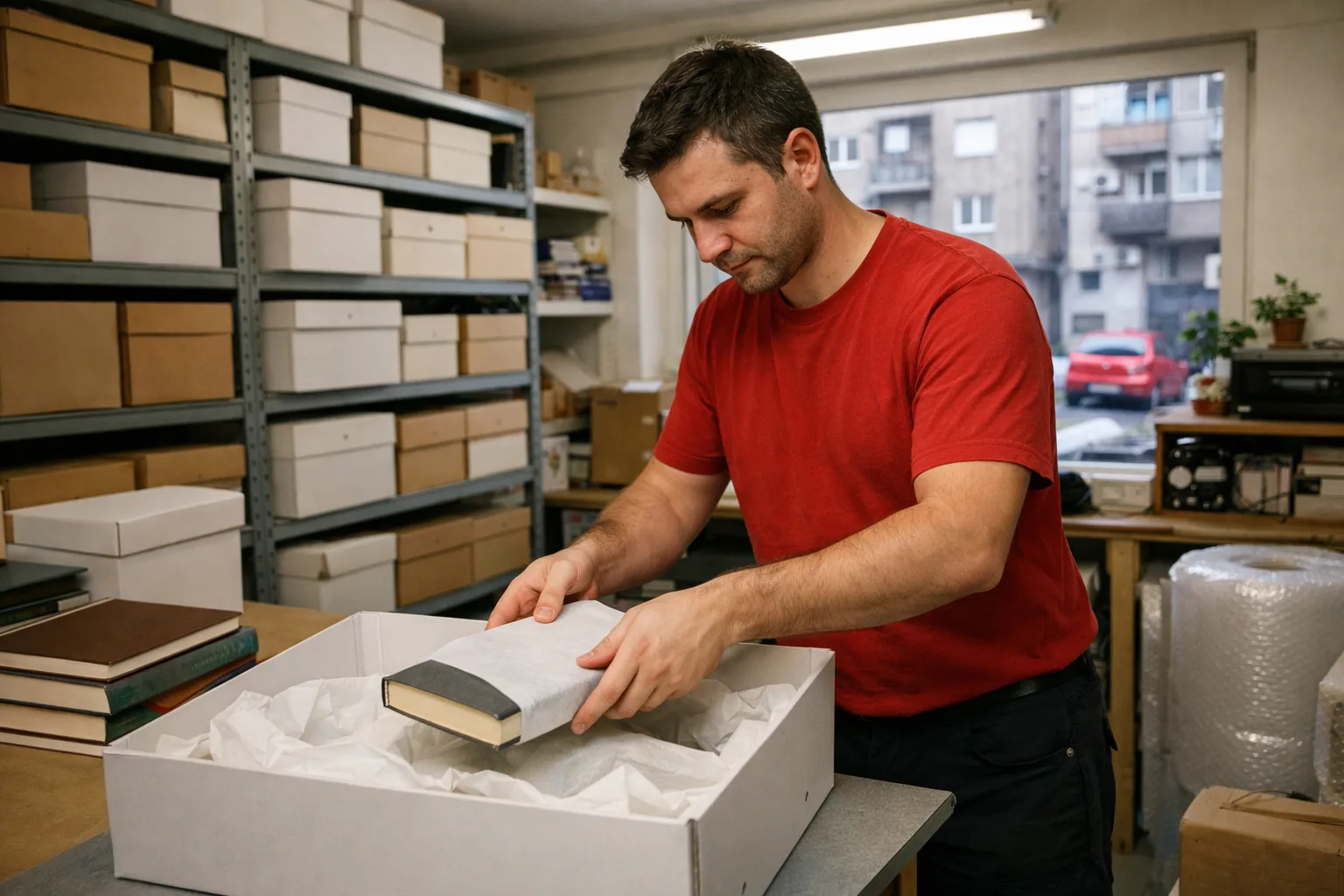
Choose boxes that are sturdy and durable, but not too large, as excessive volume can put pressure on the books and cause deformation. Ideally, use moving boxes designed for storing books, which have appropriate dimensions and additional inner protection, such as linings made of acid-neutral paper or foam materials that absorb shocks.
Inside the box, books should be placed upright as on a shelf or gently stacked one on top of another, but never piled too high. Excessive pressure can deform the covers and pages. Fill the gaps between the books and the box walls with soft paper or bubble wrap to prevent shifting during transport, which further protects the books from damage.
Avoid using newspaper for packing as the ink can leave marks on the books and may be acidic. Instead, use neutral or acid-free paper that will not react with the paper in the books. Also, plastic packing bags are not recommended as they can retain moisture and lead to mold growth. Use breathable materials that allow air circulation.
Books best preserve in cool and dry conditions. The ideal temperature is between 15 and 22 degrees Celsius, while relative humidity should be around 45-55%. Excessive humidity can cause mold growth, while too dry an environment can make papers brittle and fragile. Controlling these parameters is key for long-term preservation, and for added security, you can use the professional storage service for items and goods that ensures optimal conditions for book storage.
Avoid storing books in places exposed to direct sunlight or near heat sources like radiators. Sunlight can fade covers and damage paper, while heat can accelerate material aging and cause the glue holding the pages to dry out.
Regularly check the warehouse conditions and use dehumidifiers or air conditioners as needed to maintain stable temperature and humidity. Proper ventilation is also important to prevent moisture retention and mold formation. In rooms with higher humidity, it is recommended to install hygrometers for monitoring.
To facilitate finding books in storage, it is recommended that each package be clearly labeled. Write basic information on the box such as book category, number of copies, and possibly a list of titles or authors. This can be very helpful when returning books to use.
You can also use a color or number system for labeling, which further speeds up identification. For example, a red label can indicate professional literature, blue fiction, and green children's books. Such a visual system allows quick recognition of contents without opening the boxes.
Keep records of packed materials in a separate table or digital database. This will help you track where everything is located and reduce the risk of loss or duplication when retrieving books from storage. Also, recording packing dates and storage conditions can be useful for future reference.

Insects like silverfish can cause serious damage to books, so prevention is crucial. Before packing, check if the books show signs of insect damage and ensure they are completely dry. Damp books are especially susceptible to infestation and fungal growth.
Use natural repellents such as cedarwood in the boxes, which repel insects without harmful chemicals. Cedarwood has a pleasant scent and can be used in the form of sticks or chips. Avoid chemical agents that may damage books or leave unpleasant odors, especially in enclosed spaces.
Regularly inspect the warehouse and packages for moisture or mold presence. If you notice such issues, immediately take steps to dry and clean, as fungi spread quickly and are difficult to remove once established. In severe cases, consult book restoration experts.
When moving books in and out of storage, it is very important to carry them carefully and avoid bending pages or covers. Use both hands and hold the books firmly but gently to prevent damage. Also, avoid carrying too many books at once to reduce the risk of dropping or damaging them.
Avoid exposing books to direct light or moisture immediately after removing them from storage, as sudden changes in conditions can affect the materials. It is recommended to first leave them in a room with controlled temperature for a few hours to acclimate to the new environment.
If you plan not to use them for a long time, do not leave them in places where they can be exposed to dust or contamination. Use covers or films that allow air circulation but protect against dust. This helps preserve the books between uses and reduces the need for frequent cleaning.
Rare and antique books require extra care due to their value and sensitivity. Before storage, it is recommended to have them inspected by a book preservation specialist who can assess their condition and provide protection advice. This inspection may include damage assessment, restoration recommendations, and packing advice.
Use acid-free boxes and liners that prevent chemical reactions that could damage the paper. Also, consider protective covers made from specialized materials that shield the book from dust and light, such as archival polyester or microporous films that allow the material to breathe.
Regular inspections during storage are essential to detect any changes indicating damage in time. If necessary, consult restorers who can assist in addressing issues. Also, keep detailed records of the books' condition and any interventions performed.
5 Reasons to Rent Storage While Renovating Your Apartment

Why Is Storing Your Belongings a Good Solution for Home Renovation?

We will respond to you as soon as possible.
Below are answers to the most common questions that arise when preparing and storing books. These tips will help you avoid common mistakes and keep your books in the best possible condition.
The most important thing is to store books in a room with controlled humidity, ideally between 45-55%. Use dehumidifiers if there is a risk of excessive moisture, and line boxes with materials that do not retain moisture. Regularly check the condition and remove books if you notice moisture or mold.
It is recommended to stack books upright, as on a shelf, to reduce pressure on covers and pages. If the books are larger or heavier, you can lay them gently on top of each other, but not too many to avoid deformation.
You can protect covers with plastic wrap or special plastic sleeves that guard against scratches and dust. Also, avoid overcrowding books in one box and use soft fillers to prevent movement.
Newspaper is not recommended because the ink can leave marks on the pages and damage them. It is better to use neutral or acid-free paper that does not react with the book materials and does not leave stains.
Books are ready for storage if they are cleaned, dry, and free from damage caused by moisture or insects. It is also important that they are properly packed in suitable packaging and stored in conditions that do not compromise their material.
Ideally, check books every three to six months to detect potential problems such as moisture, mold, or insect damage. Regular inspections help ensure prompt action and prevent further damage.