
Storage Tips
5 Reasons to Rent Storage While Renovating Your Apartment
5 Reasons to Rent Storage While Renovating Your Apartment

Enter at least 3 characters.
Sharing storage space with friends can seem like a smart and economical move, especially when it comes to temporary storage. However, this decision carries its own advantages and disadvantages that should be carefully considered before entering into such an arrangement. In this guide, we will thoroughly analyze the key aspects of sharing storage with friends so you can make an informed decision and avoid potential problems. Beyond financial and practical considerations, it is important to also consider the emotional and legal dimensions that can affect the long-term success of such an arrangement. Prepare to gain comprehensive information through this text that will help you properly organize shared storage space and maintain good relationships with your friends.

One of the main reasons people consider sharing storage with friends is to save money. Storage space can be expensive, especially in urban areas, so sharing costs can significantly reduce monthly expenses. For example, if the cost of one storage unit is 10,000 dinars per month, sharing with a friend can reduce that expense to 5,000 dinars each.
However, it is important to clearly define how costs will be divided, who will pay the bill, and how any additional expenses, such as damages or extra services, will be handled. Without clear agreements, misunderstandings and problems may arise in the future. It is advisable to create a joint budget and regularly monitor all expenses to avoid unpleasant situations.
Also, keep in mind that sometimes the cheapest solution is not the most reliable. Sharing storage with friends can have economic benefits, but only if all parties are responsible and willing to respect the rules of using the space. Otherwise, potential problems can lead to additional costs and damage to relationships.
Another useful practice is to define in advance the conditions for any potential cost increases, such as rent hikes or additional services, so everyone is prepared for changes and can respond promptly.
Finally, consider the possibility of jointly investing in additional equipment or organizational elements for the storage, which can further increase efficiency and reduce costs in the long run.
Sharing storage with friends requires good organization of the space. Each party should have clearly defined space for their belongings to avoid mixing and potential damage. It is recommended to physically divide the space, for example with partitions or separate shelves, so it is clear which items belong to whom.
Practicing labeling and creating a layout plan can help use the storage space more efficiently. For example, you can use shelves or containers with clearly marked names and types of items. Also, agree on access to the storage and the method of arranging items to avoid confusion. Digital tools, such as shared spreadsheets or organization apps, can be very helpful in tracking what is stored where.
Without proper organization, items can easily get damaged or lost, which can jeopardize friendships and lead to frustration. Therefore, creating a joint plan and respecting agreements is key to successfully sharing the space. Regular maintenance of order and joint cleaning also contribute to preserving the storage and maintaining a good atmosphere among users.
Also, consider the storage conditions for different types of items, such as sensitive objects that require special protection from moisture or temperature. In such cases, it is possible to provide special boxes or sections of the storage with appropriate conditions.
Finally, it is advisable to periodically check the condition of the storage and adjust the organization according to the needs of all users, so that the space remains functional and pleasant to use.

Sharing storage with friends involves a high level of trust since items are left in a shared space, often without constant supervision. It is necessary for everyone to agree on security measures to avoid theft or damage. It is important that all users are transparent about the contents of the storage and agree on protection measures.
If the storage is not professionally secured, consider additional measures such as locking items with padlocks, using security cameras, or agreeing on regular inspections of the items' condition. This can help maintain trust and prevent misunderstandings. Additionally, installing alarms or motion sensors can provide extra protection.
It is important to keep in mind that even among friends, disagreements can arise if items are lost or damaged. Therefore, it is advisable to create a written agreement or at least clearly define the rules of use and responsibilities verbally. For higher-value items, consider insuring the belongings stored in the facility.
Besides technical measures, it is essential that all users act responsibly and respect the agreed procedures for accessing and handling items. Regular communication and transparency regarding the use of the space further strengthen trust.
Finally, consider the possibility of jointly investing in security equipment, which can contribute not only to protecting items but also to preserving friendships through shared care of the space.
Although sharing storage with friends often seems informal, it is advisable to have some form of legal agreement. This can be a simple written contract defining the obligations and rights of both parties, the duration of storage use, payment terms, and procedures in case of issues. Such a document can be drafted as email correspondence, but it is important that it is clear and signed by all participants.
The contract can also include clauses on liability for damage, loss, or improper use of the space. This reduces the risk of misunderstandings and can help resolve problems amicably. Additionally, it can define dispute resolution procedures, such as mediation or arbitration.
If the storage belongs to one person but is used by multiple friends, clearly defining ownership of items and access rights is crucial. Legal security contributes to long-term stability and preservation of friendship. The contract can also contain provisions on terminating cooperation and the method of returning items.
Besides the contract, it is advisable to keep all receipts and proof of payment, as well as documentation of the condition of items at the start of storage use. This can be useful in case of disagreements or the need to prove the state of property.
Finally, if you are unsure about legal aspects, consult a lawyer or contract specialist to ensure all important details are covered and that your rights and obligations are clearly defined.
Sharing storage can further strengthen friendships if there is clear trust and agreement, but it can also cause tensions if problems arise. For example, if one party does not pay on time or does not maintain order, conflicts may occur. Therefore, it is important that all participants are ready for compromise and open communication.
It is important to communicate openly about all issues related to storage use and regularly check the condition of items. Also, mutual boundaries and rights should be respected to preserve a good relationship. Regular meetings or agreements can help resolve problems before they escalate.
In some cases, sharing storage space can lead to issues that go beyond just the storage itself, even risking the end of friendships. Therefore, it is important to assess in advance whether shared storage is the right decision for your situation. Consider the personal characteristics and habits of everyone involved before making a final decision.
Also, keep in mind that flexibility and willingness to adapt are key to the success of shared storage use. Sometimes compromises and adjustments to agreements are necessary to ensure everyone is satisfied.
Finally, if you notice that sharing storage negatively affects your relationship, consider other storage options or discuss changes to the arrangement to preserve the friendship and avoid unnecessary conflicts.
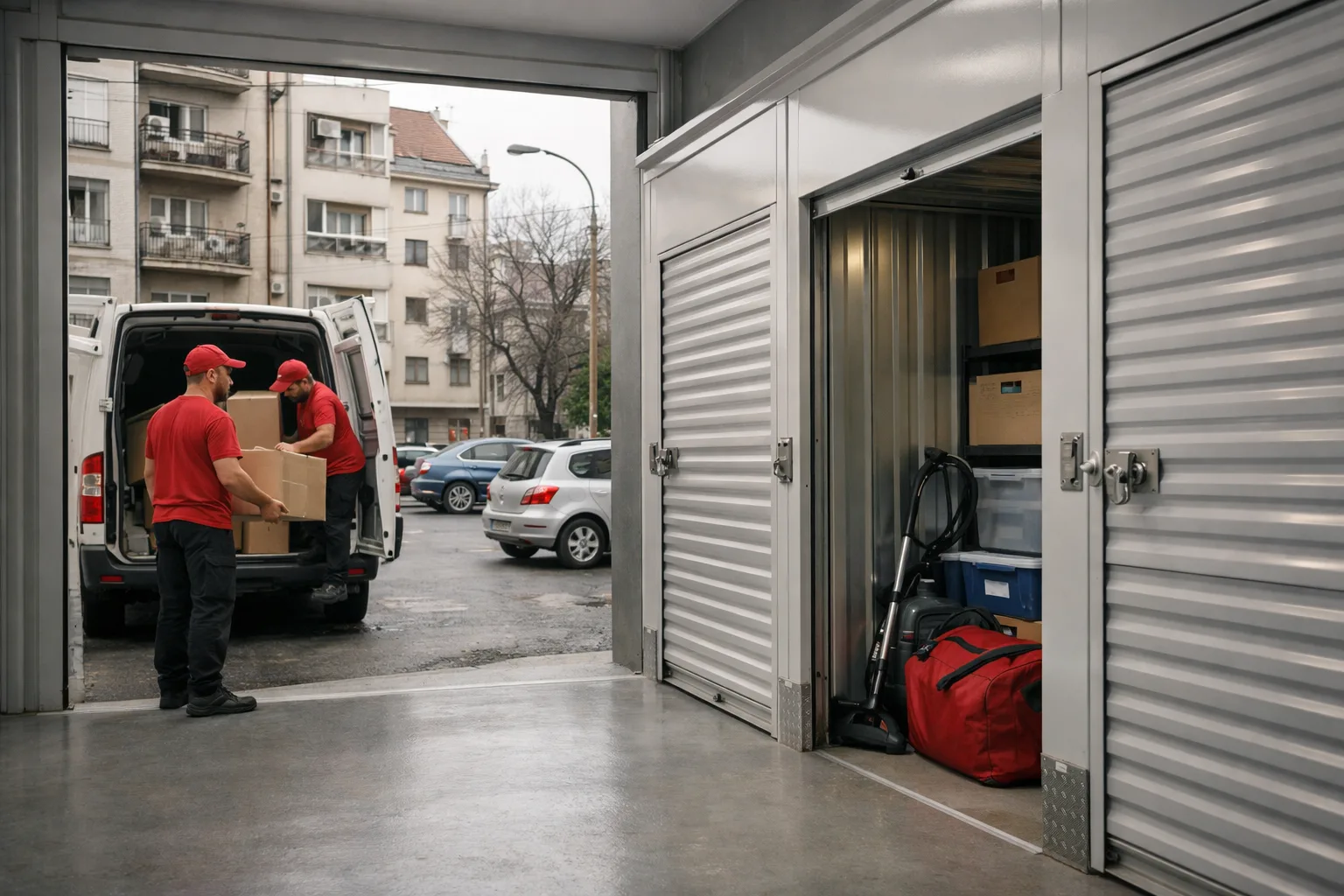
Not all items are equally suitable for sharing storage with friends. For example, personal or valuable items such as documents, money, or family heirlooms are better kept separately and under stricter control. These items should ideally be stored in secure safes or locations with limited access.
On the other hand, non-sensitive or less valuable items like seasonal belongings, tools, or sports equipment can be safely shared and stored together. Additionally, items that take up a lot of space but are rarely used are ideal for shared storage. For example, camping gear or garden tools can be a good choice for shared storage.
When arranging shared storage, be sure to specify which items each person will keep and how to handle items requiring special conditions, such as electronic devices or furniture. It is important to agree on protection and maintenance terms for such items.
Also, avoid storing perishable or hazardous materials, such as chemicals or food, as they can pose risks to other users and the stored items themselves.
Finally, regularly check the condition of stored items and agree on removing unnecessary belongings to keep the storage space tidy and functional for all users.
When sharing storage with friends, it is important to define rules for accessing the space. For example, whether everyone has a key or access card and the times when entry is allowed. Clear access rules reduce misunderstandings and increase security.
Flexibility is important so that all users can use the space smoothly, especially if items are frequently taken out or added. Agreeing on time frames for usage can prevent conflicts and overcrowding. For example, you can agree on priority days or hours for accessing certain parts of the storage.
Also, consider who maintains the storage and who is responsible for cleaning and order. Clear division of duties contributes to the smooth operation of shared storage and satisfaction of all parties. You can create a cleaning or maintenance schedule that rotates among users.
If access to the storage is limited or requires special procedures, it is important that everyone is informed and adheres to the agreed rules. This may include rules about the number of people allowed in the storage at the same time.
Finally, regular communication and flexibility in adjusting access rules can help make shared storage use as pleasant and efficient as possible for everyone involved.
In some cases, sharing storage with friends is not advisable. For example, if there is a significant difference in responsibility, access, or expectations among users, this can lead to problems. Also, if friendships are already strained or there are no clear agreements, it is better to avoid shared storage.
An alternative can be renting professional storage space with private access and insurance, which offers greater security and privacy. Such spaces often provide additional services like climate control, video surveillance, and property insurance.
There are also storage services for items and goods that offer flexible terms and additional benefits, such as pickup and delivery on demand. This can be especially useful if you need greater flexibility or cannot visit the storage frequently.
Before deciding to share storage space, it's important to assess how much you need shared conditions and whether your friendships can withstand potential challenges. In some cases, individual storage might be a better solution. Consider all options and choose the one that best suits your needs and possibilities.
Ultimately, keep in mind that the goal of storage is to make your life easier, not to create additional problems. Therefore, it's important to make a decision that will provide you with peace of mind and security, whether that means sharing storage or opting for an individual solution.
5 Reasons to Rent Storage While Renovating Your Apartment

Why Is Storing Your Belongings a Good Solution for Home Renovation?


We will respond to you as soon as possible.
Below, we answer the most common concerns regarding sharing storage space with friends, so you can have a clearer understanding of all aspects of this topic.
It's best to have a written agreement about payment and deadlines before starting to share storage. If irregularities occur, it's important to have an open conversation and try to find a solution. If the issue cannot be resolved through discussion, it may be necessary to end the shared use of the storage to avoid further conflicts.
Generally, it is not recommended because shared spaces may have weaker security measures and a higher risk of damage or theft. Valuable and personal items should be stored in secure, private spaces or professional storage facilities with appropriate insurance.
It is recommended to clearly divide the space into segments or shelves belonging to each person. Use labels, boxes with names, and keep records of what is stored where. Also, agree on rules for maintaining order and regularly checking the condition of items.
It's important to have an agreement on responsibility and damage resolution procedures in advance. Without an agreement, the problem can escalate. It is advisable that each party takes care of their own belongings and reports damage immediately upon discovery so that a joint solution can be sought.
The agreement should include details about space allocation, payment methods, responsibility for damage or loss, access rights, duration of use, and procedures for contract termination. Clear terms help prevent misunderstandings and preserve friendships.
It is recommended to agree on access times, especially if the storage is frequently used. Communication and flexibility are key. You can create a usage calendar or rules regulating the number and timing of entries to ensure everyone has equal access.
If there are doubts about a friend's reliability or responsibility, if storage needs differ significantly, or if there is a risk of damaging relationships due to disagreements, it is better to choose separate storage space. Professional services often offer a higher level of security and privacy.