
Storage Tips
5 Reasons to Rent Storage While Renovating Your Apartment
5 Reasons to Rent Storage While Renovating Your Apartment

Enter at least 3 characters.
Preparing a motorcycle for storage requires a careful and systematic approach to ensure the vehicle remains in perfect condition during the period of inactivity. Improper storage can lead to serious damage, such as rust on metal parts, mechanical failures, tire issues, and degradation of electrical components. In this guide, we will explain in detail how to properly clean, prepare, and pack your motorcycle for storage, with practical tips and steps to follow. In addition to basic procedures, we will provide extra recommendations to help keep your motorcycle in optimal condition, regardless of the storage duration.
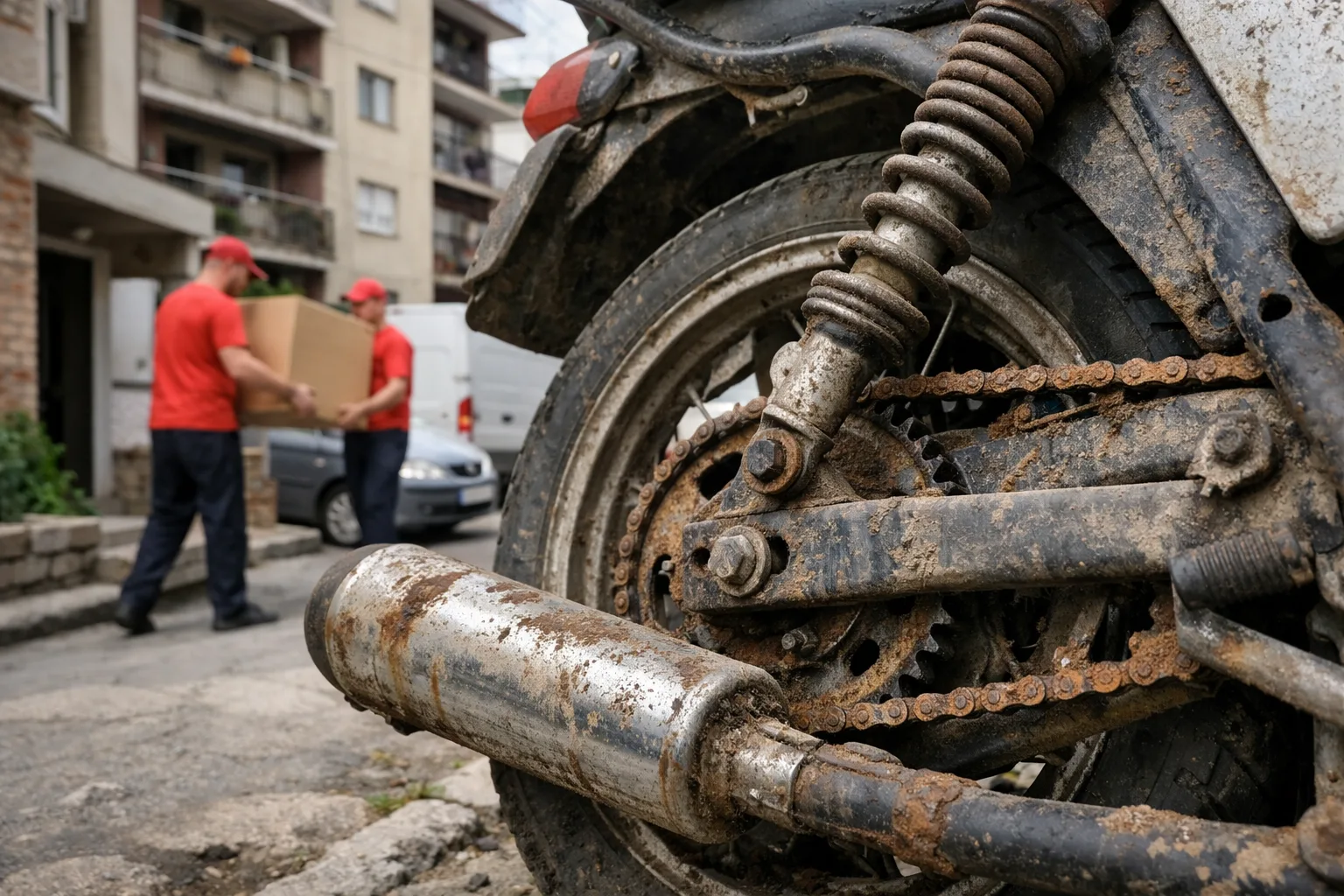
Before packing your motorcycle for storage, it is essential to wash it thoroughly. Dust, mud, and insect residues can damage the paint and metal parts if left for an extended period. Use a mild detergent and warm water, then dry the vehicle with a soft cloth to prevent water spots.
After washing, pay special attention to the chains and sprockets. Clean them with a brush and apply appropriate lubricant grease to prevent rust and maintain functionality. Also, check that all parts are dry before proceeding to the next steps.
Don't forget to clean the seat, mirrors, and instrument panel. Use products designed for these materials to avoid damaging the surfaces and extend their lifespan. A well-cleaned motorcycle is the first step toward safe storage.
In addition to basic washing, a detailed inspection of all joints and screws during cleaning is recommended. Remove any traces of oil or grease that can attract dirt and cause corrosion. Also, pay attention to parts such as brake calipers and discs, which should be cleaned with special products to prevent dirt buildup and corrosion.
For extra protection of the paint and metal parts, after drying, you can apply a layer of wax or protective coating. This will help preserve the shine and prevent the negative effects of moisture and dust during storage.
Fuel can degrade over time and leave deposits in the tank and hoses, which can make starting the motorcycle difficult after storage. It is recommended to fill the tank to the top with clean gasoline to reduce condensation and moisture inside the tank.
If you plan to store the motorcycle for more than a month, it is advisable to add a fuel stabilizer. The stabilizer helps preserve fuel quality and prevents deposit formation in the fuel system.
After filling the tank, run the engine for a few minutes to allow the stabilizer to reach all parts of the fuel system. This is an important step that can prevent ignition problems and engine failures after a period of inactivity.
If you do not have a fuel stabilizer, it is recommended to completely empty and clean the tank, especially if you plan long-term storage. This will prevent deposits and corrosion inside the tank. However, complete draining can lead to moisture buildup, so it is important that the motorcycle is stored in a dry place.
Also, check the condition of the fuel filter before storage. If it is dirty, replace it to prevent potential problems when restarting the motorcycle.
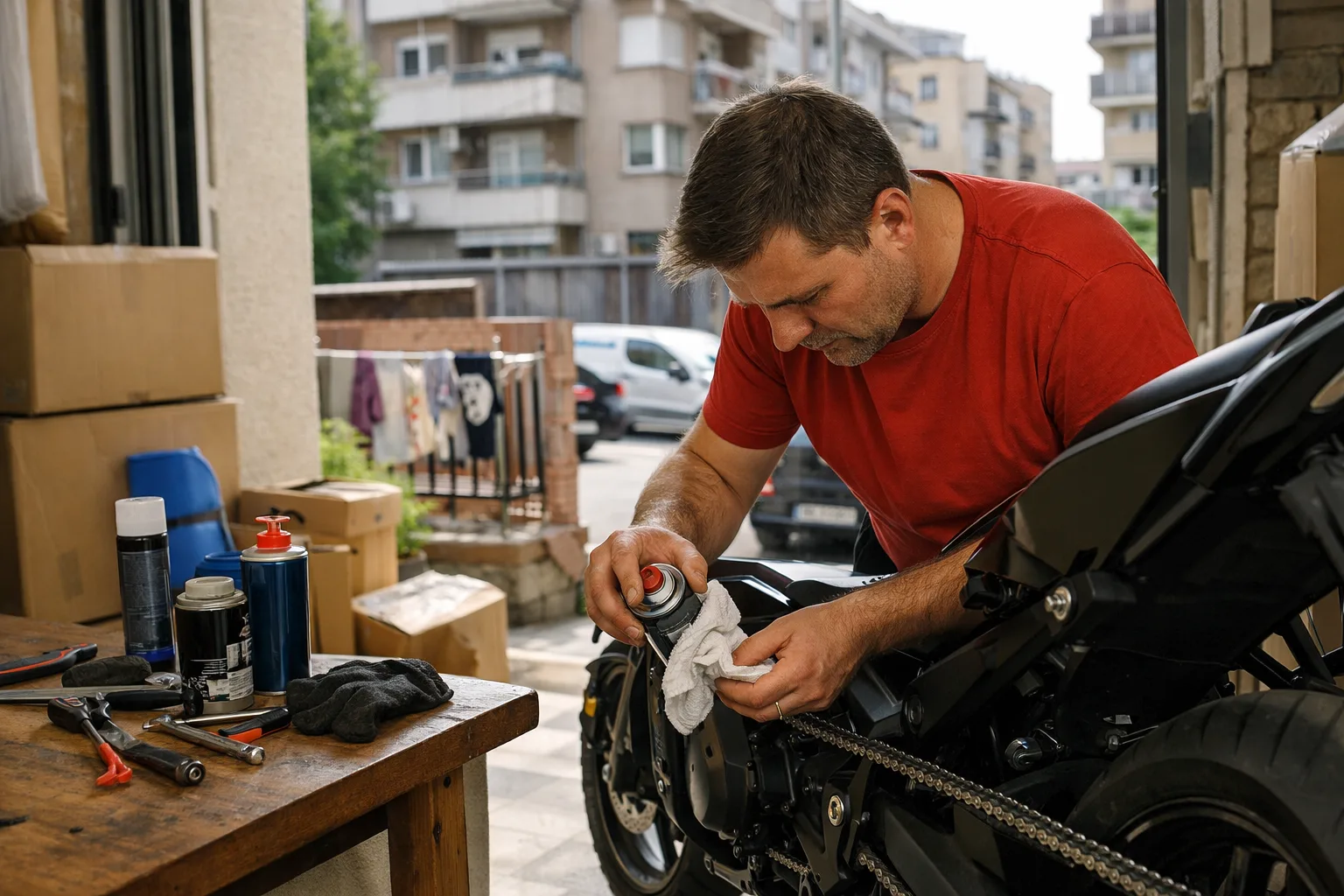
Changing the oil before storage is crucial to remove impurities and condensation that can damage the engine during inactivity. It is recommended to change the oil and filter a few hundred kilometers before storage so that the new oil has enough time to circulate and clean the engine.
Proper removal of old oil should be done when the engine is slightly warm, so the oil is less viscous and drains better. After that, install a new filter and oil according to the motorcycle manufacturer's recommendations.
This procedure ensures that the engine remains protected from corrosion and wear, which is essential for the long-term functionality of the motorcycle after storage.
In addition to oil changes, it is recommended to check other fluids in the motorcycle, such as brake fluid and coolant. If they are old or contaminated, replace them before storage to prevent system damage.
Also, check that all caps and seals on the engine are properly closed to prevent oil leaks or moisture ingress during storage.
Motorcycle tires can lose shape and pressure during storage, which can lead to damage or uneven wear. Before storage, check the tire pressure and inflate them to the maximum values recommended by the manufacturer.
If possible, lift the motorcycle on a stand or blocks to prevent the vehicle's weight from pressing the tires directly on the ground. This helps preserve the shape and extends the tire lifespan.
Also, ensure that the tires are protected from direct sunlight and moisture in the storage area, as these factors can accelerate tire aging and cause cracks.
If you do not have a stand, it is recommended to occasionally move the motorcycle or rotate the wheels to prevent flat spots on the tires. This is especially important for longer storage periods.
In addition to pressure, check the condition of the tire valves. If they are damaged or worn, replace them to prevent air leaks during storage.
The battery is one of the most sensitive parts of the motorcycle during long-term storage. It is recommended to fully charge it before storage and, if possible, remove it from the motorcycle to prevent discharge.
If you leave the battery on the motorcycle, connect it to a smart charger (so-called maintainer) that will maintain the battery voltage without the risk of overcharging or damage.
Regularly check the battery condition during storage, especially if the motorcycle is in a garage with fluctuating temperatures. Timely battery care can prevent permanent damage.
Before storage, clean the battery contacts from corrosion and apply a protective layer, such as petroleum jelly or special sprays, to prevent oxidation and poor contact.
If you cannot remove the battery, check the voltage at least once a month and recharge or top it up as needed to avoid complete discharge.
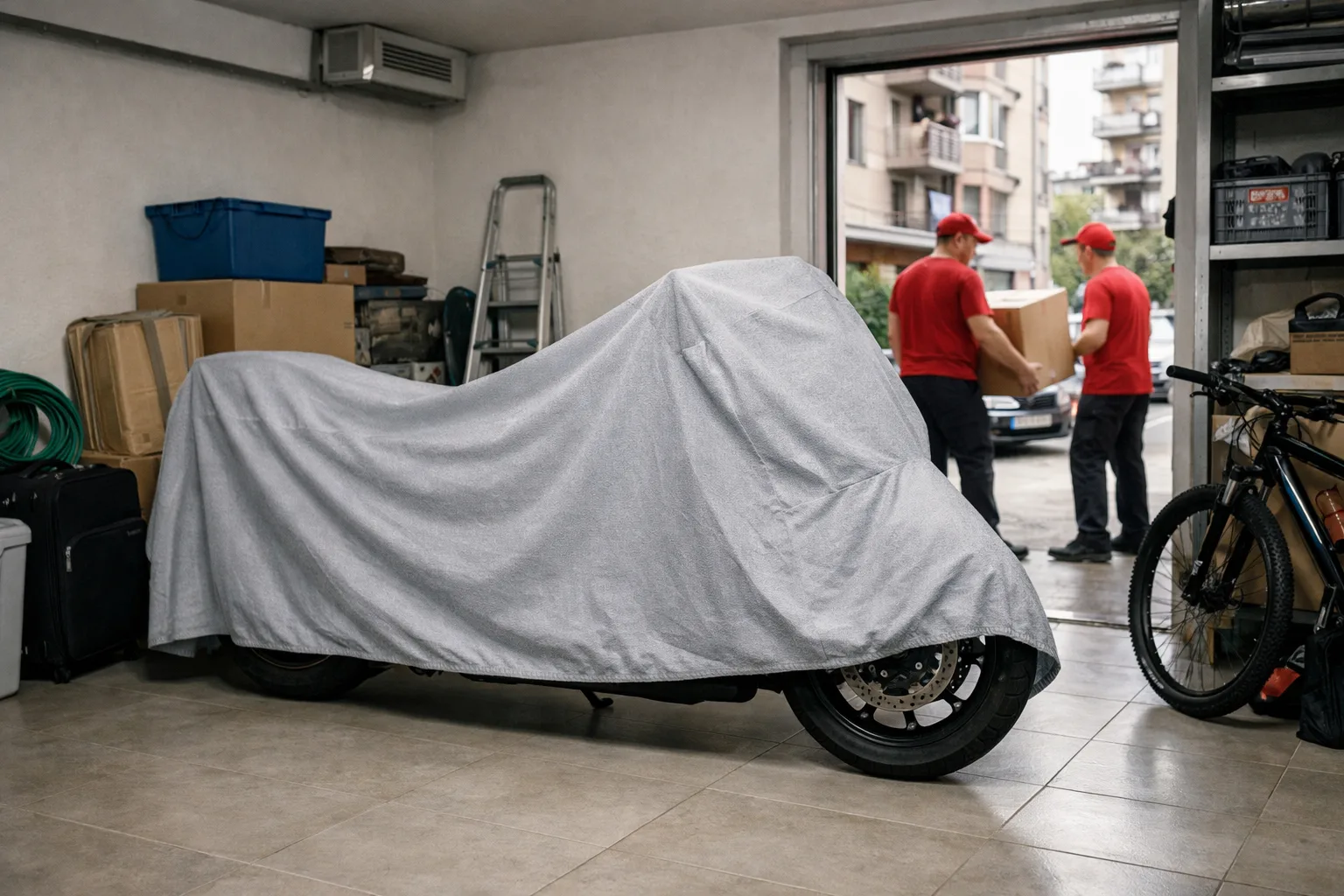
Choosing an appropriate storage location significantly affects the preservation of the motorcycle. Ideally, it should be an enclosed, dry, and ventilated space without direct exposure to sunlight and moisture. If you don't have a suitable space at home, you can consider a professional storage service for items and goods, which allows safe storage of the motorcycle for an extended period.
Use specialized motorcycle covers that allow the material to breathe and prevent condensation under the cover. Covers should be dustproof but at the same time not retain moisture.
Avoid storing the motorcycle in places where temperatures are extremely low or high, as this can negatively affect tires, battery, and other components. The storage space should be regularly checked and maintained.
It is recommended that the storage space be equipped with a dehumidifier or that silica gel be used near the motorcycle to reduce moisture and prevent mold or corrosion.
Also, pay attention to the security of the space – it should be locked and protected from the entry of unwanted animals or insects that could damage motorcycle parts.
When preparing the motorcycle for storage, it is also important to secure it against theft or unauthorized access. Use chains, locks, and other security devices to protect the vehicle.
While the motorcycle is in storage, check it periodically and, if possible, start the engine briefly to keep all mechanical parts functioning.
After the storage period ends, before reuse, perform a thorough inspection and possibly servicing of the motorcycle to ensure safety and reliability during riding.
When restarting, check the oil level, coolant, and tire pressure. Also, pay attention to the brakes and lighting signals to ensure the motorcycle is fully ready for riding.
If the motorcycle has been stored for a long time, it is recommended to perform a complete service or at least a basic check at an authorized service center to detect and resolve any issues that may have arisen during inactivity.
For long-term storage, you can use additional products such as anti-corrosion sprays for metal parts, which effectively protect against rust and oxidation.
Consider removing or protecting parts such as seats, mirrors, or components that are particularly sensitive to moisture and temperature changes.
Maintaining documentation of preparations and services performed before storage can help you better track the motorcycle's condition and plan future services or repairs.
It is also recommended to take photos of the motorcycle before storage as a visual record of its condition, which can be useful in case of claims or damage assessment.
If you plan long-term storage, also consider the option of storing in specialized facilities or garages with controlled temperature and humidity, which further helps preserve the vehicle.
5 Reasons to Rent Storage While Renovating Your Apartment

Why Is Storing Your Belongings a Good Solution for Home Renovation?


We will respond to you as soon as possible.
Below we answer the most common questions related to preparing and packing a motorcycle for storage, so you can avoid common mistakes and ensure the safety of your vehicle.
It is not necessary to completely empty the tank, but it is recommended to fill it to the top with clean fuel to prevent condensation and moisture inside the tank. For longer storage, adding a fuel stabilizer is advisable to preserve fuel quality.
Inflate the tires to the maximum recommended pressure and, if possible, lift the motorcycle on a stand or blocks to prevent the vehicle's weight from pressing the tires against the ground. Also, store the motorcycle in a dry place, protected from direct sunlight.
The battery should be checked at least once a month. If possible, use a smart charger that maintains the battery voltage and prevents discharge. If you remove the battery from the motorcycle, store it in a cool, dry place.
Yes, it is recommended to change the oil and filter before storage because old oil may contain impurities and condensation that can damage the engine during inactivity. New oil provides better engine protection while the motorcycle is in storage.
Use a cover that allows the material to breathe and prevents condensation. Choose a dry and ventilated storage location and apply anti-corrosion sprays to metal parts before storage.
Before riding again, check fluid levels, tire condition, battery, and brake functionality. Start the engine and let it run for a few minutes, then perform basic maintenance if necessary.
It depends on the storage conditions. If the space is not completely dry and protected, it is recommended to remove the seat and other sensitive parts or provide additional protection to prevent damage from moisture or harmful environmental effects.