
Storage Tips
5 Reasons to Rent Storage While Renovating Your Apartment
5 Reasons to Rent Storage While Renovating Your Apartment

Enter at least 3 characters.
Preparing items for storage can be a challenging process if you don't know how to sort and pack your belongings properly. A well-organized and carefully packed inventory saves space, protects items from damage, and makes access easier later on. In this guide, we will explain the steps and tips for efficiently sorting and packing items for storage, so you can maximize space and preserve your valuables. In addition to the basic steps, we will provide you with extra practical advice to help you avoid common mistakes and make the storage process as smooth and efficient as possible. Whether you are storing items due to moving, renovation, or long-term keeping, proper preparation is the key to success. It is also important to keep in mind that good planning and organization not only save time and money but also significantly reduce the stress that often accompanies packing and storage. Investing extra effort in preparation can bring you long-term peace of mind and security, knowing your belongings are protected and easily accessible when you need them.
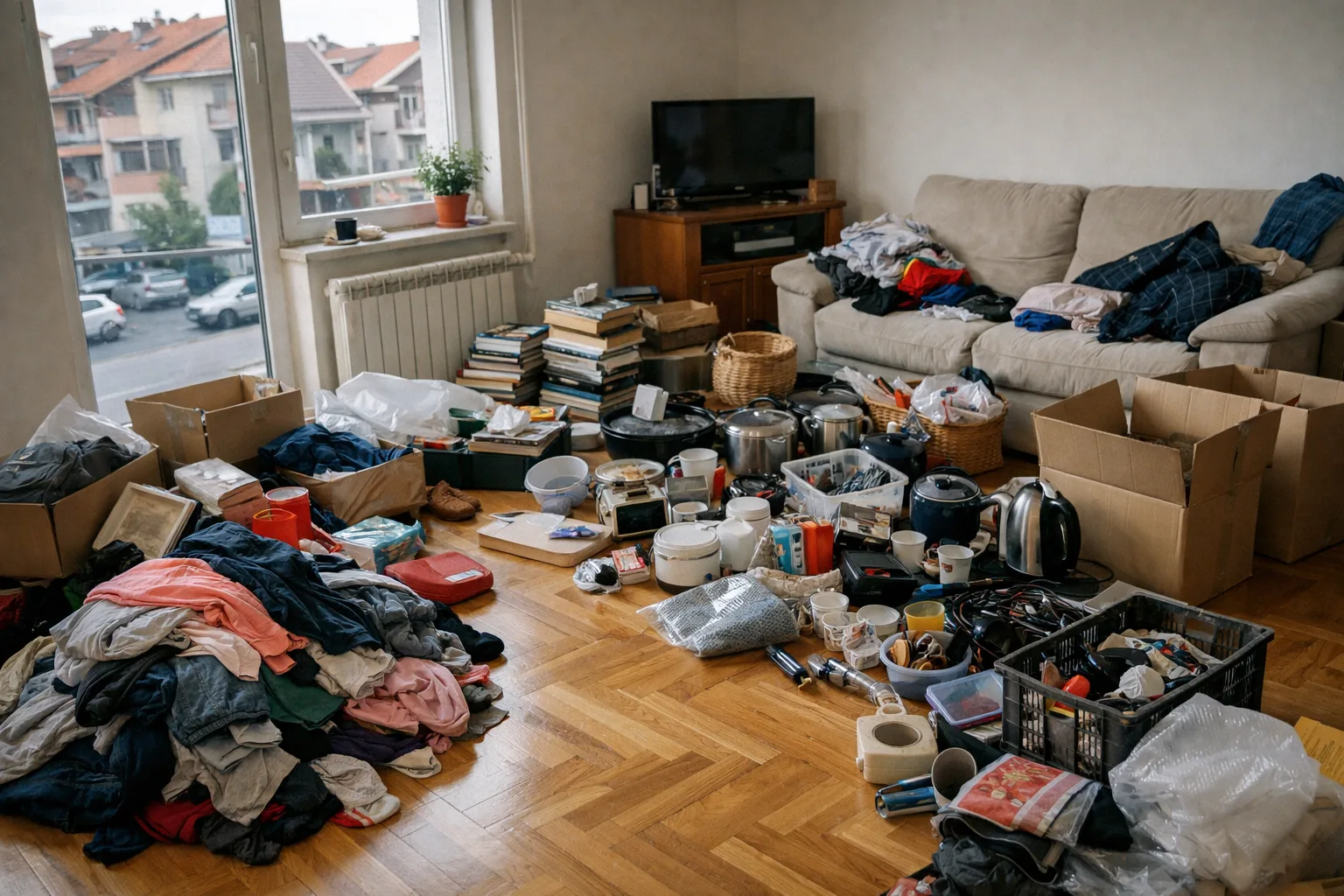
Before you start packing, it is important to prepare an appropriate space for organizing your belongings. Choose a clean and sufficiently large surface where you can lay out and sort items. Ideally, the space should be well-lit and ventilated so you can easily see what you are packing and avoid dust accumulation on your belongings. Also, the area should be spacious enough to allow you to move freely and access all the items you plan to pack.
Gather packing materials such as cardboard boxes, plastic containers, protective film (wrap), wrapping paper, adhesive tape, and a marker for labeling. It is recommended to also get specialized moving boxes for fragile items, as well as compression bags for clothing and textiles. Additionally, keep scissors, a cutting knife, and gloves handy to protect your hands during packing. Preparing all necessary materials in advance ensures the process runs smoothly without unnecessary interruptions.
It is good to have boxes of various sizes to efficiently pack items of different dimensions. For fragile items, always use protective materials like bubble wrap or old newspapers. Preparing materials in advance saves time and allows packing to proceed without breaks. Also, consider purchasing boxes with lids that provide extra protection against dust and moisture during storage.
Organizing the space and materials also includes preparing labels or stickers for later marking of boxes. This is crucial for quickly finding items in storage and prevents unnecessary opening of packages. It is recommended to use waterproof markers and easily removable labels to avoid damaging boxes during later handling. Additionally, you can use different colors or symbols to mark categories, which will help you visually identify the contents of boxes quickly.
Besides basic materials, consider acquiring additional aids such as carts for transporting boxes or protective covers for furniture. This equipment can significantly ease handling heavier items and reduce the risk of injury during packing and transport. Planning ahead and preparing adequate space and materials form the foundation of a successful and efficient storage process.
The first step in sorting is grouping items by categories – clothing, books, kitchenware, tools, documents, seasonal items, and so on. This division facilitates packing and later finding of items. It is recommended to use separate boxes or containers for each category, which further contributes to better organization. You can also use different colored labels for each category for easier recognition.
After categorizing, consider priorities – which items you might need during storage and which can remain closed for longer periods. Pack frequently used items on top or in easily accessible boxes. Also, mark boxes with priority contents using special colors or symbols for easier identification. This system allows you to quickly access necessary items without having to search through all the boxes.
Also, review your items and decide what you can donate, sell, or discard before packing. Getting rid of unnecessary things reduces volume and storage costs. Use this moment to assess the condition of your belongings and possibly perform repairs or cleaning before storage, saving you time later. This selection is crucial for maintaining an organized and functional storage space, as well as reducing stress when locating items later.
When sorting, also consider the weight of the items. Heavier items should be packed in smaller boxes that are easier to carry, while lighter items can be placed in larger boxes. This approach facilitates transport and reduces the risk of injury. Additionally, consider whether some items require special storage conditions, such as temperature or humidity, and separate them accordingly.
Finally, document the sorting process by taking notes or photos of the arrangement and contents of the boxes. This will help you maintain clarity and simplify future inspections or changes in storage. Well-organized sorting is the foundation for efficient packing and long-term preservation of your belongings.
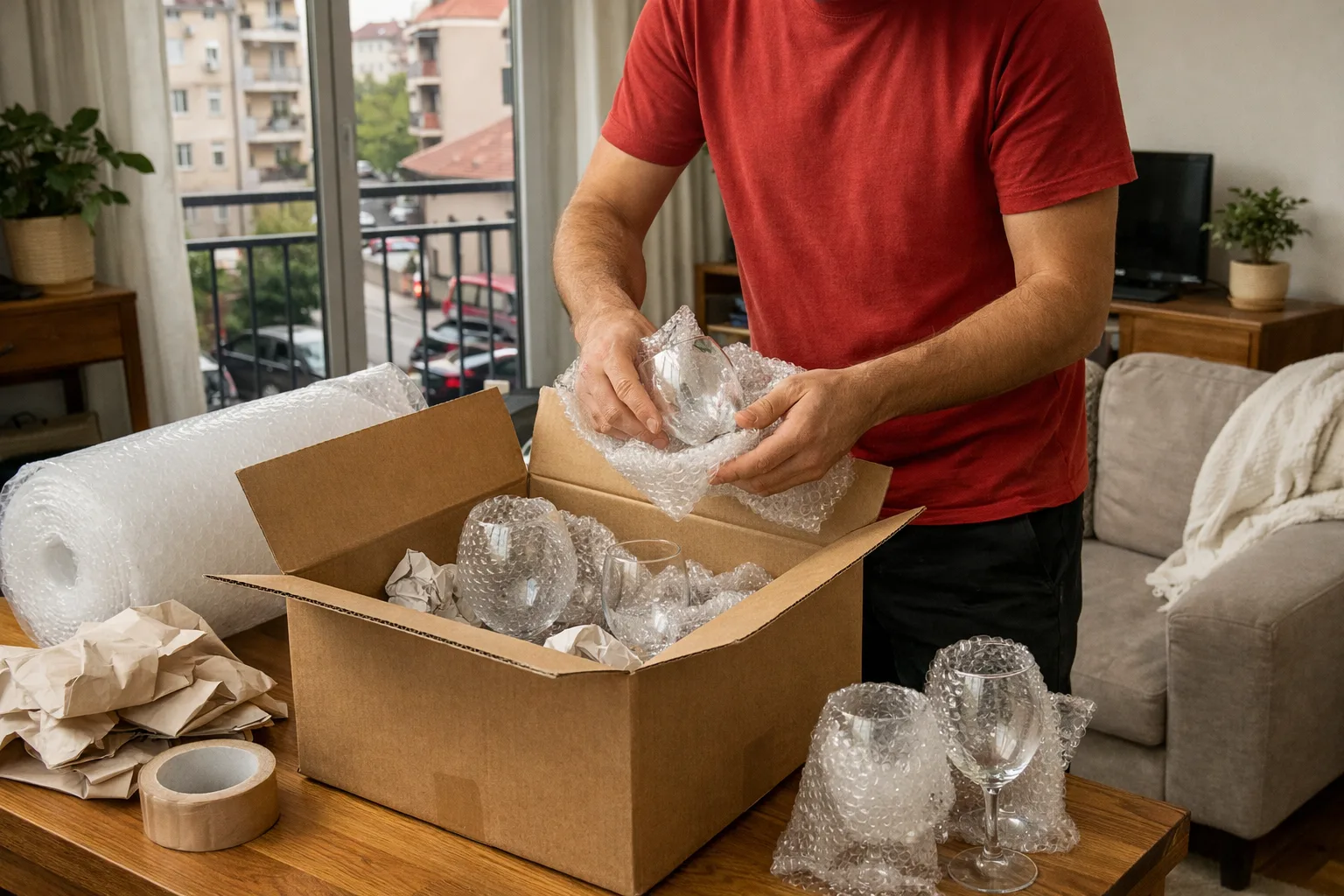
Fragile items require extra care. Wrap each glass, plate, or ornament individually in bubble wrap or thick newspapers. Be sure to fill boxes so the contents do not shift during transport and storage. Use paper or styrofoam to fill gaps inside the box to further cushion impacts. Also, avoid overpacking boxes to prevent pressure on fragile items.
Use boxes with dividers for glasses and bottles or create your own cardboard dividers to keep items stable. Clearly mark boxes containing fragile items on multiple sides. Also, label boxes with "This Side Up" warnings to ensure careful handling and correct positioning. Proper labeling can prevent mishandling during transport and storage, which is crucial for preserving the integrity of the items.
Protect electronic equipment and sensitive items with original packaging if available, or use soft cloths and plastic bags to prevent moisture and scratches. Before packing, remove batteries from devices to prevent leakage and damage. If possible, take photos of the devices before packing for record-keeping and easier reassembly. Also, keep cables and accessories in separate bags attached to the device.
For additional security, consider using specialized boxes with foam inserts for sensitive items. These inserts provide extra cushioning and reduce the risk of damage. Also, when packing electronic devices, avoid direct contact with metal objects to prevent short circuits or scratches.
When handling fragile and sensitive items, wear gloves to avoid leaving fingerprints or causing damage. Careful handling and proper packing are key to preserving valuable and delicate belongings during storage.
You can pack clothing in various ways – in boxes, compression bags, or special bags. Compression bags significantly save space and protect clothes from dust and moisture. Before packing, be sure to wash and completely dry clothes to prevent mold and unpleasant odors. Also, check that all pockets are empty and remove any damages or stains.
For seasonal clothing that won’t be needed, it is recommended to pack it clean and organize it neatly. Use zipper bags or boxes with lids to avoid damage. You can also place sachets with lavender scent or cedarwood in boxes to repel moths and protect fabrics. Regularly check the condition of clothes during storage if possible.
It is important not to overfill boxes with clothing, as this can cause wrinkling and damage. Properly folded clothes stay fresh longer and are easier to maintain. For delicate fabrics, use wrapping paper between layers to prevent creasing and damage. Also, consider using special garment bags for suits or dresses that protect clothes from dust and deformation.
Compression bags are especially useful for large amounts of clothing or pillows, as they reduce volume and protect against moisture. However, do not over-compress clothes in the bags to avoid fiber damage. After packing, seal the bags well and check for any damage or holes.
For extra protection, you can treat clothes with moth repellents before packing. Also, if you plan long-term storage, periodically check the condition of clothes and bags to react promptly in case of moisture or other issues.
Larger items, such as furniture, require special preparation. Before packing, disassemble parts that allow it, such as shelves or table legs. Keep all screws and small parts in labeled bags that you can tape to the furniture or store safely. This practice facilitates reassembly and prevents loss of parts.
Use blankets, plastic wraps, or cardboard protectors to protect furniture. This is especially important for wooden and upholstered pieces to prevent scratches and damage. If possible, use specialized furniture covers that provide additional protection from dust and moisture. Also, pay attention to edges and corners of furniture, as they are most prone to damage during transport.
If furniture cannot be disassembled, be sure to protect it and place it in storage so it does not stand directly on the floor, but on pallets or elevated surfaces to protect against moisture. Also, leave space between furniture pieces to allow air circulation and reduce the risk of damage. This is especially important for wooden and upholstered items that may be sensitive to moisture and mold.
When packing furniture, consider protecting mechanisms such as drawers, sliding parts, or foldable elements. It is recommended to lock or secure them to prevent movement and damage. Also, label boxes containing furniture parts to facilitate later assembly.
For heavier and larger pieces of furniture, consider hiring professional transport and packing services. They have the experience and equipment that can significantly reduce the risk of damage and ease the entire process. Proper preparation and protection of furniture are key to preserving its functionality and appearance during storage.
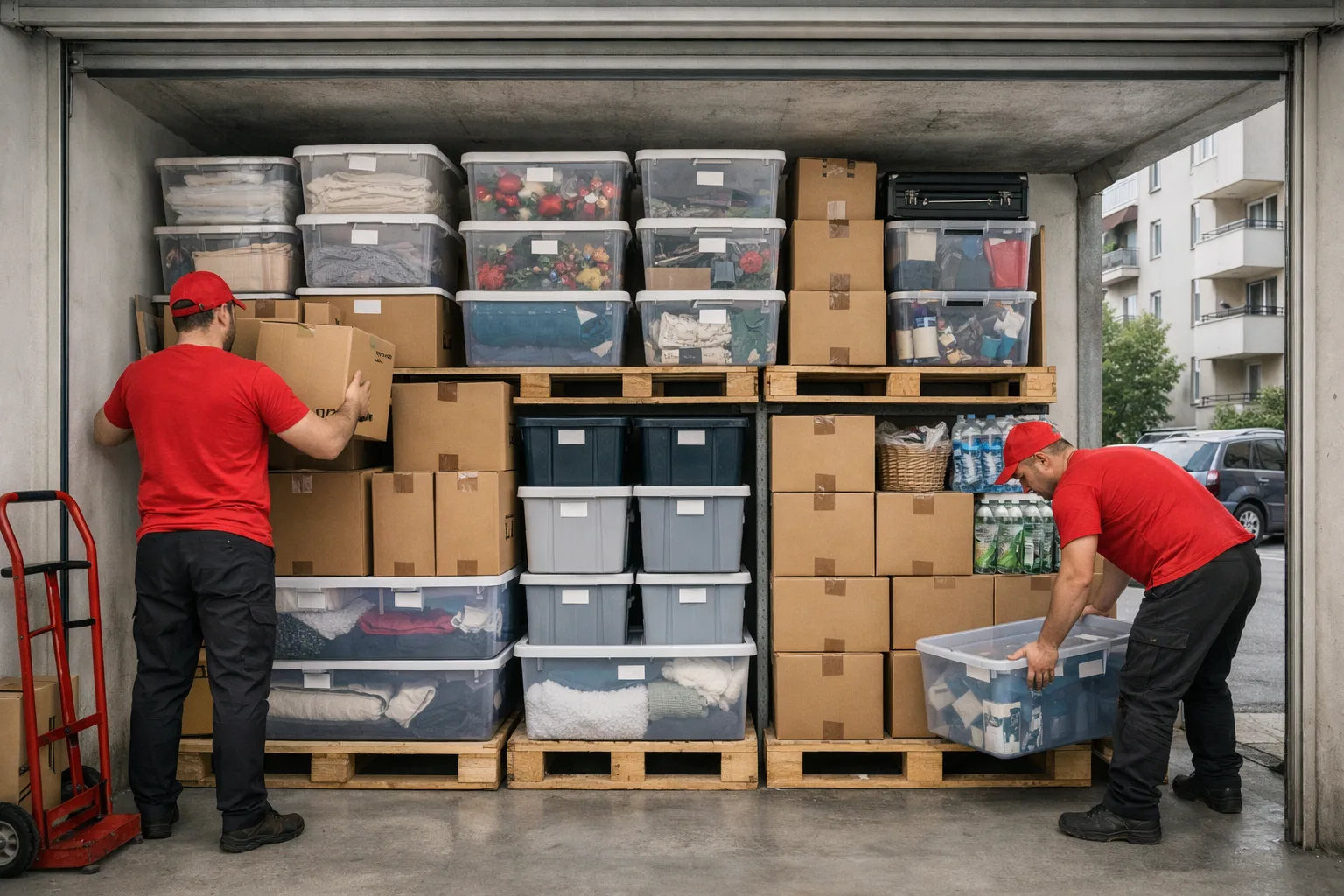
Stack boxes so they are stable and accessible. Place heavier boxes at the bottom and lighter ones on top. Proper stacking reduces the risk of falling and damage to contents. If possible, use pallets or shelves to stack boxes to avoid direct contact with the floor and moisture. If you need a secure space for your belongings, consider professional storage of items and goods. This is especially important in rooms that are not completely dry or climate-controlled.
Leave aisles between rows of boxes whenever possible to allow easy access to your belongings. It is advisable to keep boxes with priority contents within reach. Plan the layout so that the most frequently used items are closest to the warehouse entrance. This approach saves time and facilitates access to needed items.
Label boxes clearly and in detail, including contents and the room where they are intended to be used. This facilitates later organization and quick retrieval of items in storage. Use a color or number system for additional organization and keep records of the box arrangement in the warehouse. Digital tools can be very helpful in managing such records.
When stacking, pay attention to balance and stability. Avoid stacking boxes too high to reduce the risk of falling and damage. Also, heavier boxes should be on the lower rows, while lighter ones can be on top. If the warehouse has shelves, use them for organizing and protecting boxes.
Regularly check the condition of boxes and the storage space, especially if storage is long-term. If you notice damage or moisture, act immediately to prevent further harm. Good organization and proper stacking of boxes are essential for preserving belongings and efficient use of storage space.
Humidity and pests can seriously damage your belongings in storage. Use moisture absorbers such as silica gel or dehumidifiers inside boxes and rooms. Replace these materials regularly to maintain their effectiveness throughout the storage period. Also, monitor humidity in the storage area with a hygrometer to detect potential issues early.
Regularly inspect the storage space for the presence of bugs, rodents, or mold. If you notice a problem, respond quickly with appropriate measures or professional assistance. Also, keep the area clean and tidy to reduce the attractiveness to pests. Regular vacuuming and removal of food residues or dust can significantly contribute to prevention.
Keep fabric and paper items in airtight boxes or plastic containers to prevent pest and moisture infiltration. Consider using natural repellents like cedarwood or lavender inside boxes for additional protection. These natural materials not only repel pests but also leave a pleasant scent.
If the storage space is not climate-controlled, consider using a dehumidifier or air conditioner to help maintain optimal humidity levels. Also, check that the storage area has good ventilation, as stagnant air can contribute to mold and pest development.
For long-term storage, periodically check the condition of items and the storage space. Early detection of moisture or pests allows for quick intervention and reduces the risk of serious damage. Proper protection and maintenance of the storage area are crucial for preserving the value of your belongings.
It is worthwhile to make a list of all items you store, including descriptions and their location in the warehouse. This can be a traditional paper list or a digital record. Digital tools and organizational apps can further simplify tracking and searching the inventory. Accurate records save time and reduce the risk of loss or forgetting items.
Labeling boxes with numbers or codes and keeping records makes it easier to find items and control inventory. This is especially useful if you store a large number of boxes or different types of items. It is recommended to keep photos of box contents along with the records for quick identification. Photos can be very helpful when later locating or claiming damaged items.
Regularly update the records if you change the arrangement or remove items from storage. Good documentation organization saves time and reduces stress during searches. Also, keep copies of important documents in a safe place, separate from physical boxes, to avoid loss or damage. Digital copies on cloud services can provide additional security.
Consider creating a storage plan that includes the layout of boxes and items within the warehouse. This plan can be in the form of a map or table that clearly shows where everything is located. Such an approach facilitates access and maintaining order in the storage space, especially if you store a large number of items.
If you are storing valuable or sensitive items, consider additional protective measures for your documentation, such as locking the storage space or using security systems. Preparing and maintaining detailed documentation is a crucial step in successful warehouse management and preserving your belongings.
5 Reasons to Rent Storage While Renovating Your Apartment
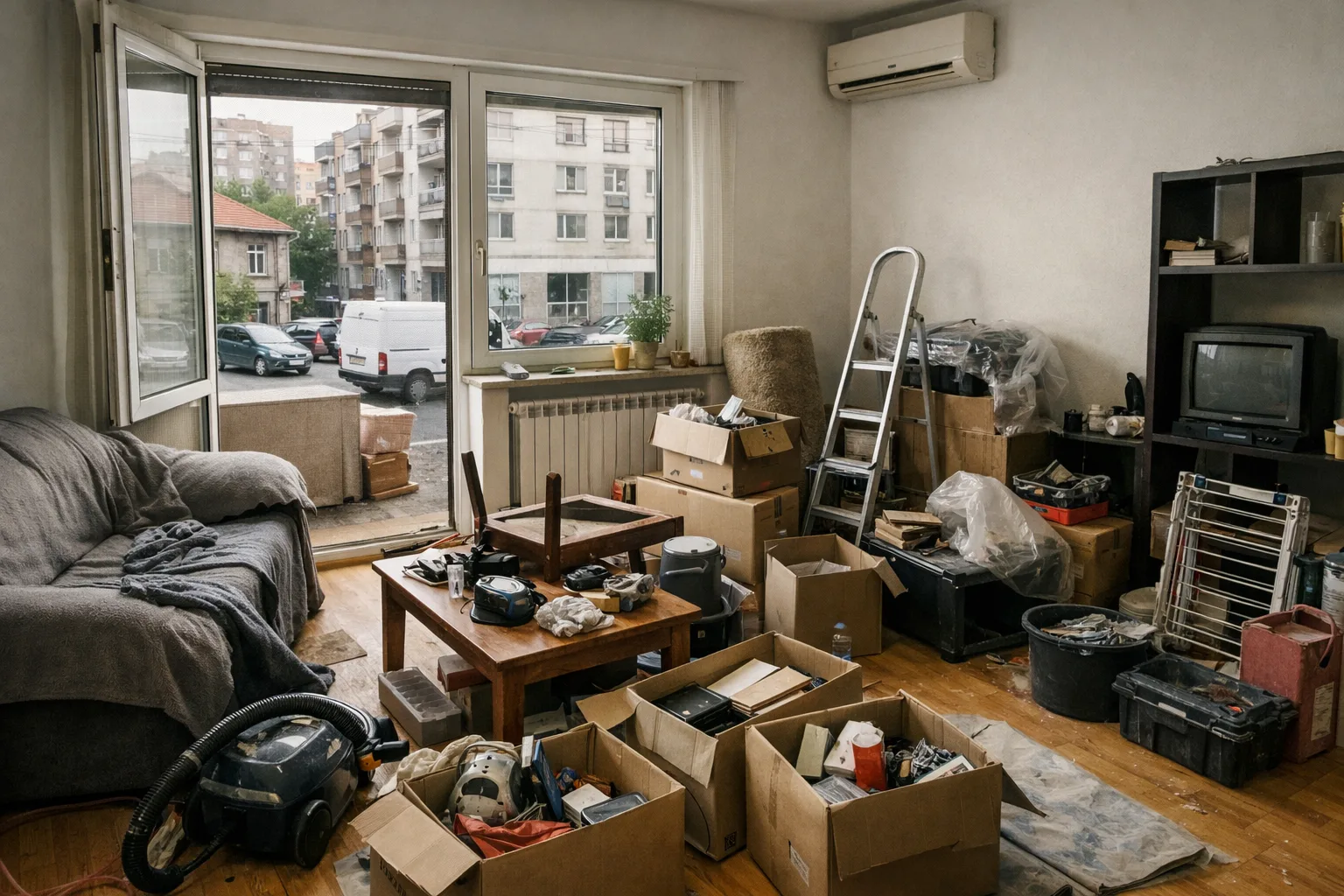
Why Is Storing Your Belongings a Good Solution for Home Renovation?
We will respond to you as soon as possible.
Below we answer the most common questions related to sorting and packing items for storage, with practical advice addressing specific concerns of our readers.
For heavier and denser items, such as books or tools, use smaller and sturdier boxes that can bear the weight. For lighter and larger items, like clothing or pillows, larger boxes or plastic containers with lids are suitable. Pack fragile items in boxes that provide extra protection and compartments.
Use appropriate protection such as bubble wrap, blankets, or plastic sheets. Stack boxes neatly and avoid overloading them. Also, pay attention to storage conditions – ideally, the space should be dry, clean, and pest-free.
Vacuum bags save space and protect clothes from dust and moisture, making them an excellent choice for seasonal clothing. Boxes are better for clothes that can wrinkle or for items you want to keep organized and easily accessible.
Use clear and large labels or write with a marker the contents and the room where the items are used. It’s also good to mark the type of box (e.g., fragile) and any special handling instructions.
It is recommended to donate such items to charitable organizations, sell them at flea markets or online platforms, or recycle them if unusable. Getting rid of unnecessary items before storage reduces costs and simplifies organization.
Furniture should be raised off the floor using pallets or supports. Also, use plastic sheets or special covers that protect against moisture and dust. Regularly check the space and maintain optimal ventilation.
It is advisable to leave at least 30 centimeters of passage between rows of boxes for easier access and visibility. If space is limited, try to leave at least a minimal passage that allows access and handling of boxes.