
Storage Tips
5 Reasons to Rent Storage While Renovating Your Apartment
5 Reasons to Rent Storage While Renovating Your Apartment

Enter at least 3 characters.
Proper preparation of bedding and blankets for storage is crucial to preserving their freshness, cleanliness, and quality over an extended period. Whether you are moving, renovating, or simply want your textiles safely stored, it is important to know how to prepare them correctly. In this guide, we will thoroughly explain the steps to take, from cleaning to packing, as well as tips for choosing the right storage space. In addition to the basic steps, we will provide extra practical advice to help you maximize the protection of your textile products and facilitate their later use. This way, your bedding and blankets will remain in excellent condition, ready for use whenever you need them.
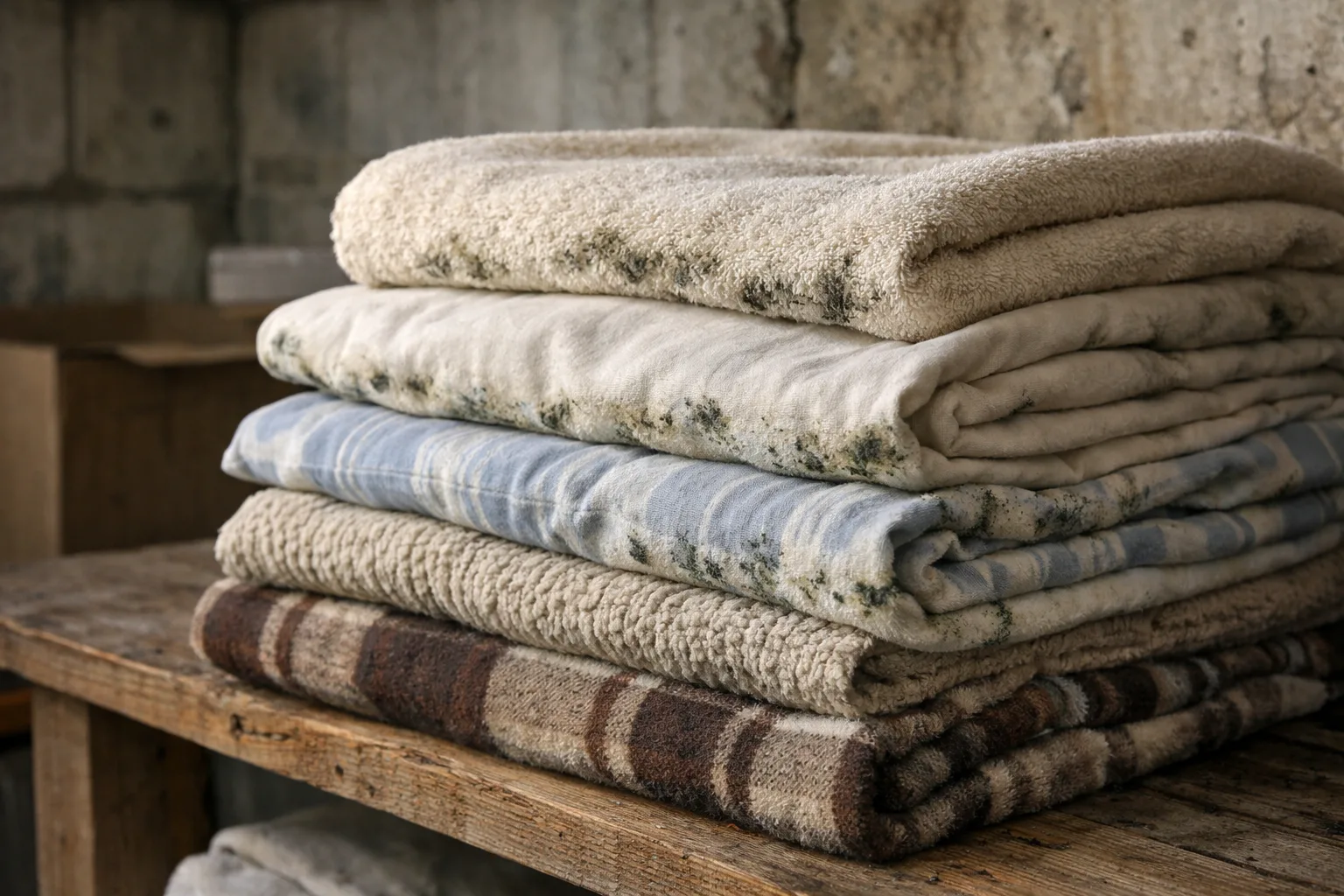
Bedding and blankets are items that often remain in storage for extended periods, and their fabric can be susceptible to damage if not prepared properly. Moisture, dust, insects, and improper storage can cause mold, unpleasant odors, and fiber damage. Additionally, inadequate storage can lead to permanent stains or color changes, reducing the aesthetic value and functionality of the textiles.
Proper preparation includes cleaning, drying, and packing, which reduces the risk of damage and extends the lifespan of textile products. Moreover, this ensures that bedding and blankets are ready for use as soon as you take them out of storage. Proper packing also facilitates organization and access, which is especially important if you are storing a larger number of pieces or different types of textiles.
If you plan on long-term storage, proper preparation saves time and money by eliminating the need for additional washing or repairs after removal from storage. Also, properly stored bedding and blankets retain their characteristics, such as softness and color, contributing to long-lasting comfort and aesthetics in your home.
The first step in preparing bedding and blankets is thorough washing. Use appropriate detergents for fabrics, avoiding harsh chemicals that can damage fibers. If you have delicate materials, hand washing or using a delicate cycle is recommended. Also, pay attention to the washing temperature, as too high a temperature can cause shrinking or fabric damage.
After washing, it is very important that bedding and blankets are completely dry before packing. Damp items develop mold and unpleasant odors, so dry them in a clean, well-ventilated area, ideally outdoors or in a space with good air circulation. If weather conditions are unfavorable, use a dryer on a low setting or a fan to speed up the drying process.
For larger items like blankets, check that the inner layers of the fabric are completely dry, as moisture can be trapped inside. If using a dryer, set it to a lower temperature to avoid shrinking or material damage. Additionally, periodically check the fabric during drying to prevent overheating or fiber damage.
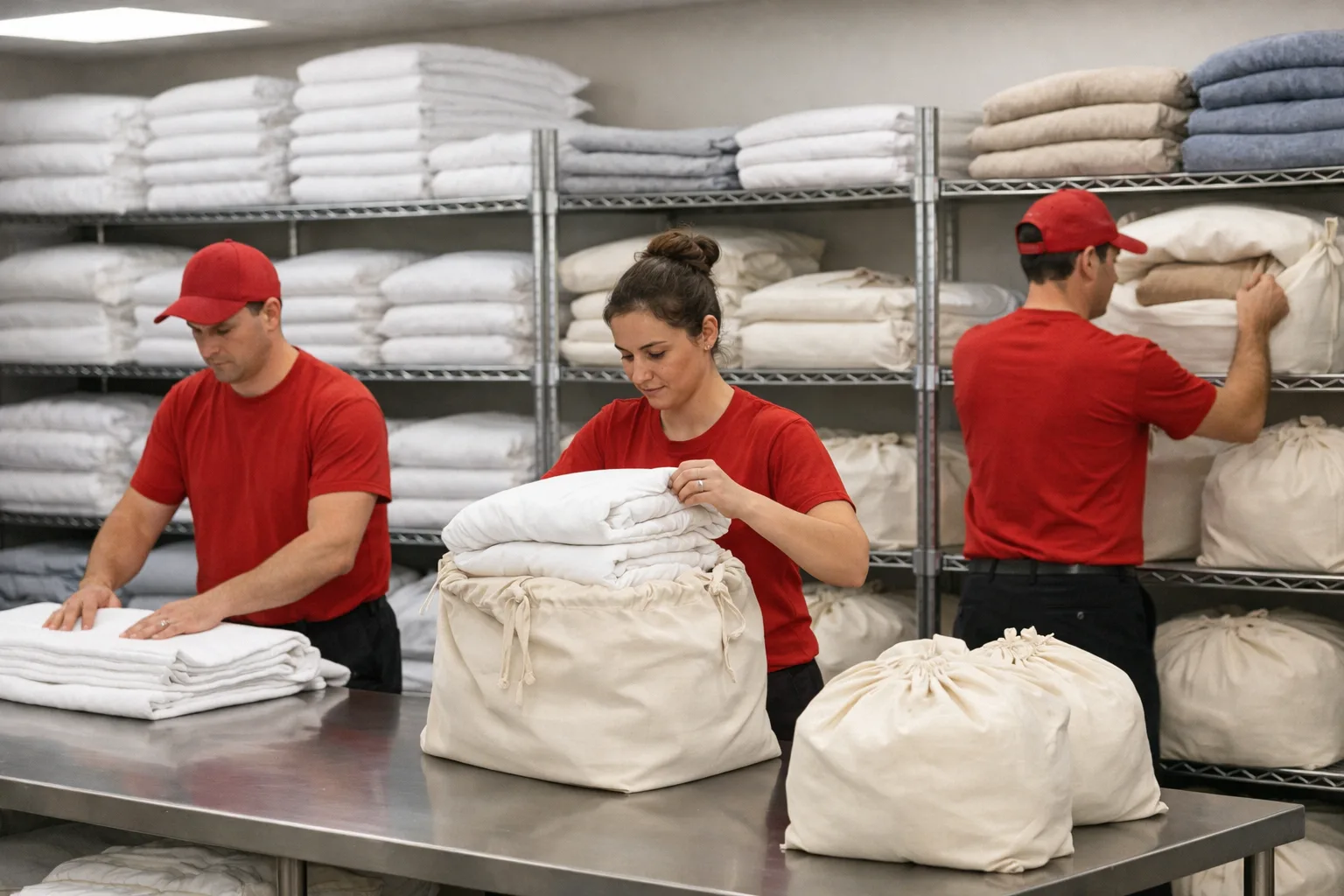
For storing bedding and blankets, it is best to use transparent plastic bags with a zipper, which protect against dust and moisture while allowing you to see the contents. Avoid regular plastic bags that are not airtight, as they can trap moisture, leading to mold growth and unpleasant odors.
Alternatively, you can use special vacuum bags that significantly reduce the volume of textile items and protect them from external factors. These bags are especially useful for large and thick blankets, as they save storage space. When using vacuum bags, it is important that the fabrics are completely dry to prevent moisture buildup inside the package.
When packing, avoid excessive compression as it can damage fibers and deform the fabric. Fold bedding and blankets neatly, ensuring there are no creases that could cause permanent marks. It is also recommended to place packing paper or cotton cloths between layers to further protect the fabric and prevent friction.
Clearly labeling packages will help you quickly find the items you need without having to open each package. Use stickers or waterproof markers to indicate the contents and any specific details such as fabric type or intended room. Precise labeling saves time and reduces stress when searching for particular items.
You can write basic information such as "Bedding for double bed" or "Warm winter blankets," which will facilitate warehouse organization and speed up the unpacking process. It is also useful to add the packing date to track how long items have been stored and plan their rotation.
This is especially helpful if you store a large number of packages or if the storage space is shared with other items, as it allows you to easily orient yourself and maintain order. Consider keeping a record or list of packages in digital format for additional organization and security.
Bedding and blankets should be stored in a dry, dark, and well-ventilated place. Avoid basements or attics with moisture or extreme temperature fluctuations that can negatively affect fabrics. Moisture can lead to mold growth and fiber damage, while direct sunlight can fade colors.
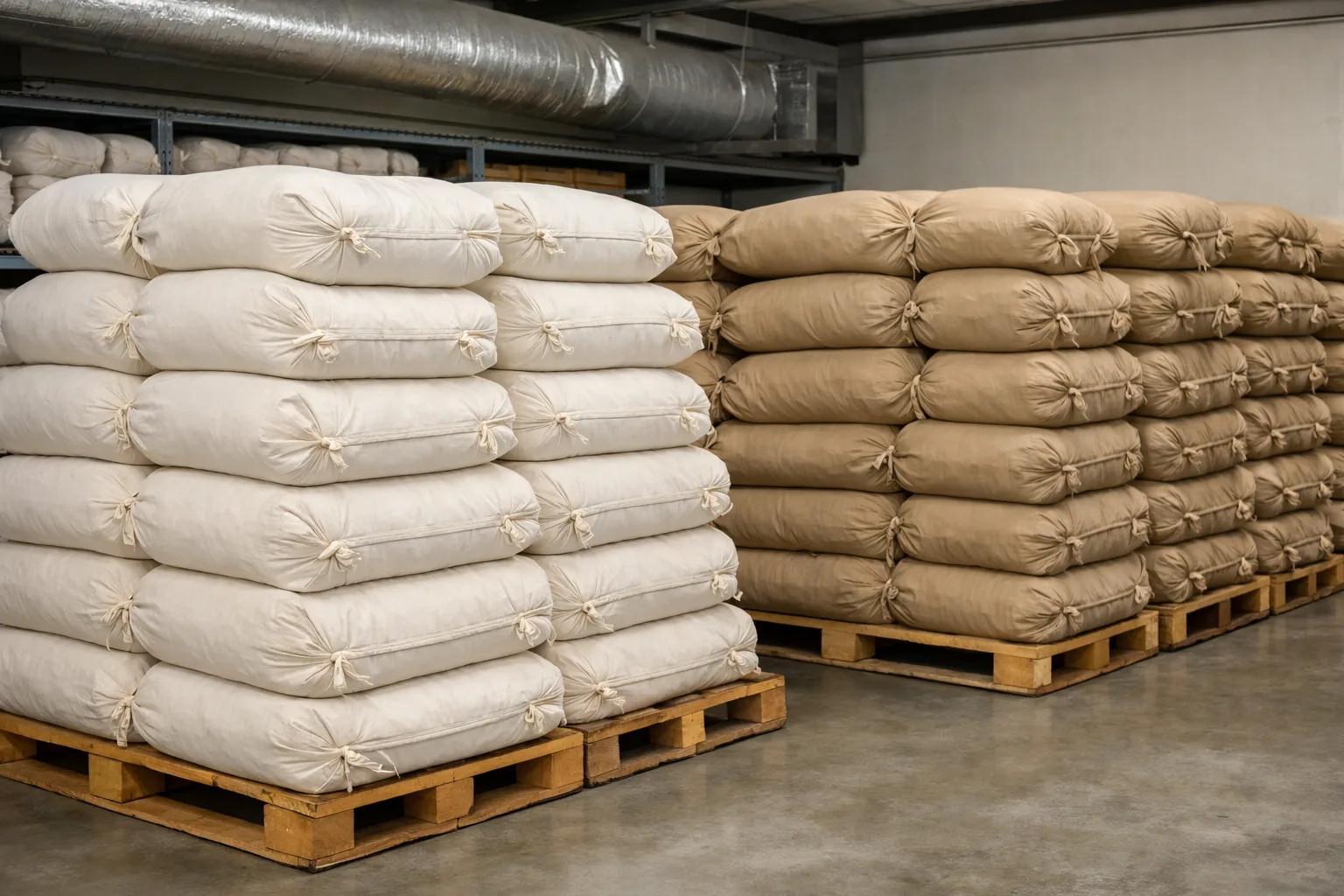
An ideal storage space has controlled temperature and humidity, but if that is not possible, regularly check the condition of packages and the room to prevent damage. Also, keep packages away from direct sunlight, which can fade fabric colors. Use shelves or pallets to keep them off the floor and allow air circulation.
If you use professional storage services, inquire about the conditions and whether they are suitable for textile products. Good examples are furniture and goods warehouses that maintain optimal conditions for different types of items. Also, check if the space has pest protection and regular maintenance.
Insects like moths are a common problem when storing bedding and blankets, as they can cause permanent damage. Before storage, thoroughly inspect all fabrics and remove any stains or food residues that could attract pests. Regular cleaning of the storage area further reduces the risk of infestation.
Use natural repellents such as bay leaves, cedarwood, or special lavender sachets placed inside packages. Avoid chemical agents that may leave unpleasant odors or damage fabrics. Natural repellents are effective and safe to use near delicate materials and people.
Regularly check packages and storage areas, especially if storing for extended periods. If you notice any signs of insects, respond immediately with cleaning and possible treatment. Timely action can prevent pest spread and preserve your textile products.
Careful handling during packing and stacking packages in storage prevents mechanical damage and deformation. Do not throw or press bedding and blankets; instead, fold them carefully and place them in packages. Proper stacking extends the lifespan of fabrics and maintains their appearance.
When stacking packages in storage, place heavier and larger items at the bottom and lighter ones on top to avoid crushing and damage. Also, leave space between packages for air circulation, which helps prevent moisture buildup and mold growth.
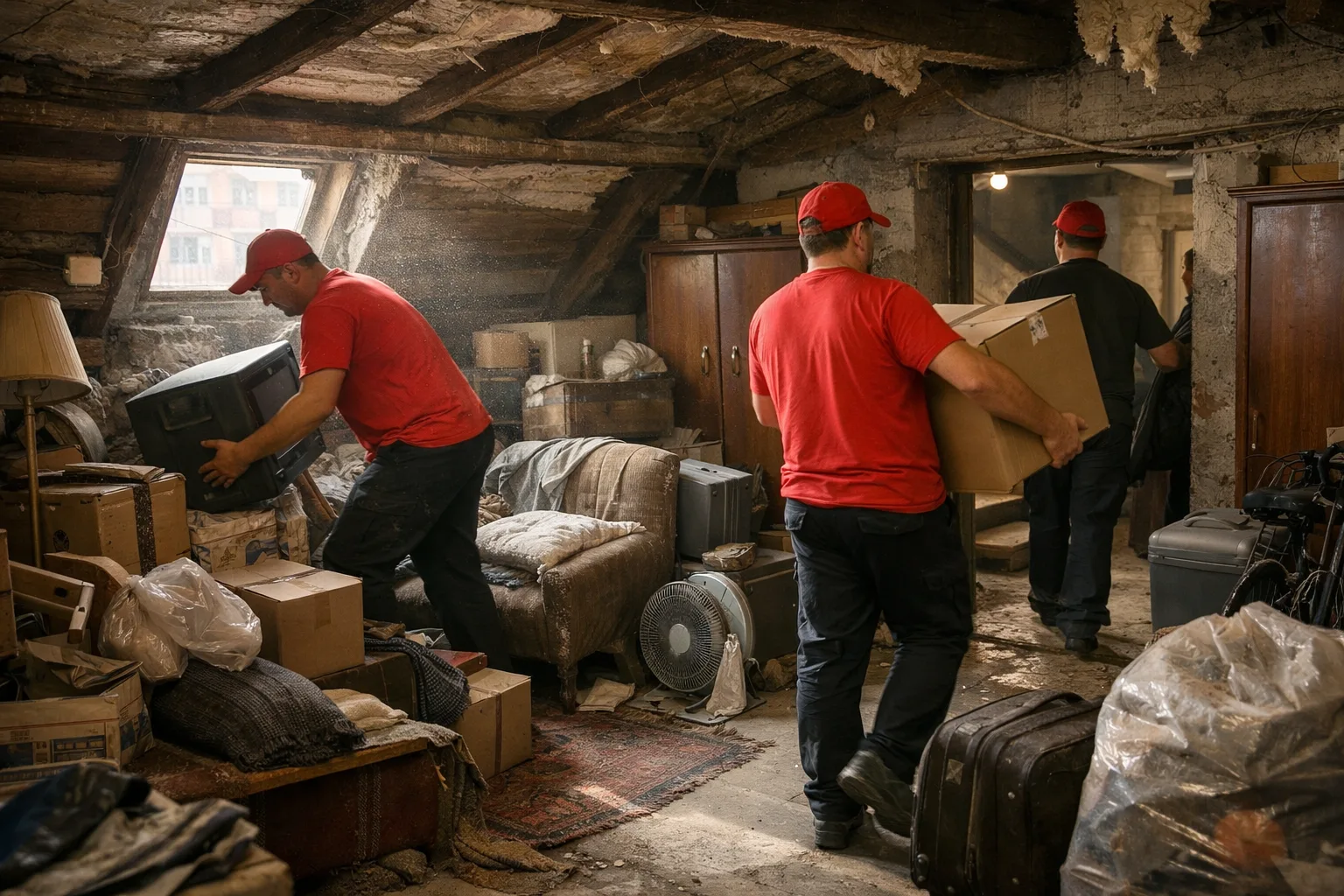
If you use professional storage or moving services, such as moves with workers, be sure to arrange careful handling to keep your bedding and blankets in perfect condition. Communication with the workers and clear instructions contribute to the safety of your belongings during transport and storage.
After removing them from storage, it is advisable to air out bedding and blankets in an open space to eliminate any odors and moisture. This helps the fabrics regain freshness and removes any unpleasant smells that may have developed during storage.
If the fabrics retain an unpleasant odor, you can wash them again or use special fabric fresheners. Before use, check that everything is in good condition and undamaged. Also, ensure all folds and creases are evenly ironed or spread out so the fabric is ready for use.
For long-term preservation, consider rotating bedding and blankets in storage, meaning items stored longer are replaced with new or regularly used ones, which prevents prolonged moisture and odor retention. This practice helps maintain freshness and extends the lifespan of your textiles.
5 Reasons to Rent Storage While Renovating Your Apartment

Why Is Storing Your Belongings a Good Solution for Home Renovation?

We will respond to you as soon as possible.
Below we answer the most important questions regarding the proper preparation and storage of bedding and blankets, so you can avoid common mistakes and keep your items in the best condition.
Yes, washing is essential as it removes dirt, stains, and potential allergens that could attract insects or cause unpleasant odors during storage.
Completely drying before packing and storing in a dry place with good ventilation are basic measures to prevent mold. Also, using moisture-protective packaging helps further.
Zipper bags that protect against dust and moisture or vacuum bags that save space and better preserve fabrics are recommended. Avoid ordinary thin bags that are not airtight.
Use natural repellents such as sachets with lavender or cedarwood inside the packages. Regularly check the storage area and maintain cleanliness.
Labeling is very useful for easier identification. Use stickers or waterproof markers to write the contents and any special characteristics of each bedding or blanket.
The ideal storage is dry, dark, and well-ventilated. Avoid spaces with moisture or extreme temperatures. Professional storage facilities often offer optimal conditions.
It is best to air out bedding and blankets in fresh outdoor air and possibly wash them or use fabric fresheners before reuse.