
Storage Tips
5 Reasons to Rent Storage While Renovating Your Apartment
5 Reasons to Rent Storage While Renovating Your Apartment

Enter at least 3 characters.
Packing toys for storage may seem like a simple task, but it requires attention, a good plan, and organization. Properly packed toys will be protected from damage, dust, and moisture, and will be easily accessible and organized later on. Inadequate packing can lead to deformation, loss of parts, or permanent damage, which is especially important when dealing with valuable or sentimentally significant toys. In this guide, you will learn everything you need to know about preparing, packing, and organizing toys for storage, along with practical tips and concrete recommendations to help you preserve your toys in the best possible condition over a long period. Besides the basic steps, we will focus on details that are often overlooked but can significantly impact the preservation of toys. Get ready to learn how to maximize space, avoid common mistakes, and ensure long-lasting protection for your treasures.
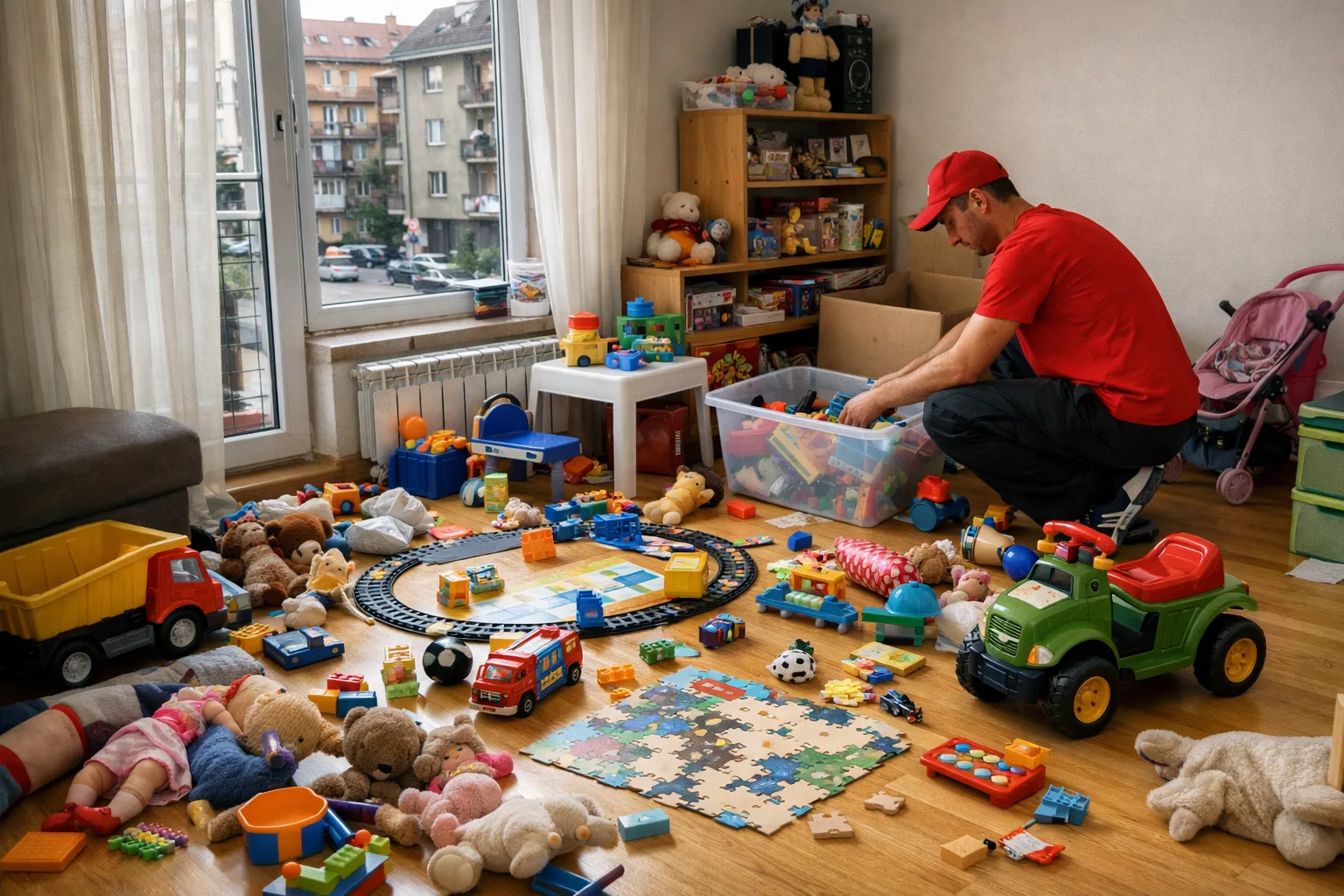
The first step in packing toys for storage is thorough preparation. Before you start packing, it is important that the toys are clean and dry. Dirty or damp toys can cause mold growth and unpleasant odors during storage, which can irreversibly damage the toys. Additionally, dirt can attract pests that further threaten the condition of the toys.
When cleaning, use mild soapy water or specialized products designed for the materials the toys are made of. For example, plastic toys can be wiped with a damp cloth, while fabrics are best hand-washed or machine-washed according to the manufacturer's instructions. Avoid harsh chemicals that can damage colors or materials.
After cleaning, allow the toys to air dry completely before packing. This can take up to 24 hours but is necessary to prevent mold growth and material damage during storage. For faster drying, you can use a fan or a low-temperature dryer, but be careful not to overheat or deform the toys.
Besides basic cleaning, check if the toys have any damage or loose parts that need repair before storage. Repairs such as gluing, sewing, or replacing parts can prevent further deterioration during storage. Also, remove batteries from electronic toys to prevent leakage and damage to internal components.
For toys made of specific materials like wood or metal, use appropriate protective treatments. For example, wooden toys can be coated with mild wax or wood oil to prevent drying and cracking, while metal parts should be protected from corrosion using anti-corrosion sprays or cloths.
To facilitate future retrieval and reduce the amount of packing, we recommend classifying toys before packing. Sort toys by type, size, or frequency of use. For example, puzzles should be grouped together, plush toys separately, and educational toys in a separate group. This kind of organization saves space and time when accessing them later.
At this stage, you can decide which toys you will actually store and which you might donate or discard. Toys that are damaged or incomplete should not take up space in storage as they will only unnecessarily complicate organization. Consider donating or recycling to reduce the number of items you keep.
Labeling packages with specific information about their contents is very important. Use clear labels or markers to write on the boxes, allowing you to know what's inside without opening them. Additionally, keeping a list or digital record can further help track the contents and location of each box.
When classifying, pay attention to the specific requirements of individual toys. For example, toys with electronic parts should be kept separate from plush or fabric toys to avoid damage. Also, consider grouping toys by the user's age or season of use, which can facilitate future access.
When deciding which toys to keep, consider sentimental value as well as potential future use. Maintaining a balance between preserving memories and rational use of space will help make storage efficient and sustainable in the long term.
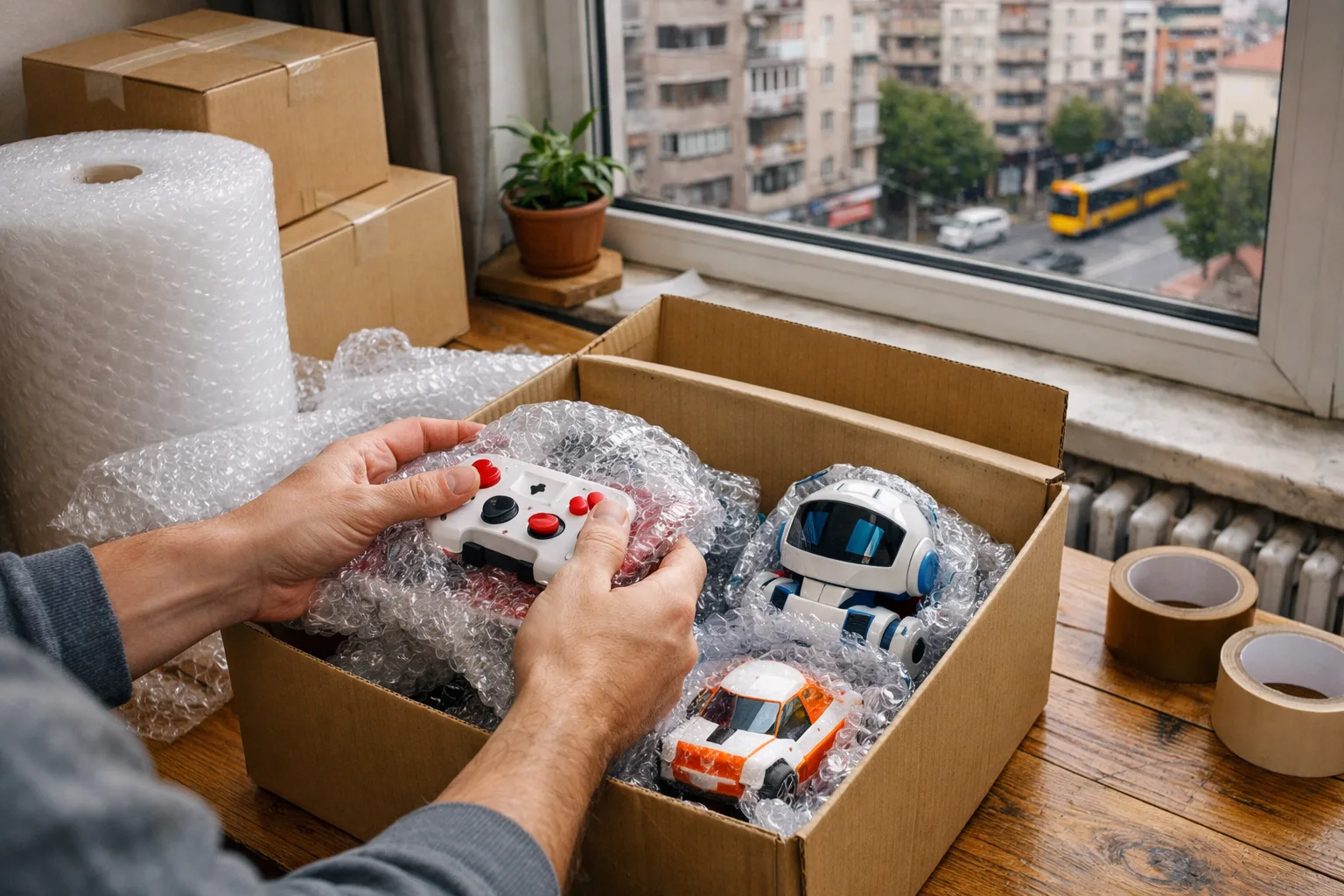
Selecting the right packing materials is crucial for preserving toys during storage. Use sturdy cardboard moving boxes as they provide good protection and allow easy stacking in storage. For larger and heavier toys, choose boxes with reinforced bottoms that can withstand the weight and prevent tearing.
For additional protection of delicate toy parts, such as small pieces or electronic components, use bubble wrap or styrofoam. These materials protect toys from shocks and vibrations during transport and storage, reducing the risk of breakage or damage.
Plush and soft toys can be packed in transparent plastic zipper bags, which protect against dust and moisture while allowing visibility. It is important that the bags are not completely sealed if there is a risk of condensation, so air can circulate and prevent moisture buildup inside the packaging.
Besides basic materials, consider using paper or cotton tissue to wrap delicate parts of toys. This is especially useful for toys with fragile surfaces or decorations that can easily scratch or get damaged.
Also, avoid using newspaper directly on toys as the ink can leave stains. Instead, use specialized wrapping paper or neutral materials that will not react with the toy surfaces.
Packing toys should be adapted to their type and material. Plush toys are best packed loosely to avoid deformation. Place them in bags or boxes with enough space, avoiding overcrowding that can cause loss of shape and fabric damage.
For puzzles, blocks, and other small parts, use smaller boxes or plastic containers with lids. We recommend checking that all parts are complete before packing and listing or labeling them in case you need to find them later. You can also use small plastic bags inside boxes for additional organization and to prevent loss of parts.
Electronic toys should be additionally protected from moisture and dust. Remove batteries before packing to prevent leakage that can damage devices. Use anti-static wrap or bubble wrap for extra protection, and keep boxes in a dry place.
For toys with moving parts or mechanisms, such as vehicles or dolls with sound effects, it is recommended to fix or lock the mechanisms to prevent damage during storage. Also, check that all parts are properly attached before packing.
If packing sets or toys consisting of multiple parts, consider packing them together in one box with internal dividers or wraps. This will prevent mixing parts and facilitate later use.
Clear and precise labeling of boxes is essential for easy organization and later retrieval of toys. Write the contents on the boxes, for example: "Plush toys - children's room" or "Puzzles and blocks - living room." This will save you time and effort when searching for specific toys.
Use different colored labels or markers for different toy categories. For example, blue labels for educational toys, green for plush, red for electronic. This visual differentiation speeds up finding and returning toys to their place, especially if you have a large number of boxes in storage.
Photographing the contents of boxes before sealing them can be very helpful. This way, you'll have a digital inventory with images, which is especially useful if you have many boxes with different toys in storage. You can use organizational apps or simply create a folder on your computer or phone.
In addition to basic labeling, consider adding the packing date on the boxes. This will help you track how long the toys have been in storage and when it might be time to check or refresh the packaging.
Also, if you have boxes containing delicate or valuable toys, mark them additionally as "Handle with Care" or "Do Not Discard" to avoid accidental damage during handling.
To preserve the quality of toys, it is important that the storage area is dry, clean, and protected from direct sunlight. The ideal storage temperature should be moderate, without large fluctuations that can cause condensation and material damage. If you don't have a suitable space at home, consider a professional storage service for items and goods, where conditions are controlled and tailored for long-term toy preservation. A temperature between 15 and 22 degrees Celsius is recommended.
Use moisture absorbers, such as silica gel packets, inside boxes with sensitive toys. This is especially important for plush toys and those with electronics, as moisture can cause mold and malfunctions. Regularly replace or dry these packets to keep them effective.
Regularly check the condition of the storage area and boxes, especially if toys are stored for a long time. Occasionally open the boxes and air out the contents to prevent mold and unpleasant odors. Also, check if the boxes are undamaged and if the contents are in place.
Besides temperature and humidity, pay attention to the cleanliness of the storage space. Regularly clean floors and shelves, and if possible, use covers or tarps for additional protection against dust and dirt.
Consider using air conditioners or dehumidifiers in storage rooms prone to high humidity. These devices can significantly help maintain optimal conditions and extend the lifespan of your toys.
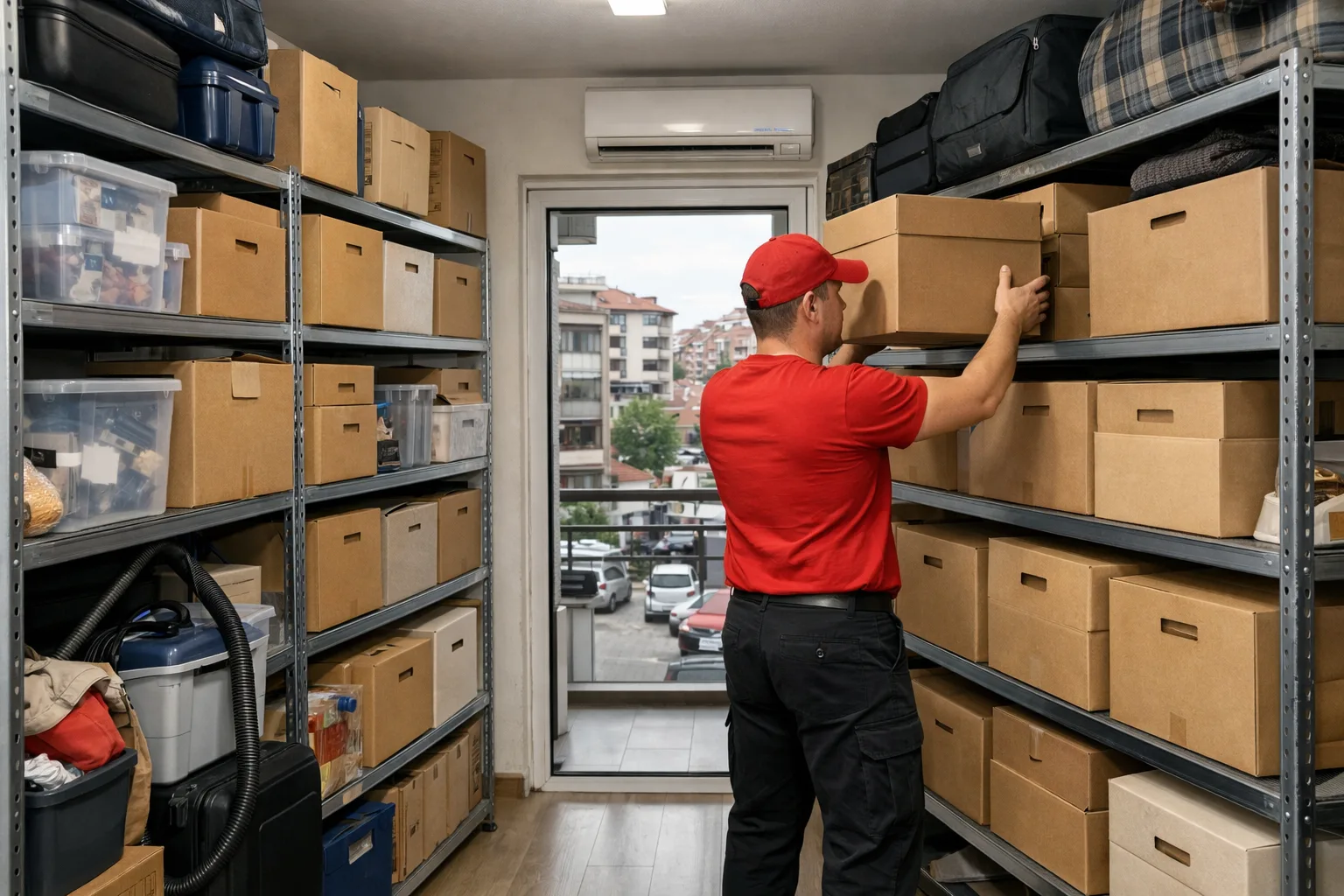
When stacking boxes in storage, aim to place the heaviest boxes at the bottom and lighter ones on top. Keep boxes with toys you use frequently within easy reach, while those rarely used can be placed on higher shelves or deeper in storage. This facilitates access and reduces the risk of injury when moving heavy boxes.
Leave aisles between rows of boxes for easier access and visibility. Also, if you have multiple boxes of the same category, stack them together and label the rows with numbers or letters. Such organization allows quick orientation and reduces the time needed to find desired toys.
Consider using shelves or metal racks in storage, which allow better organization and protect boxes from direct contact with the floor, further preventing damage from moisture or dirt. Shelves also make cleaning and maintaining the storage space easier.
If you store toys for an extended period, label the boxes on the outer sides of shelves or racks to further facilitate finding them. Also, consider creating a storage plan accessible to all family members or people who have access to the space.
For toys that require special attention or frequent use, create separate boxes or sections within the storage. This way, you will reduce the time needed to find them while maintaining order and organization.
Pests such as mice and insects can seriously damage toys, especially those made of fabric and leather. Before storage, check that toys and boxes are clean and free of food residues or other attractive materials that might lure pests. Maintaining storage hygiene is crucial for prevention.
Use natural repellents like bay leaves or cedarwood in boxes and storage areas. These natural scents repel pests and are safe for children and toys. Also, regularly inspect the storage and maintain cleanliness to prevent pest infestations and other issues.
If you notice damage or signs of pests, immediately remove the affected toys and treat the area. Timely action can save the rest of your toy collection. Consider using professional products or pest control services if the problem is severe.
In addition to natural methods, you can also use airtight boxes or storage containers that further prevent pest entry. This is especially useful for valuable or rare toys that require special protection.
Regularly inspect and maintain the storage space, including checks for cracks or openings through which pests can enter. Repairing these areas and maintaining cleanliness are key steps in the long-term protection of your toys.
5 Reasons to Rent Storage While Renovating Your Apartment
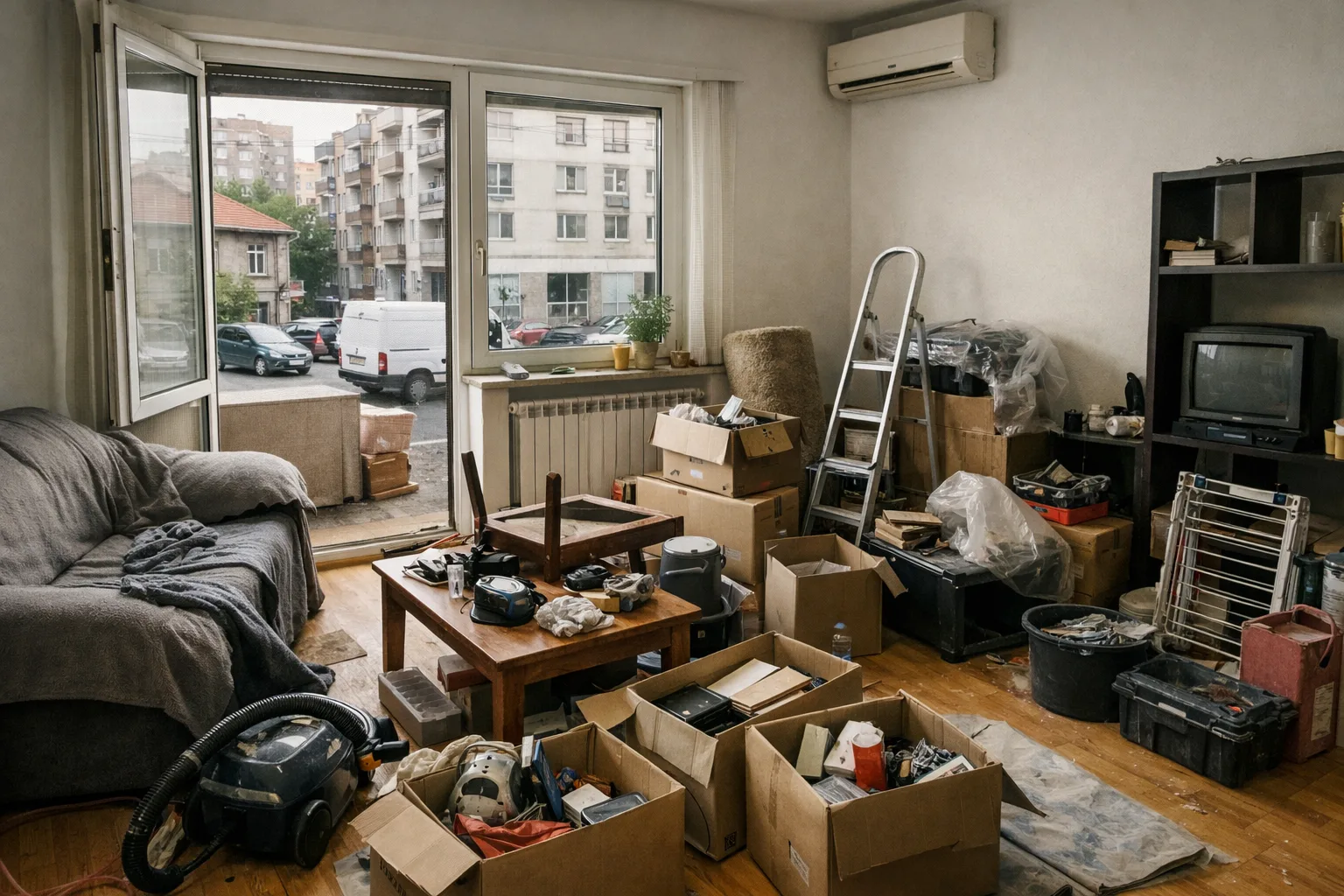
Why Is Storing Your Belongings a Good Solution for Home Renovation?
We will respond to you as soon as possible.
Below we address the most common dilemmas and specific issues that arise when packing toys for storage, providing clear and practical advice.
Plush toys should be packed loosely, in bags or boxes that are not overcrowded. It is important that they are not compressed as they can lose their shape. Ideally, place them in zippered bags that allow air circulation or in spacious boxes with enough room.
Yes, batteries should always be removed from electronic toys before storage to prevent leakage that can damage internal components. After removal, toys should be packed in protective wrap or boxes that guard against moisture.
Small toy parts are best kept in smaller plastic containers or resealable bags. These packages can then be packed into a larger box with other parts or toys of the same category, reducing the risk of loss.
It is best to use sturdy cardboard boxes for basic packing, while delicate parts and electronic toys are additionally protected with bubble wrap or styrofoam. For soft toys, plastic zippered bags are recommended to protect against dust and moisture.
To prevent mold, toys must be completely dry before packing. Use moisture absorbers such as silica gel packets in boxes and keep the storage area dry and ventilated. Regularly check the condition of the toys and storage space.
It is recommended to store boxes with toys on shelves or metal racks, as this protects toys from moisture and dirt from the floor. Direct contact with the floor can cause damage due to condensation or accidental leaks.
Boxes should be stacked according to weight and frequency of use – heavier ones at the bottom, frequently used ones within reach. Use colors and clear labels on boxes, leave aisles between rows, and consider using shelves for better visibility and access.