
Storage Tips
5 Reasons to Rent Storage While Renovating Your Apartment
5 Reasons to Rent Storage While Renovating Your Apartment

Enter at least 3 characters.
A clean and organized warehouse is the foundation of efficient operations, as it directly impacts the speed and accuracy of goods processing, reduces the risk of damage and injuries, and contributes to the overall safety of the work environment. A well-organized space not only facilitates the finding and storage of products but also promotes discipline and professionalism among employees. Investing in proper organization and maintenance of the warehouse pays off through increased productivity, reduced costs, and improved customer satisfaction. In this guide, we will provide detailed and practical advice for organizing, maintaining, and optimizing your warehouse, focusing on concrete steps you can implement immediately, regardless of the size of your business space. Additionally, we will review modern technologies and methods that further enhance warehouse operations, as well as the importance of continuous employee training to achieve high standards of work.
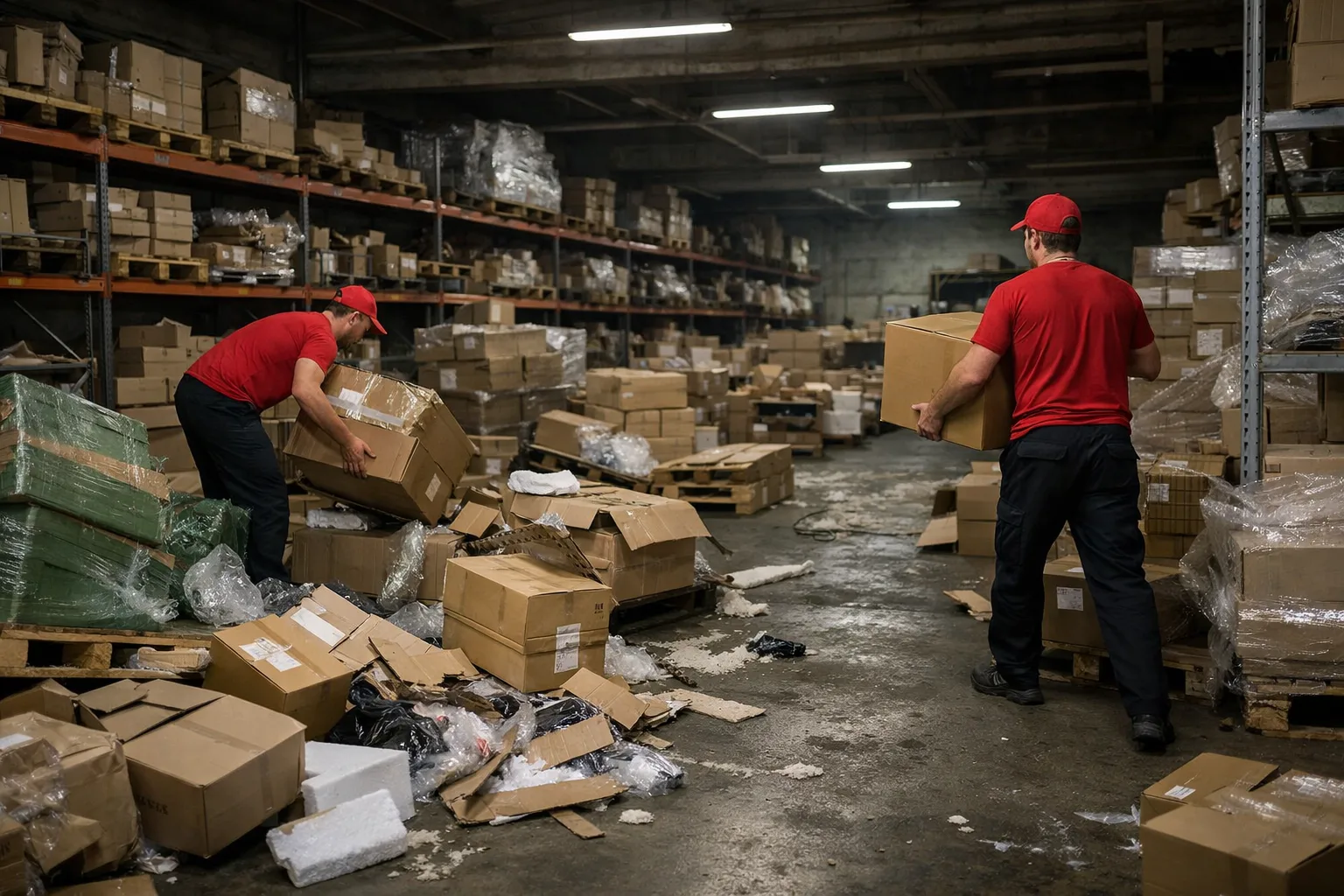
The first and most important step in maintaining an orderly warehouse is detailed planning and organization of the space. Before starting any activities, it is essential to create an accurate warehouse map that clearly defines zones for goods receipt, storage, preparation for shipment, and packaging. Such division helps reduce confusion and speeds up work processes, as every employee knows where everything is located and where they should perform their tasks.
When planning, special attention should be paid to the flow of goods through the warehouse – how goods enter, where they are stored, and how they exit. An optimal layout minimizes unnecessary movement and handling of products, which directly affects efficiency and reduces the risk of damage. Additionally, workplace ergonomics should be a priority to reduce physical strain on employees and increase workplace safety.
Besides the physical organization of the space, it is crucial to define clear responsibilities among employees for maintaining specific parts of the warehouse. Establishing a schedule for regular inspections and cleaning ensures that order is consistently maintained and prevents clutter buildup. Introducing checklists and periodic inspections can further help monitor warehouse conditions and promptly identify issues.
It is also recommended to use software tools for planning and managing warehouse space, which allow visualization of layouts and real-time inventory tracking. These tools can help identify bottlenecks and optimize processes, further contributing to efficiency.
Remember that flexibility in planning is key, as warehouse needs may change due to seasonal variations or changes in product assortment. Regularly reviewing the plan and adjusting the organization of space enables long-term maintenance of warehouse orderliness and functionality.
Choosing suitable shelves, racks, and boxes is crucial for maintaining warehouse order and functionality. Shelves should be adapted to the dimensions and weight of products, as well as the specifics of the space. For example, sturdy metal shelves with appropriate supports are recommended for heavy and large items, while plastic or wooden boxes that stack easily may suffice for lighter products.
Proper labeling of shelves and products significantly speeds up identification and reduces the possibility of errors during goods issuance or receipt. Using barcodes, QR codes, or clearly visible labels with descriptions and codes enables quick digital or manual record-keeping, contributing to accuracy and transparency in operations.
It is important to store products according to their frequency of use – the most frequently used items should be easily accessible, while rarely used ones can be placed in less accessible locations. This type of organization saves time and space, while also facilitating order maintenance and safety in the warehouse.
In addition to standard systems, consider implementing specialized solutions such as mobile shelving or automated storage systems, which can significantly increase capacity and speed up access to goods. This is especially useful in warehouses with large volumes of goods and frequent changes in assortment.
Also, regularly check the condition of storage equipment and plan for their replacement or upgrade. Quality storage systems reduce the risk of product damage and enhance employee safety.
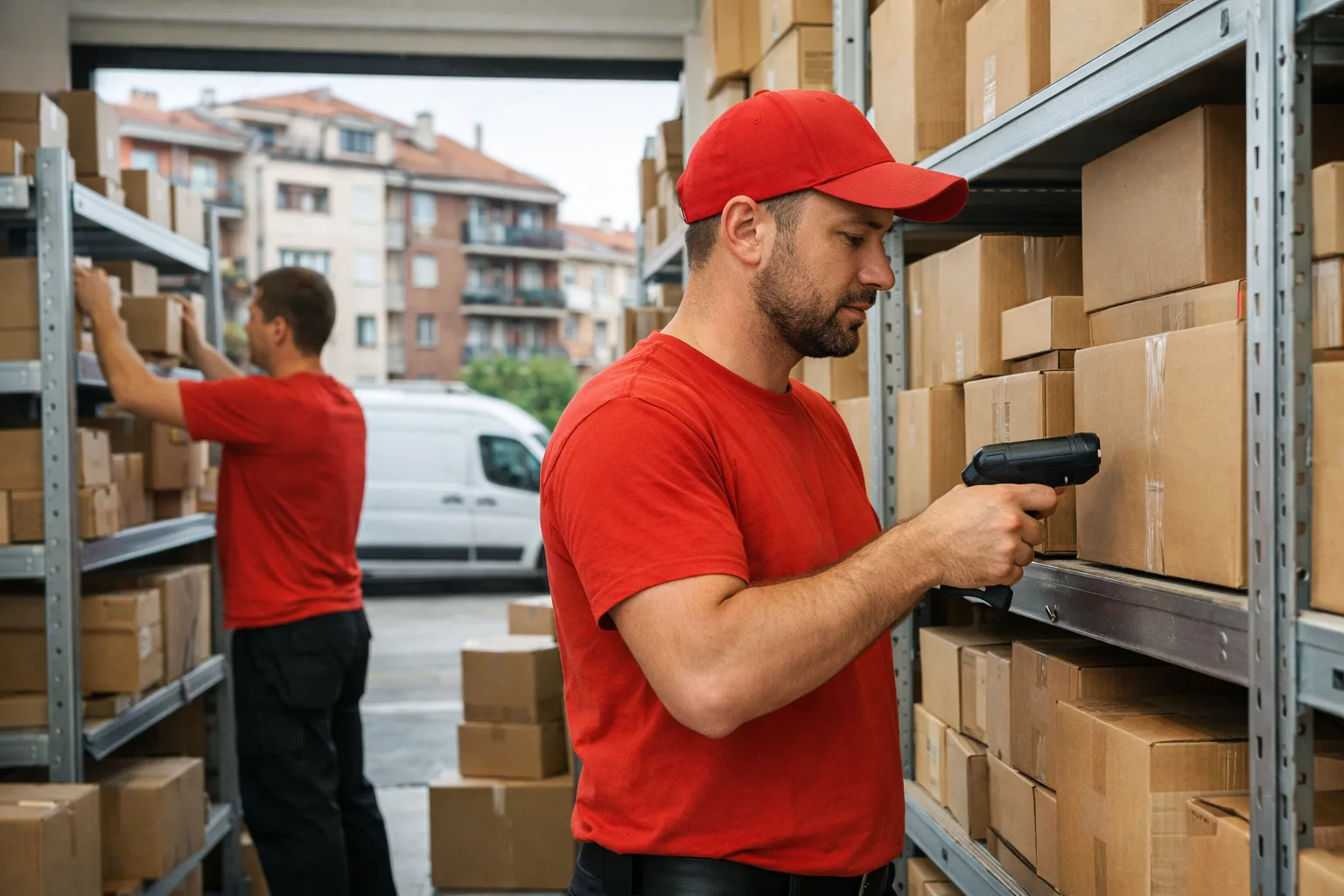
Regular and systematic cleaning of the warehouse is essential for maintaining hygiene, safety, and a professional appearance of the space. Dust, dirt, and waste not only compromise aesthetics but can also pose health risks to employees, as well as fire hazards or other accidents. Implementing daily or weekly cleaning routines, tailored to the intensity of work, significantly contributes to maintaining tidiness.
Clearly defining what constitutes waste and where it should be disposed of is crucial for effective waste management. Placing appropriate containers and recycling bins near workstations encourages employees to immediately dispose of waste in designated areas, preventing garbage accumulation and reducing the risk of accidents. When it is necessary to remove larger quantities of unnecessary items or waste from the warehouse, you can use the professional item removal to landfill service.
In addition to cleaning, regularly inspect the condition of floors, shelves, and equipment. Damage, unevenness, or wear can accumulate dirt and pose safety hazards. Timely maintenance and repairs not only extend the lifespan of equipment but also contribute to a safer and tidier work environment.
Implementing cleaning tracking systems, such as logs or digital tools, can help maintain discipline and accountability among employees. Additionally, regular staff training on the importance of hygiene and proper waste disposal contributes to long-term success.
Do not forget specific cleaning requirements depending on the type of stored goods, such as chemicals or food products, which require special protocols and cleaning agents.
Disorganized goods can quickly lead to chaos and make it difficult to find necessary items, slowing down work and increasing the risk of damage. Therefore, it is crucial that products are properly packed and arranged according to type, weight, and purpose. For example, fragile items should be packed in special boxes with protective materials like styrofoam or bubble wrap, while heavy items must not be placed on easily breakable or unstable surfaces. If you lack sufficient time or experience, you can hire the professional moving packing service, which ensures proper packing and protection of goods in storage.
Using standardized boxes and packaging allows for more stable stacking and more efficient use of space. Standardization also facilitates handling and transportation of goods, reducing the risk of damage during storage and delivery. For additional organization and security of goods, we recommend using moving boxes tailored to different types of items.
Each product should have a clearly visible label with key information such as contents, receipt date, expiration date, and any special handling instructions. This enables easier stock rotation, prevents obsolescence and losses, and facilitates inventory tracking and procurement planning.
When packing, pay attention to proper weight distribution within boxes to prevent damage or deformation. Also, using appropriate materials for protection against moisture and dust can extend the product's shelf life.
Regularly check the condition of packaging and plan for its replacement or improvement, as quality packaging directly affects product preservation and storage efficiency.
Accurate record keeping of goods is essential for maintaining an orderly and functional warehouse. Without precise data, excessive stock or shortages can easily occur, disrupting business processes and increasing costs. It is recommended to use inventory management software (WMS), but manual records that are regularly updated can also be effective in smaller warehouses.
The application of the FIFO (first in, first out) system is especially important for goods with limited shelf life, such as food products or chemicals. This system ensures that older products are used or shipped first, reducing losses and obsolescence.
Regular inventories are key to verifying the actual stock status and detecting any discrepancies or errors in records. Plan them at least monthly or quarterly, depending on business volume, and use the results to optimize procurement and storage processes.
In addition to basic records, it is recommended to implement analytical tools that enable tracking consumption trends and identifying seasonal variations. This helps in more precise procurement planning and reducing unused inventory.
Also, ensure that all employees are trained in proper data entry and use of the record-keeping system, as the accuracy of information directly affects inventory management efficiency.

A safe warehouse is also a tidy warehouse. Regular maintenance of equipment such as forklifts, carts, shelves, and conveyor belts prevents breakdowns and potential accidents. Timely inspections, servicing, and replacement of worn parts extend equipment lifespan and protect employees from injuries.
Besides technical equipment, it is essential to adhere to safety standards, including clear marking of traffic zones, placing fire-fighting equipment in easily accessible locations, and marking emergency exits. Such measures contribute to a safer and more organized work environment.
Employee training on proper equipment use and safety rules is crucial for maintaining order and preventing accidents. Organize regular training sessions, simulations, and remind staff of rules through visible instructions and signs within the warehouse.
Additionally, implementing an incident reporting and tracking system allows timely response and prevention of accident recurrence. This approach contributes to continuous improvement of safety standards.
Do not forget the importance of personal protective equipment (PPE) for employees, such as helmets, gloves, and safety shoes, which are necessary for safe warehouse work. Regularly check their availability and condition.
Maximizing warehouse space utilization is key to maintaining tidiness and efficiency. Vertical storage using tall shelves and racks frees up floor space, facilitating employee movement and work, as well as goods handling.
Flexible storage systems, such as movable shelves or modular racks, allow quick adaptation to changes in assortment or volume without significant costs or work interruptions. Such systems increase functionality and save resources in the long term.
A well-designed layout of aisles and work zones enables unobstructed movement of people and equipment, reducing the risk of goods damage and increasing efficiency. Ensure aisles are wide enough, free of obstacles, and clearly marked to avoid accidents and delays.
Consider using techniques like the 5S methodology for space organization, which includes sorting, setting in order, shining, standardizing, and sustaining discipline. These techniques help maintain a high level of tidiness and efficiency.
Also, regularly analyze space utilization and make adjustments according to business changes to avoid unnecessary costs and optimize workflows.
To keep the warehouse tidy and functional, it is necessary to introduce control and supervision systems. This can be a simple system of daily or weekly reports on space condition, cleaning and maintenance records, and task completion tracking. Based on this data, management can respond promptly and plan necessary interventions.
Involving employees in the process of maintaining order and organization is very important. Motivation through recognition, rewards, or other incentives encourages their responsibility and attention to the workplace, directly impacting work quality and team atmosphere.
Regular meetings and open communication between management and workers enable problem identification and joint solution finding. They also facilitate idea exchange for process improvement and foster team spirit, which is crucial for long-term maintenance of a tidy and efficient warehouse.
Develop a culture of continuous improvement through workshops and training that provide employees with new skills and knowledge, further increasing their motivation and engagement.
Implementing a feedback system enables employees to express their suggestions and complaints, thereby increasing their engagement and contribution to improving warehouse processes.
5 Reasons to Rent Storage While Renovating Your Apartment
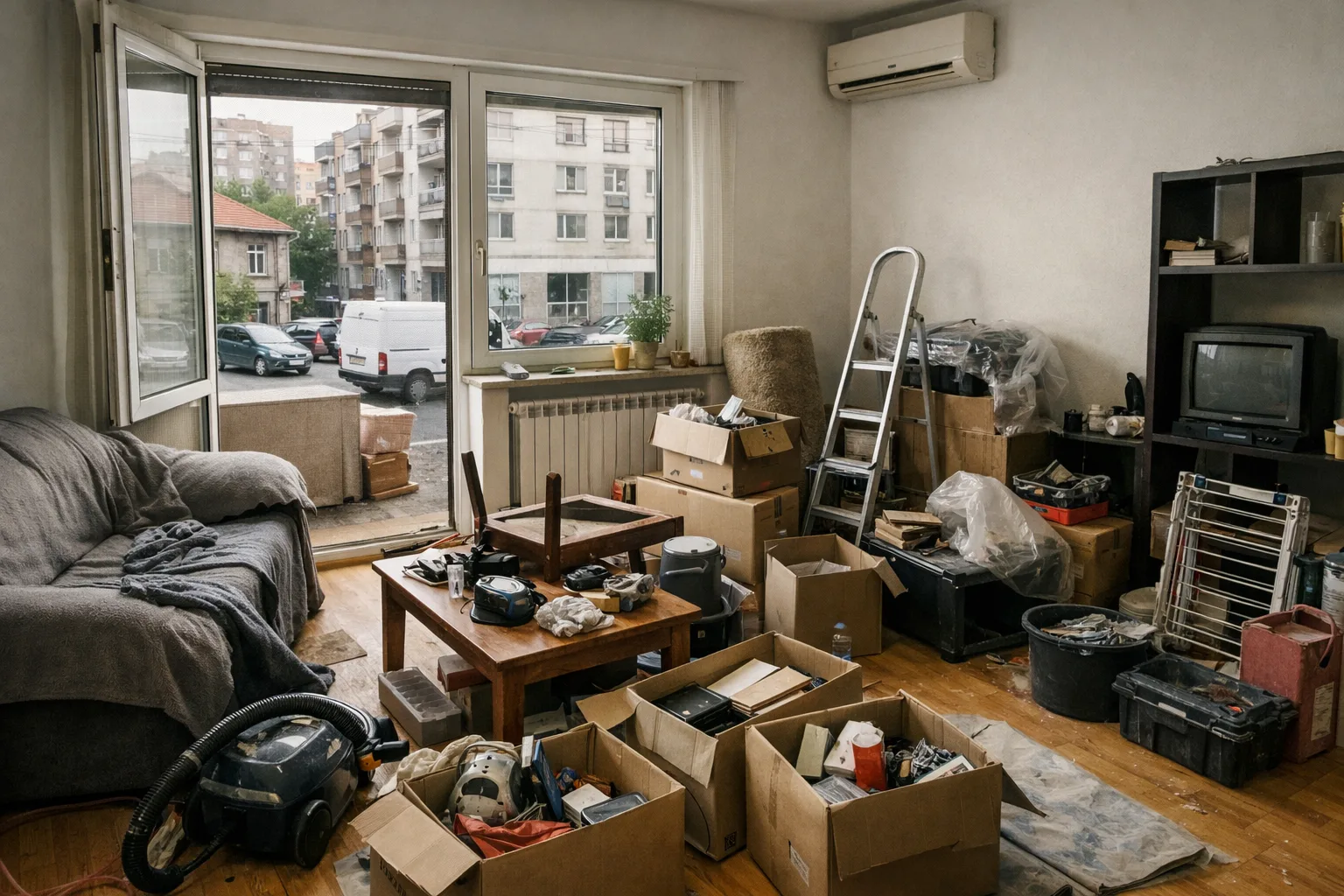
Why Is Storing Your Belongings a Good Solution for Home Renovation?

We will respond to you as soon as possible.
Below, we answer the most common questions related to specific challenges and solutions for maintaining warehouse cleanliness and order.
The cleaning frequency depends on the size and type of warehouse, but daily waste removal, weekly floor and surface cleaning, and thorough monthly or quarterly inspections and cleaning are recommended. Regular routines help prevent dirt and clutter buildup.
It is important to zone the warehouse according to product types and use appropriate shelving and packaging for each group. Labeling and clear markings help employees quickly find and return products to their proper places.
Proper packaging, suitable storage on stable shelves, and employee training on correct handling are key to reducing damage. Additionally, regular equipment maintenance and clean surfaces prevent unwanted accidents.
Optimizing space through vertical storage, using modular and movable shelves, and regularly removing outdated or unnecessary goods can significantly increase warehouse capacity and maintain order.
Although not mandatory, digital systems greatly facilitate inventory tracking, reduce errors, and speed up product retrieval. For larger warehouses or more complex assortments, implementing WMS software is recommended, while smaller warehouses can successfully use manual records with good organization.
Engaging employees through clear instructions, regular training, and recognition or rewards for good work encourages responsibility and care for the workplace. Open communication about issues and joint problem-solving also strengthens team spirit and motivation.
The most common mistakes are lack of regular organization and cleaning, inadequate storage and packaging of goods, ignoring safety standards, and poor inventory records. These errors lead to clutter, product damage, and reduced work efficiency. Proper routines and accountability are keys to success.