
Storage Tips
5 Reasons to Rent Storage While Renovating Your Apartment
5 Reasons to Rent Storage While Renovating Your Apartment

Enter at least 3 characters.
Organizing storage space is the foundation of efficient operations and daily functioning, whether it's a small home storage area or a large industrial facility. A well-organized space not only allows for optimal use of the available area but also significantly speeds up finding and accessing needed items, directly impacting productivity and reducing stress. Without a proper system, storage can easily become cluttered and dysfunctional, leading to wasted time, damaged goods, and increased costs. In this guide, we will provide you with detailed and practical advice to help you make the most of every part of your storage space, tailoring it to specific needs and conditions regardless of its size and purpose. We will also address the importance of regular maintenance and safety measures necessary for long-term and safe use of the storage. Additionally, we will emphasize how proper organization can contribute to cost reduction and increased efficiency, which is crucial for business sustainability and user or employee satisfaction. By applying the tips from this guide, you can achieve not only a neat and functional space but also significantly improve overall workflow and safety in the storage area.

A detailed space assessment is a crucial initial step that allows the storage organization to be tailored to specific conditions and needs. Besides the basic room dimensions, it is important to consider factors such as lighting, ventilation, and accessibility, as they can influence the choice of storage locations for certain items. For example, moisture-sensitive items should be placed away from moisture sources or windows. Additionally, the floor load capacity should be evaluated, especially in industrial warehouses, to avoid overloading and potential damage.
When planning the layout, it is useful to create a detailed floor plan with clearly marked zones for different categories of items. Such a visual representation helps optimize space and allows easier adjustments in the future. Also, consider the workflow within the storage – frequently used items should be easily accessible, while rarely used items can be stored in less accessible places. Involving all storage users in the planning process can contribute to better understanding of needs and more efficient arrangement.
The choice of furniture and storage systems should align with the type and quantity of items you store. Modular systems are especially useful as they allow flexibility and adaptation to changes in the storage space. Also, consider the possibility of installing mobile shelves or racks on wheels, which can further increase functionality and accessibility. When purchasing, pay attention to the quality and warranty of the equipment, as durability and safety directly depend on these factors.
When selecting shelves and racks, besides the type and weight of items, attention should be paid to the material of construction, which affects durability and stability. Metal racks are durable and suitable for heavy items but can be more expensive and require corrosion protection. Wooden shelves are aesthetically pleasing and easy to customize but are not ideal for storing heavy or damp items. There are also plastic shelves that are lightweight and moisture-resistant but not suitable for heavy loads.
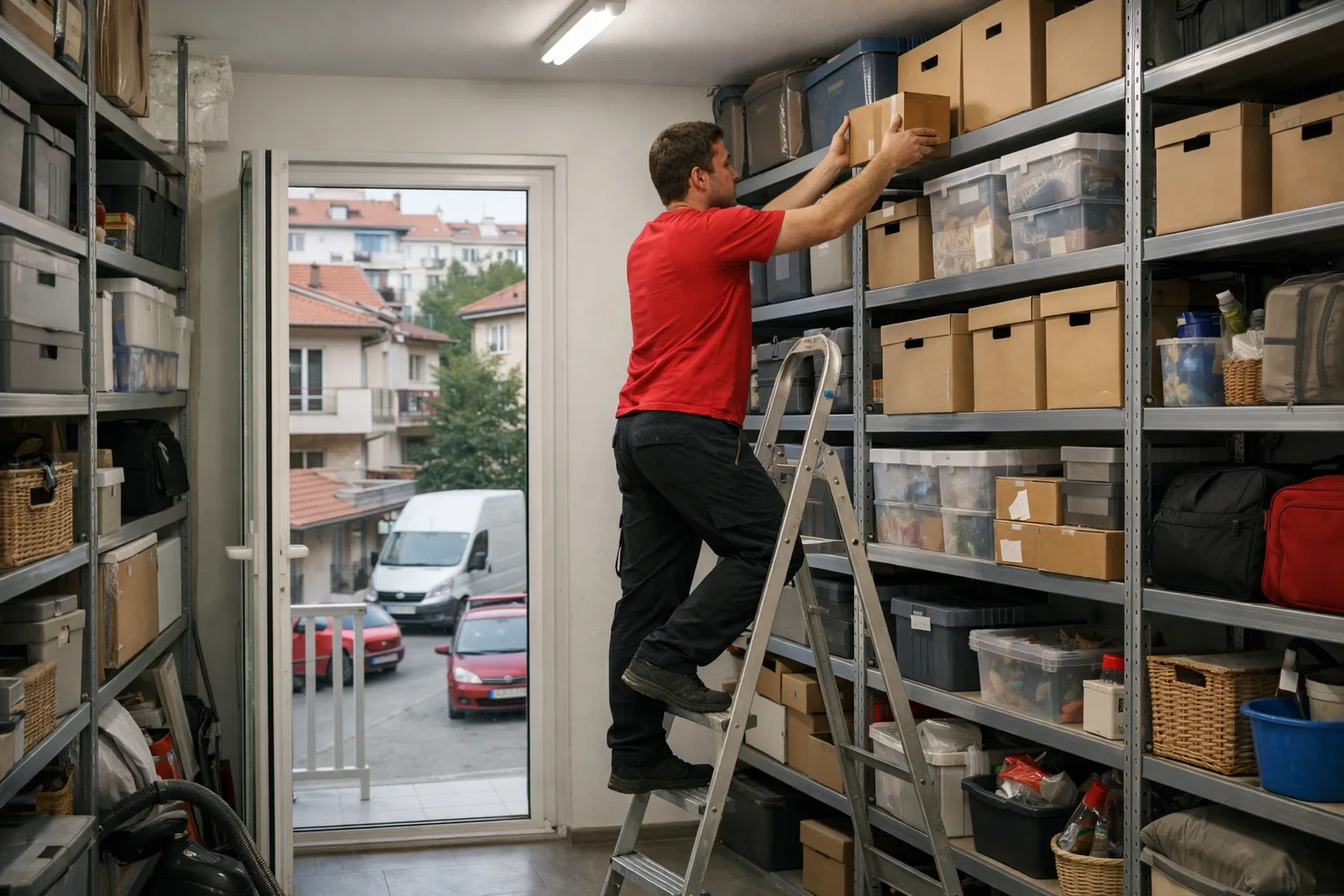
The height and depth of shelves should be adapted not only to the space but also to user ergonomics. Shelves that are too high can make access difficult and increase the risk of injury, while overly shallow shelves can limit storage capacity. Consider installing stairs or mobile platforms for safe access to higher shelves. Also, proper shelf placement should allow enough space for passage and item handling, increasing safety and work efficiency.
Adjustable shelves allow the space to be adapted to different item sizes, which is especially useful in warehouses with variable inventory. Also, shelves with doors or boxes with lids protect contents from dust, moisture, and damage, which is particularly important for sensitive or valuable items. When choosing, consider the possibility of integrating additional elements such as drawers, dividers, or locking security systems, which can further enhance organization and protection.
Storage boxes are an efficient way to group and protect items, but it is important to choose the right sizes and materials. Plastic boxes with lids are moisture-resistant and easy to clean, while moving cardboard boxes can be more economical but less durable. Transparent boxes allow quick identification of contents without the need to open them, saving time and reducing the chance of errors.
Clear and precise labeling of boxes is essential for maintaining order and quickly finding items. Use durable labels or markers for writing, and for additional organization, you can apply color or number coding. This is especially useful in larger warehouses or when multiple people use the same space. Digital record-keeping of box contents can further facilitate tracking and inventory management.
Combining boxes of different sizes with drawers and dividers within shelves allows for maximum space utilization and prevents mixing of items. Modular organizational systems are flexible and can be adapted to changes in inventory, contributing to long-term storage efficiency. Also, consider using specialized boxes for certain types of items, such as anti-static boxes for electronic components or ventilated boxes for specific materials.
Organizing storage space requires continuous effort to keep the area functional and tidy. Regular maintenance includes not only cleaning but also checking the condition of inventory and storage systems. This prevents the accumulation of unnecessary items and reduces the risk of damage or loss. Implementing a schedule for regular inspections and cleaning can help maintain discipline and efficiency.
It is recommended that inspections and cleaning be performed at least once every three months, though frequency may depend on the intensity of warehouse use. During these inspections, it is important to identify and remove items no longer needed, as well as reorganize the space if necessary for better efficiency. When a larger amount of unnecessary items accumulates, removal of items to the landfill can be a practical solution for quickly freeing up space. Also, regularly check expiration dates and product conditions if storing goods with limited shelf life.
Additionally, regularly check the technical condition of shelves, racks, and boxes. Damaged or unstable elements should be repaired or replaced immediately to ensure user safety and preserve the value of stored items. Maintaining order and safety directly affects the longevity and functionality of the warehouse. Involving employees in the maintenance process can increase their responsibility and attention to the space.
Vertical space is often an overlooked resource that can significantly increase warehouse capacity without the need to expand the floor area. Installing shelves up to the ceiling allows for storing more items, but it is essential to provide safe access to higher levels through ladders or movable platforms with safety railings. It is also important to ensure that the shelf construction can bear the weight of items on higher levels.
For storing lighter and seasonal items, the upper parts of the warehouse are ideal as they free up lower zones for more frequently used items. This organization contributes to better visibility and operational efficiency within the warehouse. It is recommended to clearly label and record the contents on higher shelves to avoid unnecessary movement and risk of injury.
Besides shelves, walls can be used to mount hooks, holders, and specialized brackets for tools or other hangable items. This storage method reduces shelf space occupancy and allows quicker access to frequently used items, further increasing productivity. Wall organizers can also be customized to specific needs, such as holders for cables, pipes, or other specialized tools.
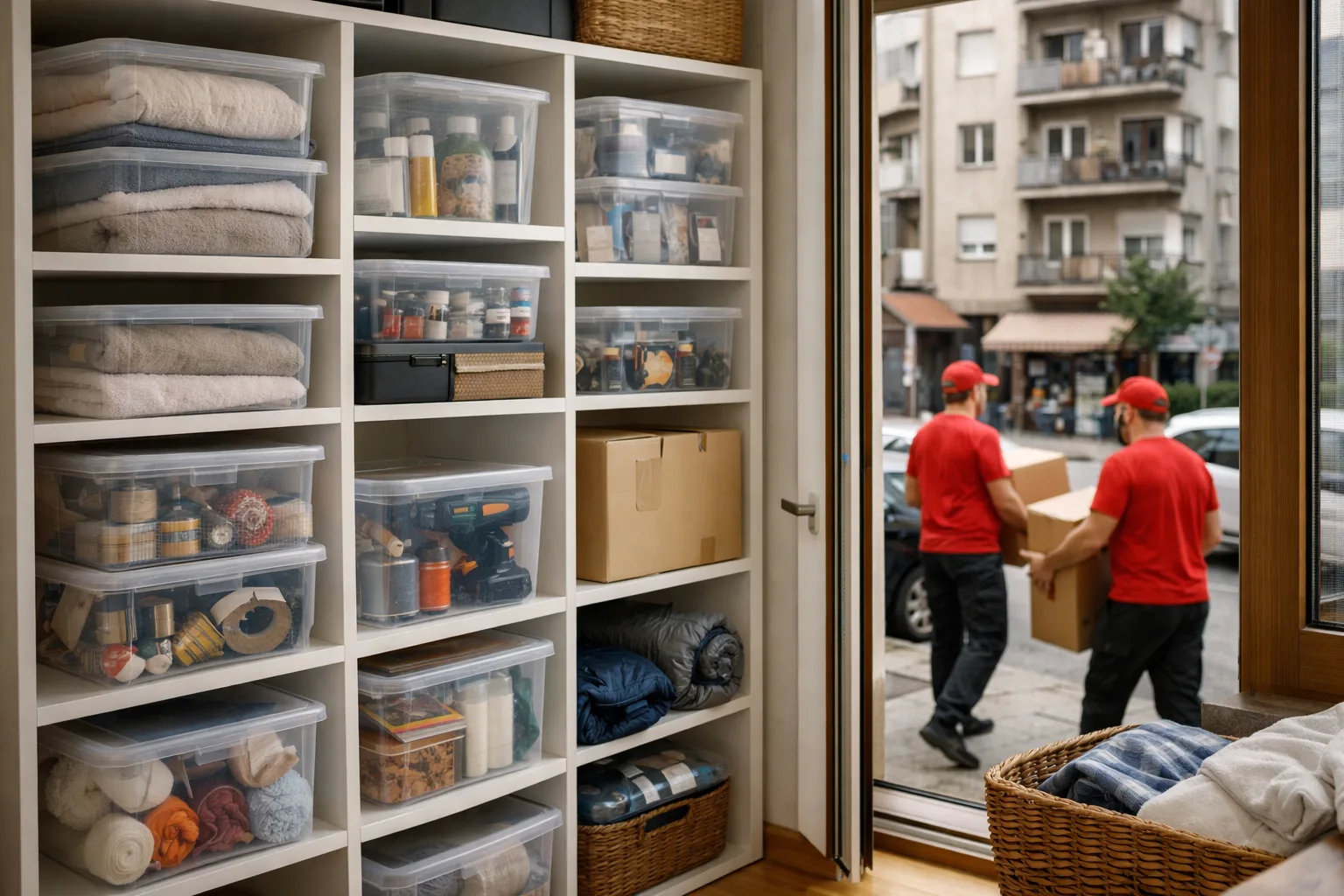
Effective sorting and categorization of items are the foundation for maintaining order and quickly finding things in the warehouse. When grouping, it is important to consider the nature of the items, their frequency of use, and specific storage requirements such as temperature or humidity. Also, compatibility of items should be considered to avoid mixing that could lead to damage or hazards.
In tool warehouses, for example, it is useful to create clearly defined zones for different types of tools and consumables. Such a system allows employees to quickly identify and use the necessary items, reducing search time and increasing efficiency. Introducing standardized boxes or drawers with labels further facilitates organization.
Visual categorization systems, such as colors, labels, or numbering, further simplify organization, especially in larger warehouses with multiple users. These systems provide uniformity and clarity, contributing to better coordination and reducing errors in work. Regular updates and employee training on these systems are also necessary for their effective implementation.
Digital warehouse management tools (WMS) represent a modern solution that significantly improves efficiency and accuracy in inventory handling. These systems enable detailed records of each item, including its location, condition, and usage history. This reduces the possibility of losses and facilitates stock control.
Using warehouse management software allows for the automation of many processes such as goods receipt, issuance, inventory tracking, and report generation. This reduces the possibility of human errors and enables faster decision-making based on accurate data. Additionally, the software can help optimize space and plan procurement.
Furthermore, digital tools can be integrated with mobile devices and barcode scanners, which further facilitates real-time warehouse tracking and management. Investing in such technologies brings long-term benefits through increased productivity and cost reduction. It is important to provide adequate employee training on using these systems to fully leverage their capabilities.
Safety in the warehouse is crucial for protecting people and property. A properly organized space with clearly defined aisles and stable shelving reduces the risk of injuries and damage to goods. It is also important to comply with all regulations related to fire protection and other hazards. Regularly updating safety procedures and ensuring compliance with legal standards is essential.
Keep aisles and exits clear and accessible at all times to enable quick evacuation in case of emergency. Avoid storing flammable materials near heat sources or electrical installations, and in warehouses with such materials, ensure the installation of appropriate fire protection systems. Also, regularly check the functionality of smoke detectors and other safety devices.
Regularly train employees on safety rules and equipment use, as well as procedures in case of accidents. Additionally, routinely check the technical condition of equipment and maintain the warehouse tidy and clean, as a cluttered space can pose additional safety risks. Implementing safety signs and clear instructions further contributes to a safe working environment.
5 Reasons to Rent Storage While Renovating Your Apartment
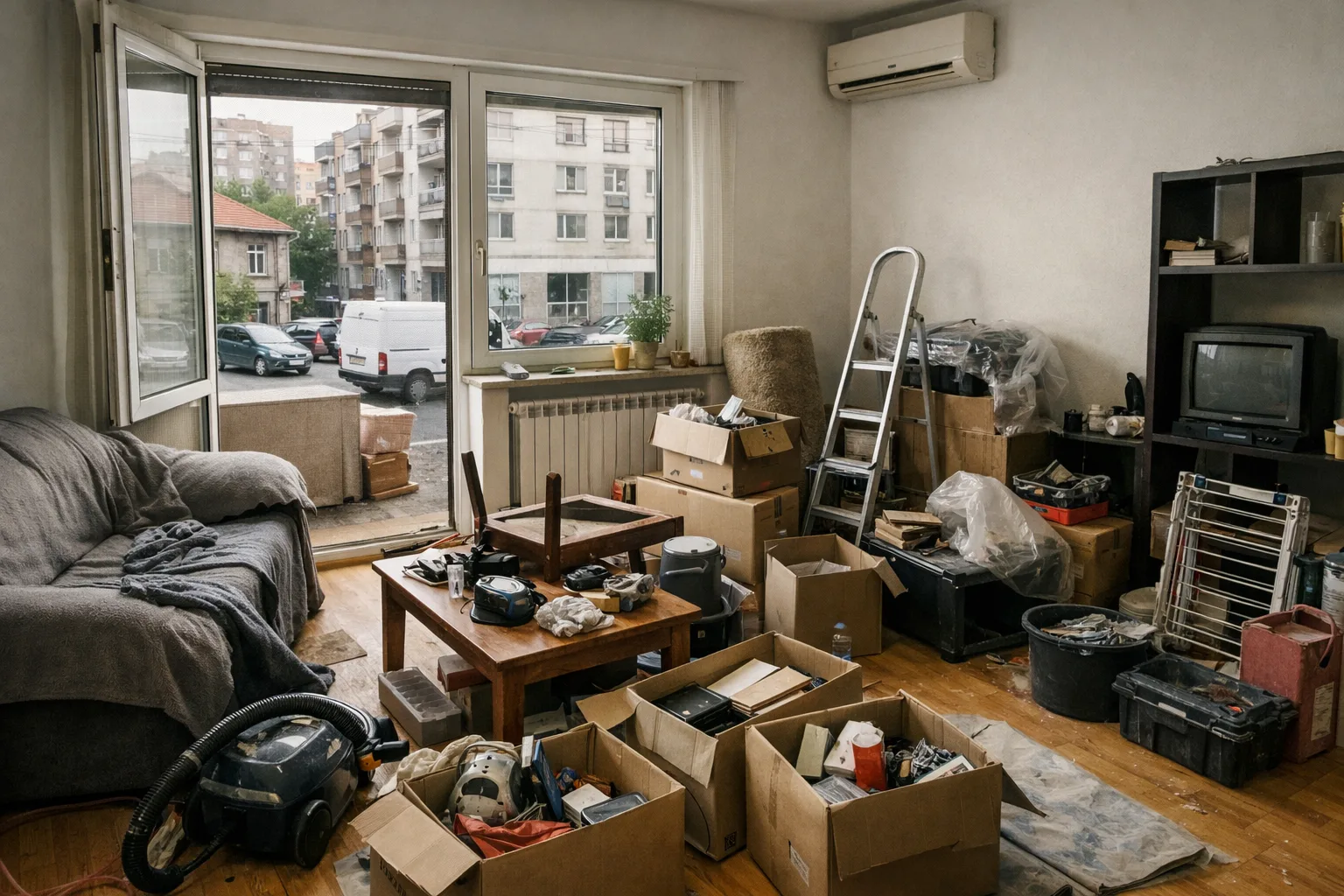
Why Is Storing Your Belongings a Good Solution for Home Renovation?


We will respond to you as soon as possible.
Below we answer specific questions that often arise during warehouse space organization to further assist you in this process.
To maximize a small warehouse space, focus on vertical organization by using tall shelves and wall-mounted racks. Use stackable boxes and choose multifunctional storage systems. Also, regularly sort and remove unnecessary items to keep the space organized and functional.
In humid warehouses, metal shelves with anti-corrosion protection or PVC/plastic shelves that do not absorb moisture are recommended. Wooden shelves are not ideal as they can rot and deform. It is also important to maintain good ventilation to reduce humidity.
Effective labeling of boxes includes using clear, durable labels with precise descriptions of contents, preferably with numbering or color-coding for different categories. Digital records can further assist in tracking the contents and locations of boxes within the warehouse.
To prevent dust accumulation, regularly clean the space and use boxes with lids or closed shelves. Also, maintain good ventilation and, if necessary, use partitions or glass cabinets for sensitive items. Regular hygiene maintenance reduces wear and damage to goods.
Organize the warehouse by sorting items by category, type, and frequency of use. Create zones or sections for each category and use colors or labels for easier identification. Accessible shelves for frequently used items and less accessible ones for rarely used items help achieve efficient organization.
Safety measures include maintaining shelf stability, ensuring free aisles and exits, proper storage of flammable materials, posting safety signs, and regular employee training. It is also important to regularly check and maintain the technical condition of equipment and comply with occupational safety regulations.
Digital tools enable precise inventory tracking, recording the location of each item, generating reports, and analyzing stock status. This reduces errors, increases efficiency, and facilitates decision-making for space optimization and procurement of new stock.