
Storage Tips
5 Reasons to Rent Storage While Renovating Your Apartment
5 Reasons to Rent Storage While Renovating Your Apartment

Enter at least 3 characters.
Storage has become an indispensable part of modern life, whether due to moving, renovations, temporary lack of space, or organization. People store various items, but there are categories of belongings that are most frequently kept in storage. Understanding what and how to store helps preserve your items in good condition, save space, and facilitate later use. In this guide, we will thoroughly present the most common items people store, with practical tips and examples for efficient and safe storage. In addition to basic recommendations, we will provide extra advice on space organization and damage prevention to keep your belongings protected and easily accessible during storage.
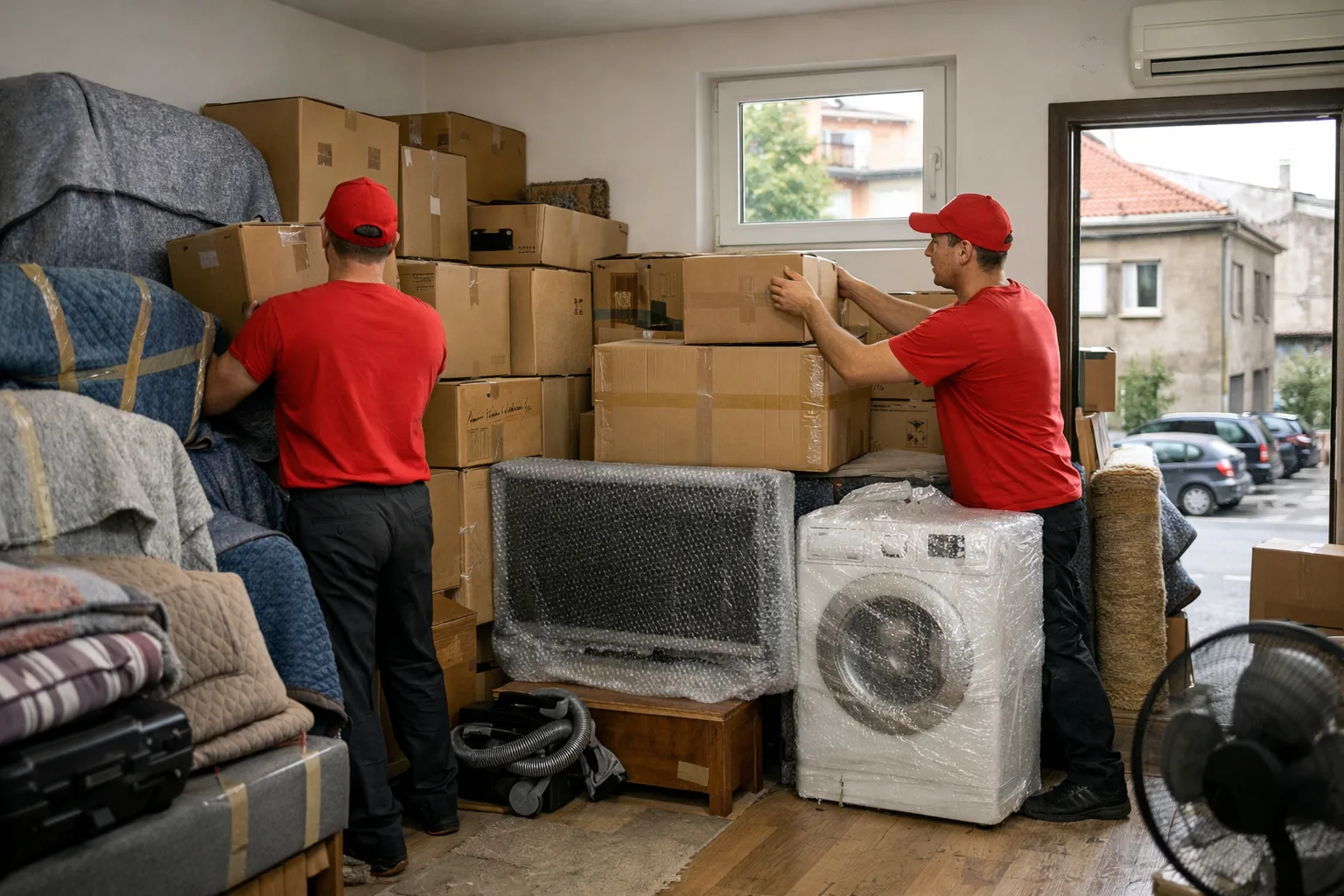
One of the most common categories of items people store is furniture and household appliances. It often happens that during moving, renovations, or changing apartments, there is a need to temporarily store furniture. Items such as tables, chairs, sofas, and wardrobes require careful handling and protection to avoid damage. Priority should be given to using protective films, blankets, or specialized covers, especially for sensitive materials like leather or wood.
For household appliances such as refrigerators, washing machines, or televisions, it is important to thoroughly clean and dry them before storage to prevent mold and unpleasant odors. It is also recommended to store appliances upright and in a place with stable temperature, away from moisture and direct sunlight. Proper labeling of packages and recording contents will make later retrieval easier.
If you do not have suitable storage space for these items at home, professional warehouses or storage facilities with controlled temperature offer a secure solution. Additionally, when transporting furniture and appliances, hiring experts reduces the risk of damage and simplifies the entire process.
Furthermore, it is recommended to leave some space between furniture pieces during storage to allow air circulation and prevent moisture buildup, which can cause material damage. For wooden furniture, occasional application of protective waxes or oils can help preserve the surface during long-term storage. Also, for appliances with moving parts, such as refrigerators or air conditioners, it is important to unplug them and ensure ventilation openings are not blocked.
When storing furniture and appliances, pay attention to safety – place heavier items at the bottom and lighter ones on top to prevent tipping and damage. Also, if possible, use pallets or platforms to avoid direct contact with the floor, especially in rooms that may be damp.
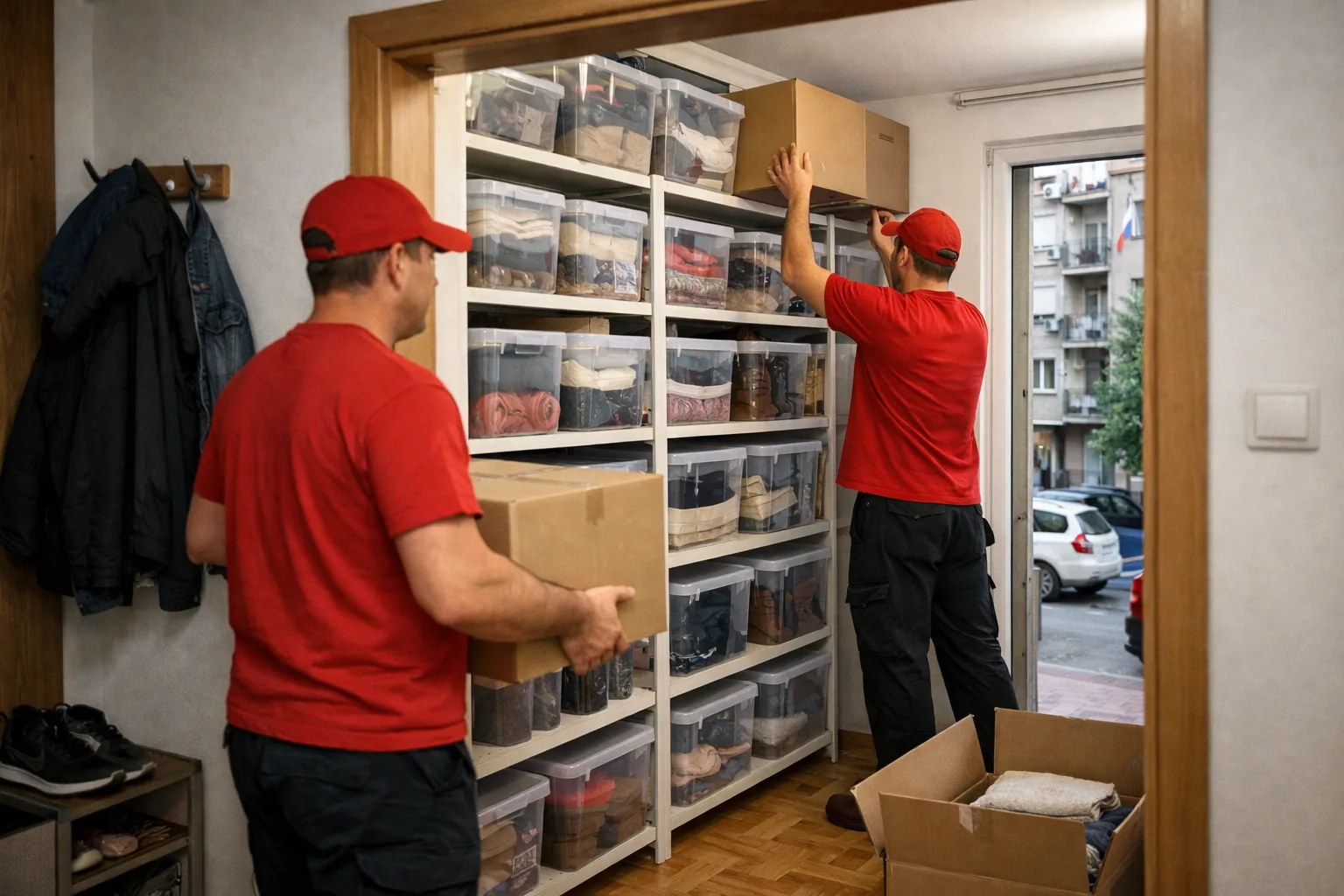
Seasonal clothing and footwear are among the most commonly stored items, especially during transitional periods of the year. For example, winter jackets, boots, and sweaters are usually packed and stored during summer, while summer clothes are stored in winter. Proper storage of seasonal clothing extends its lifespan and protects materials from damage.
For storing clothing, it is recommended to use airtight plastic boxes or vacuum bags that save space and protect against dust and moisture. Clothes should be washed and dried beforehand to avoid mold and unpleasant odors. Additionally, footwear can be protected by inserting paper fillers or special inserts to maintain their shape during storage.
It is important that the storage space is dry, ventilated, and protected from direct sunlight. In case of long-term storage, periodically check the condition of the clothes and footwear, as well as the environment in which they are stored, to prevent any damage.
Furthermore, it is recommended to store clothing in a place with a constant temperature, as large temperature fluctuations can damage fibers and colors. For clothing made of natural materials, such as wool or cotton, it is useful to use natural moth repellents like lavender or cedarwood to prevent damage.
When it comes to footwear, especially leather models, it is recommended to apply protective creams before storage and to keep them in original boxes or cloth bags that allow the material to breathe. Also, footwear should be stored in a place where it will not be exposed to pressure or deformation to maintain its shape.
Documents and personal items belong to the category of objects that people store with exceptional care, as they often hold great importance. This includes contracts, certificates, passports, as well as personal mementos like photographs and letters. When storing these items, ensuring security and protection from damage and loss is crucial.
It is recommended to keep important documents in waterproof and fireproof folders or safes to protect them from adverse conditions such as moisture, fire, or physical damage. Digitizing documents is an additional security measure – scanning and storing copies in secure locations can prevent permanent loss.
For personal items and keepsakes, it is important to use boxes with appropriate protection and to store them in places not exposed to direct light or high humidity. This preserves their authenticity and prevents deterioration, which is especially important for antique items and photographs.
Additionally, it is recommended to keep a detailed inventory of all stored documents and personal items, including storage dates and locations. This can be very helpful in case of a quick search or during a move.
Also, for added security, consider using safes with combination locks or digital access, as well as regularly checking the condition of stored items to detect any issues such as moisture or damage in time.
Electronics and technical equipment are common items for storage, especially when relocating, upgrading, or temporarily not in use. These include computers, phones, printers, audio devices, and other equipment that require special care during storage.
Before storage, devices should be turned off, cleaned, and, if possible, separated from cables and accessories. It is useful to keep them in original boxes or specialized boxes with foam inserts that protect against shocks and vibrations. Also, batteries should be removed when possible to avoid leakage and device damage.
Temperature and humidity in the storage area must be controlled, as extreme conditions can damage electronic components. Access to devices should be neatly organized and labeled so you can easily find the needed equipment without rearranging.
Additionally, it is recommended to store electronic devices in places not exposed to direct sunlight, as UV rays can damage plastic and rubber parts. Also, regularly check the condition of devices and, if necessary, turn them on briefly to verify functionality and prevent long-term component stagnation.
For devices with sensitive screens, such as laptops and tablets, it is recommended to use protective cases or covers and to place them on flat and stable surfaces. If possible, store them in rooms with controlled humidity between 30% and 50%, which is optimal for preserving electronic components.
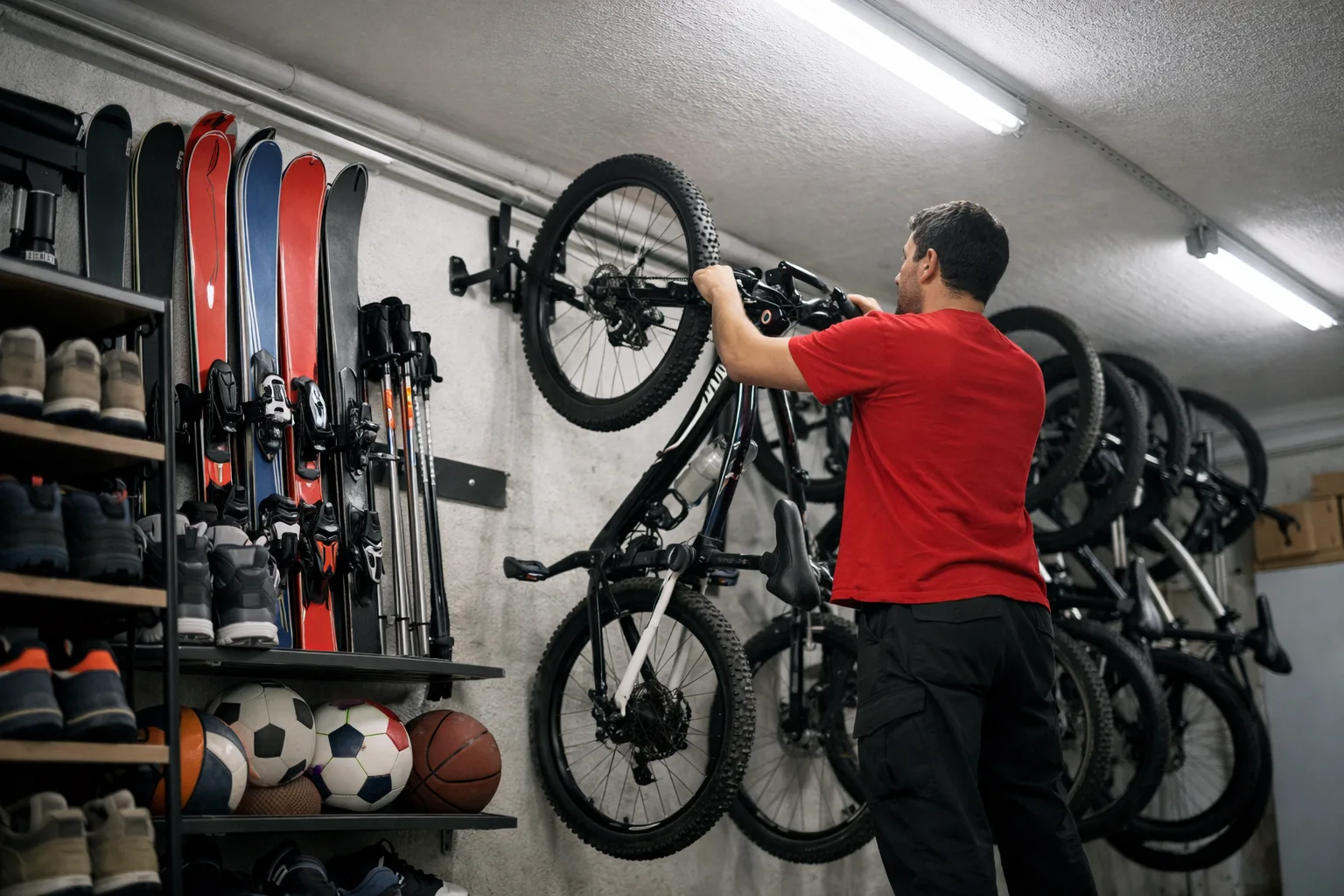
Sports equipment is another category of items that people often store, especially during seasonal intervals or when moving. This includes bicycles, skis, balls, sneakers, sports jackets, and other gear that takes up a lot of space.
For proper storage of sports equipment, it is important to clean and dry it beforehand to prevent corrosion, mold, or unpleasant odors. For example, bicycles should be lubricated and protected from moisture, while skis should be stored in places where they will not be exposed to high temperatures or direct sunlight.
Organizing storage space for sports equipment can include shelves, racks, or special boxes that save space. This way, you will have a tidy area and quickly find your equipment when needed. Additionally, regularly checking the condition of the equipment extends its lifespan and ensures safe use.
Furthermore, for bicycles, it is advisable to use stands or hooks for hanging, which saves space and prevents damage to tires or frames. Also, for skis and snowboard equipment, using special bags or covers can further protect the gear from dust and mechanical damage.
For sports shoes and clothing, it is recommended to store them in well-ventilated areas to prevent unpleasant odors and bacterial growth. Occasional airing and cleaning of the equipment contribute to its long-lasting preservation and readiness for use.
Books, magazines, and various documentation related to hobbies and collections are common items stored, especially when there isn’t enough space for permanent display. These items require special care due to their sensitivity to moisture and light.
When storing books and papers, it is important to use acid-free boxes or special plastic containers that prevent moisture penetration. Books should be placed upright with enough space to avoid bending or damage. Additionally, the storage area should be dry, cool, and darker to prevent damage to covers and pages.
For hobby-related documentation, such as card collections, comics, or manuscripts, additional protection in plastic sleeves and special folders is recommended. Organizing and labeling these materials allows for easier retrieval and preservation of value.
Additionally, regular airing of the storage space and periodic inspection of books and documents are advised to prevent mold formation and moisture damage. If possible, avoid storing items in basements or places with fluctuating temperatures.
For collectible items like comics or rare books, consider using specialized boxes with UV protection and humidity control. Also, maintaining detailed records of the collection can help preserve value and facilitate management during storage.
Kitchen utensils and cookware are often stored during moves, renovations, or when reducing kitchen space. These items vary widely—from plates, glasses, pots to specialized cooking appliances and devices.
Proper packing of kitchen utensils is crucial to prevent breakage and damage. Thin and fragile items, such as glassware and plates, should be wrapped in paper or bubble wrap and carefully placed in boxes. Heavier items like pots and pans can be placed at the bottom of boxes or in separate containers, but it is important that items do not shift during transport.
For long-term storage, it is recommended that boxes be clearly labeled and that utensils be kept in a dry place. Regularly checking the condition of dishes and utensils helps maintain hygiene and functionality.
Additionally, using special dividers or covers for utensils is recommended to prevent scratching and surface damage. For glassware, placing paper or sponge pads between plates can further reduce the risk of breakage.
If storing electrical kitchen appliances, such as mixers or toasters, it is important that they are cleaned and dry before packing. Keep them in original boxes or boxes with appropriate protection and avoid storing them in places with high humidity or direct sunlight.
Children’s items and toys are a specific category that requires special attention during storage. For the safety of children and hygiene reasons, it is important that toys are properly cleaned and organized before being stored for an extended period.
Soft toys should be thoroughly washed and dried, then stored in breathable boxes or bags that prevent moisture buildup. Plastic or electronic toys should be cleaned and batteries checked, with batteries preferably removed before storage. Toys should also be organized by type and size to facilitate access and maintain order.
The storage area for children’s items should be safe, dry, and free from direct sunlight. Regular inspection and cleaning of the space prevent mold and harmful microorganisms, preserving children’s health and extending the lifespan of toys.
Additionally, it is recommended to use boxes with lids that close easily to protect toys from dust and insects. For electronic toys, regularly check the condition of cables and batteries to prevent damage or leakage.
Also, organizing toys by categories and frequency of use can help maintain order and make it easier to find needed items. Consider labeling boxes or using transparent containers for quick content identification.
5 Reasons to Rent Storage While Renovating Your Apartment
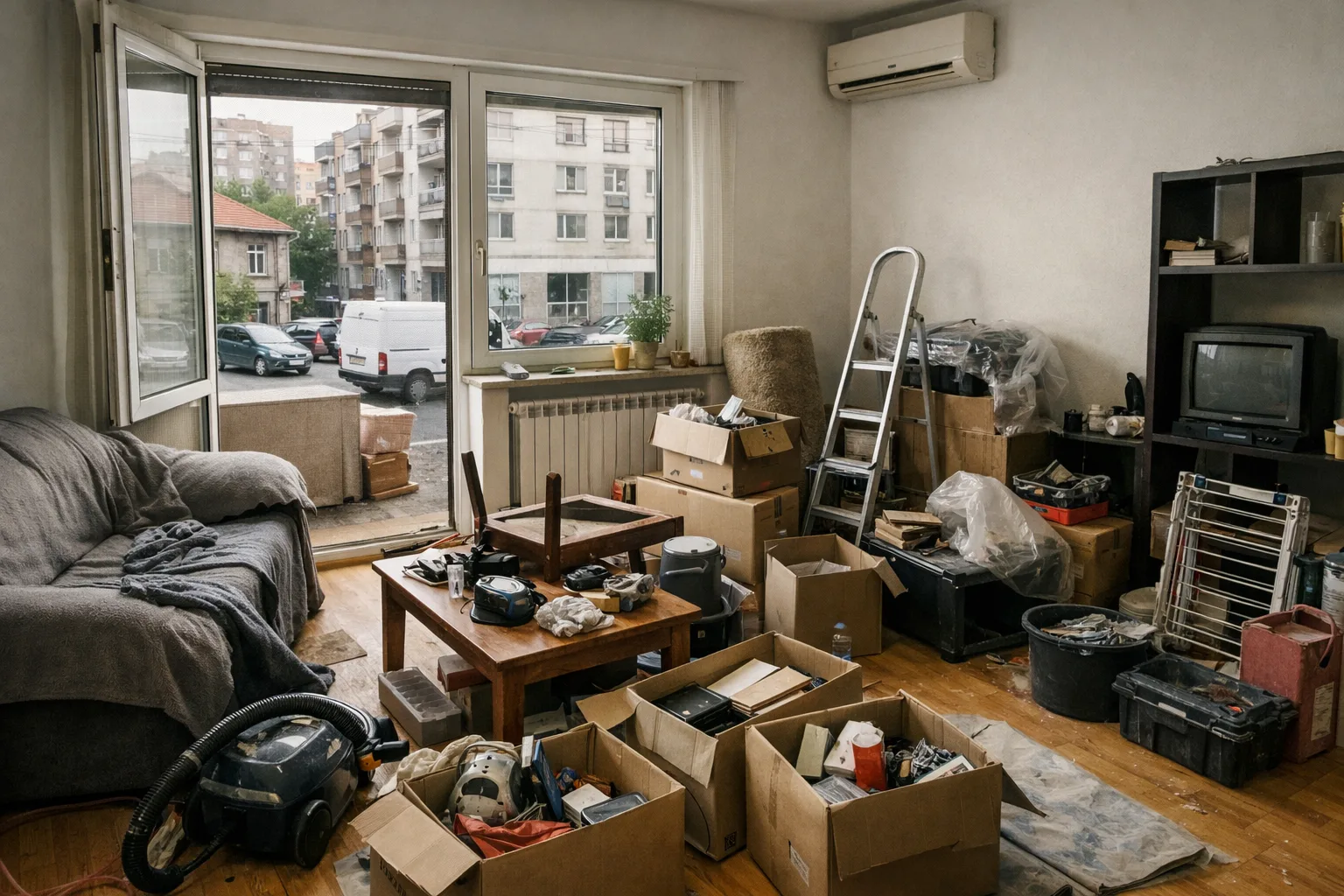
Why Is Storing Your Belongings a Good Solution for Home Renovation?
We will respond to you as soon as possible.
Below are answers to the most common questions related to storing items people usually keep, with tips for addressing specific issues and concerns.
To prevent moisture and mold, thoroughly wash and completely dry clothes before storage. Use airtight plastic boxes or vacuum bags that protect against moisture. Store clothes in a dry, ventilated space, and if necessary, add moisture absorbers such as silica gel packets.
Electronic equipment should be stored in original or specialized boxes with foam inserts that cushion shocks. Remove batteries if possible and keep devices in a place with stable temperature and low humidity. Avoid direct sunlight and dust.
Before storage, clean and dry footwear. Insert paper insoles or special shoe trees to maintain shape. Store them in breathable boxes or cloth bags in a dry place. Avoid plastic bags that can trap moisture.
Keep important documents in waterproof and fireproof folders or safes. Digitize them by scanning and save copies in secure locations. Avoid storing them in places with moisture or large temperature fluctuations.
Use wall mounts, shelves, or specialized racks for storing sports equipment. Clean and dry equipment before storage. Grouping by type and size helps use space more efficiently and makes items easier to find.
Before storage, thoroughly wash and dry toys. Store soft toys in breathable boxes, and plastic or electronic toys without batteries. The storage area should be dry, clean, and free from direct sunlight.
Pack fragile items individually in paper or bubble wrap. Boxes should be sturdy and carefully packed without empty spaces that allow movement. Place heavier items at the bottom and lighter, fragile ones on top. Label boxes with warnings about fragile contents.