
Storage Tips
5 Reasons to Rent Storage While Renovating Your Apartment
5 Reasons to Rent Storage While Renovating Your Apartment

Enter at least 3 characters.
Storing items can be an extremely useful solution for keeping belongings you are not currently using, but not every item is suitable for storage. Inappropriate storage conditions can lead to damage, spoilage, or even safety hazards. Some items can damage other belongings, be dangerous, or deteriorate due to storage conditions such as fluctuating temperatures, humidity, or lack of ventilation. In this guide, you will learn which items should never be kept in storage and why, so you can avoid unwanted problems and keep your belongings in good condition. We will also provide practical tips for proper storage and alternative solutions for items that require special care.
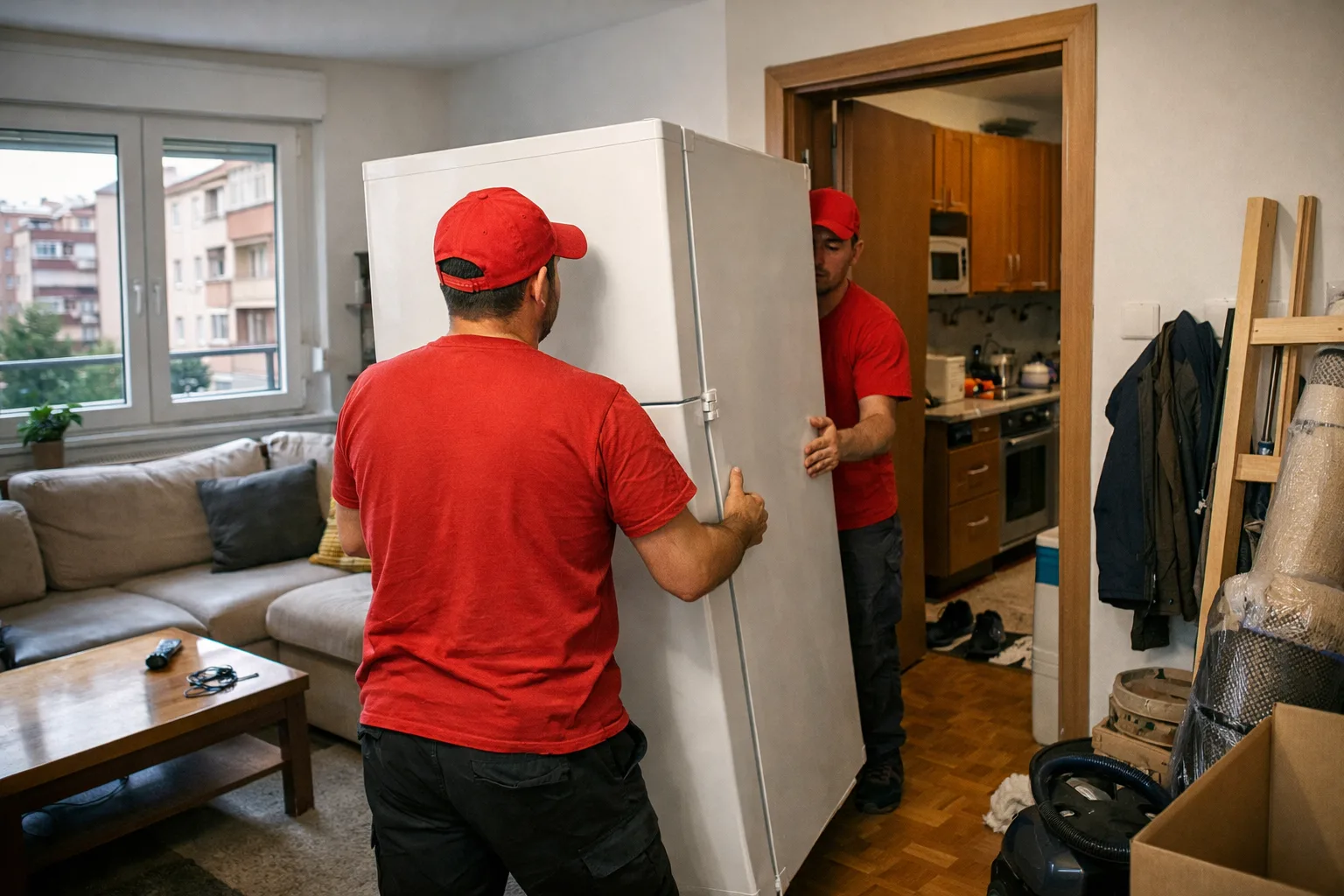
There are many items you must not keep in storage. Although every storage facility will explain what you can and cannot store with them, it is important that you know this as well. Sometimes you might think something isn’t that dangerous, but the storage staff will certainly warn you. Many of these items have actually caused problems before, which is why they are on the “blacklist.” Despite this, storage is a very useful and practical solution. The agency Moja Selidba offers a wide range of different storage options for all purposes.
You must be very cautious with chemicals and never leave them unattended.
It is clear that anything that can cause a fire or similar accident must not be left unattended. Items you must not keep in storage are those that can cause an accident, explosion, or similar disaster – this must be the top priority:
In furniture storage, storing food and beverages is not allowed, regardless of whether they are perishable or non-perishable and regardless of their packaging. The storage is intended for furniture and other permitted items, not food products.
Before bringing items in, it is necessary to remove all the listed products. Food and drinks should be stored exclusively in designated areas, while only clean, dry, and storage-appropriate items should be brought into the furniture storage.
One of the most important pieces of advice is to never keep flammable or explosive materials in storage. This includes gasoline, solvent-based paints, gas cylinders, firecrackers, and similar items. These materials are very dangerous and can cause fire or explosion under inappropriate conditions, endangering the storage facility, your belongings, and people's safety.
Storage facilities usually do not have special fire protection conditions required for such materials. Even if contained in closed bottles or containers, high temperatures or leaks can lead to serious consequences. Therefore, it is important to store these items only in designated and approved locations. Also, avoid storing flammable materials near heat sources or unprotected electrical installations.
An example is gasoline for chainsaws or paints left after renovation. Instead of keeping them in storage, store them in well-ventilated garages or specialized rooms, following regulations for storing flammable materials. Regularly check packaging and remove old or damaged materials to prevent accident risks.
Practical advice: If you must transport flammable materials to storage, use original, leak-proof, and properly sealed containers and never leave them in a vehicle at high temperatures. Also, regularly inspect packaging condition and immediately remove damaged or leaking materials. Inform storage staff about the presence of these materials and adhere to all safety measures.
No type of food or drink is allowed in our storage facility, without exception. The ban applies to fresh, dry, canned, frozen, and long-lasting food items, as well as all beverages. It does not matter whether the product is opened or factory sealed, nor whether it is in a jar, can, bag, carton, vacuum, or hermetically sealed packaging.
Even canned products and long shelf-life food items can attract pests or, if the packaging is damaged, cause unpleasant odors and soil belongings. To protect furniture, textiles, and other items, the rule is simple: food and drinks are not allowed in the storage under any circumstances.
If you have excess food or drinks, set them aside before packing your belongings for storage. You can consume, donate, or dispose of the food properly. Use only designated food storage areas for keeping groceries, not furniture storage.
Practical tip: Before handing over your items, check all boxes, bags, and kitchen appliances to ensure no food, drinks, crumbs, or food residues remain inside. Pay special attention to containers, drawers, and bag pockets. Neither hermetically sealed nor vacuum-packed food is allowed.
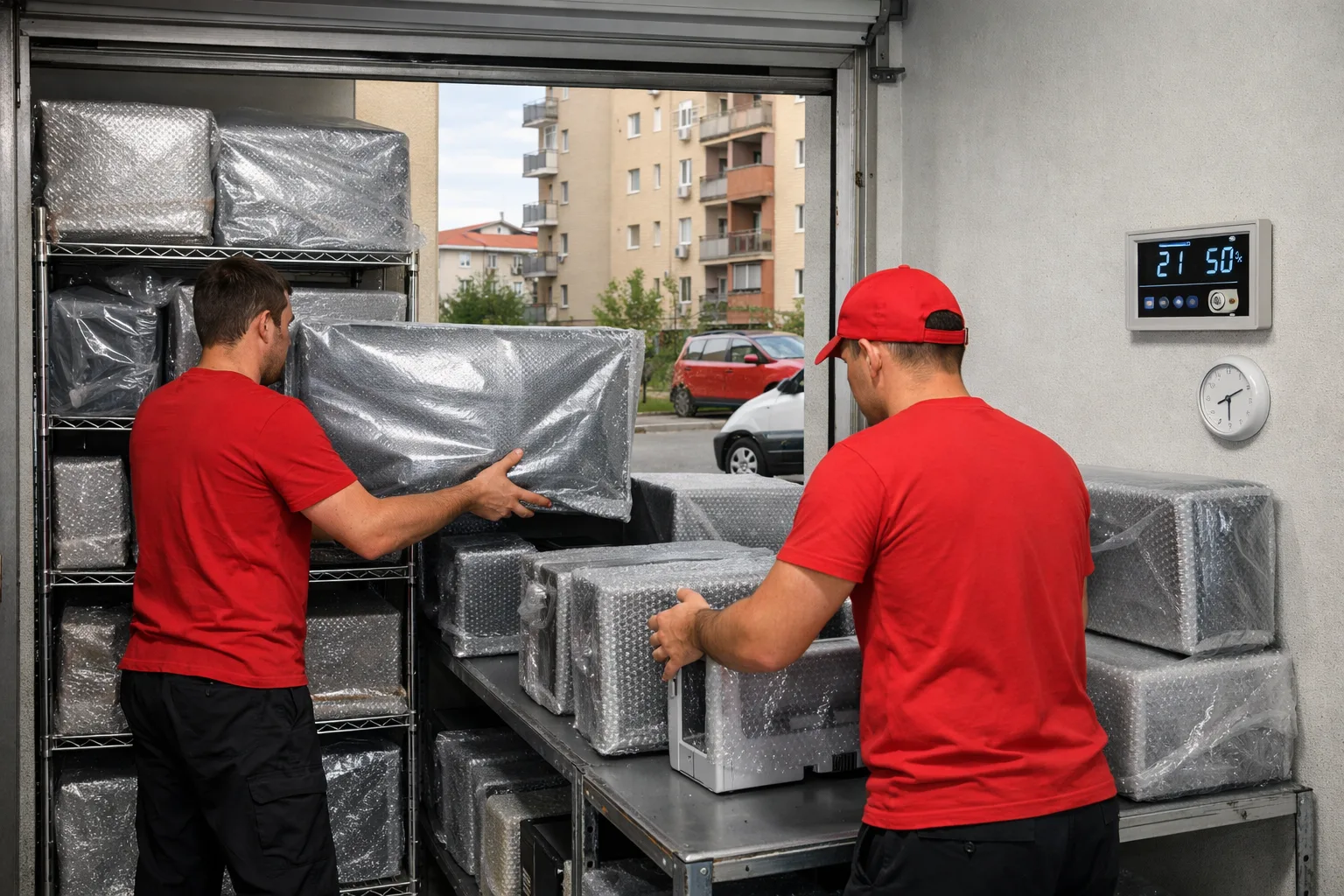
Electronic devices are sensitive to moisture, dust, and temperature fluctuations. If left in a regular storage unit without additional protection, they can quickly become damaged or completely malfunction. Prolonged exposure to unfavorable conditions can cause corrosion of metal parts and failures in electronic components.
It is important to pack electronic equipment in waterproof and anti-static materials and store them in places where temperature and humidity are not extreme. Also, batteries should be removed to prevent leakage and damage. If possible, storage in climate-controlled rooms or using humidity regulation devices is recommended.
Examples include televisions, computers, audio equipment, and household appliances. If the storage facility lacks climate control, it is better to consider alternatives or special storage conditions. Also, regularly check the condition of the equipment and packaging to detect any issues early.
Practical tip: Before storage, clean devices from dust and moisture. Use silica gel packets inside boxes to absorb moisture. Pack electronic equipment in original packaging if available or in specialized moving boxes with shock protection. Regularly check the storage conditions and use humidity control devices if necessary.
Live plants and animals are not suitable for storage. Storage facilities are usually not climate-controlled to provide adequate conditions for their survival and well-being. Lack of light, water, and appropriate temperature can quickly lead to death or deterioration.
Plants may wilt due to lack of light and water, while animals can suffer from stress, hunger, thirst, and illness. Additionally, the presence of living beings can cause damage to the space and other stored items, as well as spread unpleasant odors or diseases.
If you need to store plants or animals, seek specialized services or caretakers who can provide the necessary conditions. Do not attempt to leave them in regular storage as it can be harmful both to them and your belongings.
Practical tip: For plants that must be temporarily stored, choose rooms with natural light and water them regularly. For animals, always use professional pet transport services with adequate conditions and veterinary care. Never leave animals unattended or in unsuitable conditions.
Documents such as passports, ID cards, contracts, certificates, and other important papers should not be kept in regular storage without proper protection. Moisture, dust, and damage can irreversibly compromise their integrity, potentially leading to loss or illegibility of critical information.
It is recommended to store these documents in waterproof and fireproof safes or boxes, or use digital copies as a backup option. Also, never leave important documents in places with a high risk of theft or damage. Digitizing documents allows quick and secure access in case the originals are lost.
If you must store them in storage, be sure to use specialized protective materials and inform the storage service about the nature of the contents. Also, keep documents away from moisture sources and direct sunlight.
Practical tip: Digitize important documents and store them on secure cloud services or external drives. Pack papers in plastic sleeves or zippered folders and keep them in metal boxes with locks. Regularly check the condition of the documents and the storage area to prevent damage.
Chemicals such as pesticides, cleaning agents, paints, adhesives, and other toxic substances must not be stored in standard storage facilities. They can emit harmful gases or leak, posing health and safety risks to everyone nearby.
Storing these materials requires special conditions, such as ventilation, specialized containers, and isolation. Failure to follow these rules can lead to contamination of the space and damage to other items. Additionally, mixing different chemicals can cause dangerous chemical reactions that threaten life and property.
Always check labels and manufacturer instructions for proper chemical storage and never store them together with food or personal belongings. If necessary, consult experts or hazardous materials management services.
Practical tip: Store chemicals in their original, tightly sealed bottles or containers, in a well-ventilated area, separate from other items. Use warning signs and inform storage staff about the presence of these substances. Regularly check the condition of packaging and immediately remove damaged or expired products.
Cheeses, fish, onions, spices, and other foods with strong odors can leave unpleasant smells on furniture, textiles, and paper. However, the ban does not only apply to strongly scented food: all food and beverages are prohibited, including products without a noticeable smell.
Non-permeable packaging is not an exception. Jars, cans, factory-sealed packages, vacuum bags, and airtight containers are also not allowed when containing food or drinks. Damaged packaging can cause leaks, odors, and pest infestations.
This applies to meat, dairy products, fruits, vegetables, flour, rice, pasta, teas, spices, canned food, sweets, and all other food items. The rule applies regardless of expiration date, quantity, or type of packaging.
Practical tip: Before the moving team arrives, separate all food products and beverages from items intended for storage. Empty and thoroughly clean kitchen appliances, containers, and utensils, then dry them before packing. No food or drinks are accepted in the storage facility, not even temporarily.
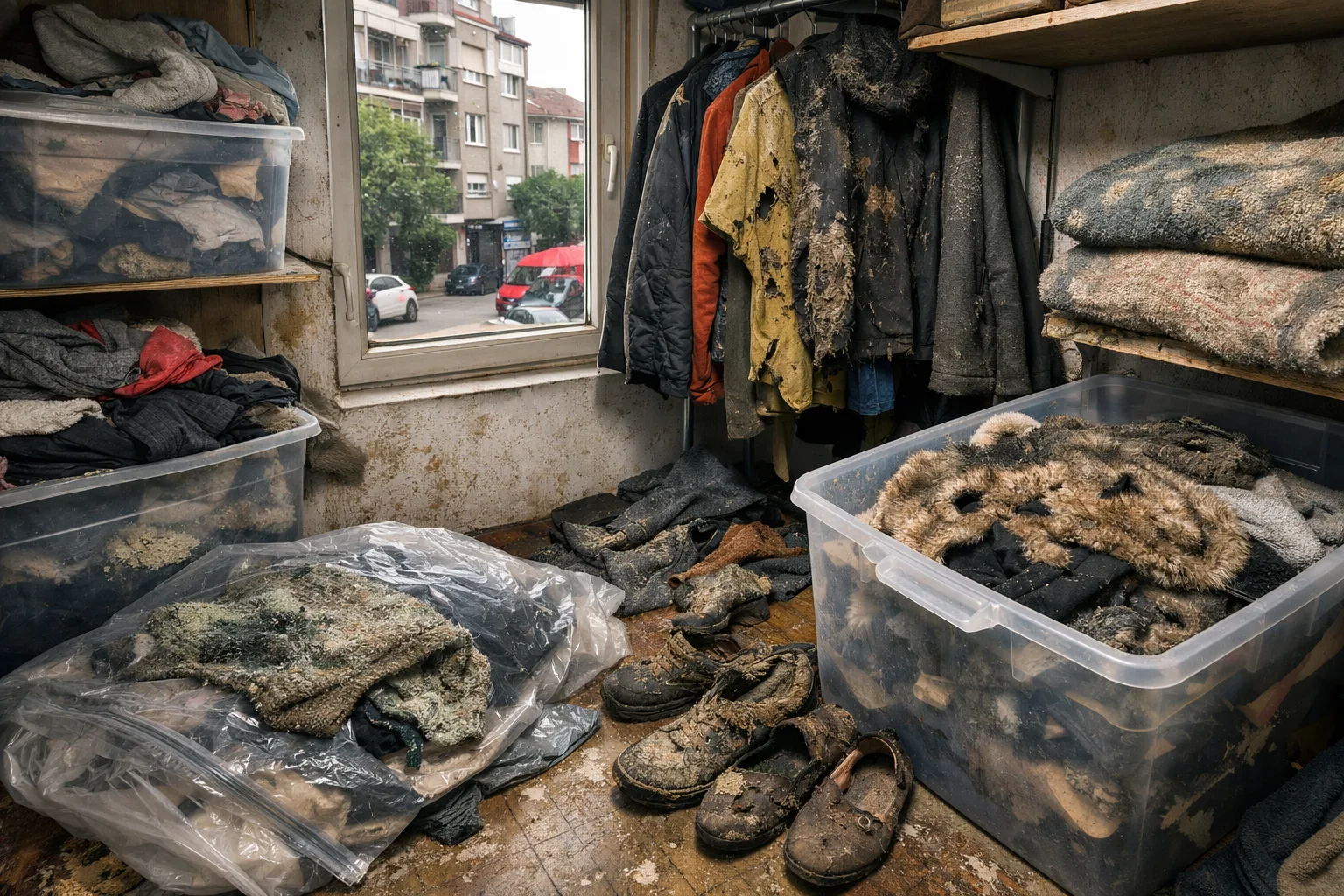
Textiles and footwear can easily be damaged by moisture, mold, moths, and other pests if not properly protected. Storage facilities often experience temperature and humidity fluctuations that are not ideal for such items, which can lead to permanent damage and unpleasant odors.
It is recommended to use vacuum bags, silica gel packets, or special boxes that protect against moisture and insects. It is also good practice to clean and dry clothing and footwear before storage to remove dirt and moisture residues that can promote mold growth.
If these measures are neglected, you may face unpleasant odors, damage, and loss of valuable items when you use them again. Additionally, pests can quickly multiply and spread to other items in storage.
Practical tip: Before storage, wash clothing, dry it completely, and pack it in appropriate protective bags. Clean and dry footwear, then stuff it with clean paper to maintain its shape. Do not place lavender, scented herbal sachets, or other organic fragrant products in the packaging, as they are not allowed in the storage facility.
5 Reasons to Rent Storage While Renovating Your Apartment
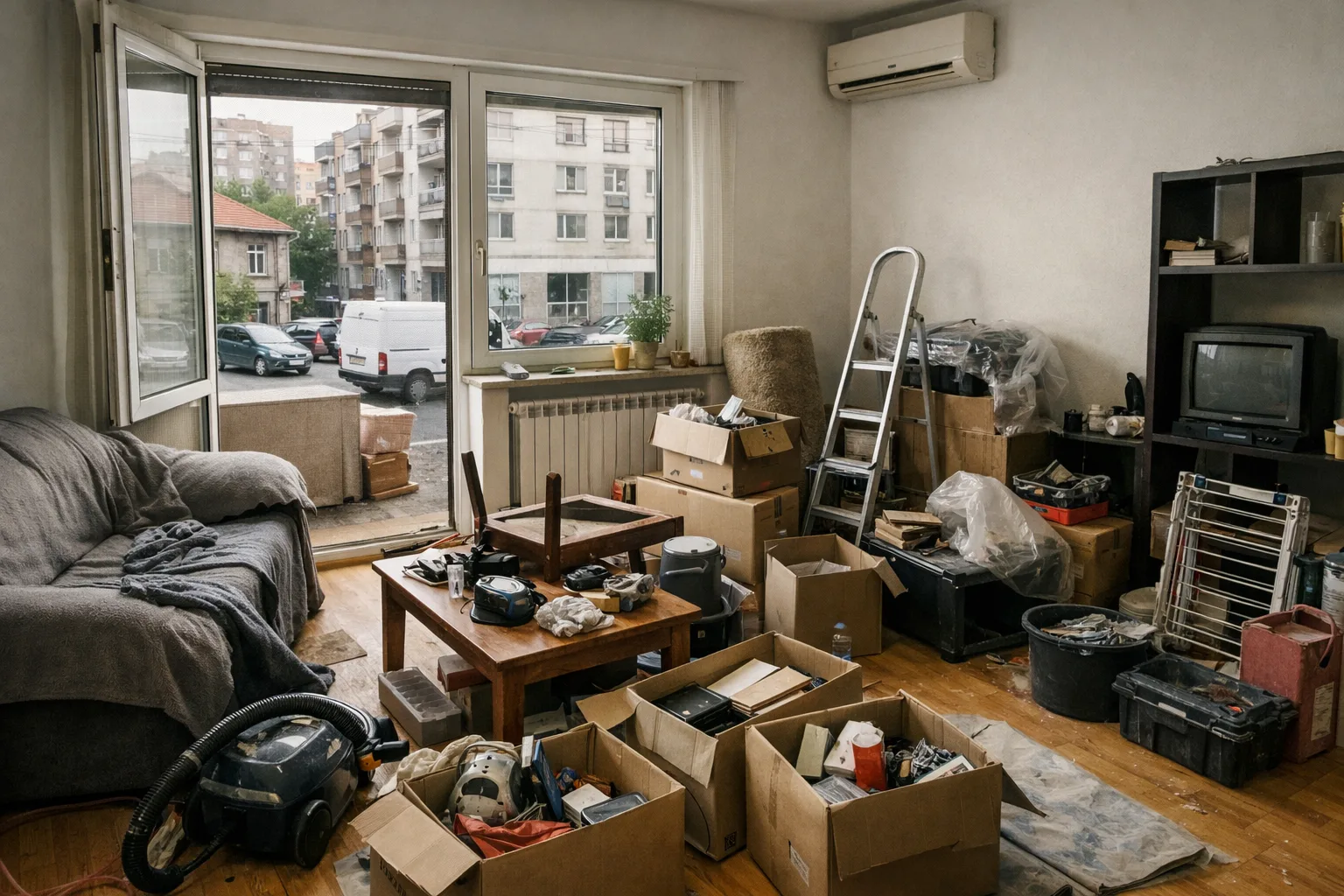
Why Is Storing Your Belongings a Good Solution for Home Renovation?
We will respond to you as soon as possible.
Below we answer the most common questions and issues related to storing items that should not be kept in storage, so you can be sure to properly protect your belongings.
Gasoline is an extremely flammable substance that can easily cause fire or explosion in storage, especially if it leaks or if the temperature rises. Storage facilities generally do not have conditions for safely keeping such materials, which is why storing gasoline is prohibited and risky.
Electronic devices should be packed in waterproof and anti-static materials, batteries removed, and stored in a place with controlled temperature and humidity. If the storage facility lacks air conditioning, consider alternative options or special containers for protection.
Regular cardboard packaging does not provide sufficient protection for clothes as it does not guard against moisture and pests. It is recommended to use vacuum bags, plastic boxes with lids, and protective moth repellents to keep your clothes in good condition.
You can donate, consume, or properly dispose of food before handing over your items. Any type of food and drink is prohibited in our storage facility, regardless of packaging, expiration date, or quantity.
Important documents should be kept in waterproof and fireproof boxes or safes. If stored in a regular storage unit without protection, they may be damaged by moisture, dust, or even stolen, which can cause significant problems in the future.
Plants and animals require specific conditions such as light, temperature, water, and food. In a storage facility that is not climate-controlled and lacks appropriate conditions, they cannot survive and will not remain in good condition.
Chemicals such as pesticides, toxic cleaning agents, paints, and adhesives should not be stored in a regular storage unit as they can leak, emit harmful fumes, and cause contamination or damage to other items and the facility.