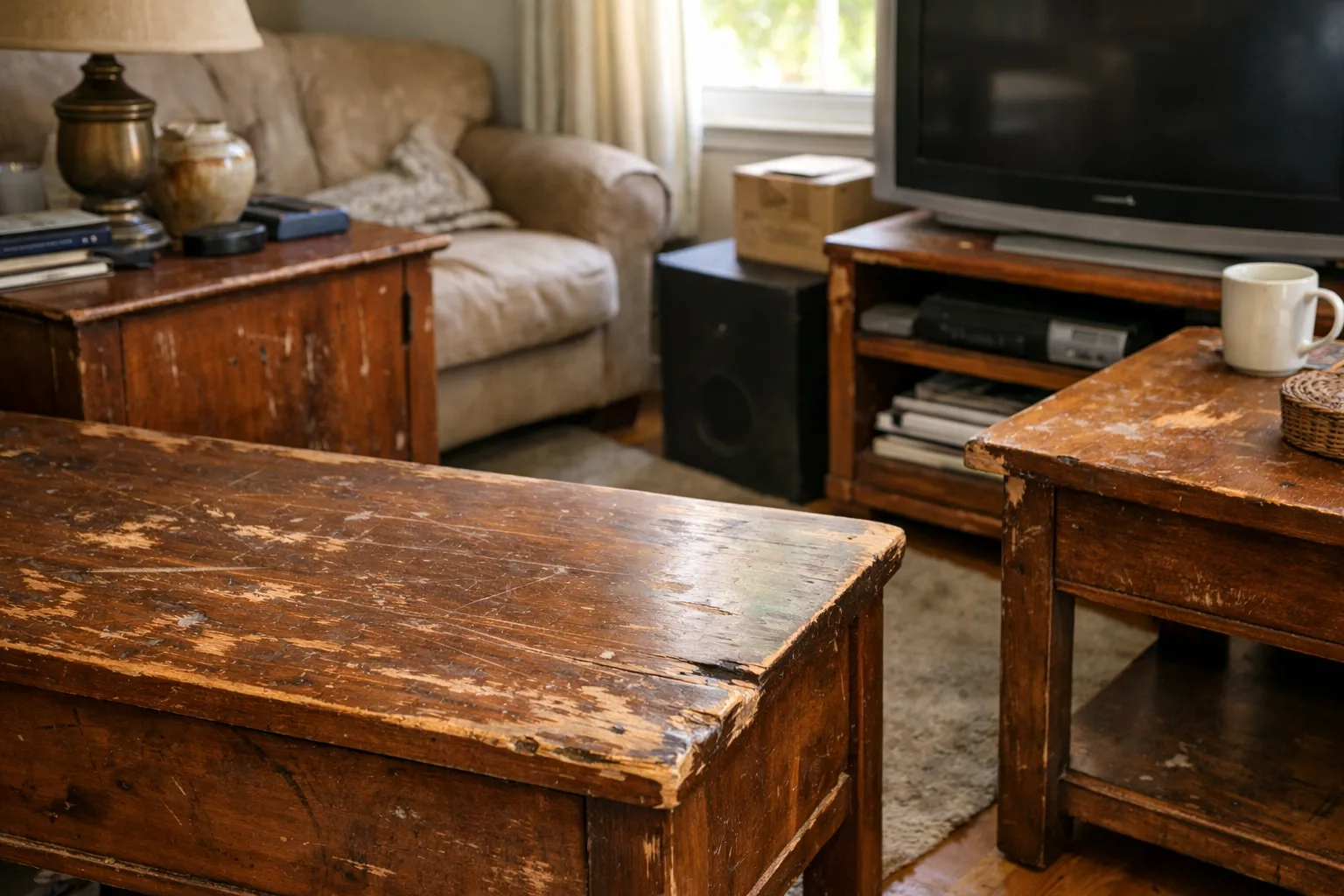
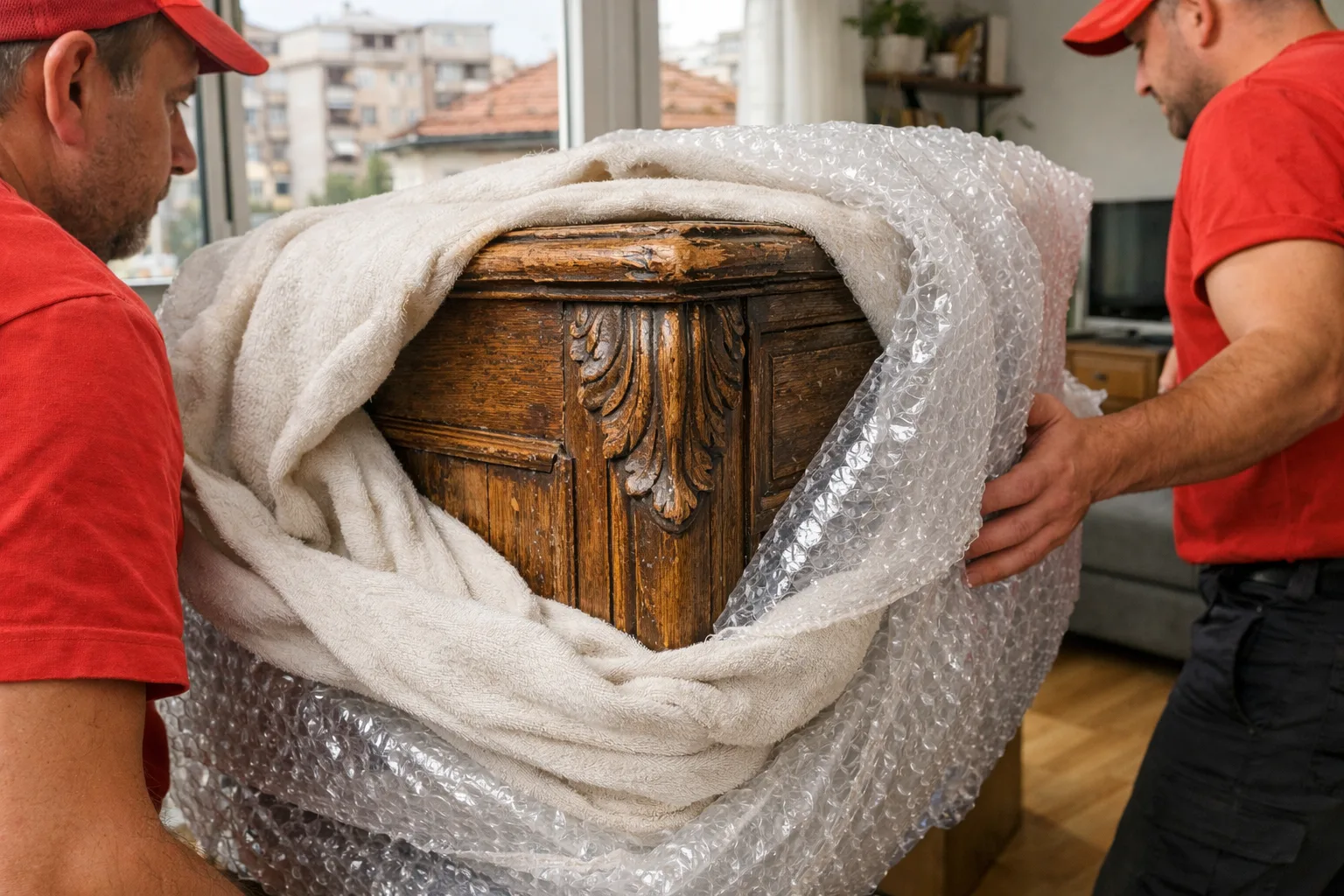
How to pack antique furniture?
How to pack antique furniture?

Enter at least 3 characters.
Moving is one of the most challenging life events that can bring a lot of stress and uncertainty. Often, people, due to fatigue or other obligations, postpone unpacking their belongings, thinking it is not urgent. However, this approach can further complicate adjusting to the new space and prolong the period of discomfort. In this guide, we will provide a detailed overview of why it is important to start unpacking immediately, how it positively impacts your daily life, as well as practical tips to help you carry out this process efficiently and without additional stress. This way, your move can become an opportunity for a fresh start, not just a source of tension and chaos. Additionally, timely unpacking allows you to better assess what you own, which is an ideal opportunity for organization and possibly getting rid of unnecessary items, creating a more functional and pleasant living space. Also, establishing order right upon arrival in your new home can significantly reduce anxiety and speed up the adaptation process, which is crucial for mental health.
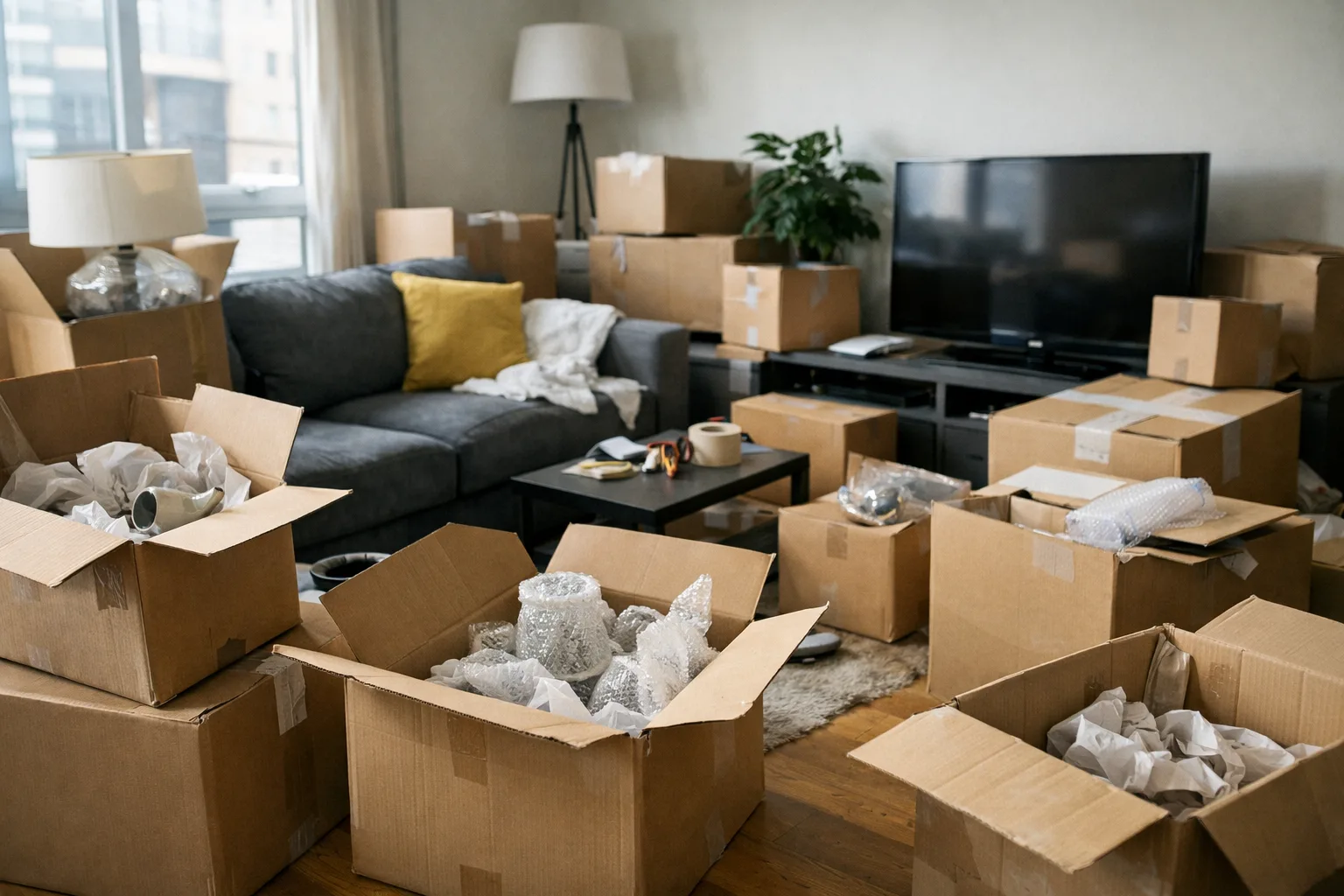
After moving, the space you inhabit may feel cold and unfamiliar, which further intensifies feelings of alienation. By quickly unpacking your belongings and placing them in appropriate spots, you create visual order that contributes to a sense of security and belonging. Favorite items, photos, or decorations you highlight in the space can have a therapeutic effect and help you emotionally connect with your new environment.
It is important to prioritize unpacking rooms you use daily, such as the kitchen, bedroom, and bathroom. For example, unpacking bedding and basic kitchen essentials immediately can help establish a routine that provides a sense of normalcy and comfort. Also, setting up lighting and curtains can further contribute to a cozy atmosphere. Don’t forget to make the space functional and comfortable, which may include arranging furniture in a way that suits you best, helping you feel at home faster.
Remember to involve family members or roommates in the unpacking process. Working together not only speeds up the process but also strengthens interpersonal relationships and creates positive memories associated with the new home. Planning unpacking by rooms or thematic groups can further simplify organization and make the space more functional. Additionally, unpacking together can be an opportunity for conversation and sharing impressions about the new space, which contributes to a better emotional connection with the home. If furniture was disassembled before transport, furniture assembly can be a separate step before final placement of items.
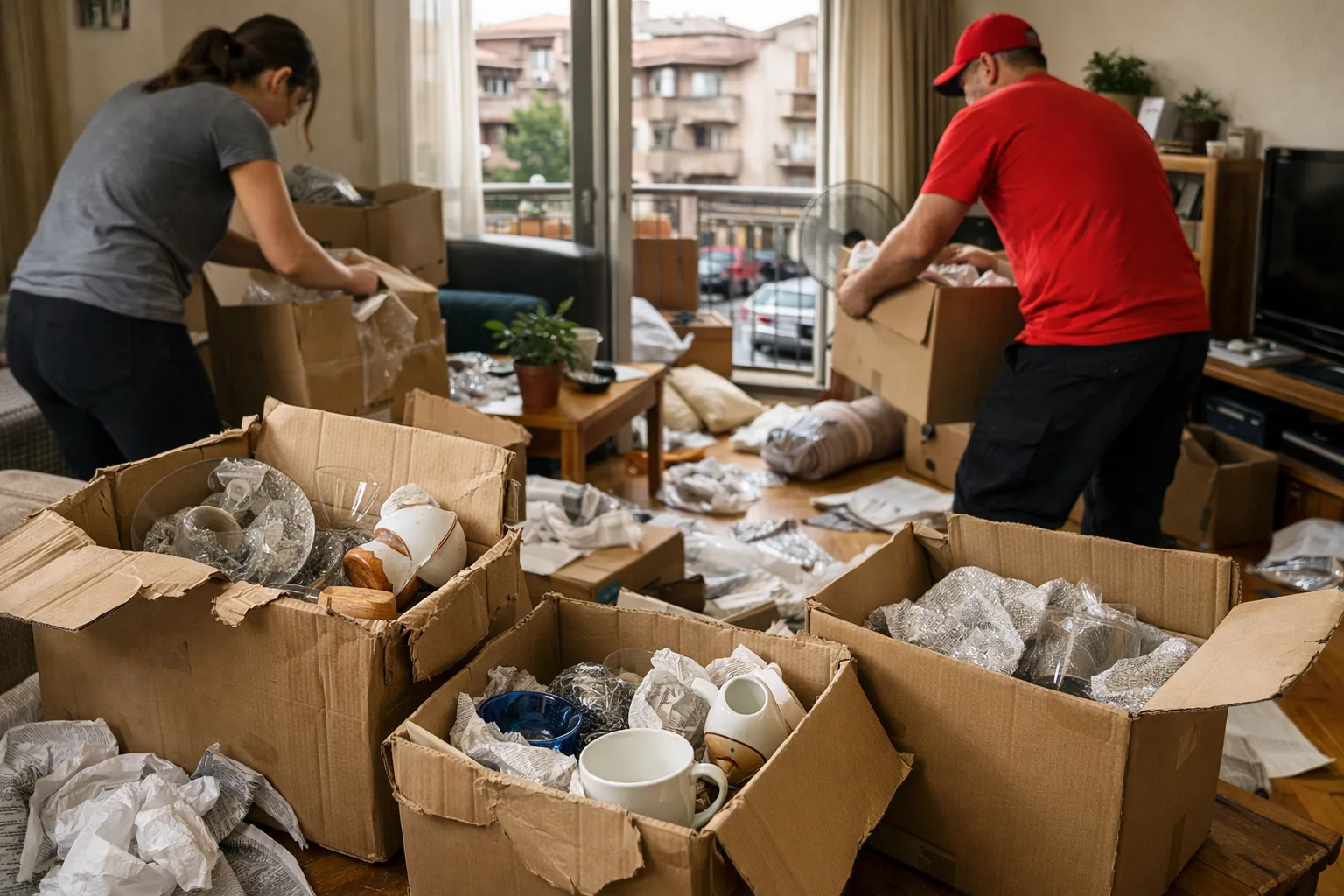
Boxes left unpacked for a long time pose a risk to the safety of your belongings. For example, fragile items like glass or ceramics should be carefully unpacked as soon as possible to avoid damage caused by improper storage or moving of boxes. Also, moisture and fluctuating temperatures in the new space can negatively affect certain materials, such as paper or textiles. Therefore, it is advisable to check the conditions in the space before unpacking and, if necessary, use moisture protection products like silica gel or dehumidifiers.
When unpacking, pay attention to the condition of each item. If you notice any damage, immediately document the issue and contact the moving company or seller to initiate a claim. This way, you can avoid additional costs and inconveniences. Also, photographing damaged items can be useful as evidence during the claim process.
An organized approach to unpacking also reduces the possibility of losing items. While unpacking, keep a record of what you have unpacked and where you placed it. Using labels and inventory lists can significantly ease finding items and reduce stress related to searching for lost belongings. Digital inventory management apps can further assist in tracking and managing your belongings during and after the move.
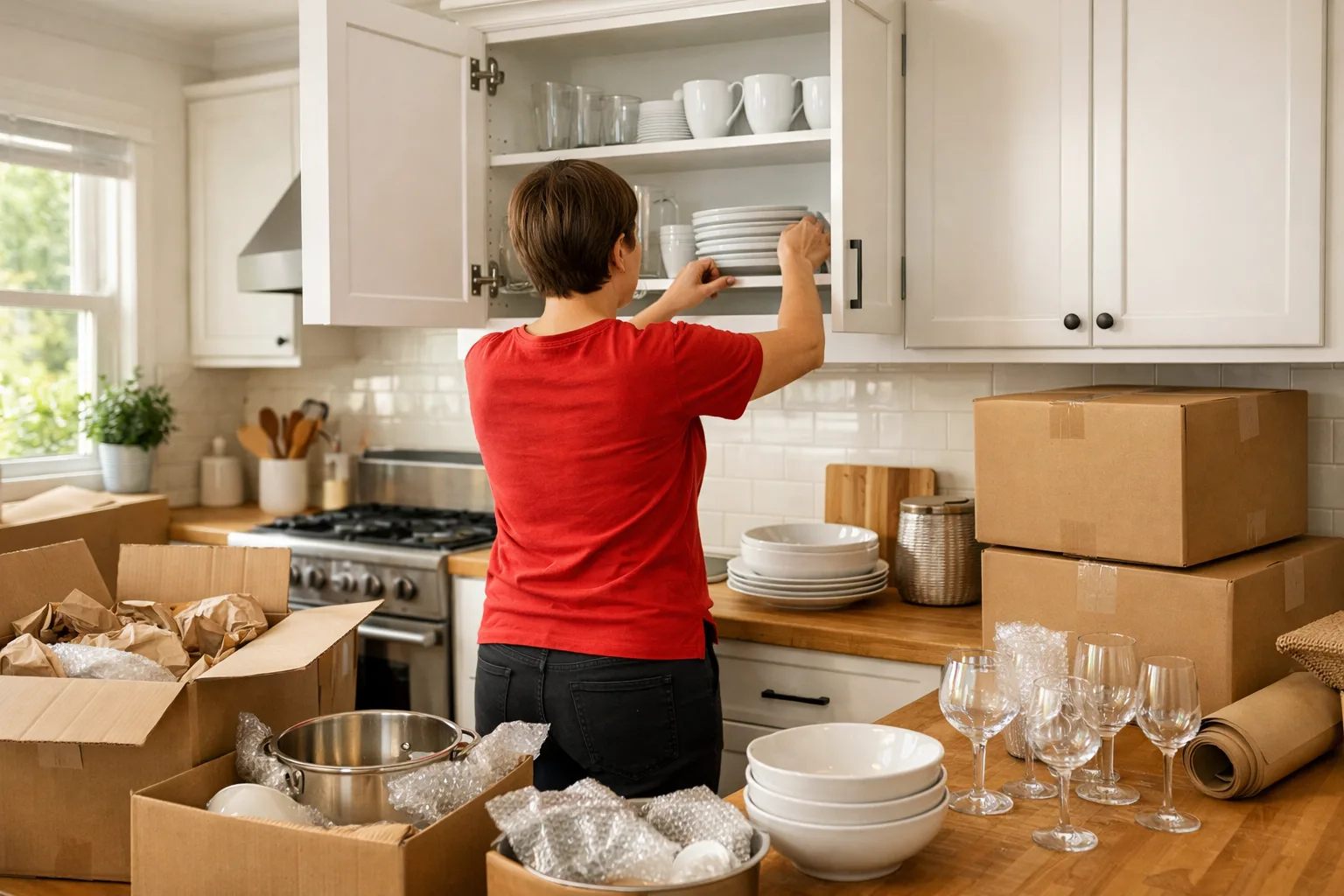
Unpacking right after moving offers the opportunity to free up space and tailor it to your needs. Before unpacking, it's advisable to create a space organization plan, considering room sizes, window and door layouts, and the intended use of each room. Sketching a layout or using digital planning tools can help visualize the optimal arrangement.
Placing items in their designated spots allows you to better assess whether you need additional furniture, shelves, or organizers. For example, if you notice a lack of drawers or storage boxes in your wardrobe, you can acquire them immediately to enhance the space's functionality. Additionally, investing in multifunctional furniture can maximize space utilization, especially in smaller apartments. For organizing this part of the process, the furniture, belongings, goods storage service can be useful, depending on your specific needs.
When unpacking clothing, it is recommended to sort garments by season and frequency of use. Using vacuum bags or organizers can also help save space and keep your wardrobe tidy. This systematic approach contributes to long-term orderliness and simplifies daily use of the space. Remember to regularly review your wardrobe contents to avoid accumulating unnecessary items.
Moving is often accompanied by feelings of overwhelm due to numerous tasks and changes involved. Unopened boxes can visually and psychologically increase this burden, creating an impression of chaos and disorganization. Starting to unpack, even in small steps, can help you regain control of the situation. It is important to focus on small victories to maintain motivation.
Setting realistic daily goals, such as unpacking one or two boxes, can make the process less stressful and encourage you to keep going. Taking breaks and rewarding yourself after completing certain tasks also helps maintain a positive mindset. Planning unpacking according to your personal rhythm and energy levels can further reduce stress.
If you feel overwhelmed, consider enlisting friends or professional help for unpacking. Sometimes external support is key to overcoming stress and establishing a new life rhythm more quickly. Additionally, relaxation techniques like deep breathing or meditation can help reduce anxiety during this period.
Boxes left unpacked on the floor or furniture can become breeding grounds for dust and dirt, making hygiene maintenance difficult. It is especially important to keep kitchen and bathroom areas tidy and clean, as bacteria and unpleasant odors can easily develop there. Timely unpacking allows these spaces to be used to their full capacity and maintain hygiene standards.
Unpacking items into their proper places allows easy access to all surfaces for regular cleaning. For example, when kitchen appliances and utensils are unpacked and organized, cleaning work surfaces becomes simpler and faster. Proper disposal of waste and recycling materials from the start also contributes to cleanliness.
Regular hygiene maintenance in the new space promotes better health for all household members and creates a pleasant living atmosphere. Proper storage of items reduces the risk of mold and other moisture-related issues. It is recommended to ventilate rooms regularly and use cleaning products suitable for the types of floors and surfaces.
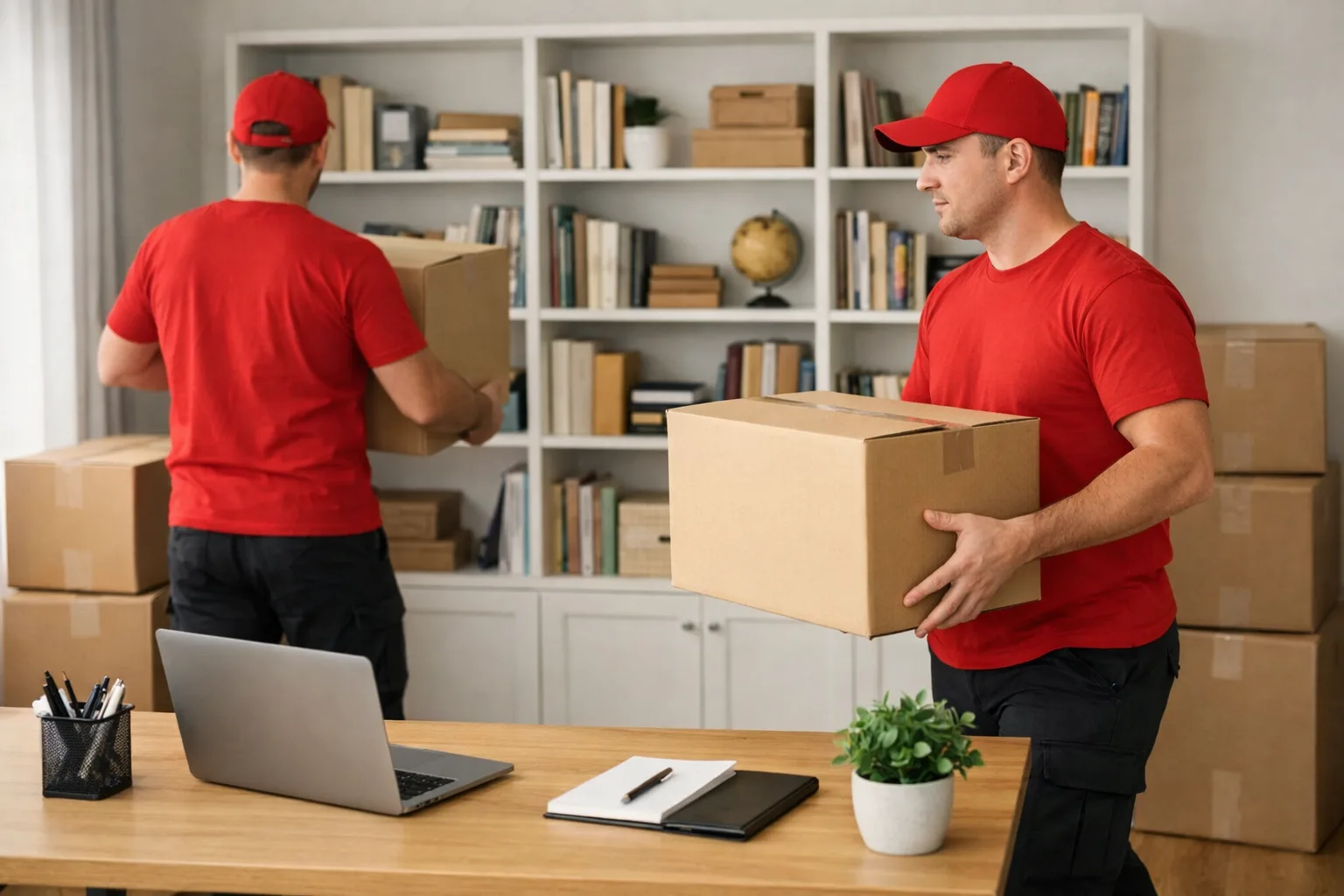
Establishing a new daily routine after moving significantly eases adaptation to the new environment. When things are unpacked and organized, it is easier to plan activities and maintain productivity without unnecessary interruptions. Routine brings a sense of security and stability, which is crucial during the transition period.
It is especially important to have your workspace ready for use as soon as possible, particularly if you work from home or have tasks requiring concentration. An organized space enhances focus and reduces stress related to work duties. Investing in ergonomic furniture and good lighting further improves working conditions.
If you are moving to a new city or country, quickly establishing a routine through unpacking and organizing your space can help you feel more secure and stable. This forms the foundation for easier acquaintance with the new environment and building social connections. Participating in local activities and meeting neighbors further facilitates the adjustment process.
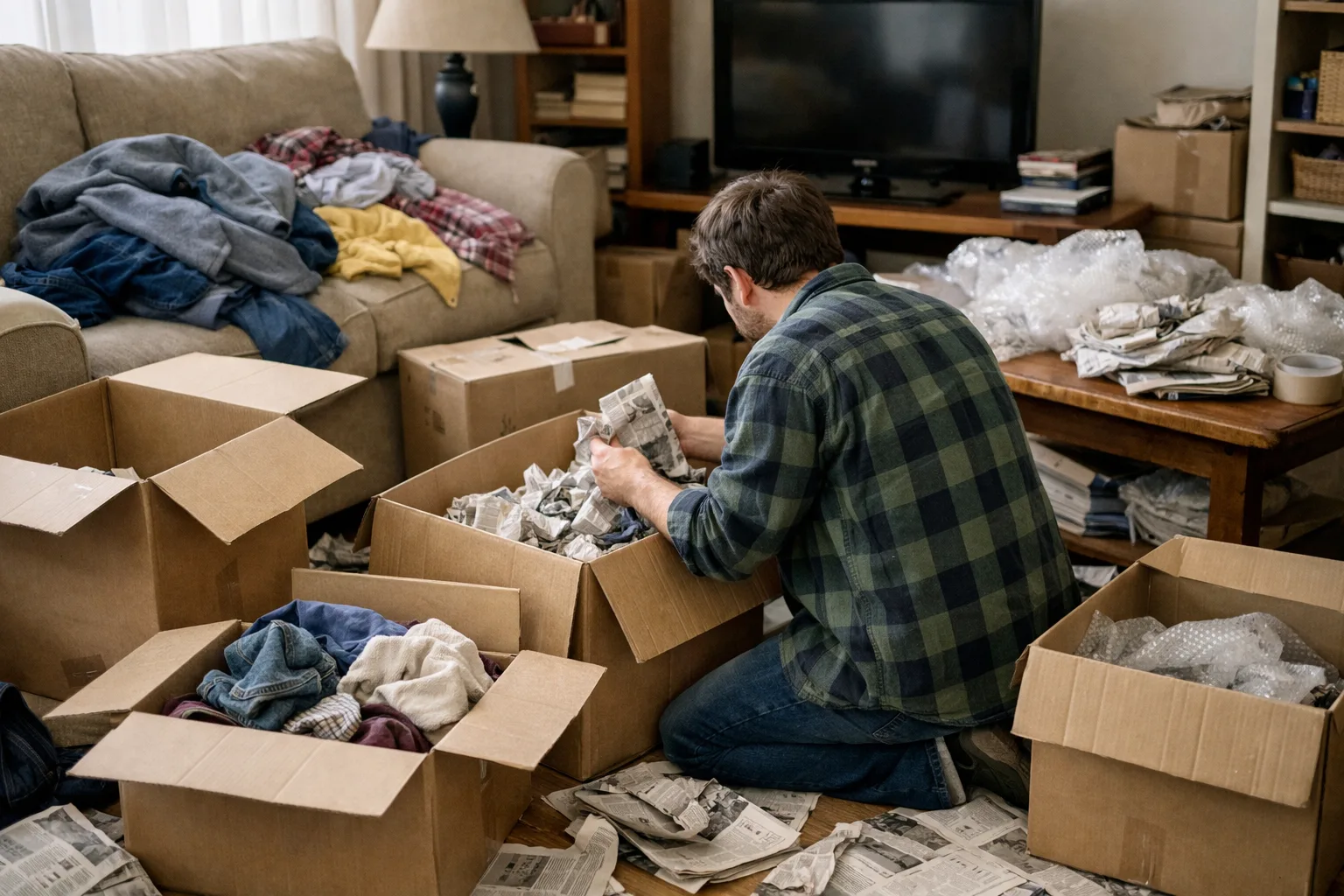
Delaying unpacking often results in the accumulation of unnecessary or unusable items, which can create additional clutter and complicate space organization. By unpacking immediately, you have the chance to sort through your belongings and decide what you truly need. This process can also be an opportunity to let go of items that no longer serve you.
Practicing the 'one in, one out' rule can help control the number of items you own. For example, for every new item you bring into your home, decide to get rid of one old item. This contributes to maintaining a neat and functional space. Additionally, regularly reviewing the contents of closets and storage prevents the accumulation of unnecessary items.
Unpacking is also a great opportunity to donate or sell items you don't use, which not only frees up space but also supports a sustainable lifestyle. This approach reduces stress and makes daily life in your new home easier. Organizing charity drives or sales events can motivate more efficient handling of excess belongings. When unpacking reveals damage, it's worth considering how the moving packing and protection of delicate items were done.
When items remain in boxes for a long time, finding what you need can become frustrating and time-consuming. This often leads to clutter as items are taken out and left in inappropriate places. Timely unpacking prevents this problem and keeps the space tidy.
By unpacking and organizing items immediately upon arrival, you create a system that allows quick access to everything you need. For example, placing books on a shelf or organizing work materials on a desk contributes to more efficient use of space and reduces stress. Proper labeling of boxes and drawers further facilitates finding items.
Using boxes, drawers, and labels for different categories of items can further simplify locating things. Such a system saves time and allows you to focus on important activities instead of searching for lost items. Digital inventory management apps can further enhance this organization and make it even more efficient.
Advantages of Professional Packing Before Moving in Belgrade
We will respond to you as soon as possible.
Below we answer the most common doubts and issues related to postponing unpacking after moving, so you can avoid mistakes and make this process as easy as possible.
Leaving boxes unpacked for a long time increases the risk of item damage, creates clutter, and makes adapting to the new space harder. It can also lead to dust accumulation and complicate maintaining cleanliness.
Try unpacking one box a day or create a schedule by rooms. Setting specific goals and making a small task list can help you feel successful and motivated.
Organize the space so you unpack the most necessary items first and free up some room. You can use temporary solutions like shelves or sorting boxes until you free up more space.
Unpacking gradually is often more effective because it doesn’t create extra stress and allows you to organize the space thoughtfully. Start with the most important items and rooms you use daily.
During unpacking, sort through items to keep only what you really need. Immediately set aside items you won’t use and plan their next steps, preventing clutter from forming.
Plan unpacking so you open boxes that are easily accessible and lighter first. For heavier boxes, you can ask for help or use a dolly for easier moving.
Unpacking helps you establish a functional and organized space, making daily activities easier and reducing stress. When everything is in its place, your routine becomes more efficient and enjoyable.