Advantages of Professional Packing Before Moving in Belgrade
Advantages of Professional Packing Before Moving in Belgrade

Enter at least 3 characters.
Packing antique furniture requires special attention and precision to preserve its value and integrity. This guide provides detailed advice and practical steps for safely packing and preparing antique pieces for moving or storage. You will learn how to properly protect delicate surfaces, use appropriate materials, and techniques that guarantee the safety of your valuable furniture. In addition to the basic steps, we will focus on specifics that make the difference between successful and unsuccessful protection of antiques, including tips for long-term storage and damage prevention during transport. This guide is intended for both professionals in the moving industry and owners of antique furniture who wish to prepare and pack on their own.
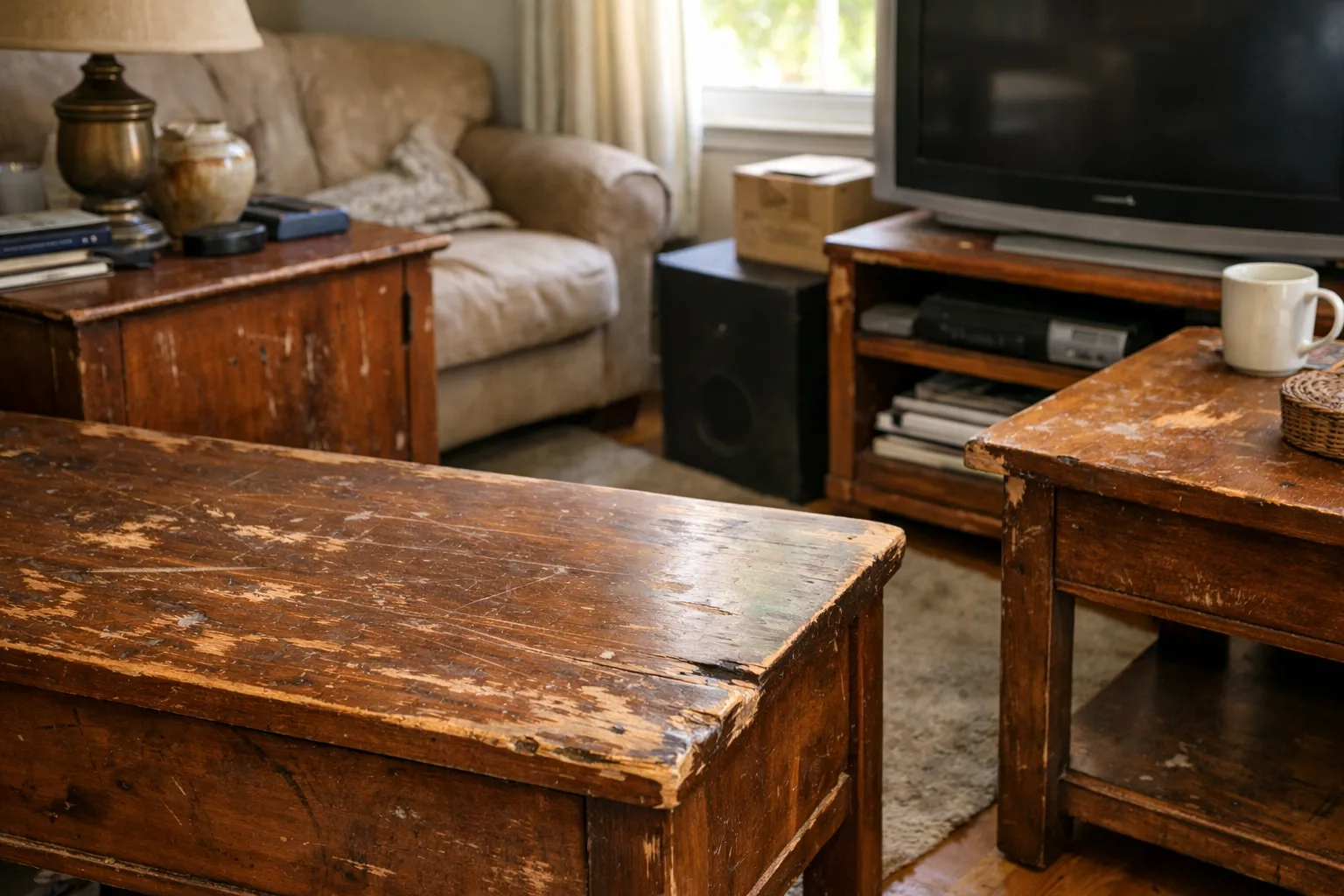
The first step in packing antique furniture is a detailed assessment of its condition. Pay attention to any damage such as scratches, loose parts, or cracks. Record these defects as they will help you choose the appropriate protection and packing materials. Additionally, the condition assessment allows identification of parts that require additional restoration or special care during transport.
It is important to remove all items from the furniture, including drawers, shelves, and decorative elements that can easily detach. Drawers and doors can be packed separately or secured to prevent movement during transport, using soft protection like felt or cotton cloths. When removing parts, be careful not to use excessive force to avoid causing further damage or breaks in old joints.
Before packing, clean the furniture from dust and dirt with mild agents that will not damage the surface. Avoid harsh chemicals that can remove or damage the original finish of the antique. This preparation reduces the risk of damage during furniture storage and transport. It is recommended to use specialized products for cleaning wood and fabrics, as well as testing on inconspicuous areas before applying to the entire surface.
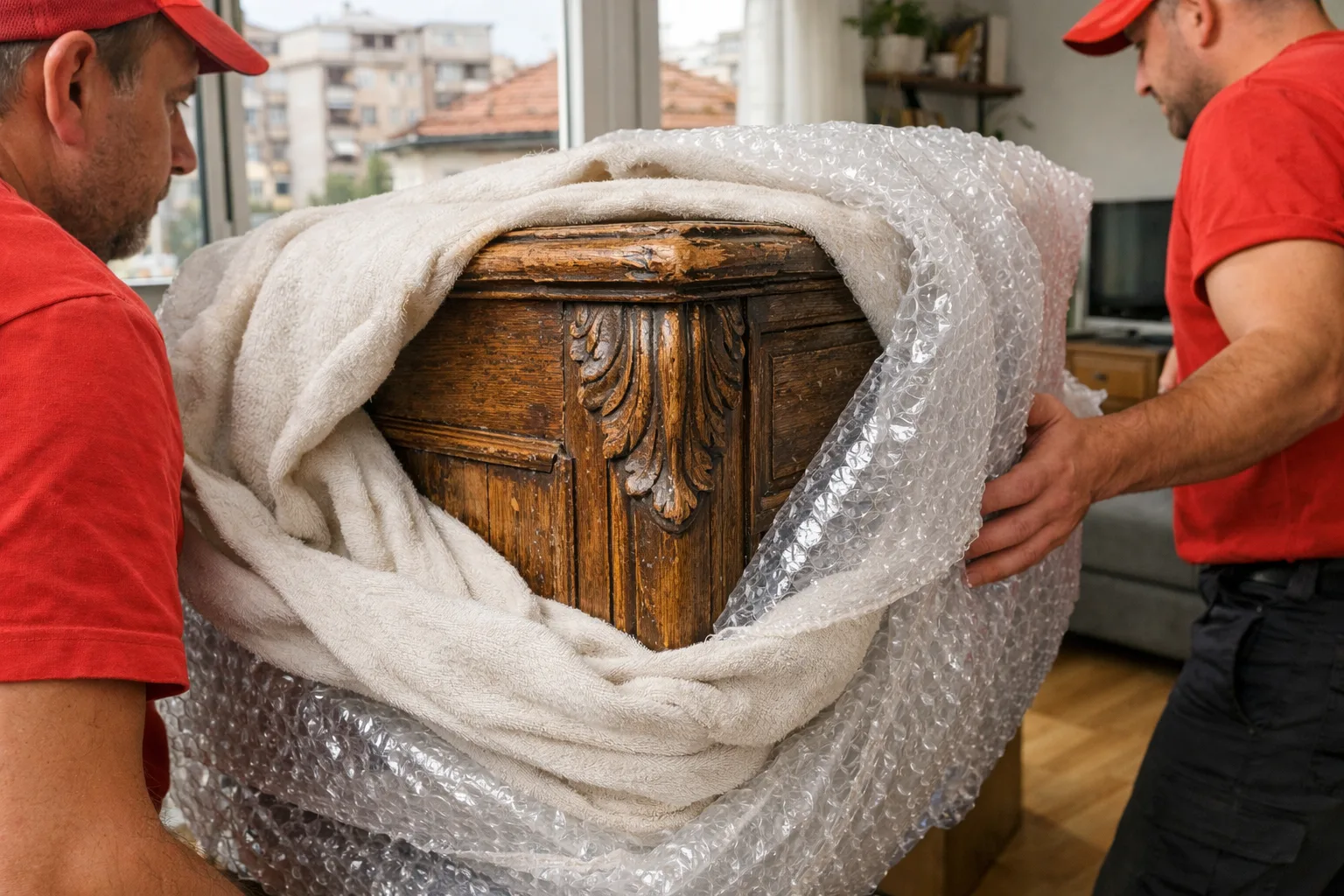
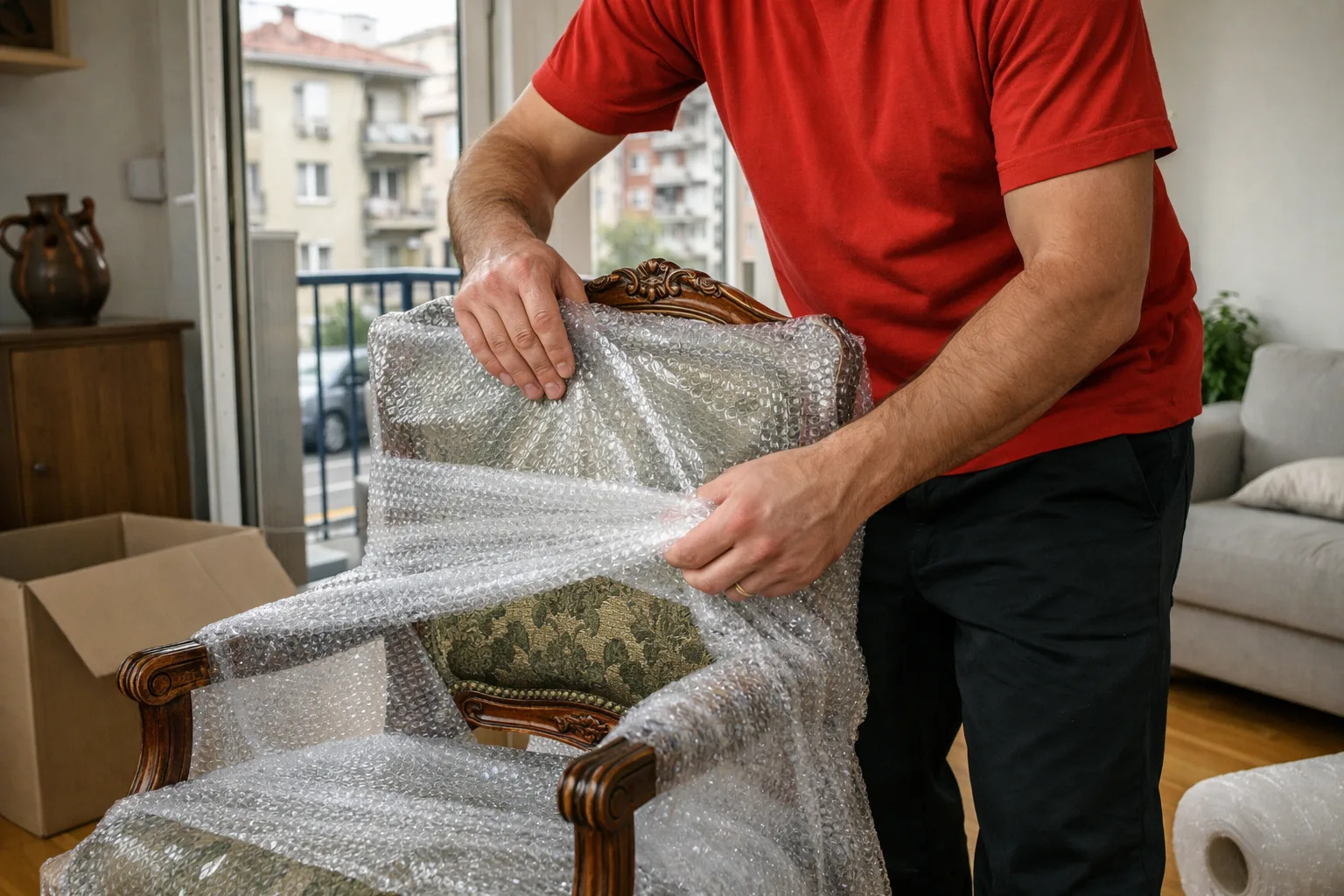
Specialized materials are used for packing antique furniture to protect against scratches, moisture, and impacts. Among the most important are soft cotton or felt fabrics used to wrap delicate surfaces. Reinforce them additionally with bubble wrap, but ensure the wrap does not come into direct contact with the wood. This layer provides protection against mechanical damage as well as potential temperature changes.
Thicker cardboard corners and protective tapes with soft lining help protect sharp corners and protruding parts. For particularly fragile parts, such as carved decorations or glass elements, the use of special foam boxes or drawers may be necessary. It is also recommended to use elastic nets or mesh covers that further stabilize furniture parts.
Avoid using ordinary plastic films that can cause condensation and damage wooden parts. Also, do not use adhesive tape directly on the furniture as it can damage the surface when removed. Prepare all materials in advance to facilitate and speed up the packing process. Additionally, keep spare materials on hand in case of unexpected damage or the need for extra protection.
Whenever possible, disassemble larger furniture pieces to reduce the risk of breakage or damage during transport. For example, remove chair legs, shelves, or drawers. Carefully pack each disassembled part and protect it from scratches and impacts. While disassembling, note the order and method of assembly to facilitate the later reassembly process.
It is important to clearly label each part. Use stickers or tags with descriptions and the location where they belong. This makes reassembly easier and reduces the chance of losing parts, especially with complex pieces that have multiple components. It is also recommended to make detailed notes or even video recordings of the disassembly process.
Use appropriate tools during disassembly to avoid damaging screws or joints. Keep all screws, nuts, and other small parts in a separate bag or box that is clearly labeled. Additionally, photographing parts before and during disassembly can be helpful during reassembly. This practice significantly reduces stress and errors when assembling at the new location.
Protecting the surfaces of antique furniture is crucial to prevent scratches and dents. First, cover surfaces with a soft cloth or cotton blanket, then wrap them additionally with bubble wrap. This combination provides a soft base and protection from external influences. Pay special attention to parts with lacquered or polished finishes.
Furniture corners and edges are particularly vulnerable to damage. Use foam or cardboard protectors secured with tape that has a soft backing. This is especially important for large pieces like wardrobes, where corners are often exposed to contact with walls or other objects. Protectors can also be custom-made for specific shapes and corner dimensions.
Ensure that protective materials are not too tight, as this can put pressure on delicate parts. Packaging should be firm but flexible, allowing the furniture to "breathe" and preventing moisture buildup. Regularly check the condition of the protection during long-term storage or transport to promptly address any issues.
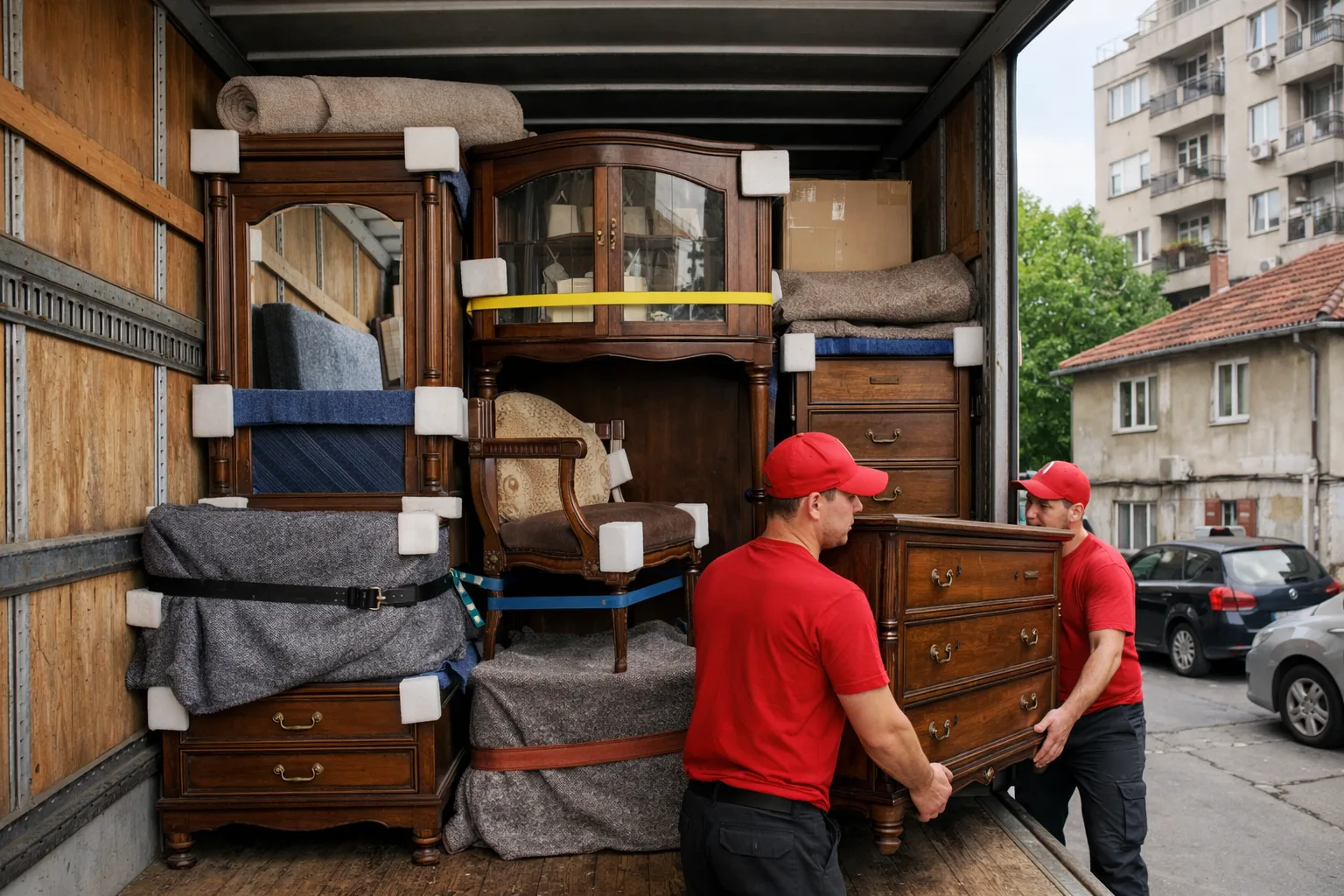
When loading antique furniture into a transport vehicle, it is important that each piece is placed stably and securely. Heavier items should be at the bottom, while lighter ones can be placed on top. Avoid overlapping that could cause pressure and damage. Also, pay attention to even weight distribution to prevent tipping during transit. If you are unsure about safe transport, we recommend hiring professional furniture transport experienced in handling antiques.
Use straps and belts to secure furniture inside the vehicle to prevent movement during transit. Antique pieces are often heavy and bulky, so stability is crucial to preserve their structure and appearance. It is recommended to use special cushions or rubber mats between the furniture and the vehicle floor for additional shock absorption.
If possible, leave some space between furniture pieces to avoid direct contact and friction. For extra safety, place soft pads or cushions between items. Planning the layout inside the vehicle in advance can significantly reduce the risk of damage. Also, pay attention to stacking height to avoid pressure on the upper parts of the furniture.
Antique furniture is especially sensitive to moisture and sudden temperature changes that can cause cracking or deformation of wooden parts. When packing, use materials that do not retain moisture, such as special paper wraps or cotton fabrics. Avoid direct contact with plastic films that can cause condensation.
Avoid storing or transporting in damp conditions. If necessary, use moisture absorbers near the furniture, such as silica gel packets. Also, check that storage spaces and vehicles have good ventilation. Regularly inspect the furniture during long-term storage to detect and prevent mold or damage in time.
Temperature fluctuations can cause expansion and contraction of materials. Therefore, it is ideal to store antique furniture in rooms with stable temperature and relative humidity between 40 and 60%. If the move takes longer, consider additional insulation or climate control during transport. In some cases, using air conditioners or dehumidifiers may be necessary to preserve the furniture's integrity.
Glass elements, mirrors, or delicate decorations require a special approach. Before packing, cover the glass with paper or special protective films that absorb shocks. Then wrap with bubble wrap and carefully place in appropriate boxes or drawers. Use boxes with dividers or specialized glass boxes to further reduce the risk of breakage.
Never place heavy objects on glass parts or near delicate decorations. During transport, these parts must be positioned upright and securely, with additional cushions or foam padding to absorb any impact. Also, ensure these parts do not move during transit.
If possible, remove glass and fragile parts before moving and pack them separately. Be sure to clearly label boxes containing glass and delicate parts so that handlers are extra careful. It is also recommended to mark them with warnings such as "fragile" or "handle with care" to further reduce the risk of damage.
Before finishing packing, check that all parts are well protected and securely placed. Apply gentle pressure to wrapped items to ensure there is no unwanted movement and that the protection is adequate. Also, verify that all disassembled parts are properly labeled and packed.
Make a list of packed items and label them according to rooms and function. This record will help you during unloading and arranging furniture in the new space. Also, keep the moving company's or professionals' contact number handy in case you need assistance. Additionally, it is recommended to take photos of packed pieces as extra documentation of their condition before transport.
Finally, be sure to communicate with the moving team about the specifics of your antique furniture and any special care requirements. Good planning and teamwork are key to a successful and safe move of valuable furniture pieces. Involving professionals for packing antiques or professional restorers can further help preserve the value of your furniture during the move.
Advantages of Professional Packing Before Moving in Belgrade
We will respond to you as soon as possible.
Below are answers to the most common questions that arise when packing antique furniture, aimed at making the process easier and helping you preserve the value of your precious pieces.
It is best to use soft cotton or felt fabrics that do not stick to the surface, then additionally wrap them with bubble wrap. Avoid adhesive tapes directly on the furniture and harsh chemicals that can damage the finish.
If possible, disassembly is recommended as it reduces the risk of damage during transport. It is important to carefully label parts and keep all screws and connectors for easy reassembly.
Before packing, cover glass parts with paper or special protective film, then bubble wrap. Place them upright and securely in boxes with foam padding, and if possible, remove and pack them separately.
Use foam or cardboard protectors that are secured with tape and have a soft backing. They protect delicate corners from impacts and scratches during transport and handling.
Avoid packing in plastic wraps that retain moisture. Use breathable materials such as cotton fabrics and paper wraps, as well as moisture absorbers in the storage area. Also, ensure the storage space is well ventilated.
Labels are crucial for organization and facilitate reassembly of furniture. Clear and precise labels prevent loss of parts and speed up unpacking and setup.
Heavier items go at the bottom, and lighter ones on top. It is important to secure furniture with straps to prevent movement, leave space between pieces, and use soft padding for extra protection. Plan the arrangement in advance to avoid damage.