Advantages of Professional Packing Before Moving in Belgrade
Advantages of Professional Packing Before Moving in Belgrade

Enter at least 3 characters.
Moving is one of the most challenging and stressful events in life, especially when it comes to protecting and preserving furniture. Proper preparation and protection of furniture not only reduce the risk of damage but also facilitate the entire moving process. Whether you are moving to a new apartment or house, or just relocating a few pieces of furniture, it is important to have a clear strategy on how to protect your belongings. In this guide, we will thoroughly cover all the necessary steps for the safe transport of furniture, from assessment and preparation, through packing, to proper loading and storage. By applying these tips, you can significantly reduce stress and avoid unwanted repair or replacement costs for damaged items. Additionally, good planning and organization can help you save time and money, as well as protect your valuable items from permanent damage. Below, we will examine each step of the process in detail to ensure your furniture is in safe hands during the move.
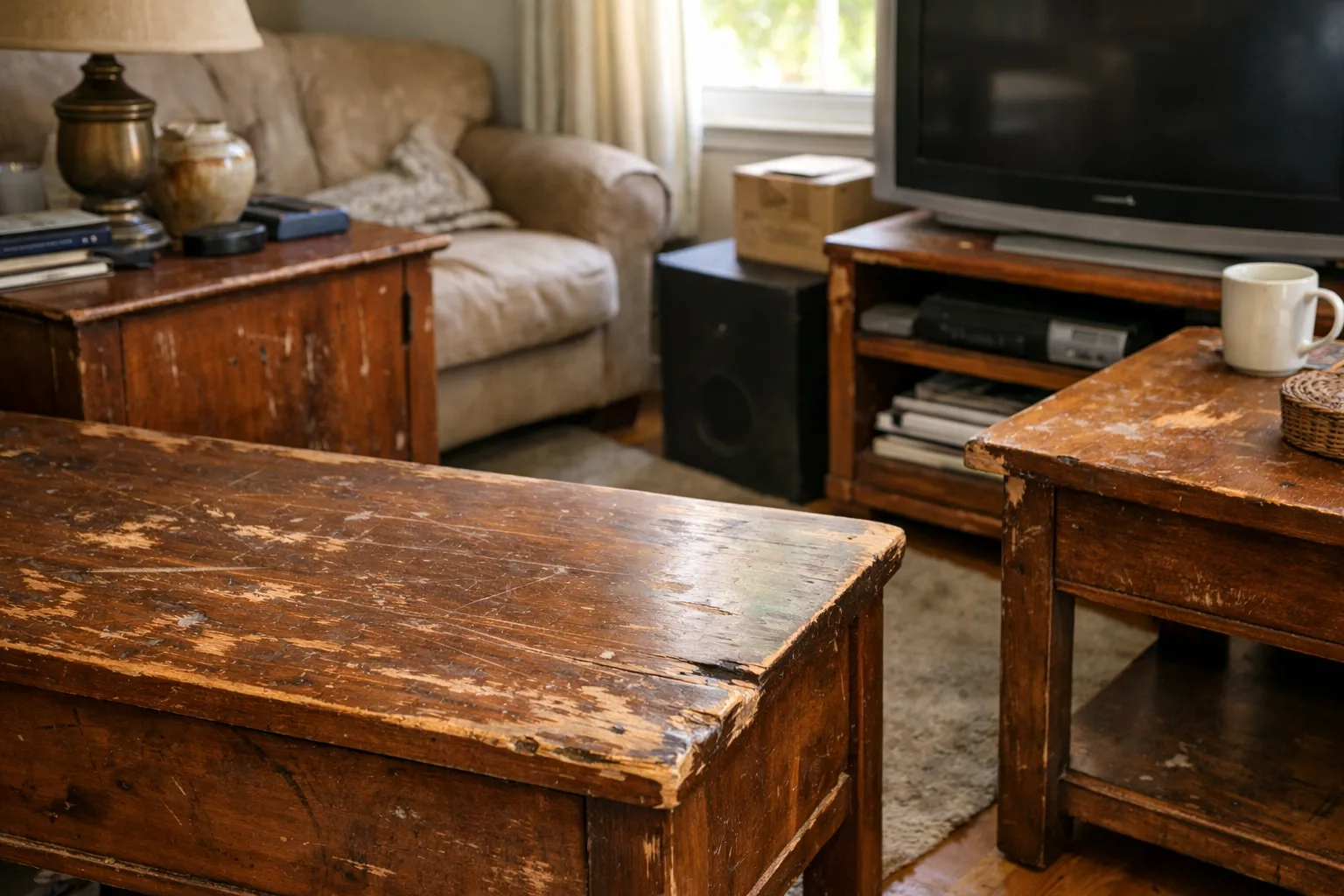
A detailed assessment of furniture before packing is a crucial step that allows you to identify potential issues and prevent further damage during the move. Before you start packing, inspect each piece of furniture and note any existing scratches, cracks, or loose parts. This will help you focus on areas that require extra care and protection. Additionally, this assessment is useful for insuring the furniture during transport, as you will have clear documentation of the item's condition before the move.
Disassembling furniture, when possible, significantly eases transport and reduces the risk of breakage or scratches. For example, removing legs from tables, taking shelves out of wardrobes, or pulling out drawers can allow for more compact and secure packing. When disassembling, use appropriate tools and keep all small parts, such as screws and bolts, in labeled bags or boxes. It is also helpful to take photos before disassembly to facilitate reassembly. These photos can serve as reminders during assembly and may be useful if you hire professionals for furniture assembly.
Thorough cleaning of furniture before packing is often overlooked but very important. Dust, dirt, and moisture can damage furniture surfaces during transport, especially if the furniture is made of wood or upholstered. Before packing, wipe all surfaces with a dry or slightly damp cloth, ensuring the furniture is completely dry. This will prevent mold, unpleasant odors, and other damage caused by moisture during the move. Cleaning also reduces the risk of spreading allergens in the new space, which is especially important for people with allergies or respiratory issues.
Choosing the right materials to protect furniture is crucial for a successful move. Thick cotton or fabric blankets provide excellent cushioning and protect surfaces from scratches and minor impacts. They are especially suitable for large pieces like sofas, wardrobes, and tables. It is recommended that blankets be clean and dust-free to avoid further soiling the furniture.
Stretch plastic films are an essential material for securing protective layers and stabilizing disassembled furniture parts. Besides protecting against dust and moisture, these films prevent parts from shifting during transport. When applying, the film should be wrapped carefully to avoid excessive pressure that could damage surfaces. Additionally, the film helps prevent insects or other pests from entering during storage.
For delicate parts such as glass tables, mirrors, or fragile decorations, it is recommended to use specialized protective pads, cardboard frames, or air cushions (bubble wrap). Air cushions provide extra cushioning but should be used carefully as larger surfaces may be prone to film punctures. Cardboard frames protect edges and prevent breakage of glass parts. It is also advisable to mark glass items as fragile to ensure careful handling during loading and unloading.
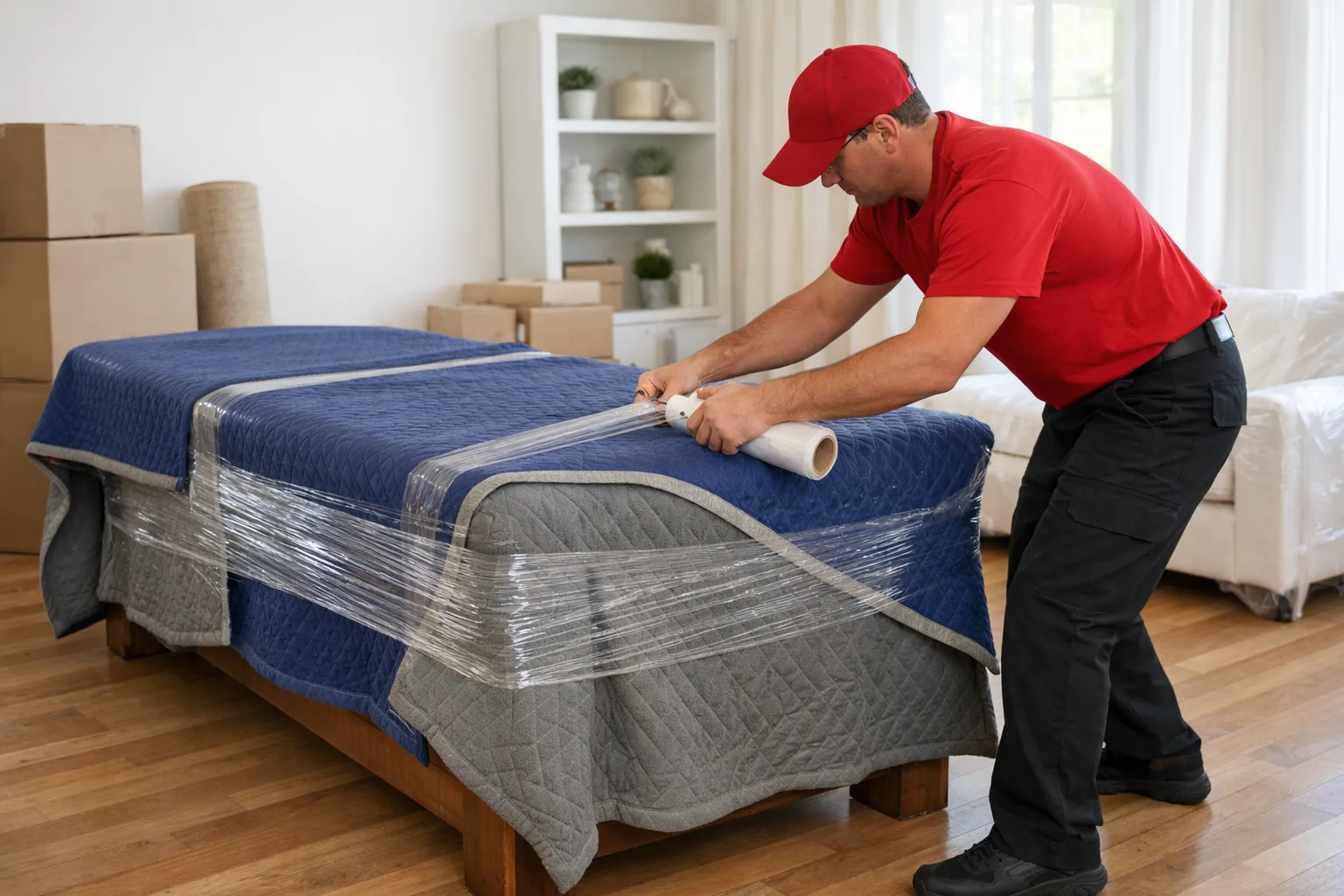
Packing furniture requires a systematic approach and careful handling. It is advisable to start with larger and heavier pieces, wrapping them with protective materials, paying special attention to vulnerable parts such as edges and corners. These areas are most exposed to impacts and scratches during transport. When packing, also use additional protective elements like foam corners or cardboard padding for maximum safety.
Use straps or elastic ties to secure protective materials, but do not tighten them too much to avoid damaging the furniture surface. Excessive tightening can cause deformation or scratches, especially on wooden and lacquered surfaces. It is also recommended to use straps that are easy to remove and do not leave sticky residues.
Pack disassembled parts and smaller pieces separately in clearly labeled boxes or bags. Mark each box with the name of the piece and the room it belongs to, to facilitate later unpacking and assembly. Additionally, making a list of all parts ensures that no piece is lost and speeds up the reassembly process. This list can be very helpful if you hire professionals for furniture assembly in the new space.
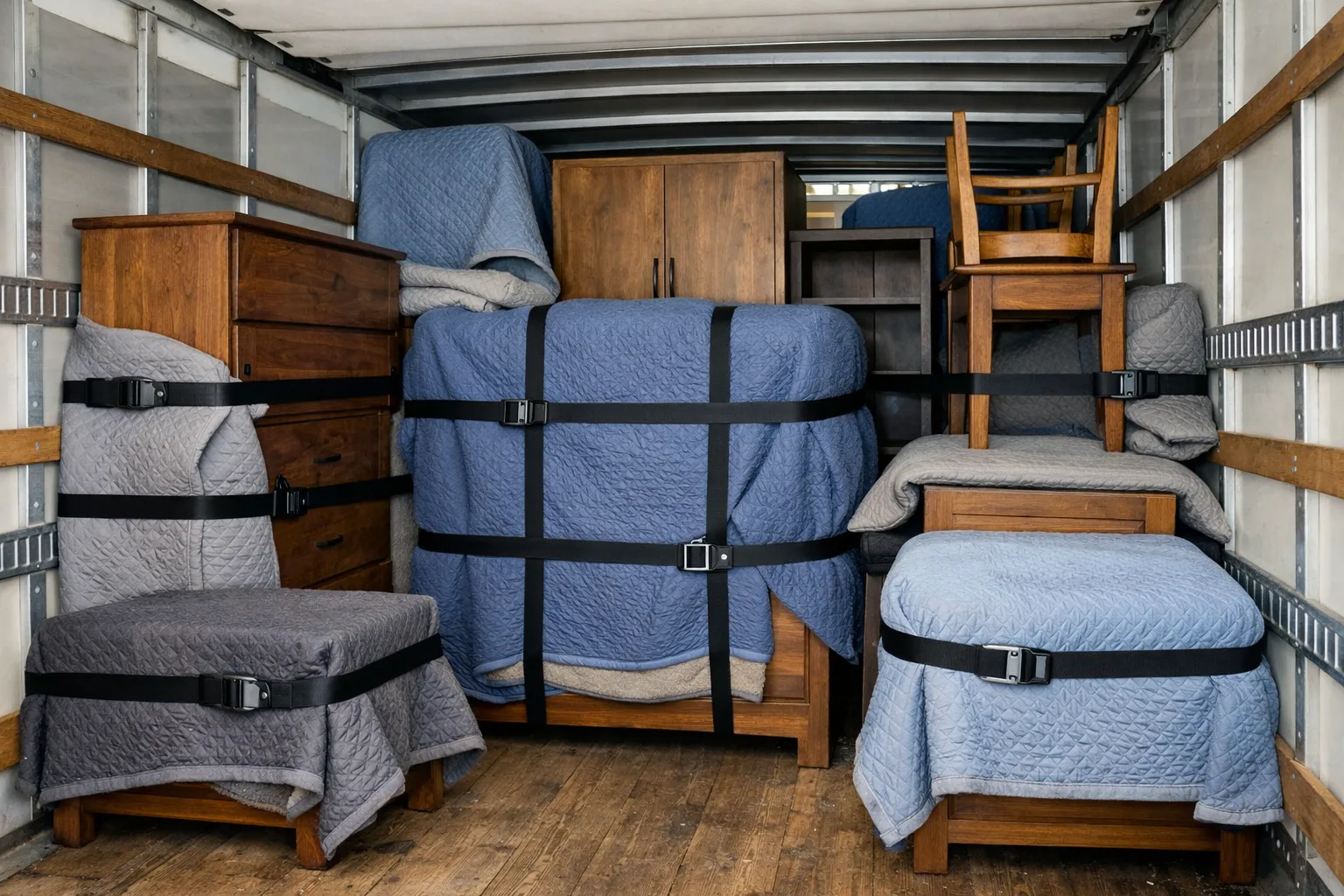
Properly loading furniture into the vehicle is crucial to preserving its integrity during transport. Heavier pieces should be placed at the bottom of the vehicle, while lighter and more delicate pieces are placed on top. This reduces pressure and the risk of damage. Also, ensure even weight distribution to prevent tipping or shifting during the drive. If you want to avoid risk and effort, you can hire a professional furniture transport service that guarantees safe transportation of your belongings.
Using straps and tie-downs for securing furniture is essential to prevent movement during the drive. Furniture shifting can cause impacts, scratches, and even breakage, especially on uneven or poor roads. It is recommended to regularly check the straps during longer trips to ensure they remain tightly secured.
Place soft materials such as blankets, cotton covers, or foam cushions between furniture pieces. These materials act as shock absorbers that reduce friction and vibrations, further protecting surfaces from damage. Also, well-organized space in the vehicle allows safer transport and easier unloading. When unloading, be careful not to drag furniture over other items to avoid scratches.
For wooden furniture, it is especially important to use soft and gentle materials for protection because hard and rough materials can easily scratch or damage the surface. Also, avoid exposure to moisture as it can cause swelling, deformation, and permanent damage to the wood. It is recommended that wooden furniture is not exposed to direct sunlight during storage or transport to prevent drying out and cracking of surfaces.
Upholstered furniture should be protected with covers that allow air circulation, such as breathable fabric or nylon covers. This prevents mold and unpleasant odors that can develop due to moisture retention during transport or storage. Also, if possible, avoid packing upholstered furniture in plastic bags that trap moisture and can damage the fabric or foam.
For glass and mirror surfaces, use special cardboard boxes or frames that protect edges and surfaces from impacts. Always mark the packaging as fragile and place it in a safe spot in the vehicle, away from heavy items that could cause damage. It is also recommended to transport glass elements upright, as this is the safest position to prevent breakage.
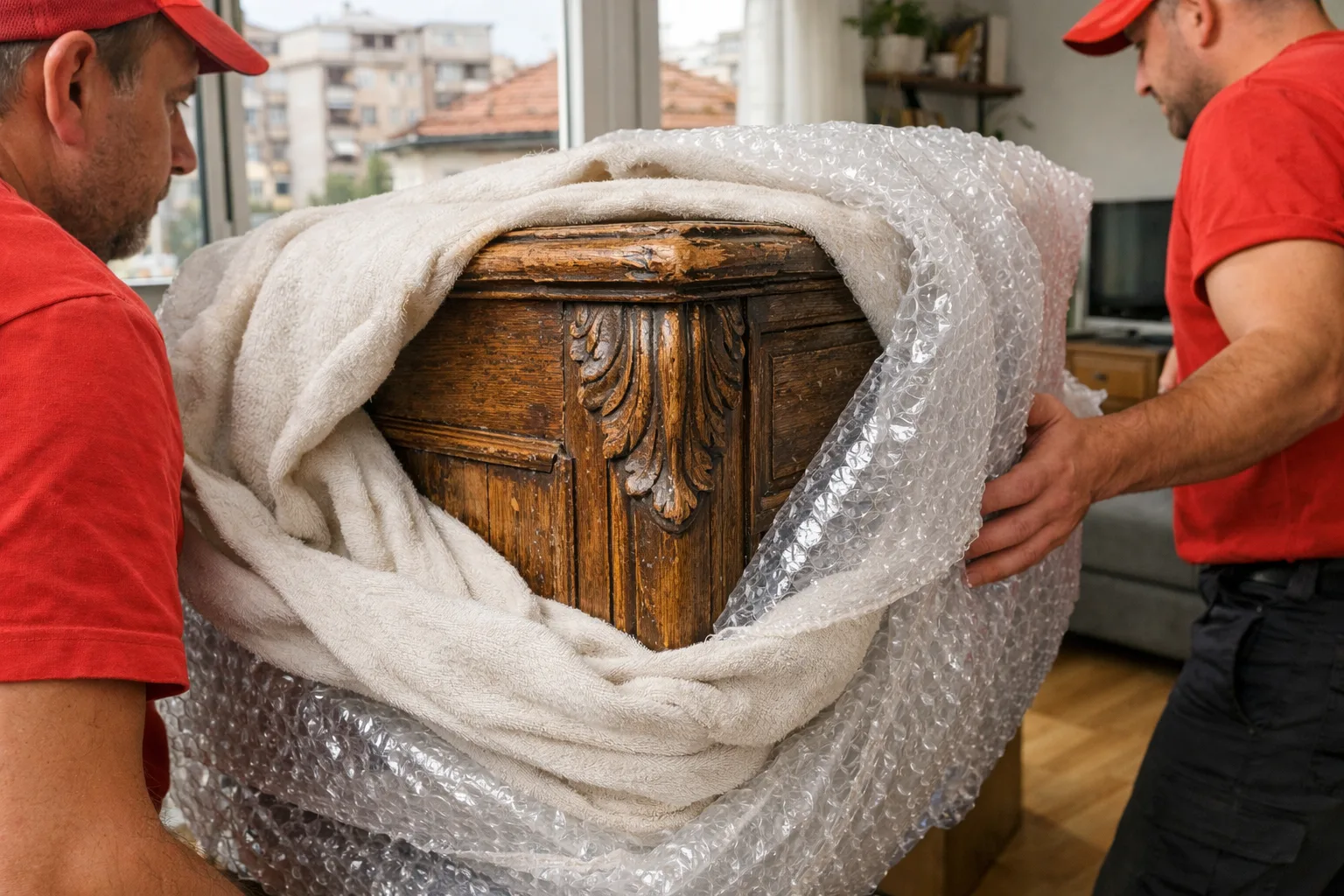
Antique and delicate furniture pieces require extra care and specialized protection due to their value and fragility. It is recommended to hire professional moving services with workers or experts experienced in handling such items. They have the necessary equipment and knowledge for the safe transport of these valuable pieces.
Multi-layer protection is the best approach for these pieces. First, wrap them in soft fabric or cotton cloth, then in plastic wrap for moisture and dust protection, and finally in a thick blanket or special cardboard that cushions impacts. This layered approach provides maximum safety during transport. Also, pay attention to particularly sensitive parts such as decorations, carvings, or glass elements when packing.
During loading and transport, sensitive pieces should be placed in a safe spot, separate from heavy and rough items. Also, clearly mark the packaging with a fragile warning so that everyone handling the items is extra careful and cautious. It is recommended not to stack sensitive pieces on top of each other to avoid damage from pressure.
Clear and precise labeling of all packages is very important for efficient unpacking and furniture assembly in the new space. Use waterproof markers, stickers, and colors to indicate the type of furniture and the room each piece belongs to. Also, label packages with instructions such as "fragile," "this side up," or "do not throw" to further protect the contents.
Making a detailed list of all disassembled parts and accessories allows you to easily track what you have packed and where it is located. This list can be in paper or digital form and should be easily accessible during unpacking. It is recommended that the list includes photos and descriptions of parts, which can be helpful during reassembly or in case of claims.
Good organization reduces the risk of losing parts and confusion, especially with complex pieces that have many components. It also facilitates communication with the moving team and speeds up the entire process of settling into your new home. Planning unpacking in advance can help you immediately know where everything goes, reducing stress and saving time.
If you plan temporary furniture storage during your move, additional protection is necessary to prevent damage caused by dust, moisture, and temperature changes. Use moisture-resistant protective covers and place furniture on raised platforms or pallets to avoid direct contact with the floor. This is especially important in basements or storage areas where humidity may be higher.
Regularly check the condition of the furniture during storage and ventilate it as needed. This is particularly important for wooden and upholstered pieces, which are sensitive to moisture and can develop mold or unpleasant odors if not properly maintained. Also, periodically inspect whether the protective materials are intact and if the furniture has not shifted or been damaged.
Before placing furniture in the new space, a thorough inspection and possibly additional cleaning are recommended. This will prevent the spread of dust, allergens, and other impurities that may have accumulated during transport or storage, ensuring a more pleasant and healthier environment in your new home. Additionally, this is a good opportunity to check the furniture's condition and perform minor repairs before final placement.
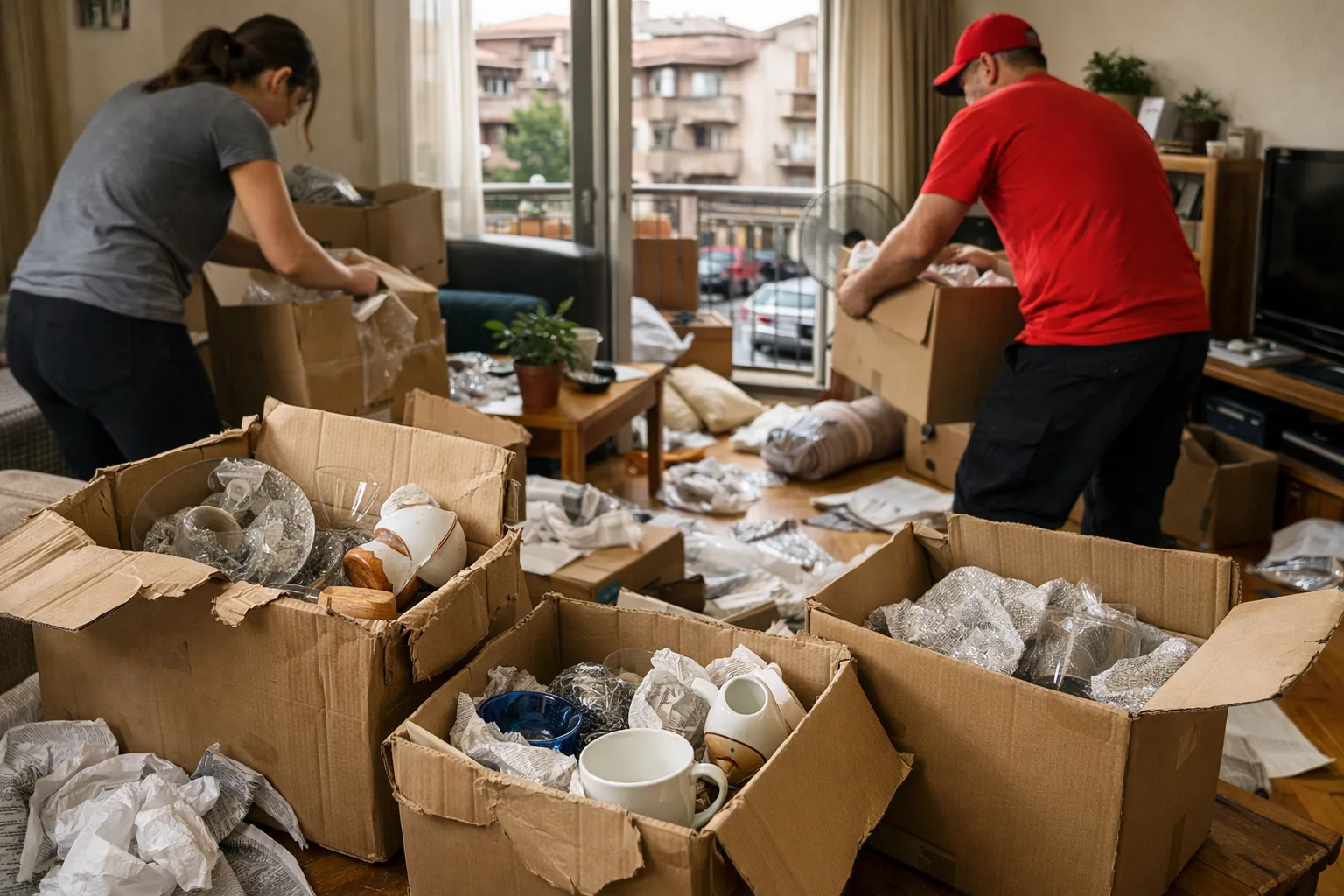
Advantages of Professional Packing Before Moving in Belgrade
We will respond to you as soon as possible.
Below are answers to the most common questions that arise when protecting furniture during a move. These tips will help you avoid common problems and make the moving process easier.
It is best to use thick cotton or canvas blankets to wrap wooden furniture. Additionally, you can protect edges and corners with special foam or cardboard guards. Avoid using adhesive tapes directly on the wood as they can damage the surface.
Yes, disassembling furniture reduces the risk of damage and makes packing and transport easier. Pay special attention to parts that move or break easily. Keep all screws and small parts in labeled bags so you can easily find them.
Use special cardboard frames or thick layers of bubble wrap. Be sure to label the package as fragile and place it in a secure spot during transport. Avoid direct contact with other items.
Upholstered furniture is best protected with breathable canvas or nylon covers to prevent moisture and mold formation. After that, wrap it with thick blankets for additional protection against impacts.
Use straps and tie-downs to secure furniture inside the vehicle. Also, place soft materials between pieces of furniture to reduce friction and impacts. Proper weight distribution and stacking are key for safe transport.
Plastic bags can be useful for protecting smaller furniture parts from dust and moisture, but they should not be used to wrap large surfaces as they can trap moisture and cause damage. It is better to use cotton or canvas materials.
Keep small parts and screws in clearly labeled bags or boxes. Attach a list of parts to each package and mark them according to which piece of furniture they belong to. This will help you during assembly in the new space.