Tips for International Moves
How to Pack Furniture for a Move to Germany?
How to Pack Furniture for a Move to Germany?

Enter at least 3 characters.
Planning a van move from Belgrade to Zagreb is a complex process that requires detailed preparation and organization. Besides careful packing and arranging of items, it is important to consider weather conditions, customs procedures, and the optimal choice of vehicle for transport. A well-planned move can significantly reduce stress and the risk of damage to belongings during transit. In this guide, we will provide you with detailed information about van capacity, the types of items most commonly transported, as well as practical tips for packing and space organization, so you can complete your move quickly, safely, and efficiently.

The van most commonly used for moves between Belgrade and Zagreb has a volume of about 8 to 12 cubic meters, which is optimal for an average family move. This volume allows for transporting most basic pieces of furniture, boxes with personal belongings, and smaller household appliances. It is recommended to check the exact dimensions and interior measurements of the vehicle before renting, as these vary depending on the manufacturer and model, which can affect packing planning.
Besides volume, it is very important to pay attention to the van's load capacity. Most vehicles of this type can carry between 800 and 1200 kilograms of cargo. Proper weight distribution inside the vehicle is crucial for safety during driving, as overloading can lead to axle damage, steering problems, and increased risk of accidents. It is recommended to place heavier items as low and as close to the center of the vehicle as possible.
For international moves, it is necessary that the van is registered for international traffic and has complete documentation, including a certificate of technical inspection. Customs checks at the border between Serbia and Croatia may require a detailed vehicle inspection, so it is advisable to have all papers in order and easily accessible. Also, check whether the vehicle has appropriate insurance covering international cargo transport.
Common items packed in a van for a move from Belgrade to Zagreb include furniture such as tables, chairs, wardrobes, and beds. Disassembling these furniture pieces is recommended as it allows more efficient use of space and reduces the risk of damage during transport. Parts should be carefully labeled so that assembly at the destination is faster and easier.
Boxes with personal belongings, clothing, kitchen utensils, and electronic devices make up a significant part of the cargo. When packing, heavier boxes should be placed at the bottom, while lighter and fragile items are placed on top. Using protective materials such as bubble wrap, paper, or styrofoam provides additional security for delicate items.
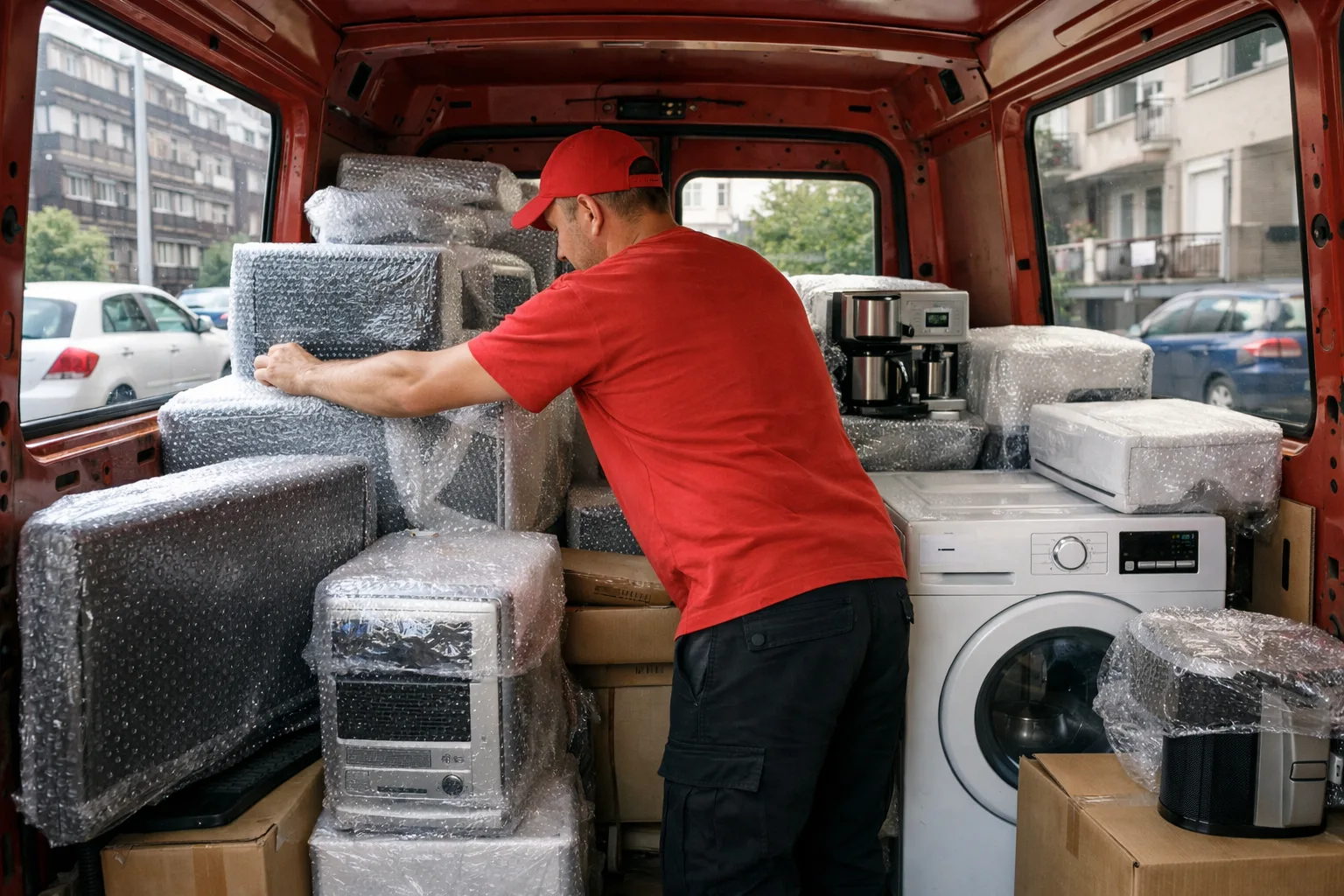
Smaller household appliances like microwaves, vacuum cleaners, or televisions can also be part of the van move. It is important that they are properly protected from shocks and moisture, as longer drives can expose items to temperature changes and vibrations. It is recommended to turn off and clean these devices before packing, and to neatly pack cables to avoid damage.
When moving across the border between Serbia and Croatia, it is important to be familiar with the laws and regulations governing the transport of goods. It is prohibited to transport items such as weapons, explosives, certain chemicals, plants, and animals without the appropriate permits. Failure to comply with these rules may result in confiscation or fines.
Customs control may require documentation regarding the value and origin of the items being transported, especially if the van is used for professional purposes or if the quantity of goods exceeds personal needs. It is recommended to have an inventory list with estimated values and be prepared for possible additional inspections or customs fees.
There are also limits on the quantity of tobacco products and alcohol you can carry without additional taxes or customs duties. It is advisable to thoroughly inform yourself about current regulations before moving, as rules may change. Information can be found on official customs administration websites or by consulting international transport experts.
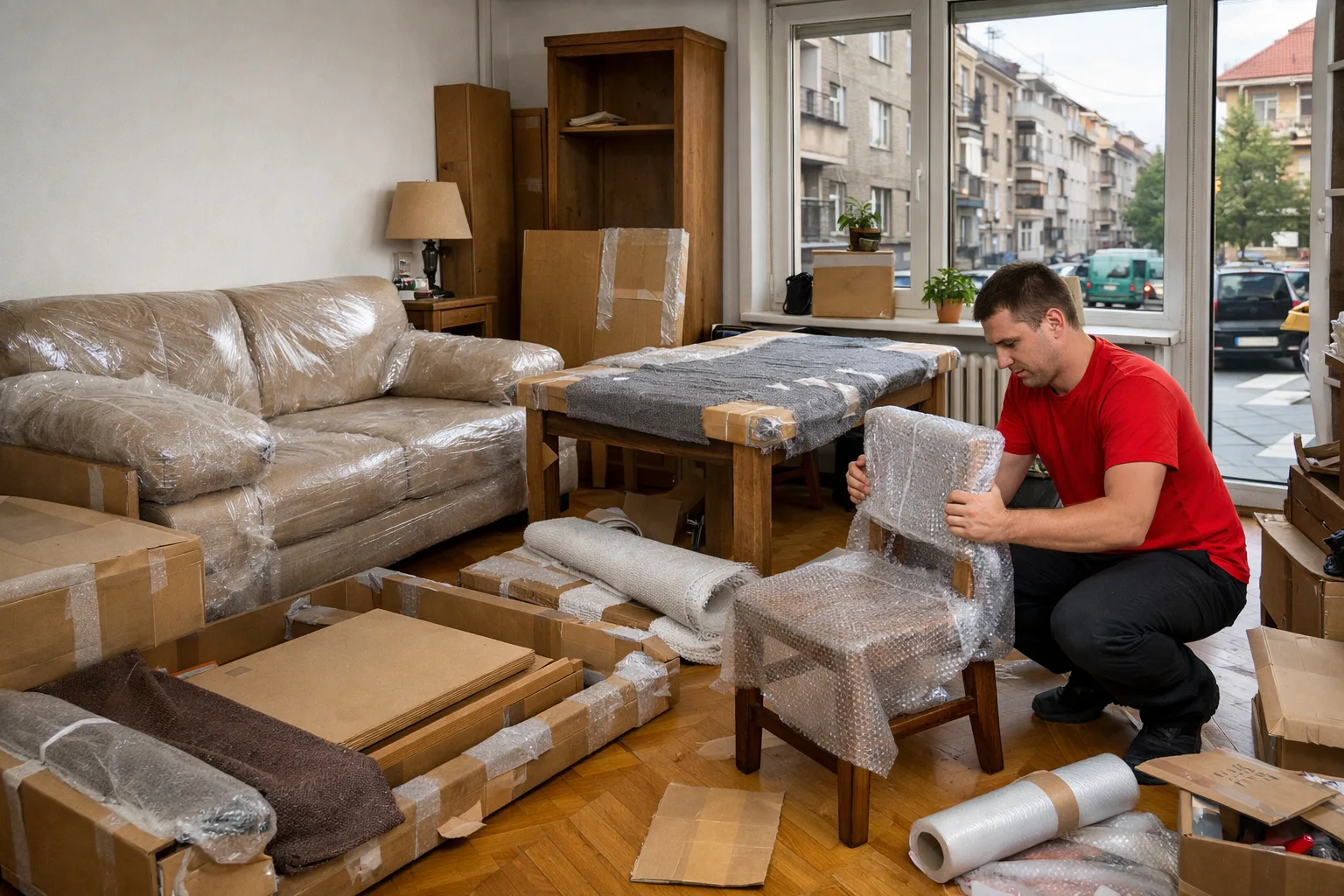
Disassembling furniture before packing is key for efficient space use and protecting items. Parts such as drawers, shelves, and legs should be carefully separated and packed in labeled boxes or bags, which facilitates assembly at the new location and reduces the risk of losing parts.
Protective materials like bubble wrap, blankets, cardboard corners, and special covers shield furniture from scratches, impacts, and moisture during transport. Special attention should be given to glass and fragile parts, such as mirrors or glass shelves, which should be additionally wrapped and placed securely inside the van.
When loading furniture into the van, larger and heavier parts should be placed at the bottom, while lighter items are stacked on top. All parts should be secured with straps or ropes to prevent movement during transit. Properly securing the load not only protects the items but also enhances the safety of the driver and other road users.
Boxes should be packed carefully, considering weight to avoid breaking or deforming them. Heavy items should be packed in smaller boxes, making them easier to carry and reducing the risk of injury. Lighter items can be packed in larger boxes, but it is important they are not too heavy. For added safety and easier organization during the move, it is recommended to use specialized moving boxes.
Each box should be clearly labeled with a detailed description of its contents and the room it belongs to. This practice greatly facilitates the arrangement of items during unloading and reduces the chance of losing or duplicating items. Additionally, labeling helps identify fragile or urgent items that should be unpacked first.
Protective materials such as paper, styrofoam, or bubble wrap are essential for packing fragile items inside boxes. When stacking boxes in the van, heavier boxes should be placed at the bottom and lighter ones on top. It is also important that boxes are stacked stably and secured to prevent shifting during transit.
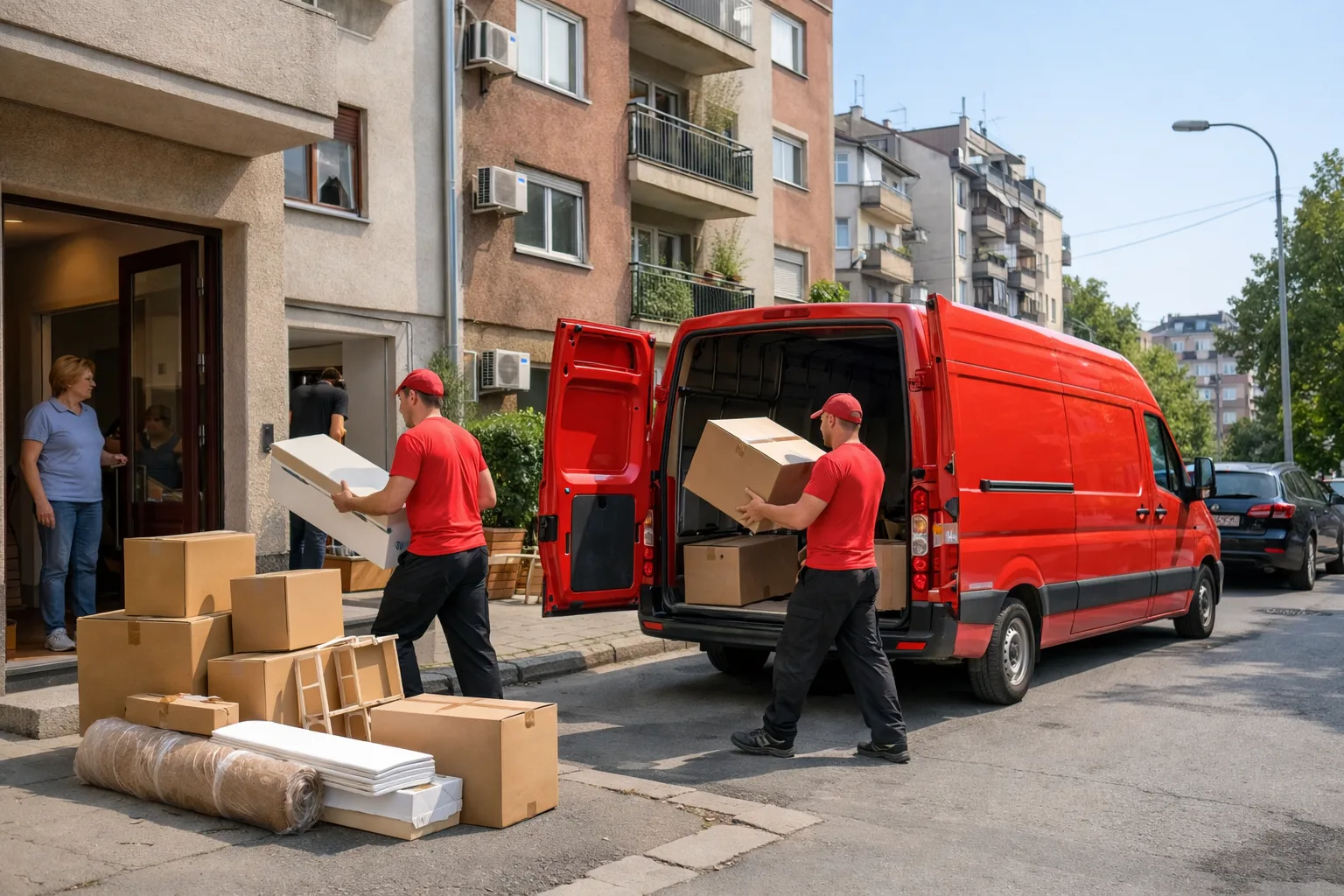
Planning the arrangement of items in the van is crucial for maximizing space utilization and ensuring safe transport. Before packing, it is recommended to make a detailed inventory and assess which pieces can be stacked or fitted into corners, saving space and facilitating loading.
Using straps, nets, and other fasteners helps stabilize the load and prevents movement during transit. Heavier and more stable items should be placed at the bottom and against the vehicle walls, while lighter and fragile items are placed in the middle and additionally wrapped with protective materials.
Utilize every free space, including gaps between larger items, to store smaller boxes or soft items like pillows and blankets. Proper organization not only saves space but also makes unloading and arranging items at the new location easier, saving time and energy.
Electronic devices are sensitive to shocks, vibrations, and moisture, making proper packing extremely important. Ideally, use original boxes designed to protect devices during transport, but if unavailable, use sturdy boxes with additional layers of bubble wrap or styrofoam.
Cables and accessories should be separated and neatly packed in separate bags or boxes to avoid tangling and damage. It is also recommended that devices be completely turned off and dry before packing to prevent damage caused by moisture or short circuits.
When unloading, it is important to immediately check the condition of the appliances and test their functionality before plugging them in. If you notice any damage, it is recommended to report it immediately to the carrier or insurance company for possible claims.
Driving a van loaded with belongings on the Belgrade-Zagreb route requires special attention and adherence to safety measures. Before departure, make sure all items are securely fastened and do not shift, as shifting cargo can compromise vehicle stability and increase the risk of accidents.
Follow traffic regulations and speed limits, especially in border crossing zones and on highways where traffic density is higher. Driving adapted to road conditions contributes to the safety of all road users.
Plan regular breaks to check cargo stability and perform vehicle technical inspections. During breaks, check tire pressure, brake condition, and cargo fastening. These measures are crucial for a safe and successful move, especially on longer routes involving international crossings.
How to Pack Furniture for a Move to Germany?

How to Move Furniture from Abroad to Serbia

Common Mistakes Made During International Moves

How to Save Money on an International Move?
We will respond to you as soon as possible.
Below are answers to the most common questions related to packing, transport, and regulations when moving by van on the Belgrade - Zagreb route.
An average van with a volume of about 10 cubic meters can hold between 30 and 50 standard boxes, depending on their size and packing method. It is important to stack boxes rationally, with heavier ones at the bottom and lighter ones on top, to maximize space utilization.
Yes, a refrigerator and washing machine can be transported together with other items, but they must be properly protected and securely positioned to prevent damage. It is recommended to place larger household appliances on the bottom and secure them with straps.
For personal moves, detailed customs procedures are usually not required, but it is necessary to have an inventory list and proof of residence. If transporting larger quantities or commercial goods, additional documentation may be needed. It is recommended to consult customs authorities before departure.
Fragile items should be packed in boxes with protective materials such as bubble wrap, styrofoam, or paper. Boxes must be securely closed and labeled "fragile." Also, place them in a safe spot in the van where they won’t be under pressure from heavier items.
Transporting plants across the border may be restricted or prohibited due to phytosanitary regulations. It is recommended to check current rules before moving and possibly obtain the necessary permits or certificates if you wish to transport plants.
Before packing, make a plan and list of items. Disassemble furniture and place large and heavy items at the bottom and along the van walls. Use straps for securing and arrange lighter items on top. Also, utilize every corner and space between large items for smaller boxes or bags.
The driver must possess a valid driver's license for the vehicle category, vehicle registration certificate, vehicle registration document, and an international insurance policy. It is also recommended to have a certificate of vehicle technical inspection and transportation documentation for goods, if required at the border.