Tips for International Moves
How to Move Furniture from Abroad to Serbia
How to Move Furniture from Abroad to Serbia

Enter at least 3 characters.
Moving abroad, especially to Germany, is a major challenge that requires thorough preparation and organization. Proper furniture packing is crucial for safe transport and a successful start to your new life, as inadequate protection can lead to damages that are often costly to repair or replace. This guide will walk you through all the steps and tips on how to efficiently and safely pack furniture for an international move, reducing the risk of damage and easing the unpacking process. Additionally, we will provide practical recommendations to help you avoid common mistakes and save time and money throughout the entire moving process.
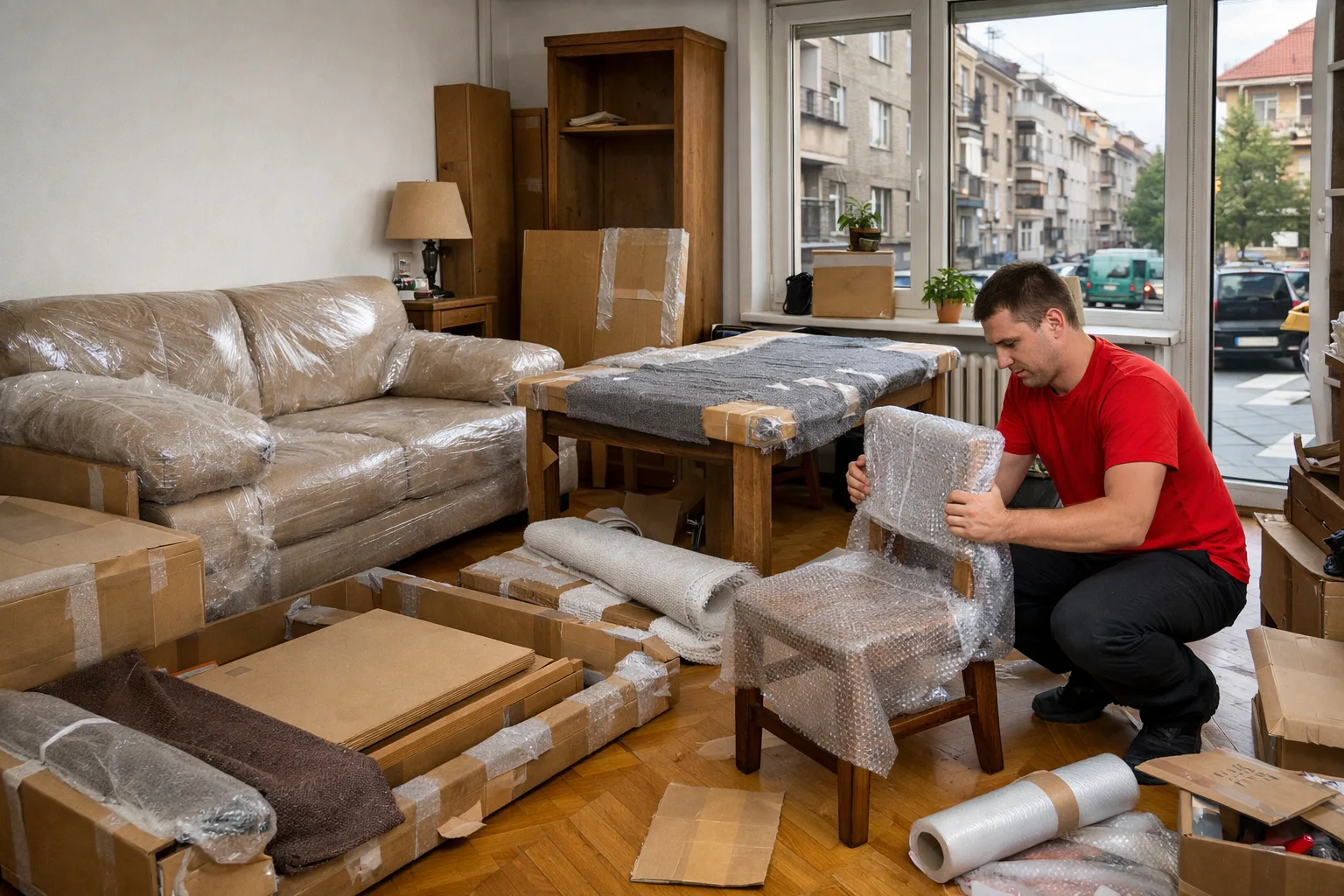
The first step in packing furniture for a move to Germany is detailed planning, which includes making a list of all furniture pieces you plan to take. It is important to assess the condition and value of each item to decide what is worth transporting and what might be better sold or donated. This will help you reduce transport costs and simplify organization.
Additionally, it is essential to inform yourself about the specific requirements of the moving company you are working with. Each company has its own recommendations and restrictions regarding the dimensions, weight, and types of furniture they can transport, as well as the necessary documentation for international transport. Timely communication with them can prevent unpleasant surprises on moving day.
Also, familiarize yourself with German customs regulations, especially regarding any prohibitions and special conditions for importing certain types of furniture. For example, antiques or furniture with wooden parts may require special treatment or certificates due to environmental protection and pest control measures.
Prepare all necessary packing materials in advance, including protective films, stretch wrap, cardboard boxes, soft cloths, and tools for disassembling furniture. Organize your packing space so you have enough room for safe disassembly and packing, as well as a sufficient number of helpers or hire professional movers to ensure the process runs efficiently and stress-free.
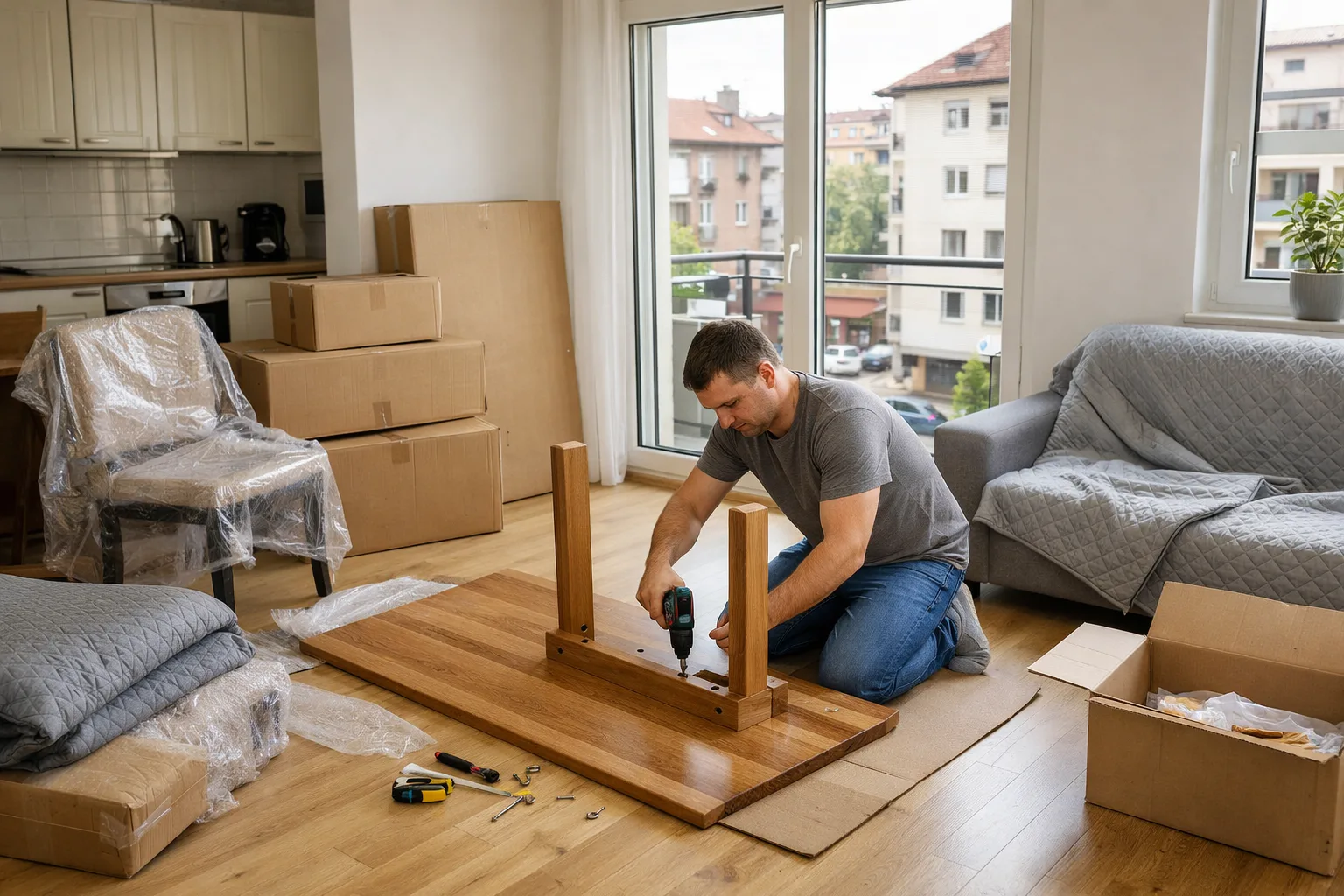
Disassembling furniture before transport is crucial to reduce the risk of damage and makes packing and stacking in the vehicle easier. Pieces such as tables, shelves, wardrobes, and bed frames that can be disassembled should be prepared this way to take up less space and be better protected.
While disassembling furniture, it is recommended to document each step or take photos to facilitate reassembly upon arrival in Germany. Also, keep all screws, nuts, and small parts in clearly labeled bags that you can attach to the corresponding furniture parts or organize in separate boxes with labels.
If you are unsure how to disassemble a particular piece of furniture, consult the manufacturer's instructions or seek professional help. Improper disassembly can lead to damage or loss of parts, which can further complicate the move and increase costs. Professionals can also provide the appropriate tools and techniques for safe disassembly.
It is important to work carefully and systematically during disassembly, avoiding excessive pressure or the use of inappropriate tools that could damage the furniture. Also, label parts that go together to make reassembly easier later.
Protecting furniture from scratches, impacts, and moisture is one of the most important aspects of packing. It is recommended to use soft materials such as cushions, blankets, or special protective films that gently wrap delicate parts of the furniture and prevent damage during transport.
Stretch film is especially useful for wrapping entire pieces of furniture as it keeps the protection in place and shields against dust and moisture. When using it, it is important not to stretch the film too tightly to avoid damaging the furniture surface, especially if it is lacquered or veneered.
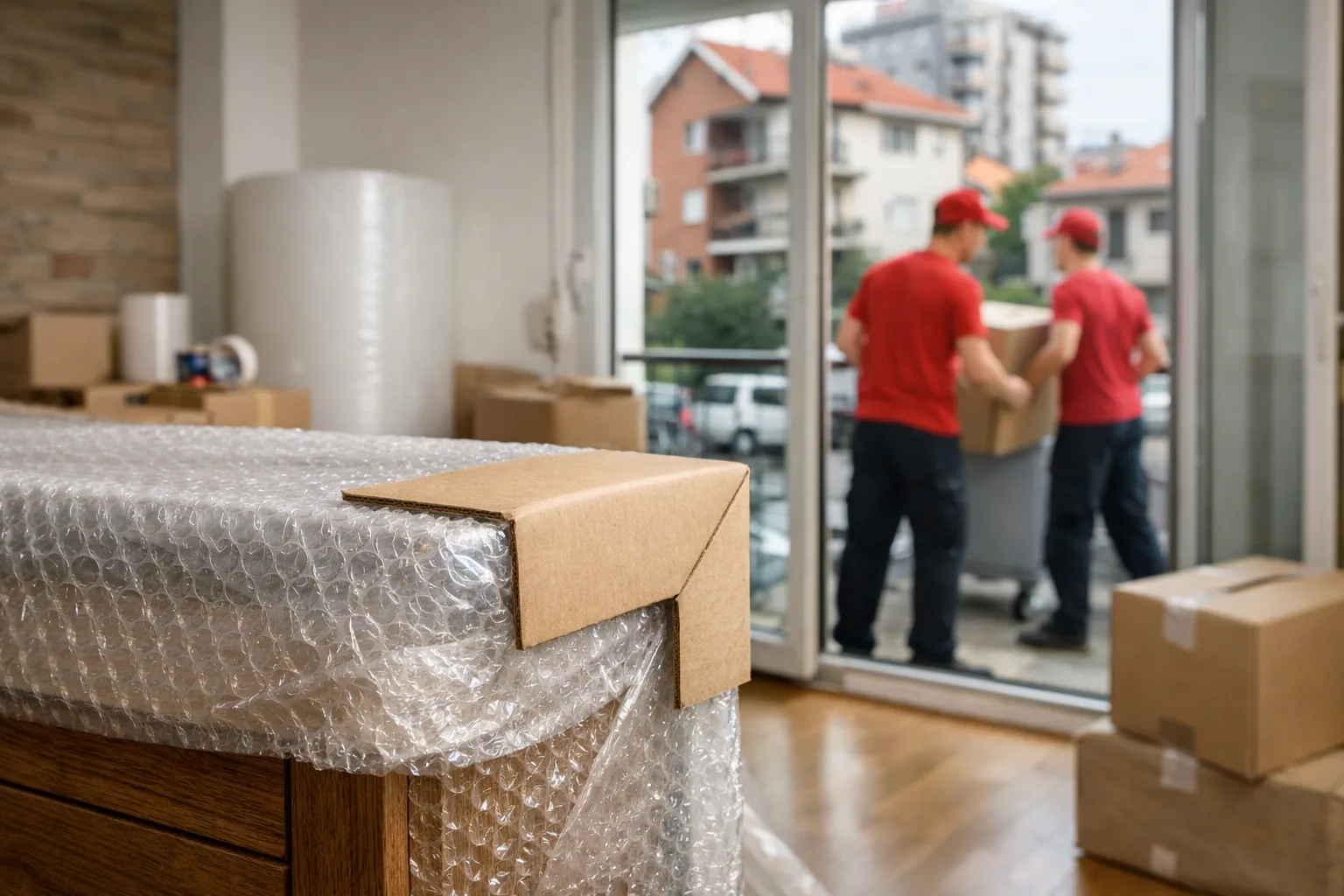
For corners and edges of furniture, it is recommended to use specialized protective corners made of styrofoam or cardboard that effectively absorb shocks during transport. Multi-layer protection is necessary for parts most exposed to damage, such as chair legs or table edges.
Additionally, for extra security, you can use cardboard boxes or special boxes for furniture parts that are particularly sensitive or fragile. Proper labeling of these packages will further assist in careful handling during transport.
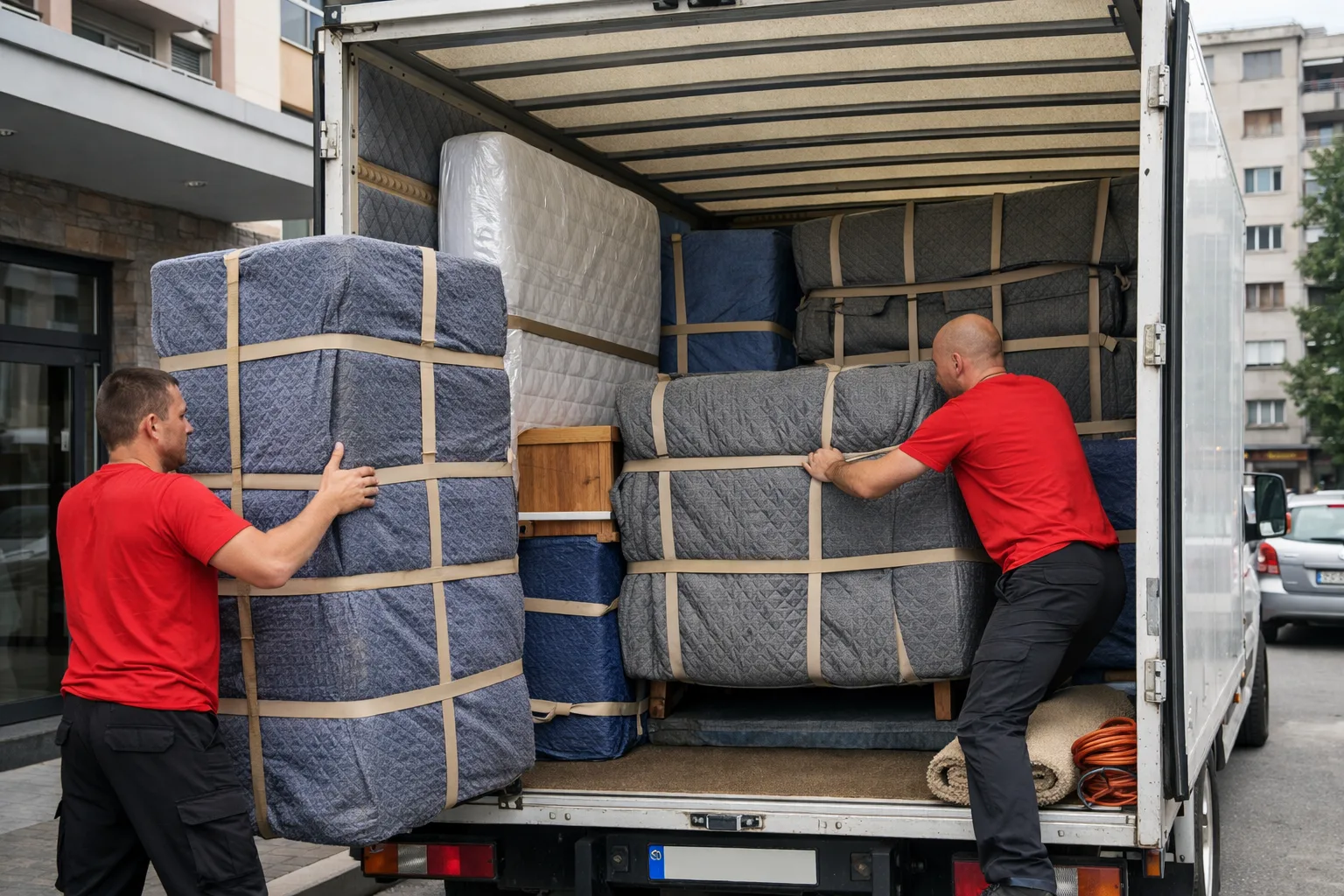
When loading furniture into a van or truck for transport to Germany, it is important that heavier pieces are placed at the bottom to prevent them from shifting and damaging lighter items. This also contributes to the stability of the load during the drive.
Use straps, ties, and other types of fasteners to secure furniture, especially pieces that may move during transit. Well-secured furniture reduces the risk of damage and facilitates handling during unloading at the destination.
Make sure to leave some space between furniture pieces filled with soft materials such as blankets or air cushions to absorb potential shocks. Avoid overloading the vehicle as this can lead to deformations, breaks, and difficult access during unloading.
When arranging, it is also useful to place heavier and more stable pieces against the vehicle walls, while lighter and more delicate furniture should be positioned in the middle or on top, but always well protected. Planning the layout in advance can significantly contribute to the safety and efficiency of the transport.
International furniture transport involves exposure to various climatic conditions, including humidity, rain, snow, as well as extreme temperatures. Proper protection is necessary to prevent damage to wood, metal, or fabrics caused by these factors.
Use waterproof tarps or special films that protect furniture from moisture, especially if the transport is partially or fully open or there is a risk of exposure to rain or snow. Waterproof materials should be of high quality and securely fastened to prevent water penetration.
For furniture with natural wood parts, it is recommended to use wood protection products before packing, such as waxes or oils that protect against drying and cracking. Also, furniture should be kept in a dry space as long as possible before transport to reduce moisture in the wood.
If possible, avoid transporting furniture during times of the year when weather conditions are most unfavorable. Planning the move in spring or autumn can reduce the risk of damage due to extreme climatic conditions.
Proper documentation is crucial for customs procedures and the safety of your move. Each piece of furniture or package should be clearly labeled with a number, description, and any handling instructions to facilitate identification and handling.
Prepare a detailed inventory of all furniture pieces being moved, including dimensions, condition, and value. This list will assist you during customs inspection in Germany and subsequent unpacking, as well as in case you need to claim damages or losses.
Labels should be easily readable and placed in visible locations on each package. Use permanent markers or stickers that will not easily come off during transport.
If you have items that require special attention, such as fragile or delicate objects, be sure to mark them with warnings like "Handle with care," "Fragile," or "Do not tilt" so the moving team pays special attention during handling.
For international moves and furniture packing to Germany, it is recommended to hire professional moving services for moves from Serbia to Germany that have experience and equipment for safe transport. They can provide a complete service from disassembly, packing, transport to customs procedures, significantly easing the entire process.
Choose a reputable moving company that offers international moving services and has good recommendations from previous clients. Specifically ask about their experience with moves to Germany, the types of protection they use, and the insurance they offer for your furniture.
Professionals can save time and reduce stress, as well as potential costs arising from furniture damage. They are also familiar with specific requirements and procedures that facilitate the moving process, including customs formalities and transport regulations.
Before hiring, verify that the moving service has appropriate licenses and insurance covering damage during transport. Also, request a written contract with clearly defined service terms and pricing to avoid misunderstandings.
After arriving in Germany, unpacking furniture should be done carefully and systematically, following notes and photos from the disassembly process. Start with pieces most needed for daily use to quickly establish a functional living space.
Reassembling furniture can be complicated if parts are lost or damaged, so it is important to immediately check the complete inventory and condition of the furniture. If you have professional furniture assembly assistance, arrange assembly details in advance to ensure a smooth process.
If you notice damage incurred during transport, document it with photos and contact the moving company or insurance as soon as possible to claim compensation.
Well-organized unpacking and furniture assembly will ease the start of your new life in Germany, saving time and reducing stress. Properly assembled furniture also extends its lifespan and contributes to your home's comfort.
How to Move Furniture from Abroad to Serbia
Common Mistakes Made During International Moves

How to Save Money on an International Move?

How to Prepare for an International Move
We will respond to you as soon as possible.
Below we answer the most important and frequently asked questions related to the specifics of packing furniture when moving to Germany, so you can be fully prepared and informed.
Yes, it is recommended that wooden furniture be treated with moisture and insect protection agents before the move, as Germany has strict regulations on wood imports. This also helps preserve the quality of the furniture during transport.
Upholstered furniture should be wrapped in plastic films resistant to moisture, then additionally protected with soft materials like blankets or special corner cushions. This reduces the risk of fabric damage and deformation.
Common mistakes include inadequate disassembly, poor protection of delicate parts, irregular labeling of packages, and improper stacking in the transport vehicle, which can lead to breakage and damage during the move.
Most professional moving companies offer assistance with preparing and submitting the necessary customs documentation, which facilitates the process of importing furniture into Germany and reduces the likelihood of issues at the border.
Large and non-disassemblable pieces should be carefully protected with multi-layer foils and protective cushions, with special emphasis on properly securing them in the transport vehicle to prevent shifting and damage.
Furniture should be stored in a dry, clean, and well-ventilated area, protected from direct sunlight and moisture. For longer storage periods, additional protection with foils or tarps is recommended.
Packages should be clearly labeled with a number, description of contents, and handling instructions. It is also recommended to mark the room or area the furniture belongs to, which facilitates unpacking and assembly in the new home.