
Tips for International Moves
How to Pack Furniture for a Move to Germany?
How to Pack Furniture for a Move to Germany?

Enter at least 3 characters.
International moves represent a complex process that requires careful planning and organization. Mistakes often occur that can lead to delays, property damage, or additional costs. In this guide, we will thoroughly examine the most common mistakes people make when moving abroad and provide practical advice on how to avoid them, so you can make your transition as safe and efficient as possible. Additionally, we will introduce you to the key steps you need to take to reduce stress and ensure your belongings arrive at their destination undamaged and on time. Understanding all aspects of international moving will help you make informed decisions and avoid unnecessary complications during this important life event.

One of the most common mistakes in international moving is insufficiently detailed planning. People often underestimate the time needed to prepare documentation, customs procedures, and organize transport. Without a clear plan, the move can become chaotic and stressful. Therefore, it is crucial to create a detailed schedule of activities early on and realistically estimate the time required for each step.
It is important to set a timeline for all phases of the move – from packing to arrival at the new address. Also, you should check all necessary documents in advance, such as visas, customs permits, and proof of ownership for the items being transported. Don’t forget to verify the validity periods of documents and any requirements for additional certifications or translations, which may take longer than expected.
A good practice example is making a task list and checking off each step before moving on to the next. This reduces the risk of forgetting important details and allows timely responses if problems arise. It is also recommended to involve family members or friends in planning to better distribute responsibilities and gain additional support.
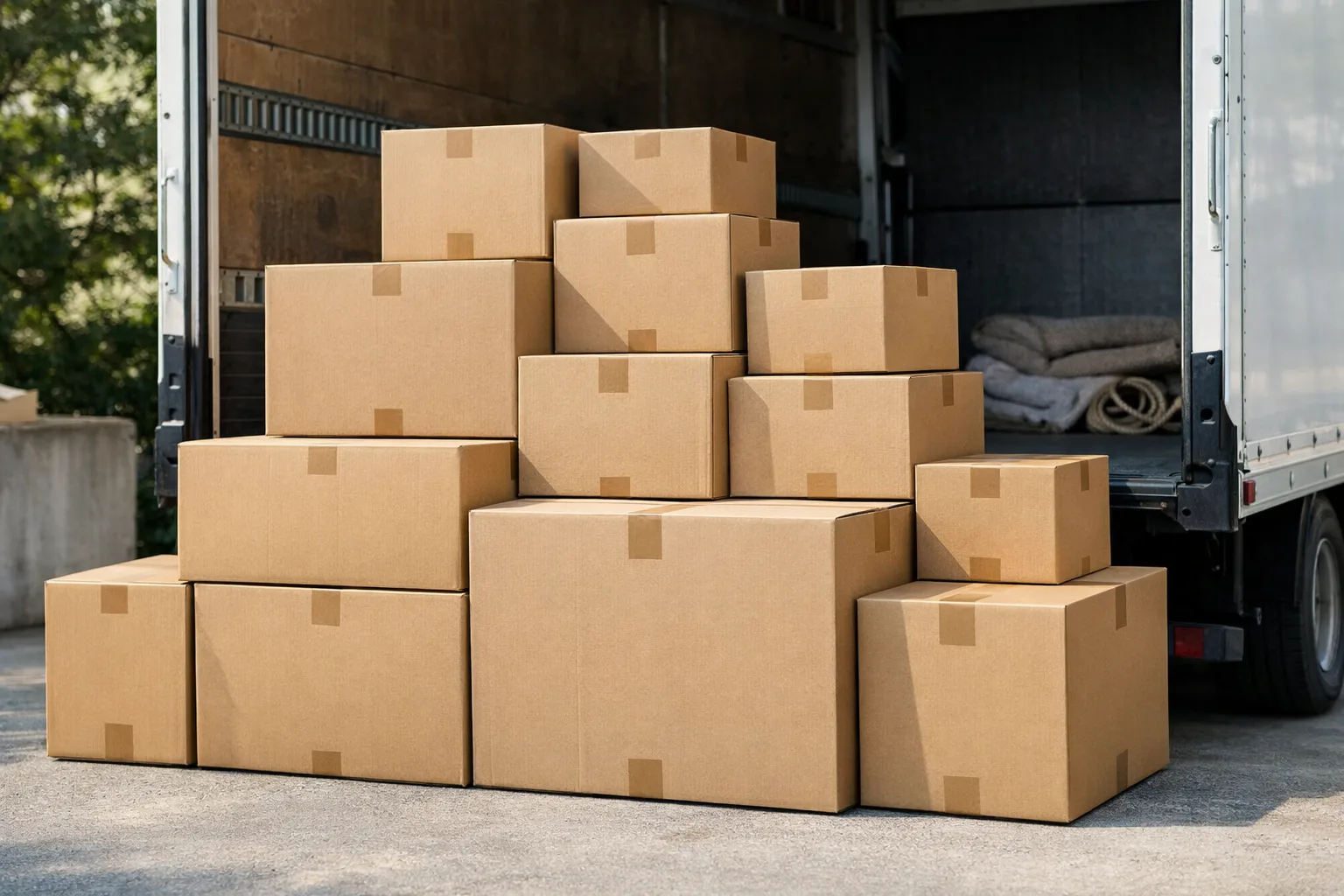
Quality packing is a key factor for a safe international move. A common mistake is using inadequate or cheap boxes that cannot withstand the weight and transport over long distances. Investing in quality materials can significantly reduce the risk of damage during transport.
Besides boxes, it is important to use protective materials such as bubble wrap, packing paper, and high-strength adhesive tapes. Fragile items should be carefully wrapped and labeled. It is also recommended to pack heavy items separately from lighter ones to avoid breakage or deformation.
Improper packing can lead to item damage, which may cause additional costs and inconveniences. Therefore, it is advisable to use specialized boxes for clothing, dishes, and electronics, as well as to hire professionals for packing valuable items. Professionals know how to properly protect belongings and can assist you in choosing appropriate materials and packing techniques.

Many make the mistake of choosing boxes that are either too large or too small for certain items. Oversized boxes can be heavy to carry and easily damaged, while small boxes do not utilize space efficiently. Properly estimating box sizes will make the transport and unpacking process easier for you.
When packing, you should assess the weight and dimensions of items and choose boxes that are practical for transport. For example, heavy books should be packed in smaller boxes to avoid overloading. Additionally, clothing can be packed in boxes with special compartments or wardrobe boxes that protect garments from wrinkling.
Optimal box size selection helps efficiently arrange items in the truck or container and reduces the risk of damage during transport. Also, properly labeling boxes facilitates unpacking at the new location. It is recommended to label boxes according to rooms and contents, and to highlight on the packaging if the items are fragile or require special handling.
One of the key mistakes is uninformed selection of a moving agency. Some rely solely on price, neglecting the company's reputation and experience. It is important to choose a company that holds all necessary licenses and insurance for international transport.
It is important to check reviews, seek recommendations, and inquire about transport conditions, insurance, and delivery deadlines. A reliable company will clearly explain all steps and provide a contract with detailed terms. Also, check if they offer additional services such as storage, customs support, or packing assistance.
Additionally, verify whether the company has experience with international transport and customs procedures, as inexperience can lead to complications and delays. It is advisable to request a cost estimate in advance, as well as information on how they handle damage or loss of items during transport.
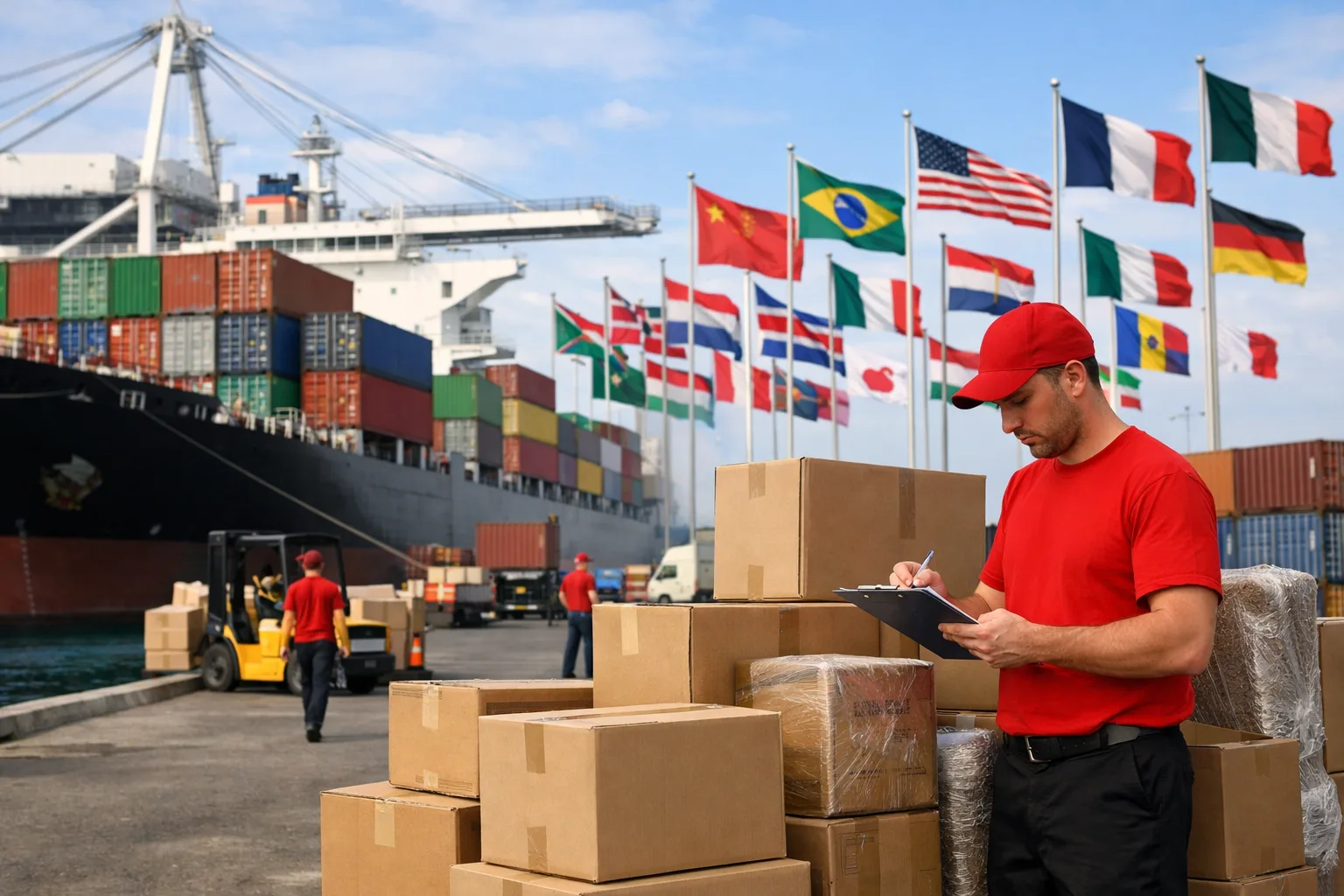
Customs procedures are often complex and require strict compliance with the regulations of the destination country. Mistakes such as incomplete documentation or improper declaration of items can cause delays or additional costs. Therefore, it is crucial to thoroughly inform yourself about the destination country's rules.
Before moving, you should thoroughly research which items are allowed for import, prohibitions and restrictions, as well as customs clearance procedures. Also, prepare all necessary documentation, including invoices, permits, and item inventories. In some cases, it will be necessary to hire a customs agent who will assist you in preparing and submitting the documentation.
If you are unsure, consult experts or a moving agency experienced with customs formalities. Timely preparation can prevent many problems and speed up the moving process. Also, keep in mind that some countries have special requirements for certain types of goods, such as food, plants, or animals, so it is important to inform yourself about these rules in advance.
Poor communication between the client and the moving agency can lead to misunderstandings and mistakes. It often happens that the client does not receive all information about the moving process, deadlines, or additional costs. Therefore, it is important to establish clear and regular contact with the company.
It is important to establish a clear communication channel from the very beginning and ask questions about all details. Regular contact and updates during the moving process help resolve issues promptly. Also, request written confirmations or emails with agreements to have a written record of all important information.
It is good to have one contact person from the company responsible for your move, and to confirm all agreements and changes in writing to avoid misunderstandings. If there are changes in the plan or deadlines, immediately notify the agency and check how this may affect your obligations and costs.
Many clients do not know exactly how many items they will transport, which can lead to problems with vehicle capacity or additional costs. Accurate estimation of the volume of items is key for planning and budgeting the move.
Before moving, make a detailed list of items and estimate their volume and weight. This helps in choosing the appropriate vehicle or container and allows for a more precise cost calculation. Also, consider the possibility of donating or selling items you no longer need, which will reduce the volume of the move.
If the volume is larger than expected, it is recommended to leave or sell some items, as a larger move requires more time and money. Proper management of the volume of belongings contributes to efficiency and reduces stress. Also, consider the option of storing items you won't immediately use in the new country, which can be a practical solution for temporarily reducing the scope of the move.
Delays in international moves are common, but many clients do not anticipate them or plan for backup time. It is important to have realistic expectations and allocate extra time for unforeseen circumstances.
Various factors, such as customs, weather conditions, or logistical obstacles, can extend the duration of the move. If you are not prepared in advance, this can cause additional stress and complications in the new country. Therefore, it is advisable to plan your move with a buffer of several days or even weeks, depending on the destination.
To avoid problems, it is recommended to schedule deadlines with a buffer and immediately inform all parties involved of any changes. Flexibility and good organization are key to a successful move. Also, have a plan ready for temporary accommodation or other logistical needs in case of delays.
How to Pack Furniture for a Move to Germany?

How to Move Furniture from Abroad to Serbia
How to Save Money on an International Move?

How to Prepare for an International Move
We will respond to you as soon as possible.
International moving requires good preparation, reliable transport, and checking customs regulations. We answer questions that help you avoid common delays, unexpected costs, and documentation issues.
The most common mistake is underestimating the time needed for preparing documentation, packing, and organizing transport. Make a plan in advance, check deadlines, and allow extra time for customs and logistical procedures.
Check the entry and residence requirements, rules for bringing personal belongings, and necessary customs documentation in the destination country. A detailed inventory is often required, and specific requirements depend on the country and your relocation status.
Request a written offer clearly stating the services included and verify what is covered in the price. Report the exact volume of belongings, loading and unloading conditions, as well as possible costs for customs procedures, waiting, or storage in advance.
An inventory facilitates space estimation in the vehicle, preparing the offer, and checking the shipment upon delivery. Depending on the country, it may also be required for customs procedures, so it is important that it is complete and matches the actual contents of the shipment.
Check their experience on the desired route, transport conditions, methods of protecting belongings, and insurance options. Request a written confirmation of agreed services, approximate timelines, and procedures in case of delays or damages.
Contact the agency and request information about the cause of the delay and the new expected date. Keep important documents, medications, and essential personal items with you, and plan accommodation and shipment pickup with a reasonable time buffer.