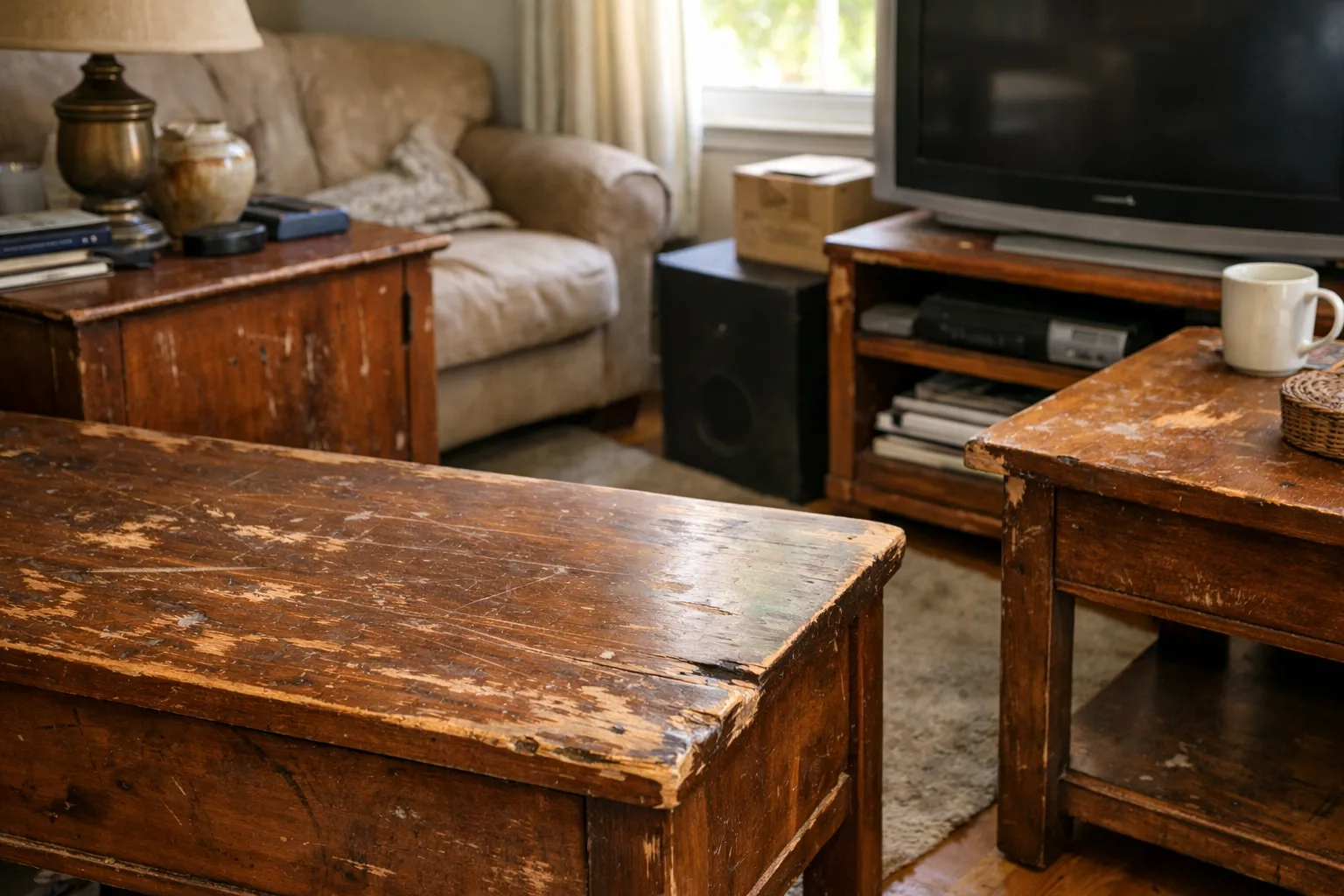
How to pack antique furniture?
How to pack antique furniture?

Enter at least 3 characters.
Packing for a move or a long trip can often be stressful and confusing, especially if you don't have a clear strategy. The key to success lies in good organization, the right packing order, and careful planning of every step. In this guide, you will learn what to pack first and what to leave for last, so the entire process goes smoothly, quickly, and without unnecessary stress. Additionally, we will provide practical tips for efficient space utilization, protecting your belongings during transport, and easing unpacking at your new location. You will also learn how to avoid common packing mistakes and how to make the most of available materials and equipment, saving you time and money. Finally, we will present a few organizational tricks to help you adapt more easily to your new space and turn your move into a positive experience.
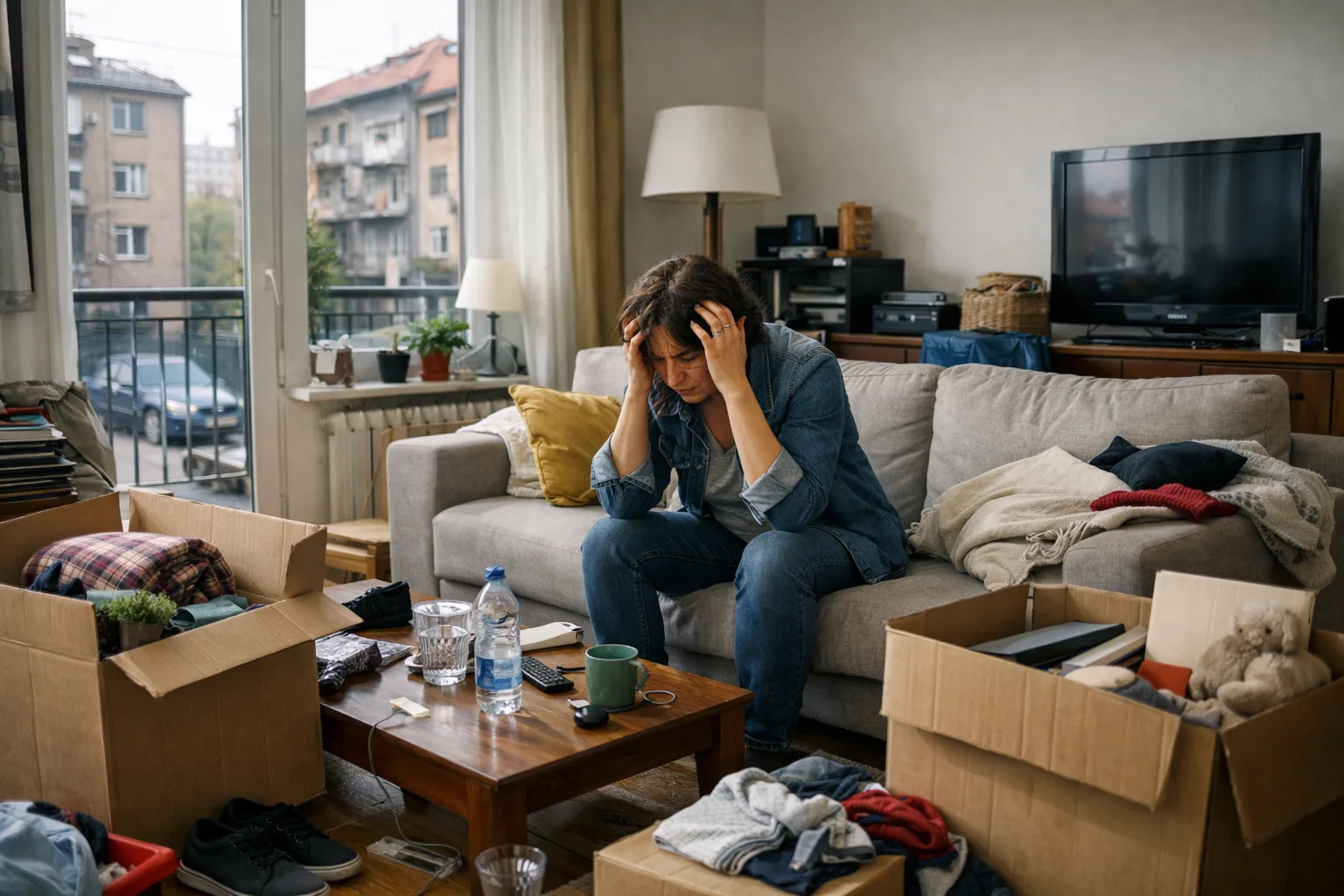
Before you start packing, it is important to make a detailed plan. Write down a list of your belongings, categorize them by importance and frequency of use. This step helps you assess the scope of work and set priorities, avoiding unnecessary packing and confusion. Also, planning allows you to estimate the materials and time needed for each part of the move.
Ensure you have enough suitable boxes, protective materials such as bubble wrap, wrapping paper, and adhesive tape, as well as markers for labeling. Preparing the packing area is equally important – secure a clean and organized corner where you can carefully sort and stack everything. Also, keep tools like scissors and box cutters handy. It is recommended to have boxes of various sizes so you can efficiently pack both larger and smaller items. If you don't have enough packaging, you can use our moving boxes service to get quality packing materials.
It's good to label boxes in advance by rooms and types of items, which will make unpacking and finding essential things easier upon arrival at your new address. Use clear labels and, if possible, create a layout plan for your new space so you know where everything goes. Also, consider photographing the packing of sensitive devices or complex items for easier reassembly later. This visual record can be a valuable aid during unpacking and equipment assembly.
The first step in packing should be items you don't use regularly, such as seasonal clothing, books, decorations, and extra household items. You can pack these items a week or more before the move since you won't need them in daily life. This frees up space and reduces chaos in the days leading up to the move. Plan to keep these boxes in an easily accessible place so you can add or remove items as needed.
For example, if you are moving during summer, winter jackets and thick socks can go into boxes first. The same applies to holiday decorations or kitchen appliances you rarely use, like mixers or pancake makers. When packing these items, use protective materials to prevent damage during transport. It is recommended to place heavier items at the bottom of the boxes and lighter ones on top to avoid breakage or deformation.
This way, you free up space and reduce chaos in the days before the move, giving you more time to focus on priority items. Also, packing these items in advance allows you to better estimate how many boxes and materials you will need for the rest of your belongings. Additionally, you can use this period to get rid of unnecessary items by donating or selling them, which will further ease your move.
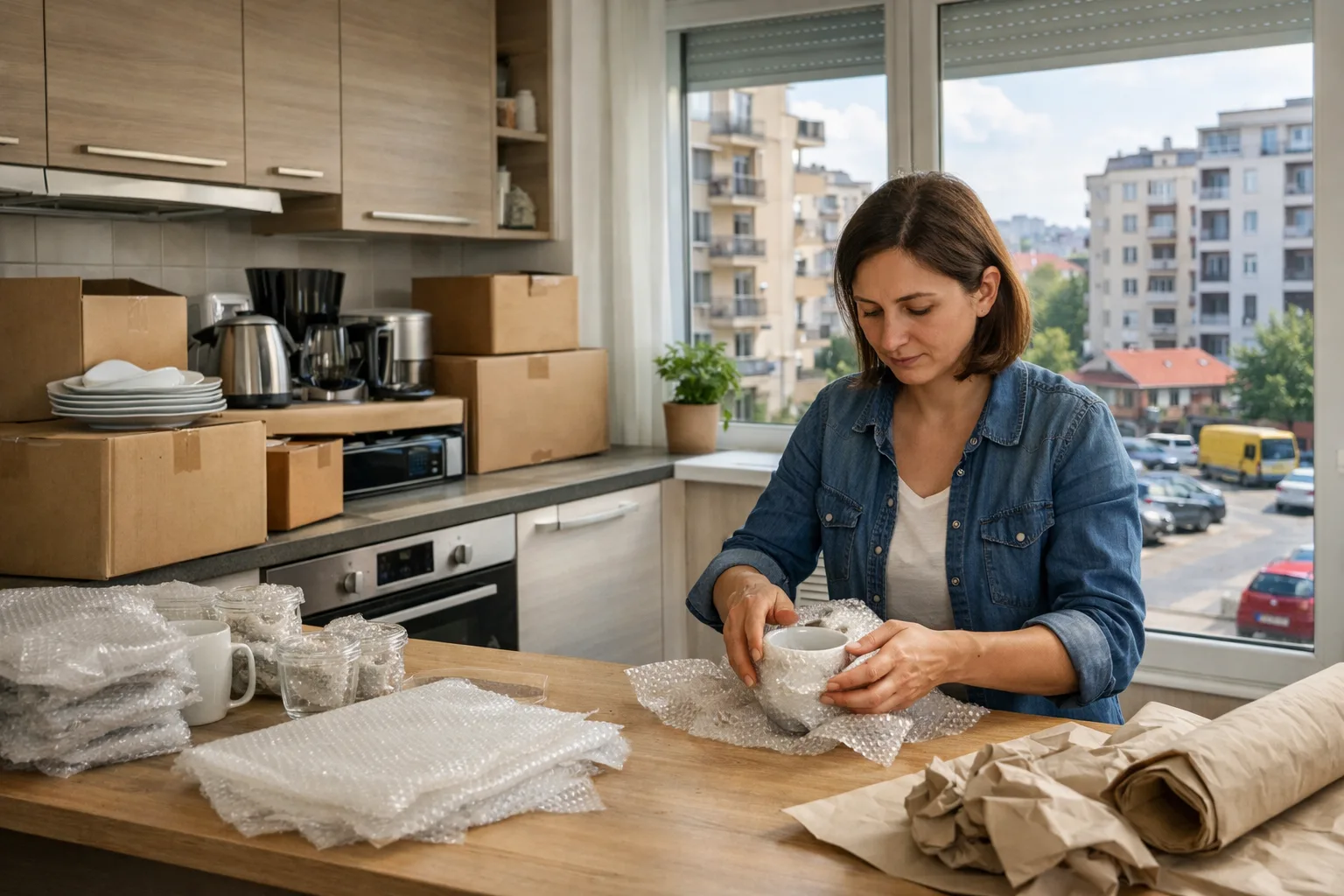
The kitchen is often the most demanding room to pack due to the large number of different items. First, pack items that are not necessary for daily use, such as extra plates, glasses for special occasions, and kitchen appliances you rarely use. Wrap these items carefully in paper or bubble wrap to prevent breakage. Also, label boxes with fragile items as "fragile" to ensure careful handling.
Regularly used kitchen essentials, like pots, pans, and cutlery, should be left for the last days. Prepare a basic set for last-minute use, for example, one pot, one pan, several plates, and cutlery, so you can prepare a meal while the rest of the kitchen is still packed. This will help you avoid extra stress and the cost of ordering food during the move.
On moving day, pack and label a box with essential kitchen items so you can prepare a meal immediately upon arrival without additional stress. Also, consider placing basic spices and kitchen towels in a separate box to make your first days in the new home easier. If possible, make an inventory list for each box to help you find needed items more easily.
Clothes should be packed according to season and frequency of use. First, pack off-season items, such as winter jackets in summer or summer clothes in winter. Also, clothes you rarely wear, like formal dresses or uniforms, can be packed immediately. This helps reduce the amount of items you need to pack at the last moment. Before packing, check that clothes and shoes are clean and dry to avoid unpleasant odors and damage.
Leave enough space and bags or boxes for everyday clothes to be packed just before the move. It is recommended to pack clothes in vacuum bags as they save space and protect garments from dust and moisture. Vacuum bags also make transport easier because they are compact and lighter to carry. If you don't have vacuum bags, you can use regular garbage bags, but be careful not to compress the clothes too much.
Group footwear by type and use, packing those you rarely wear first, such as snow boots in summer or sandals in winter, leaving everyday shoes for last. Pack shoes in boxes or bags that protect them from damage, and fill the inside of shoes with paper to help maintain their shape. Also, it is recommended to clean and dry shoes before packing to prevent mold formation.
Electronic devices and valuables should be packed carefully and towards the end, but not at the very last moment. First, prepare boxes with protective materials for delicate items such as TVs, computers, and audio equipment. Use original packaging if available, or thick paper and foam wrap for extra protection. Also, be sure to turn off and empty all devices before packing. If you want to ensure your electronics are professionally protected, you can hire experts for moving packing.
Organize cables, chargers, and accessories in small bags or pouches clearly labeled so you don't waste time searching for them later. It is recommended to make a list of devices and accompanying equipment to ensure nothing is forgotten. You can also use rubber bands or ties to organize cables and prevent tangling.
Keep valuables such as documents, jewelry, and money separately and carry them with you during the move; never put them in moving boxes. Prepare a special folder or bag for documents that will be easily accessible throughout the process. If you have valuable items, consider additional security measures like safes or special lockable bags.
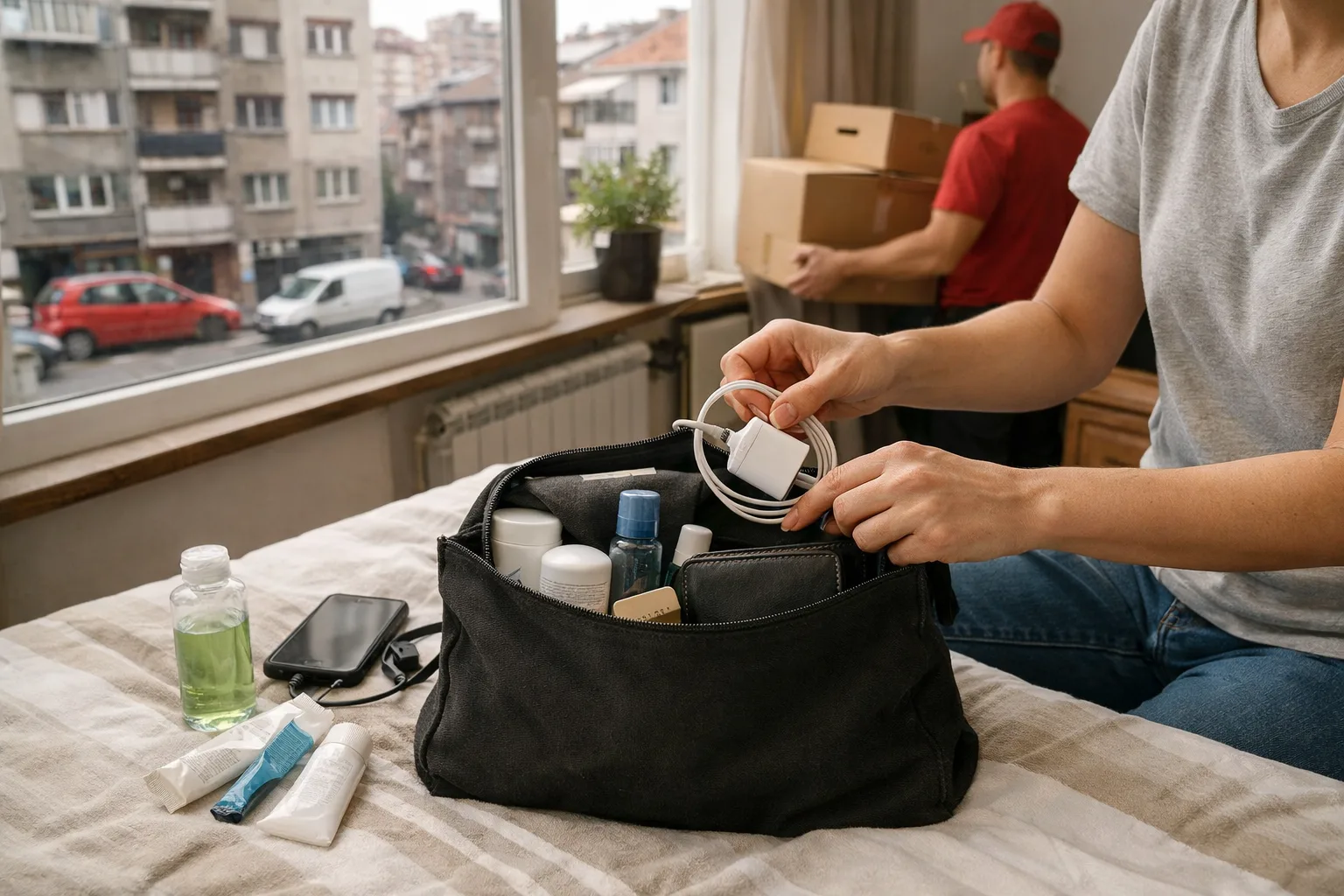
Leave bedding, towels, and hygiene supplies for last-minute packing, as you will use them most immediately before and after the move. This allows you to have everything needed for personal hygiene and rest during the stressful moving days. Plan for the last box to contain items that will provide basic comfort right upon arrival.
Prepare a separate box or bag with essentials like soap, toothbrushes, toilet paper, and towels so everything is at hand immediately upon arrival. This box should be clearly labeled and easily accessible during transport. Also, consider adding basic medicines and first aid supplies to this box.
It is best to pack bedding the day before the move, and if you have a spare set, you can pack earlier, but make sure to keep at least one complete set for sleeping until the last moment. Also, consider bringing pillows and blankets separately so you can rest immediately upon arrival. If moving with children, prepare a special box with their favorite items to ease adaptation.
Items you use daily, such as your mobile phone, wallet, keys, medicines, and basic clothing, should be easily accessible and always at hand. It is best to have a special bag or backpack for these items that you carry with you, avoiding the risk of loss or forgetting them. This bag should be organized so you can easily find any item.
Before you start packing, set aside these items and pack them separately to avoid wasting time searching for them in boxes. Also, check that all important documents and personal belongings are in one place and ready for transport. It is recommended to make copies of important documents and keep them separately as a backup.
This approach reduces stress and allows you to maintain control over your most important items during the move. It is advisable to keep this bag close throughout the entire moving process, including the journey to your new location. If you are traveling with children or pets, be sure to include their essential supplies in this bag as well.
Reserve the last day of packing for items you will use until the very last moment, such as basic kitchen utensils, bedding, and personal belongings. This way, you avoid unnecessary unpacking and repacking of the same items. Also, leave space for any additional items you might need to pack just before the move.
Check that all boxes are properly sealed and labeled, which will save you time and make unpacking easier. Use a clear labeling system, such as colors or numbers, and create a list detailing the contents of each box. This system will help you quickly find what you need and better organize unpacking in your new space.
Also, make a list of packed boxes with their contents and the rooms they belong to – this is a key organizational measure that prevents losing items and makes it easier to find the most needed belongings. If you have helpers, share copies of the list so everyone knows where everything goes. This way, apartment moving will be more efficient and less stressful for everyone involved.
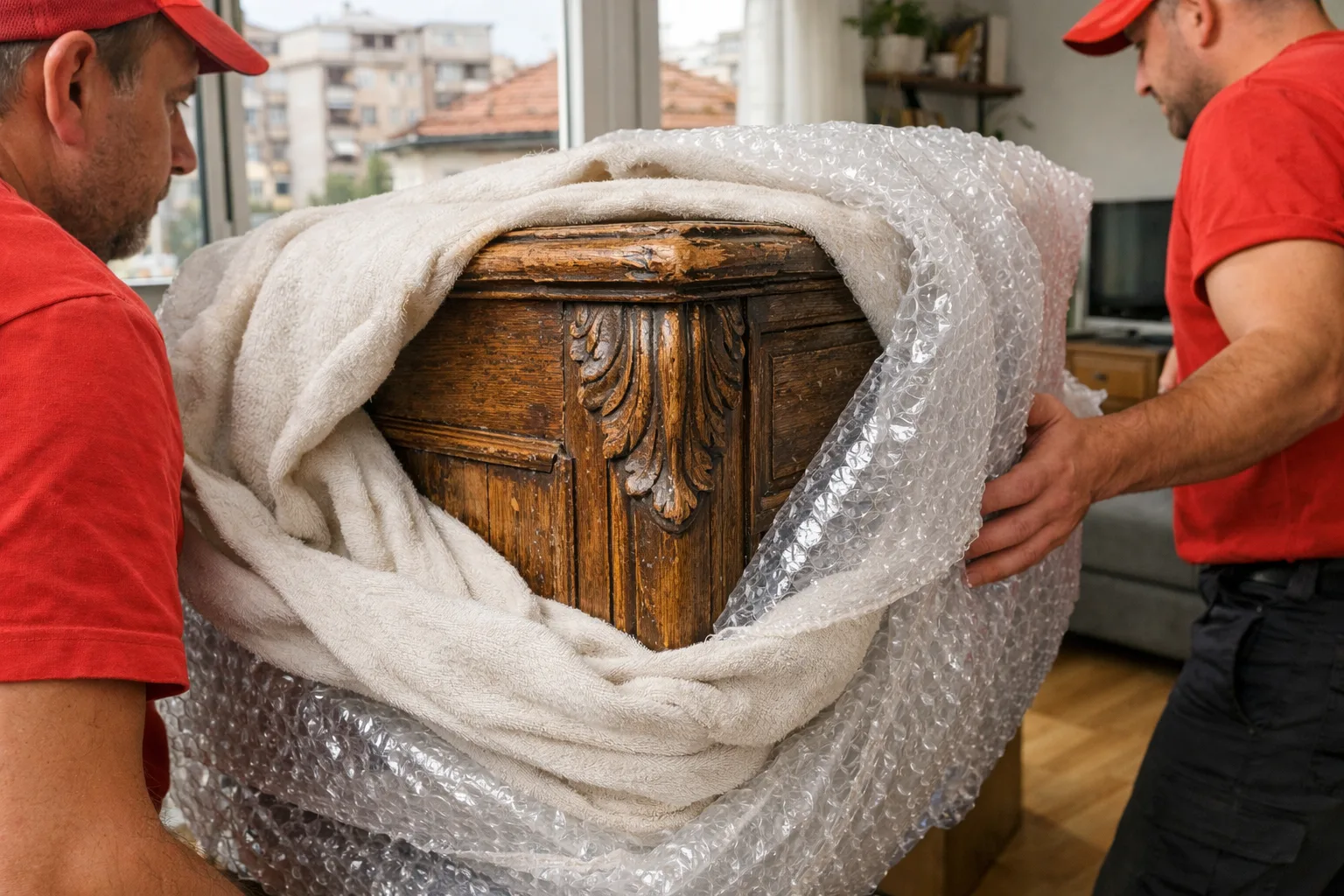
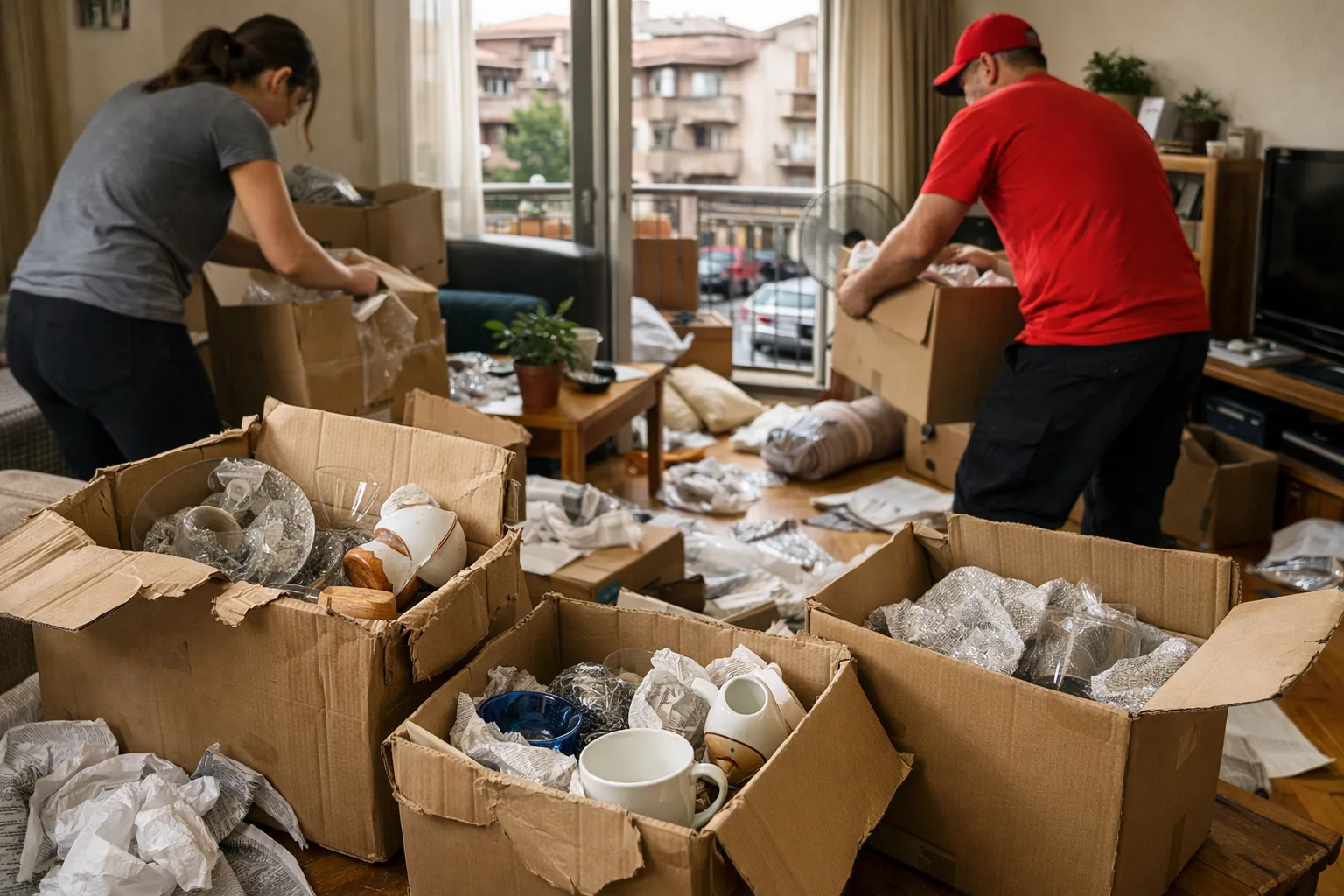
Advantages of Professional Packing Before Moving in Belgrade
We will respond to you as soon as possible.
Below are answers to the most common questions about what to pack first and what to leave for last when moving or going on a long trip.
Packing items you don’t use often first helps you free up space and reduce clutter in your home during move preparation. It also allows you to focus on the things you need daily and leave them for the end of packing.
Fragile items should be carefully wrapped in protective materials like bubble wrap or newspaper and packed in boxes with extra padding to prevent movement. Boxes should be clearly labeled as fragile to ensure careful handling during transport.
It’s best to pack clothes you wear daily at the last moment, just before the move. This way, you have enough clothing until the very end and don’t have to worry about packing essential items too early.
Pack electronics with protective materials and in their original boxes if you have them. Organize cables in small bags or pouches and label them so you can easily find them. Don’t forget to carry valuables and documents with you, not in moving boxes.
At the last moment, pack items you use daily, basic kitchen utensils, bedding, hygiene supplies, and personal belongings. Also, check that all boxes are sealed and labeled before you start moving.
Keep a record of the contents of each box and label boxes by rooms and item types. Also, keep important documents, money, and jewelry separately and always carry them with you; never put them in moving boxes.
It's best to pack bedding the day before the move or just before departure. It's important to have at least one set of bedding available until the last moment so you can rest upon arrival at your new address.