Tips for International Moves
How to Pack Furniture for a Move to Germany?
How to Pack Furniture for a Move to Germany?

Enter at least 3 characters.
Moving abroad is one of the most significant and challenging life steps that requires thorough preparation and careful planning. Besides organizing logistics, it is important to understand the legal, financial, health, and cultural aspects of the country you are moving to. Preparing in advance can significantly reduce stress and ease your adjustment to the new environment. In this guide, we will provide comprehensive information and practical advice to help make your moving process as simple and successful as possible, whether you are relocating for work, studies, or family reasons.

The first step in preparing for an international move is a thorough review and collection of the necessary documentation. A valid passport is the fundamental document without which you cannot start the moving process. Additionally, it is important to check whether you need a visa or residence permit for the country you are moving to. Each country has specific visa requirements, so it is advisable to seek information from official government websites or contact the embassy or consulate of that country.
The visa application process can be lengthy and requires patience, as deadlines vary depending on the type of visa and country. It is recommended to submit your application as early as possible, ideally several months before your planned moving date, to avoid stress and potential complications. Also, prepare additional documents such as employment certificates, invitation letters, proof of financial stability, health records, and other relevant papers that may be required during the application process.
Besides the visa, it is important to inform yourself about additional administrative obligations upon arrival, such as residence registration, reporting your stay, or obtaining a tax identification number. These formalities are crucial for legal residence and grant you access to various services, including healthcare, education, and employment. Timely fulfillment of these obligations can save you time and money and prevent possible legal issues.
It is also advisable to make copies of all important documents and keep them in a safe place, as well as have digital versions in case of loss or theft. In some cases, it may be helpful to hire a legal advisor or an agency specializing in immigration matters to ensure everything is done in accordance with the host country's laws.
Packing belongings for an international move requires a systematic approach and good organization. It is recommended to make a list of items you plan to take and group them by categories such as clothing, household appliances, documents, and personal items. This will help you better estimate the volume of belongings and choose the appropriate mode of transport.
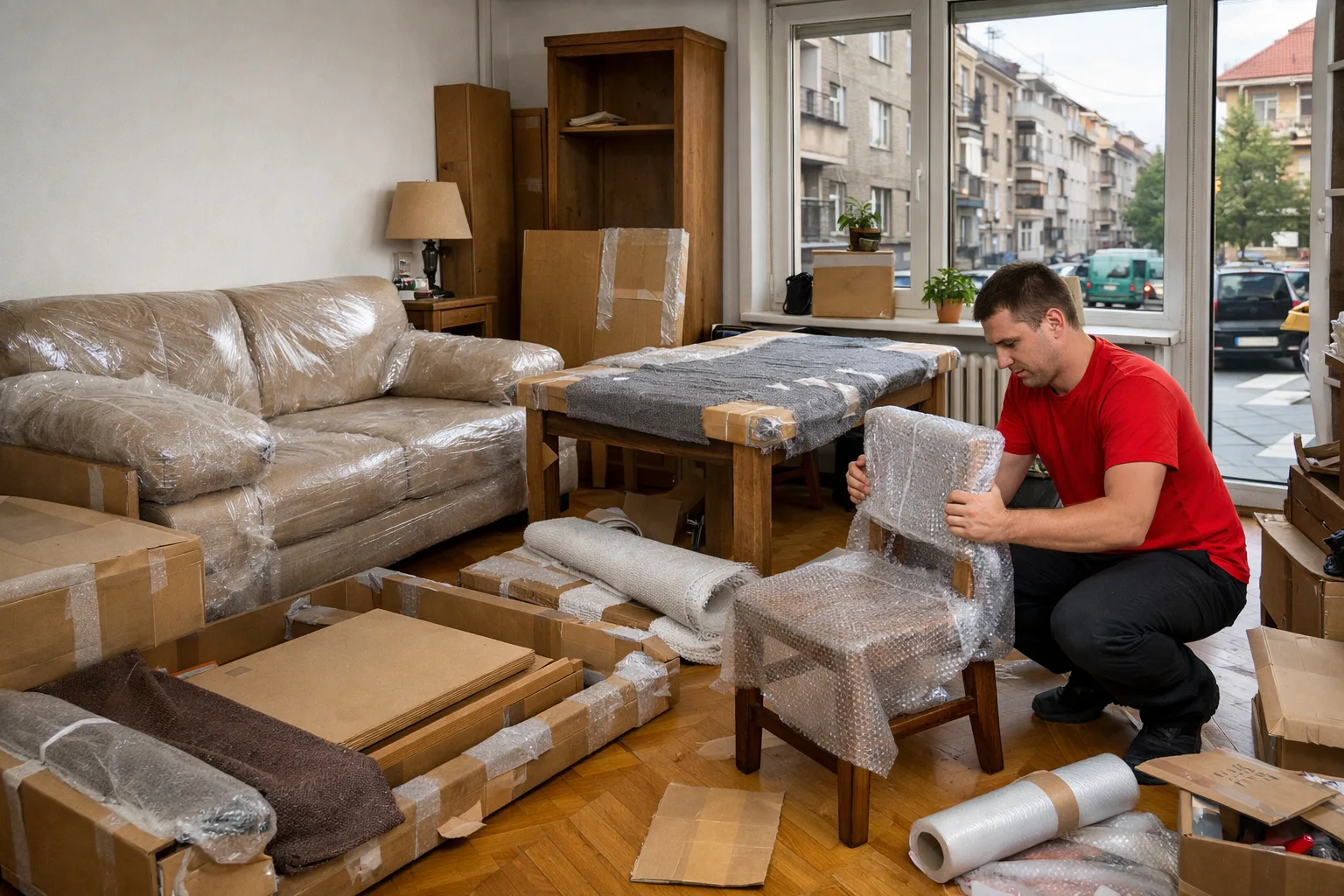
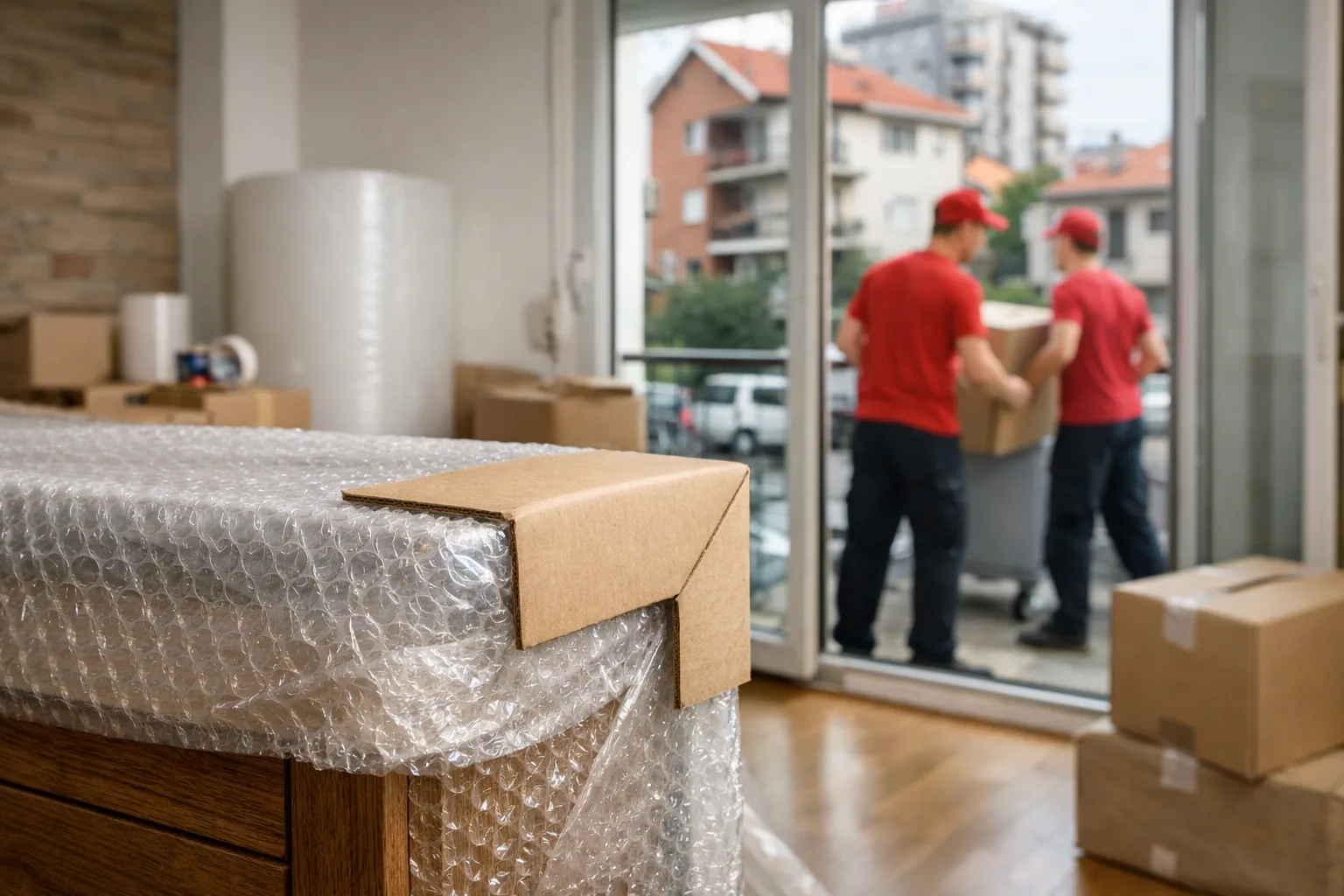
Use quality boxes and protective materials for fragile items, such as styrofoam, bubble wrap, and cushions. Clearly label each box with its contents and the room it belongs to, which will greatly facilitate unpacking upon arrival. Also, it is recommended to carry the most important and valuable items, such as documents, money, and valuables, with you in your hand luggage.
Professional moving companies experienced in international relocations can help you choose the most optimal option and handle the entire logistics, including customs clearance.
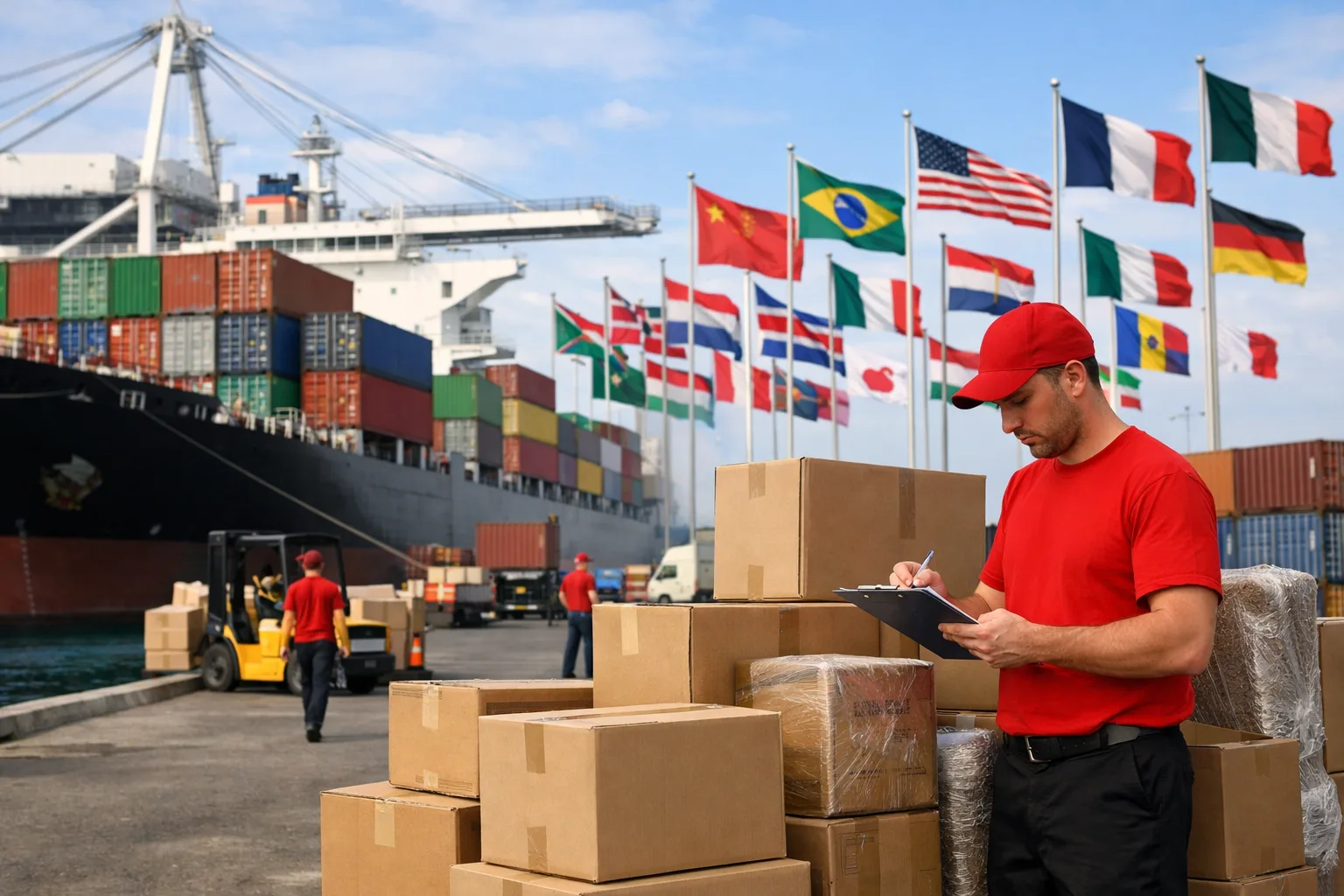
Before sending your belongings, be sure to inform yourself about the customs regulations of the country you are moving to. Some countries have strict restrictions or bans on certain items, such as food, plants, animals, or weapons. Additionally, there may be customs duties to pay when importing personal belongings. Preparing the appropriate customs documentation and declarations can significantly speed up the process and reduce costs, so it is important to comply with all rules and procedures.
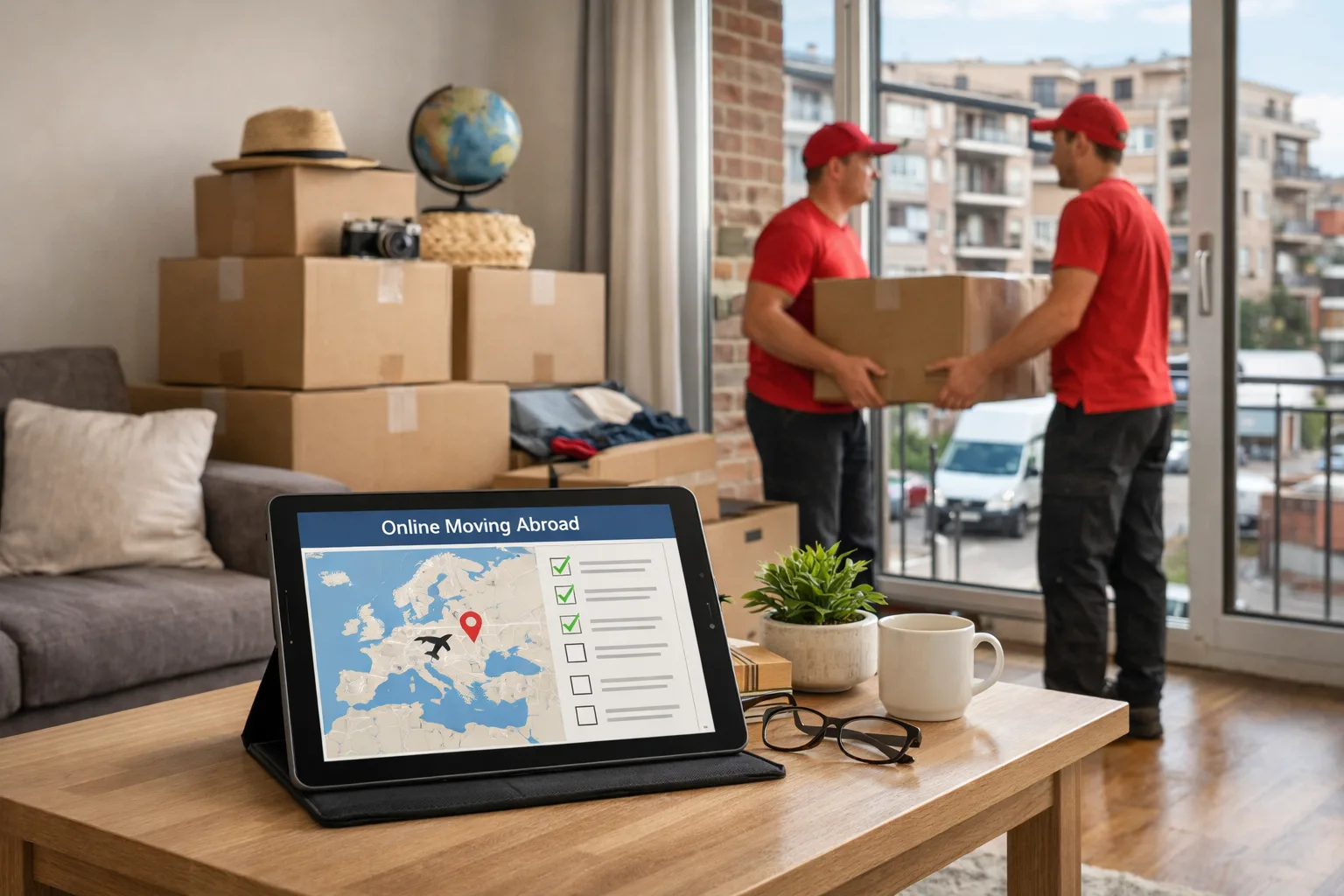
One of the first challenges after arriving abroad is finding suitable accommodation. It is recommended to research the real estate market in advance through the internet, real estate agencies, or recommendations from acquaintances. If possible, book temporary accommodation for the first days or weeks until you find a permanent solution.
Adapting to a new culture and customs can be challenging, especially if you are moving to a country with a different language and tradition. It is important to remain open and willing to learn, as well as actively participate in the local community. Attending language courses, engaging in social activities, and getting to know local customs will help you integrate faster and reduce feelings of loneliness.
Also, pay attention to the availability of local services you may need, such as healthcare facilities, public transportation, schools, and shops. It is good to gather information about these services in advance to help you navigate and organize daily life more easily. If you are moving with children, it is especially important to learn about schools and kindergartens, as well as opportunities for additional support in learning and socialization.
Don’t forget to establish a support network, whether through friends, colleagues, or local immigrant communities. Sharing experiences and advice with people who have gone through a similar process can be very helpful in overcoming initial difficulties and fostering a sense of belonging.
Moving abroad requires detailed financial planning to avoid unexpected expenses and financial stress. Costs may include plane tickets, apartment deposits, moving expenses, as well as initial living costs such as food, transportation, and utilities. It is recommended to create a detailed budget and keep a financial reserve for unforeseen situations, such as emergency medical expenses or delayed salary payments.
Opening a bank account in the new country is essential for receiving your salary, paying bills, and conducting everyday financial transactions. Many banks require personal presence to open an account, but there are also online banking options tailored for foreigners. Before choosing a bank, inform yourself about the terms, fees, and availability of services in your language.
It is important to monitor the currency exchange rate and money transfer options from your home country to avoid losses on conversion and unnecessary banking fees. Also, check whether you need to report your change of residence to tax authorities in your country, as this may affect your tax obligations and rights. Consulting a tax advisor can be useful for proper financial management in both countries.
Consider savings and investment opportunities in the new country, as well as the availability of credit products if needed. Good financial planning contributes to stability and security during the adjustment process to a new environment.
Before moving abroad, it is important to thoroughly inform yourself about the healthcare system of the host country and the conditions for accessing healthcare services. In some countries, the right to public health insurance is conditioned by citizenship or certain residency status, while in others there is the possibility of including foreigners under specific conditions.
Purchasing private health insurance is often necessary to have coverage for emergencies, specific medical services, or medications not covered by the public system. Choose an insurance company that offers international policies tailored to your needs and pay attention to coverage, deductible amounts, and terms of service use.
Don’t forget to bring all relevant medical records, prescriptions, and health information, especially if you use regular therapies or have chronic illnesses. Also, check if you need vaccinations or health checks before entering the country, as some states have strict immunization requirements.
If you have children, inform yourself about the availability of pediatric care and school health services. Also, familiarize yourself with procedures in case of medical emergencies and the locations of the nearest hospitals or clinics. This preparation can help you feel safer and more ready for life in the new environment.

As a foreigner in a new country, it is important to familiarize yourself with your rights and obligations to avoid legal issues and misunderstandings. This includes tax obligations, residence registration, as well as rights related to work, education, and social services. You can find information on these matters on official websites or from relevant authorities.
Many countries offer special support programs for immigrants, which may include legal assistance, language courses, counseling, and integration support. Take advantage of these resources to overcome administrative barriers more easily and adapt to your new environment faster.
Be aware of any limitations that may exist, such as the inability to vote in local elections or restricted access to certain social benefits during the initial period of residence. Being informed about these details will help you realistically plan your activities and expectations, as well as prepare in time for future steps like obtaining permanent residency or citizenship.
It is also important to respect local laws and regulations, including those related to work, traffic, public order, and peace. Adhering to the rules contributes to your safety and fosters a positive relationship with the local community.
Before starting work abroad, check whether you need a work permit and what documentation is required for legal employment. Employers often require certificates of qualifications, previous work experience, and possibly additional certificates or licenses specific to certain professions.
Familiarize yourself with the labor laws of the host country, including minimum wage, working hours, rights to rest, occupational safety, and procedures in case of dismissal. Knowing these rights is crucial for your safety and satisfaction in your new job, as well as protection against potential abuses.
If you plan to start your own business or work as a freelancer, inform yourself about the conditions for company establishment, business registration, and tax obligations. Some countries have special support programs for foreign entrepreneurs, including subsidies, counseling, and incentives.
Also, consider opportunities for further education and professional development in the host country, which can increase your chances for better-paid jobs and career growth. Joining local professional networks and associations can help you find employment and build your career.
If you are moving with children, one of the priorities is finding a suitable school that will meet their educational needs and help them adjust to the new environment. Learn about the school systems, availability of international schools, and options for additional support for children who do not speak the local language.
Enrollment in school may require certain documentation, such as translated transcripts, vaccination certificates, and medical records. Plan these formalities in advance to avoid delays and unnecessary stress for the child and family.
Supporting your child during the adjustment process is key to their success and well-being. Get involved in school activities, communicate with teachers, and provide additional language lessons if needed. Also, encourage your child to socialize and participate in extracurricular activities, which will help them feel accepted and happy in the new environment.
Consider psychological support or counseling options if your child has difficulties adjusting. Many schools and local communities offer such services, which can be very helpful in overcoming challenges and stress related to relocation.
How to Pack Furniture for a Move to Germany?
How to Move Furniture from Abroad to Serbia

Common Mistakes Made During International Moves
How to Save Money on an International Move?
We will respond to you as soon as possible.
Below we answer the most common dilemmas and specific issues people face when moving abroad, so you can be as well prepared as possible.
The most important documents are a valid passport, visa or residence permit, work permit if you plan to work, health certificates, and relevant personal papers such as a driver's license. It is also recommended to have copies of all important documents.
Before sending your belongings, thoroughly inform yourself about the customs regulations of the host country. Avoid sending prohibited items and prepare complete customs documentation. Working with a professional moving company can help ensure timely and proper completion of procedures.
In most countries, health insurance is mandatory for legal residence. It is often required to have private or public insurance that covers basic and emergency medical services. It is recommended to thoroughly research this before moving.
You can use reliable online rental platforms, contact real estate agencies, or ask acquaintances for help. Also, consider temporary accommodation such as hostels or Airbnb until you find a permanent solution.
You need to report your change of residence to the tax authority in your country and inform yourself about tax obligations in the new country. Double taxation can be avoided if there is an agreement between the countries, but it is important to complete all administrative steps on time.
Before starting work, make sure to check if you need a work permit and gather all necessary documentation. Inform yourself about the labor rights and laws of the country, as well as the work culture to adapt more easily.
Talk to school staff and teachers about additional support options, such as language classes or counseling. Involve the child in social activities and be patient during the adjustment process.