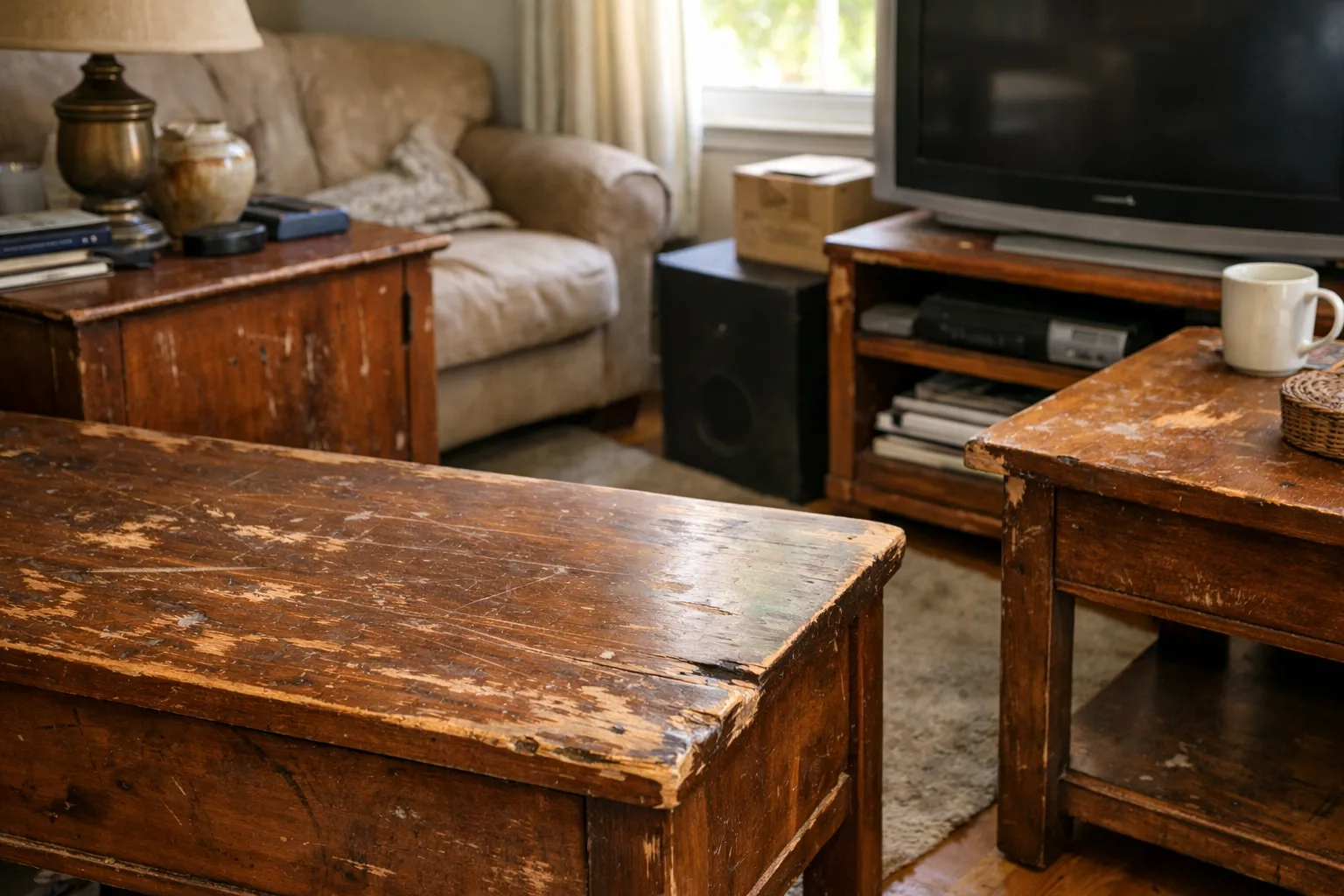
How to pack antique furniture?
How to pack antique furniture?

Enter at least 3 characters.
Moving is one of the most stressful life events, and unpacking afterward often adds to the burden. Without a proper plan, you can lose a lot of time and energy, which can negatively affect your overall experience of a fresh start. In this guide, we will provide you with practical advice on how to unpack efficiently, organize your space, and quickly adapt to your new home, reducing stress and unnecessary complications. Proper organization and planning are key factors that will help make this process as simple and pleasant as possible.
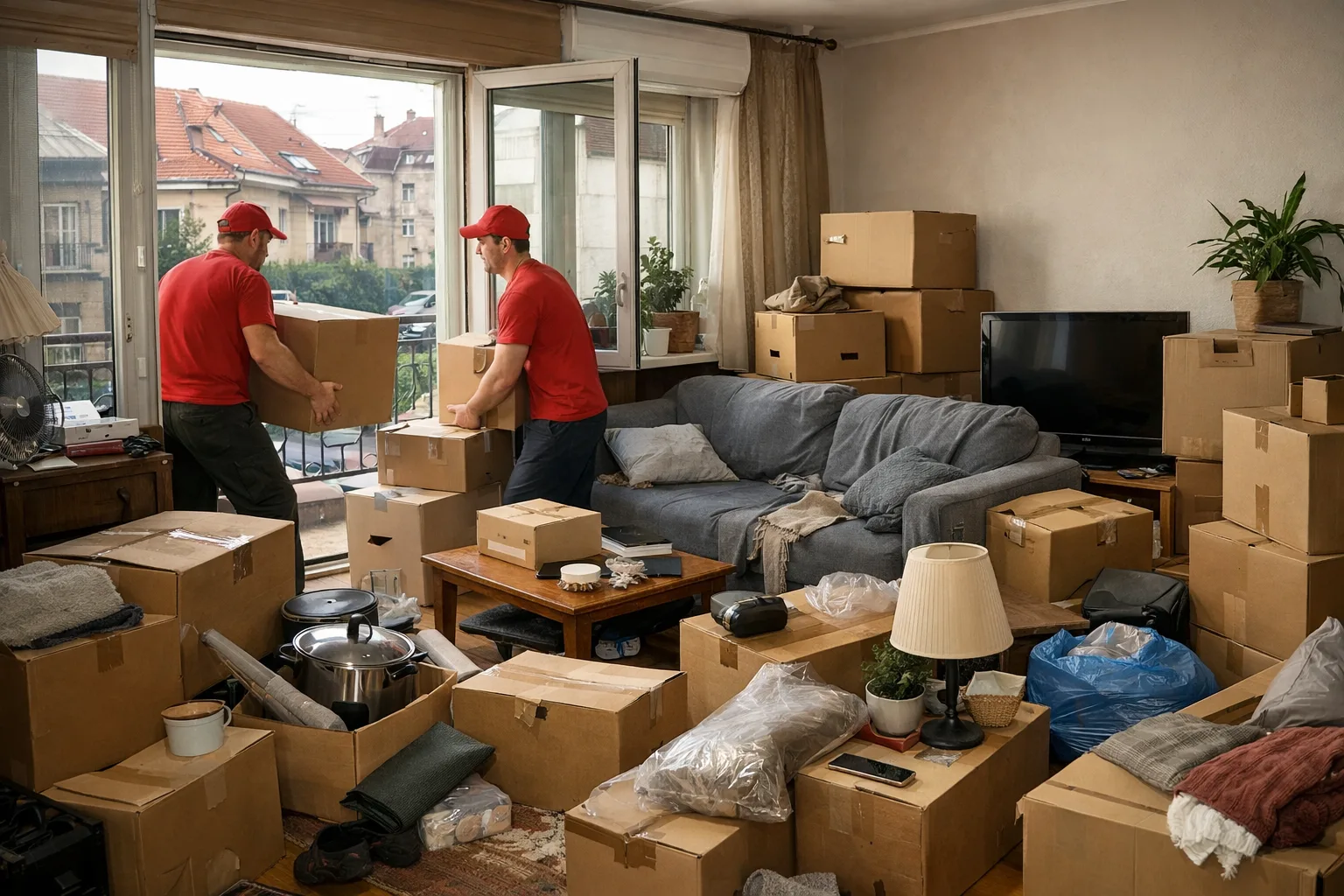
Even before moving, it is important to have a clear unpacking strategy. Start by labeling boxes according to rooms and types of items, which greatly facilitates arrangement after arriving at the new space. If you want to make this part of the process even easier, you can hire professionals for packing for moves, who will expertly label and prepare your belongings for transport. Use different colored stickers or markers for each room to help you quickly identify where everything belongs. Plan which rooms are your priority and focus on them first, such as the kitchen and bedroom, to ensure basic functionality as soon as you move in.
Also, prepare a basic kit with items you will need immediately after moving, such as essential kitchen utensils, clothes for the first night, hygiene products, and medications. Pack this kit in a separate bag or box that you keep handy so you don’t have to search through all the boxes. This will allow you to save time looking for the most necessary items among numerous boxes and feel comfortable in your new space right away.
Organize the space in your new apartment or house so that you have a place to store dirty boxes and packaging, as well as to sort items that are not immediately needed. Prepare several large bins or boxes for waste and recycling so you can immediately dispose of unnecessary packaging materials. This will reduce clutter and ease the unpacking process, keeping the space tidy and functional throughout.
After moving in, focus first on unpacking the rooms you use daily. The bedroom and bathroom are priorities because they allow you to rest and maintain basic hygiene. Set up the bed and arrange essential clothing to make your first night in the new space easier. Also, check that all basic bathroom fixtures are functional, such as the shower, sink, and toilet, to avoid any inconveniences.
The kitchen is next in importance as it is key for meal preparation and household functioning. Unpack a basic set of dishes, utensils, and cooking appliances, as well as groceries you purchased in advance. Organize work surfaces so they are clean and ready for use, and arrange other items in cabinets and drawers according to frequency of use. This will help you feel more comfortable and functional immediately upon arrival.
Other rooms, such as the living room, children’s rooms, or workspace, can be unpacked gradually. This way, you avoid overloading yourself and prolonging the process unnecessarily. Efficiently allocate your time and energy to make each step easier. Also, plan breaks and don’t overexert yourself, as this will help you stay motivated and get through the process without stress.
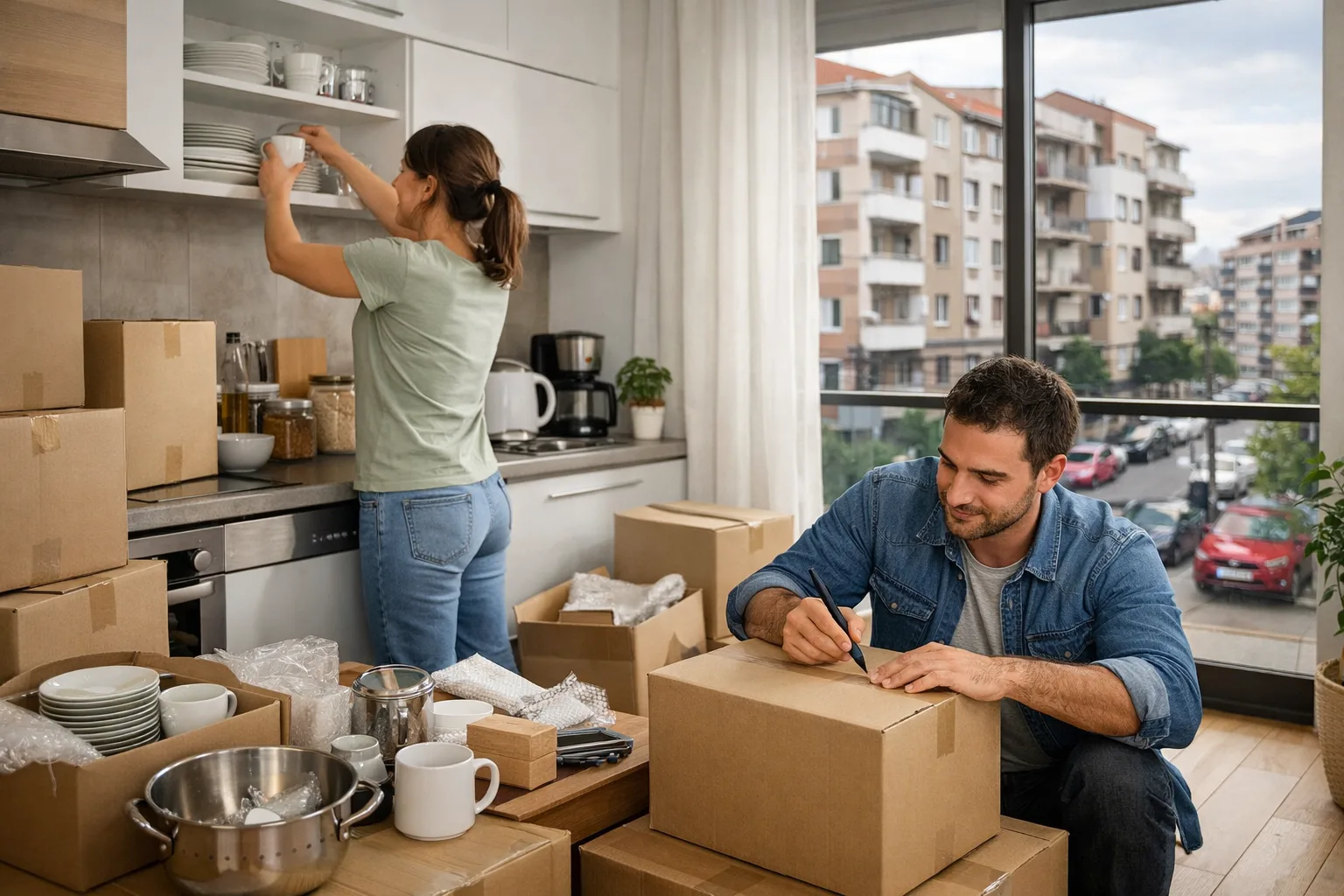
While unpacking, it is important to sort and organize items immediately. For example, separate clothing by type and season, kitchen items by function, and personal belongings by usage priority. Use boxes or baskets to group similar items, which will make it easier to find them later and maintain order. This will help you quickly locate necessary items and reduce clutter.
Take the opportunity to discard or donate items you no longer need. Moving is the perfect time for decluttering because you have an overview of everything you own. Prepare a special box or bag for items you plan to give away or throw out, and empty it regularly during unpacking. This frees up space in your new home and makes future organization easier.
Creating temporary or permanent storage spots, such as shelves, boxes, or drawers, allows everything to have its place from the very beginning. Label boxes and shelves so you know where everything goes, and if possible, use transparent boxes to easily see the contents. This will have a long-term positive impact on better organization and less stress.
One effective method is unpacking by rooms – focus on one room at a time, which reduces confusion and helps you stay organized. For example, finish everything in the kitchen before moving on to the living room. This method allows the space to become functional quickly and prevents getting lost in chaos.
Another method is unpacking by priority – first unpack items you need daily, then those used less frequently. This technique saves time and energy because you immediately have access to the things you really need. For example, unpack clothes and hygiene products first, then decorations and seasonal items.
It is also important to unpack in stages, with breaks, to avoid fatigue and frustration. Setting realistic daily goals, such as unpacking two or three boxes, can make the process more manageable and less stressful. Also, take short breaks for refreshment and relaxation, which will help you stay focused and productive.
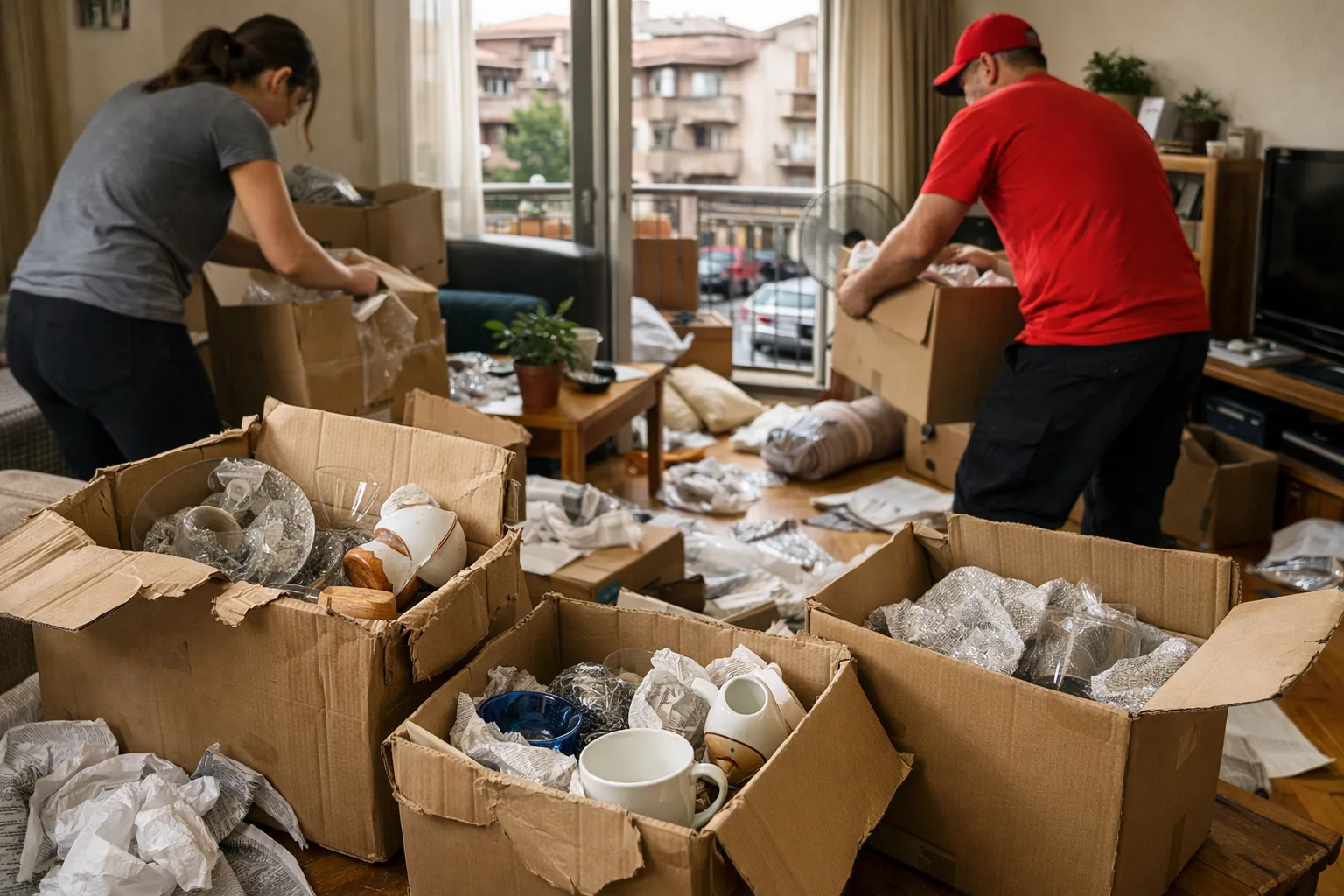
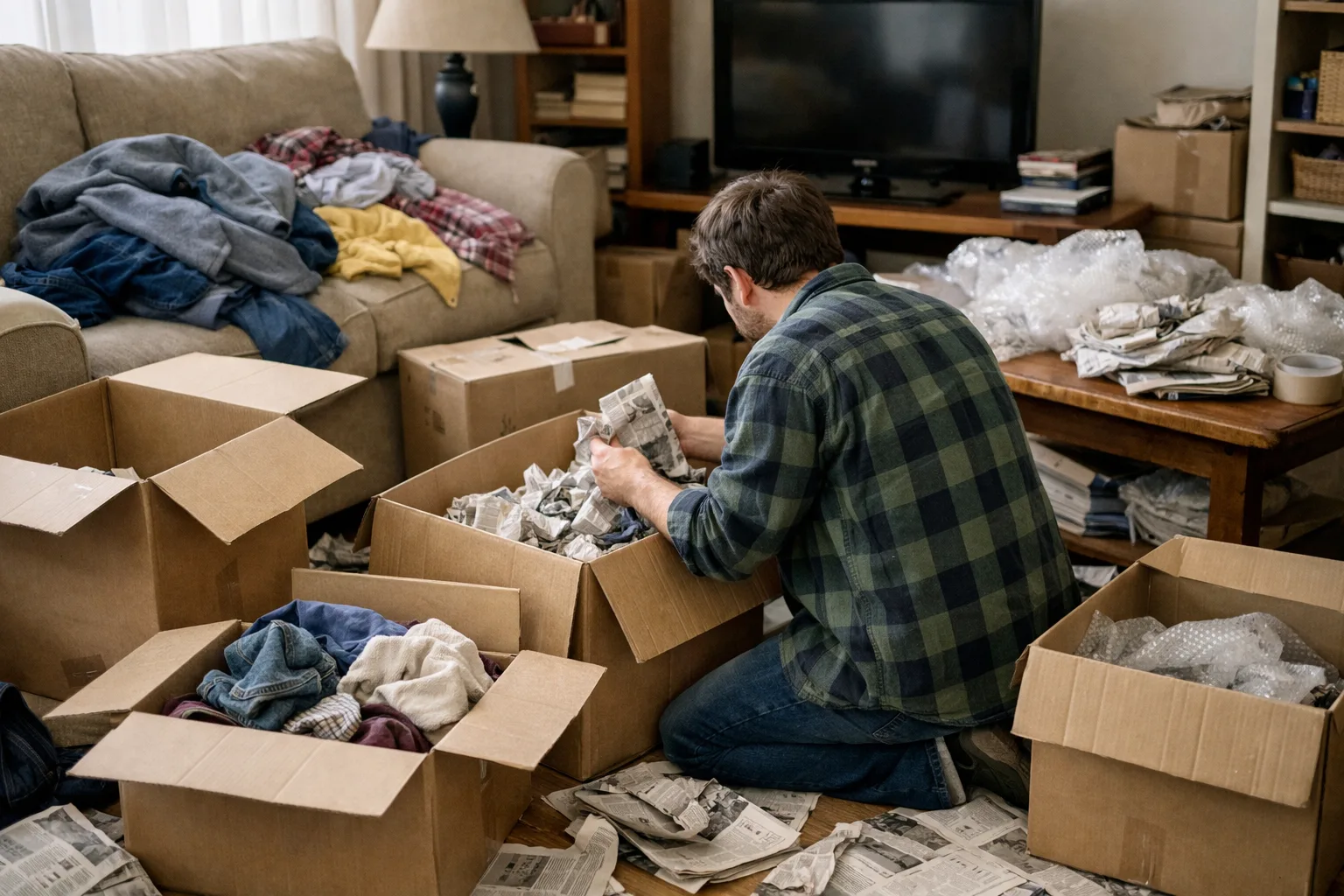
Unpacking generates a lot of packaging materials such as cardboard boxes, plastic wraps, and paper. Organize a dedicated space to collect all waste so the apartment remains tidy and obstacle-free. Place large bags or boxes in easily accessible spots so you can quickly dispose of waste during work.
Consider recycling and proper disposal of packaging, which contributes to environmental protection. If possible, immediately break down and stack cardboard for later use or recycling. Inform yourself about local waste disposal and recycling regulations to act responsibly.
Maintaining cleanliness and order during unpacking positively affects your mood and productivity. A tidy space encourages efficiency and helps you adapt faster to your new home. Regularly remove waste and packaging to avoid creating additional clutter and obstacles in the space.
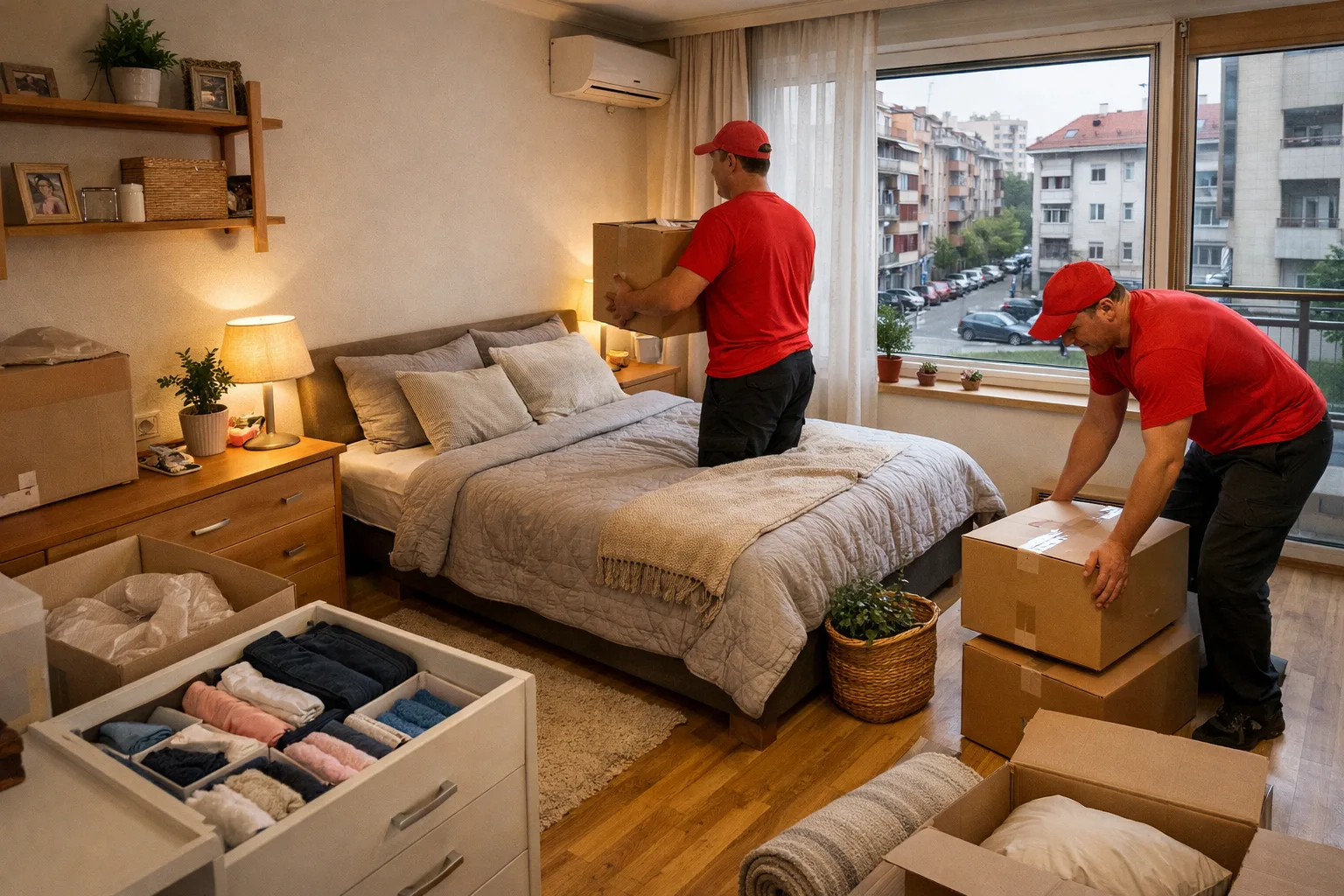
Friends and family can be a great support during unpacking. If you assign them specific tasks, such as unpacking certain boxes or assembling furniture, the work will go faster and easier. Organize work in teams or by rooms so everyone knows what to do.
It is important to clearly explain your expectations and how they can best help. For example, ask someone to assist with heavy items or organize packaging for recycling. Give clear instructions and be grateful for any help, which will motivate everyone to give their best.
However, don’t rely solely on others’ help – plan your time and activities so unpacking is successful even if you work alone. This will help you avoid unnecessary stress if help doesn’t show up. Prepare for solo work to ensure everything gets done on time.
After unpacking the essentials, focus on furniture and room layout. If you need professional help with assembly or installation, hire the furniture assembly service, which will significantly speed up and ease the process. Priority should be given to functional pieces like beds, tables, and shelves that support daily living. Arrange furniture to make the space as functional as possible and allow easy movement.
Decoration can wait until you finish the basic layout and organization. This way, you avoid additional chaos and unnecessary changes that prolong the process. Once the space stabilizes, you can gradually add decorative elements that will make you feel more comfortable.
Plan in advance where everything will go, making the best use of the available space. Consider ergonomics and practicality, as well as the aesthetic impression. This contributes to a more beautiful and functional home that you will quickly like and feel comfortable in.
After you finish unpacking, it is important to maintain the organization you have established. Regularly return items to their places and keep minimal clutter to avoid renewed chaos. Adopt the habit of putting things back immediately after use.
Use storage boxes, drawers, and shelves to store seasonal or occasionally used items. This way, you will always have a neat and functional space. Consider additional organizational aids such as drawer dividers or hanging shelves, which can further facilitate maintaining order.
The habit of maintaining order significantly reduces stress and saves time in everyday life. This way, you can enjoy your new home longer and won’t feel overwhelmed. Plan regular short space checks to prevent clutter buildup and maintain a pleasant atmosphere.
Advantages of Professional Packing Before Moving in Belgrade
We will respond to you as soon as possible.
Below are answers to the most common questions related to unpacking after moving, which will help you make the process more efficient and less stressful.
First, unpack boxes with the most essential everyday items, such as clothing, hygiene products, basic kitchen utensils, and documents. Labeling boxes by rooms and priority before the move will help you organize more easily.
During unpacking, set aside a special box or space for items you plan to donate, sell, or throw away. Moving is a great opportunity for decluttering, and this way you free up space and make organization easier for yourself.
Organize a special corner or space where you will place cartons and packaging while unpacking. Regularly remove or recycle them so the space doesn’t become messy and you have more room to work.
Depending on the scale of the move and your capabilities, help from friends or family can greatly speed up the process. However, it is important to have a clear plan and not rely entirely on others, so you don’t get frustrated if help isn’t available.
Plan the furniture layout and storage spots in advance. Use shelves, drawers, and boxes for organization and ensure every item has its place, which will help you maintain order long-term.
Unpacking time depends on the amount of belongings and the size of the space, but it is recommended to plan unpacking in stages over several days to a week to avoid overload and stress.
Set realistic daily goals, take breaks, and reward yourself for each completed step. Involving friends or family can boost motivation and make the process more enjoyable.