Tips for International Moves
How to Pack Furniture for a Move to Germany?
How to Pack Furniture for a Move to Germany?

Enter at least 3 characters.
International moves are a complex process that requires detailed planning and organization to ensure everything goes smoothly. From choosing the right business partners to complying with legal requirements, every step is crucial for success. In this guide, you will discover the most important tips and tricks for an efficient and safe move abroad, including practical examples and recommendations to help you avoid common pitfalls and stress. Besides the basic steps, we will also focus on the specific challenges posed by international transport, as well as strategies for adapting to a new environment, which is often an overlooked aspect of moving. Our goal is to provide you with comprehensive information that will help make your moving process as simple and stress-free as possible.

The first step to a successful international move is detailed planning. It is important to create a timeline for all activities, from packing to transport and customs procedures. It is recommended to start planning several months in advance to avoid unforeseen problems. During this period, you can also make a preliminary cost estimate, which will help you better manage your budget.
Preparation also includes making a list of items you will take with you, as well as those you might sell or donate. This list should be detailed and organized by categories, which facilitates later packing and customs formalities. Additionally, it is important to inform yourself about the specific requirements of the country you are moving to, to avoid problems at customs, including possible bans or restrictions on certain items.
Organizing all documents, such as passports, visas, work permits, and vaccination certificates, is essential for a smooth border crossing. Keep copies of important papers and have them handy throughout the move. It is recommended to save digital copies in a secure place, such as a cloud service, so you can access them in case the originals are lost. Also, check the validity periods of documents and renew them in time if necessary.
Choosing the right moving company can significantly impact the success of your move. Before deciding, check references, reviews, and experiences of other clients. Transparency in communication and a clear service offer are key factors. It is also advisable to visit the company's office in person or speak with their representatives to get a better impression of their professionalism and reliability.
It is important that the company has experience in international moves and understands the specifics of transporting goods across borders. Also, check if they offer packing, storage, and customs brokerage services, which can simplify the entire process. Some providers also offer additional services such as furniture assembly and disassembly, which can be very helpful when relocating to a new country.
The contract with the moving company should be read carefully and all terms understood, especially regarding liability for damages and delays. It is desirable to have insurance for goods during transport. Before signing the contract, request a detailed specification of services and price list, as well as information about procedures in case of complaints. This will help you avoid misunderstandings and additional costs.
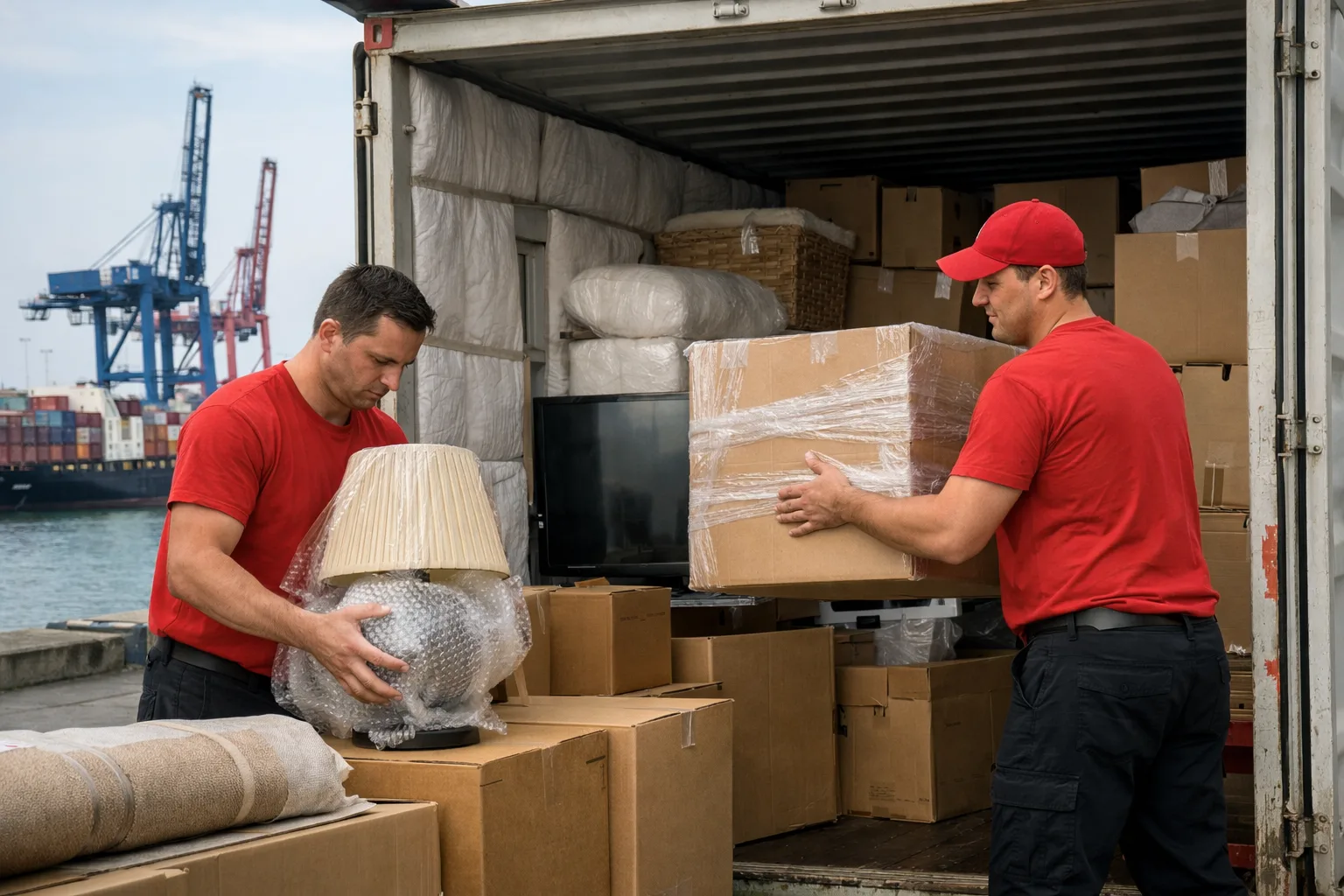
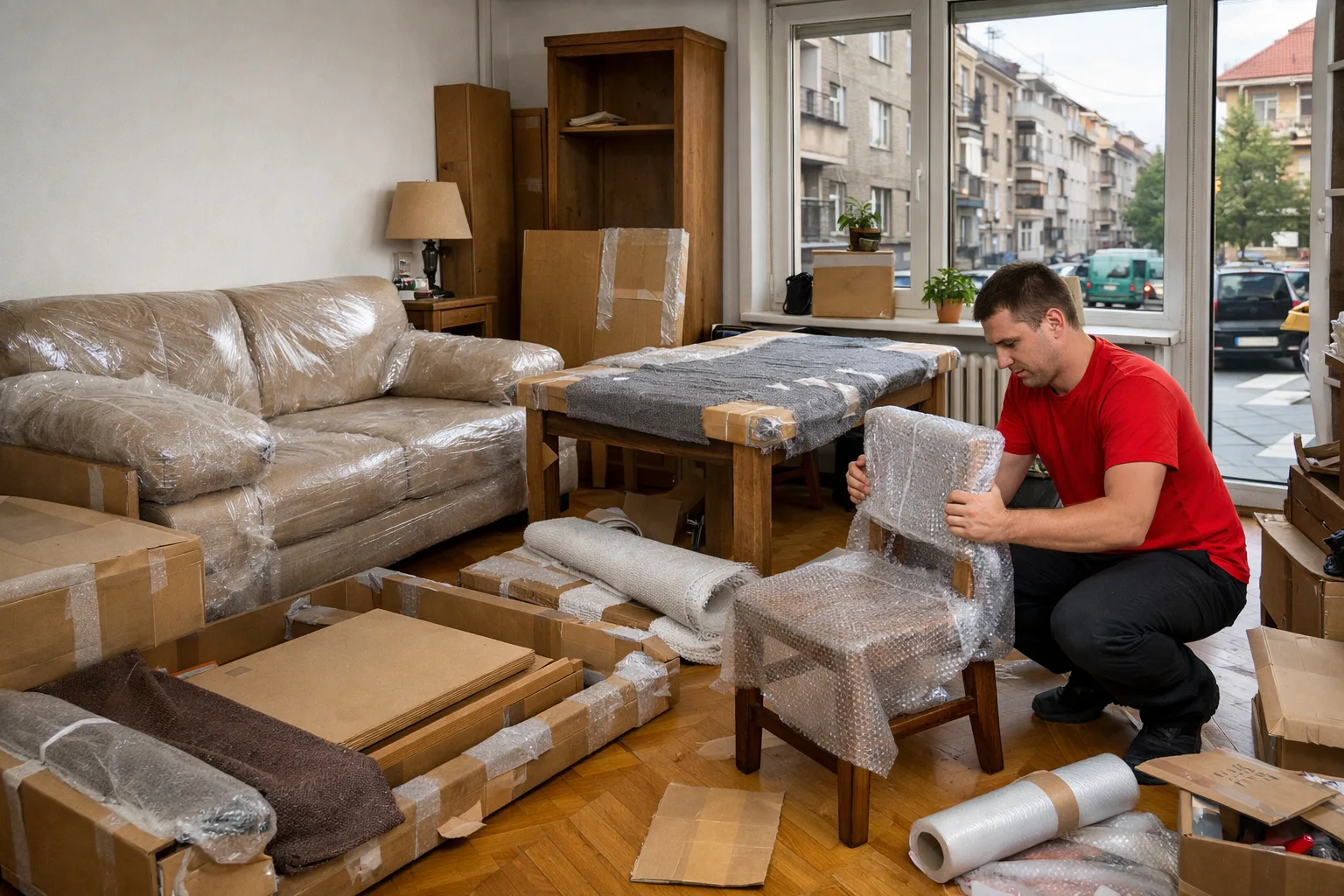
Proper packing is the foundation for the safe transport of belongings. Use quality packing materials such as sturdy cardboard boxes, bubble wrap, and protective paper. Protect delicate items especially well and clearly label the boxes. It is also recommended that boxes are not too heavy to reduce the risk of damage and facilitate handling during transport.
It is wise to make an inventory list by boxes and keep track of what is inside each box, which makes unpacking and finding important items easier. Heavier boxes should be smaller to make them easier to carry and reduce the risk of damage. Additionally, labeling boxes with marks such as "fragile" or "this side up" can help workers handle your belongings properly.
If you are moving valuable or fragile items, consider professional packing by the moving company. Also, think about additional insurance for these items, as standard insurance does not always cover all risks. In some cases, it is possible to hire specialized companies for transporting artworks or antiques, which further guarantees the safety of such items.
Customs is one of the most important and complicated parts of an international move. Each country has its own rules and requirements for importing personal belongings, which may include customs declarations, invoices, and certificates of origin. It is recommended to thoroughly inform yourself about the specific regulations of the destination country, as non-compliance can lead to delays or even seizure of items.
Before moving, inform yourself about the permitted and prohibited items in the destination country, as they may vary. For example, some countries do not allow the import of plants, food, or certain electronic devices without special permits. There are also restrictions on the quantities of medications and other personal items you can bring without additional permissions.
It is advisable to have the assistance of a customs clearance agent or to use the services of a moving company that offers customs brokerage. Prepare all necessary document copies and have them ready for inspection, which can speed up the process and reduce stress. Additionally, it is recommended to track the status of customs procedures through an online system if available, so you stay informed about any delays or required additional steps.
The choice of transport type depends on the distance, volume of items, and budget. The most common methods are sea, air, or road transport. Sea transport is the most economical for larger quantities but takes longer, while air transport is faster but more expensive. Also, for smaller shipments or urgent moves, courier services offering international van transport of smaller parcels can be used.
Logistics involves coordinating loading and unloading dates, as well as communication with all parties involved. It is important to have a clear plan for the movement of goods and a contact person at both locations. It is recommended to arrange exact dates in advance and to monitor the transport status through available shipment tracking systems.
If the move is time-sensitive, consider combined transport options or express services. Also, keep in mind possible customs delays or weather conditions that may affect deadlines. Plan extra time for unforeseen circumstances and inform all involved parties about possible schedule changes.

Moving to another country brings both cultural and administrative challenges. It is recommended to familiarize yourself with local customs, language, and laws to adapt more easily. Attending language courses or using learning apps can significantly ease communication and daily life.
Opening a bank account, registering residence, and getting acquainted with the healthcare system are the first steps after arrival. Many cities offer services for foreigners that can assist with integration, including advisory centers and workshops to learn about local laws and rights.
It is also important to establish a support network, whether through friends, communities, or professional services. This greatly facilitates adaptation and reduces feelings of isolation. Actively participating in local groups and events can help build social connections and foster a quicker sense of belonging to the new environment.
International moving costs can be high and varied, so it is essential to create a detailed budget. Include expenses for packing, transport, customs, insurance, as well as any additional services. Also, consider costs related to adapting to the new environment, such as apartment deposits, furniture purchases, or administrative fees.
Do not forget unexpected expenses, such as customs delays or additional fees. It is recommended to keep a reserve of at least 10–15% of the total budget for such situations. Regularly monitor expenses throughout the moving process to respond promptly and adjust plans if necessary.
Compare offers from different moving companies and request detailed quotes. Financial transparency helps avoid unpleasant surprises and ensures the selection aligns with your capabilities. Also, consider the possibility of installment payments or using services that offer flexible financial options.
The security of belongings and personal data during an international move is crucial. Use quality locks for boxes and containers, and carry sensitive documents with you in your personal luggage. Also, consider using security seals or tapes that can indicate any unauthorized opening of packages.
Be cautious with electronic devices and personal items that may be targets for theft or damage. Photographing items before packing can serve as proof in case of damage. It is recommended to keep a detailed inventory of the value and condition of items, which can be useful for insurance and potential claims.
If you are moving by yourself or with friends, be sure to inform someone about your plan and location. Also, monitor weather conditions and traffic information to avoid inconveniences during the trip. For long journeys, plan regular breaks and ensure the vehicle is technically sound and properly equipped for international driving conditions.
How to Pack Furniture for a Move to Germany?

How to Move Furniture from Abroad to Serbia

Common Mistakes Made During International Moves
How to Save Money on an International Move?
We will respond to you as soon as possible.
Below we answer the most common questions that arise when organizing an international move, so you can be fully prepared for this demanding process.
It is optimal to start planning and organizing at least three to six months before the scheduled moving date to allow enough time for gathering documents, selecting a moving company, and packing your belongings.
The most common issues include inadequate documentation, importing prohibited items, or improper declaration of goods. To avoid these, thoroughly research the destination country's requirements and use the services of a customs agent or an experienced moving company.
Professional moving companies have the experience and resources for safe and efficient transport, especially for international moves involving customs procedures and complex logistics. Organizing the move independently may be cheaper but carries higher risk and stress.
Use specialized packing materials, hire professionals for packing, and consider additional insurance that covers valuable items. Photographing your belongings before packing can help in case of claims.
Stay in contact with your moving company and customs agent to receive timely updates. Prepare for possible additional storage costs and consider alternative ways to communicate with family or your employer.
Learn the basics of the language and culture before arrival, research administrative procedures and services available to foreigners. Connect with local communities and organizations that support newcomers.
Check references and reviews, experience with international moves, service offerings (packing, customs clearance, storage), and insurance terms. Transparency in communication and clear contract conditions are essential. Ensure the company holds all necessary licenses and permits.