Tips for International Moves
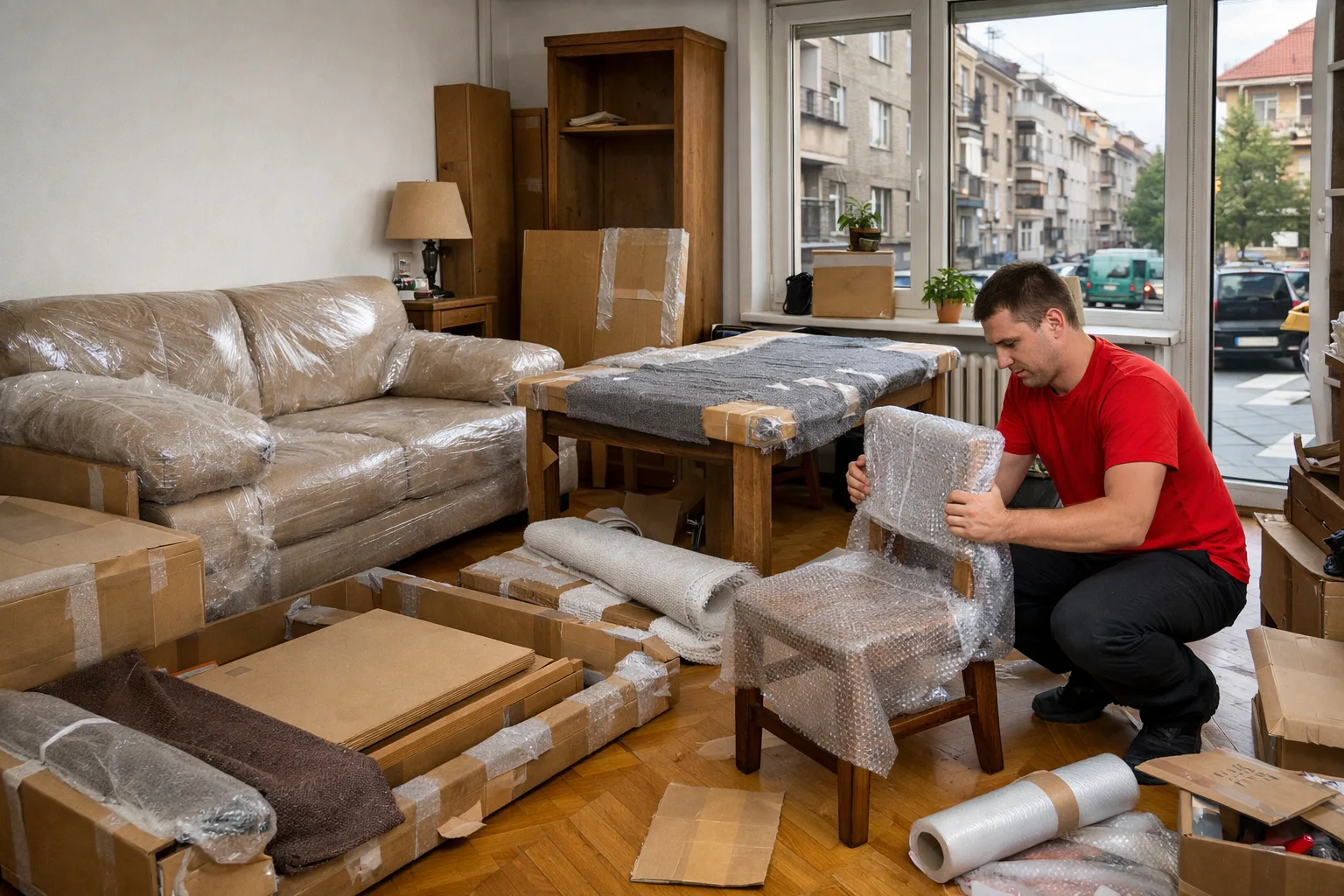
How to Pack Furniture for a Move to Germany?
How to Pack Furniture for a Move to Germany?

Enter at least 3 characters.
Moving to another country brings many challenges as well as opportunities. Croatia, with its unique geographical position, natural beauty, and dynamic labor market, is becoming an increasingly popular destination for international relocations. In this guide, we examine the key advantages and disadvantages of moving to Croatia, so you can make an informed decision and prepare as best as possible for this important step. In addition to basic information, we will provide practical advice to help you adapt more easily and make the most of life in Croatia.

Croatia is located at the crossroads of Central Europe and the Mediterranean, giving it a unique geographical position. This location allows easy access to many European destinations, which is a great benefit for those who travel frequently for business or personal reasons. Additionally, Croatia has a diverse climate ranging from continental inland to Mediterranean along the coast, offering options according to personal preferences.
Climatic conditions support various lifestyles. For example, those who enjoy warmer weather can appreciate mild winters and long summers on the Adriatic coast, while those who prefer cooler climates can choose to live in the Zagreb area or other continental parts of the country. It is important to note that continental regions experience more pronounced seasonal changes, which can affect outdoor activities and lifestyle throughout the year.
This diversity makes Croatia an attractive destination for a wide range of people, from retirees to young professionals, as it can meet different life needs and desires. However, seasonal variations should also be considered as they can impact living costs and availability of services. For instance, during summer months, demand for accommodation and services on the coast increases, potentially raising costs, while some tourist areas may be less active in winter.
For those planning to engage in agriculture or gardening, Croatia's climate provides good conditions for growing various crops, especially along the coast where winters are mild. Additionally, natural beauty and proximity to the sea contribute to quality of life and opportunities for recreation and relaxation.
When choosing a place to live, it is recommended to consider local microclimatic conditions as well as access to essential amenities, as these can significantly affect daily life and satisfaction in the new environment. If you are planning to relocate from Serbia to Croatia, we recommend you learn about all the details and opportunities offered by our moving service from Serbia to Croatia.
The Croatian economy is in a phase of stable growth, with particular emphasis on the tourism sector, IT industry, and services. For individuals relocating for work, it is important to know that the labor market can be competitive, especially in popular areas such as Zagreb, Split, or Rijeka. Also, certain industries are developing, which can provide opportunities for professionals with specific knowledge and skills.
Employers in Croatia are increasingly seeking qualified workers, especially in the IT sector and other high-tech industries. However, average salaries in Croatia are lower compared to some Western European countries, which can be a challenge for those planning high living expenses. Nevertheless, lower living costs can mitigate this effect, particularly in smaller towns or rural areas.
On the other hand, living costs in Croatia are lower compared to Western Europe, which compensates for the lower salaries. It is recommended to conduct thorough research and prepare a financial plan before moving, as well as consider options for remote work or starting your own business. Additionally, it is important to follow local employment trends and participate in professional networks to increase the chances of finding a suitable position.
For those planning to start their own business, Croatia offers various support programs and subsidies, especially in the innovation and tourism sectors. It is advisable to consult with local chambers of commerce or advisors to understand all legal and tax aspects of doing business.
It is also important to keep in mind that the seasonal nature of some industries, such as tourism, can affect income stability, so it is advisable to consider additional income sources or flexible forms of employment.

As a member of the European Union, Croatia allows citizens of member countries easier access to the labor market and residence. For citizens of non-EU countries, the process of obtaining work and residence permits can be more complex and requires detailed documentation preparation. It is important to start this process early to avoid unnecessary delays and complications.
It is important to start the residence registration procedure on time, which includes registration at the local police station or administrative office. For a work permit, it is necessary to have an employment contract or proof of employment, along with certain other conditions that vary depending on the type of job. Also, attention must be paid to permit validity periods and timely renewals.
It is recommended to engage experts or consult with an immigration law specialist to avoid mistakes and unnecessary delays. Also, closely follow current regulations as immigration policies may change. Many municipalities and cities offer free or affordable counseling services for foreign nationals, which can be very helpful.
In addition to basic permits, it is useful to inform yourself about additional rights and obligations you have as a foreigner in Croatia, such as access to health insurance, social services, and education. It is also important to know which documents you should carry daily and how to keep them updated.
For those planning a longer stay or permanent integration, there is the possibility of obtaining permanent residence or citizenship, which brings additional benefits. The processes for these options are detailed and require a certain period of residence and fulfillment of conditions, so it is advisable to get informed in a timely manner.
Croatia offers a good quality of life with access to healthcare and educational services that are at a solid level. The healthcare system is mostly publicly funded, and there is a wide network of health centers and hospitals. Foreigners legally residing in the country have the right to healthcare, but it is advisable to also consider private health insurance for faster and broader services.
For families with children, the availability of primary and secondary schools, as well as international schools in larger cities, is a significant advantage. Many schools offer programs in English, which can facilitate the education of foreign children. There is also the possibility of attending kindergartens and preschools adapted to various needs.
Numerous parks, sports facilities, and cultural events contribute to a quality life. In larger cities, there are sports clubs, museums, theaters, and festivals that enable an active social life and acquaintance with local culture. Participating in these activities can help with social integration and making friends.
However, it should be noted that in rural areas there may be limited availability of certain services, which requires additional logistics and planning. Also, the language barrier can be a challenge initially, especially in administrative processes. It is recommended to learn basic Croatian and use translation services when necessary.
For elderly people and those with special needs, various social services and support are available, but it is important to research the availability of these services in the desired location in advance. Local social work centers can provide information and assistance in accessing necessary services.
Living costs in Croatia are generally lower than in Western European countries but vary depending on the region. Coastal living can be more expensive due to tourist demand, while inland regions are more affordable. When planning a budget, it is important to consider costs of utilities, food, transportation, and entertainment.
The tax system in Croatia includes income tax, value-added tax (VAT), and other local fees. For individuals working in Croatia or having income from other sources, it is important to familiarize themselves with tax obligations to avoid issues with tax authorities. There are different tax rates and reliefs depending on income level and type of activity.
It is recommended to consult with a tax advisor who can assist in optimizing tax obligations, especially if there is a combination of income from Croatia and abroad. Additionally, it is important to check for possible tax reliefs and exemptions, such as deductions for dependents or investments in pension funds.
For those planning to start a business, it is important to understand tax obligations and potential incentives offered by the state to entrepreneurs. It is also essential to be aware of deadlines for submitting tax returns and paying obligations to avoid penalties.
If you plan to live in Croatia, it is advisable to create a detailed financial plan that includes all regular and extraordinary expenses, as well as savings for unforeseen situations. This will help you maintain stability and security during the adjustment to the new environment.
Croatia has a rich cultural heritage and hospitable people, which facilitates the integration of new residents. However, the language can be a challenge for those who do not speak Croatian, as it is the official language in administration and daily communication. Understanding and using the language significantly contributes to easier navigation and building social connections.
Learning Croatian is recommended before and after moving, as it facilitates handling everyday situations and accessing local services. Many cities offer language courses for foreigners, and there are also online options that allow flexible learning. Additionally, participating in language workshops and conversation groups can help accelerate language acquisition.
Culture and customs vary from region to region, so it is useful to be open to new experiences and adapt to the local way of life. Getting involved in the community through hobbies, sports, or volunteer work can greatly aid adaptation and the creation of friendships.
It is important to respect local customs and traditions, as well as participate in local events, which contributes to better understanding and acceptance. Also, familiarizing yourself with the history and cultural values of Croatia can enrich your experience and sense of belonging.
For families with children, involvement in school and extracurricular activities can help children adapt more easily and make friends, while providing parents with opportunities to meet other parents and the local community.
Croatia has well-developed infrastructure, including highways, a railway network, and international airports in Zagreb, Split, and Dubrovnik. This connectivity facilitates mobility within the country and international connections, which is especially important for business people and tourists.
Public transport is generally developed in larger cities, while in smaller towns it may be limited. For those relocating, owning a car may be necessary, especially if planning to live outside urban centers. Attention should also be paid to road conditions and availability of services in certain regions.
Additionally, internet and telecommunications services are at a high level, which is crucial for remote work and maintaining contact with family and friends abroad. Planning accommodation with good internet connection is recommended, especially for those who rely on digital technologies in daily work.
In larger cities, there are also bicycle paths and public bike systems available, which contribute to environmentally friendly transportation and a healthier lifestyle. There are also taxi services and ride-hailing apps that facilitate movement without a personal vehicle.
For travel within the country and to neighboring states, it is recommended to use a combination of different modes of transport, such as train, bus, and plane, depending on distance and availability. Planning ahead can save time and money.
Croatia is an EU member and has a legal system aligned with European standards, providing security regarding ownership, contracts, and labor rights. This is an important factor for those wishing to establish themselves professionally or privately in the country. Knowing basic legal rights and obligations is crucial for successful integration.
Safety is at a high level, with a low crime rate compared to many other European countries. However, as in any country, caution is advised in larger cities and tourist areas during peak seasons. Adhering to basic safety measures significantly reduces risks.
Knowing basic legal rights and obligations helps avoid problems and facilitates everyday life. It is useful to inform yourself about local regulations and the availability of legal assistance if needed. Various organizations and institutions provide free or affordable legal advice to foreigners.
For those planning a long-term stay or business, it is recommended to familiarize yourself with the laws regulating employment relationships, tax obligations, and consumer rights. It is also important to keep track of legislative changes that may affect your status or business.
In case of problems or misunderstandings, it is advisable to use mediation or legal channels to resolve disputes peacefully and efficiently. Being informed and responding promptly are key to maintaining security and stability in your new environment, and for a worry-free start to life in Croatia, you can rely on the professional international moving service.
How to Pack Furniture for a Move to Germany?

How to Move Furniture from Abroad to Serbia

Common Mistakes Made During International Moves
How to Save Money on an International Move?
We will respond to you as soon as possible.
Below are answers to the most common questions that arise regarding international moves to Croatia, especially related to administrative, legal, and practical aspects of relocation.
The basic steps include gathering the necessary documentation such as a valid passport, proof of accommodation, reason for stay (e.g., employment contract), and submitting an application at the local police department or relevant administrative office. It is important to apply before the allowed visa-free stay expires or after entering the country.
It is recommended to use online job platforms as well as directly contact companies in sectors such as IT, tourism, or services. Professional networks and LinkedIn can also help. In some cases, engaging local employment agencies or consulting HR experts may be beneficial.
Although English can be used in larger cities and tourist centers, knowing Croatian significantly facilitates integration, access to services, and communication with locals. It is recommended to attend language courses before or after arrival.
Living costs in Croatia are generally lower, especially regarding housing, food, and services. However, prices can be higher in tourist areas during the season. It is important to prepare a detailed budget including all relevant expenses before moving.
Before arrival, check the conditions for enrolling in the healthcare system, especially if coming from a country with a different insurance system. Registration with the local health center is necessary. It is also recommended to have international health insurance until local coverage is established.
Children must be enrolled in appropriate schools or kindergartens, which may require additional documentation such as previous school reports and health certificates. It is important to learn about educational programs and international school options, especially if they do not speak Croatian.
It is necessary to check references and experiences of moving companies with international relocations to Croatia. It is important that the company offers a complete service including customs procedures, transport, and insurance. Also, clearly defined terms and transparent pricing contribute to the safety of the move.