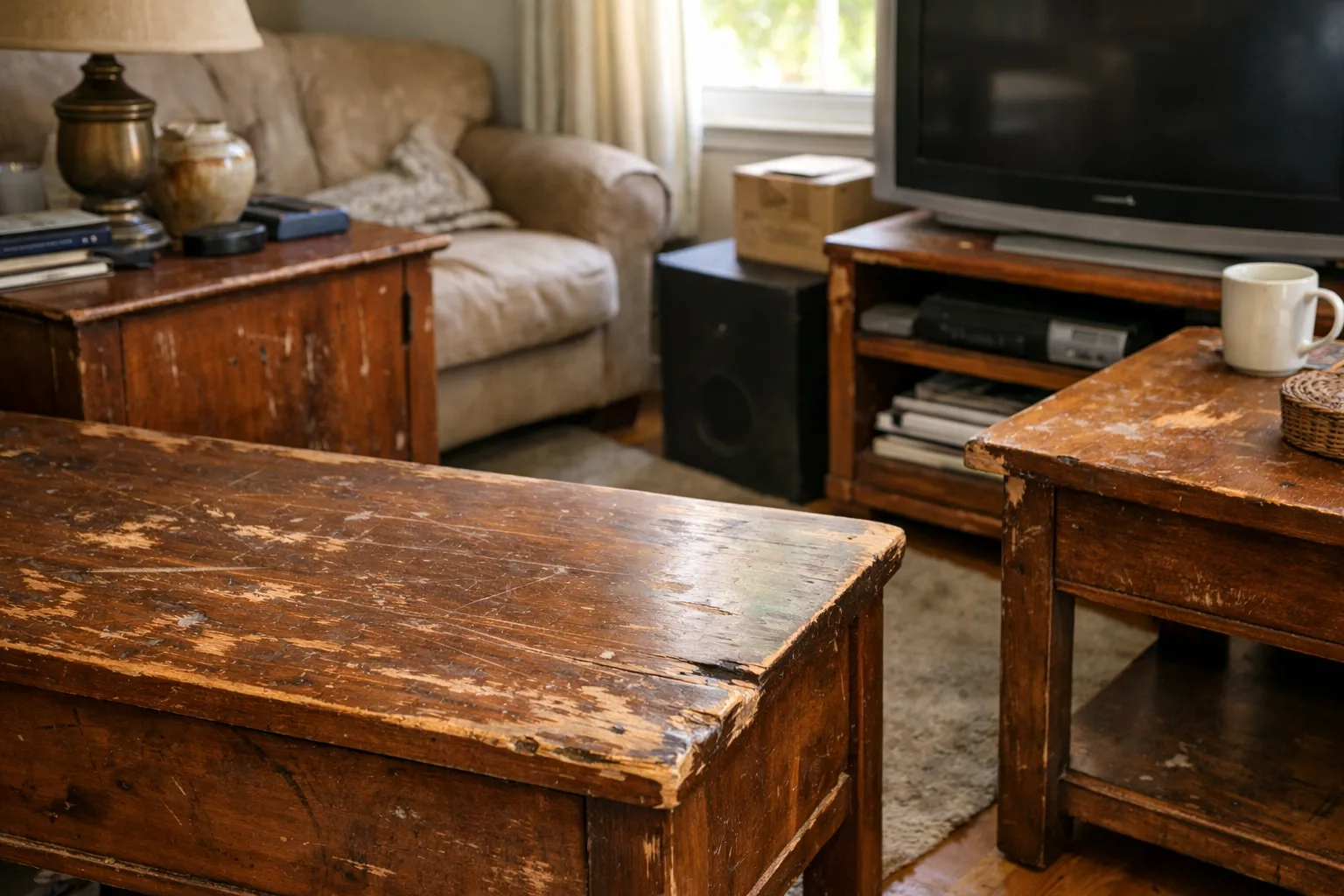
How to pack antique furniture?
How to pack antique furniture?

Enter at least 3 characters.
Moving in a hurry presents a unique challenge that can cause high levels of stress, especially when you need to quickly and efficiently pack everything without losing control of the process. The key to a successful last-minute move is good organization, prioritizing packing, and applying the right techniques that save time and energy. It is important to approach the move systematically to avoid chaos and unnecessary stress. This guide will provide you with detailed advice and practical tips to help simplify packing, avoid mistakes, and ensure everything goes as smoothly as possible, even when you have very little time to prepare. With proper preparation, even the most urgent move can proceed smoothly and efficiently.

The first step in packing in a hurry is to make a clear and detailed plan. Write down all the important items you need to pack and determine which are essential for your daily life and which can wait until later. For example, clothes for the next few days, basic kitchen utensils, and important documents should be at the top of the list, as they will make your first days after the move easier.
Planning allows you to avoid unnecessary searching for items amid chaos and to focus on what is truly urgent. Making a list also helps track what you have already packed, which is especially important when time is limited and there is a risk of forgetting or losing something.
If you have help from friends or family, divide tasks according to the priority list. For example, one person can be responsible for packing the kitchen, while another handles clothing or children's items. This division of tasks further speeds up the process and reduces stress because everyone knows what they need to do.
It is also recommended to set a time frame for each packing section. For example, decide how many minutes or hours you will dedicate to a particular room or group of items. This will help you stay focused and better manage your time throughout the process.
Don’t forget to include breaks and meal times in your plan, as it is important to stay energetic and concentrated, especially when moving in a hurry. A good plan is the foundation of a successful and less stressful move.
Packing in a hurry requires applying smart techniques that save time and space. Instead of packing each item individually, group them by categories and use the technique of rolling clothes to maximize space in boxes and reduce clutter.
Be sure to use strong and quality boxes that close easily and are easy to carry. Boxes with handles are especially practical because they make carrying easier, and transparent ones or those with clearly visible labels help you quickly identify the contents without needing to open them.
Don't forget to clearly and precisely label the boxes – write down which room and what type of items are inside. This saves time during unpacking and reduces stress, as you'll know exactly where everything is upon arrival at your new home.
When packing clothes, besides rolling them up, you can also use vacuum bags that significantly reduce the volume of your wardrobe, which is especially useful when you have a limited number of boxes or transport space.
For lighter items like bedding and towels, use them as padding for fragile objects inside the boxes. This way, you not only protect delicate items but also save space and packing materials.
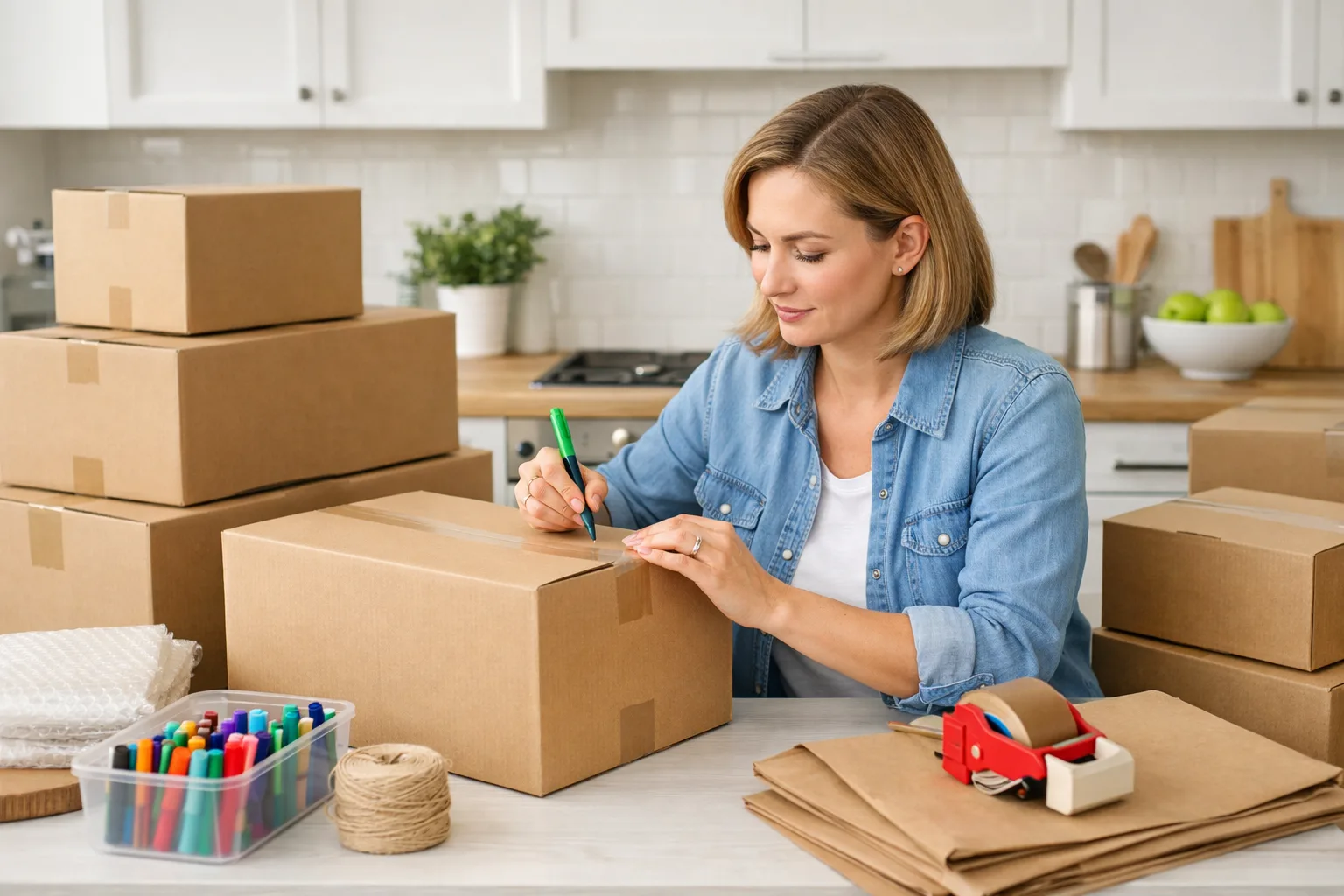
In a rush, it's easy to forget things you'll need immediately upon arriving at your new home. That's why it's helpful to pack a special bag or box with basic necessities: a change of clothes, hygiene products, essential kitchen items, and documents necessary for identification or emergencies.
This box or bag should be packed separately and be easily accessible so you don't have to search through all the boxes in your new place, which can be exhausting and add to the stress.
Also, if you have pets, be sure to pack their items separately – food, toys, and necessary equipment – to make the move as stress-free as possible for them and to provide their essential needs right away.
Besides basic items, consider packing essential tools like screwdrivers, scissors, or tape, which might be needed for quick furniture assembly or opening boxes.
Don't forget to include chargers for phones and other devices in this bag, as well as any medications or supplements you use daily.
When there's no time to buy new boxes and packing materials, use things you already have at home. Large garbage bags, suitcases, bags, and drawers can serve as temporary containers for your belongings, saving time and money.
For example, you can pack clothes directly into a suitcase or large bags, and wrap fragile items in clothes or towels instead of packing paper. This method not only protects items but also efficiently uses what you already have.
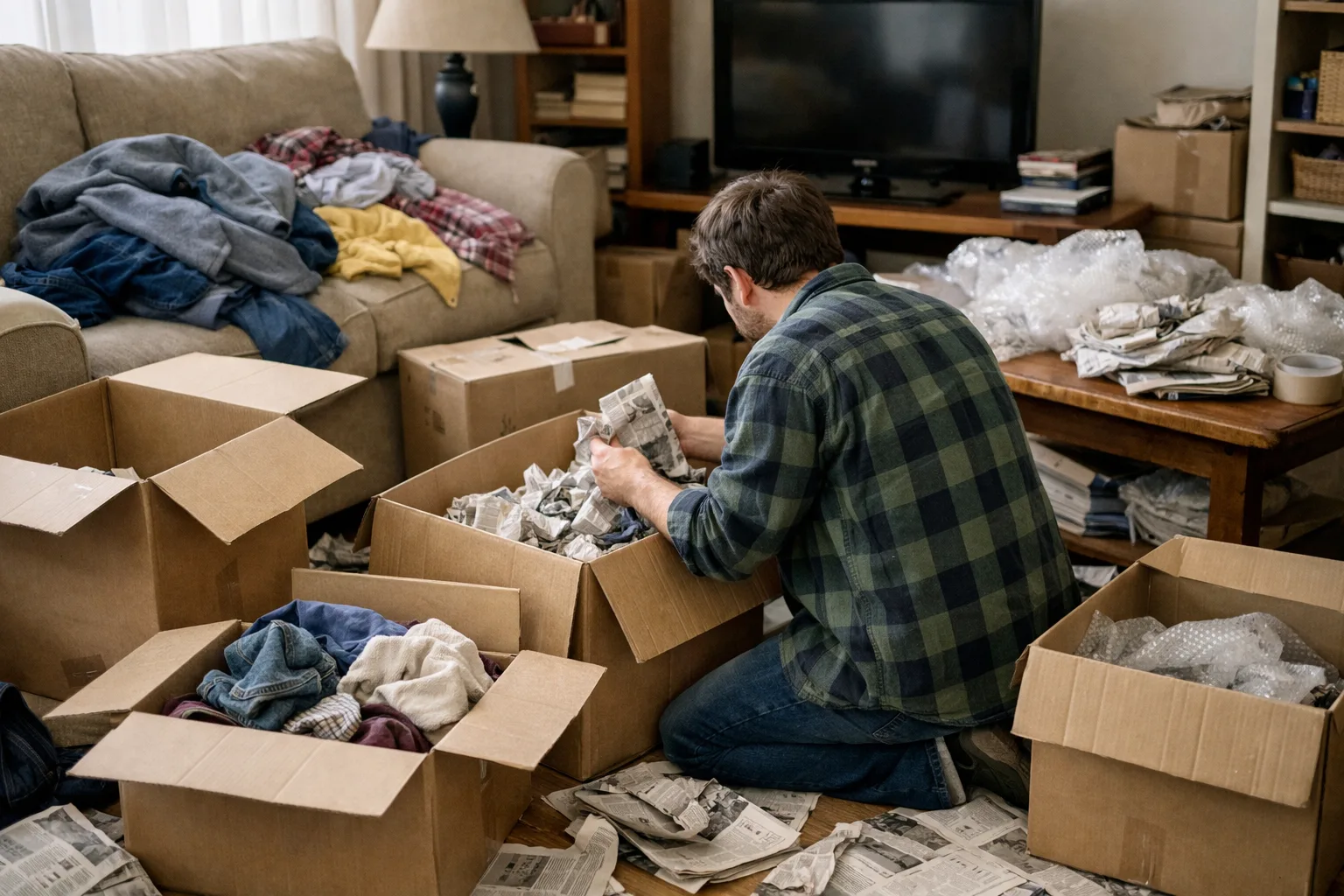
You can also use old newspapers, magazines, or even kitchen towels as additional padding for fragile items, which can be very helpful when you don't have bubble wrap on hand.
Use drawers from wardrobes or dressers to pack lighter items that you can easily pull out and reuse. This is especially useful for clothes, bedding, or toys.
This technique not only saves time but also reduces the need for additional materials, which is helpful in urgent situations and contributes to a more environmentally friendly moving approach.
Preparing a space for packing can significantly speed up the process and reduce stress. Clean and organize a part of your apartment or house where you'll stack packed boxes and items waiting for transport. Ideally, this space should be near the exit or entrance for easier access.
Additionally, provide a place for items you'll use immediately before the move or need to leave for last, so you don't have to repack or search for them at the last minute.
A well-organized packing space reduces clutter and allows you to easily access everything you need during the process, which is especially important when working under time pressure.
If possible, designate zones in the space for different types of items – for example, kitchen boxes on one side, clothing on the other. This facilitates clarity and later loading into the transport vehicle.
Also, consider setting up temporary barriers or tapes to prevent items from spreading throughout the space, which can lead to confusion and wasted time.
When moving in a hurry, help from others can be very valuable and significantly speed up the process. Reach out to friends, family, or neighbors willing to assist with packing and carrying items, but clearly define their tasks to ensure everything runs smoothly.
If possible, hire professional movers who can efficiently and quickly handle transport and heavier items. Professionals also have the equipment and experience that reduce the risk of damage to belongings and injuries.
It is important to organize help so that everyone knows their tasks and the work proceeds in a coordinated manner, avoiding wasted time and confusion. For example, one group can be responsible for carrying boxes, while another packs items into the vehicle.
Before you start, hold a brief meeting with everyone helping to explain the plan, schedule, and priorities. This will increase efficiency and reduce stress during the process.
Also, don’t forget to thank everyone for their help and, if possible, provide refreshments or a small token of appreciation, which will motivate people to support you in the future as well.
Fragile and valuable items should be packed carefully and usually left for last to avoid damage during packing and transport. This approach also reduces the risk of losing or forgetting these items.
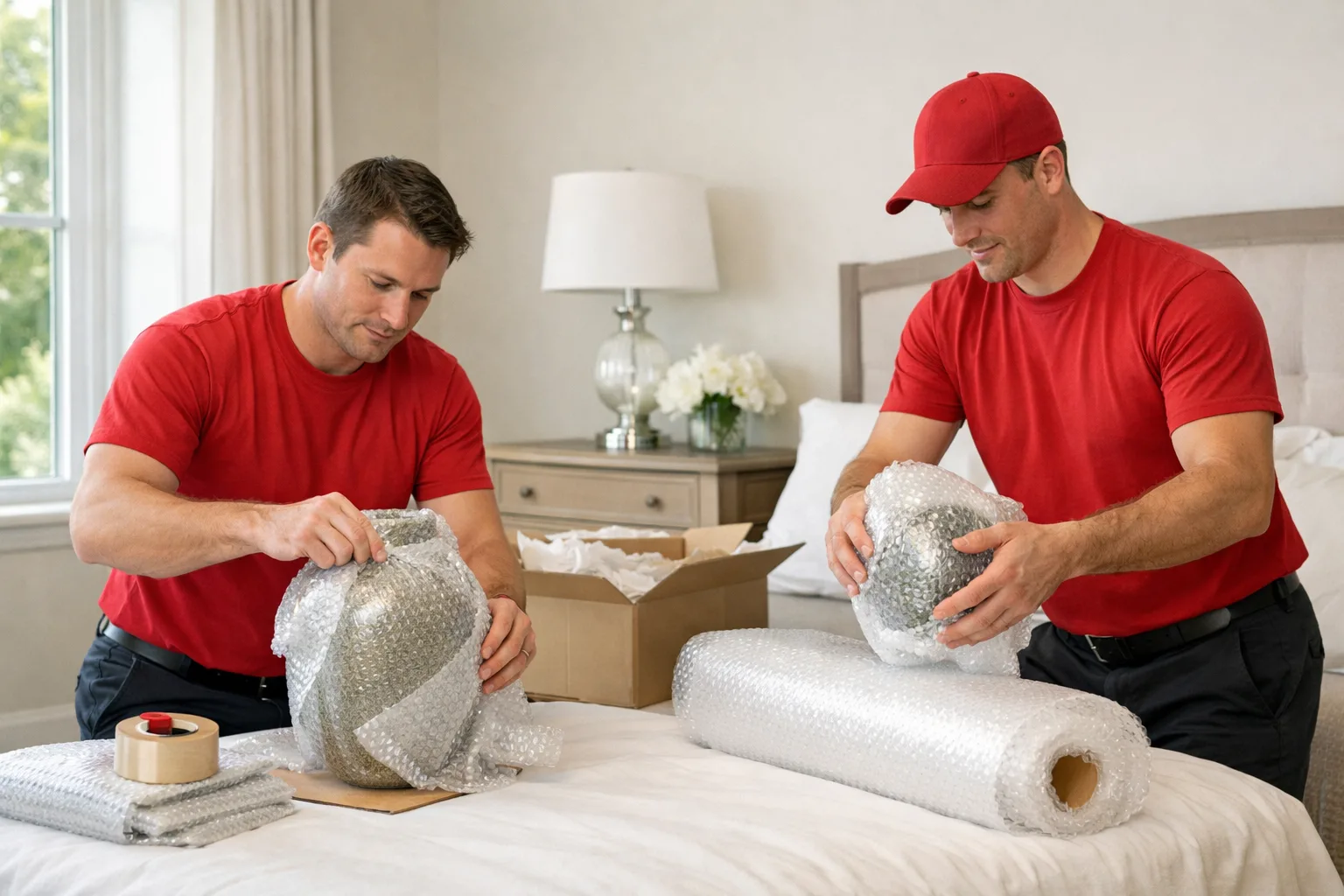
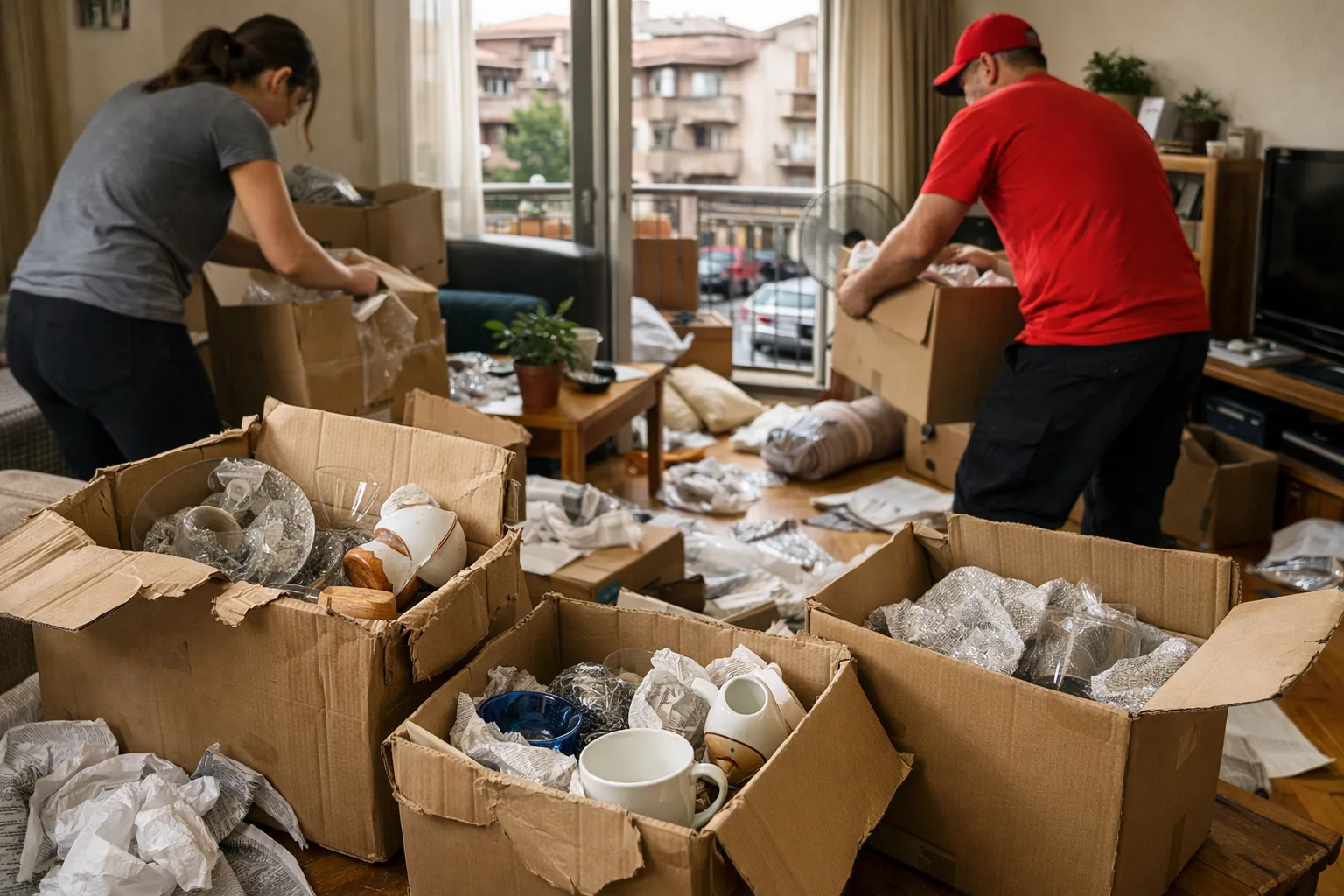
Use bubble wrap, newspapers, or clothing to cushion items such as glass, ceramics, or electronic devices. Ensure all parts are well protected and there is no empty space inside the box that could cause items to shift.
Pack these items in separate boxes clearly labeled as fragile so that everyone involved in the move knows to handle them with extra care. You can also use tags or stickers that further highlight the fragility of the contents.
When possible, arrange transport of fragile items so they are placed in a safe spot in the vehicle, away from heavy boxes or items that could fall or press on them.
If you have valuables like jewelry, important documents, or electronic equipment, consider taking them with you or insuring them separately during the move.
Although moving in a hurry is stressful and can cause panic, it is important to remain composed and organized. Panic can lead to mistakes, loss of items, or damage, which will only prolong and complicate the process.
Follow your plan and priority list and remember to take short breaks to restore energy and concentration. A brief walk or deep breathing can significantly reduce stress and increase productivity.
Talk with those helping you and motivate them to stay focused on the goal together. Good communication and a positive atmosphere will contribute to a more efficient and faster packing completion.
Also, keep in mind that moving is a process that can be challenging but temporary. Stay flexible and ready to adjust the plan if something doesn’t go as expected, but without losing your composure.
In the end, remember that the goal is to move into your new home as quickly and safely as possible, not to have everything perfectly packed. Release the pressure of perfection and focus on practicality and efficiency.
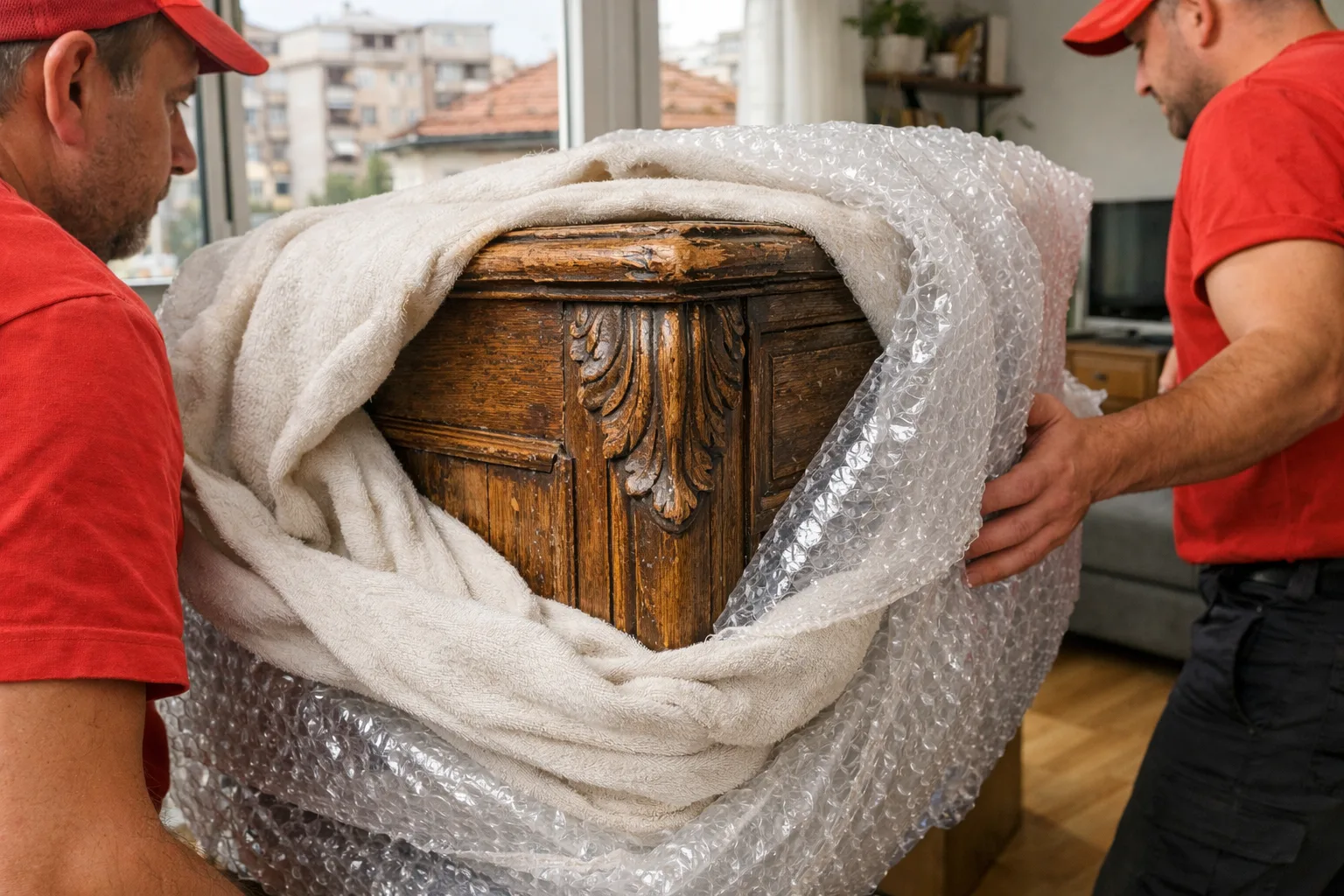
Advantages of Professional Packing Before Moving in Belgrade
We will respond to you as soon as possible.
Moving on short notice presents specific challenges and uncertainties. Below, we answer the most common questions to help you better understand how to prepare and ease the packing process when in a hurry.
Pack important documents immediately into a separate bag or box that will be easily accessible. Use folders or plastic sleeves to protect them from damage or loss. Never put them in boxes with other items that will be moved quickly.
Use alternative materials such as large bags, suitcases, garment bags, or drawers from furniture. You can pack clothes directly into a suitcase, and wrap fragile items carefully in clothing or towels. This saves time and reduces the need for additional purchases.
Use large labels or colored markers for quick marking. Write the basic contents and the room the box belongs to. You can also use numbers and create a list of what is in each box for easier tracking.
For a rushed move, packing by room is recommended as it makes arranging items in the new space easier. However, for smaller or urgent items, grouping by type can help speed up the packing process.
Use clothing, towels, pillows, or newspapers to cushion fragile items. These materials absorb shocks well and protect items during transport. Make sure they are well wrapped and that boxes are clearly marked as fragile.
Organize work in shorter intervals with breaks and breathe deeply to calm nerves. Delegate tasks if you have help and focus on one task at a time. Maintaining a positive attitude and setting realistic goals significantly helps.
Prioritize essential and necessary items for daily life and the move, while leaving the rest for later or donating and discarding if possible. Consider hiring a professional moving service that can assist with packing and transport.