Tips for International Moves
How to Pack Furniture for a Move to Germany?
How to Pack Furniture for a Move to Germany?

Enter at least 3 characters.
Moving from Germany to Serbia is a complex process that requires careful planning, especially when it comes to packing items for transport. Proper packing not only protects your belongings during the long journey but also facilitates customs procedures and reduces the risk of damage. In this guide, we will provide you with detailed advice and practical steps on how to organize packing in the best possible way, tailored to international moves between these two countries. Additionally, we will cover specific challenges posed by cross-border transport, as well as how to optimize space and security during packing and transport.
The first step in packing items for transport from Germany to Serbia is thorough planning. Before you start packing, make a list of all the items you plan to move, clearly categorized by rooms or types of items. This will help with organization and make later distribution of luggage easier. Also, consider priorities – which items you urgently need upon arrival, and which can be packed last or even postponed for later transport.
It is important to consider the specifics of international transport, such as the length of the journey, climatic conditions, and customs regulations. For example, some types of products may be prohibited or require additional documentation. Inform yourself about these rules in advance to avoid unpleasant situations at the border. Also, check if there are restrictions regarding the amount of personal belongings you can bring without paying customs duties, as well as rules about transporting food, plants, or animals.
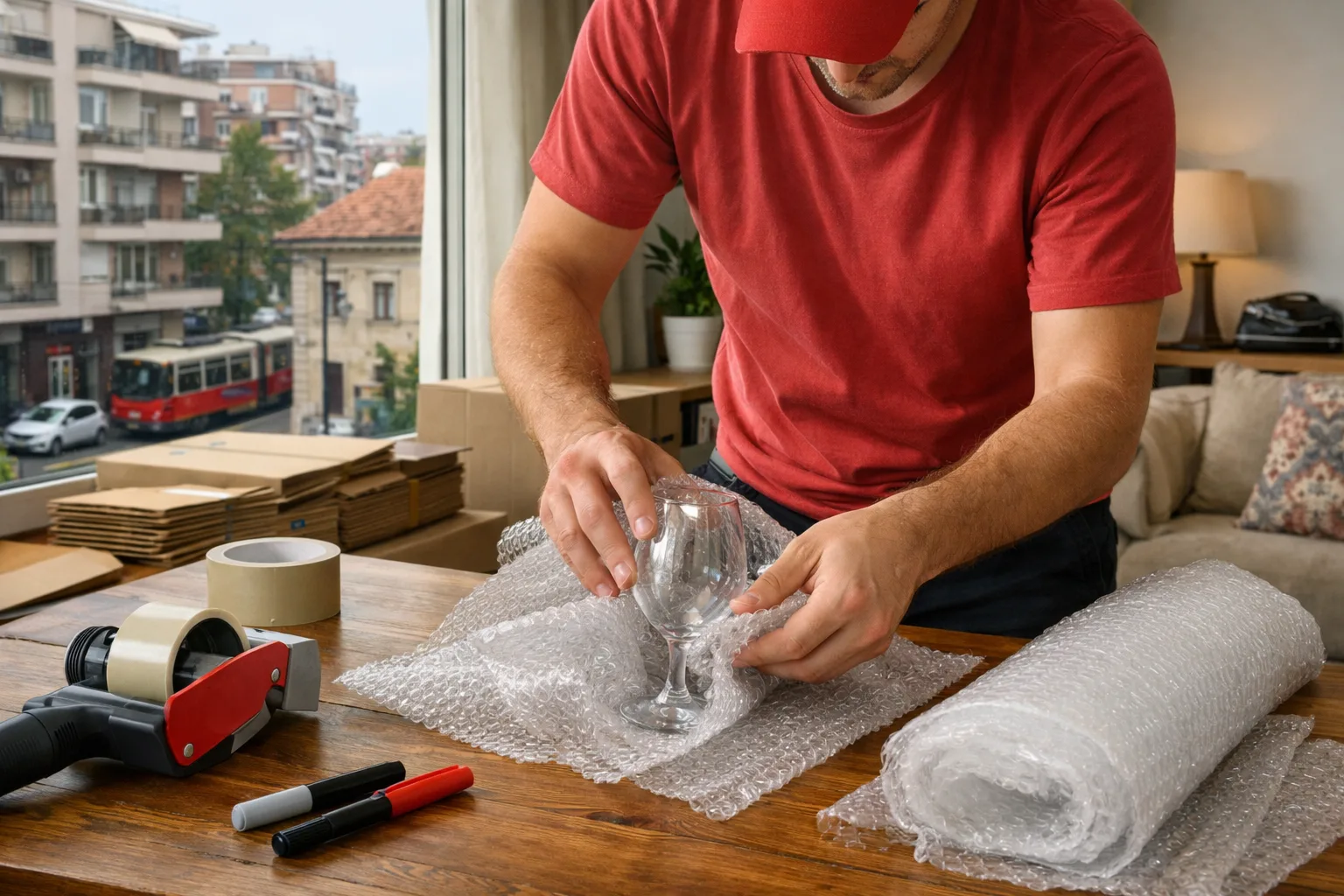
It is recommended to acquire appropriate packing materials, such as sturdy boxes, protective paper, bubble wrap, and tape. Also, provide a marker for clear labeling of box contents, which will later facilitate unpacking and customs procedures. Plan your packing time, as rushing can lead to poor packing and damage to items. If possible, start packing several weeks in advance and leave room for additional preparations.
Consider hiring a professional moving service experienced in international moves. For example, moves from Germany to Serbia involve not only help with packing but also with logistical details and customs formalities, significantly reducing stress and the risk of errors.
For transport from Germany to Serbia, choosing the right packaging is crucial. Fragile items such as glass, porcelain, or electronics should be carefully wrapped in bubble wrap and placed in boxes with additional internal protection, such as styrofoam or foam padding. Also, use dividers inside boxes to prevent items from shifting during transport.
Clothing and textiles can be packed in plastic bags or special vacuum bags, which save space and protect against moisture. Vacuum bags are especially useful for seasonal clothing or bedding, as they significantly reduce volume. It is recommended to pack clothing clean and dry to avoid unpleasant odors and damage.
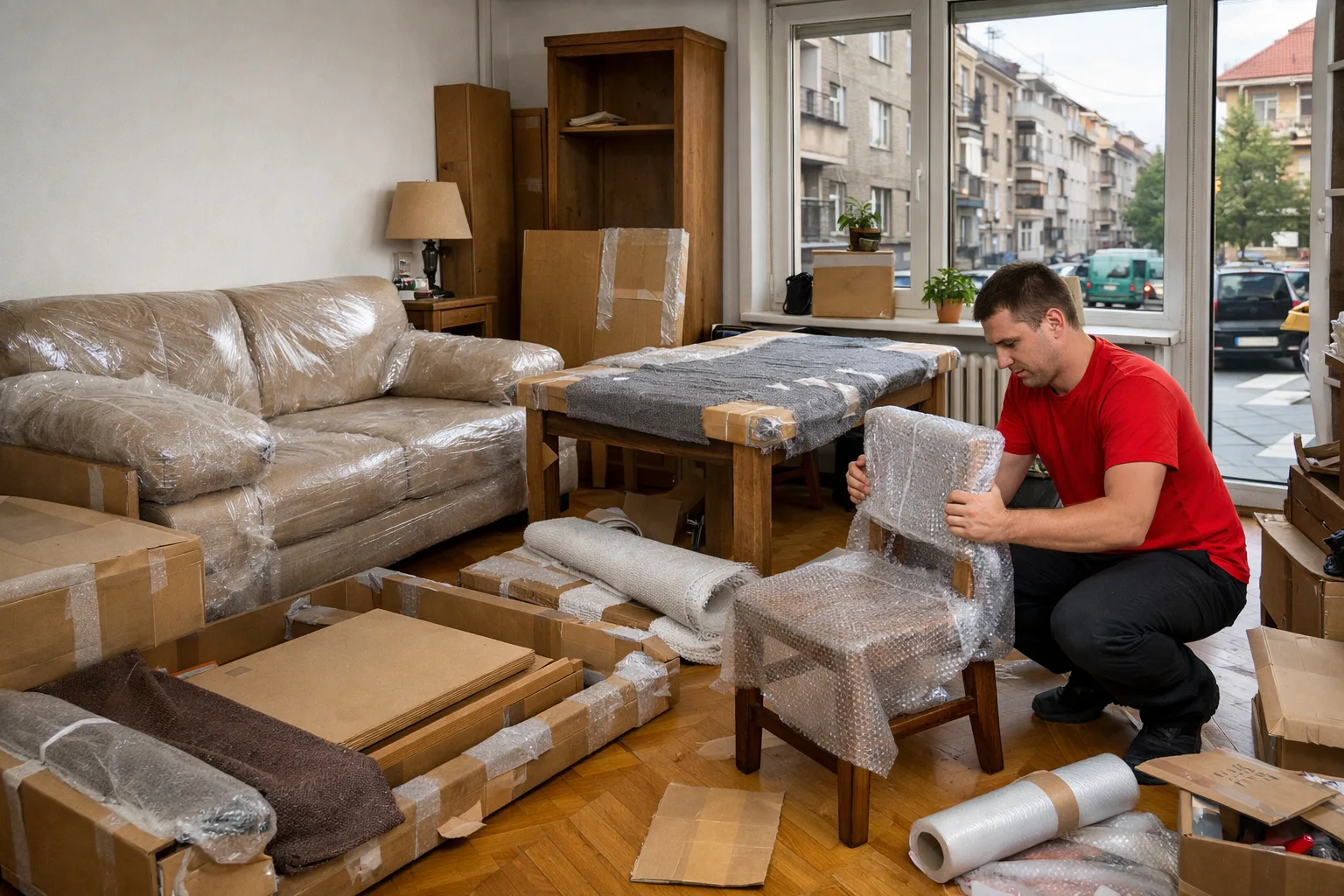
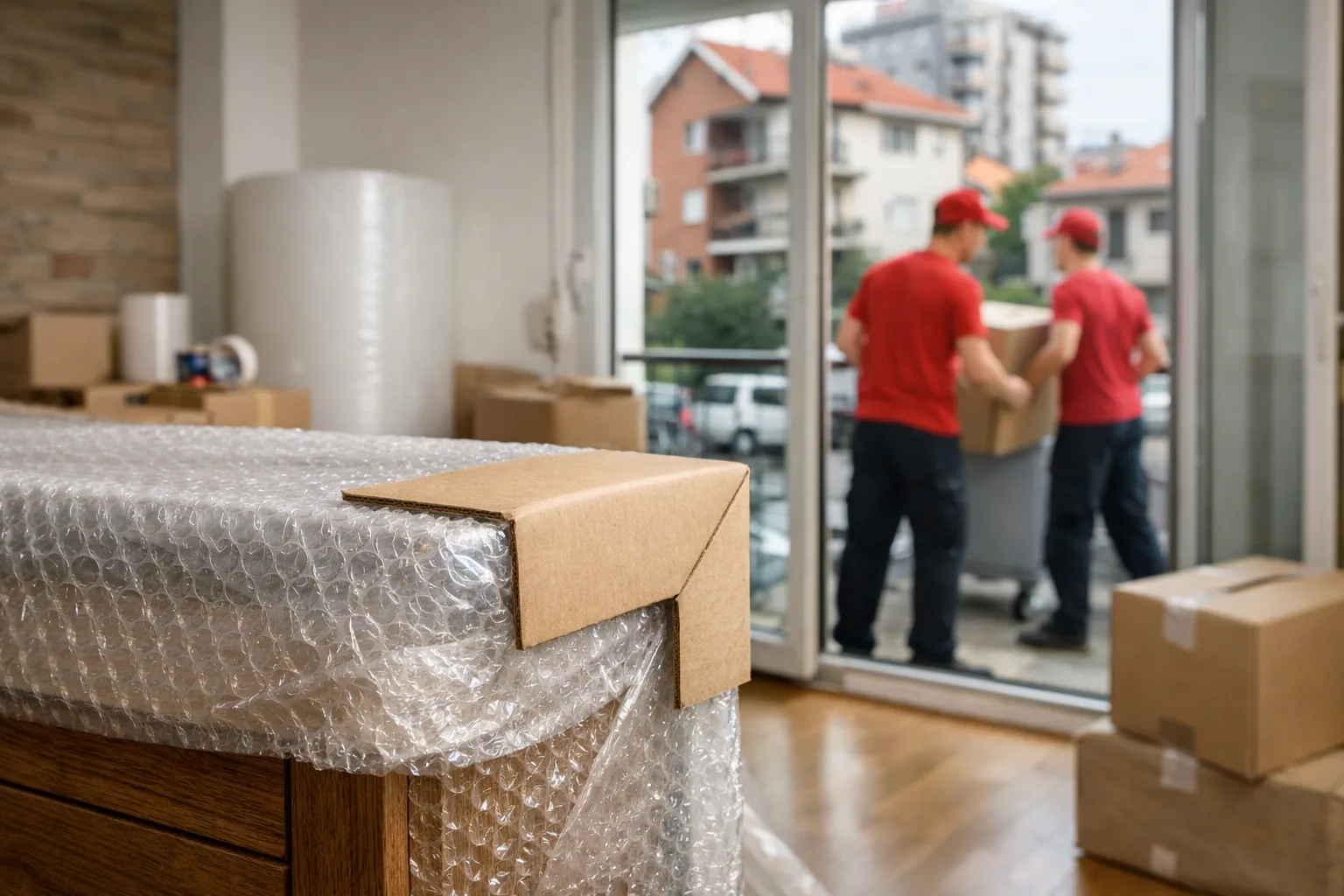
Furniture is best disassembled when possible and wrapped with special protective films or blankets to prevent scratches or damage during transport. For furniture parts that cannot be disassembled, use protective corners and strong wraps. Also, label furniture parts to facilitate furniture reassembly upon arrival.
Heavy items should be packed in small boxes that are easier to carry, while lighter items can be grouped in larger boxes. Proper weight distribution in boxes reduces the risk of injury when carrying and damage to contents. Also, pay attention to ergonomics during packing – boxes that are too heavy can make handling difficult and increase the risk of injury.
For specific items such as books or tools, use boxes that are sturdy enough and appropriately sized. Books are heavy, so pack them in smaller boxes to make carrying easier and prevent the cardboard from breaking. Be sure to clean tools and protect them from rust before packing.
Fragile items require special attention. It is recommended to wrap each item individually in bubble wrap or thick paper, then place it in a box with sufficient protective material around it. Clearly label the box as "fragile" so that everyone handling the shipment is more careful. Also, arrange fragile items so they are not at the bottom of the box and not packed too tightly together.
Valuable items, such as artworks, antiques, or expensive electronics, should be additionally secured. Consider using special boxes or even a professional packing service that can provide appropriate protection and insurance during transport. If possible, consider additional shipment insurance with the transport company, especially for high-value items.
Also, create detailed photographic documentation of valuable items before packing. This can be useful in case of damage or loss during transport, especially for insurance or claims purposes. Keep all receipts, certificates, and documentation related to valuable items, as they may be needed during customs procedures or insurance.
For extra security, consider using special seals or tapes that will indicate if the box has been opened during transport. This can help protect against theft or unauthorized access to valuable items.
If you have items sensitive to temperature changes or humidity, such as old documents or artworks, consult experts about additional protective measures, such as special coverings or climate-controlled transport.
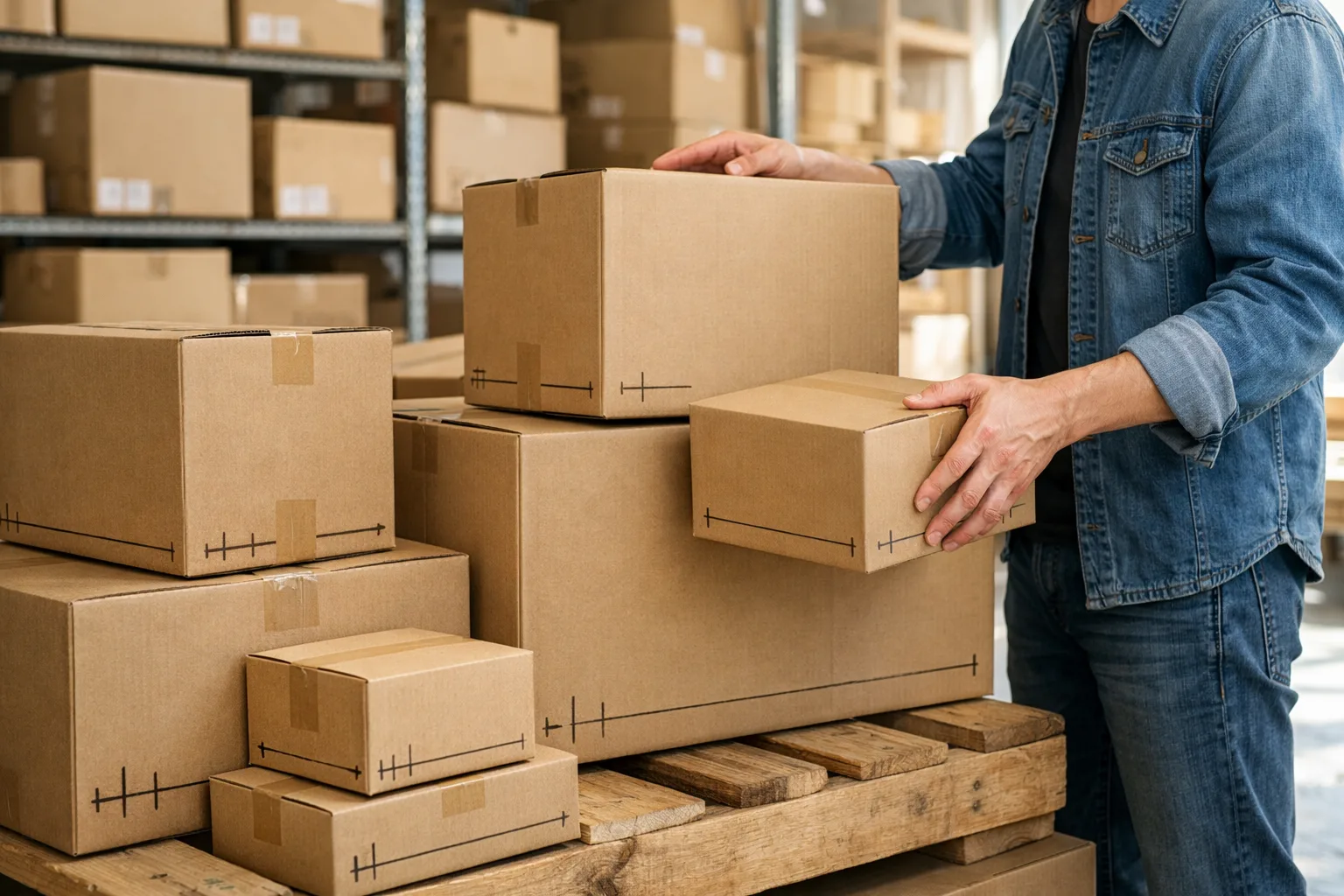
Clear labeling of boxes is very important for an efficient move. Each box should have a label or inscription with basic information: contents, the room it belongs to, and whether it is fragile or heavy. This facilitates easier arrangement of items upon arrival in Serbia. Additionally, labeling helps quickly find needed items immediately after arrival.
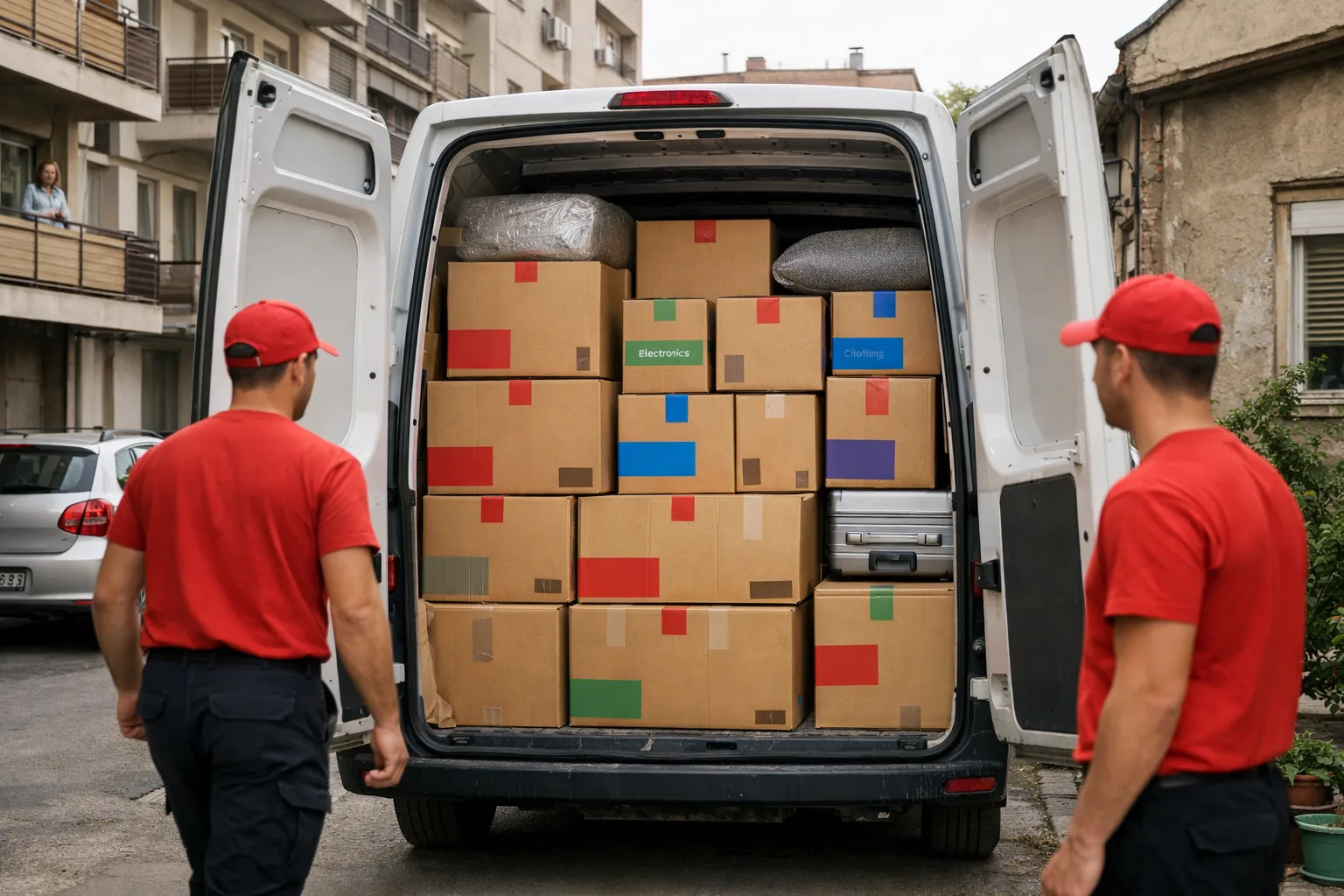
Use different colored markers or labels for different categories of items, for example, blue for kitchen items, green for clothing, red for fragile items. Such visual organization saves time and reduces stress during unpacking. You can also use numbers or codes that you record in a box list for added precision.
Additionally, create a list of boxes with a brief description of their contents. Carry this list with you and send it to the person who will receive the items in Serbia so that it is quick and easy to check what is in each box. A digital version of the list can be useful for quick searching and sharing with the moving company or family members.
When labeling, ensure that the markings are legible and placed on multiple sides of the box so they are visible regardless of how the boxes are stacked in the vehicle or storage. Also, avoid using only stickers that can easily peel off during transport.
If you have boxes with specific requirements, such as those containing chemicals or batteries, clearly label them and inform all participants in the move about special precautions that need to be taken.
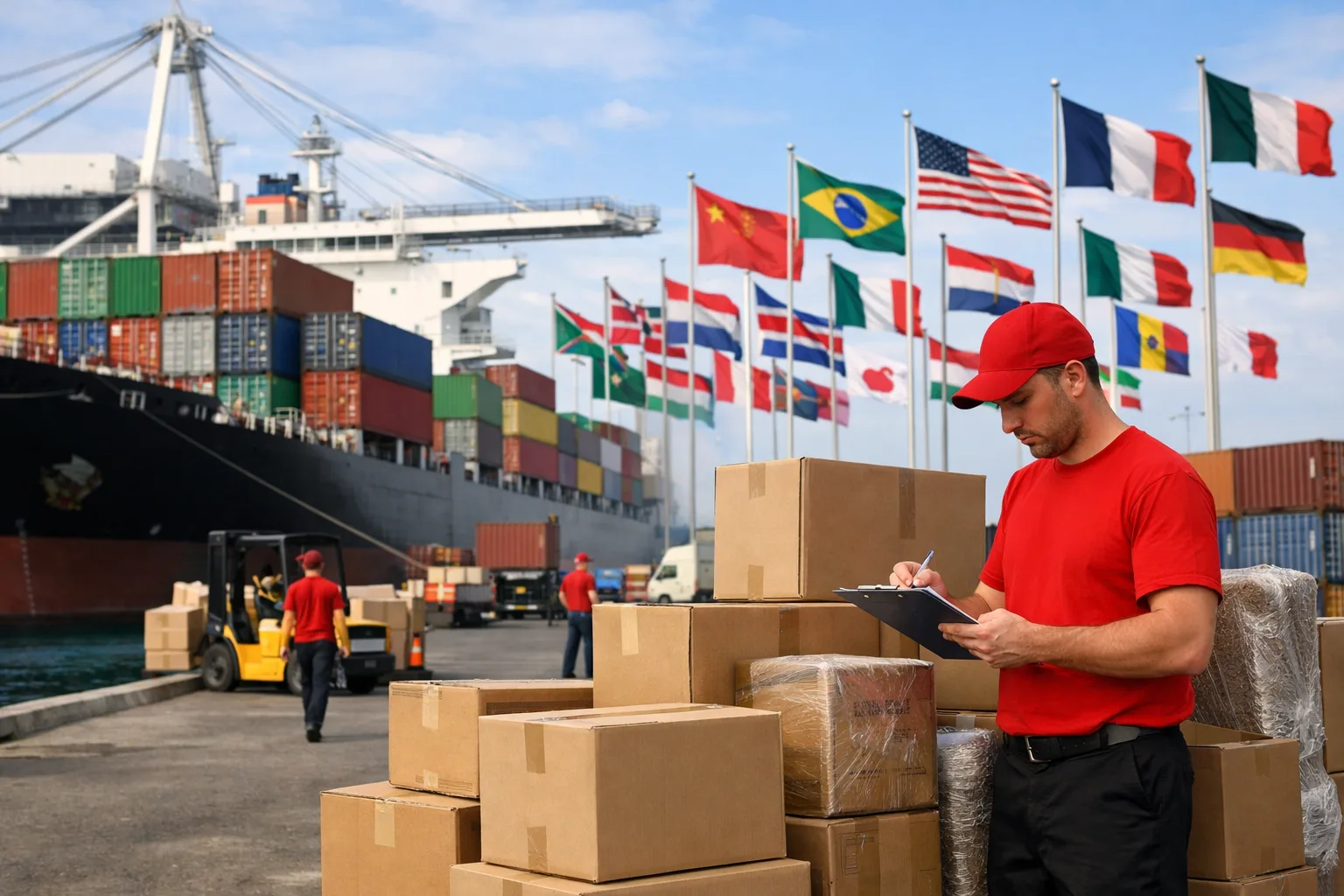
Preparing documentation is essential for a smooth border crossing and avoiding delays. Be sure to prepare a list of items you are moving, including quantities and values, which will be used during customs clearance. The list should be detailed and precise, clearly stating the items and their condition (new, used).
Check which items are allowed for import into Serbia and whether there are any special prohibitions or restrictions. For example, certain electronic devices, food, or plants may require additional permits or be prohibited. Inform yourself about current regulations on official customs websites or through professional moving agencies.
If you use the services of a professional moving company, check if they provide assistance with customs procedures. Also, have your ID card, passport, and residence certificate ready as they will be needed for border formalities. Additionally, prepare any invoices or proof of ownership for valuable items. For comprehensive support during international relocation, it is recommended to engage international moving experts.
Be prepared for possible customs inspections, so pack items so they are easily accessible for inspection. Avoid packing items in too many layers or using opaque materials that could hinder the inspection.
If you have pets or plants, inform yourself about special conditions for their border crossing, including necessary certificates, vaccinations, and quarantine. This is important to avoid inconveniences and additional costs.
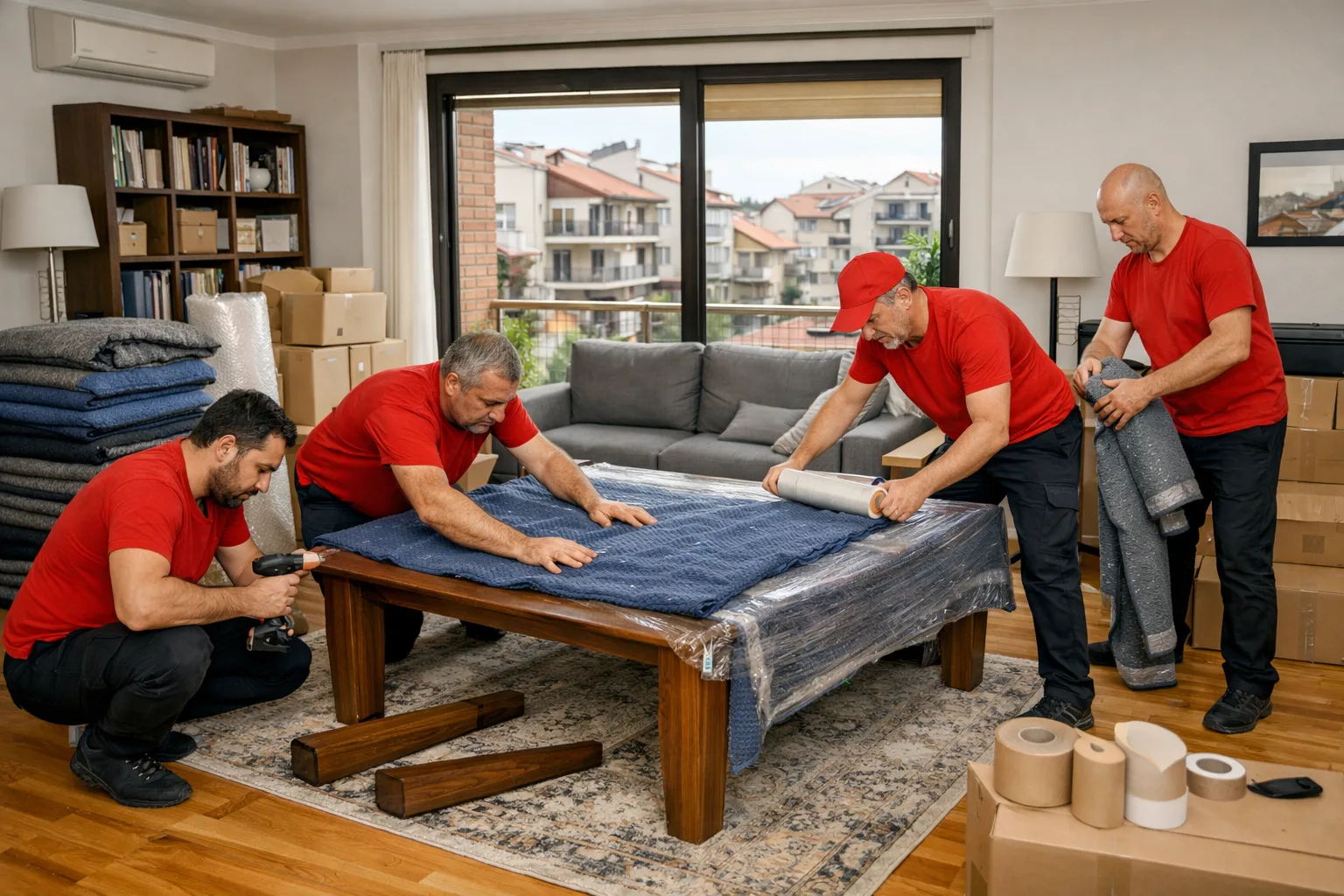
Furniture should be disassembled as much as possible to reduce volume and prevent damage. Wrap parts with soft materials such as blankets or protective films, especially edges and corners which are most prone to breaking. For parts that cannot be disassembled, use strong stretch wrap and protective corner guards.
For larger items, use specialized protective materials such as cardboard boxes for furniture parts or stretch wrap that protects against scratches and moisture. If you are moving on your own, consider hiring professional movers for carrying and loading heavy items. They have the experience and equipment to prevent injuries and damage.
When loading furniture into the transport vehicle, heavy and large items should be placed at the bottom to prevent crushing and damage to lighter items. Use straps and ties to secure items and prevent movement during transit. Also, leave space between items to allow air circulation and reduce the possibility of condensation.
If you have furniture parts with glass or mirror surfaces, be sure to additionally protect them with cardboard or special glass cushions. This can significantly reduce the risk of breakage during transport.
For upholstered furniture such as sofas or chairs, use plastic covers or wraps that protect against dirt and moisture, while allowing the material to breathe and preventing mold formation.
Electronic devices are sensitive to shocks and moisture, so they should be carefully prepared for transport. Before packing, turn off and clean the devices, and pack cables and accessories separately in labeled bags or boxes. This makes reconnecting easier and reduces the risk of losing parts.
Ideally, devices should be packed in their original boxes, but if you don't have them, use bubble wrap and sturdy boxes with internal dividers. Avoid overpacking boxes to prevent damage to the devices. Also, pay attention to protecting screens and sensitive parts by using special cushions or foam inserts.
Batteries from portable devices should be removed and packed separately, as they can be hazardous during transport. Also, label boxes with electronics as "electronics" and "fragile" to ensure careful handling. If you have devices with rechargeable batteries, check the regulations for transporting such batteries, as there are special safety rules.
For extra security, make backup copies of important data from devices before the move. This is useful in case of damage or loss during transport.
When unpacking devices in Serbia, check that all cables and accessories are accounted for and that the devices function properly. If you notice any problems, immediately contact the moving company or insurance provider.
After finishing packing, check that all boxes are properly sealed and labeled. Use extra tape on box edges to prevent them from opening during transport. Also, check that boxes are stacked correctly and that there is no damage to the packaging.
Make a final inventory check and compare it with the list of packed boxes. This is important to ensure that nothing is forgotten or incorrectly packed. If you have helpers, involve them in the check to reduce the possibility of errors.
Finally, inform the moving company about packing specifics, such as fragile items or heavy objects. If you organized the transport yourself, be sure to check that the vehicle is adequately equipped for the load you are carrying and that items are properly secured. Also, plan the route and departure time to avoid traffic jams and possible border delays.
Consider additional shipment insurance, especially if you are transporting valuable or fragile items. Check the insurance terms and what is covered, as well as procedures in case of damage or loss.
On moving day, be sure to have all necessary documents and contact information for the moving company or driver. Also, leave contact details for the person who will receive the items in Serbia to ensure quick and efficient communication.
How to Pack Furniture for a Move to Germany?
How to Move Furniture from Abroad to Serbia
Common Mistakes Made During International Moves
How to Save Money on an International Move?
We will respond to you as soon as possible.
Below we answer the most common questions that arise when packing items for international moves between Germany and Serbia, focusing on practical advice and solutions to specific challenges.
It is prohibited to transport hazardous materials such as explosives, flammable items, as well as certain types of food and plants subject to quarantine. Additionally, electronic devices with certain batteries may require special permits. It is recommended to check the current customs regulations of Serbia before packing.
Fragile items should be individually wrapped in bubble wrap and placed in boxes with additional protective materials such as styrofoam or foam. Boxes must be clearly labeled as "fragile" and avoid overpacking to prevent breakage during transit.
Yes, vacuum bags are very useful as they save space and protect clothes from moisture and dust. However, keep in mind to pack clothes in high-quality bags and seal them properly to prevent punctures or air loss during transport.
Each box should have a clear label describing its contents, the room it belongs to, and markings for fragile or heavy items. Use different colored markers or stickers for various categories of items to facilitate identification and organization upon arrival.
You need to have a detailed inventory of items with their values and types, as well as personal documentation. Some items may require special permits or be prohibited. Using a professional moving service can simplify customs clearance as they have experience with the procedures.
Furniture should be disassembled when possible and wrapped with blankets or protective films, especially corners and edges. Heavy parts should be placed at the bottom of the transport vehicle, and straps and ties used to prevent movement during transit.
Yes, remove batteries from portable electronic devices as they can pose a risk during transport. Pack batteries separately in accordance with hazardous materials transport regulations, and clearly label boxes containing electronics as "electronics" and "fragile".