Tips for International Moves
How to Pack Furniture for a Move to Germany?
How to Pack Furniture for a Move to Germany?

Enter at least 3 characters.
Moving to Slovenia often represents a significant challenge, but also an opportunity for a new beginning in life. This process requires careful planning and a thorough understanding of all local specifics to avoid unexpected problems. In this guide, we will provide you with a comprehensive overview of the key aspects of international moving to Slovenia, including legal procedures, logistics, costs, as well as cultural differences that may affect your daily life. Whether you are moving for employment, education, or to improve your quality of life, proper preparation and information are crucial for a successful and stress-free transition to a new environment. We will also offer practical advice to help you adapt as quickly and easily as possible to your new surroundings and take full advantage of life in Slovenia.
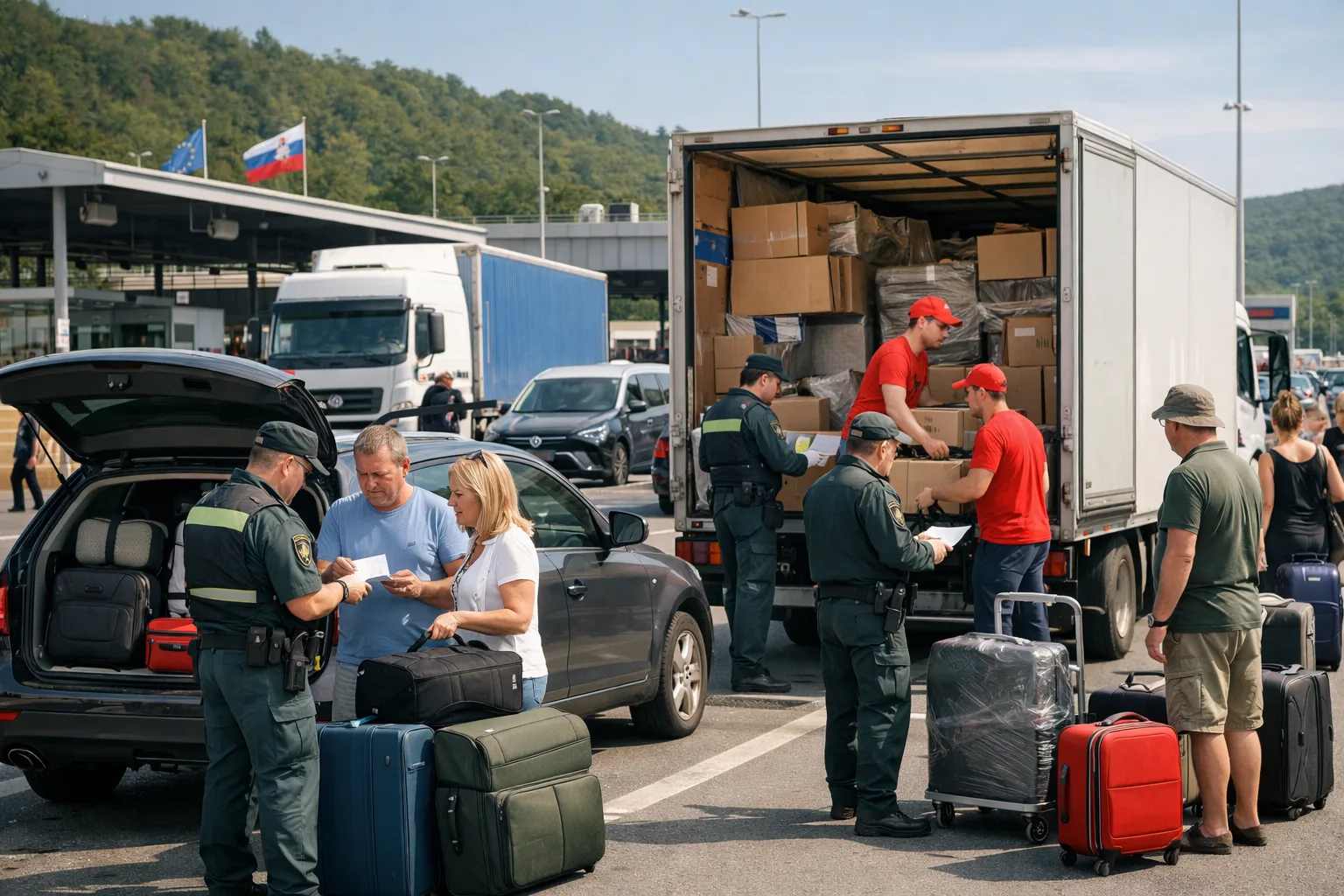
The first and key step when moving to Slovenia is preparing all necessary documents. For citizens of Serbia and other Western Balkan countries, a valid passport or ID card is often required, as well as a visa or residence permit if you plan a longer stay. Before starting the moving process, it is important to check exactly which types of permits you need, as Slovenia, being a member of the European Union, has strict regulations regarding work and residence permits. You can find information about the requirements on official government websites or at embassies, which will help you avoid unnecessary complications.
The residence registration process in Slovenia must be completed within three days of arrival, which is a legal obligation. This involves registering at the local police station or municipal office, where you will receive a residence registration certificate. If you plan to work, you need to apply for a work permit, which may be an additional administrative step but is necessary for legal employment in the country. Students and family members have specific forms and conditions to meet, so it is advisable to inform yourself about all details in advance to avoid delays.
Preparing documents related to property, vehicles, and personal belongings is also important. For example, if you plan to import personal items or furniture, you need to check customs regulations and possible exemptions for private imports to avoid unnecessary costs. It is also important to have translations and certified copies of documents such as diplomas, birth certificates, or marriage certificates, especially if you plan to enroll children in school or seek employment. It is recommended that all translations be done by an authorized court interpreter to ensure the documents are legally valid in Slovenia.
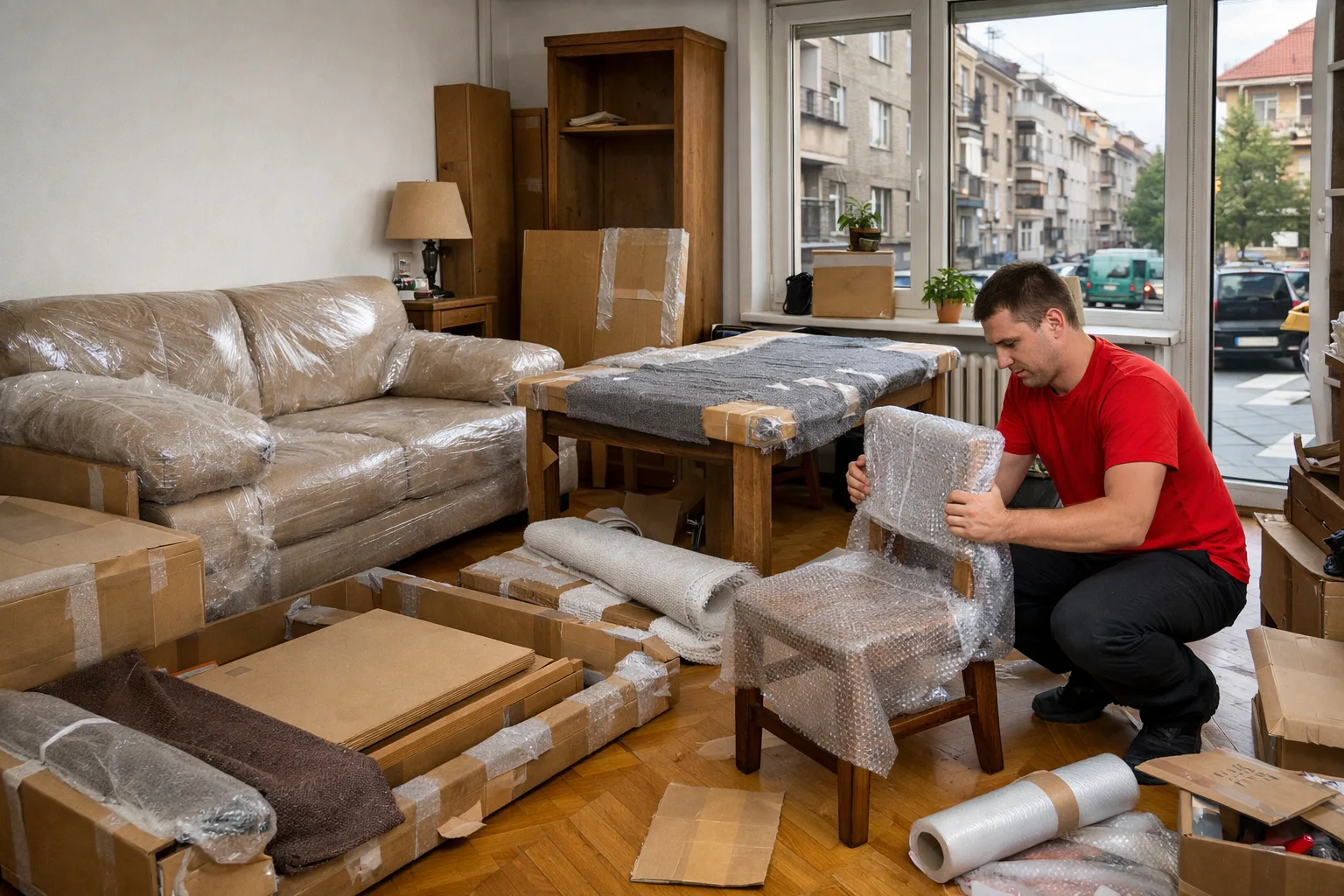
Transporting belongings from Serbia to Slovenia can be organized in several ways, depending on the volume of items and budget. The most common options are van transport of goods from Serbia to Slovenia or a moving truck, with the choice of vehicle depending on the amount of belongings you are moving. Professional moving companies often offer a complete service including packing, loading, transport, and unloading, which can significantly ease the process, especially if you have no experience with international moves.
It is important to choose a reliable moving company with experience in international relocations, especially those involving Slovenia. It is recommended to request written offers and a contract with clearly defined terms, including insurance of goods during transport. Also, check whether the company holds all necessary permits for international transport and customs services. A good choice of company can save you time and money, as well as reduce stress during your move from Serbia to Slovenia.
Planning the moving date should be coordinated with all administrative deadlines as well as personal obligations. It is important to keep in mind that transport time may vary depending on traffic, weather conditions, and customs procedures. If the move involves larger quantities of belongings, it is advisable to plan additional days for unloading and unpacking to avoid rushing and to allow for proper organization of your new space.
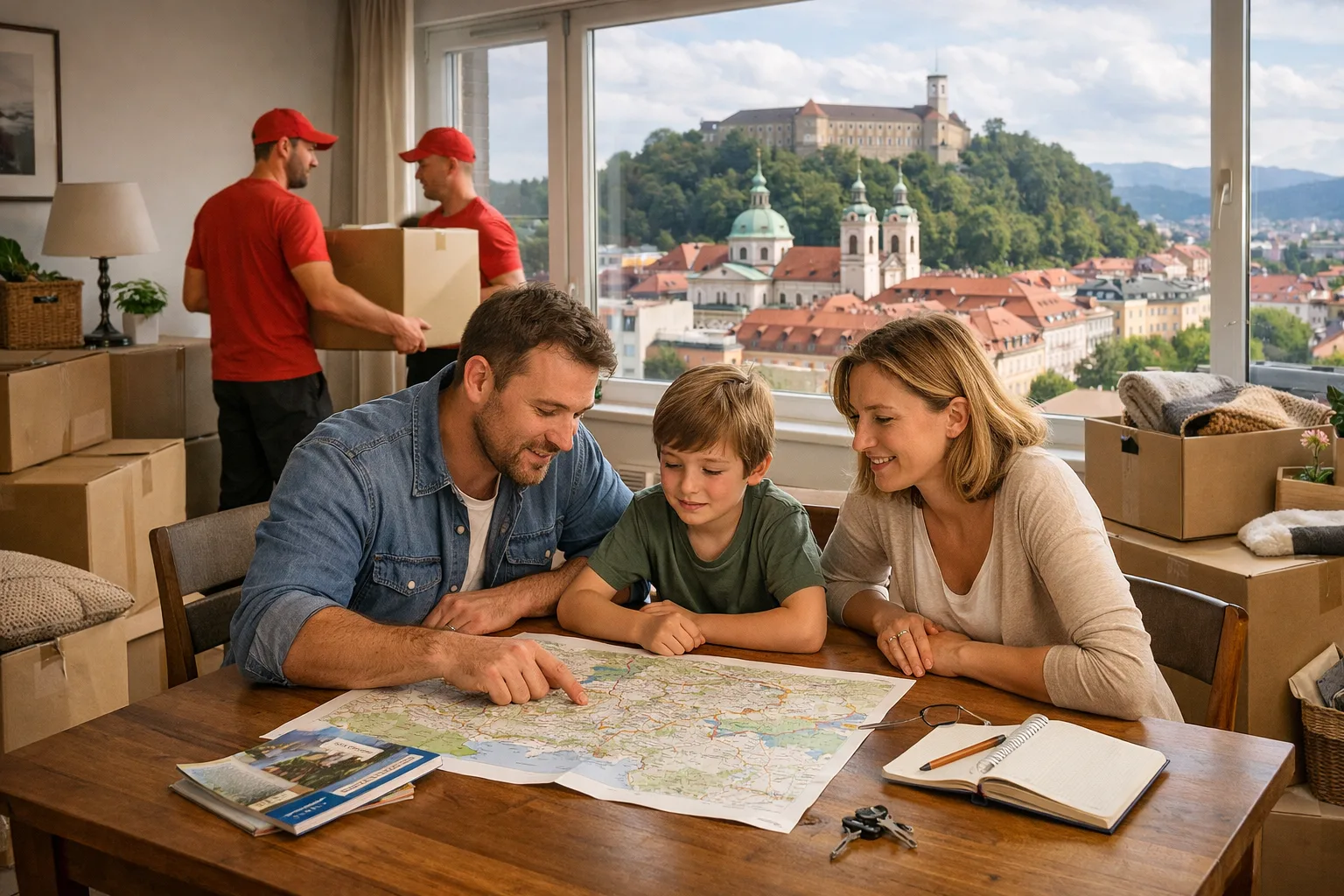
Moving costs to Slovenia vary depending on the volume of belongings, distance, type of transport, and additional services you choose. Basic costs include transportation, packing, potential storage, as well as customs fees if applicable. To estimate costs more accurately, it is advisable to make a detailed list of items you plan to move, which will also help you consider what is necessary and what you can leave behind or sell.
In addition to direct moving costs, it is important to factor in living expenses in Slovenia, which are generally higher compared to Serbia, especially in larger cities like Ljubljana or Maribor. Housing, food, transportation, and health insurance costs should be part of your budget before relocating. Also, consider potential expenses for apartment adaptation or purchasing basic furniture and appliances.
To reduce costs, consider selling or donating unnecessary items, as well as possibly packing yourself, which can significantly lower moving service fees. Also, check if there are special tax and customs regimes for personal luggage and property, as this can affect the overall moving price. Planning your budget in advance and timely preparation can help you avoid unexpected financial issues during the moving process.
One of the biggest challenges when moving to Slovenia is finding suitable accommodation. The most popular cities for newcomers are Ljubljana, Maribor, and Koper, where the real estate market is dynamic but more expensive compared to smaller towns. It is recommended to search for accommodation through reputable agencies or classified portals, and to personally inspect the property before signing a contract to avoid unpleasant surprises.
Adapting to the local community involves getting acquainted with cultural differences and customs. Slovenia is a country with a high respect for rules and order, which is reflected in everyday life. Learning Slovenian or at least basic phrases can greatly facilitate communication and integration, especially in the workplace and schools. There are numerous language courses and online resources that can help you quickly master the basics.
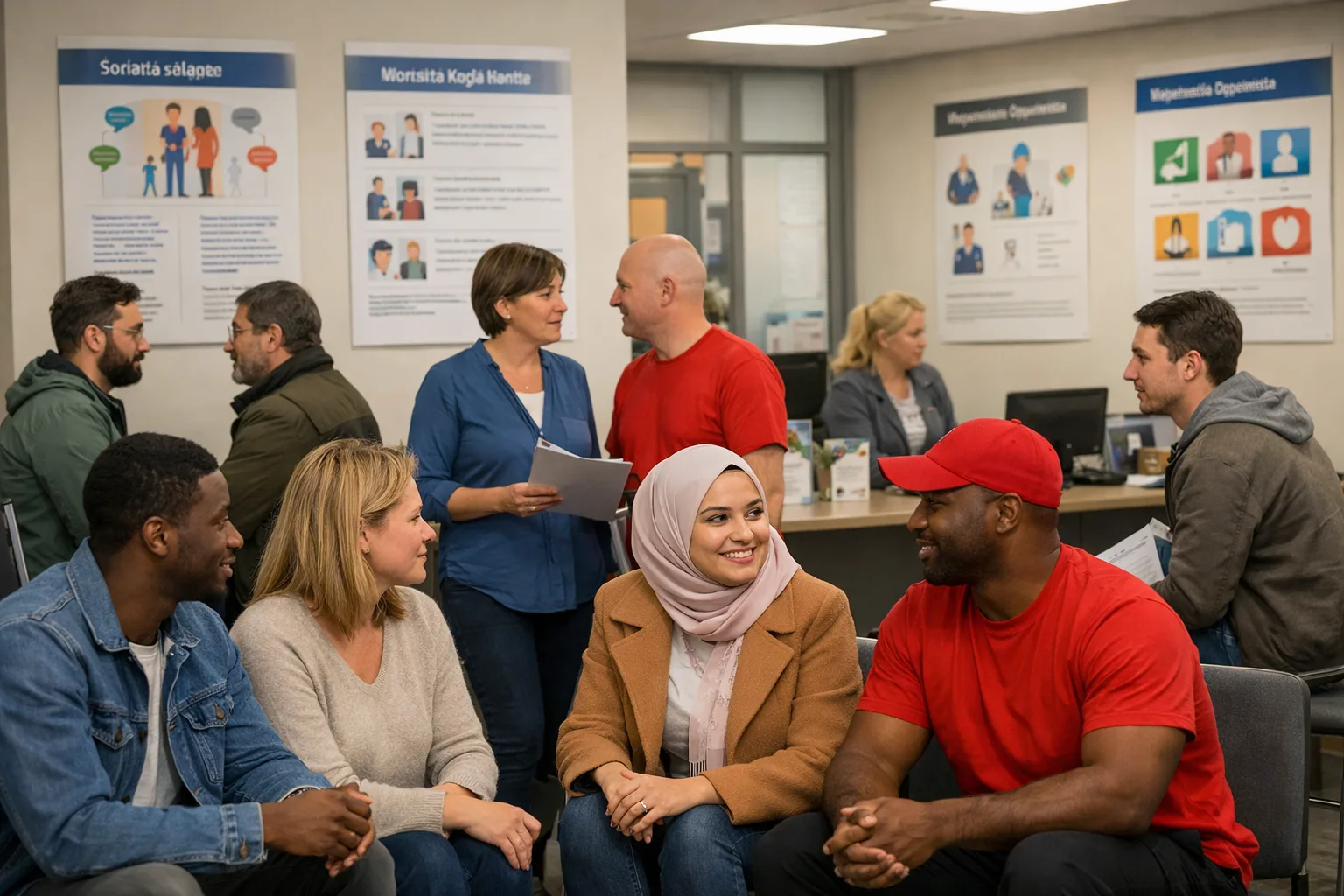
It is also important to familiarize yourself with local institutions such as the post office, banks, healthcare facilities, and schools. Actively participating in the community through local events, sports, or cultural activities can help you feel at home faster. Experiences of other newcomers and locals can be valuable, so it is advisable to connect with communities and forums that provide support to new residents.
Slovenia has a developed labor market system with clearly defined rights and obligations for employees. After obtaining a work permit, it is important to learn about key rights such as minimum wage, working hours, breaks, and occupational safety. Many jobs require recognized diplomas or certificates, which may require nostrification of your documents, i.e., their official confirmation and recognition in Slovenia.
Job searching can be facilitated by using state employment services as well as specialized portals and agencies. Knowledge of Slovenian is often an advantage, especially in service industries, while in the IT sector and international companies, English and professional skills are often sufficient. It is recommended to prepare a quality CV and cover letter tailored to the Slovenian labor market.
It is important to know that Slovenia has a solid social protection system, including health insurance and pension schemes, which contribute to employee security. It is advisable to thoroughly inform yourself about all obligations and rights before employment to avoid misunderstandings. Also, familiarizing yourself with local labor laws and collective agreements can help you better understand your position and opportunities in the workplace.
The Slovenian education system is well organized and includes primary, secondary, and higher education. For children of newcomers, it is important to understand enrollment rules and required documentation, as well as opportunities for learning Slovenian. There are also international schools in larger cities that can be an option for families who do not speak Slovenian, which can ease the transition and adjustment of children to the new environment.
Enrolling children in school can be challenging due to language barriers, but schools often offer additional Slovenian language classes to support students for whom it is a second language. Parents are encouraged to actively cooperate with the school and participate in school activities, which can help children adapt and integrate more easily into the new environment. Schools also often organize workshops and events for parents, which can be useful for understanding the school system and supporting children.
Additionally, learning about extracurricular activities and sports clubs can be beneficial for developing children's social skills and making new friends. Slovenia has a good support system for students with special needs, which is an added benefit for families with children. Access to specialized programs and counseling can help ensure quality education for every child.
Slovenia has a developed healthcare system accessible to all residents with valid health insurance. After moving, it is important to register at a local healthcare facility and obtain a health insurance card. For employed persons, insurance is mandatory and paid through contributions, while unemployed individuals have various options depending on their status, including voluntary insurance or relying on state programs.
Healthcare includes primary, specialist, and emergency medical care, with generally high-quality services. It is recommended to familiarize yourself with the nearest health centers and hospitals, as well as the procedures for scheduling appointments and using medical services. Additionally, it is important to understand how pharmacies operate and the availability of medications, especially if you have chronic illnesses or regular treatments.
It is useful to consider additional private insurance, particularly if you want faster access to certain services or have specific health needs. Being informed about medications and pharmacies in Slovenia can assist you in daily life, especially if you are on regular therapies. Also, you should be aware of patient rights and complaint options in case of dissatisfaction with services.
The culture in Slovenia is a blend of Central European and Mediterranean influences, with an emphasis on respect for tradition and nature. Immigrants often notice that Slovenians are formal and reserved at first, but very hospitable once trust is established. Understanding these traits can help build good interpersonal relationships and ease the integration process into the new environment.
In everyday communication, it is important to respect rules of politeness and punctuality, as Slovenians value order and precision. Small gestures, such as greeting, expressing gratitude, and respecting privacy, can greatly contribute to your social acceptance. Also, keep in mind that directness and honesty are valued traits but are expressed with a certain degree of tact and respect.
For successful integration, active participation in the community through volunteer work, sports clubs, or cultural events is recommended. Learning the language and getting to know local customs are key factors that will help you feel part of society and fully enjoy life in Slovenia. Joining local support and social networks can provide not only friends but also useful information about living in the new country.
How to Pack Furniture for a Move to Germany?
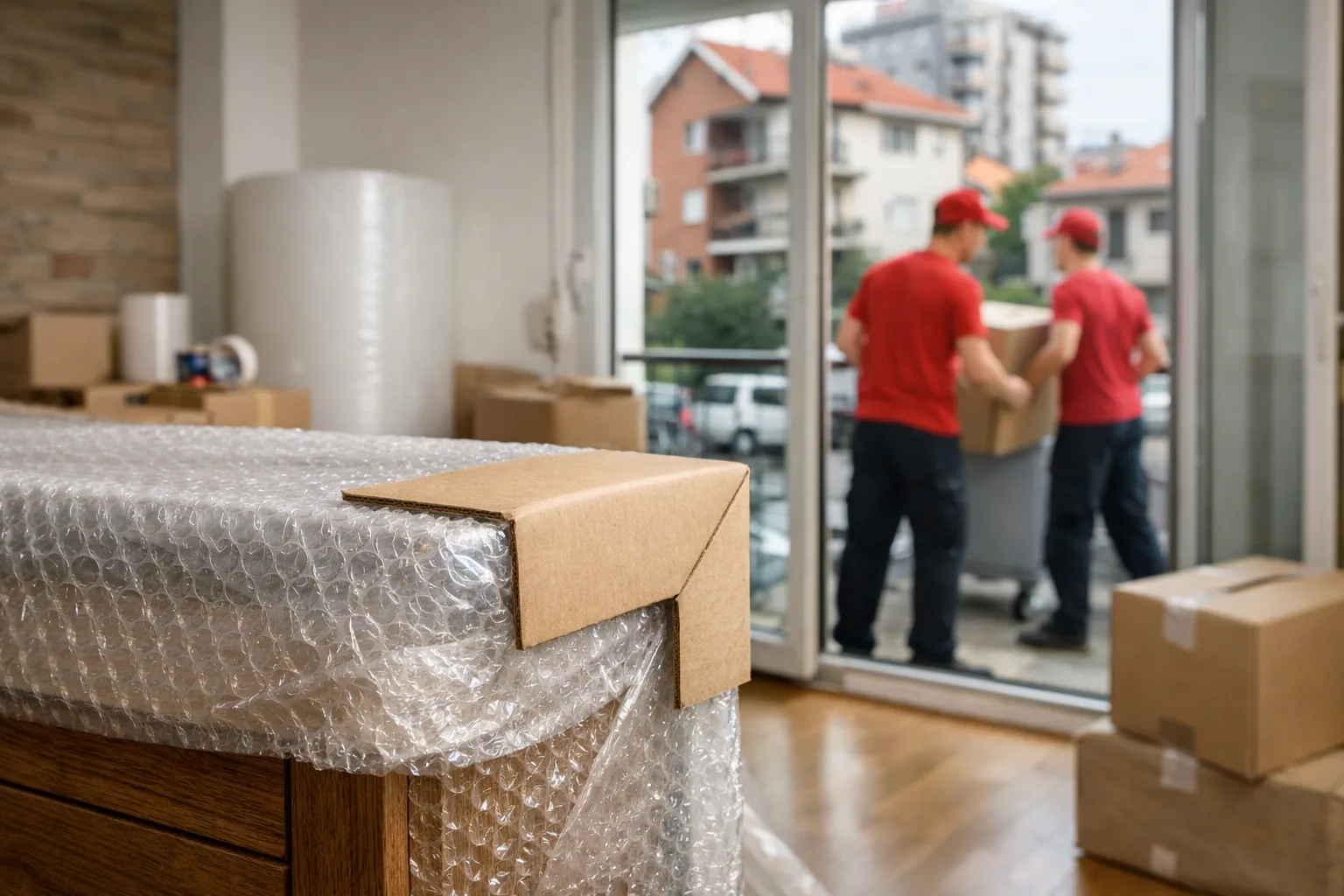
How to Move Furniture from Abroad to Serbia
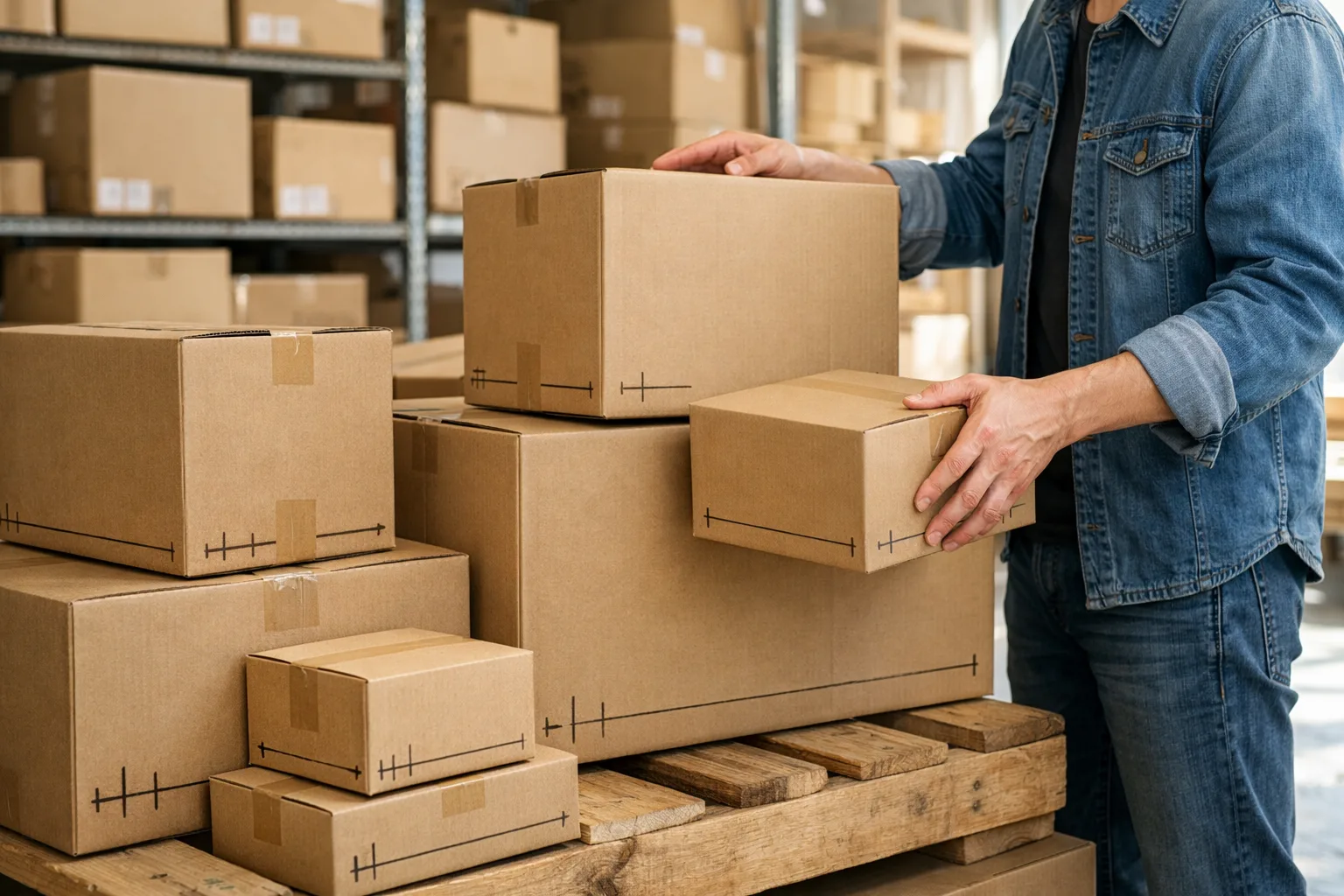
Common Mistakes Made During International Moves
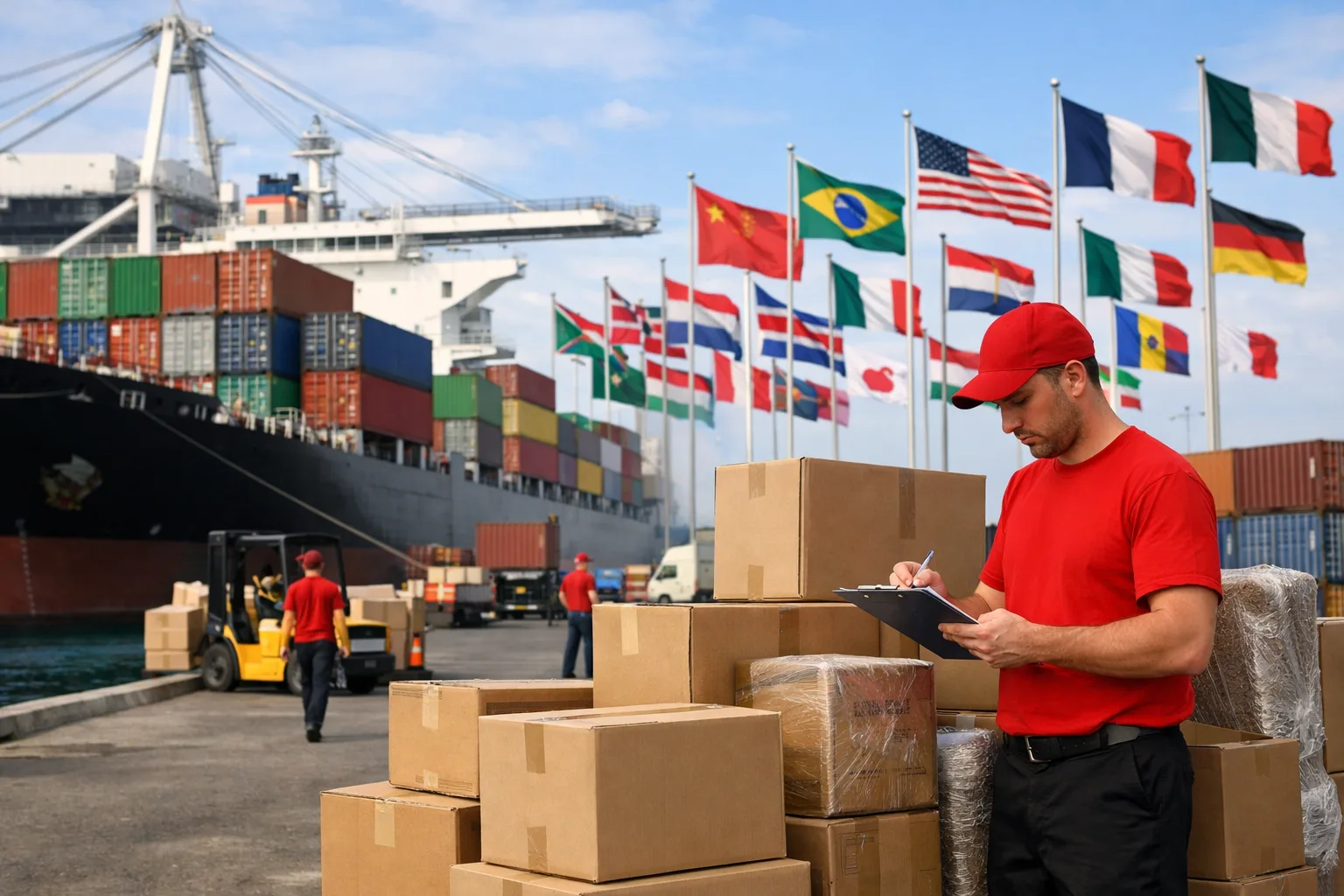
How to Save Money on an International Move?
We will respond to you as soon as possible.
Below are answers to the most important questions concerning specific issues and uncertainties when moving to Slovenia.
The most important documents include a valid passport or ID card, residence permit or visa if required, work permit for employees, as well as translations and certified copies of personal and educational documents. It is also necessary to register your residence within three days of arrival.
When bringing personal belongings, a personal luggage exemption usually applies, but it is important to have a detailed list of items and possibly proof of prior ownership. Customs may require inspection and additional documentation, especially if there are large quantities or valuable items.
Although not strictly mandatory, knowing Slovenian significantly facilitates everyday communication, community integration, and job searching. Many jobs require at least basic language knowledge, while in some sectors, such as IT, English is more widely accepted.
It is recommended to look for a company experienced in international moves, check references and licenses for international transport, request written offers and contracts with clearly defined terms, as well as insurance coverage for goods during transport.
Health insurance in Slovenia is mandatory for employees and is paid through contributions. After registering residence and employment, you gain access to the public healthcare system. Unemployed individuals may be entitled to insurance through other institutions or additional private insurance.
Children of immigrants can attend public schools where support for learning Slovenian is offered, or international schools that provide instruction in other languages. It is important to check enrollment conditions and available support programs in advance.
The cost of living in Slovenia is generally higher than in Serbia, especially in urban areas. This applies to housing, food, services, and taxes. Before moving, it is important to carefully plan your budget and familiarize yourself with local prices to avoid financial difficulties.