Tips for International Moves
How to Pack Furniture for a Move to Germany?
How to Pack Furniture for a Move to Germany?

Enter at least 3 characters.
Moving to Germany is a significant life step for many seeking better living and working opportunities. This guide provides detailed information on necessary preparations, administrative procedures, and practical advice to make the moving process as simple and stress-free as possible. From planning to establishing a new home, you will learn key steps and useful recommendations for a successful international move. In addition to basic information, the guide includes tips for efficient time management, cost control, and adapting to a new environment, helping you integrate into German society quickly and smoothly.

The first step in moving to Germany is detailed planning that includes setting a timeline and organizing all necessary activities. It is important to consider weather conditions as well as personal and professional obligations that may affect the choice of moving date. For example, moving during the summer can be more convenient due to favorable weather and school holidays, which is especially important if you have children.
Additionally, you should make a list of items you will take and estimate the amount of luggage to choose the appropriate transportation. It is recommended to create a schedule with deadlines for packing, deregistering from current addresses, and registering in Germany. It is also wise to include backup dates in case of unforeseen circumstances, such as delays in obtaining documents or unplanned professional tasks.
If you use the services of a professional moving company, be sure to contact them in advance so they can offer you the best service and tailor it to your needs. This way, you avoid stress and last-minute surprises. Also, check if the company has experience with international moves and whether they offer packing, storage, and customs clearance services, which can greatly simplify the process.
Furthermore, it is advisable to make a communication plan with family, friends, and your employer during the move so that everyone stays informed about your status and any changes. Such organization helps reduce stress and enables timely problem-solving.
Finally, consider hiring a moving assistant or consultant, especially if the move is complex or involves family members with special needs. They can help coordinate all activities and provide additional support throughout the process.
For moving to Germany, it is essential to prepare complete documentation, including a valid passport, visa or residence permit if required, as well as employment or study certificates. Citizens of EU countries have certain facilitations when crossing, while citizens of third countries must obtain the appropriate permits in advance. It is important to follow current regulations as legal requirements may change.
It is important to check the validity periods of documents and renew them if necessary before moving. It is also recommended to have translated and certified copies of key documents into German, such as diplomas, employment records, or health reports. It is advisable to use the services of authorized court interpreters to ensure the translations are legally valid.
In some cases, especially if you plan to work in certain professions, diploma recognition (nostrification) or additional certification is required. Contact the relevant German institutions or the embassy for detailed information on specific requirements. Also, check if additional exams or courses are necessary for qualification recognition.
Besides basic documents, it is recommended to prepare other important papers such as birth certificates, marriage certificates, and documentation related to children, if you have any. These documents may be needed when enrolling children in school or for other administrative procedures.
Don’t forget to keep copies of all documents and store them safely during the move. Digital copies stored securely in a cloud account can be very helpful in case the originals are lost or damaged.

The choice of transportation method depends on the volume of belongings and budget. The most common methods are road transport by van or truck, as well as rail or air transport for urgent and more expensive shipments. Road transport is the most practical for large moves as it allows direct delivery to the new address but may take longer depending on distance and customs procedures. If you need a move from Serbia to Germany, consider moves from Serbia to Germany as a reliable option.
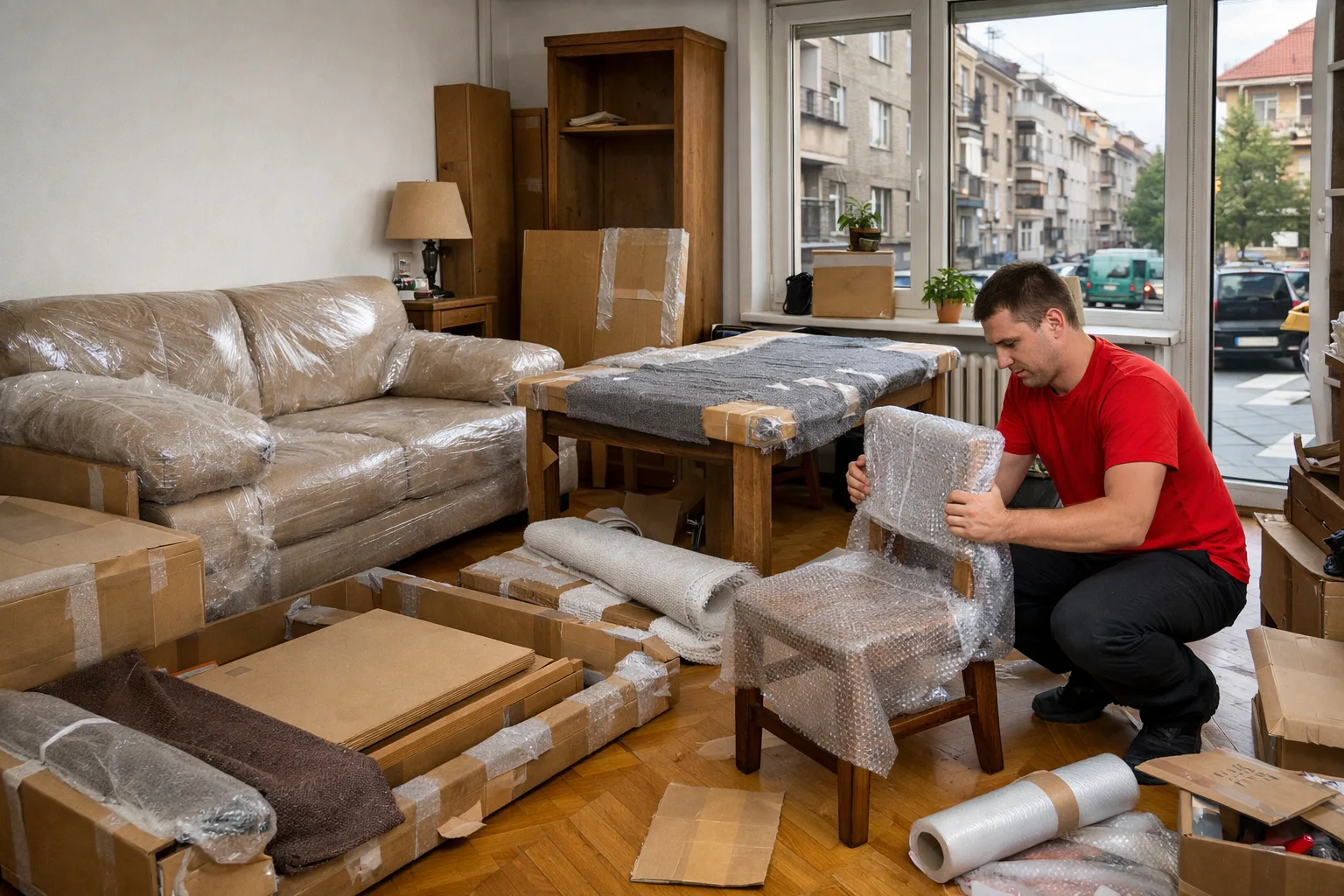
It is recommended to pack items in quality boxes or containers, carefully labeling the contents for easier arrangement in the new home. If you have valuable or fragile items, consider additional protection such as bubble wrap or special transport containers. Also, make an inventory list of the items you are sending so you can track the shipment and check its condition upon receipt. For secure packing and organization, you can use the packing service for moves.
If you use the services of a moving company, check whether the contract clearly defines what is included, as well as the terms of shipment insurance. Additionally, inquire about delivery times and possible customs procedures if the move involves crossing multiple countries. It is important to understand all costs, including any additional fees or customs duties.
For transporting cars or other vehicles, inform yourself about the necessary permits and procedures in Germany, as well as options for registration and technical inspection upon arrival. Also, consider the option of selling the vehicle in the country of origin if transport is not cost-effective.
When planning transport, also consider logistics at the new address, such as vehicle access, parking spaces, and unloading possibilities. It is advisable to arrange the date with the moving service in advance and inform neighbors or the building manager about the arrival to avoid inconveniences.
One of the first steps upon arriving in Germany is registering your residence address (Anmeldung) at the local municipality office (Bürgeramt). This step is necessary to obtain a registration certificate required for opening a bank account, obtaining health insurance, and other services. It is recommended to schedule an appointment in advance as slots are often fully booked.
It is also important to register for health insurance since Germany has mandatory health insurance, either public or private. Without this registration, you will not be able to fully access healthcare services. Inform yourself about different offers and insurance conditions to choose the option that best suits your needs.
After registration, you need to apply for a tax identification number (Steueridentifikationsnummer), which is used for employment and tax registration. This is crucial for legal work and tax payments in Germany. The tax number is usually issued automatically after registering your residence, but if you do not receive it, contact the local tax office.
Besides these obligations, it is recommended to open a bank account as soon as possible, as it is necessary for receiving salary, paying bills, and other financial transactions. Many banks offer special services for newcomers, including accounts without fees for the first months.
Also, if you have children, you need to enroll them in school or kindergarten. Inform yourself about deadlines and required documentation for enrollment, as well as options for additional support for children who do not speak German.
Before moving, it is recommended to research the real estate market and rental conditions in the city you are moving to. In larger German cities such as Berlin, Munich, or Hamburg, apartment prices can be high and competition for housing intense. Use online platforms, local ads, and real estate agencies to find suitable options.
Consider the option of temporary accommodation, such as short-term rental apartments or rooms in shared flats (WG), until you find a permanent home. This gives you greater flexibility and time for a more thorough search. Also, temporary accommodation can be more affordable and help you get better acquainted with different parts of the city.
When signing a lease agreement, pay attention to terms such as the length of the lease, deposit, pet policies, and apartment maintenance. In Germany, it is common for the deposit to amount to three months' rent. Read the contract carefully and, if possible, consult a lawyer or an experienced expert on the German real estate market.
Also, check whether the apartment has all necessary connections and whether utility costs are included in the rent or paid separately. Utility costs can significantly affect monthly expenses, so it is important to consider them when budgeting.
If you plan to purchase property, inform yourself about tax obligations, procedures, and financing options. Buying an apartment or house in Germany requires thorough preparation and understanding of the local market.

If you come from a non-EU country, you need a work permit to work in Germany, which is usually obtained based on an employment contract and a valid residence permit. EU citizens have the right to work freely without additional permits, which facilitates entry into the German labor market.
Before you start job hunting, it is recommended to tailor your CV and cover letter to the German job market, emphasizing relevant qualifications and experience. You can also use online platforms and local employment agencies such as Bundesagentur für Arbeit or specialized websites for specific industries.
If you plan to become self-employed or start a business, you need to inform yourself about legal requirements, tax obligations, and support opportunities for entrepreneurs in Germany. There are various programs and funds that can assist new entrepreneurs, as well as advisory services that provide support in the initial stages of business.
It is important to familiarize yourself with labor laws in Germany, including employee rights and obligations, working hours, minimum wage, and termination conditions. This knowledge will help you protect yourself and assert your rights at the workplace.
Also, consider attending courses or workshops for professional development and language improvement, which can significantly increase your chances of employment and career advancement.
Understanding German culture and having basic knowledge of the German language greatly facilitate adaptation and integration into the new environment. It is recommended to attend language courses offered in many cities and actively use the language in everyday situations. There are also online platforms and apps that can be useful for self-study.
German culture values punctuality, precision, and respect for rules, which is reflected in daily life and at work. Familiarizing yourself with local customs and norms will help you build better relationships with colleagues and neighbors. For example, it is customary to arrive on time for meetings and respect agreed deadlines.
Also, engaging in local communities, clubs, or volunteer activities provides opportunities to meet people and develop a social network, which is crucial for successful integration. Many municipalities and cities offer programs for newcomers that include cultural workshops, sports activities, and social events.
Additionally, it is recommended to familiarize yourself with basic rules of conduct in public spaces, such as waste recycling, using public transport, and respecting quiet hours in residential buildings. These habits are part of everyday life and respecting them contributes to better integration.
If you have children, involvement in school and extracurricular activities can help the whole family better adapt to the new environment and make friends. Schools often offer additional support for children who are not native German speakers.
Before moving, it is important to create a detailed financial plan that includes transportation, housing, health insurance, food, and other basic needs. Germany has a high standard of living, so it is realistic to expect higher living costs than in Serbia. Include unforeseen expenses such as administrative fees or apartment adaptation costs.
Opening a bank account in Germany is one of the first steps to receive your salary and conduct everyday financial transactions. Many banks offer accounts with low or no fees for new customers, and some provide services in English, which can be helpful for newcomers.
It is also recommended to create a monthly budget and track expenses to avoid overspending and unexpected financial problems. There are apps and software for personal finance management that can help monitor income and expenses.
Learn about tax benefits and other advantages that can assist you in financial planning in Germany, such as family allowances, housing subsidies, or tax refunds. Consulting with a tax advisor can be helpful for optimizing your finances.
Additionally, consider options for additional income sources or savings, as well as unemployment insurance or other risk coverage. Good financial planning contributes to a safer and more stable life in your new country.
How to Pack Furniture for a Move to Germany?

How to Move Furniture from Abroad to Serbia

Common Mistakes Made During International Moves

How to Save Money on an International Move?
We will respond to you as soon as possible.
Below are answers to the most common questions that arise during the preparations and the moving process to Germany. These tips will help you resolve specific doubts and ease your transition.
To register your residence in Germany, you need a valid passport or ID card, proof of accommodation (usually a confirmation from the landlord or a rental agreement), and a completed registration form (Anmeldung). This registration is done at the local municipality office (Bürgeramt).
To legally work in Germany as a non-EU citizen, you must obtain the appropriate work permit and residence visa that allow this. Typically, a job offer and proof of qualifications are required. It is recommended to contact the German embassy or consular office for detailed information.
Diploma recognition depends on the profession and the requirements of employers or German institutions. For certain professions, such as doctors, engineers, or teachers, recognition is mandatory. For other professions, it may be optional or unnecessary. Check with the relevant German authorities before moving.
Germany has mandatory health insurance, which can be public (Gesetzliche Krankenversicherung) or private (Private Krankenversicherung). Registration and choosing insurance are necessary immediately upon arrival, as without insurance you do not have access to full healthcare. Employers often assist with this process.
When choosing a moving company, it is important to check their references, experience with international moves, and cargo insurance terms. It is recommended to seek recommendations and sign a detailed contract that defines services, deadlines, and price. A reliable company will make the entire moving process easier for you.
Ideally, start preparations at least three months before the planned moving date. This includes obtaining documents, searching for accommodation, organizing transport, and other administrative tasks. This gives you enough time to handle unforeseen situations.
Yes, it is possible to bring pets to Germany, but you must meet certain conditions such as valid vaccinations, a pet passport, and possible quarantine rules. It is recommended to thoroughly inform yourself about the regulations at the relevant veterinary service and airport procedures.