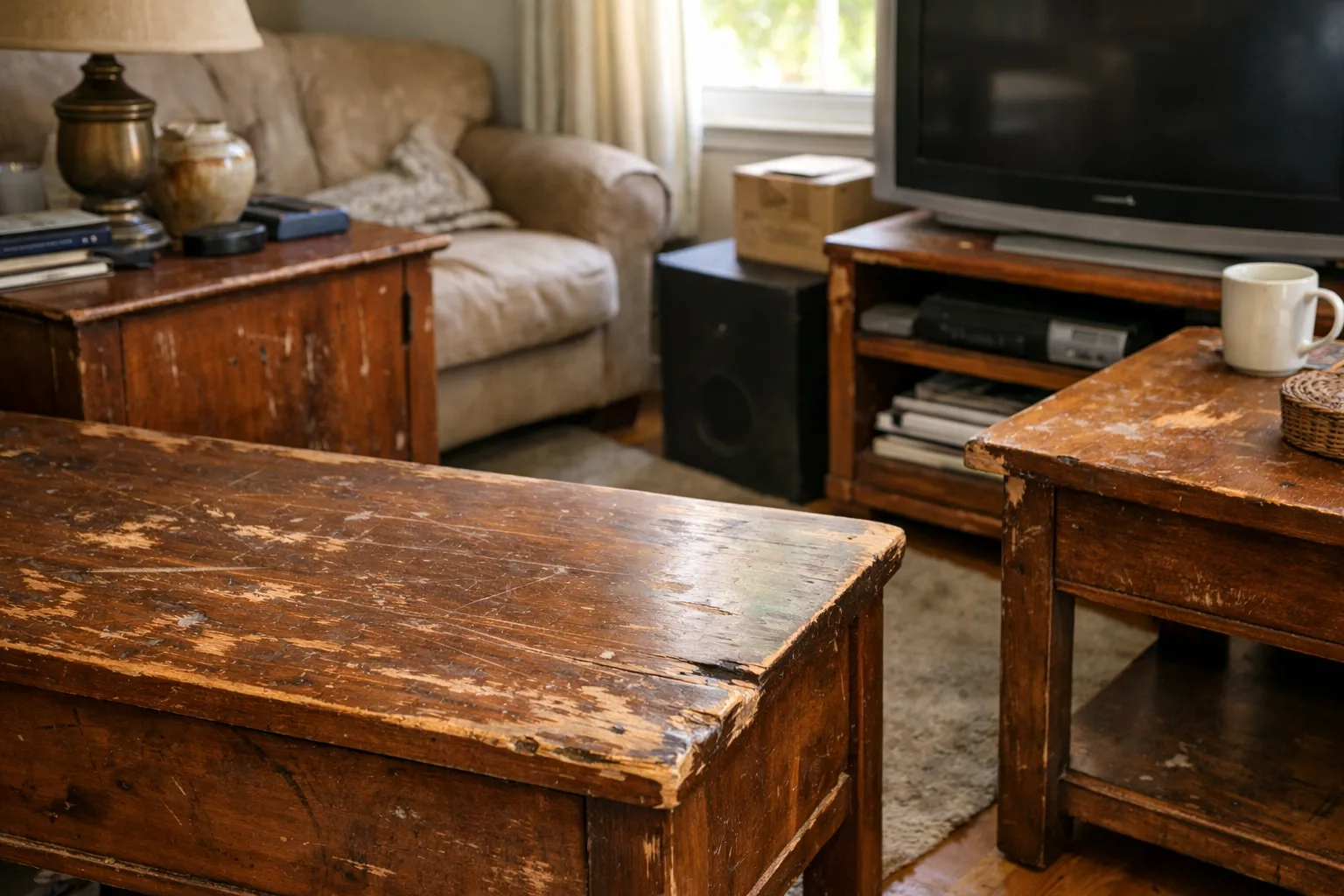
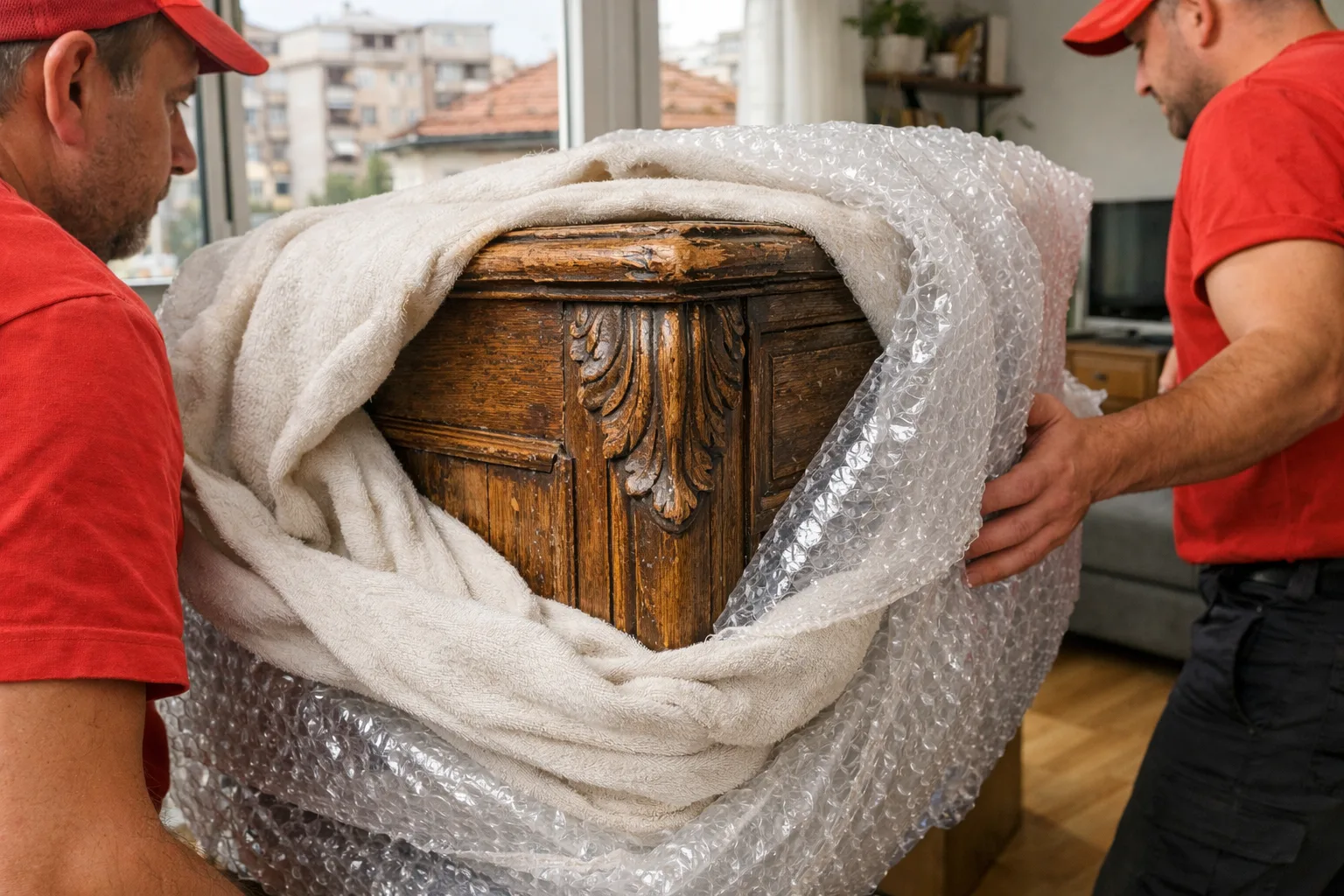
How to pack antique furniture?
How to pack antique furniture?

Enter at least 3 characters.
Packing for a move may seem like a simple task, but it actually requires careful planning and organization. Common packing mistakes can lead to damaged items, lost belongings, or unnecessary stress. In this guide, we will thoroughly explain the most frequent mistakes people make when packing for a move and provide concrete advice on how to avoid them. This way, your move can go smoothly and without unpleasant surprises. Additionally, it is important to understand that quality packing is a key factor that can significantly affect the speed and efficiency of the entire moving process, as well as the preservation of your belongings during transport. Preparing in advance and following certain rules can save time, money, and nerves.
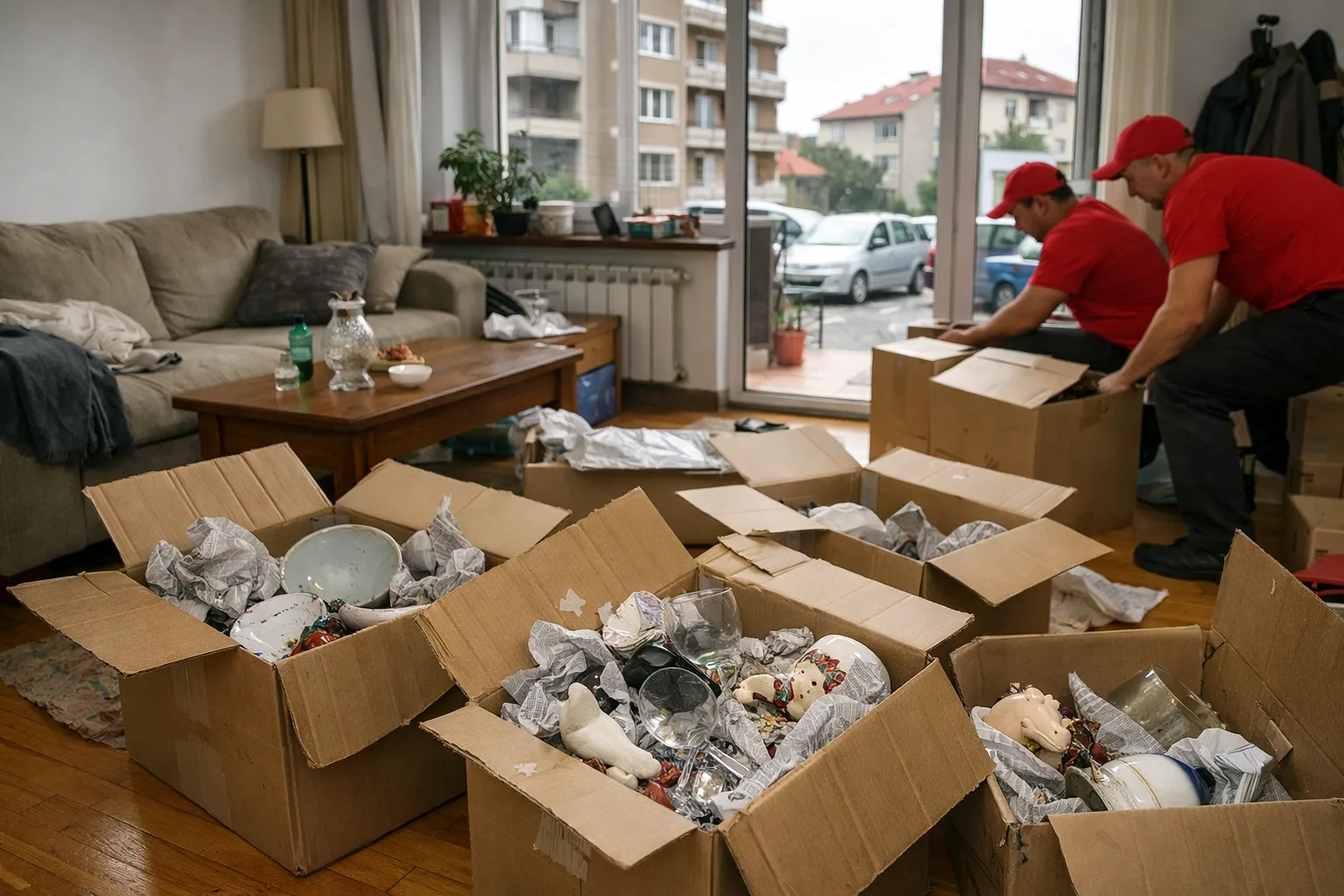
One of the most common packing mistakes during a move is the lack of a clear plan. Many start packing without thinking beforehand about the order in which they will pack items, which leads to chaos and repacking. For example, packing all boxes at once without separating by rooms makes unpacking harder and increases the chance of losing items.
Without a plan, people often fail to label boxes or do so unclearly, so later they are unsure what is inside each box. This prolongs unpacking time and can cause unnecessary stress. Also, disorganized packing can lead to duplicate items or forgetting important belongings, further complicating the moving process.
It is recommended to create a detailed packing plan, starting from choosing rooms, through the types of items you will pack, to labeling boxes and making a content list. This saves time and facilitates organization during the move. A good plan also includes setting priorities – which items you will need immediately upon arrival and which can wait. Additionally, scheduling time for packing individual rooms or categories of items can help avoid last-minute rush and stress.
Another common mistake is using inadequate boxes and packing materials. Boxes that are not sturdy enough or are too large for certain items can cause damage during transport. For example, low-quality cardboard boxes can easily get crushed or torn, endangering the contents.
For instance, packing heavy items in large boxes can cause the boxes to break and items to break. Similarly, insufficient protective materials like paper or bubble wrap can cause scratches and impacts on delicate items. Using inadequate tape for sealing can lead to boxes opening during transport.
It is important to use appropriate moving boxes suited to the weight and type of items, as well as quality protective materials such as bubble wrap, styrofoam, and proper sealing tape. This reduces the risk of damage and makes handling easier. It is also recommended to acquire specialized boxes for certain items, such as wardrobe boxes with hanging frames or boxes for electronic equipment with extra protection.
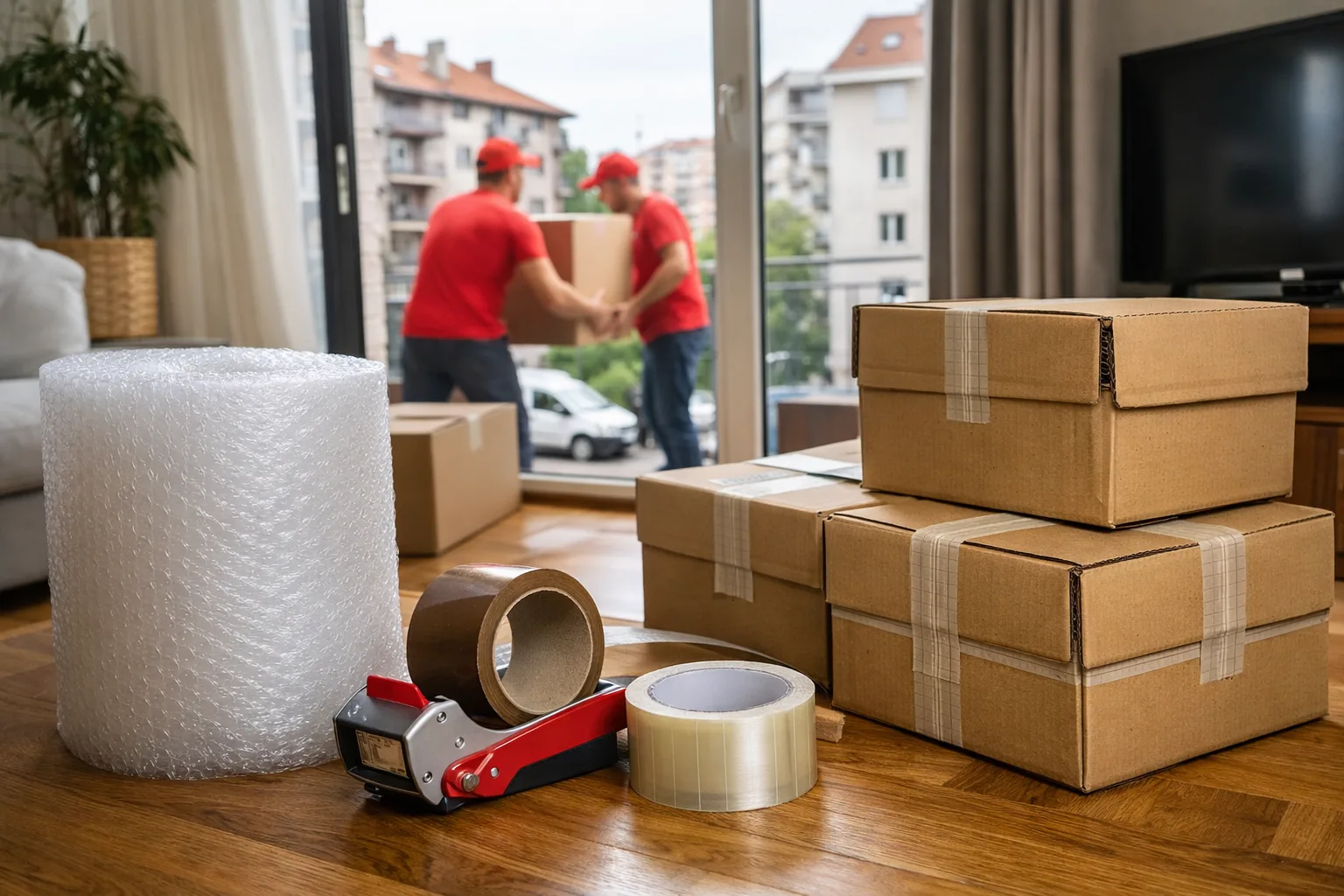
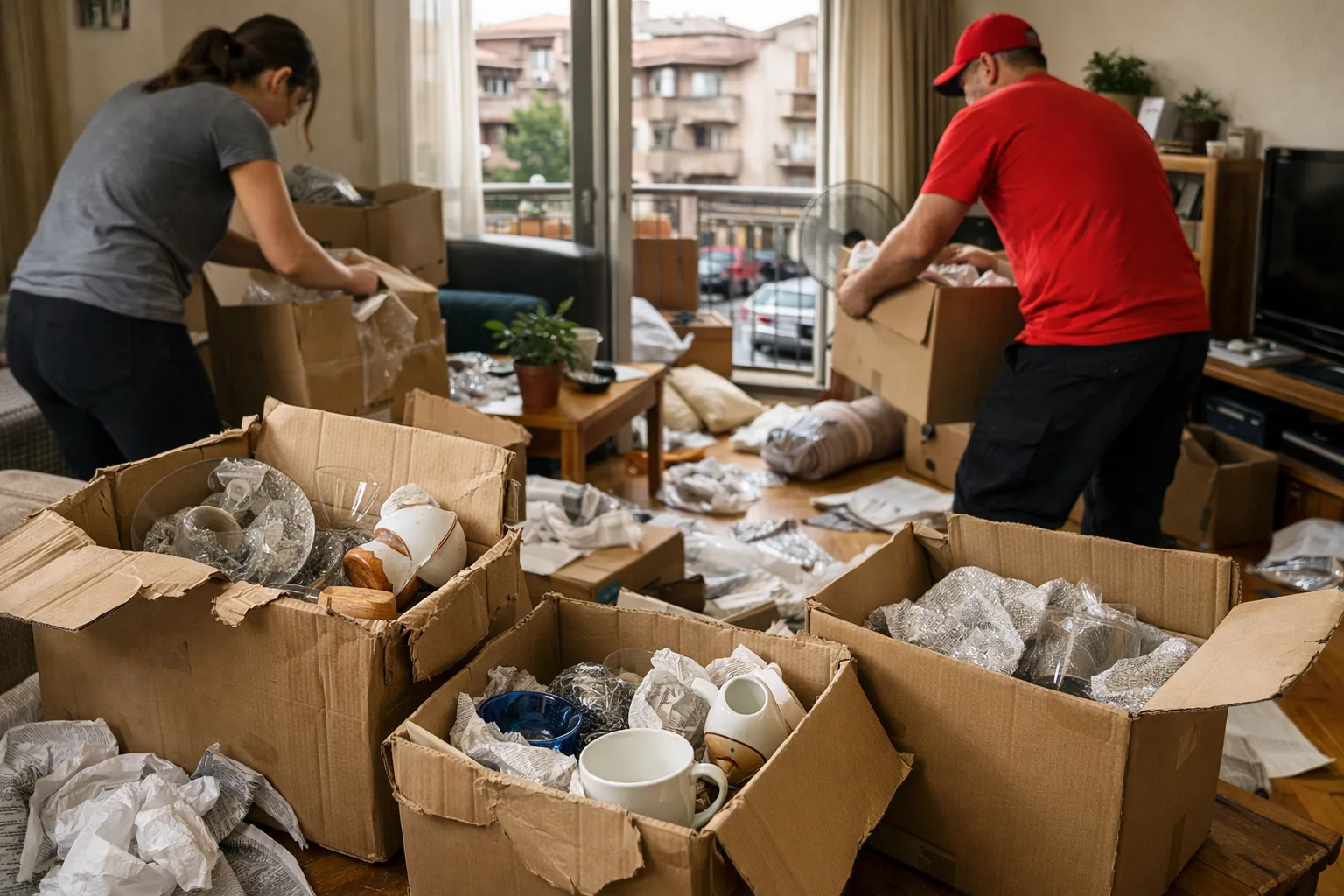
Fragile items such as glassware, porcelain, or electronic devices require special attention when packing. A common mistake is packing them without sufficient protective layers or placing too many items in one box, which increases the risk of breakage.
For example, glassware must be individually wrapped in paper or foil, and the box must be clearly marked as fragile. If this is not done, the risk of breakage during carrying and loading increases. Also, space between individual items should be filled with protective material to reduce the risk of impact damage.
Additionally, it is advised not to overfill these boxes and to place them securely in the moving vehicle. This reduces the chance of cracking and loss of valuable items. It is recommended to use professional moving packing with special boxes featuring dividers for glasses and plates, as well as additional labeling of boxes with warnings about fragile items.
Many make the mistake of not considering the weight of packages. Overly heavy boxes are harder to carry and increase the risk of injury as well as box damage. This can slow down the moving process and increase costs due to the need for additional labor.
For example, packing heavy books or bottles into one large box can make it impractical to carry. It is better to distribute the weight into several smaller boxes, which facilitates transport and reduces strain on the back. Proper weight distribution also reduces the chance of boxes tipping over during transport.
Proper arrangement in boxes also means placing heavier items at the bottom and lighter ones on top to prevent breakage and damage to contents. This technique enhances safety during the move. It is recommended not to fill boxes to the brim to avoid damage and to make closing easier.
Labeling boxes is a crucial step in organizing a move, but it is often done superficially or not at all. Lack of clear labels makes finding items difficult and prolongs unpacking time, which can cause frustration.
For example, simply numbering a box without additional information about its contents or the room it belongs to can be confusing. Ideally, boxes should be labeled with the room name and a list of main items. It is also helpful to add priority labels such as "urgent," "later," or "children."
Also, using different colors to mark rooms or marking fragile boxes with a red marker significantly facilitates work and reduces the chance of mistakes during unloading and unpacking. It is recommended to write labels in large, legible letters and, if possible, use stickers or printed labels for better clarity.
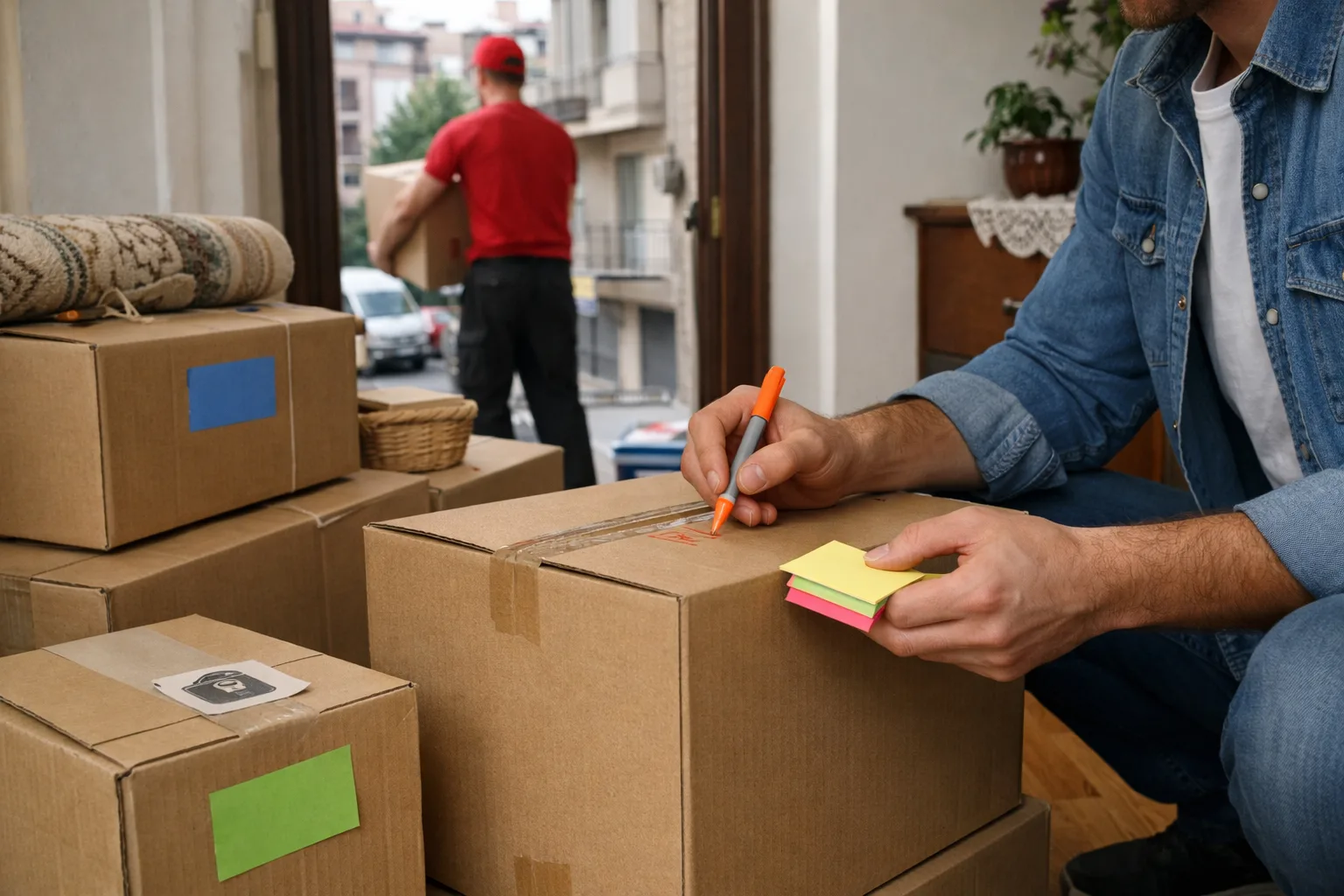
A common mistake is packing items that have not been prepared for moving, such as dirty clothes, leftover food, or unemptied liquid containers. This can lead to unpleasant odors, damage, and extra cleaning, prolonging the moving process.
For example, packing food in boxes can attract insects and cause leaks, while dirty clothes can stain other items. It is recommended to wash and clean all items before packing. Also, clothes that are not washed, like coats or winter jackets, should be packed in appropriate covers or bags.
Additionally, liquids in bottles should be tightly sealed or packed in special bags that prevent spills. Such preparations are necessary to ensure a smooth move without unforeseen problems. It is recommended to pack liquid products, such as shampoos or detergents, in plastic bags that can be tied, preventing leaks and damage to other items.
Packing seasonal and specific items requires special attention, which many overlook. For example, winter clothing and household appliances should be packed differently from summer items to preserve their functionality and appearance.
Lack of adaptation can lead to damage or improper storage. For instance, it is difficult to pack fur-lined shoes or easily wrinkled clothes without appropriate bags or protection. Also, electronic devices and appliances require special protection from moisture and shocks.
It is recommended to use bags, wraps, or boxes designed specifically for certain items, which ensures better protection and easier unpacking upon arrival at the new address. For example, vacuum bags are excellent for packing clothes, while original boxes or special protective covers are recommended for appliances.
One of the biggest mistakes is not making a list of the items being packed. Without a record, important items can easily be lost or forgotten, causing additional stress and complications.
For example, if you don't keep track of what is packed in which box, valuable items might be left forgotten somewhere or not immediately recognized during unpacking. This can lead to unnecessary searching and delays in organizing the new space.
It is recommended to create a detailed list of items by boxes and rooms, which can be written or digital. It is also helpful to check the list during unloading and unpacking to avoid mistakes and losses. Additionally, photographing the contents of boxes can assist with quick identification and inventory control.
Advantages of Professional Packing Before Moving in Belgrade
We will respond to you as soon as possible.
Below we answer the most common concerns related to packing mistakes during a move, with practical advice on how to avoid them.
The most important thing is to wrap each glass item individually in protective material such as bubble wrap or packing paper. Clearly label the box containing them as "fragile" and do not overfill it. Place these boxes in a secure spot in the vehicle where they won’t be subjected to pressure or impacts.
Labeling boxes by rooms makes unpacking and organizing in the new space easier. The moving team or you will know exactly where to place each box, saving time and reducing the chance of errors during item placement.
Heavy items should go into smaller boxes to make them easier to carry. Heavier items should be placed at the bottom of the box, with lighter ones on top to prevent breakage and damage. Also, avoid overpacking boxes to prevent damage.
Before packing, all items should be cleaned and prepared. Wash and pack dirty clothes, and avoid bringing food unless it is sealed and well-protected in containers. This prevents unpleasant odors and damage during the move.
Yes, making a list is very useful as it allows you to track what you have packed and where everything is located. This can help avoid losses and make unpacking in the new home easier.
Boxes should be sturdy and sized appropriately for the items you are packing. Pack heavier items in smaller boxes, and fragile items in boxes with extra protection. Quality materials for sealing and lining are also essential for a safe move.
The most common mistake is insufficient protection of devices, packing without original packaging or without appropriate protective materials. It is recommended to use additional protection such as bubble wrap and to pack devices separately from heavy items to prevent damage.