Tips for International Moves
How to Pack Furniture for a Move to Germany?
How to Pack Furniture for a Move to Germany?

Enter at least 3 characters.
International moves require detailed preparation and understanding of the rules regarding the transport of goods between countries. When planning a relocation from Germany to another country, it is important to know which items a moving company cannot transport due to legal, safety, and logistical restrictions. In this guide, we will thoroughly explain the categories of items that are prohibited for transport, the reasons for these bans, and practical advice on how to prepare for your move without unpleasant surprises. Proper preparation and awareness can significantly reduce stress and complications during the relocation process, as well as help you avoid additional costs and delays. It is essential to familiarize yourself with specific requirements and restrictions so you can arrange alternative transport methods for prohibited items in advance.
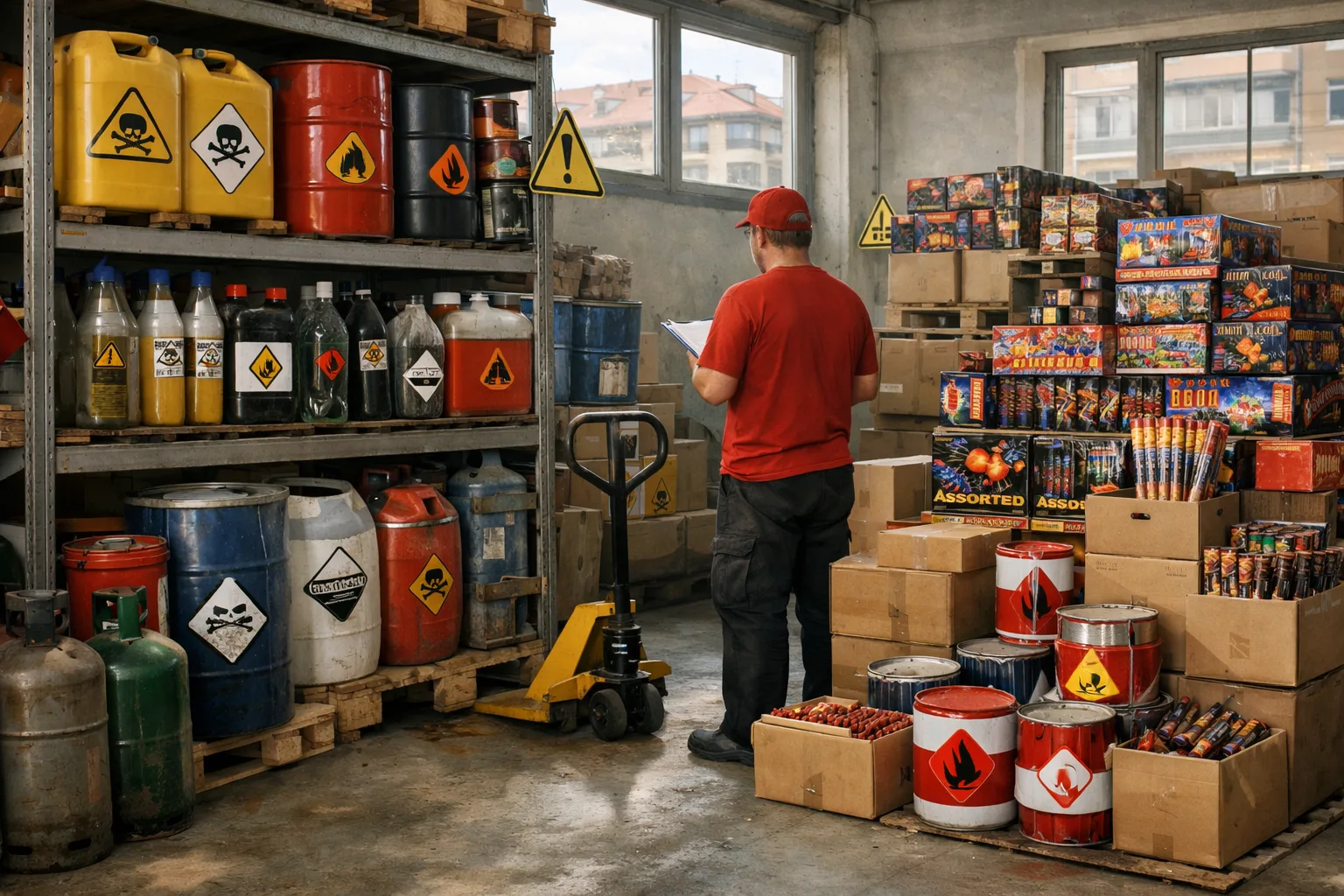
Moving companies strictly prohibit the transport of hazardous materials that may pose a safety risk during transit. This includes easily flammable liquids such as gasoline, high-proof alcohol, solvent-based paints, and varnishes. Such materials require specialized storage and transport conditions that standard moving companies cannot provide. Additionally, improper packaging of these materials can lead to leaks, fires, or explosions during transport, endangering your property and other road users.
Furthermore, chemicals that may be carcinogenic, toxic, or corrosive fall into the category of prohibited items. For example, cleaning agents with strong chemical components, pesticides, and battery acids must not be packed in standard moving boxes. If you possess such items, it is best to dispose of them properly or transport them via specialized courier services licensed to handle hazardous materials. It is recommended to consult local waste management services or specialized carriers.
These restrictions exist due to international regulations on the transport of hazardous materials, as well as safety rules within the European Union. Non-compliance with these rules can result in heavy fines or even confiscation of the shipment at customs. Therefore, it is important to verify in advance what is allowed and plan transport accordingly. It is also advisable to make a list of all hazardous materials you have and share it with the moving company so they can provide precise instructions and assist in finding appropriate solutions.
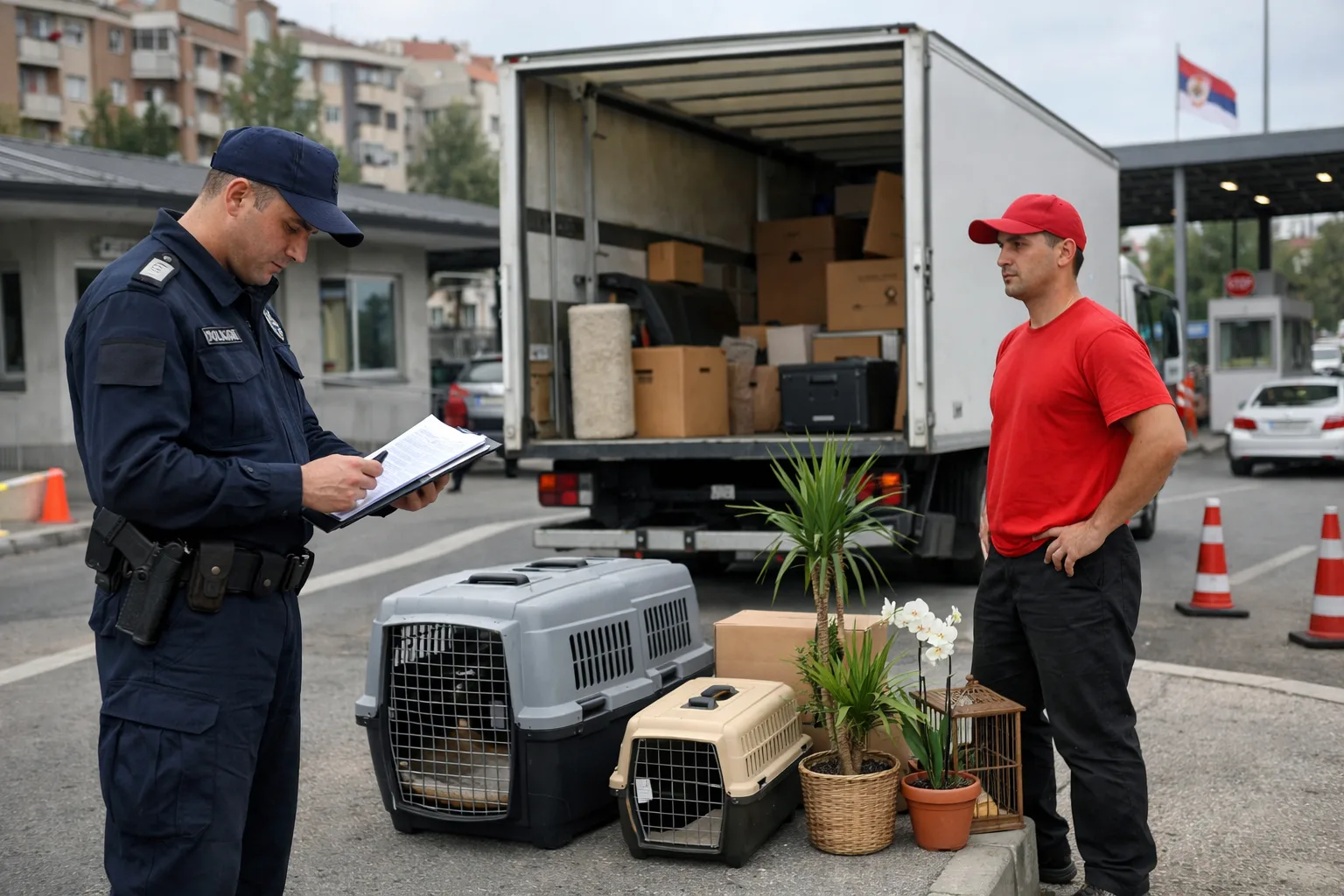
International moves do not include the transport of live animals except in cases where specialized services for pet transport are engaged. Standard moving companies do not have the capacity to provide adequate care and conditions during travel, which can jeopardize the health of the animals. Transporting animals requires special permits, veterinary certificates, and conditions that ensure the safety and welfare of pets during the journey.
Additionally, the transport of plants is subject to strict controls due to the risk of introducing pests and diseases into the destination country. Germany has stringent phytosanitary regulations, and each recipient country may have its own additional requirements. For this reason, plants are generally not transported by standard moving services but through special customs procedures and certificates. Transporting plants may require phytosanitary certificates confirming that the plants are healthy and do not pose a risk to local flora and fauna.
If you plan to accompany your move from Germany with the transport of plants or animals, it is recommended to contact veterinary and phytosanitary services in advance. This will help you avoid problems at the border and unnecessary complications during the relocation. It is also important to inform yourself about quarantine rules and required documentation to secure all necessary permits and certificates on time.
Transporting food during international moves is highly restrictive due to hygiene and safety regulations. Fresh and frozen foods, meat, dairy products, and canned goods are often prohibited because they can spoil and cause issues at customs. Additionally, improper storage of food during transport can lead to spoilage and unpleasant odors in the moving vehicle.
Furthermore, certain agricultural products, such as seeds, nuts, or fruit, may be subject to quarantine measures or complete bans in the destination country. This is part of a global policy to protect agriculture and the natural environment from invasive species and diseases. Therefore, it is important to inform yourself about the specific regulations of the country you are moving to, as requirements can vary and frequently change.
The best advice is to consume or donate food before moving or to use specialized courier services authorized for such transport. Moving companies will inform you which food items are not allowed in the moving shipment. It is also recommended to make a list of the food and agricultural products you have and consult it with the agency to avoid issues at the border.
Moving companies never transport weapons, fireworks, pyrotechnics, or explosive materials. These items are strictly regulated by safety laws and must not be included in standard moving transport due to the high risk of accidents. Improper handling of these items can lead to serious injuries, fires, or even death, which is why these bans are necessary.
If you own hunting weapons or fireworks, you must inform yourself about special procedures for their transport, which involve special permits, declarations, and hiring licensed companies. Without these steps, such items may be confiscated or destroyed at the border. It is also important to comply with all legal regulations of both the exporting and importing countries regarding these items.
The ban also includes certain types of batteries and accumulators that can be explosive or flammable under certain conditions. Therefore, before packing, it is important to check with the agency exactly which items you must not include in your moving cargo. It is also recommended to learn about proper disposal or transport methods for these materials through specialized services.
Important documents such as passports, ID cards, financial and legal papers should not be part of the moving shipment. There is a risk of loss or damage during transport, and replacing them can be complicated and time-consuming. Keeping these documents with you or sending them via special insured courier services is a much safer solution.
Also, transporting money and valuables such as jewelry, artwork, or valuable collectibles is not recommended through moving companies. It is better to use insured courier services for these items or carry them personally during travel. This way, you have full control over valuable items and reduce the risk of loss or theft.
Most moving companies have limited liability for valuable items and do not cover damages in case of loss or theft. Therefore, it is advisable to separate sensitive and valuable items and transport them in a secure and controlled manner. It is also recommended to make a detailed list of valuables and insure them before transport.
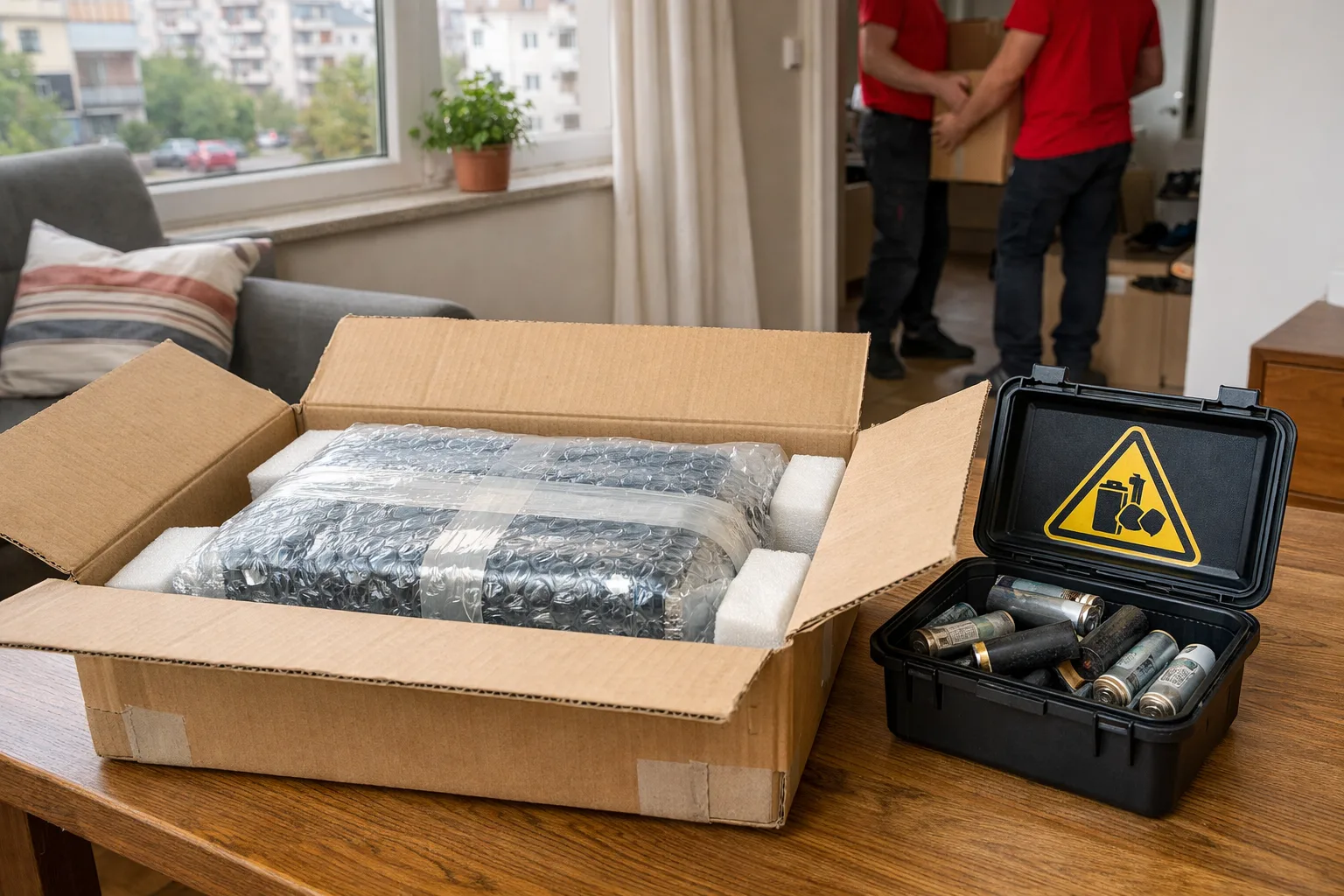
Transporting electronic devices such as laptops, televisions, and household appliances is generally allowed, but there are certain restrictions regarding batteries and rechargeable devices. Lithium-ion batteries, found in most modern devices, can pose a hazard if not properly packed. They can cause fires due to short circuits or overheating, so it is essential to follow prescribed rules.
Moving companies require batteries to be removed and packed separately or devices to be turned off in a way that prevents accidental activation during transport. Also, the quantity of spare batteries allowed in one shipment is limited due to international safety regulations. It is recommended that batteries be protected from mechanical damage and placed in original or specialized boxes.
It is recommended to protect electronic equipment well from damage and consult with the agency about the proper method of packing and transporting batteries. Otherwise, the shipment may be held or returned at the border. It is also advised to make a list of all electronic devices and batteries you plan to transport and share it with the agency for a safer and more efficient moving process.
Some furniture pieces contain materials that are prohibited or restricted for transport due to import and export regulations. For example, furniture made from certain types of wood protected under the CITES convention may require special permits. These permits confirm that the wood was not sourced from protected areas and is legal for export and import.
Additionally, furniture containing built-in chemical wood preservatives or antique pieces with lead-based paints may be subject to restrictions. Such items may require additional documentation or even be refused by customs in the destination country. It is important to inquire about the composition and origin of your furniture before moving to avoid any issues.
Before moving, it is advisable to check the composition and origin of your furniture and consult with the moving company and customs authorities. This way, you can avoid unpleasant surprises and additional costs during your international move. It is also recommended to take photos and prepare documentation of the furniture you plan to export, which can assist with customs procedures.
Every country has its own laws and regulations governing what can be imported and exported across its borders. These regulations aim to protect public safety, health, and the environment, as well as to prevent smuggling and illegal activities. Knowing these rules is crucial for a successful international move.
Moving companies must comply with these regulations and often cooperate with customs authorities to identify items that cannot be transported or require special permits. Improper transport can result in shipment detention, fines, or even criminal charges. Therefore, it is important to be transparent and precise when declaring the contents of your move.
Before moving from Germany, it is recommended to familiarize yourself with the customs regulations of the destination country and to clearly declare the contents of your shipment to the moving company. This will enable timely preparation and help avoid problems at the border. Additionally, it is advisable to keep all documentation related to the move and customs procedures, which can be helpful in case of any misunderstandings or issues.
How to Pack Furniture for a Move to Germany?
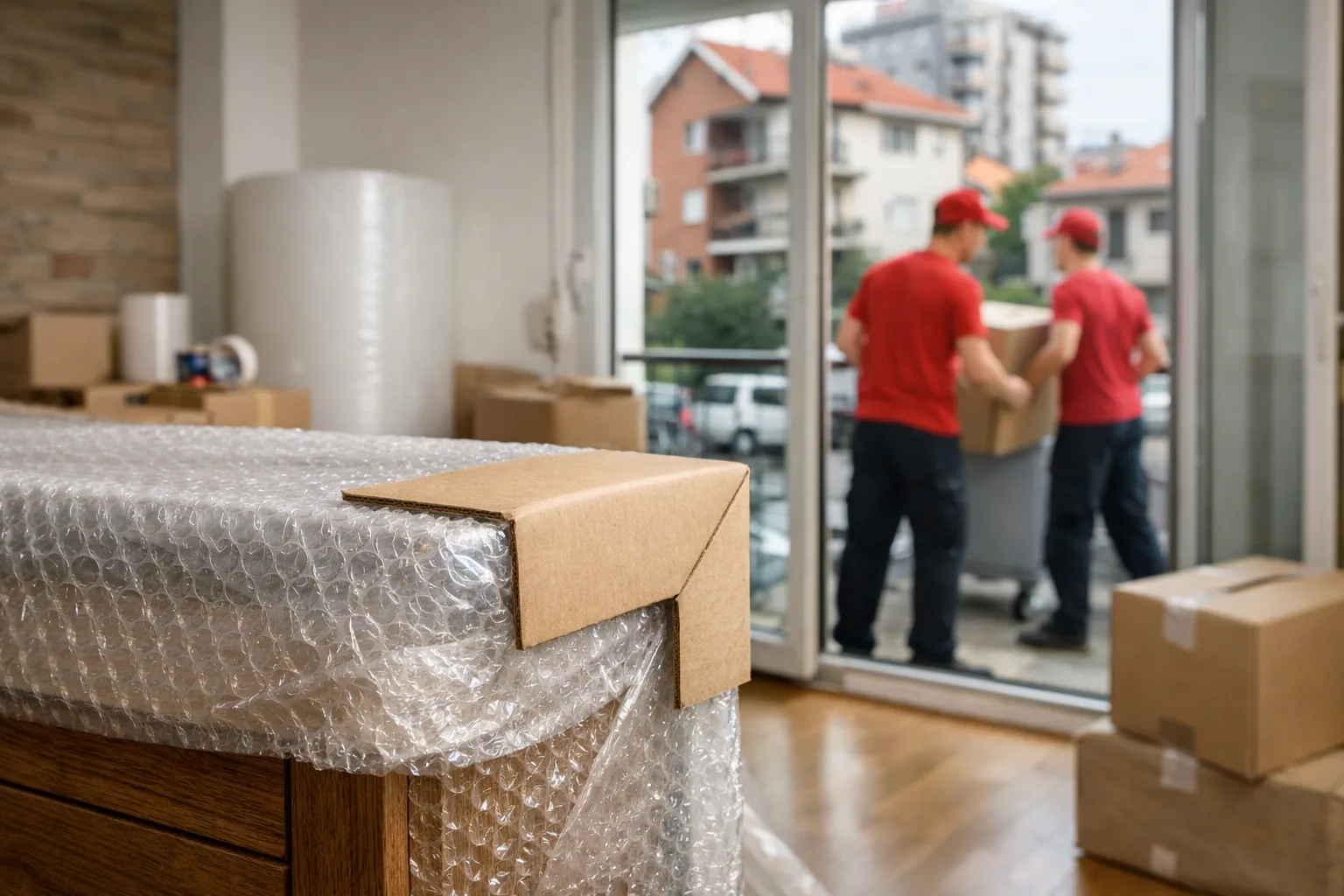
How to Move Furniture from Abroad to Serbia

Common Mistakes Made During International Moves
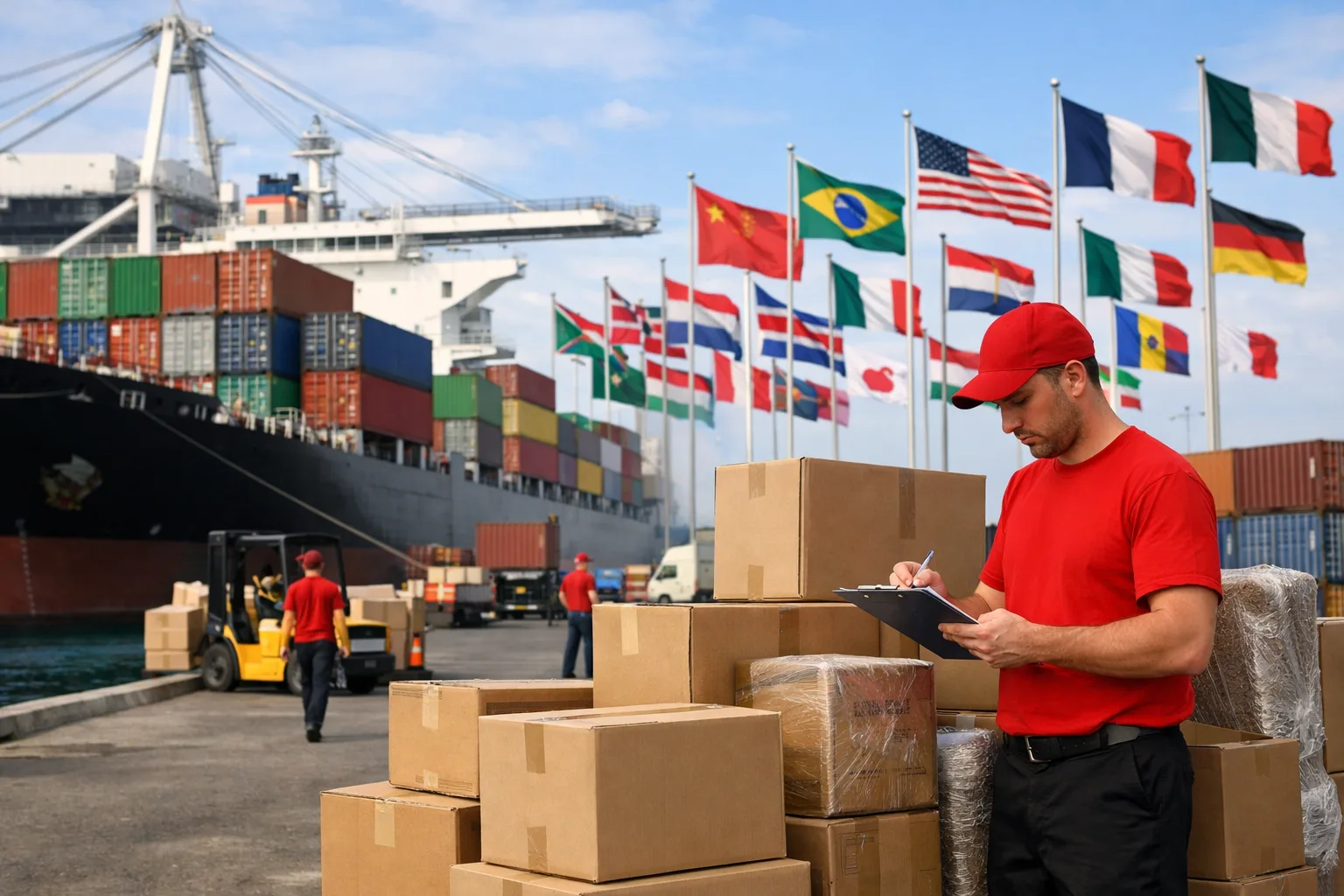
How to Save Money on an International Move?
We will respond to you as soon as possible.
Below we answer the most common concerns and specific issues clients have regarding items that moving companies cannot transport from Germany. These answers will help you better understand the rules and facilitate your moving process.
Flammable liquids are dangerous because they can easily cause fire or explosion during transport. International regulations for transporting hazardous materials require specialized conditions that standard moving companies cannot provide, which is why these liquids are prohibited.
Standard moves do not include the transport of live animals. Transporting pets requires hiring specialized companies that have the appropriate conditions and permits for safe animal transport.
Important documents are best carried personally or sent via insured courier services. Moving companies do not take responsibility for loss or damage of such items, so it is not recommended to send them with other goods.
Furniture made from protected wood may require additional documentation and export permits. Before moving, consult with the moving company and verify legal requirements to avoid customs issues.
Rechargeable lithium-ion batteries are restricted in quantity and packaging due to fire risks. They must be properly removed and packed separately, with consultation from the moving company regarding regulations.
The most common reasons include the presence of prohibited or undeclared items such as hazardous materials, food, plants without phytosanitary certificates, as well as lack of necessary documentation or permits.
It is recommended to contact the moving agency and customs services before packing. They can provide detailed information about current regulations and help you properly prepare your goods for international transport.