
Tips for moving a company
7 Tips for a Successful Company and Office Move
7 Tips for a Successful Company and Office Move

Enter at least 3 characters.
Relocating a company is a demanding and complex task that can disrupt business operations if not well planned. A quick and cost-effective move requires good organization, timely preparation, and efficient coordination of all involved parties. In this guide, we will thoroughly explain how to relocate your business premises with minimal costs and downtime, offering practical advice and recommendations to help the process run smoothly and stress-free. Additionally, we will focus on key steps that ensure the move does not negatively impact the company's productivity and that employees adapt quickly to the new working conditions. Special attention will be given to aspects related to communication, technical preparation, and cost optimization, as these elements often determine the overall success of the process. We will also emphasize the importance of timely informing all involved parties and establishing clear communication channels, which can significantly reduce stress and misunderstandings during the move. Preparing a detailed plan and engaging appropriate resources helps avoid common problems such as equipment loss, business interruptions, or employee dissatisfaction, thereby ensuring continuity of operations and the company's long-term success.

The first step in a quick and cost-effective company move is detailed planning. This involves creating a timeline with clearly defined deadlines and tasks. It is important to include all relevant departments to consider all business needs and specifics. Involving management, IT, administration, and other key teams allows for identifying potential challenges and timely preparation of solutions.
Planning should include an assessment of the amount of equipment, furniture, archives, and technical infrastructure to be moved. It is also necessary to identify critical activities that must not be interrupted during the move. Creating a detailed list of all items and devices to be relocated, as well as prioritizing their transport, significantly contributes to the efficiency of the process.
Engaging experts or consulting with professional moving companies can contribute to a realistic plan and help optimize costs and time. Without a clear plan, the move can take significantly longer and be more expensive than necessary. It is also recommended to develop a contingency plan for unforeseen situations, such as delays or equipment damage, to minimize negative impacts on business operations.
Additionally, it is important to define responsibilities within the moving team so that every segment of the process is covered and to avoid duplications or omissions. Regular coordination team meetings during the preparation period enable timely problem-solving and plan adjustments according to new circumstances.
It is also advisable to create a detailed activity calendar with clearly marked deadlines for each task, including document preparation, notifying clients and partners, as well as technical preparations. This approach ensures transparency and better control over the entire process.
When relocating a company, choosing a new location greatly impacts operational efficiency and costs. It is necessary to assess the accessibility of the location for employees and clients, as well as the terms of leasing or purchasing the space. Analyzing traffic connections, availability of public transport, and parking spaces can significantly affect employee and client satisfaction.
It is advisable to consider whether the new space has adequate infrastructure for your needs – internet, electricity, heating, air conditioning, storage, and administrative areas. Also, check if there are any zoning restrictions that could affect company operations. For example, certain industrial zones may have limitations regarding working hours or noise levels.
If possible, negotiate lease terms with the property owner, including the possibility of customizing the space, contract duration, and potential rent reductions for longer leases or advance payments. This can significantly reduce monthly operating costs. Also, check if additional services such as maintenance or security can be included in the contract.
Besides the basic factors, it is important to consider the potential for future company growth at the new location. A space that allows for expansion or adaptation can be a more cost-effective choice in the long run. Also, check whether the location aligns with the company's strategy and contributes to better visibility and market access.
Don't forget to verify the legal aspects of leasing or purchasing, including permits, ownership documents, and any obligations to local authorities. Hiring a legal advisor can help avoid issues and ensure that contract terms are favorable and secure for your company.
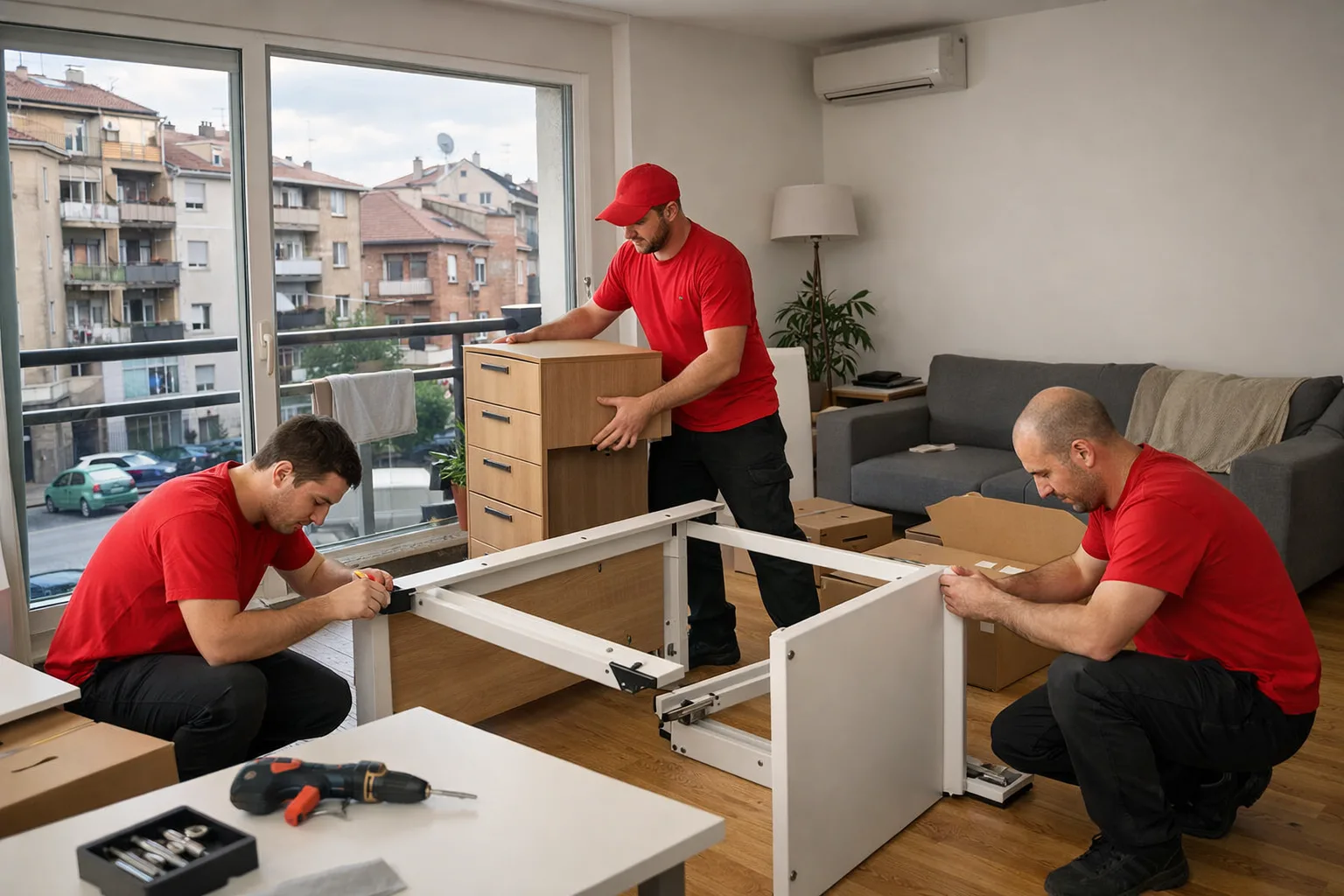
Efficient packing and labeling of all items being moved are key for quick arrangement at the new location. Use clear labels indicating the contents of boxes and the departments they belong to. It is recommended to use different colors or numbers for various sectors to facilitate identification and placement at the new site.
It is advisable to create a packing inventory, i.e., a list of all items by boxes or pallets. This facilitates control during loading, unloading, and arrangement at the new location. Digital lists or moving management apps can further improve clarity and reduce the risk of loss or damage to items.
For technical equipment and sensitive documents, use special protection and dedicated boxes or cabinets. For example, pack computers and printers in original or specialized moving boxes, and keep important documents separately with you or in secure transport. It is also recommended to turn off and prepare technical equipment for transport in advance to avoid damage.
Additionally, it is recommended to use quality materials such as bubble wrap, protective corners, and sturdy boxes during packing to minimize the risk of damage during transport. Special attention should be given to fragile items and electronic equipment.
Also, organize packing in phases, starting with less frequently used parts to minimize work disruption. Involving employees in the packing process can increase efficiency and reduce errors, but it is important to clearly define who is responsible for which tasks.
A professional moving company specialized in business relocations can significantly speed up the moving process and reduce stress. Choose a company with experience in business moves that has adequate equipment and vehicles. Check if the company has insurance for transport and handling of equipment, which can be crucial in case of damage or loss.
It is advisable to request several offers and compare them based on services and price. Pay attention to recommendations and reviews from previous clients. Also, inquire about the company's flexibility regarding scheduling and additional services that may be needed during the move.
Specify service details in the contract, such as deadlines, scope of work, compensation clauses in case of damage or delays, and additional services like furniture disassembly and assembly or packing. Clearly defined terms reduce the possibility of misunderstandings and enable more efficient cooperation.
Additionally, check whether the moving company holds certificates or memberships in relevant associations, which can indicate professionalism and reliability. Also, inquire about their procedures for handling complaints and client support during and after the move.
It is recommended to hold a detailed on-site meeting with the chosen company to precisely define the needs and specifics of the move. This allows the company to prepare adequate equipment and personnel, as well as provide an accurate offer and timeline.
Before bringing equipment and furniture into the new space, it is important to carry out technical preparations. This includes checking installations, network connections, and storage areas. It is recommended to hire experts to inspect electrical installations and internet connectivity to avoid problems after the move.
Organize the space to be ready to receive all equipment and furniture, with clearly defined work and storage zones. This will speed up arrangement and reduce the risk of damage. Also, ensure there are enough power outlets and network access points where technical equipment will be located.
If necessary, arrange in advance for servicing or adapting equipment at the new location, as well as installing security systems or internet access. Planning these activities before the move allows work to start immediately upon occupancy without additional delays.
It is also recommended to conduct a thorough inspection of the space before moving in, including checking the condition of walls, floors, and ceilings, as well as ventilation and lighting. This allows timely correction of any deficiencies and adaptation of the space to the company's needs.
Don't forget to ensure adequate occupational safety measures, including fire extinguishers, evacuation routes, and security cameras, which is especially important for companies with sensitive equipment or data.

An important aspect of company relocation is good communication with all employees, as well as with clients and business partners. Inform employees about the relocation plan and deadlines, as well as their tasks during the process. Regular meetings and updates help reduce stress and uncertainty among employees.
Send notifications to clients and partners about the address change and any potential business interruptions, if applicable. This builds trust and minimizes negative impacts on business. Also consider setting up automatic email replies and updating information on your website and social media channels.
Plan and organize work in advance during the relocation, including possible shifts, remote work, or reduced working hours, to maintain productivity and service quality. A flexible approach allows business processes to continue uninterrupted and helps employees adapt to new working conditions.
Additionally, it is important to establish clear communication channels for reporting issues and suggestions during and after the relocation, to enable quick responses to any challenges. Using internal communication platforms or designated contact persons can contribute to more efficient information flow.
Also, consider organizing workshops or training sessions for employees regarding the new space, technologies, or procedures, which can facilitate adaptation and increase team engagement.
Affordable relocation involves careful budget planning and seeking opportunities for savings. Analyze all potential costs – moving, space adaptation, technical preparation, and possible work interruptions. Detailed cost tracking allows timely reactions and plan adjustments.
Consider whether some tasks can be done internally or delegated to employees, such as packing lighter items or archiving documents, which will reduce external labor costs. Organizing volunteer teams within the company can also improve coordination and savings.
Take advantage of seasonal discounts or promotional offers from moving companies, as well as the option to rent equipment or furniture instead of purchasing. Also, be prepared for unforeseen expenses and keep a budget reserve. Real-time cost monitoring helps maintain financial discipline throughout the process.
Additionally, it is recommended to regularly compare offers and terms from different service providers related to the relocation, and negotiate prices and conditions to achieve the most favorable options. Involving the financial team in planning can help identify and control costs.
Also, consider the long-term financial benefits of relocation, such as lower rental costs, improved work efficiency, or increased productivity, which can justify initial investments and assist in decision-making.
After relocation, it is important to efficiently organize the workspace and adapt it to the company's needs. Place equipment and furniture in designated spots and check the functionality of all systems. Involving employees in this process can contribute to better ergonomics and workplace satisfaction.
Engage employees in the adjustment process and resolving any issues to quickly establish a normal work routine. Organize workshops or meetings to gather feedback and identify problems that may affect work.
Regularly monitor the condition of equipment and space in the first weeks after relocation and plan any repairs or additional adjustments. Also, evaluate the success of the relocation and identify areas for future improvement. Preparing a relocation report can serve as a valuable resource for future projects.
Besides technical aspects, pay attention to the psychological adjustment of employees to the new space. Organizing team activities and management support can help reduce stress and increase motivation.
It is also recommended to establish a system for continuous monitoring and evaluation of the work environment, including ergonomics, safety, and employee satisfaction, to ensure long-term success and team well-being.
7 Tips for a Successful Company and Office Move

How to move a company from Belgrade to Niš quickly and easily?

How to pack and move a boutique in Belgrade?

How to move a company without shutting it down?
We will respond to you as soon as possible.
Below are answers to the most common questions that arise when organizing a quick and affordable company relocation. These tips will help you avoid common problems and successfully complete the moving process.
To reduce downtime, plan the move outside of working hours or during weekends when activity is lower. Also, prepare part of the work in advance, including packing and equipment preparation. Organize shifts or temporary remote work for employees.
It is crucial to clearly label boxes containing technical equipment, documents, and specific business materials. Mark the contents, the department they belong to, and any necessary precautions. This will facilitate organization and reduce the risk of losses.
A professional moving company has the experience and equipment to speed up the process and reduce the risk of damage. However, if you have sufficient internal workforce and experience, you can handle part of the job yourself and save money, but this requires good organization.
Look for companies experienced in business relocations, check reviews and recommendations, and see if they offer additional services like packing and assembly. Compare several offers and specify all terms in the contract, including deadlines and responsibilities.
These often include additional costs for adapting the new space, repairs for damages during transport, extended worker hours, or unforeseen services like equipment storage. Therefore, leave a budget reserve for such situations.
The best approach is to notify clients several weeks in advance via email, website, and social media. Also, post notices at both the old and new locations, and ensure that contact phones and emails remain fully operational during the move.
It is optimal to begin planning and preparation at least 2 to 3 months before the scheduled moving date. This allows for detailed organization, securing necessary resources, and timely resolution of potential issues. It also provides time for communication with employees and clients.