
Tips for moving a company
How to move a company from Belgrade to Niš quickly and easily?
How to move a company from Belgrade to Niš quickly and easily?

Enter at least 3 characters.
Moving a company or office is a complex process that requires careful planning and organization. Whether you are relocating to a new business building or expanding your existing space, a successful move can significantly reduce downtime and minimize employee stress. In this guide, we will provide you with seven key tips to help you carry out the moving process efficiently, without unnecessary delays or complications. In addition to the basic steps, we will also cover practical advice to help you avoid common mistakes and optimize every aspect of the move, from planning to final tasks. This way, your company can continue operating in the new space without loss of productivity and with minimal stress for all employees.

The first step to a successful company move is creating a detailed plan that covers all phases of the relocation. If you are planning a company move, include coordination with the moving team in the schedule from the start to ensure equipment transport aligns with employee work hours. It is important to set an exact moving date, as well as deadlines for preparatory tasks such as packing, equipment disassembly, and transport. The activity calendar should be realistic and account for possible unforeseen circumstances. Using digital project management tools, such as Gantt charts or specialized software, is recommended to track progress and respond promptly to delays.
It is useful to involve all relevant company departments in the plan, from IT to administration, to identify specific needs and potential challenges. For example, IT equipment requires special handling, so the technology team must be involved in scheduling disassembly and reinstallation. Additionally, coordinating with the human resources department can help organize employee work hours during the transition and provide necessary resources for uninterrupted operations.
The timeline should also include phases for employee adaptation to new conditions, as well as buffer days to address unforeseen issues. A well-planned schedule reduces stress and ensures all participants are prepared for their tasks. It is advisable to include deadlines for notifying clients and partners about the address change, as well as updating all relevant registers and databases to keep business operations transparent and uninterrupted.
A successful move also depends on good internal communication. Employees should be informed promptly about moving plans, new working conditions, and work schedules during the transition period. Transparency helps reduce anxiety and increases engagement among all participants. Regular newsletters or email updates can be an effective way to keep everyone informed about the current status and upcoming steps.
Organize meetings or workshops where employees can ask questions and receive answers. It is also important to clearly define who is responsible for each part of the process to avoid confusion and task duplication. Involving employees in planning and decision-making can boost their motivation and sense of belonging during the move.
In addition to formal channels, it is recommended to establish an internal group or forum for quick information exchange and real-time problem-solving. This way, everyone stays updated on changes and can respond effectively to challenges. Also, encourage employees to suggest solutions and share their experiences, which can contribute to better organization and reduced stress during the move.
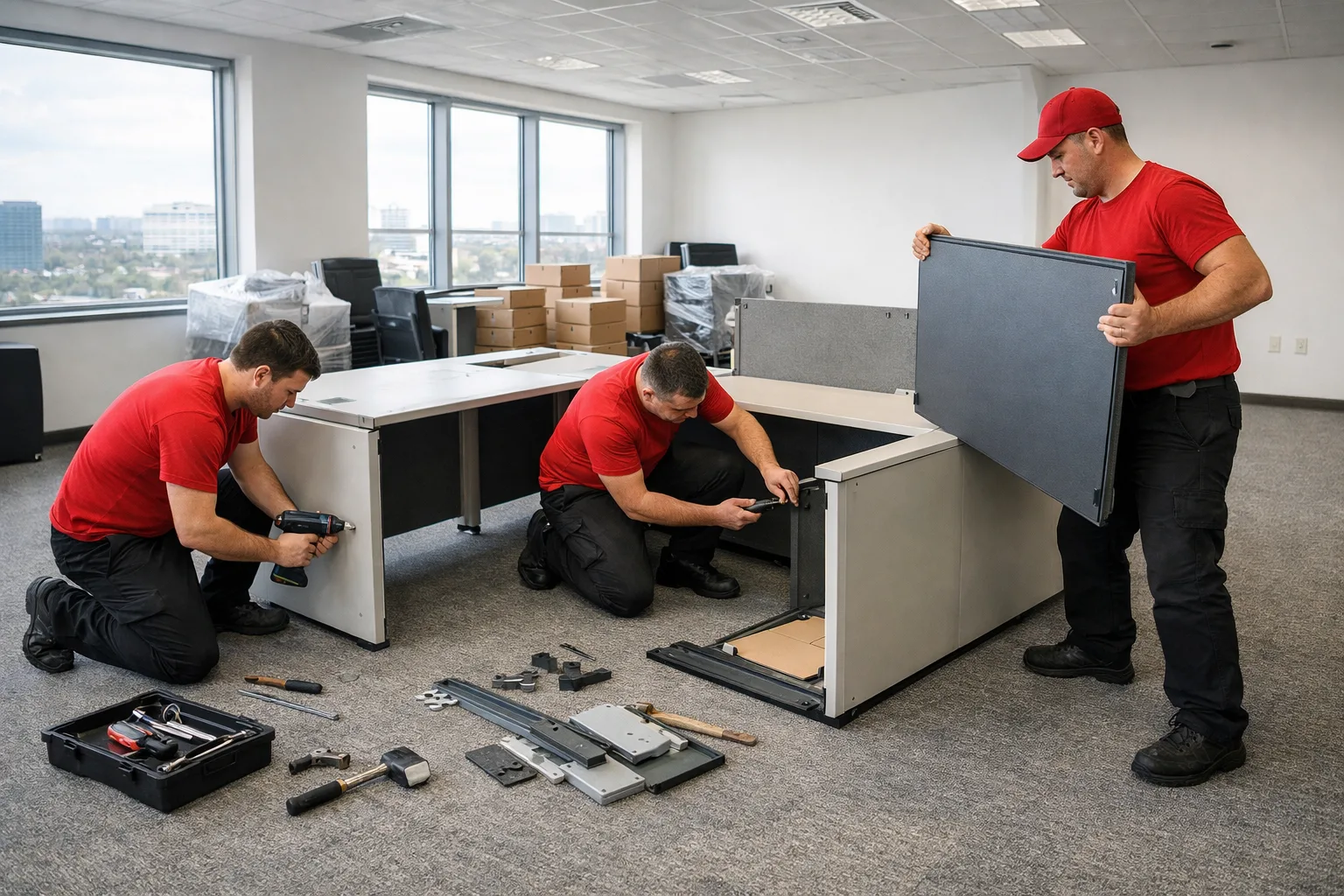
Hiring a specialized moving company can significantly simplify the entire process. Expert moving firms have the necessary equipment and experience in handling office equipment, furniture, and sensitive devices. For more complex business relocations, it is especially important that the team coordinates the transfer of furniture and equipment with planned work interruptions. Before hiring, it is recommended to request detailed work plans and references from previous clients to assess the quality of service.
When selecting a moving company, check if they have experience with business relocations and whether they offer packing services for moves, furniture disassembly and assembly, as well as transport of specific IT equipment. It is also important that they have a good reputation and positive recommendations. Signing a clear contract that defines obligations, deadlines, and responsibilities can help avoid misunderstandings and additional costs.
A professional service will be able to propose logistical solutions that save time and money, as well as provide insurance for valuable assets during transport. This reduces the risk of damage and loss, which is especially important for companies with expensive equipment. Additionally, skilled workers know how to properly handle equipment, contributing to the safety and efficiency of the move.
Packing office materials and equipment should be systematically and carefully organized. Each box or package should be clearly labeled with its contents and the department it belongs to, to facilitate arrangement at the new location. It is recommended to use different colors or labels for different sectors or types of equipment for quicker identification.
Use special boxes for sensitive equipment such as computers, monitors, and hardware, as well as for documents that must remain neat and protected. For safe and organized packing, choose sturdy moving boxes with appropriate load capacity and dimensions, tailored to office materials. It is recommended to sort documents by importance and retention period. Also, it is important to use quality packing materials, such as anti-static wraps and protective cushions, to reduce the risk of damage during transport.
Well-labeled boxes reduce unpacking time and allow priorities to be quickly established after the move. It is also recommended to keep records of the contents of each box for possible inspection and verification. Digital records with photos can further assist in tracking and quickly locating needed items.
IT equipment represents one of the most critical parts of a company move. Before the move, it is necessary to carefully plan the method of uninstalling, packing, and reinstalling computers, servers, and network equipment. Involving IT specialists early in the planning phase allows identification of potential risks and planning of necessary resources.
Collaboration with IT experts is essential to avoid work interruptions and data loss. It is recommended to create backup copies of all important data before the moving process itself. Backups should be stored in a secure location, preferably off-site, to ensure data availability in case of unforeseen issues.
Additionally, technical support should be arranged in advance to be available immediately upon moving into the new space, to quickly resolve any issues and enable uninterrupted work continuation. Planning network infrastructure and installation of necessary devices should be coordinated with the move to minimize downtime and enable rapid establishment of a functional IT environment.
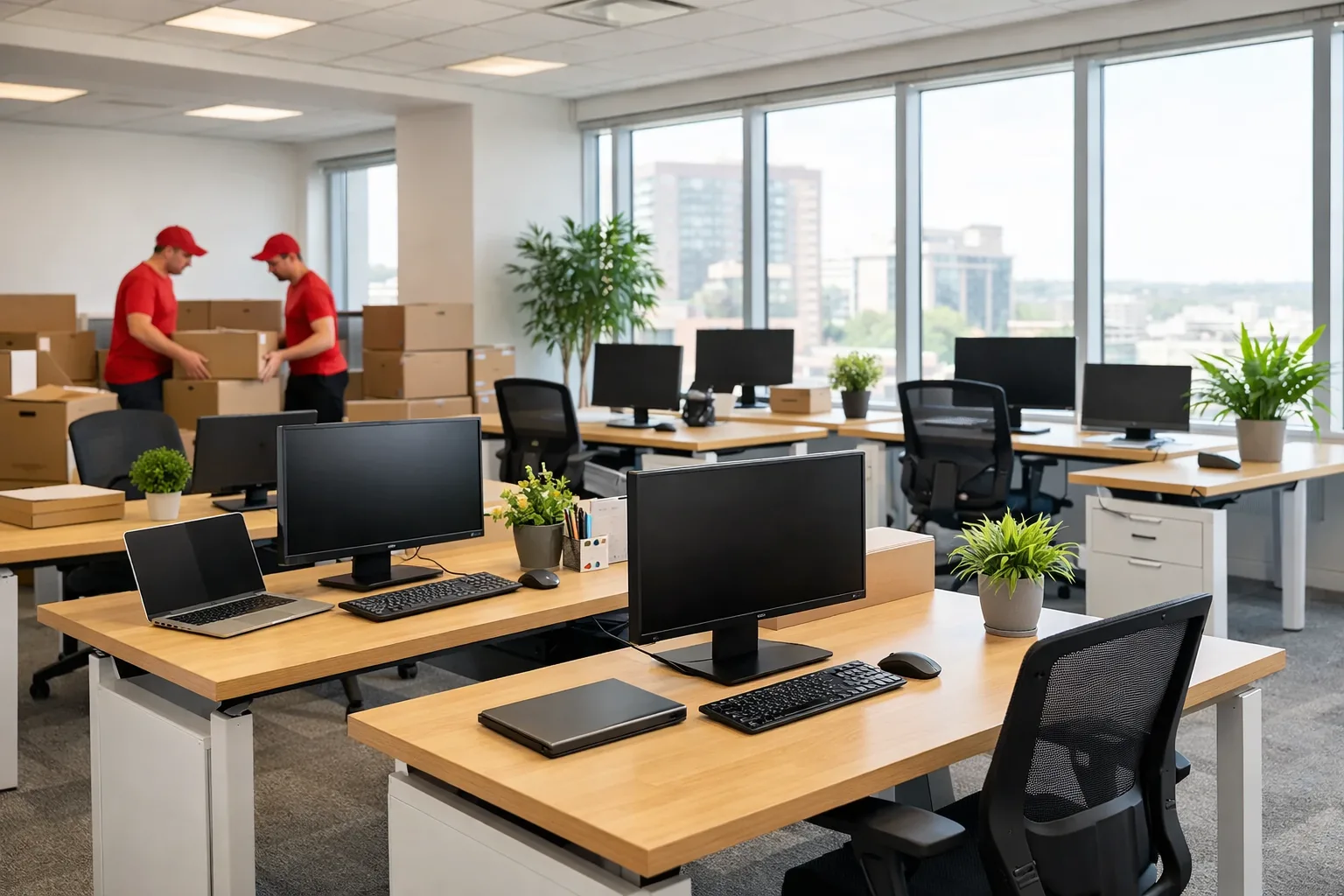
Before moving in, it is important to thoroughly consider the layout of office furniture and equipment in the new space. This can be an opportunity to optimize the work environment and improve communication among employees. Involving employees in the planning process can contribute to better space utilization and increased workplace satisfaction.
It is useful to create a sketch or digital plan of the new office with precise positions of workstations, meeting rooms, and common areas. Based on this, the moving team can more efficiently place furniture and equipment. For desks, cabinets, and shelves transported disassembled, plan in advance the furniture assembly at the new address. Also, consider the ergonomics of workstations and accessibility of technical installations, which can positively impact productivity and employee health.
This approach reduces employee adjustment time and enables better space utilization, which can positively affect productivity and employee satisfaction. Additionally, advance space planning facilitates easier implementation of future changes and expansions, saving time and resources in the long term.
After all items have been moved and furniture set up, it is necessary to organize thorough cleaning of the new space before work begins. If old furniture or excess equipment remains after vacating the old office, disposal of unnecessary items should be organized separately from the transport of inventory you are keeping. This includes floor washing, dusting all surfaces, and disinfection. Special attention should be paid to cleaning technical devices and air conditioning units to ensure a healthy and pleasant environment.
If necessary, plan minor adaptations or repairs that can improve working conditions, such as adjusting lighting or installing additional outlets. Also, check the functionality of security systems, such as fire alarms and video surveillance, to ensure the space is safe for employees.
Finishing work and cleaning ensure the space is ready for employees, creating a pleasant and functional work environment from the first day after the move. A well-organized final phase contributes to a positive impression on employees and clients, which can be significant for further business development.
After the move is completed, it is useful to conduct an evaluation of the entire process to identify strengths and weaknesses in the organization. This may include employee feedback and analysis of the duration of individual phases. Surveys or interviews with key participants can provide valuable insights.
Record all problems and challenges encountered, as well as successful practices that helped the move run smoothly. This information will be valuable for future moves or reorganizations. It is recommended to keep documentation with recommendations and lessons learned during the process, which facilitates planning future projects.
Monitoring results allows the company to improve its internal procedures and ensure that future moves are even more efficient and less stressful for everyone involved. Regular evaluation can also contribute to developing a culture of continuous improvement and better preparedness for future challenges.
How to move a company from Belgrade to Niš quickly and easily?

How to pack and move a boutique in Belgrade?

How to move a company without shutting it down?
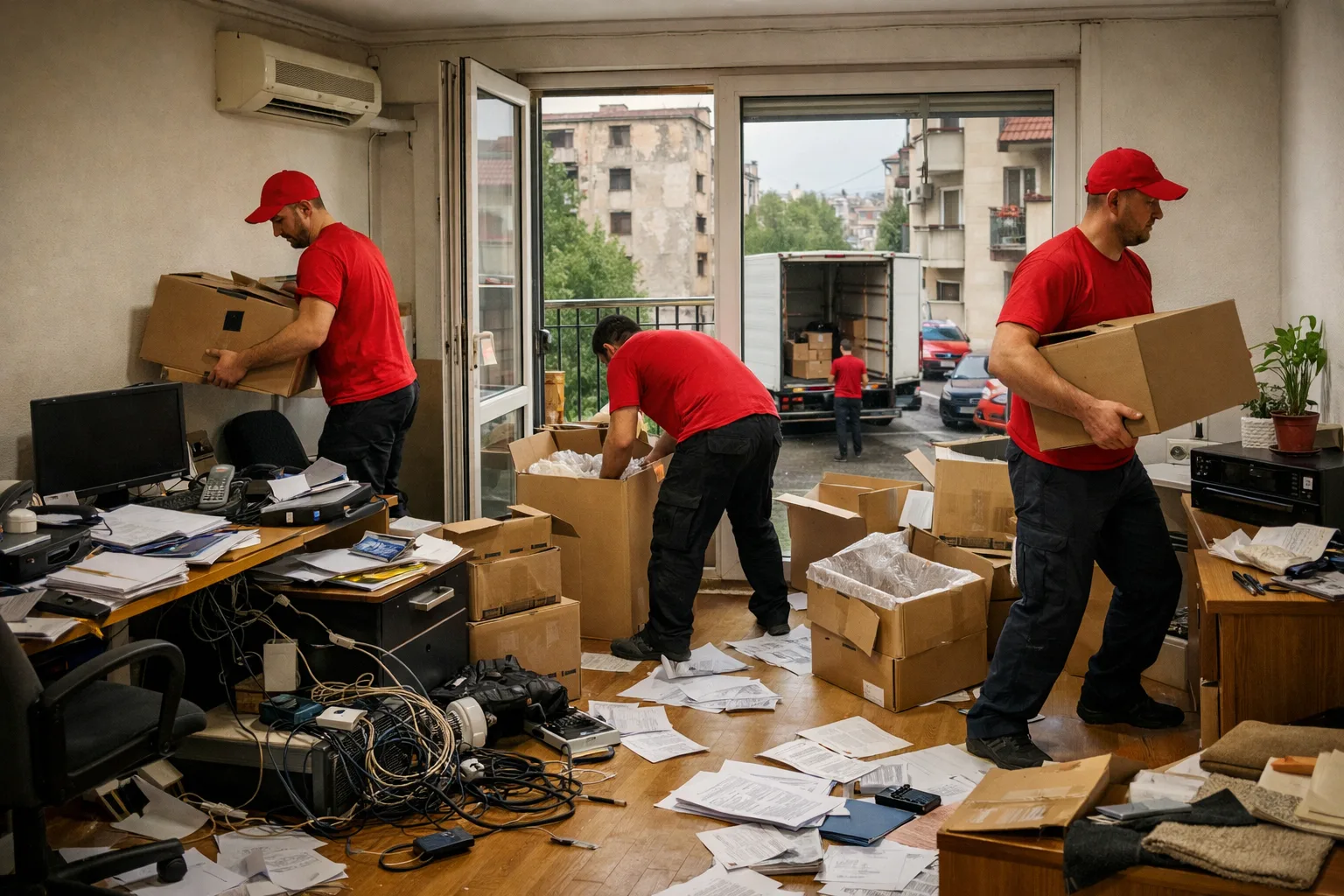
How to Move Your Business Quickly and Affordably
We will respond to you as soon as possible.
Below we answer the most common questions that arise when organizing a company or office move, focusing on specific challenges and solutions.
To minimize work disruption, schedule the move during periods of low business activity, such as weekends or holidays. Also, create a detailed schedule of activities and hire a professional moving service that can perform all tasks quickly and efficiently. It is important to inform employees and clients in advance about the changes so they can adjust accordingly.
When packing, label the contents of boxes, the department or person they belong to, as well as any special instructions (e.g., 'fragile', 'handle with care'). For documents, it is important to indicate the type of documents and confidentiality level to ensure proper handling during the move.
It is crucial that IT specialists are involved in planning and executing the move of IT equipment. Before the move, make backup copies of data, use protective boxes for sensitive equipment, and plan technical support immediately after relocation to quickly resolve any issues.
Yes, the move is an ideal opportunity to optimize the office layout. Planning a new arrangement can improve communication among employees, increase efficiency, and make better use of space, contributing to a more productive and pleasant work environment.
The key is good preparation and including buffer days in the schedule. Also, hiring an experienced moving service and maintaining constant communication with all parties involved enables quick problem resolution. Flexibility and readiness to adapt are also important.
Confidential documents should be specially marked and packed in locked boxes or bags. It is recommended that authorized personnel handle the transfer of these documents or that a professional moving service experienced in this area is used. Additionally, it is important to keep records of who accessed these documents.
Plan to hire a professional cleaning service to ensure the space is thoroughly cleaned before moving in. Pay attention to cleaning floors, windows, sanitary facilities, and work surfaces. Cleaning should be completed at least one day before work begins to allow for additional space adjustments.