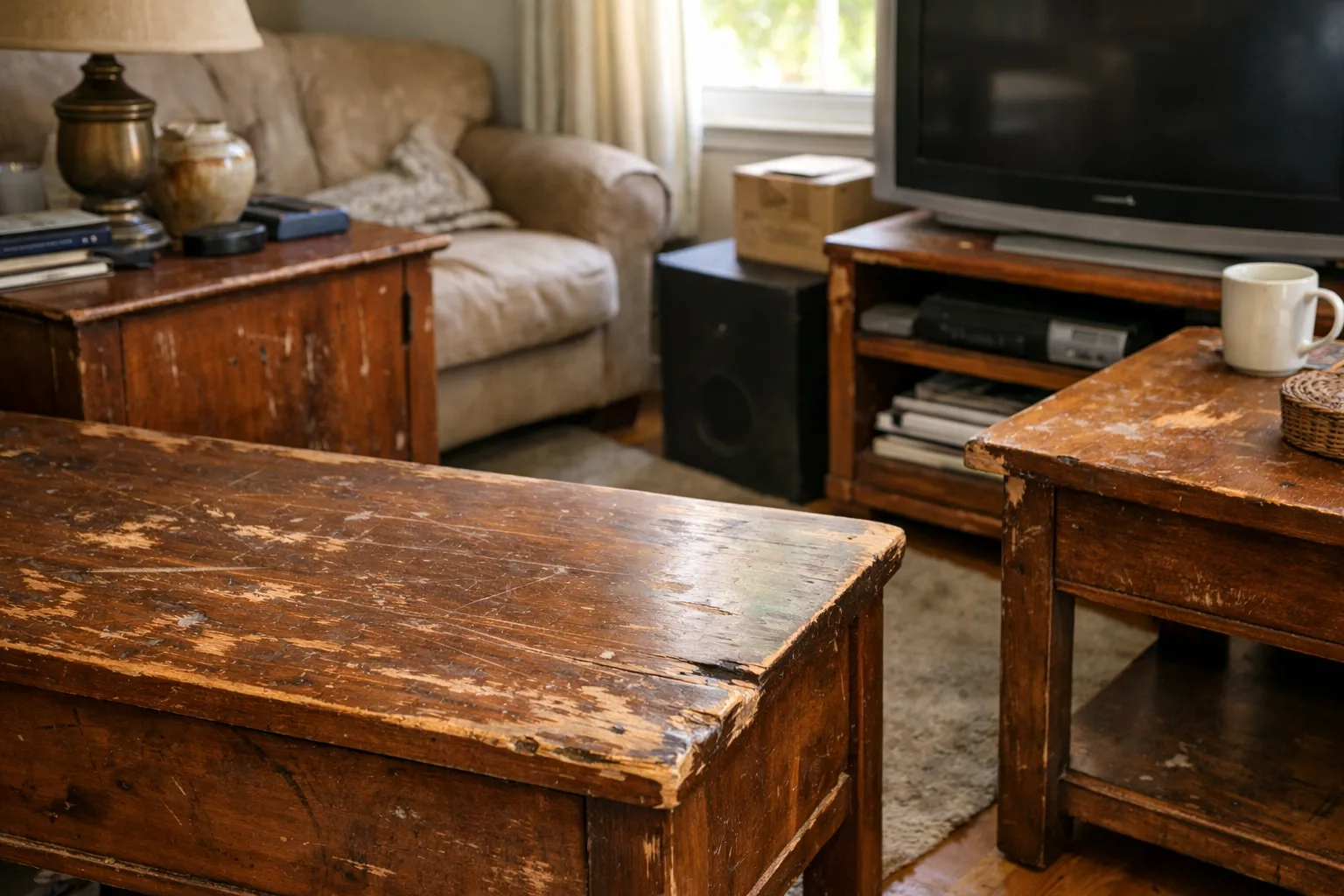
How to pack antique furniture?
How to pack antique furniture?

Enter at least 3 characters.
Moving is one of the most challenging and stressful events in life, and when it comes to fragile items like glass and porcelain, attention and proper preparation become key factors in preserving their integrity. These items often hold not only material but also sentimental value, which is why extra care must be taken in their packing and transportation. Without adequate protection, they can easily be damaged due to impacts, vibrations, or improper handling during the move. In this guide, we will provide detailed and practical advice on how to properly pack, protect, and transport glass and porcelain items so that your valuables arrive undamaged at your new address. We will also address the specifics of different types of items and offer recommendations for their storage after the move.
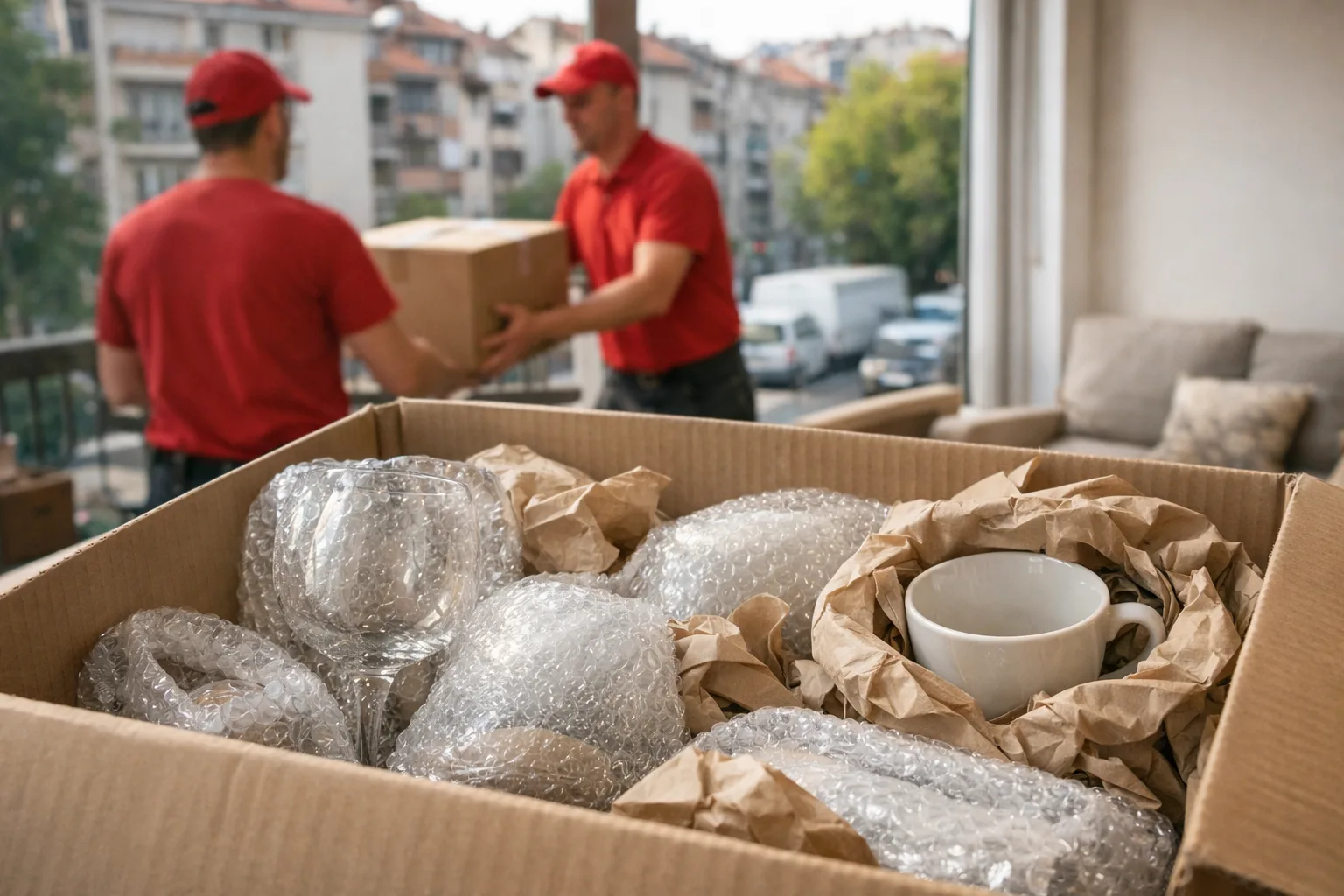
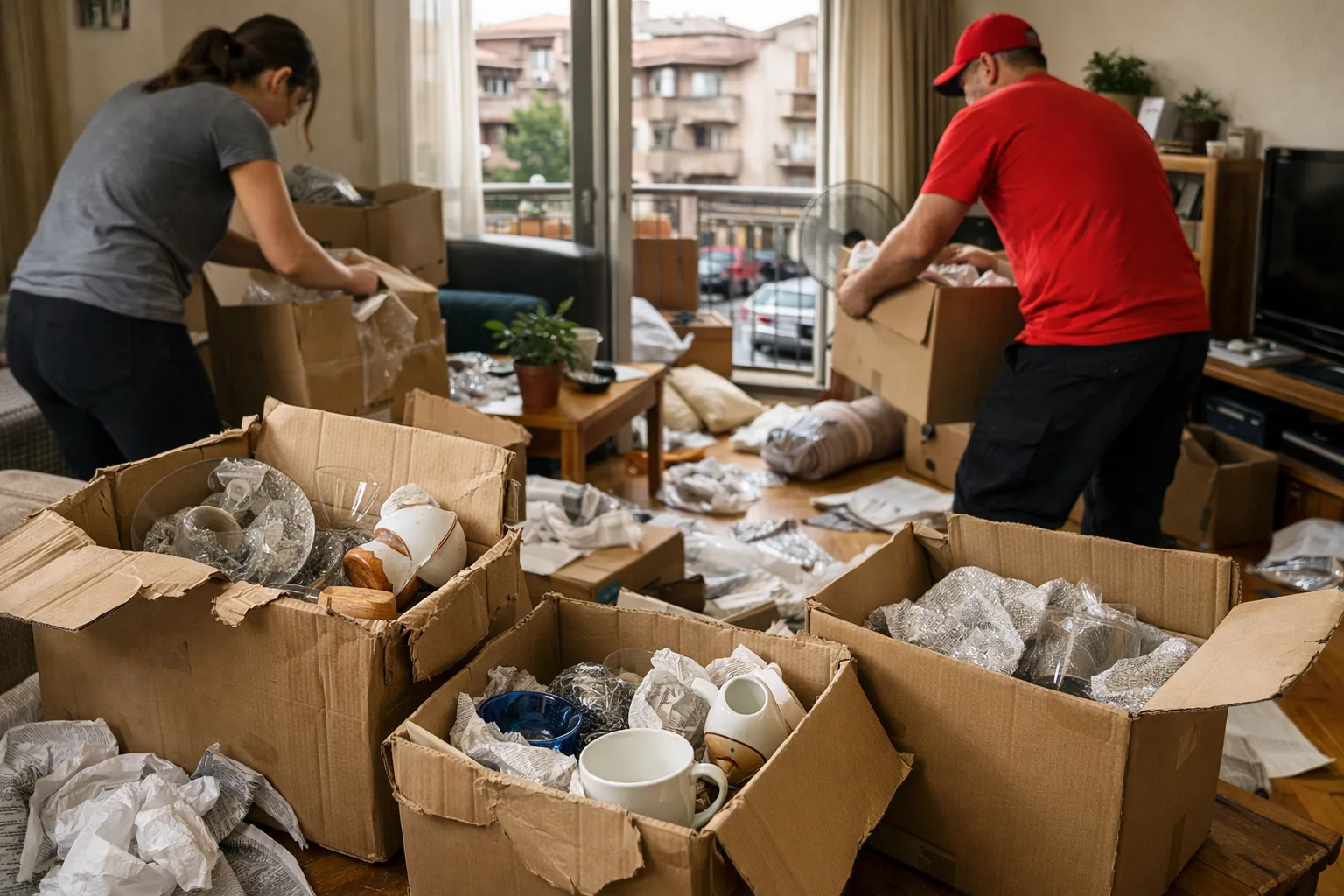
The first and most important step in protecting glass and porcelain items during a move is gathering quality and appropriate packing materials. Besides standard cardboard boxes, it is essential to provide wrapping paper, preferably unprinted or newspaper, which is soft and will not scratch the surface of the items. Bubble wrap is extremely useful for additional protection as it effectively cushions impacts. The adhesive tape should be strong and wide to securely seal the boxes, while sponge or foam inserts serve to fill gaps inside the boxes and prevent items from shifting. If you want to simplify the process, you can use professional packing services for moves, which provide all necessary materials and expert protection for your fragile belongings.
It is especially recommended to use specialized dividers for boxes, designed to separate and stabilize individual pieces, particularly when packing glasses and cups. If you don't have ready-made dividers, you can make them yourself from sturdy cardboard by cutting and shaping them as needed. These dividers significantly reduce the risk of collision and breakage during transport.
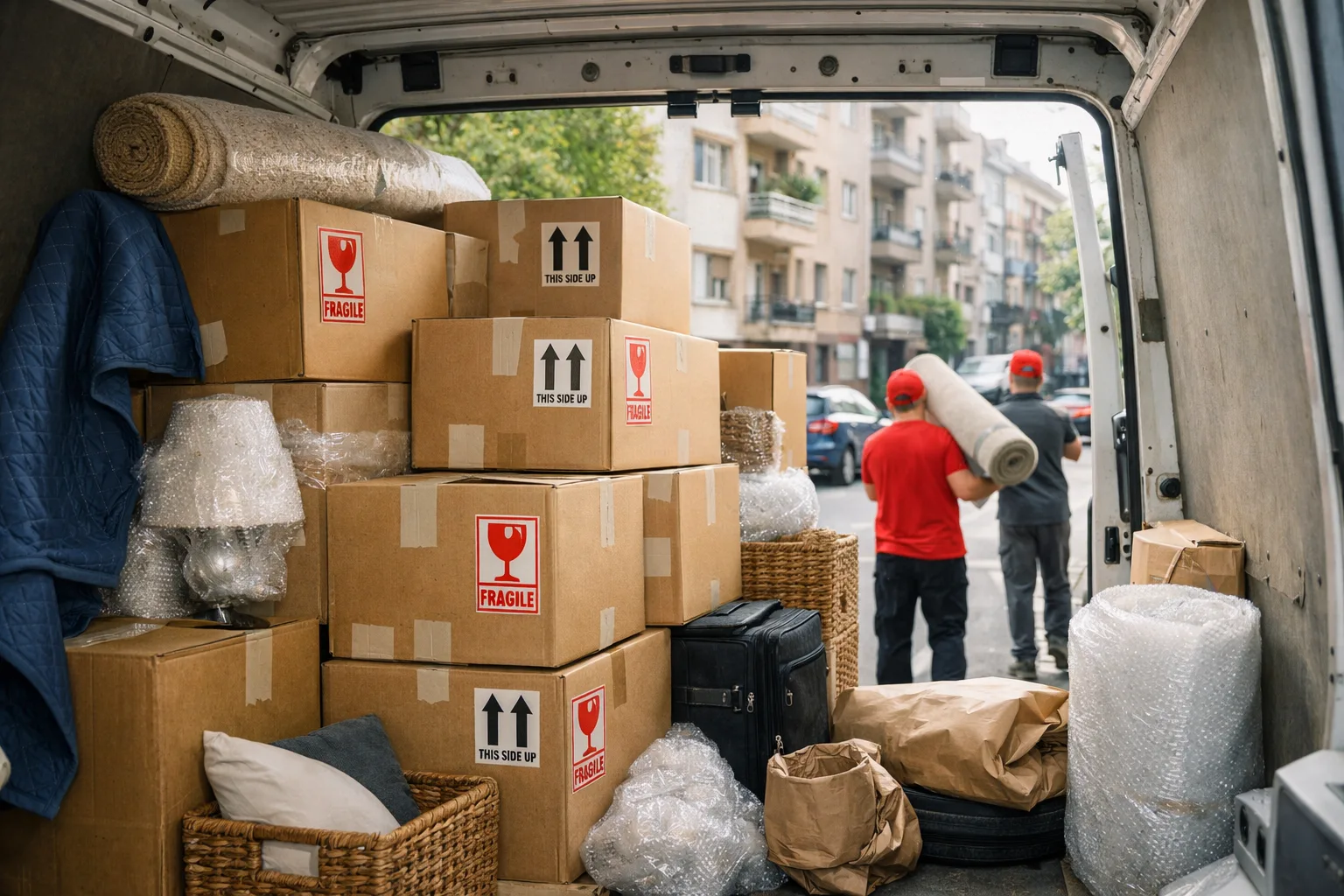
Also, do not forget the importance of proper labeling of boxes. Attach clear labels with "Fragile" and "This Side Up" warnings, which will alert everyone handling the packages to be careful and place the boxes in the correct position. These markings are crucial for proper handling during loading, transport, and unloading, further reducing the risk of damage.
Each piece of glass and porcelain must be carefully and individually wrapped before placing it in the box. The most effective method is using wrapping paper or bubble wrap. It is recommended to first place paper inside the item, if possible, for example inside glasses or bowls, to additionally protect the inner surfaces. After that, the item is wrapped externally with several layers of paper or wrap, paying special attention to delicate parts.
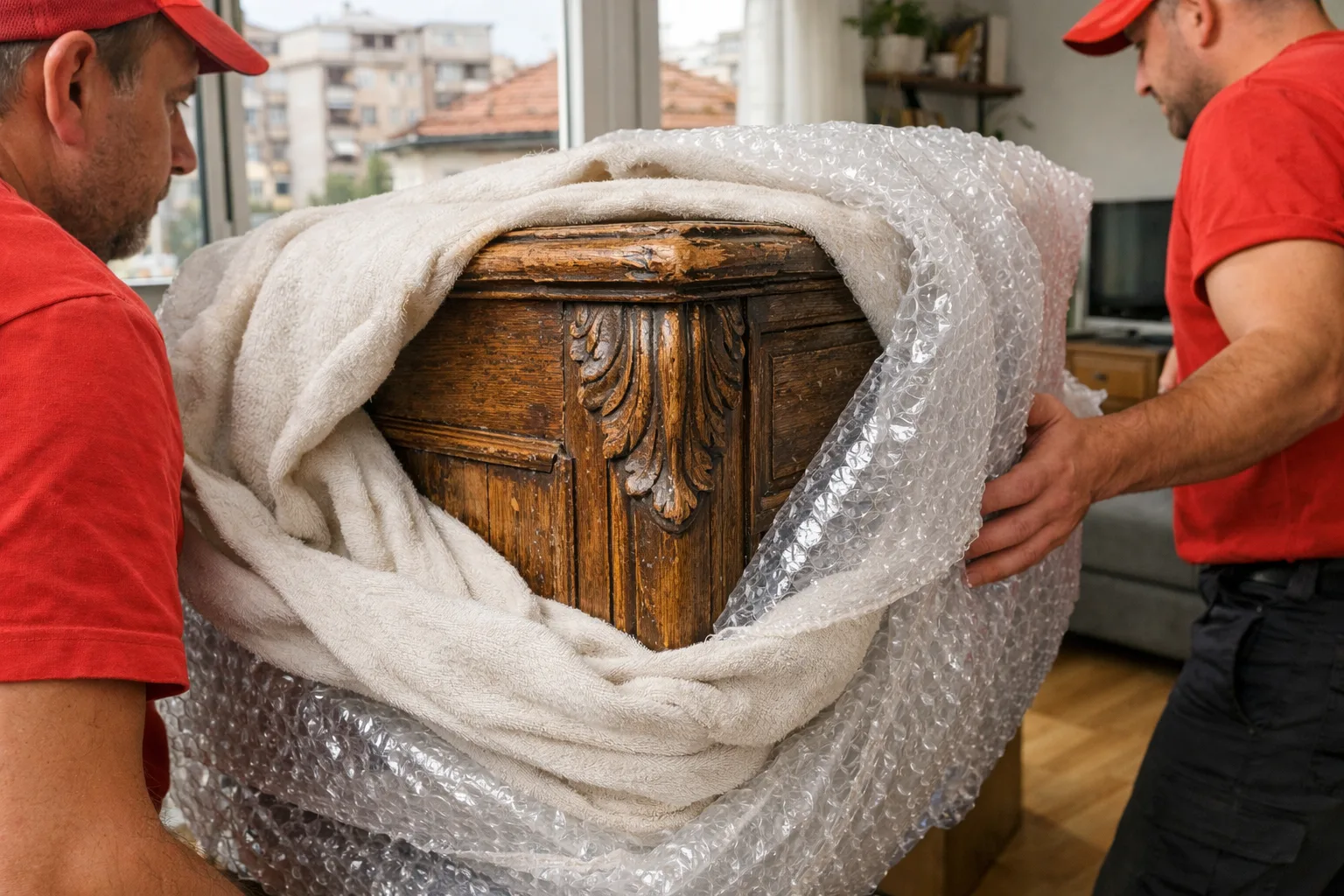
For extra security, layers of bubble wrap can be used around already wrapped items, significantly increasing shock resistance. Special attention should be given to edges, handles, and other parts most vulnerable to breakage. Some experts recommend using thin layers of soft fabric under the paper, which can prevent scratches and further cushion impacts.
It is important to avoid stacking wrapped items directly on top of each other without adequate protection between them. Even when wrapped, direct contact can cause damage due to friction or pressure. Items should be arranged so they have enough space or gaps are filled with paper or foam materials to prevent movement and collisions during transport.
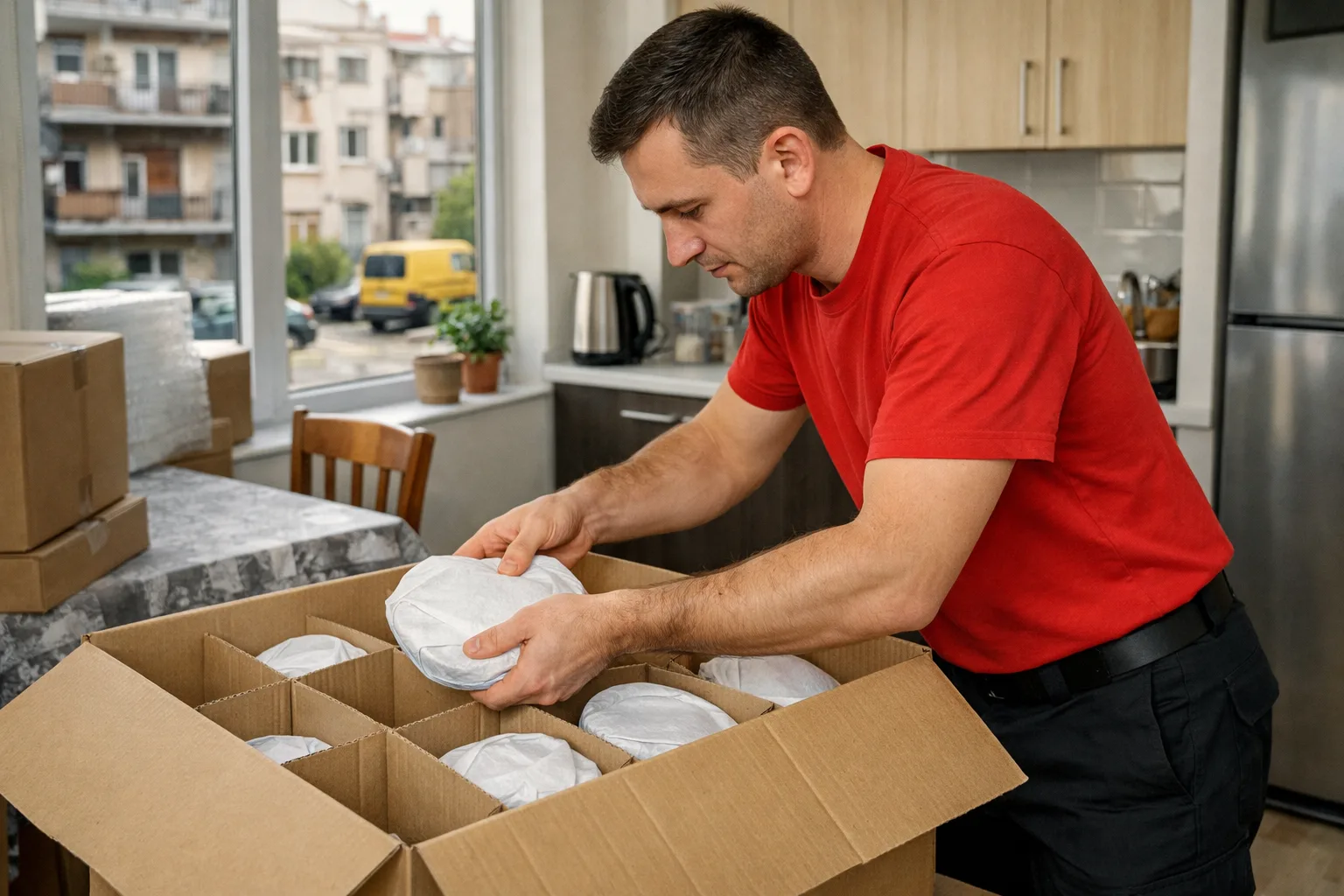
Boxes intended for fragile items must be sturdy, undamaged, and appropriately sized so that items can be placed without overcrowding. Overcrowding the box can increase pressure on the items and cause breakage, while boxes that are too large leave too much empty space, allowing movement and impacts.
The inside of the box should be carefully filled with materials that effectively cushion shocks, such as paper, styrofoam, foam inserts, or bubble wrap. Items must be stable and should not move inside the box. Any gaps should be filled with additional materials to prevent movement and potential damage.
When packing, heavier items should be placed at the bottom of the box, while lighter ones go on top, ensuring stability and reducing the risk of breakage. It is also recommended to pack items by category—for example, glasses of similar size in one box, plates in another, and small porcelain items in separate smaller boxes inside larger ones, which facilitates unpacking and provides extra protection.
Properly arranging items inside the box is crucial for their safety during transport. Items are best placed upright, as this is their natural position and reduces the risk of damage. For example, glasses and tall glasses should be stacked vertically, not horizontally, to avoid breakage or deformation.
Using dividers or cardboard partitions between items prevents them from colliding during box movement. If you don’t have ready-made dividers, you can improvise with pieces of sturdy cardboard or thicker paper, carefully shaping them according to the size and shape of the items.
Between layers of items, place layers of paper or bubble wrap, which further cushions possible shocks and vibrations. After packing, it is recommended to gently shake the box to check if items move; if they do, add more filling material to ensure complete stability.
Every box containing glass and porcelain items must be clearly and visibly labeled. Use large stickers with the words "Fragile," "Handle with Care," and arrows indicating how the box should be positioned. These labels are very helpful to workers handling the packages, as they alert them to the need for extra caution.
When loading into the vehicle, boxes with fragile items should be placed where they won’t be squeezed or exposed to strong vibrations. Ideally, they should be on top or in special compartments with additional protection to reduce the risk of damage during transit.
For extra safety, you can use specially marked boxes or containers designated exclusively for fragile items. If you hire a professional moving service with workers, be sure to inform them about the contents and handling requirements so they can take all necessary protective measures during transport.
Plates are especially sensitive to edge impacts, so they should be packed upright and separately from other items. Place packing paper between each plate to prevent scratching and breaking. Also, placing a thick base at the bottom of the box provides additional protection against impacts and pressure.
Glasses and cups are best packed individually, carefully wrapped in paper and bubble wrap, then placed in dividers or smaller boxes inside a larger one. Special attention should be given to handles, which are the most vulnerable part and easily break if not properly protected. For extra security, you can additionally wrap handles with foam material or fabric.
When it comes to porcelain sets, if possible, it is recommended to use the original boxes, as they are designed for optimal protection and stability. If original boxes are not available, create dividers and use additional cushioning material to prevent movement and collisions of individual pieces inside the box.
One of the most common mistakes when packing fragile items is using boxes that are too large for a small quantity of items, allowing them to move and collide during transport. Properly filling gaps and choosing boxes of the right size significantly reduces the risk of damage.
Another common mistake is insufficient or improper wrapping of items. It is important to use enough layers of paper and bubble wrap, especially around delicate parts like handles and edges. Do not skimp on protective materials, as this is an investment in the safety and preservation of valuable items.
Also, clear labeling of boxes as fragile and careful handling during loading and unloading is often neglected. Be sure to inform everyone involved in the move about the contents of the packages and the necessary precautions to avoid unnecessary accidents and damage.
Unpacking fragile items should be done carefully and slowly, first checking the condition of each package. Avoid sudden movements or throwing boxes, as the risk of damage is highest at these moments. It is recommended to unpack on a stable and clean surface where you can safely place the items.
After unpacking, immediately place the items in a safe spot where they won’t be exposed to the risk of falling or impact. Ideally, store them on stable shelves or in cabinets with protective dividers that prevent movement and potential damage.
If you do not plan to use porcelain and glass items immediately, keep them in boxes labeled "Fragile" in a dry and secure place, away from children and pets. This will preserve their integrity until it’s time to use them, while also reducing the risk of accidental damage.
Advantages of Professional Packing Before Moving in Belgrade
We will respond to you as soon as possible.
Below are answers to the most common concerns that arise when packing and protecting glass and porcelain items during a move.
The best materials for wrapping glass are unprinted packing paper and bubble wrap. Paper protects against scratches, while bubble wrap provides additional impact protection. It is important that each item is wrapped individually and that the layers are thick enough.
Cup handles are especially fragile. It is recommended to wrap them additionally with soft paper or foam inserts before wrapping them in paper or bubble wrap. Also, when packing in the box, make sure the handles do not touch other items.
It is recommended to pack glass items vertically because that is their natural position and it reduces the risk of damage. For example, glasses should stand upright in the box, separated by dividers or materials that prevent movement.
A box is properly filled when the items inside cannot move even with gentle shaking. If there is any space, it should be filled with paper, foam inserts, or styrofoam to prevent movement and potential damage.
It is optimal to use at least two layers of wrapping paper, followed by a layer of bubble wrap around that. If the items are very fragile or have thin parts like handles, an additional layer of bubble wrap or soft material is recommended for extra cushioning.
Use visible stickers with labels such as "Fragile," "Handle with Care," and arrows indicating the top side of the box. You can also use bright markers or colored tape to ensure everyone handling the packages is informed about the contents and necessary caution.
If you don't have dividers, you can make them yourself from sturdy cardboard by cutting and placing separate dividers inside the box. You can also use thick paper, foam materials, or bubble wrap to separate and protect individual items within the box.