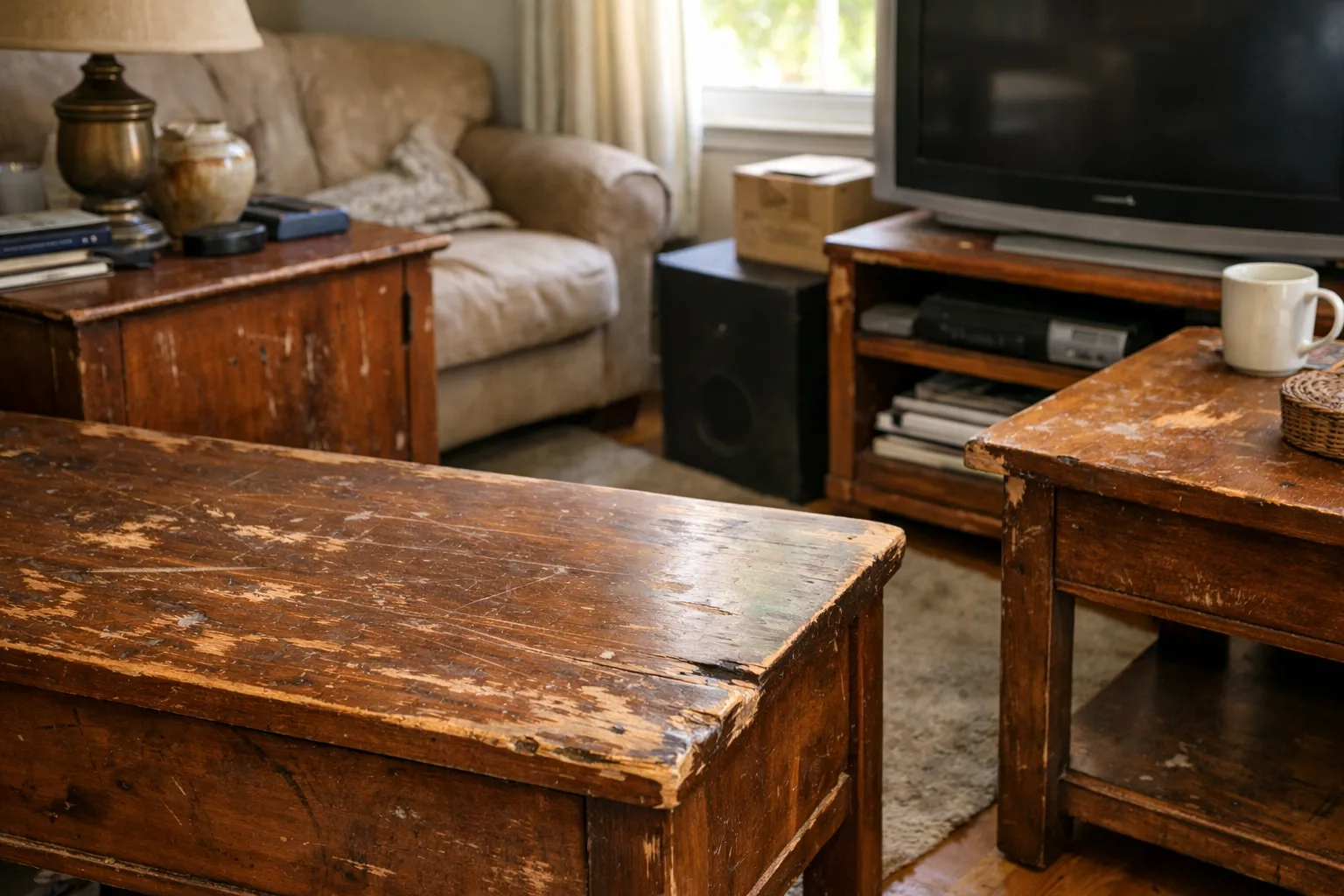
How to pack antique furniture?
How to pack antique furniture?

Enter at least 3 characters.
Packing is one of the most important and demanding aspects of any move. Despite this, it often does not receive enough attention and planning, which can result in numerous problems during the process itself. Inadequate packing can not only lead to damage or loss of valuable items but also to unnecessary time loss and increased stress. In this guide, we will thoroughly analyze the seven most common mistakes people make when packing and offer concrete advice on how to avoid them. Our practical tips will help you organize your belongings efficiently and safely, protect your valuable items, and make the move itself as simple and secure as possible. Additionally, we will provide useful recommendations for optimal use of packaging materials, space organization, and planning, significantly easing the entire moving process.
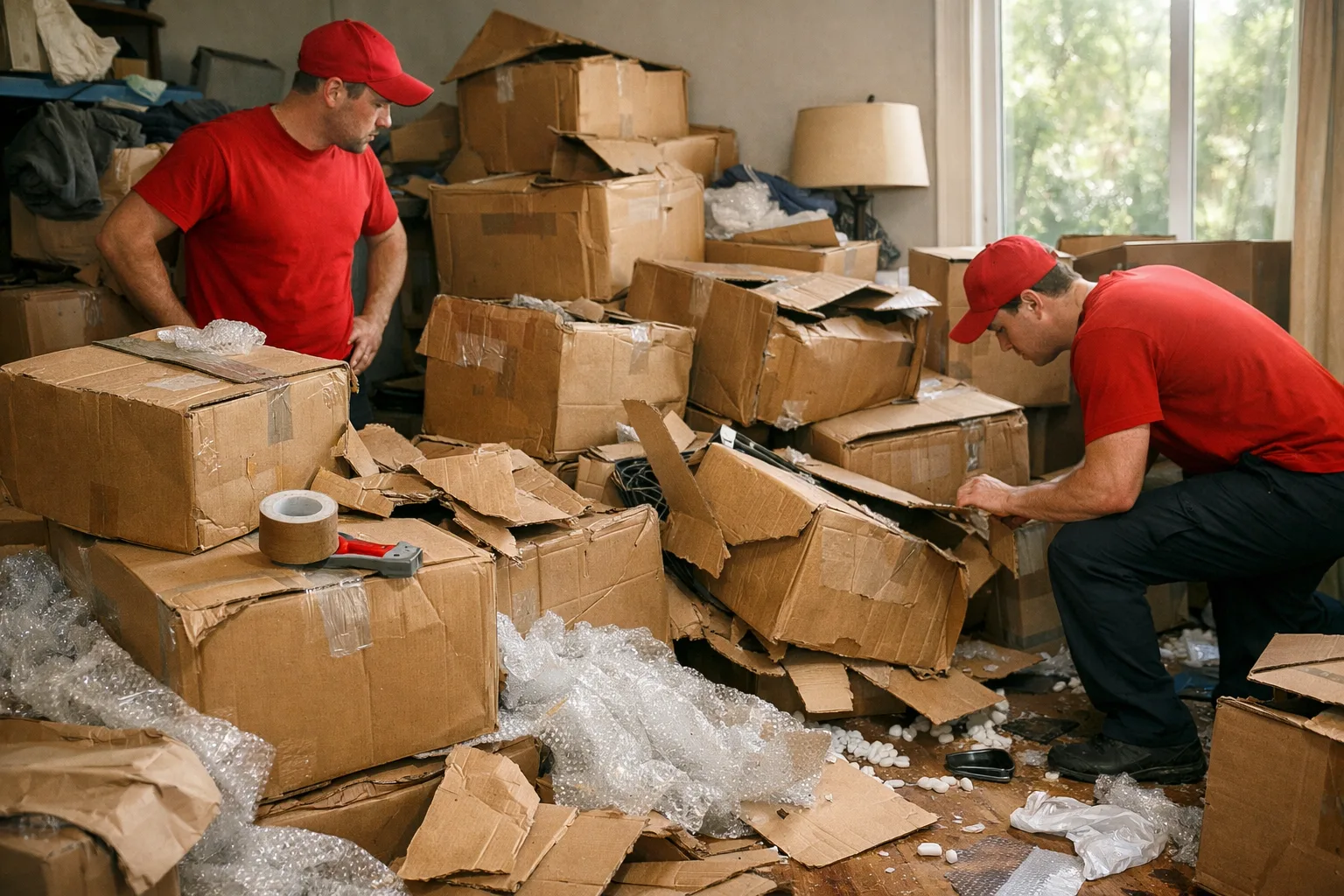
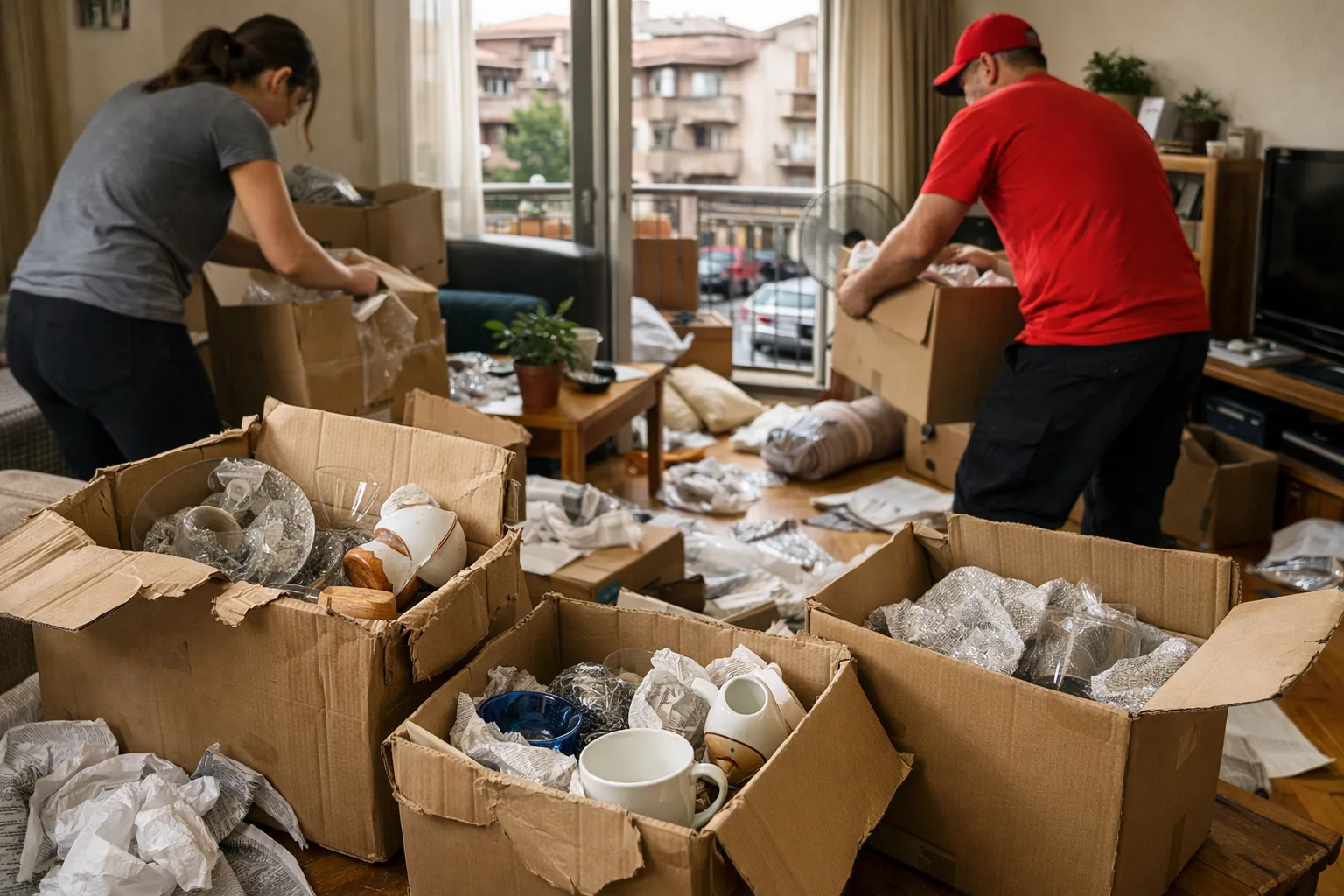
One of the most common problems during packing is choosing inadequate boxes and materials, which can compromise the safety of your belongings. For example, using thin or already damaged cardboard boxes can cause them to break during transport, directly endangering the contents. Therefore, it is important to choose boxes that are sturdy enough and suited to the weight and type of items you plan to pack. Depending on your specific needs, the packing for moves service can also be helpful in organizing this part of the job.
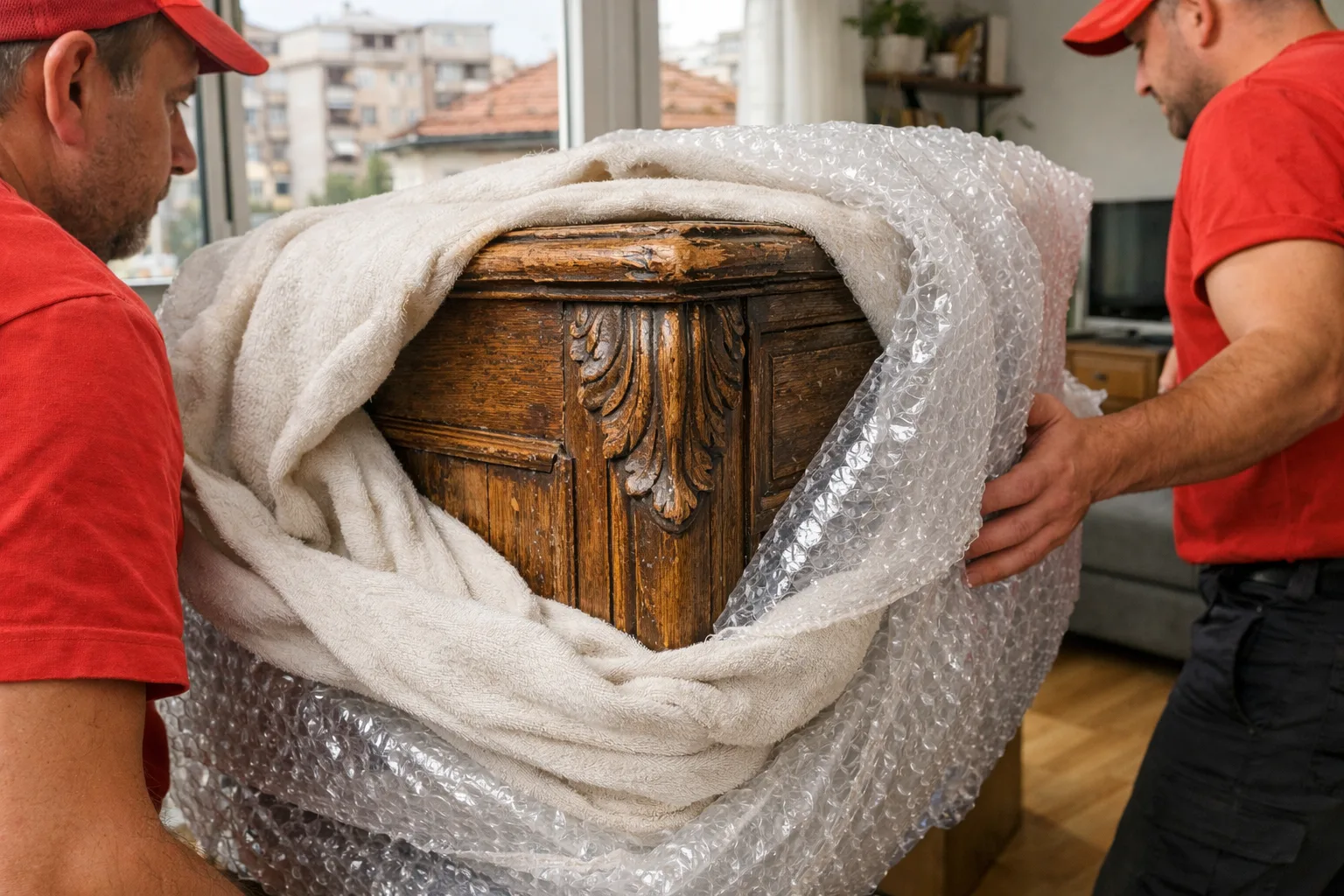
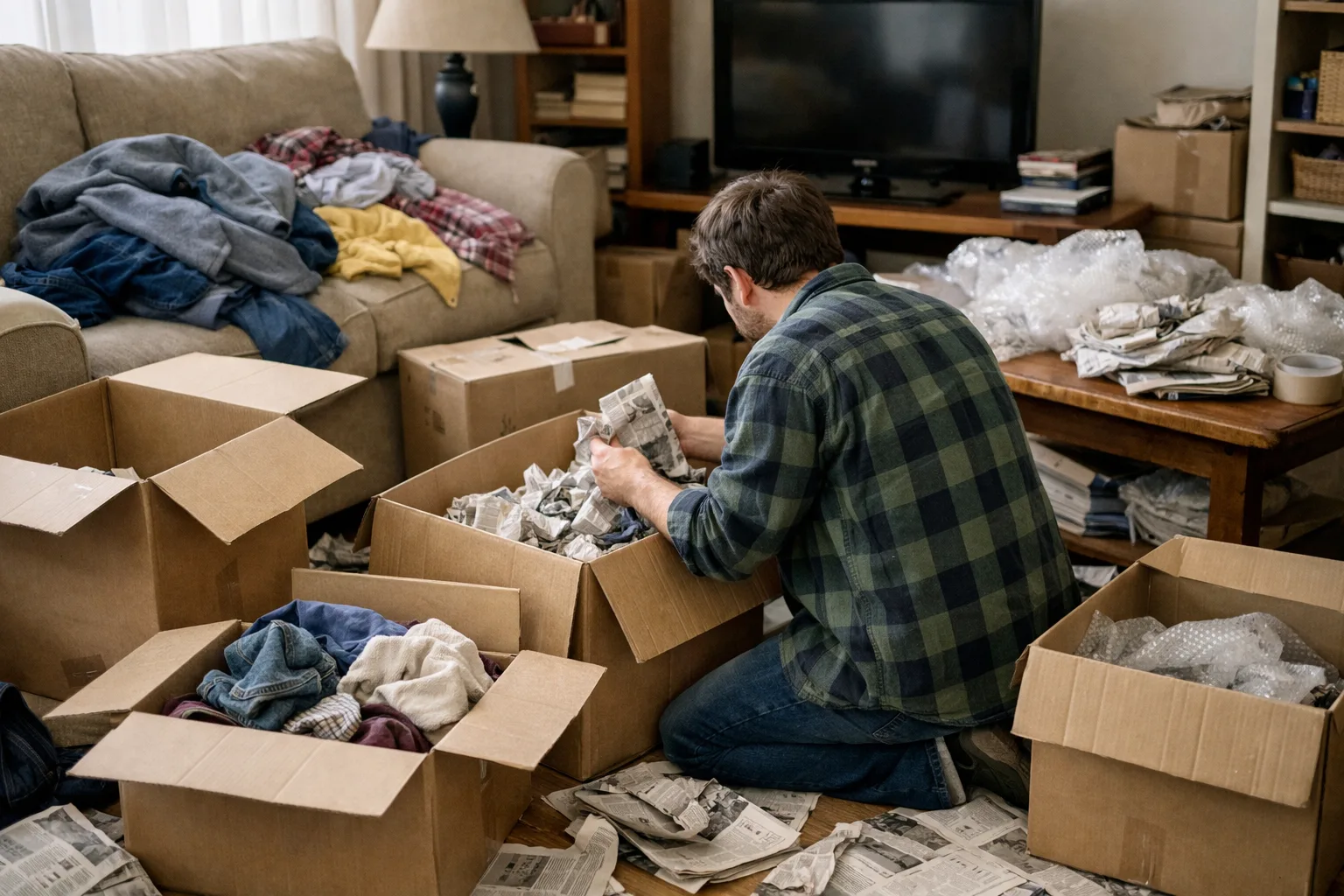
Besides the boxes themselves, it is essential to use appropriate protective materials such as bubble wrap, styrofoam, special packing paper, or soft cotton cloths. These materials serve to cushion impacts and prevent fragile items from shifting inside the box. It is important to avoid using newspapers as the ink can leave stains and damage the surface of items.
Also, do not skimp on the quality of adhesive tape. Quality tape ensures that boxes remain securely closed throughout the moving process and prevents unwanted opening. It is recommended to use wide tapes that provide better package stability and additionally protect against moisture and dirt. When sealing boxes, tape should be overlapped several times over the seams for extra security.
In addition to basic materials, it is useful to have extra equipment such as marker pens for labeling, identification stickers, and boxes of various sizes. Boxes with compartments can be very helpful for packing small and fragile items, while plastic boxes are excellent for items that require additional protection from moisture.
Proper storage of boxes before and during packing is also important. Boxes should be kept in a dry place, protected from moisture and damage, to remain sturdy and ready for use. This will reduce the risk of problems during the moving process itself.
Packing without a prior plan often leads to chaos and unnecessarily prolongs the moving time. Therefore, it is crucial to make a detailed list of items to be packed and divide them by categories or rooms. For example, clothing should be packed separately from kitchenware or books, which facilitates unpacking and organization in the new space.
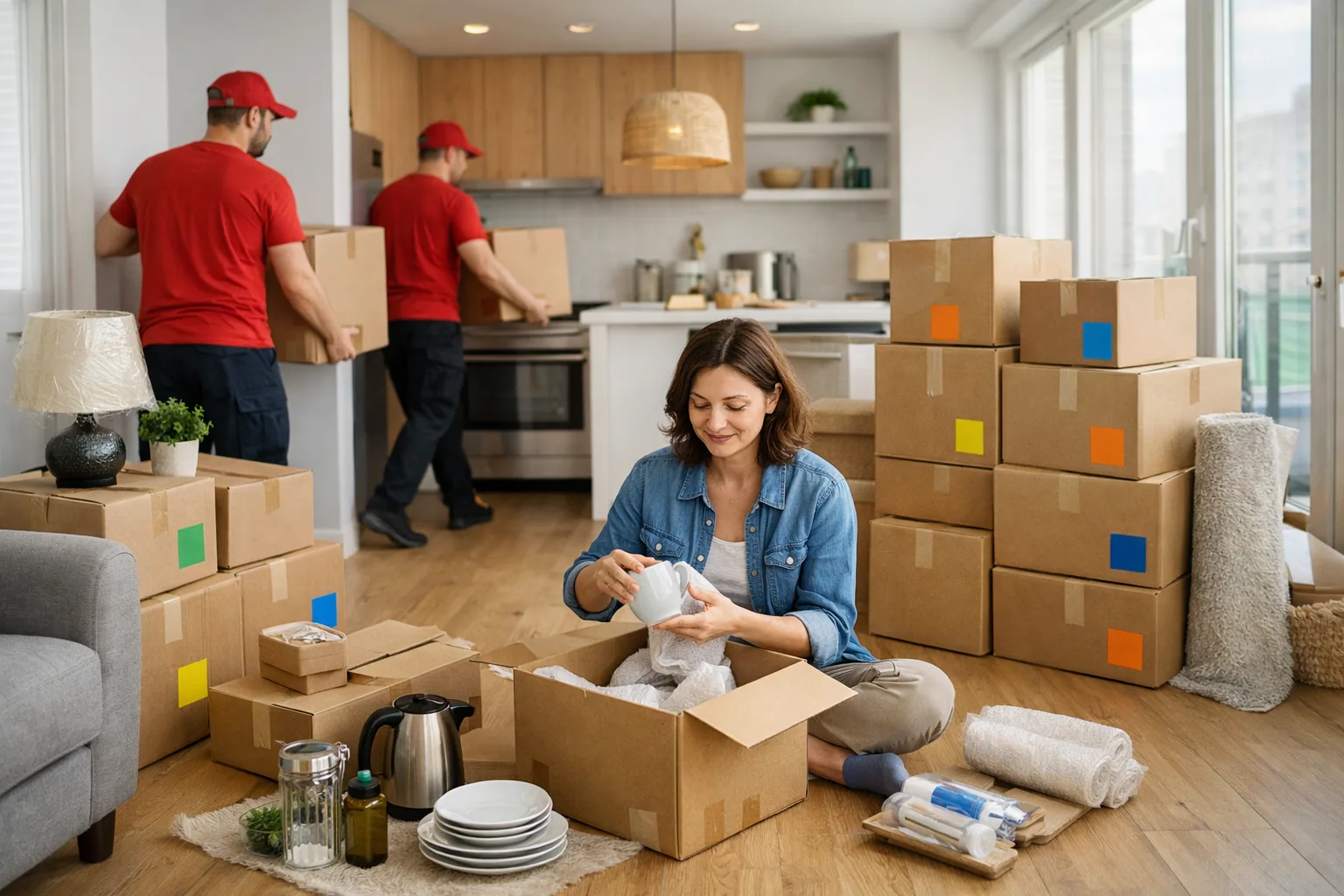
Labeling boxes is one of the most important steps that is often overlooked. Each box should have a clearly written content description and the room it belongs to, which allows easier placement of items and speeds up the unpacking process. It is recommended to use waterproof markers or stickers that do not erase or fade during transport.
Another useful practice is creating a list of priority items you'll need immediately upon arriving at your new home, such as basic kitchen equipment, hygiene essentials, and clothing for the first week. These boxes should be clearly labeled and placed in an easily accessible spot, helping you avoid unnecessary searching and stress during the first days after moving.
Additionally, it is recommended to create a packing schedule that will help you avoid leaving everything to the last minute. Plan your packing in phases, starting with items used less frequently and leaving everyday items for last. This will allow the process to be organized and less stressful.
Using digital tools or apps to track your inventory and label boxes can greatly simplify organization. This way, you have an overview of everything packed, where it is located, and what still needs to be done, contributing to more efficient management of the entire process.
A common mistake is trying to pack too many items into one box, which makes carrying difficult and increases the risk of the box breaking. Overpacked boxes can easily get damaged, and their contents crushed or broken. This is especially true for heavier items that require extra care. Depending on your specific needs, the moving boxes service can be helpful for organizing this part of the job.
Proper weight distribution is essential. Heavier items, such as books or kitchen appliances, should be packed in smaller boxes, while lighter items can go into larger ones. For example, heavy kitchen appliances should not be packed together with fragile items in the same box, as this increases the risk of damage.
Besides protecting items, overpacking boxes makes them harder to handle and increases the chance of dropping during transport. It’s better to have multiple lighter boxes than one overpacked box, which will make carrying easier and reduce the risk of accidents. Proper weight distribution also contributes to safer stacking of boxes in the vehicle during transport.
When packing heavy items, use boxes with reinforced bottoms and edges, as well as extra sealing tape. This will prevent boxes from breaking and protect the contents during transport.
For added safety, heavy boxes should be clearly labeled as such, so those carrying them are warned to handle them carefully. Also, plan to place heavier boxes at the bottom when stacking in the vehicle, with lighter ones on top, reducing the risk of damage.
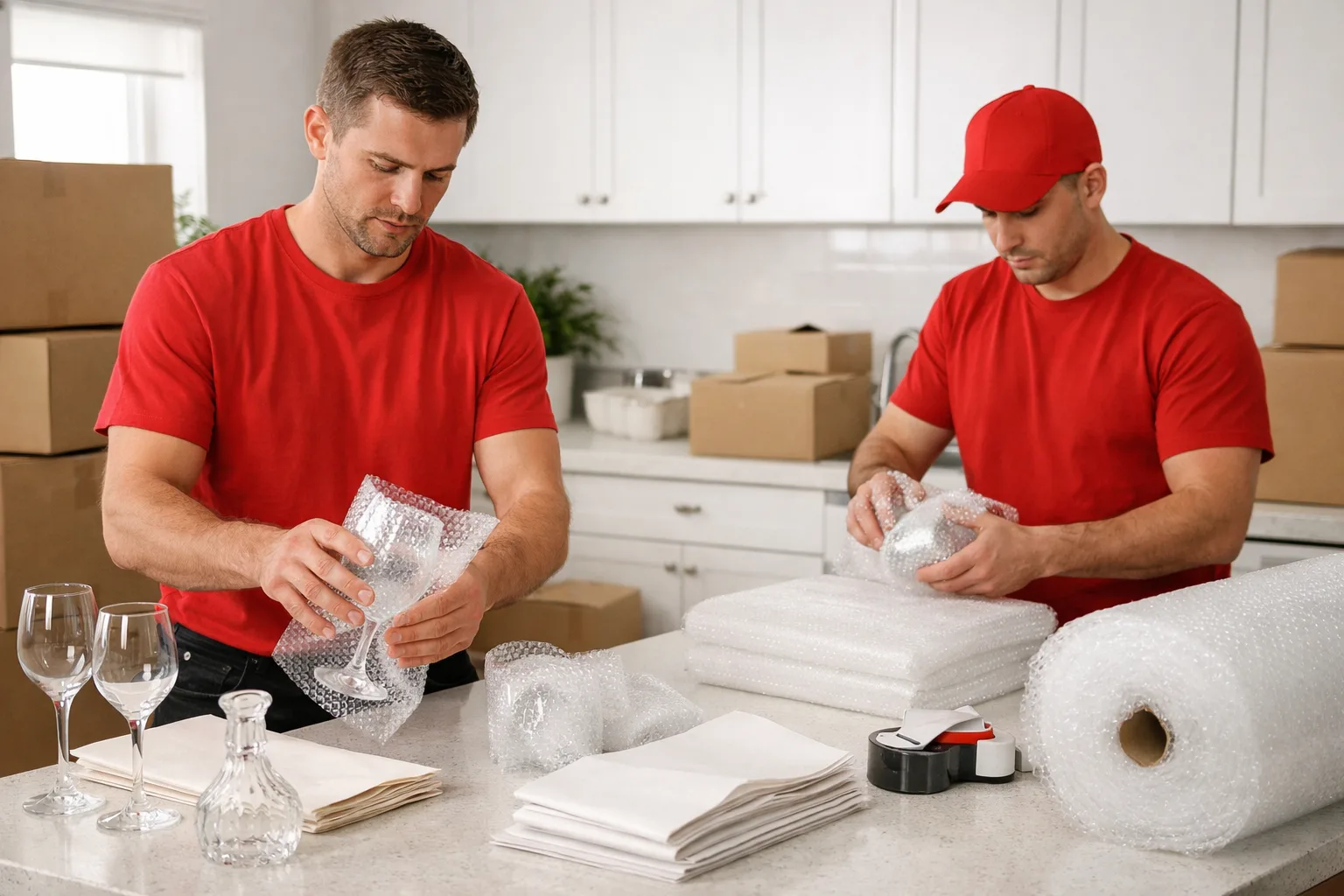
Fragile items like glassware, porcelain plates, and electronic devices require special attention and protection during packing. A common mistake is packing them without proper protective materials, which can lead to breakage, scratches, and permanent damage.
Each fragile item should be carefully wrapped individually using materials such as styrofoam, bubble wrap, or soft paper. Before placing items in the box, line the bottom with a protective layer to further cushion impacts during transport.
Boxes containing fragile items should be clearly marked "fragile" and never placed at the bottom or under the weight of other boxes. Ideally, these boxes should be the last loaded into the vehicle and the first unloaded to minimize movement and risk of damage.
For extra security, place paper or foam padding between individual fragile items to prevent them from shifting and colliding. Also, use boxes with dividers or specialized boxes designed for glass and ceramic items.
When packing electronic devices, besides external protection, it is recommended to keep the original packaging if possible, as it is designed to provide the best protection. If you don’t have the original packaging, wrap devices with soft materials and be sure to remove batteries to prevent damage.
Clothing and other textile items are often packed hastily, which can lead to wrinkling, material damage, and unpleasant odors. Using ordinary plastic bags is not recommended because they do not allow air circulation and can cause moisture and mold.
An effective solution is special vacuum bags that significantly save space and protect clothes from dust, moisture, and unpleasant smells. For garments that wrinkle easily, it is recommended to pack them on hangers or in wardrobe boxes that allow clothes to remain hung, clean, and ready to use.
Before packing, be sure to clean and dry your clothes to prevent mold and unpleasant odors during transport and storage. Also, separate seasonal clothing and consider donating or disposing of items you no longer need, which will further reduce the amount of belongings to move.
When packing bedding and towels, use clean, dry bags or boxes that allow good ventilation. Avoid packing in damp or unventilated spaces to prevent damage and unpleasant smells.
For extra protection of delicate materials, such as wool sweaters or silk, use packing paper or cotton covers. This will help keep the clothes in good condition and prevent damage during transport.
Many forget that planning doesn’t end with packing and moving, but that it’s important to have a strategy for unpacking in the new space as well. Without a clear plan, additional clutter can easily arise and make starting life in the new home more difficult.
Before moving, it’s advisable to consider the furniture layout and where boxes will be placed. Labeling boxes according to rooms and categories will help belongings be settled faster and more efficiently, saving time and reducing stress.
Start unpacking boxes containing basic and everyday items, such as hygiene products, kitchen utensils, and clothing for the first week. This approach allows you to organize quickly and avoid unnecessary searching through numerous boxes, which can be frustrating and tiring.
It is recommended to immediately make a plan for room and furniture arrangement after moving, so you know where everything will go. This can include making a sketch or taking photos of the space before moving, which facilitates organization and placing items in the right spots.
Also, consider whether you will need help unpacking, either from professionals or friends, to make the process faster and less exhausting. Organizing unpacking in advance can significantly reduce stress and speed up adjustment to the new home.
During packing and moving, unforeseen situations often arise, such as damaged boxes, lost items, or lack of packing materials. It is a mistake not to have a prepared backup plan that will allow you to respond quickly and efficiently in such cases.
It is recommended to have extra supplies of boxes, tape, and protective materials on hand, as well as spare bags and sacks for emergencies. Also, basic tools like scissors, a knife, and adhesive tape should be easily accessible throughout the packing and moving process.
If a problem occurs, it is important to stay calm and approach its resolution systematically. For example, if a box is damaged, immediately remove the contents and repack them into spare packaging. This approach reduces stress and helps the move go as smoothly and organized as possible.
It is also useful to have contact information for emergencies, such as the phone number of the moving company or friends who can assist in unforeseen situations. Planning these details in advance can save you time and anxiety.
If you use professional moving services, check whether they have their own backup plans and materials, as well as how they handle problems. This will give you additional security and ease the moving process.
Advantages of Professional Packing Before Moving in Belgrade
We will respond to you as soon as possible.
Below we answer the most common questions related to packing mistakes during moving, so you can be sure your move will go smoothly and without issues.
The right box size depends on the type and weight of the items. Heavy things, such as books or kitchen appliances, should be packed in smaller, sturdy boxes to make them easier to carry and prevent breakage. Lighter and larger items, like clothing or bedding, can go into bigger boxes. It is important that the box is not overfilled and that items do not shift inside.
Label each box clearly and legibly, indicating the contents and the room it belongs to. You can use colors or stickers for quicker identification. For example, a blue sticker for the kitchen, red for the living room. Also, mark fragile items and boxes that are a priority for unpacking.
The best materials are bubble wrap, styrofoam, and wrapping paper. Each item should be wrapped individually and placed in the box with a protective layer between items. Add an extra layer of protection at the bottom and top of the box to cushion impacts during transport.
Use vacuum bags that save space and protect clothes from moisture and dust. You can also pack clothes in wardrobe boxes that allow them to remain hung and wrinkle-free. Be sure to wash and dry clothes before packing.
It's always wise to have spare boxes and packing materials on hand. If you don't have them, you can temporarily use sturdy plastic bins or packing bags, but be sure to protect the contents. Also, buying or borrowing moving boxes can be a good investment.
Make a backup plan – have extra boxes, tape, and protective materials ready. Be prepared to react quickly if something gets damaged or lost. Organize items so that the most important ones are easily accessible and labeled.
Planning unpacking helps avoid chaos and unnecessary searching for items. When you label boxes by rooms and contents, it’s easier to arrange them and get organized faster in the new space. Also, prioritizing unpacking essential items makes adapting after the move easier.