
Tips for International Moves
How to Pack Furniture for a Move to Germany?
How to Pack Furniture for a Move to Germany?

Enter at least 3 characters.
An international move is a significant challenge that brings numerous changes, both physical and psychological. Preparing your mind and emotions is just as important as organizing the moving process itself. In this guide, we will provide you with concrete advice on how to mentally prepare for relocating abroad, making this transition as smooth and successful as possible. Preparing for a new environment, cultural differences, and emotional stress requires careful planning and dedication. Read our detailed recommendations and be ready for a fresh start. Additionally, it is important to understand that the adjustment process is individual and your experiences will differ from others, but there are universal steps that can help reduce stress and increase your sense of control during the move. Engaging with the community, maintaining mental health, and setting realistic expectations are key to a successful transition to a new living environment.

Every international move brings a range of emotional challenges, such as sadness from parting with family and friends, stress due to the uncertainty of a new environment, and anxiety about changes in daily routines. It is important to recognize and accept these emotions as a normal part of the process. Do not hesitate to seek help or talk about your feelings, as this will help you better understand and overcome them.
Managing expectations plays a key role in preparing your mind. Set realistic goals and be ready to adapt, as every country has its own specifics that can affect your daily life. Also, prepare for possible culture shocks and differences in lifestyle, communication, and customs. Understanding that some things may proceed slower than you are used to or that you will face bureaucratic challenges can help you stay calm and focused.
By understanding your own emotional reactions and expectations, you can develop strategies to overcome them. For example, keeping a journal can help track mood changes, while regular contact with family and old friends reduces feelings of loneliness. All this contributes to better mental resilience during the move. It is also helpful to join support groups or forums for expatriates, where you can exchange experiences and receive advice from people who have gone through similar situations.
A positive mental image involves focusing on the benefits and opportunities your new environment offers. Instead of concentrating on losses, try to envision new friends, professional opportunities, and cultural experiences awaiting you. This mindset reduces anxiety and increases motivation for a successful start. Visualization of positive events can also be supported by practical preparations, such as researching local social spots or planning hobbies you want to start.
Practicing gratitude for what you have and what you can experience in the new country provides additional strength. Start your day by reflecting on the positive aspects of the move and set small daily goals related to exploring your surroundings or learning the language, which will help you stay focused and optimistic. Keeping a gratitude journal can further reinforce this positive attitude and help you recognize the progress you are making.
Visualizing successful adaptation and problem-solving can be a powerful tool. Imagine yourself successfully handling daily tasks, communicating in the new language, or making friends. Regularly repeating these mental images boosts confidence and reduces fears related to change. You can also use affirmations or meditations aimed at reducing stress and strengthening inner resilience.
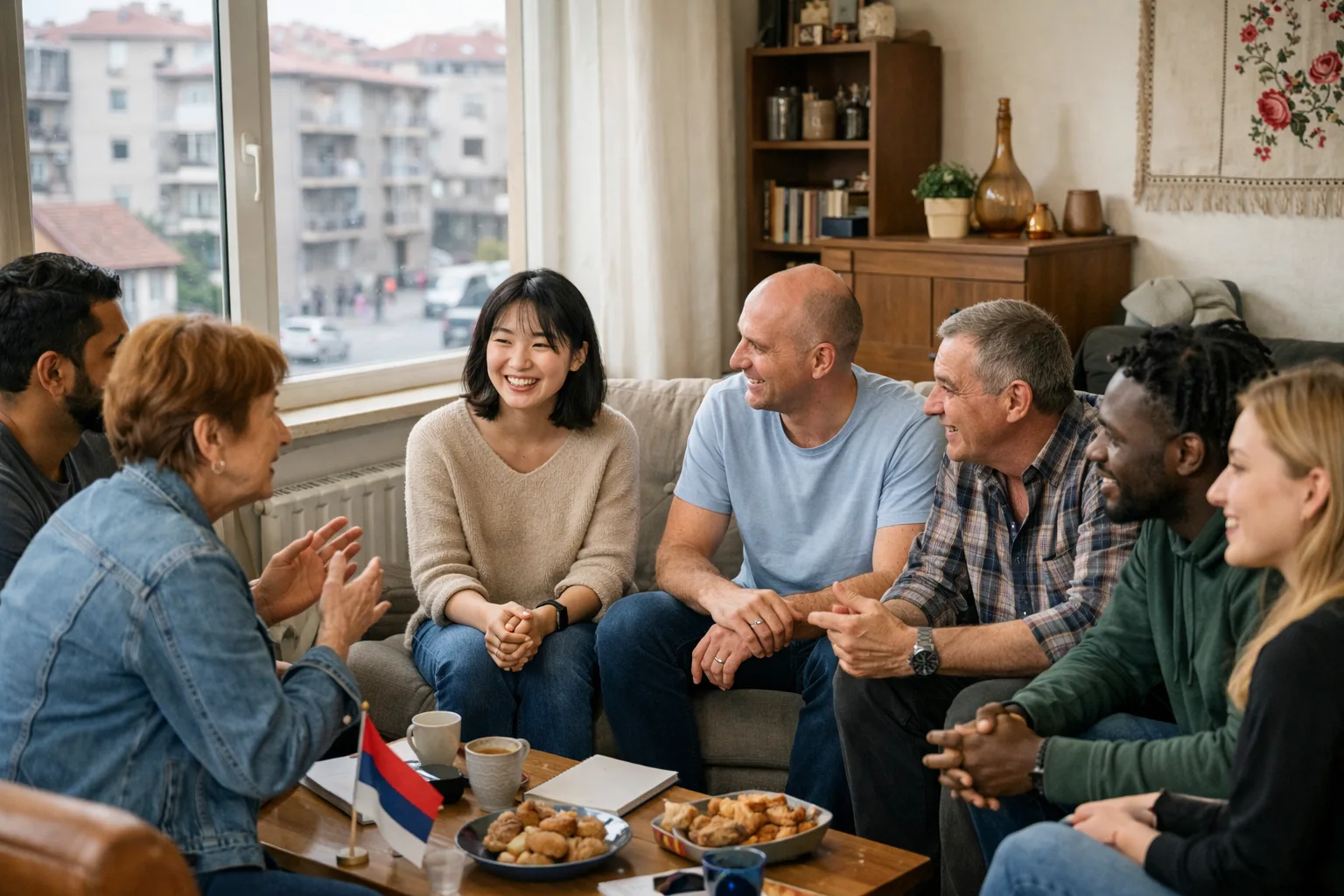
Culture shock is a natural reaction to sudden changes in environment, customs, and lifestyle. To alleviate it, it is important to study the culture, behavioral rules, and basic norms of the country you are moving to in advance. This will help you reduce uncomfortable situations and integrate more easily. It is recommended to read local guides, watch films, or listen to music from that country to familiarize yourself with everyday life and customs.
Be prepared for adjustment phases that include initial euphoria, followed by frustration, and finally acceptance of the new culture. These phases can vary in duration for each person, but understanding their existence eases the process and reduces feelings of isolation. It is important not to expect everything to change immediately and to recognize that feeling confused or nostalgic at times is normal.
Getting involved in local communities, language courses, or hobbies can significantly speed up adaptation. Additionally, maintaining elements of your own culture through cooking traditional dishes or socializing with compatriots provides emotional stability and a sense of belonging during adjustment. Furthermore, actively seeking opportunities to interact with locals can help in understanding cultural nuances and building bridges between cultures.
Moving is a stressful event, and stress can affect your mental and physical health. Applying relaxation techniques such as deep breathing, meditation, or light physical activity can help reduce stress levels. Regular rest and quality sleep are also key to maintaining mental stability. Engaging in regular physical activities, like walking or yoga, can further help reduce tension and improve mood.
Planning and organizing tasks before the move reduce uncertainty and feelings of being overwhelmed. Create a detailed schedule and priority list so that each step is clear and achievable. Breaking large tasks into smaller parts makes them easier to accomplish and gives a sense of control. If you want to ease the process, consider hiring professionals for moving packing, which can significantly reduce stress and speed up preparations. It is useful to use digital tools or apps for time and task management to track progress and avoid forgetting important steps.
Do not hesitate to seek support from friends, family, or professionals if you feel the stress is too much. Psychological help can be very beneficial in overcoming anxiety and depressive symptoms that sometimes occur during major life changes. Also, consider self-help techniques such as keeping an emotion journal or practicing mindfulness techniques, which can contribute to better stress control.
Maintaining contact with close people provides emotional support and reduces feelings of loneliness. Plan regular video calls or message exchanges to stay connected and share your impressions and challenges. Technology today also allows for watching movies or playing games together remotely, which can further strengthen bonds.
Be honest in communicating your feelings and difficulties. Open conversations with close people can help you process emotions more easily and receive useful advice or support. Do not be afraid to express your fears or insecurities, as this can contribute to deeper understanding and stronger relationships.
At the same time, prepare your family and friends for the changes your move will bring. Informing them about your plans and schedule will facilitate understanding and reduce any concerns on their part, contributing to better mutual support. You can also involve your closest ones in some preparation phases, such as packing together or planning visits, which can help maintain closeness.

In a new country, it is important to actively work on building social networks. Joining local clubs, sports activities, or volunteer organizations provides opportunities to meet people and make friends. These activities not only help with socialization but also with understanding local customs and culture.
Using social networks and specialized platforms for foreigners can be useful for finding community and getting practical advice about life in the new environment. Joining groups on social media also helps with easier navigation. It is recommended to be active in these communities, ask questions, and share your experiences, which can accelerate the adaptation process.
Be open to new acquaintances but also patient. Building quality relationships takes time but is key to a sense of belonging and mental stability abroad. Regular meetings and shared activities contribute to reducing stress and increasing feelings of security. Also, do not forget to maintain a balance between new and old friendships, as both types of connections play an important role in your emotional well-being.
Language is a key factor for successful integration and reducing feelings of isolation. Start learning basic phrases and everyday vocabulary before the move to feel more confident upon arrival in the new environment. Setting realistic language learning goals, such as mastering a certain number of words per week, can increase your motivation.
Practicing the language through apps, courses, or conversations with native speakers boosts confidence and facilitates communication in everyday situations. This also contributes to a better understanding of the culture and customs. Additionally, try to use the language in daily activities such as shopping or ordering food, which will help you adapt more quickly.
Learning a language is not only a practical skill but also a psychological tool that reduces anxiety and fosters a sense of control over a new environment. Even basic knowledge can significantly contribute to your mental well-being during adjustment. Participating in language workshops or conversation clubs can further strengthen your communication skills and expand your social network.
It is important to set achievable goals for yourself regarding adaptation, language learning, or professional engagements. Unrealistic expectations can lead to disappointment and additional stress. Consider both short-term and long-term goals and adjust them according to your capabilities and circumstances.
Track your progress and celebrate small successes, such as mastering your first conversation in the new language or making your first friend. These small victories increase motivation and confidence. Keeping a record of your achievements can help you stay motivated and recognize how far you have come.
Be prepared to accept failures and challenges as part of the learning and adaptation process. A flexible approach and patience are key to long-term success and mental balance in a new environment. Developing the ability to adapt and learn from mistakes will help you better handle unforeseen situations and build resilience to stress.
How to Pack Furniture for a Move to Germany?

How to Move Furniture from Abroad to Serbia

Common Mistakes Made During International Moves
How to Save Money on an International Move?
We will respond to you as soon as possible.
Below we have highlighted the most common questions and answers to help you better understand the psychological aspects of moving abroad and how to successfully overcome them.
Feelings of loneliness are common after an international move. It is important to stay active in seeking social contacts through local activities, courses, or online communities. Also, maintain regular contact with family and friends in your home country, which provides emotional support and reduces isolation.
Children should be involved in the moving process through conversations and explanations about the changes they will face. Encourage them to express their feelings and provide security through routines and play. Also, try to research schools and social activities in advance to help them adapt more easily to the new environment.
Techniques such as deep breathing, meditation, progressive muscle relaxation, and light physical activities like walking can significantly reduce stress. It is crucial to practice them regularly, especially during moments when you feel overwhelmed by obligations and emotions.
Setting realistic and achievable goals, tracking progress, and celebrating small successes help maintain motivation. Also, focusing on the positive aspects of the new life and actively participating in social activities increase the sense of satisfaction and purpose.
Studying the culture, customs, and behavioral norms of the country you are moving to can significantly reduce the effects of culture shock. Additionally, talking to people who have already gone through a similar process and joining online communities helps in gaining useful advice and realistic expectations.
Although not always mandatory, basic knowledge of the host country's language significantly eases everyday communication and reduces stress. Learning the language before moving also boosts confidence and enables faster integration into society.
It is important to develop flexibility and readiness to adapt. This involves accepting changes as an integral part of the process, as well as establishing a support network through acquaintances, professionals, or communities. Planning backup options and being open to new opportunities reduce feelings of uncertainty.