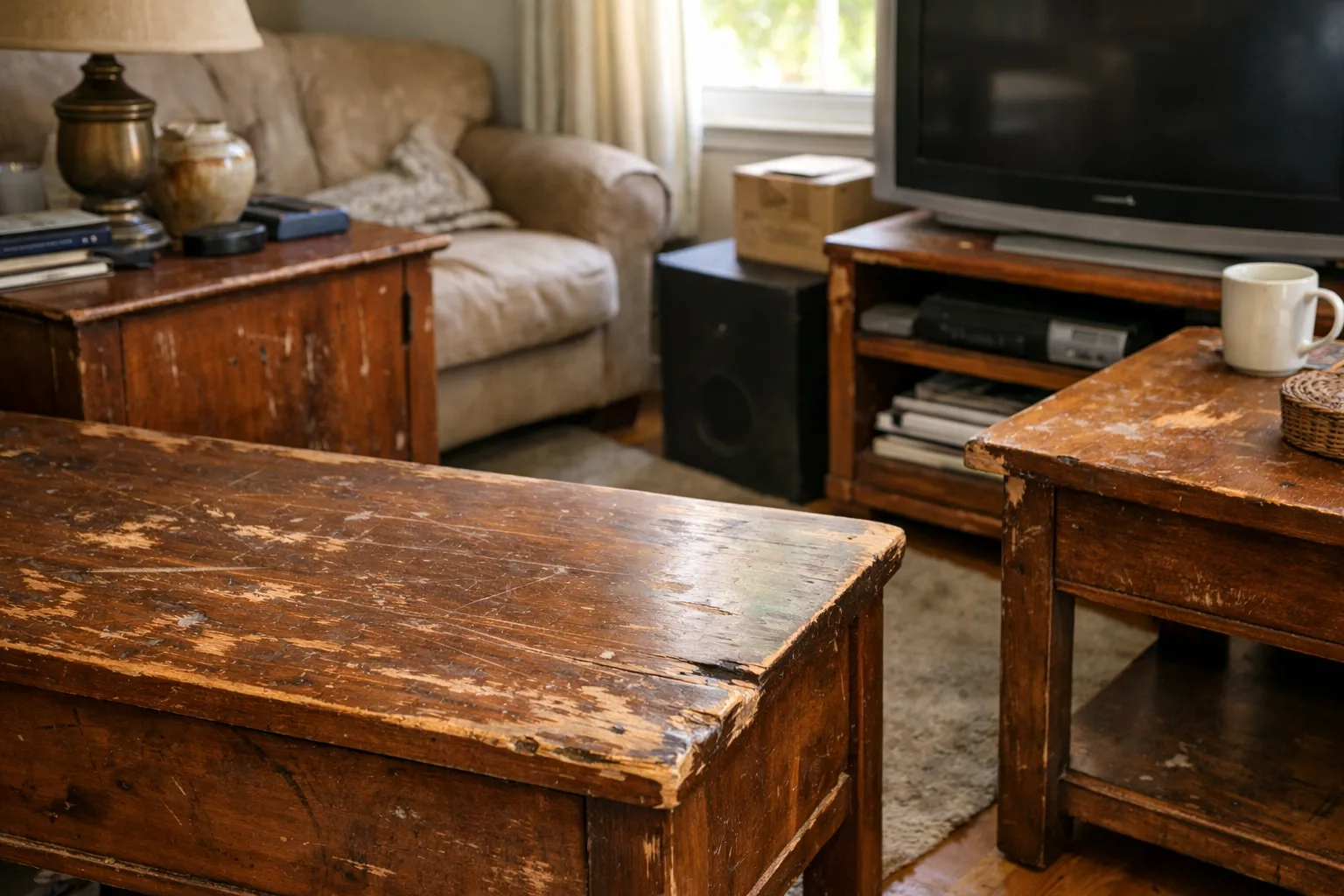
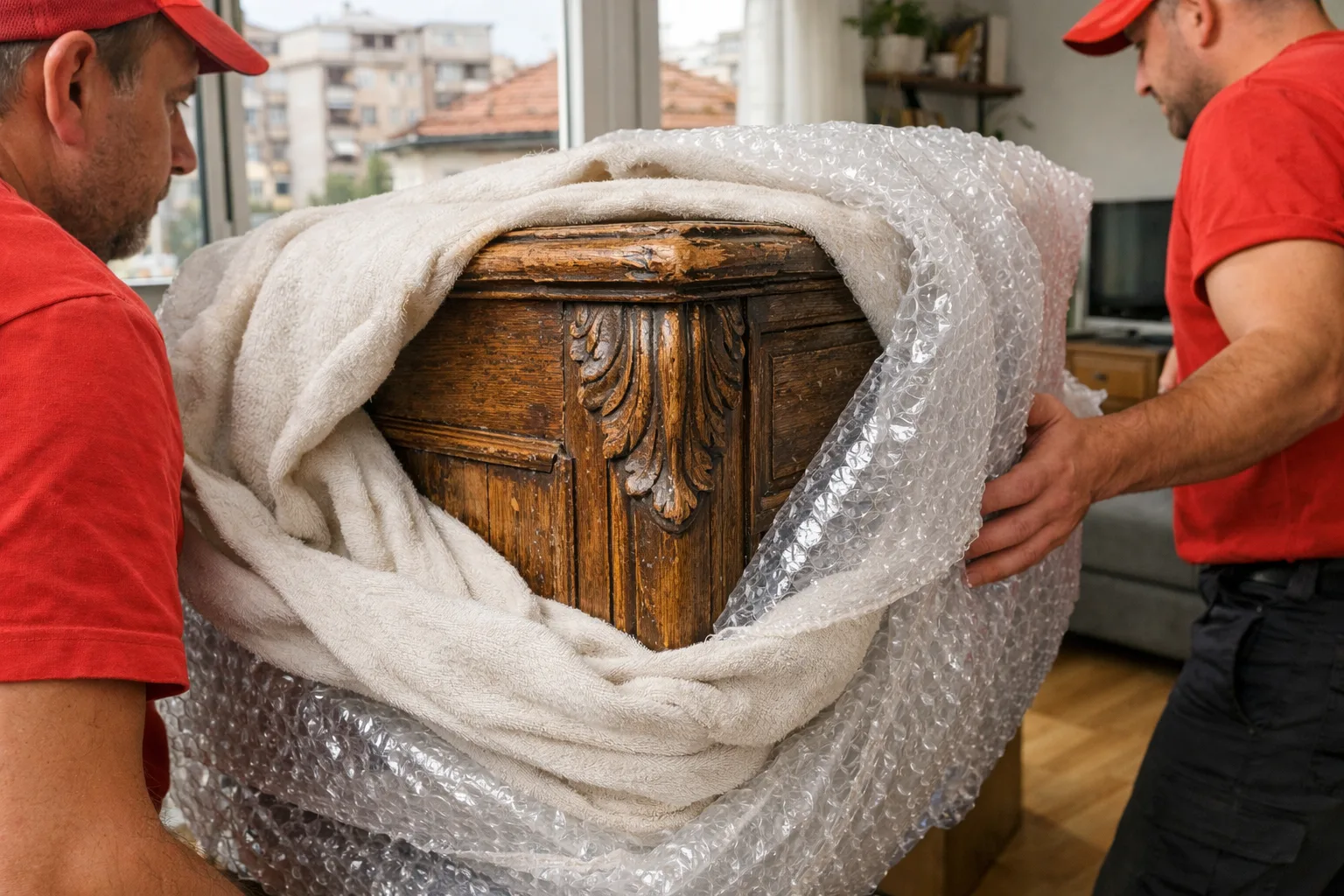
How to pack antique furniture?
How to pack antique furniture?

Enter at least 3 characters.
Packing for a move can be a stressful and time-consuming process, especially if you're not organized. One of the best ways to save time and energy is to pack room by room, systematically and with a clear plan. In this guide, we will explain in detail how to approach packing each room, which materials to use, and how to organize everything so that your move goes smoothly and without unnecessary complications. Additionally, we will provide practical tips to help you avoid common mistakes and maximize the protection of your belongings during transport. Preparation and good organization are the keys to a successful move, so it's important to follow the steps we outline to complete everything stress-free and on time.
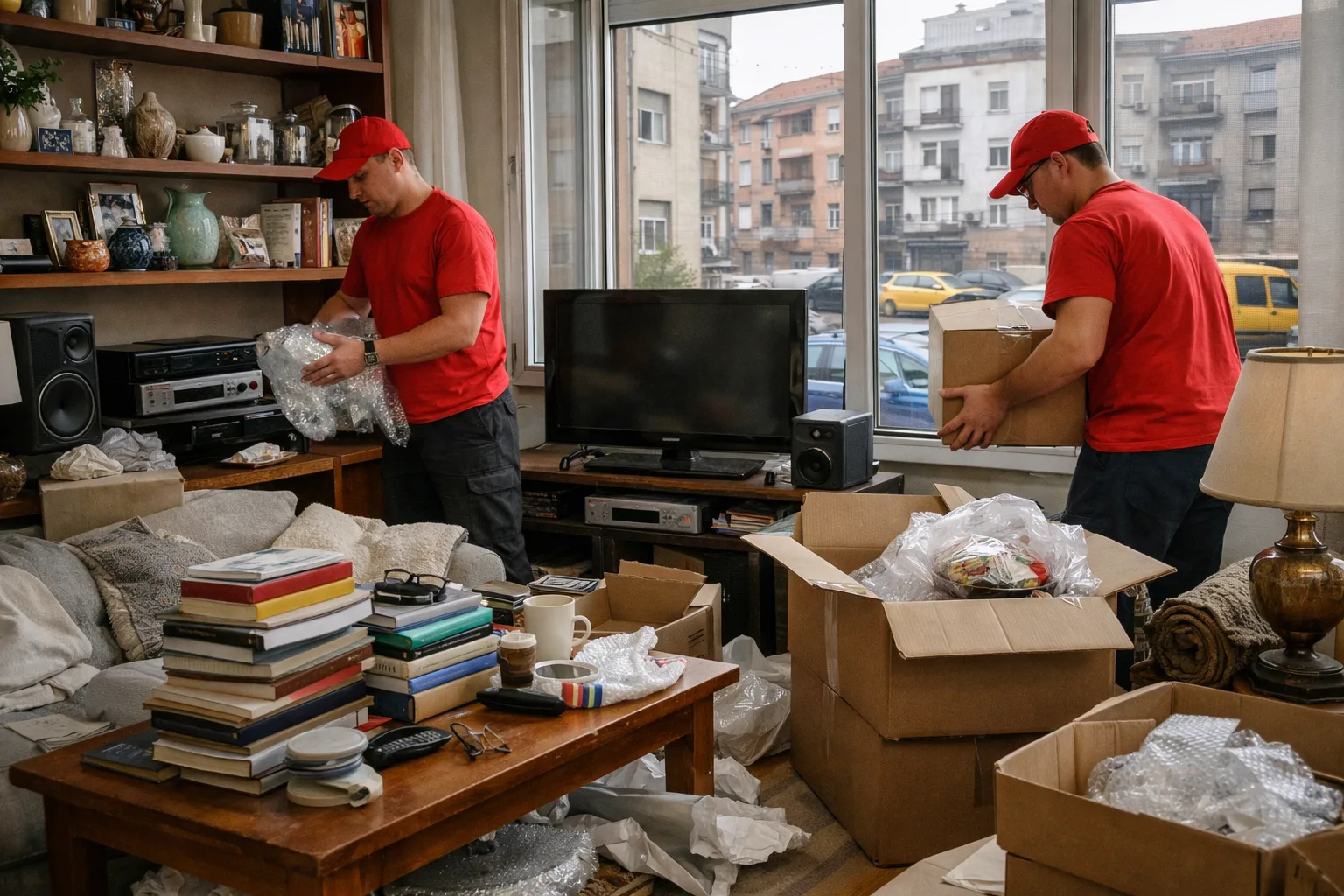
The first step in efficient packing is good preparation. Before you start packing, make a detailed plan and schedule. Write down which rooms you will pack on which days and how much time you plan to dedicate to each. This will help you stay focused and prevent some rooms from being left until the last minute. Also, consider whether you need help from friends or professional movers and arrange for their assistance in advance if necessary.
Choose appropriate boxes and packing materials: moving cardboard boxes of various sizes, adhesive tape, a marker for labeling, bubble wrap, and newspapers for wrapping fragile items. It is very important to have everything ready before you start packing so you don’t get held up searching for needed items during the process. Besides basic materials, consider using special boxes for clothes or electronic devices, which provide extra protection for the contents.
Also, make a list of items you will take with you, those you will donate or discard. This will help reduce the number of things to pack and make your job easier. Prepare separate boxes for different purposes and label them clearly. This way, you will save space and facilitate unpacking. Don’t forget to mark boxes with priority items that you will need immediately upon arrival at your new home.
The living room is usually one of the most demanding rooms to pack because it contains many different items – from books to decorations and electronics. Start with smaller items: wrap decorations, books, and magazines carefully in bubble wrap or newspapers and place them in smaller boxes. When packing books, don’t put too many in one box to avoid making it too heavy and fragile.
For larger items like lamps, TVs, or audio equipment, use specialized boxes or wrap them additionally with protective materials. Be sure to turn off electronic devices and pack cables in separate bags that you will label, so you can find them easily later. It is recommended to take photos of how the cables are connected, which will help you when reconnecting.
Finally, you can leave the living room furniture disassembled if possible or carefully protect corners and surfaces with special wraps. The last step is labeling boxes by content and the room they belong to, which will save you time during unpacking. Also, mark boxes with fragile items and inform the furniture transport team about this.
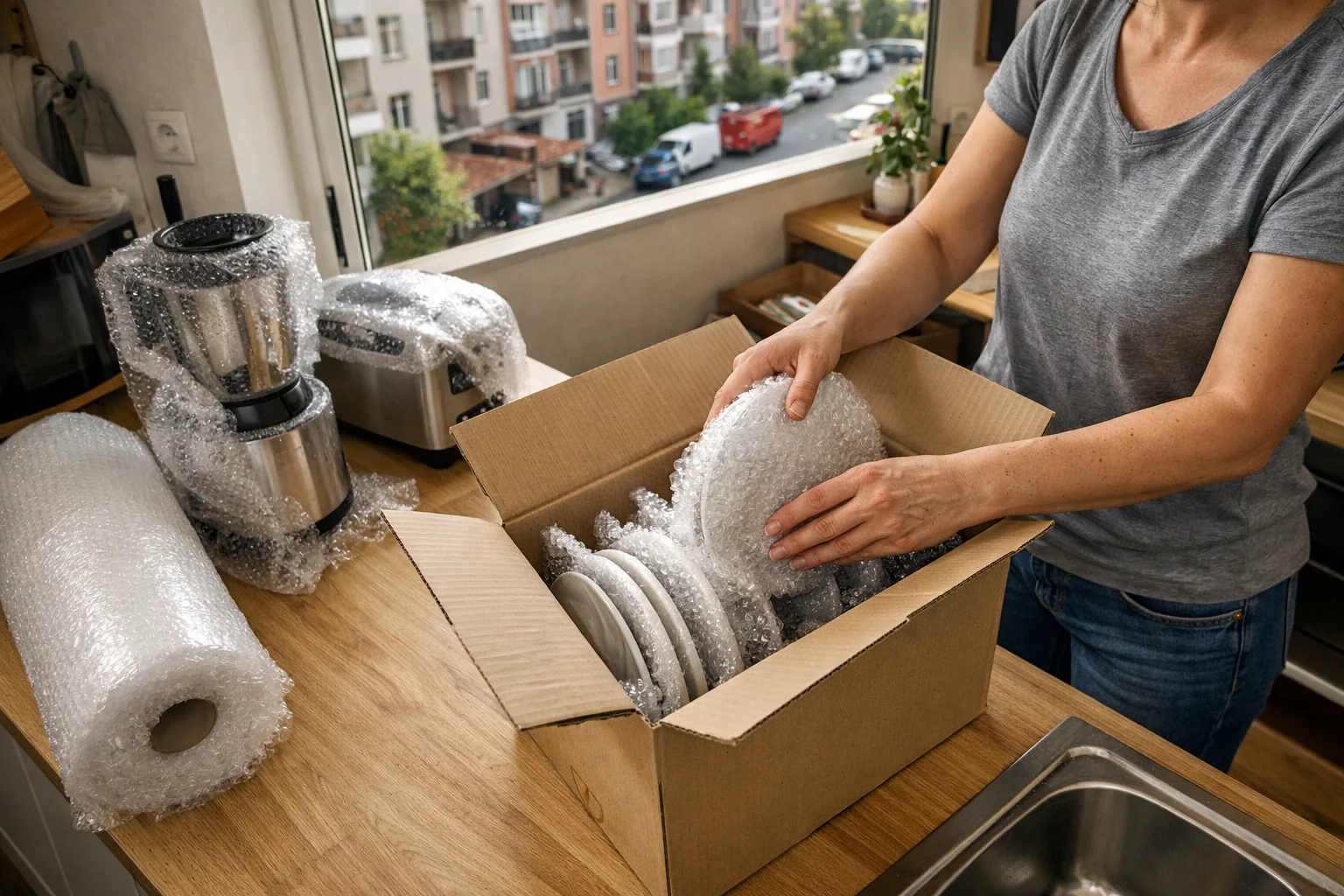
The kitchen is a place with many fragile items and therefore requires a special approach. First, sort your belongings and discard or donate what you don't need. After that, start with lighter and less fragile items, such as plastic containers and kitchen utensils. Prepare special boxes for cutlery and small kitchen tools to make them easier to find.
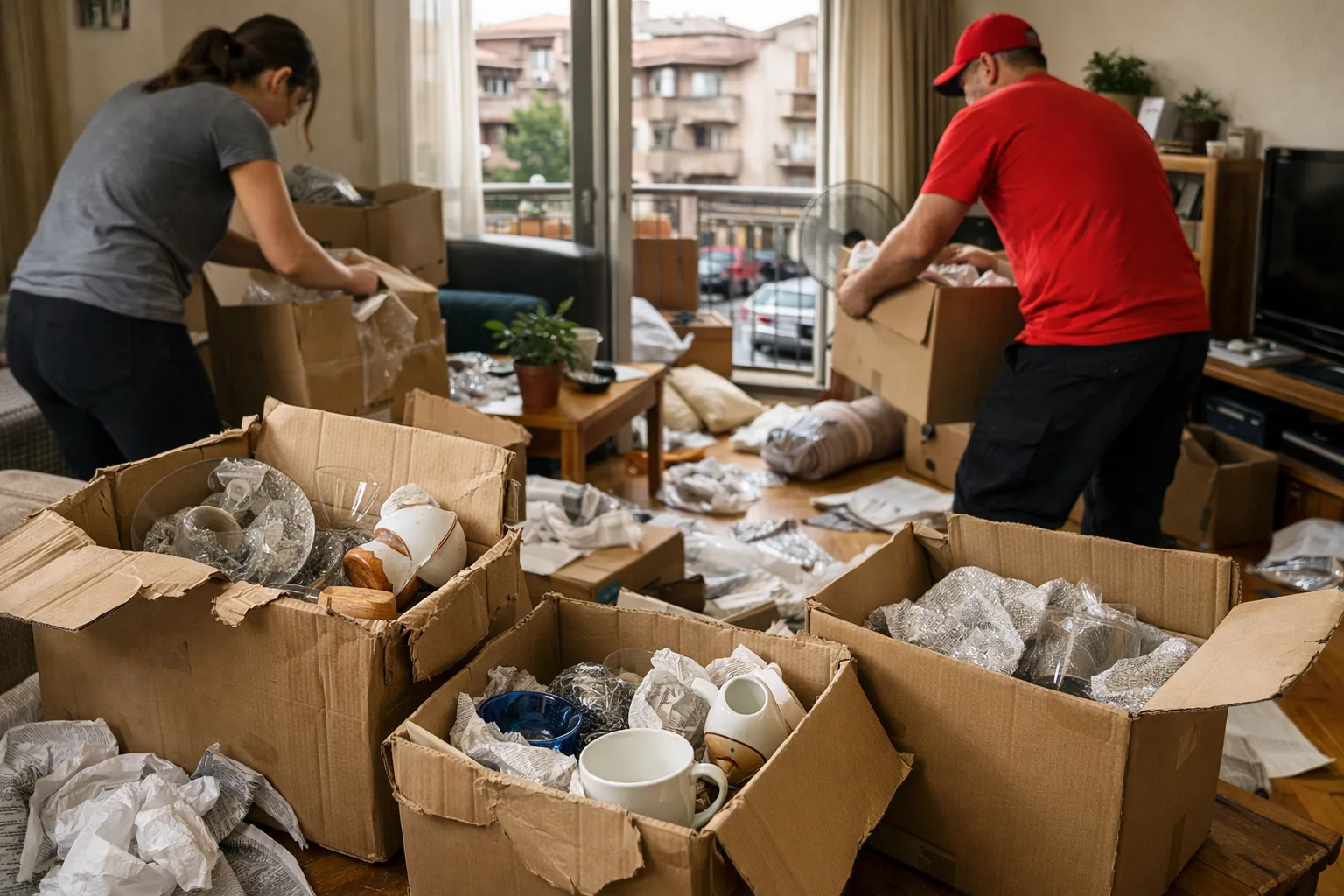
For plates, glasses, and cups, use bubble wrap or paper and pack them vertically in boxes, similar to books, to reduce the risk of breakage. Place heavier and more fragile items at the bottom of the box, with lighter ones on top. Also, be sure to label the boxes with "fragile" and "this side up" to ensure proper handling.
Don't forget to pack kitchen appliances by cleaning them and wrapping them in protective material. Keep cables together and label them. Clearly mark boxes with kitchen items as "fragile" and indicate they are from the kitchen. If you have manuals for appliances, pack them together for easier use in your new home.
When packing bedrooms, focus on clothes, bedding, and personal items. You can pack clothes in various ways: in boxes, bags, or special vacuum bags that save space. It is advisable to sort clothes by type and season before packing. Also, pay attention to seasonal items you won't use immediately, so you can pack them earlier.
You can pack bedding and towels in large bags or boxes. If you have space, you can leave the bed disassembled to pack later or protect its frame with protective wraps. Use plastic bags for pillows and duvets to protect them from dust and moisture during transport.
Pack personal items such as jewelry, cosmetics, and documents in separate bags that you will carry with you. Label boxes from bedrooms to easily recognize them during unpacking. It is also recommended to keep important documents and valuables with you during the move for security.
The bathroom is often a forgotten room, but it also requires careful packing due to the large number of small items and chemicals. First, sort cosmetics, medicines, and cleaning products. Check expiration dates and dispose of unusable products. Also, pay attention to products that may be hazardous during transport, such as paints or strong chemicals.
Pack small items in small boxes or plastic containers with compartments to prevent mixing contents. Bottles with liquids should be tightly closed and additionally protected with plastic wrap to prevent leaks. It is recommended to pack liquid products in a separate box labeled "liquid and fragile."
Large items like towels, mats, and bathtubs can be packed separately. Clearly label boxes with bathroom items and inform the moving team about the contents, especially if there are fragile or liquid items. Also, check that all products are securely closed and there is no risk of leakage during transport.
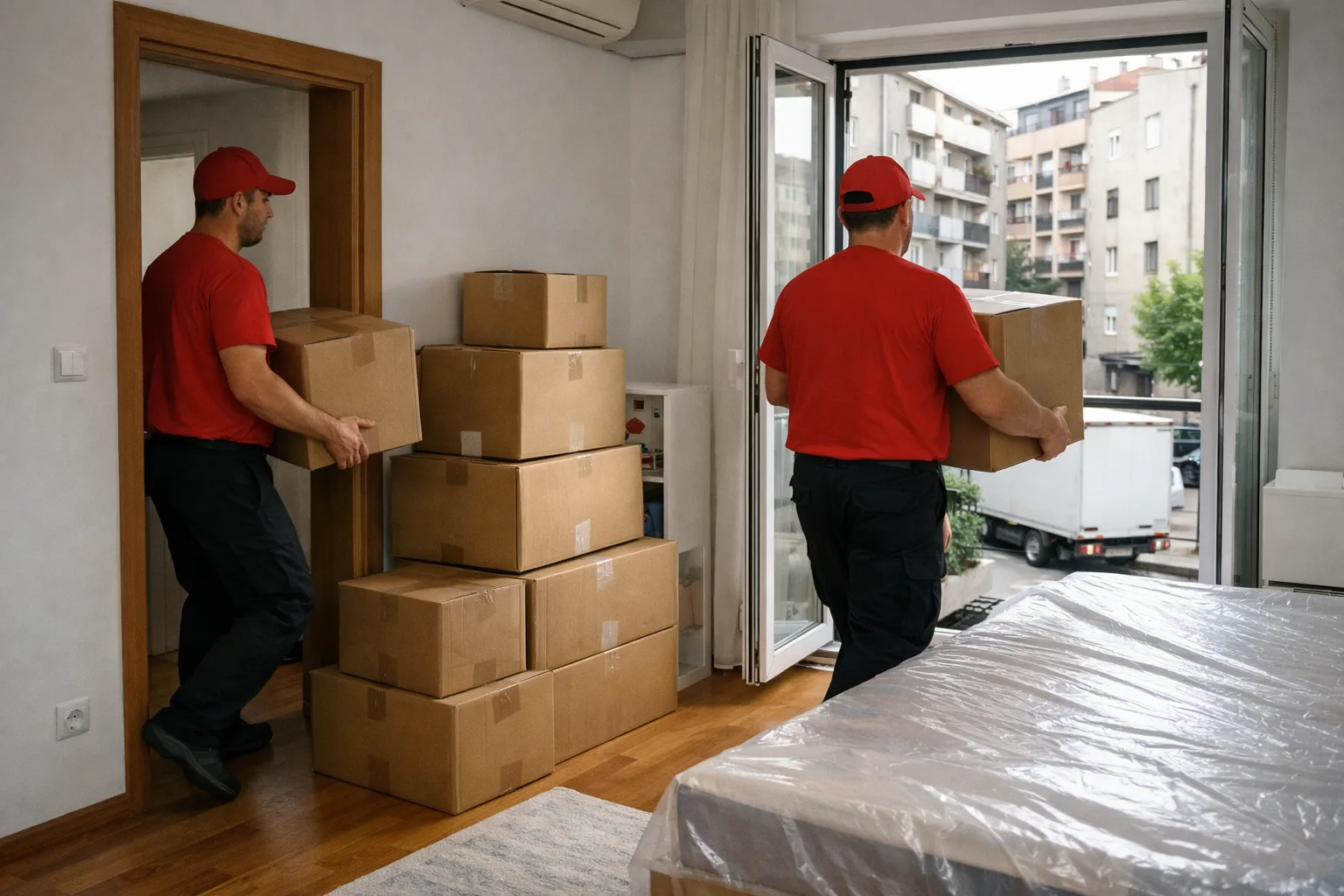
The home office often contains important documents, books, and technical equipment. Before you start packing, check and sort papers, discard unnecessary documents, and organize those you need to keep. Use folders and archive boxes to facilitate later organization.
Use boxes strong enough to withstand the weight of books and documents. Pack documents in folders or archive boxes, and carefully wrap electronic equipment in protective material. Make separate bags with labels for cables and accessories to find them more easily.
Label boxes with contents and make a list of what is in each to easily find important items later. If you work from home, pack office supplies in small boxes or bags to avoid losing them. Also, consider whether you can digitize some items before moving to reduce paper volume.
The children's room can be particularly challenging due to the variety of toys, clothes, and school supplies. First, sort toys and separate those your child no longer uses or that are damaged. Involve your child in the process so they feel included and you can decide together what stays and what is donated.
Use transparent boxes or bags that close easily for packing toys, so you can quickly find them later. Pack larger toys and equipment separately and label them. Also, pay attention to safety – avoid packing small parts that can easily get lost or pose a hazard to younger children.
Organize clothing and school supplies the same way as in bedrooms and the office. Pay special attention to keeping items important to the child easily accessible during the move. Prepare a separate bag with essentials for the first day in the new home so the child has everything they need immediately.
After finishing packing all rooms, check that all boxes are clearly labeled and make an inventory list. This is crucial for quick and efficient unpacking in the new space. Also, create an unpacking plan by priority so you know where to start.
When unpacking, start with the rooms most important to you, such as the kitchen and bedrooms. Also, unpack boxes with essential everyday items first. This way, you will quickly establish a normal routine in your new home.
Don’t rush to unpack everything at once. Focus on one room at a time and neatly arrange items. This will reduce stress and help you adapt faster to the new space. Also, take the opportunity during unpacking to further sort items and possibly get rid of what you no longer need.
Advantages of Professional Packing Before Moving in Belgrade
We will respond to you as soon as possible.
Below are answers to the most common questions and dilemmas our readers have when packing room by room for a move. Each question addresses specific challenges and offers practical advice for more efficient organization.
The key is clear labeling of boxes and packing items by room. Use different colored markers or stickers for each room and clearly write the room name and basic contents on the boxes. This will make sorting items during unpacking easier and prevent mixing.
Ideally, start packing at least two weeks before the move. Begin with rooms and items you don’t use daily, such as the guest room or storage, and leave the living room and kitchen for last. This way, you’ll have enough time to pack everything carefully without rushing.
Use bubble wrap or newspapers to wrap plates, glasses, and other fragile items. Pack them vertically in boxes, with heavier items at the bottom and lighter ones on top. Also, label the boxes as "Fragile" so everyone handles them with care during transport.
Both methods are good, but it depends on the quantity and type of clothing. For seasonal or less frequently used clothes, vacuum bags are excellent because they save space. For everyday clothing, boxes or bags are more practical as they allow easier access and organization.
Sort documents by importance and use folders or archive boxes. Label them clearly and make a list of what is in each folder. Keep important papers and documents separate and carry them with you during the move to avoid loss.
It’s not a problem to use boxes of different sizes, but it’s important they are sturdy and suited to the contents. Pack smaller and heavier items in smaller boxes, and lighter and larger items in bigger ones. The key is that boxes are securely closed and clearly labeled to facilitate organization.
Preparation is key. Clearly label each box with the room name and contents, make a list, and prioritize unpacking the most important items first. Start with the kitchen and bedrooms, focusing on one room at a time. This will reduce stress and help you adjust to your new space faster.