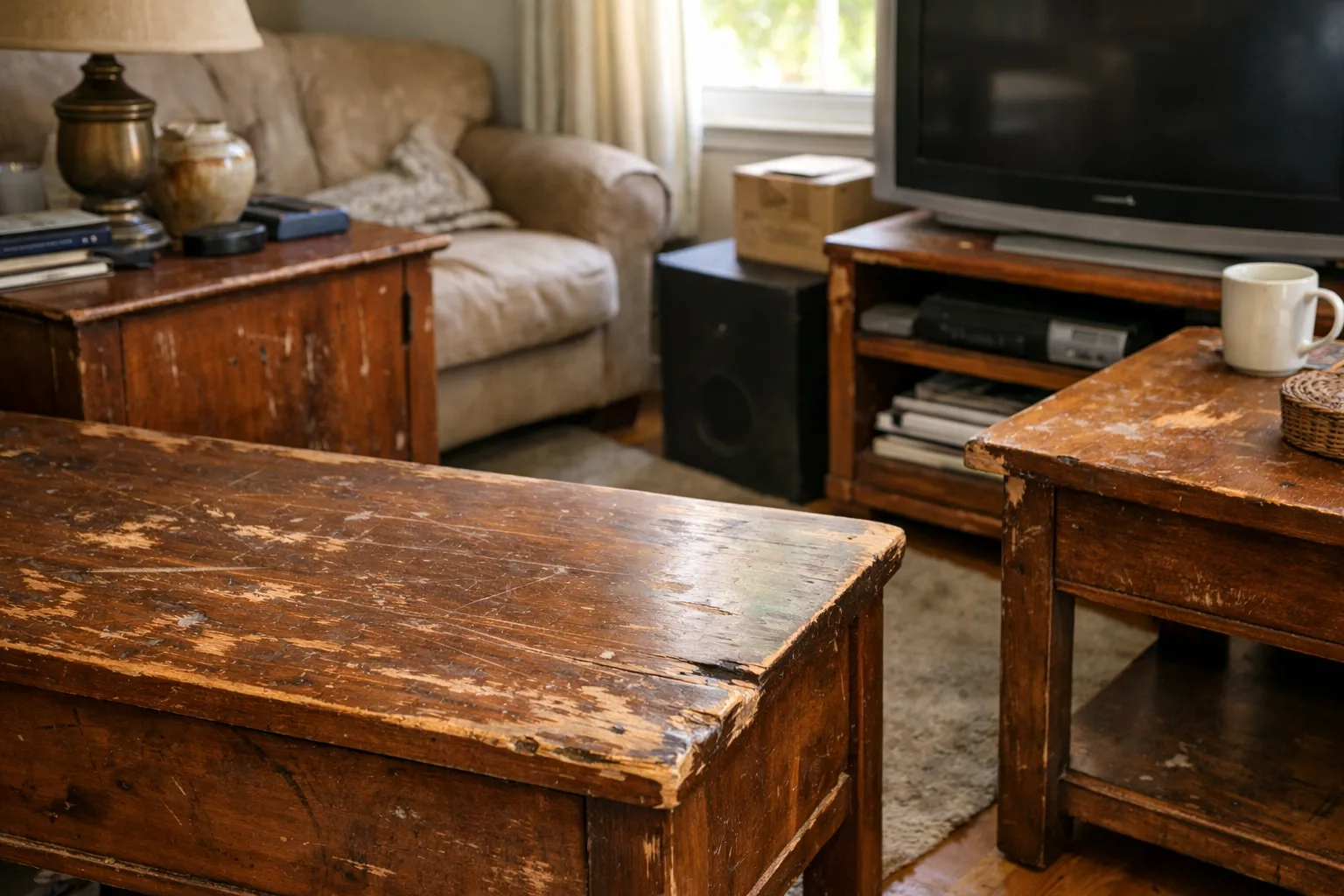
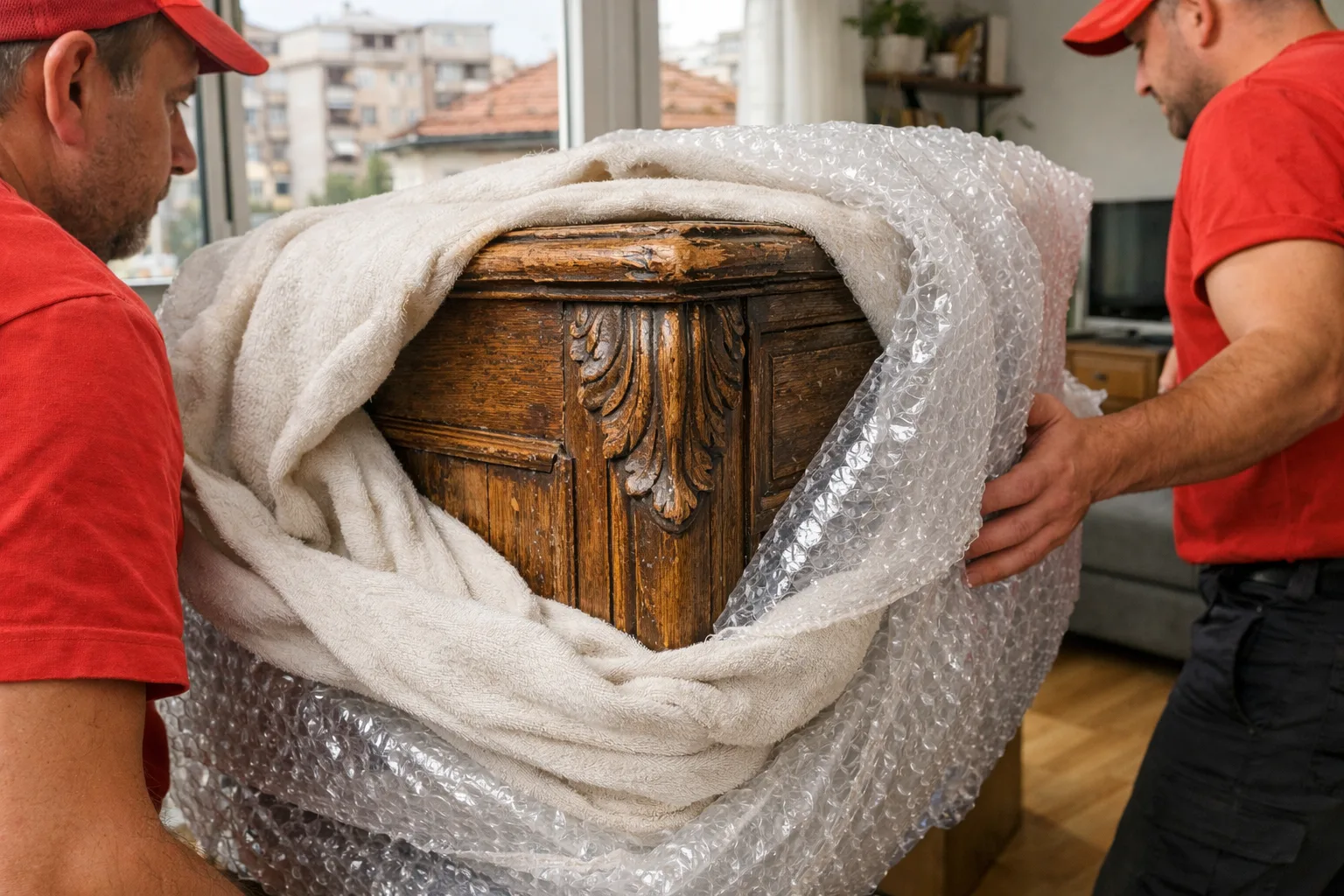
How to pack antique furniture?
How to pack antique furniture?

Enter at least 3 characters.
Packing kitchenware can be challenging, especially when you want everything to arrive undamaged and be ready for transport quickly. Proper organization, suitable materials, and efficient packing techniques are key to a successful move. In this guide, you will learn how to pack your dishes quickly and safely, using practical tips and a proven approach that saves time and reduces the risk of breakage. Besides the basic steps, it is important to understand the specifics of different types of kitchenware and how to best protect them during transport. Additionally, planning the packing order and labeling boxes can greatly simplify unpacking and organizing in your new space. Prepare in advance and follow our advice to avoid stress and unnecessary costs during your move. Furthermore, keep in mind that timely packing and a systematic approach are crucial for preserving your kitchenware, and with proper preparation, your move can go smoothly without unpleasant surprises. Below, we will explain each step in detail and provide useful tricks to help everything go smoothly and safely.
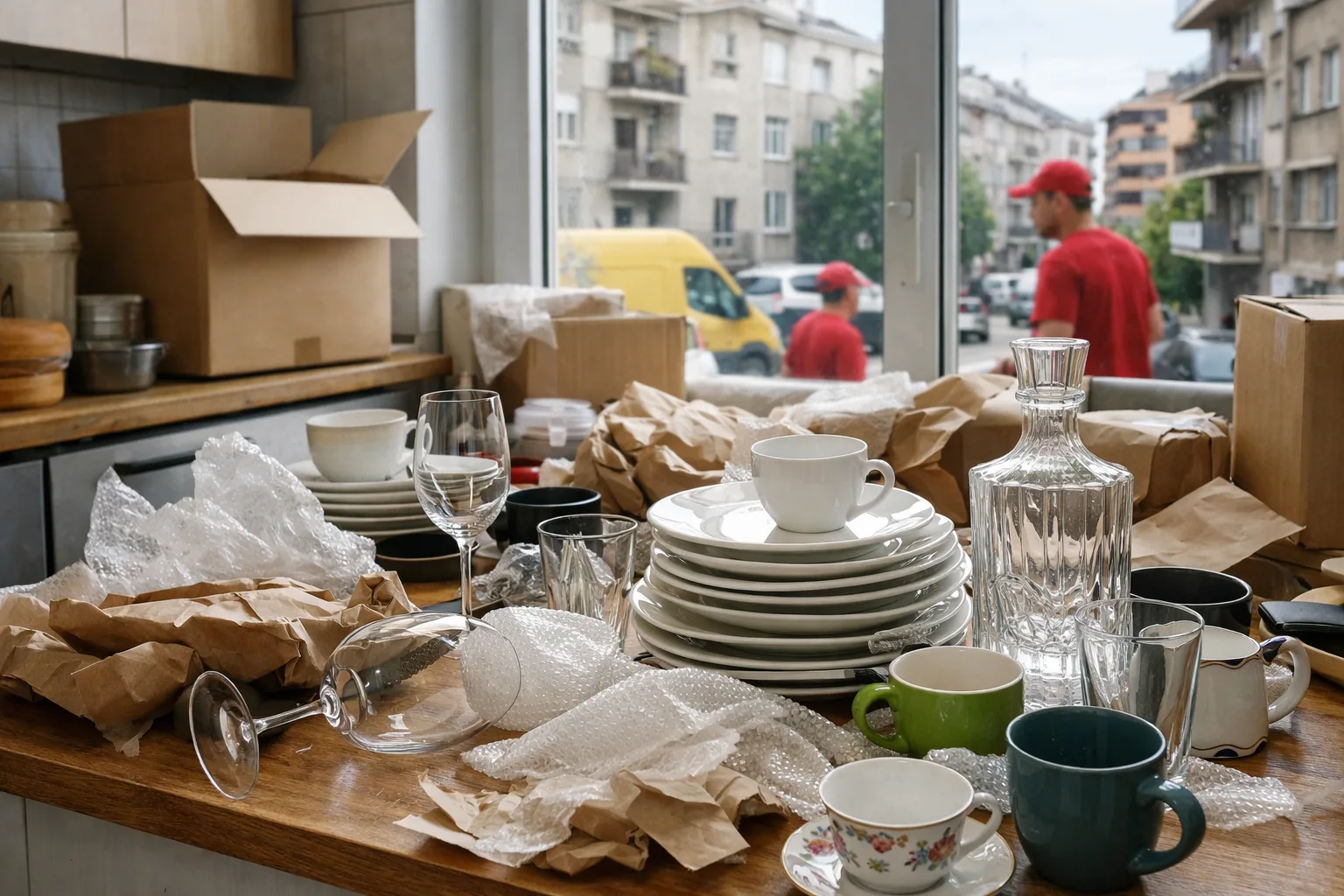
Before you start packing, it is important to select the kitchenware you want to take with you. Check if any pieces are damaged or unnecessary, as it’s better to leave them behind than to complicate packing and transport unnecessarily. Consider which items you use daily and which you can replace or buy after the move. This is a great opportunity to get rid of excess items and reduce the amount to pack, saving you time and money.
Sort kitchenware by type and size – plates, cups, pots, cutlery, and others. Handle fragile items like glasses and ceramic plates with special care. This will make packing and arranging in boxes easier later on. Preparing a list of kitchenware can help you keep track of what you have packed and ensure you don’t forget important pieces. Also, label boxes according to the type of kitchenware to make it easier to find what you need later.
Prepare a clean and organized packing area. Place all necessary materials within reach to ensure smooth and uninterrupted work. This will allow you to finish the job quickly and efficiently. Also, ensure good lighting so you can wrap and protect each item precisely, especially the most fragile ones. Planning your workspace and creating a packing schedule can further increase efficiency and reduce stress during the process.
For safe packing of kitchenware, quality materials are essential. Use sturdy moving cardboard boxes that are resistant to weight and moisture, as well as protective materials like bubble wrap, newspaper, and special packing paper. Double-walled boxes are especially recommended for heavier and more fragile items. Also, consider purchasing boxes specifically designed for packing kitchenware, as they have additional compartments and reinforcements.
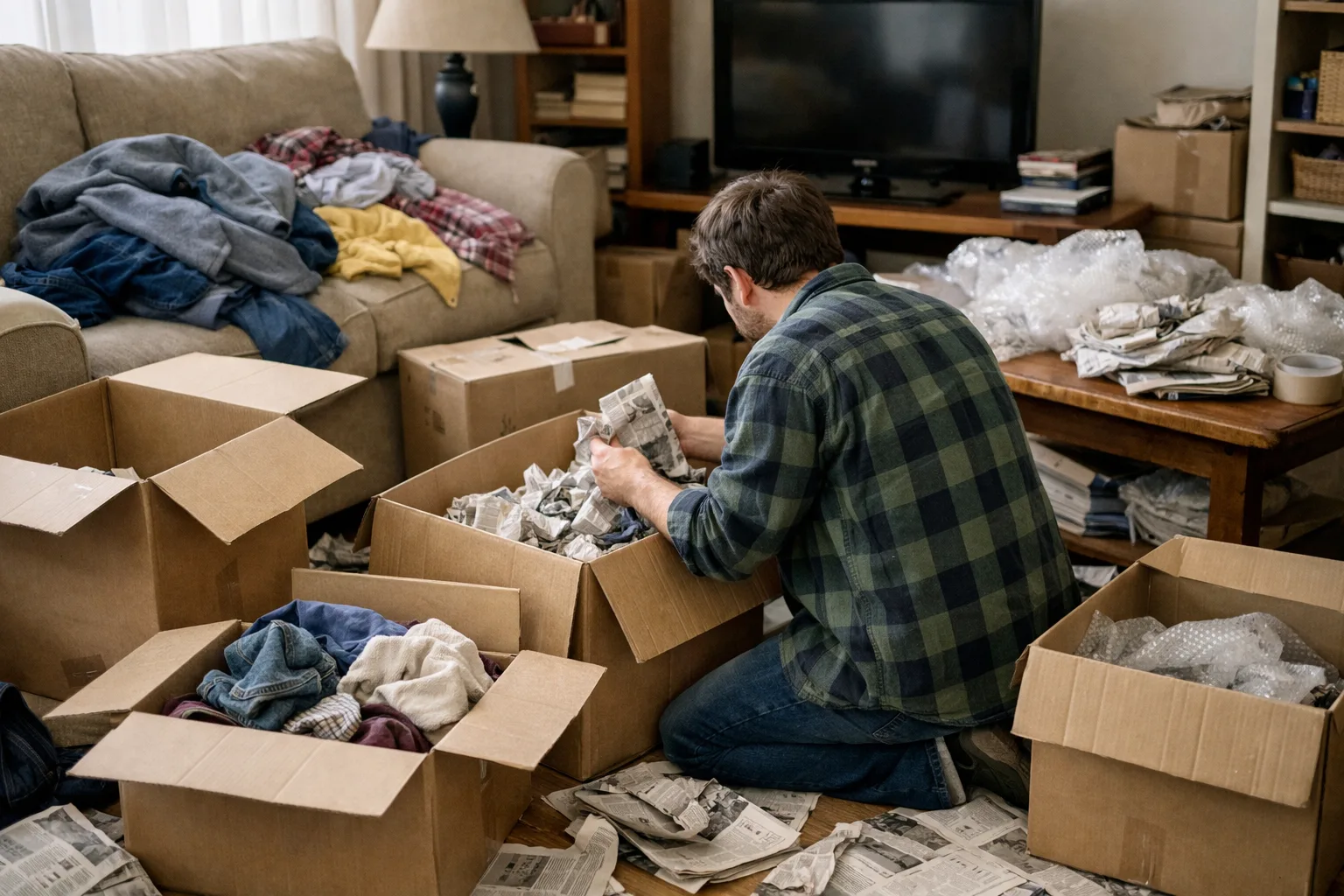
Bubble wrap is ideal for protecting fragile items, while newspaper can be used to fill empty spaces in the box and provide extra cushioning. Avoid using advertising or glossy printed paper as it may leave stains. You can also use special paper cushions or styrofoam for additional protection. When buying materials, pay attention to the quality and thickness of the wrap and paper to ensure maximum protection.
Be sure to have good quality adhesive tape for sealing boxes and label each box with its contents and a "fragile" sign. This will help during handling in transport and unpacking. Use a marker that cannot be erased and write clearly and legibly so everyone handling the boxes knows how to treat them. Also, consider using stickers or templates for labeling to make the boxes uniform and easier to manage.
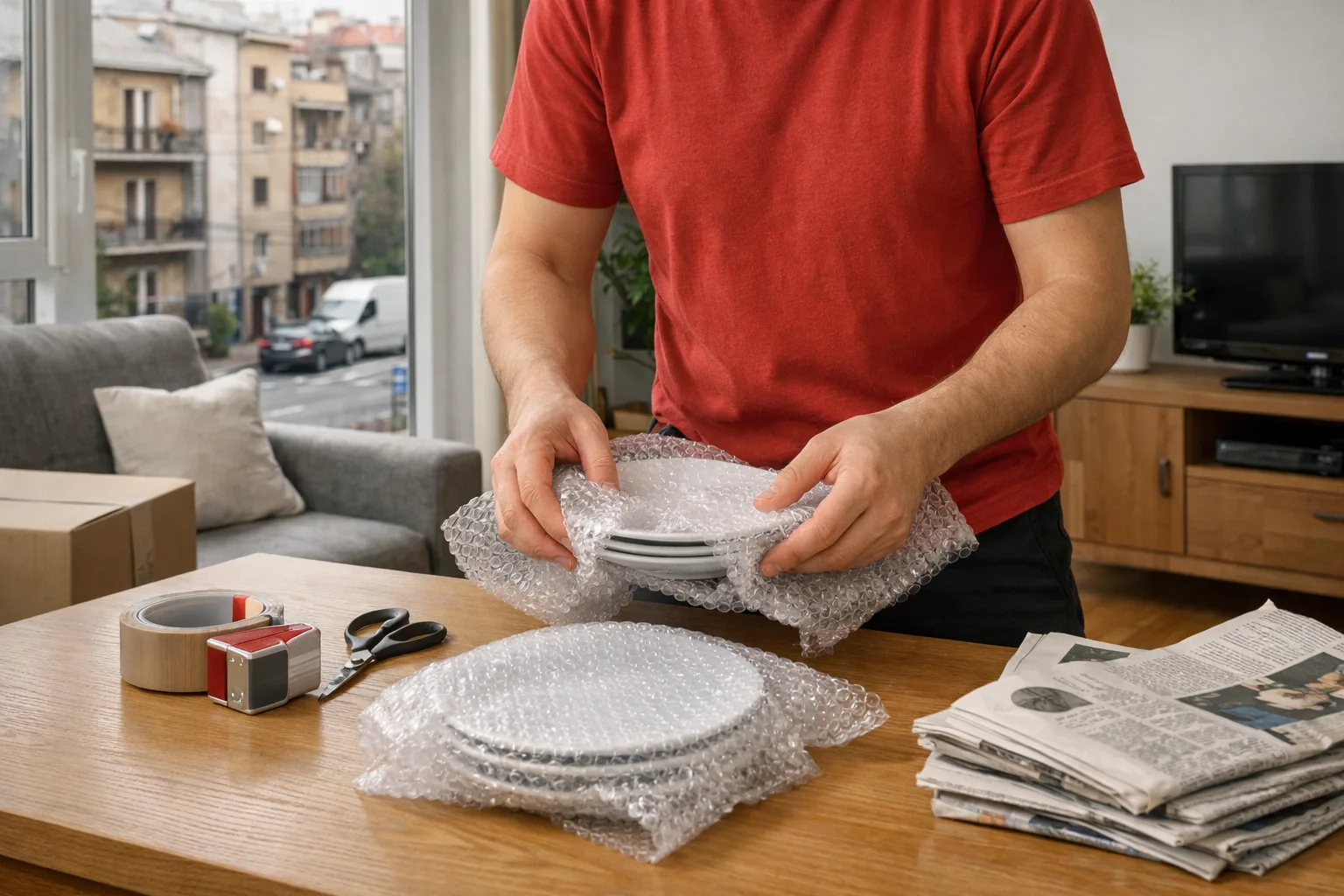
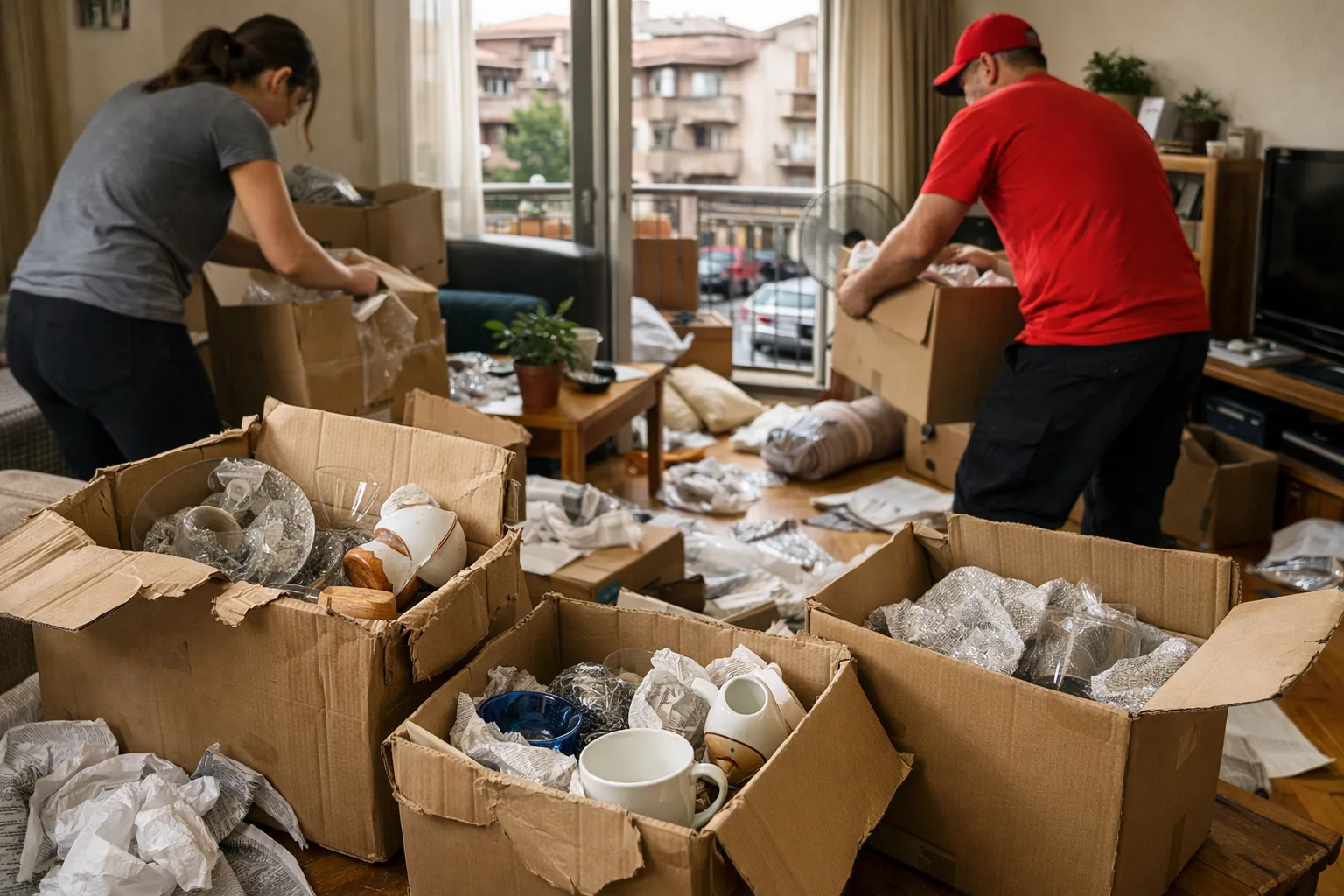
Pack plates and bowls by wrapping each piece individually in bubble wrap or paper. Then, arrange them upright, like books, inside the box – this reduces pressure and the risk of breakage. This technique ensures the weight is evenly distributed and prevents plates from bending under the weight of other items. Additionally, upright stacking makes unpacking and visibility easier.
Use thicker paper or an extra layer of bubble wrap for the most fragile parts such as edges and handles. Place paper between layers of plates to prevent scratching and dents. Also, make sure the box is not overfilled, as overcrowding can cause damage during movement. When stacking, check that all plates and bowls are securely positioned with no room for shifting.
Fill gaps inside the box with paper or soft materials to prevent dishware from moving during transport. Do not overfill the box to avoid deformation and damage to the contents. If you have extra space, add additional protective layers or use smaller boxes for a better fit. It is also recommended to place a layer of protective material at the bottom of the box before starting to pack the dishware. If you want to save time and avoid stress, you can hire professionals for moving packing, who will complete the entire process quickly and safely.
Glasses and cups require especially careful packing due to their fragility and irregular shape. Wrap each piece individually in bubble wrap or paper, paying special attention to the handles of cups. Handles are the most vulnerable part and often break if not properly protected. For extra security, you can also use paper or foam cushions around the handles.
Ideally, use small cardboard dividers inside the box to keep glasses and cups separated. If you don’t have dividers, you can make improvised ones from cardboard or sturdy paper. These dividers prevent items from bumping into each other and breaking during transport. Also, arrange glasses and cups so they are stable and cannot move inside the box.
Fill the box with glasses or cups with paper or cloths to prevent shifting. Clearly label the box as "fragile" and place it on top of other boxes during transport. Also, avoid placing heavy boxes on top of boxes with glasses to further reduce the risk of damage. When unpacking, be especially careful and remove these boxes among the first.
Pack knives and other sharp cutlery separately to avoid injuries and damage to other items. It’s best to wrap them in thick paper or bubble wrap, then group them in separate boxes or plastic cutlery containers. This prevents movement and blade damage. You can also use special cutlery holders that provide additional blade protection.
You can also use special sheaths or holders for knives if you have them. If not, ensure knives are secured from shifting inside the box with extra paper or cloths. Also, arrange knives so that blades do not touch other items. It is recommended to pack knives with blades facing inward and arrange them so they cannot collide.
Clearly mark boxes with sharp items with warnings so everyone handling them is cautious. This is important for safety during packing, transport, and unpacking. Consider packing knives separately from the rest of the cutlery for added safety. Also, when unpacking, first check the condition of the blades and, if necessary, safely store or sharpen them immediately.
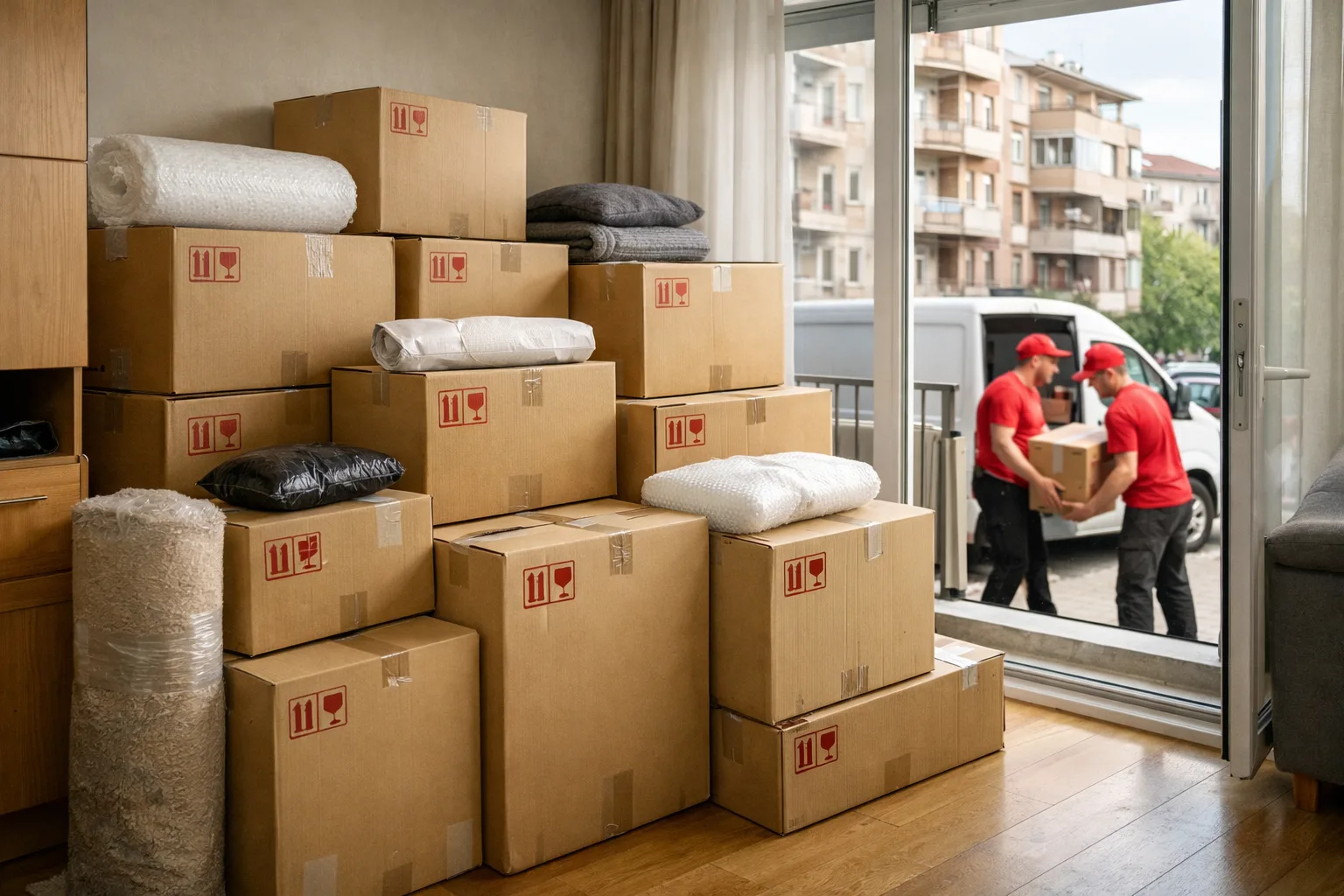
Smart arrangement in boxes can significantly speed up packing and unpacking kitchenware. Place heavier items like pots and pans at the bottom of the box, while lighter and more fragile items go on top. This helps preserve the integrity of fragile items and makes carrying boxes easier.
Use smaller boxes for heavier and more fragile items to make boxes easier to carry and less likely to be damaged. Also, distribute weight evenly to avoid problems when carrying and stacking boxes. When loading boxes into the vehicle, place those with fragile items in safe spots where they won’t be under pressure or impact.
Don’t forget to fill all gaps with cushioning materials, and close and label boxes according to their contents and fragility level. This will facilitate unpacking and protect your belongings. Also, plan the arrangement of boxes in the moving truck or moving vehicle so fragile boxes are in safe and easily accessible places. Additionally, consider creating a box layout map for easier organization upon arrival.
Use wide adhesive tape to seal boxes, preferably applying multiple layers of tape on the seams. This will prevent boxes from opening during transport and handling. Also, check that all seams are well sealed before starting the move. For extra security, you can use tape with markings or colors indicating the contents or fragility level.
Clearly write the contents on the boxes, for example "plates", "glasses", "knives", as well as labels like "fragile", "this side up", and others that will help during stacking and carrying. Use different colored markers or stickers for easier identification and organization. Also, mark boxes with special instructions such as "do not throw" or "handle with care".
Consider numbering the boxes and keeping a record of what is inside each one. This is useful if you have many boxes and want to quickly find specific items. You can also create a digital list with photos of the contents for added security and clarity. This practice will save you time during unpacking and help you quickly establish order in your new space.
When you arrive at the new location, first unpack the boxes with the most essential items, then those with fragile objects. This will help you manage better and check if everything arrived undamaged. Plan the unpacking schedule to avoid chaos and stress. Also, prepare the unpacking area with all necessary materials for protection and cleaning.
Carefully remove the dishes from the boxes, inspecting each piece for visible signs of damage. If you notice any cracks or scratches, record them immediately. This is important for potential claims or repairs. It is recommended to have a basic repair or adhesive kit on hand so you can immediately fix minor damages.
Place undamaged dishes in a safe spot right away, and separate damaged pieces for repair or replacement. Also, organize the space in the new kitchen according to types of dishes for easier daily use. Consider installing shelves or organizers that will help you maintain order and accessibility. A good kitchen layout contributes to efficiency and comfort in everyday use.
Advantages of Professional Packing Before Moving in Belgrade
We will respond to you as soon as possible.
Below we answer the most common doubts that arise when packing kitchenware, so you can avoid mistakes and speed up the entire process.
Wrap each piece individually in bubble wrap or thick paper, paying special attention to handles. Use boxes with dividers or make improvised dividers from cardboard. Fill empty spaces with paper or cloths to prevent movement.
Ideally, combine both materials – newspaper for individually wrapping plates and bubble wrap for extra protection, especially for the most fragile parts. Newspaper is good for filling gaps and cushioning.
Clearly write the contents of the box, for example "glasses" or "plates", and be sure to add a "fragile" label. Also, mark the side of the box that should be facing up. Numbering boxes can help with record-keeping and quick locating.
Use wide adhesive tape and be sure to tape the box on all seams, applying several layers. Also, check that all gaps inside the box are well filled so the contents don’t shift.
It is recommended to pack knives separately and individually wrapped in bubble wrap or paper to prevent injuries and damage to other items. If you have a special knife holder, that is an even better option.
Place heavier items, like pots and pans, at the bottom of the box, while lighter and more fragile items such as plates and glasses should be placed on top. This will reduce the risk of damage during transport.
Filling the gaps is crucial for protecting dishes as it prevents them from shifting and bumping inside the box. Use newspaper, cloths, or bubble wrap for this purpose, especially with fragile items.