Tips for International Moves
How to Pack Furniture for a Move to Germany?
How to Pack Furniture for a Move to Germany?

Enter at least 3 characters.
International moving is a complex process that requires careful preparation and organization. Relocating to another country brings a range of logistical, legal, and emotional challenges that are important to understand and plan for in advance. This guide provides practical advice and concrete steps to make your international move as smooth and efficient as possible, with clarity on all key aspects from packing to customs procedures. With detailed planning and the right choice of partners in the moving process, you can significantly reduce stress and avoid common mistakes encountered when moving abroad. Additionally, understanding the specific requirements of the country you are moving to will help you quickly adapt to your new environment and start your life without unnecessary complications.

The first and most important step in an international move is timely planning. Ideally, you should start preparations at least three to six months before the planned moving date. This time allows you to thoroughly inform yourself about the procedures in the country you are moving to, as well as to book services from professional moving companies. Early planning also gives you the opportunity to find more favorable prices for transport and services, as discounts are often available for early bookings.
Organize your time and create a task list with deadlines. Include activities such as gathering necessary documentation, packing, organizing transport, as well as obligations related to terminating or transferring lease or service contracts. Timely organization reduces stress and avoids unnecessary last-minute rush. It is advisable to use digital tools for tracking tasks and deadlines, such as project management apps or calendars, to have better oversight and control over all activities.
It is also important to assess which belongings you plan to take with you and which you might sell or donate. This will help you reduce the volume of items being transported, thereby lowering moving costs. Include an inventory review in your plan to better assess the necessary measures for packing and transport. Consider seasonal items and belongings you may not currently use, as selling or donating them is often beneficial both for you and others.
Selecting a quality moving company specialized in international moves is crucial for the success of the process. Look for companies with experience in international transport, good reviews, and transparent business terms. Check if they offer services such as packing, transport, customs clearance, and storage. Also, inquire about their insurance policy and what is covered in case of damage or loss of belongings during transport.
Before making a decision, request multiple quotes and compare prices and services. Pay attention to whether all costs are included in the price, including customs duties, insurance, and any additional services. It is also good to verify if the company holds relevant licenses and cooperates with reliable partners in the destination country. Do not hesitate to ask for references or contact previous clients to get a realistic picture of the service quality.
During the collaboration, maintain constant communication with the company and clarify any uncertainties in detail. Clearly communicate your needs, deadlines, and specific aspects of your move. A professional company will assist you with advice on the most efficient packing, necessary documentation, and transport regulations. Also, agree on the method of shipment tracking and regular updates on the move status, which will provide you with an additional sense of security.
International moves require significant paperwork, so it is important to collect all necessary documents in advance. This includes passports, visas, work permits, residence certificates, as well as specific documentation for customs clearance of items you are bringing into the new country. Check the validity periods of your documents and renew them if necessary before the move to avoid complications.
For transporting personal belongings, you need a detailed inventory of the items you are moving, along with their values. Some countries require special permits for importing certain items, such as electronics, pets, or artworks. Thoroughly research the destination's regulations and consult with the moving company or customs agent to avoid issues upon entry.
It is also important to check health insurance requirements and possibly obtain an international health card or vaccination certificate. Keep your documents organized and in multiple copies, as they will be needed during transport and customs clearance. It is advisable to save all digital copies in a secure location and have them accessible during travel.
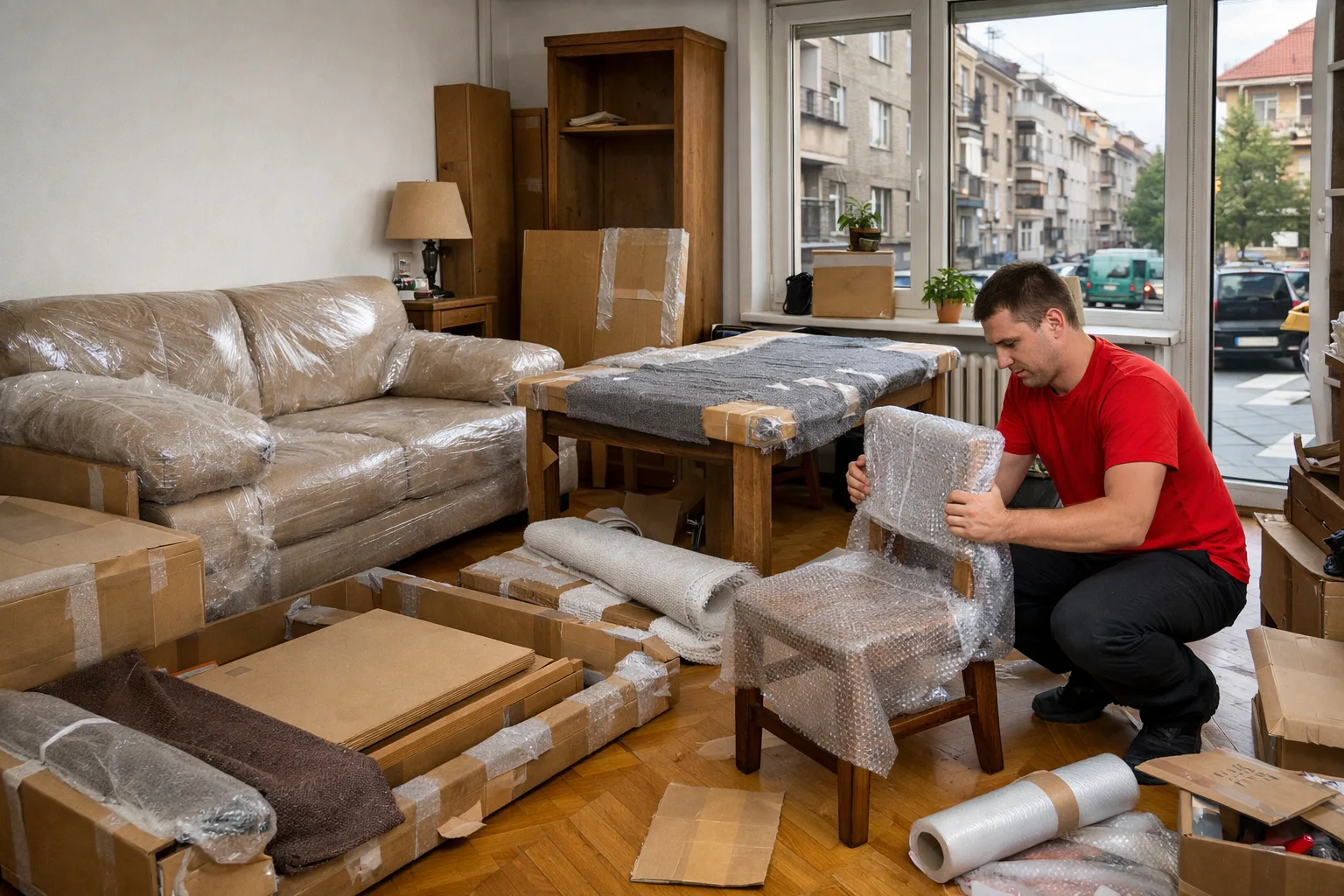
Packing for an international move must be careful and adapted to long transport and various handling conditions. Use quality packing materials, including sturdy boxes, protective wraps, and bubble wrap for fragile items. Consider using specialized moving boxes for clothing, glassware, or electronic devices to further protect your belongings.
When packing, clearly label boxes with contents and markings such as "fragile," "this side up," or "heavy." This facilitates handling and reduces the risk of damage during transport. Pack items by rooms or categories to make unpacking easier at the new address. Also, create an inventory list for each box to keep for yourself and provide to the moving company.
Remember that international moves have restrictions on transporting liquids, flammable materials, and certain types of food. Check the list of prohibited and restricted items and avoid bringing things that could cause customs issues. If you have special items, such as weapons or plants, be sure to inform yourself about specific regulations and required documentation.
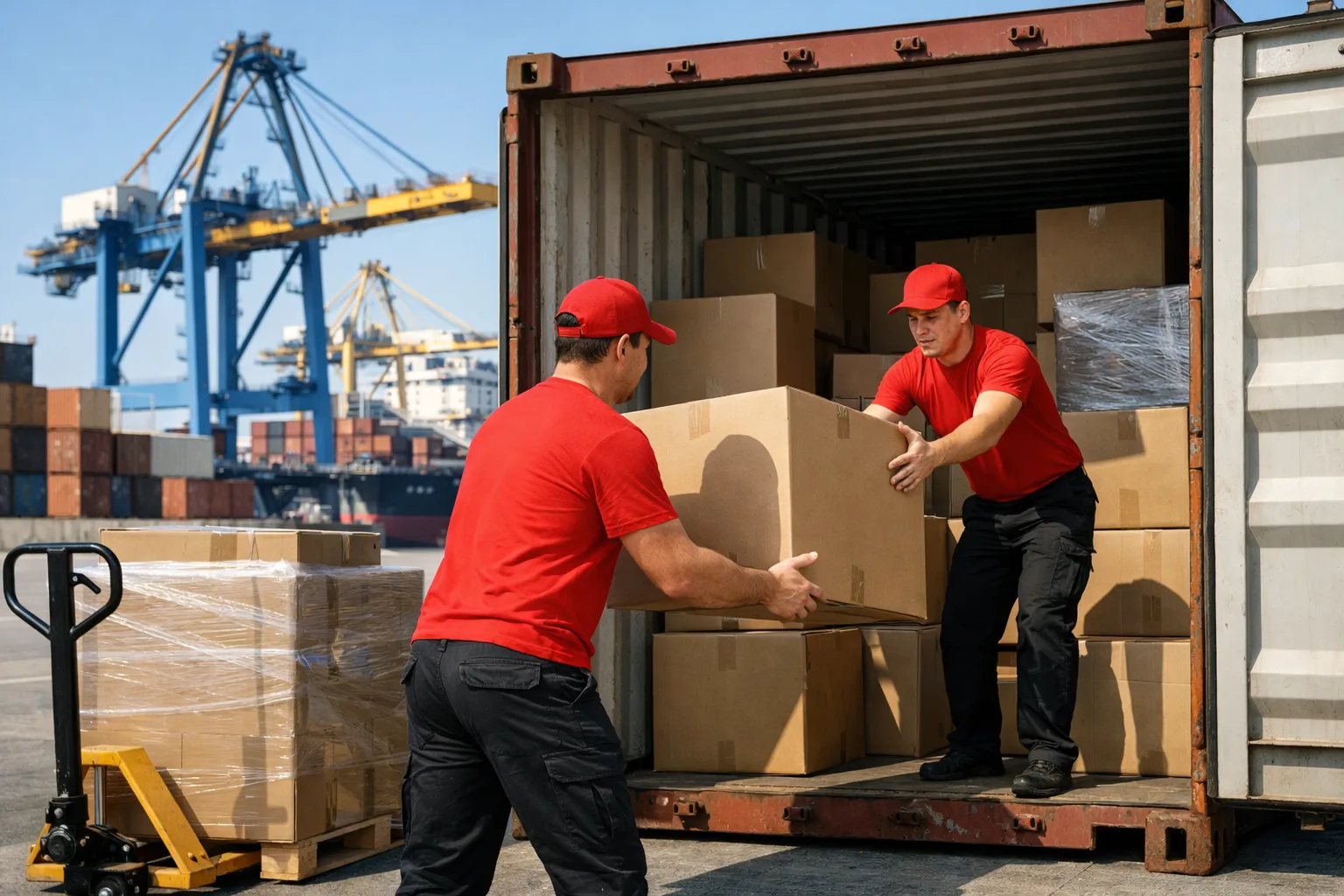
International transport can be arranged by sea, air, or land, depending on the destination, budget, and urgency of the move. The most common and economical method is sea transport, which takes longer, while air transport is faster but more expensive. Land transport is often used for moves within the continent and can be a good option for faster delivery at an affordable price.
It is important to agree with the moving company on exact pickup and delivery dates. Also, check if the company offers shipment tracking services so you can monitor the location of your belongings during transport. Regularly checking the shipment status can help you respond promptly to unforeseen situations.
Prepare for possible unexpected situations, such as delays or customs inspections, by planning extra time. Always have a backup plan and emergency contact information to react promptly. Also, consider storage options if delays occur or if you need temporary solutions before moving into your new home.

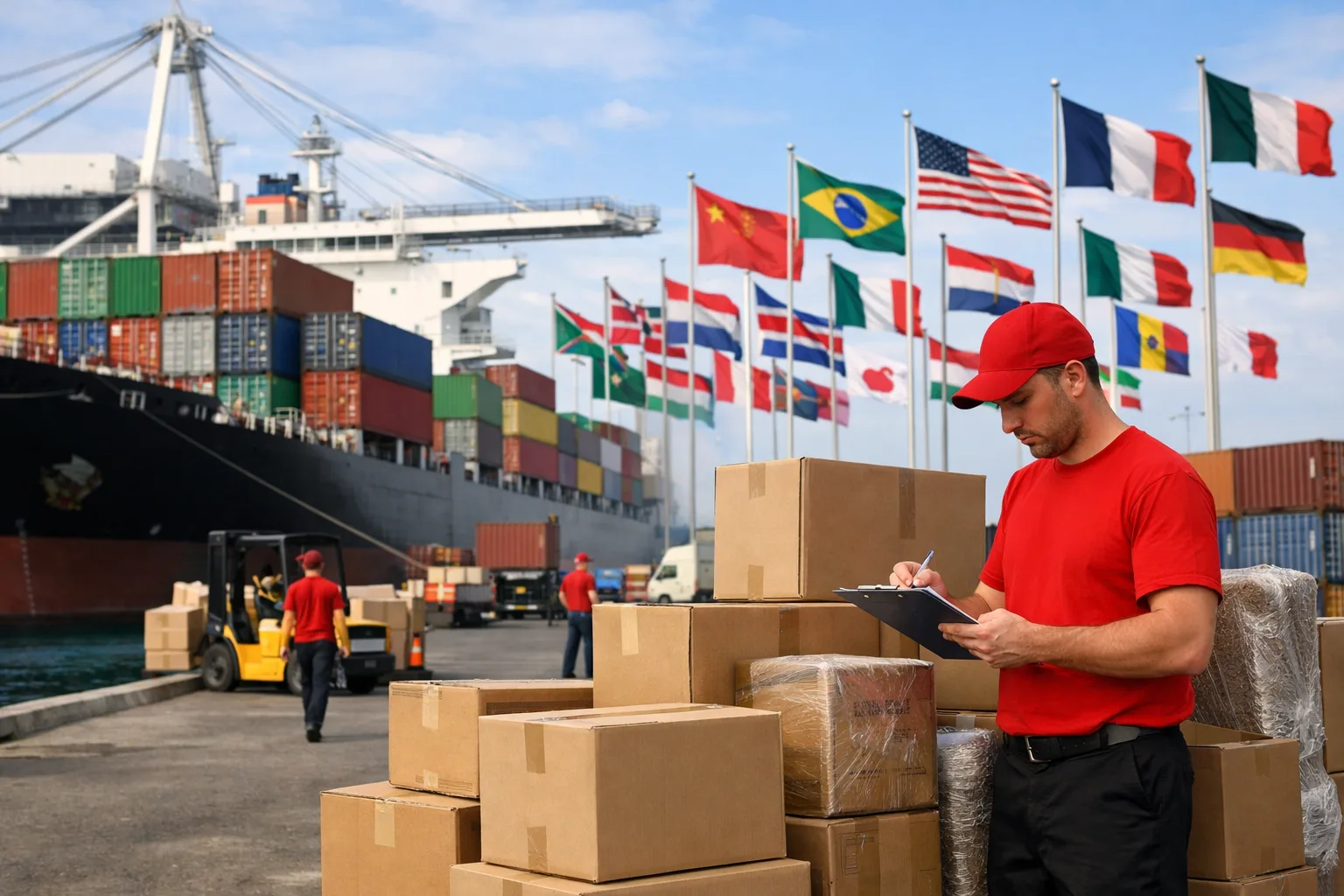
Customs procedures are one of the most important stages of an international move. Each country has its own rules and duties related to importing personal belongings. Before moving, thoroughly research the customs regulations of the destination country. It is helpful to contact the embassy or consulate of the destination country for the latest information and guidelines.
Prepare all necessary documents and customs declarations, which the moving company or customs agent will assist you in completing correctly. In some cases, you may need to pay certain fees or duties, so plan your budget accordingly. Also, check if there are exemptions or privileges for personal belongings brought as part of the relocation.
It is important to be present or have a representative during customs inspection to address any requests from customs officials immediately. Also, keep in mind that some items are prohibited or restricted, so adhere to regulations to avoid problems. Good preparation and cooperation with experts can significantly speed up the process and reduce stress.
Moving abroad is not only a technical process but also an emotional change. Prepare for a new culture, language, and living conditions. Learn about local customs, legal requirements, and lifestyle in the country you are moving to. Reading local news, watching documentaries, or participating in online forums can help you gain a better understanding of your new environment.
Try to establish contacts with the local community, whether through social networks, friends, or immigrant organizations. This support can greatly ease adaptation and provide useful information about everyday challenges. Engaging in local activities or language courses can help you feel part of the community more quickly.
Also, be prepared for possible cultural shocks and changes in lifestyle habits. Flexibility and openness are key to successful integration and quick adaptation to the new environment. Give yourself time to adjust and do not hesitate to seek professional help if you face significant challenges during the adaptation process.
Once your belongings arrive, it is important to have a plan for efficient unpacking. Organize the space in advance and decide which rooms you will set up first. Priority should be given to essentials such as the kitchen, bathroom, and bedroom. Also, prepare basic necessities before your items arrive so you can function smoothly during the first days.
Use labels on boxes to quickly find needed items. If you have hired a moving company, check if they offer furniture assembly services. This can significantly speed up the process and reduce stress. If you unpack on your own, arrange for help from friends or family to make the process faster and more pleasant.
During unpacking, check the condition of your belongings and immediately report any damages or deficiencies to the moving company. Finally, adapt the new space to your needs and enjoy your new home. Consider decorating gradually, giving yourself time to get used to the new environment and make decisions about decoration and home organization.
How to Pack Furniture for a Move to Germany?

How to Move Furniture from Abroad to Serbia

Common Mistakes Made During International Moves
How to Save Money on an International Move?
We will respond to you as soon as possible.
Below are answers to the most common doubts and questions that arise when preparing for an international move, providing practical information and solutions for specific situations.
It is optimal to start planning an international move at least three to six months in advance to allow enough time for organization, gathering documentation, and coordinating with the moving company.
Passport, visa or work permit, proof of residence, a list of items being brought in, as well as documentation related to customs clearance and health insurance are key documents for a successful move.
It is recommended to check the company’s experience in international transport, customer reviews, transparency of prices and terms, and to request multiple quotes for comparison.
Yes, there are prohibitions and restrictions on transporting flammable materials, liquids, food, or other specific items. Inform yourself about the destination country’s regulations to avoid customs issues.
Prepare complete and accurate documentation, be present or have a representative during customs clearance, and cooperate with customs officials. Also, check if duties or fees need to be paid and plan your budget accordingly.
Use quality boxes and protective materials, clearly label contents, and handle fragile items separately. Pack items by category or room for easier unpacking.
Learn about the local culture and customs, establish contacts with the local community, and be open to changes and flexible in approaching new living conditions.