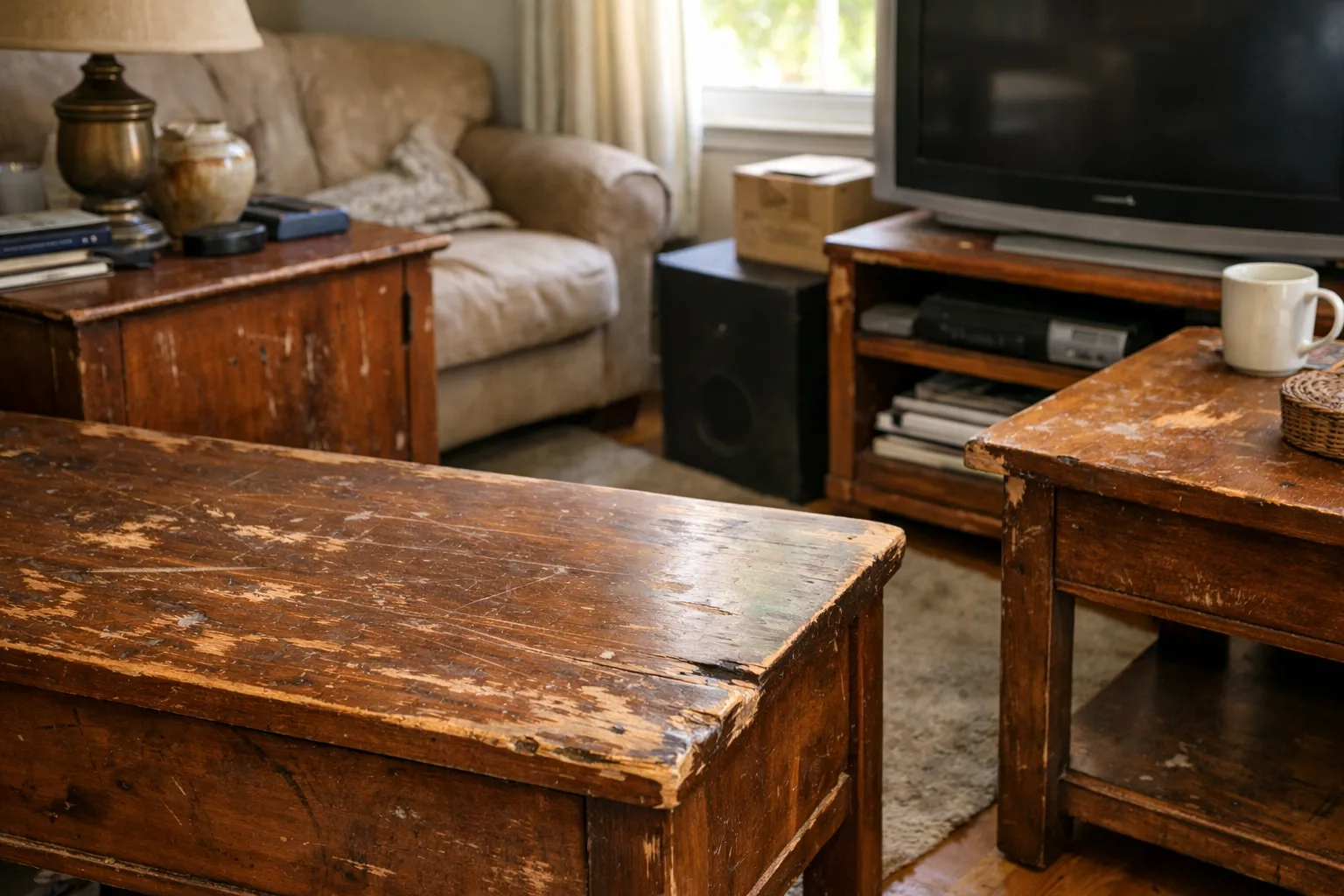
How to pack antique furniture?
How to pack antique furniture?

Enter at least 3 characters.
Moving in one day may seem like an almost impossible challenge, but with good organization and the right techniques, it is possible to efficiently pack everything you need. In this guide, we will provide practical tips on how to make the most of your time, avoid stress, and organize the packing process so that everything goes quickly, safely, and without unnecessary complications. You will learn how to plan, what to prioritize, which materials to use, and how to stay calm throughout the day. It is important to approach the move with a clear plan and realistic expectations, as this will help you stay focused and efficient. Also, remember that good preparation is half the job, so it is advisable to start organizing and gathering necessary materials several days before the moving day itself.
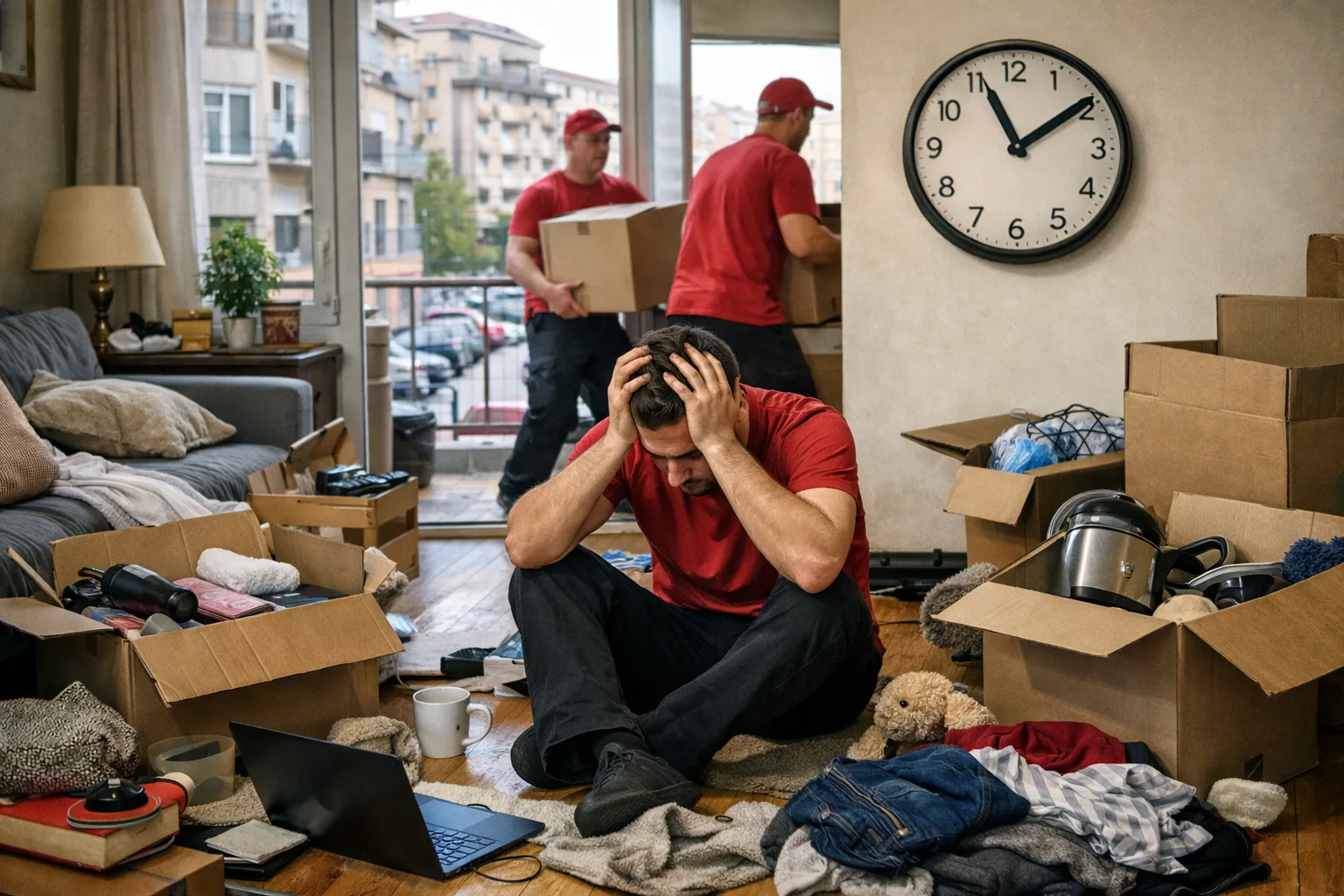
Preparation is key when you have only one day to pack. Before you start packing, make a detailed plan of what, when, and how you will do everything. Create a list of all rooms and items that need to be packed, along with an estimate of the time you will allocate for each. This way, you will have a clear overview and be able to track your progress.
It’s good to secure all necessary packing materials in advance, such as boxes, tape, wrapping paper, and markers for labeling. Also, arrange for help if possible—family members or friends can significantly speed up the process. If you don’t have enough hands, consider hiring a professional moving service with workers that can assist with both packing and transportation.
Organize your packing area so that you have enough space for systematic sorting of items. Ideally, the space should be clean and spacious so you can arrange things by category and pack more easily. This reduces stress and avoids unnecessary repacking. Also, designate a spot for storing packed boxes so you don’t waste time searching for where you left things.
When time is limited, it’s important to pack items you need the least or those you will definitely use only after moving first. For example, seasonal clothing, decorative items, and rarely used appliances can go into boxes first. This way, you free up space and focus on more important things you will need immediately before and during the move.
Certainly, leave for last the items you use daily, such as toiletries, basic kitchen utensils, and clothes for the next day or two. These items should be easily accessible and packed in a separate bag or small box. It’s advisable to keep this bag handy throughout the moving day to avoid unnecessary searching.
Also, it’s important to label boxes containing valuable or fragile items so you can give them special attention during transport and unpacking. Prioritizing will help you stay focused and avoid wasting time on less important things. Consider packing valuable items, such as documents, jewelry, and electronic devices, separately and carrying them with you.
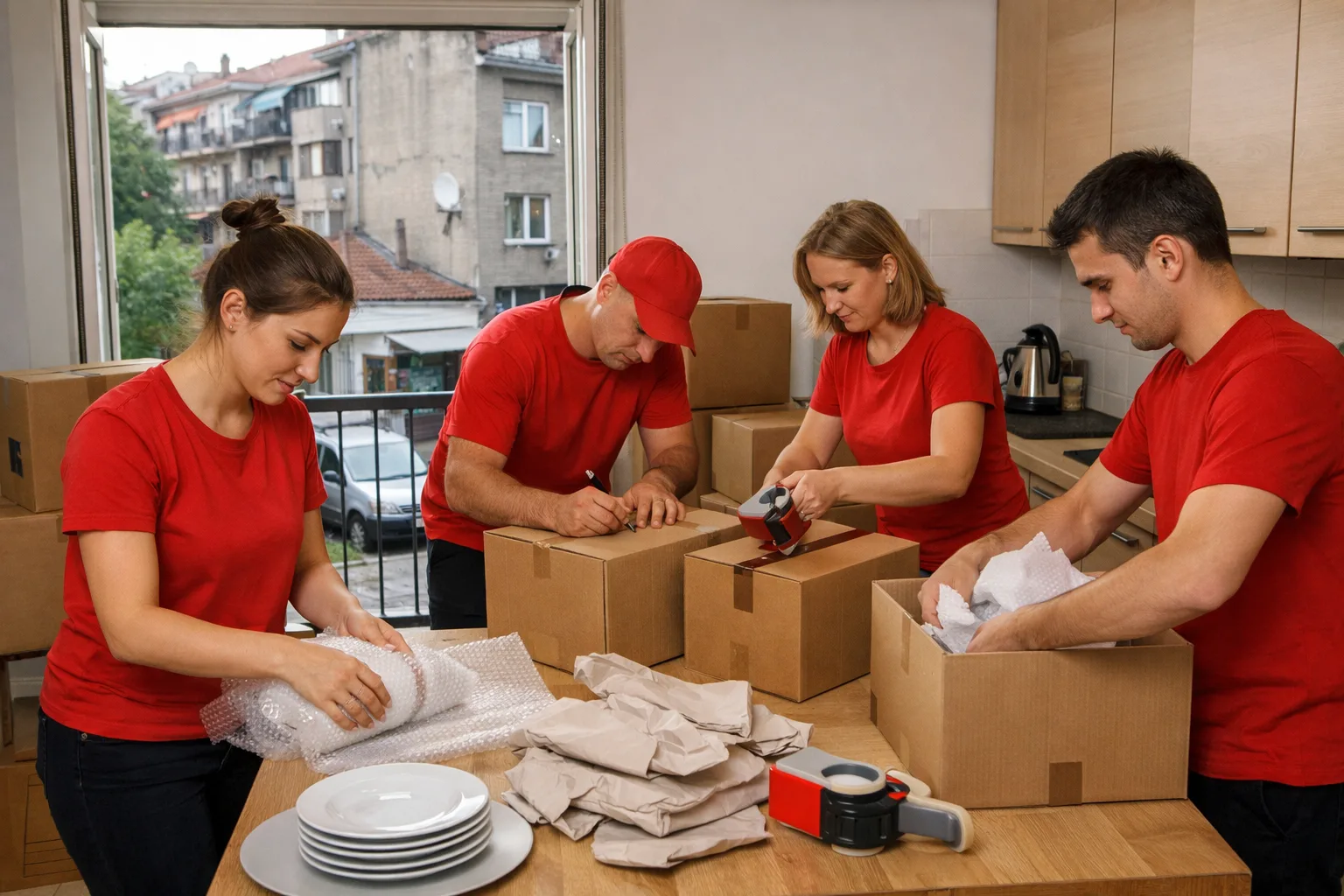
For one-day packing, choose moving boxes that are easy to carry but sturdy enough to protect the contents. It is advisable to use different box sizes – smaller ones for heavier items like books and larger ones for lighter but bulky items such as pillows or clothing. Also, boxes with handles can significantly ease carrying and reduce the risk of injury.
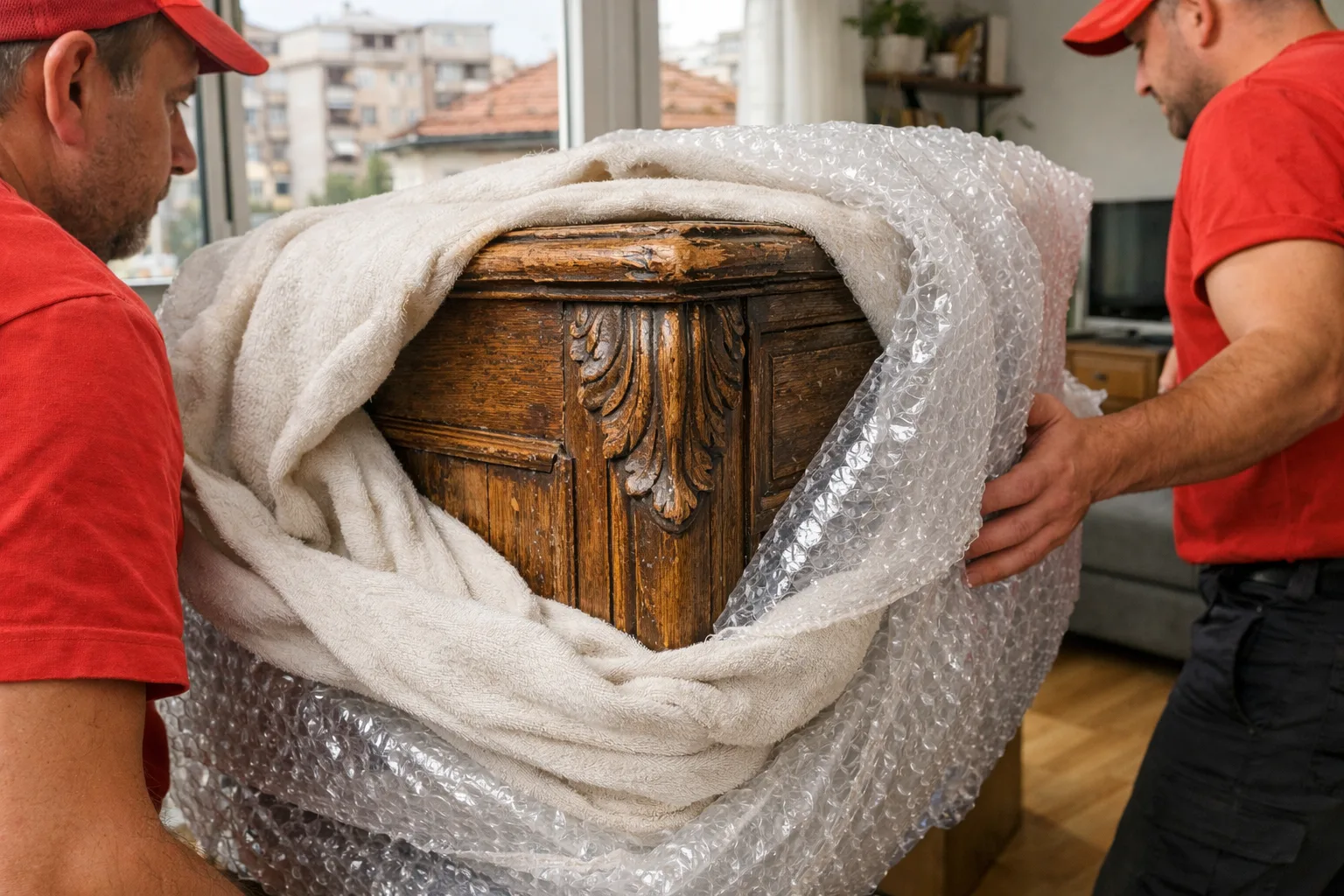
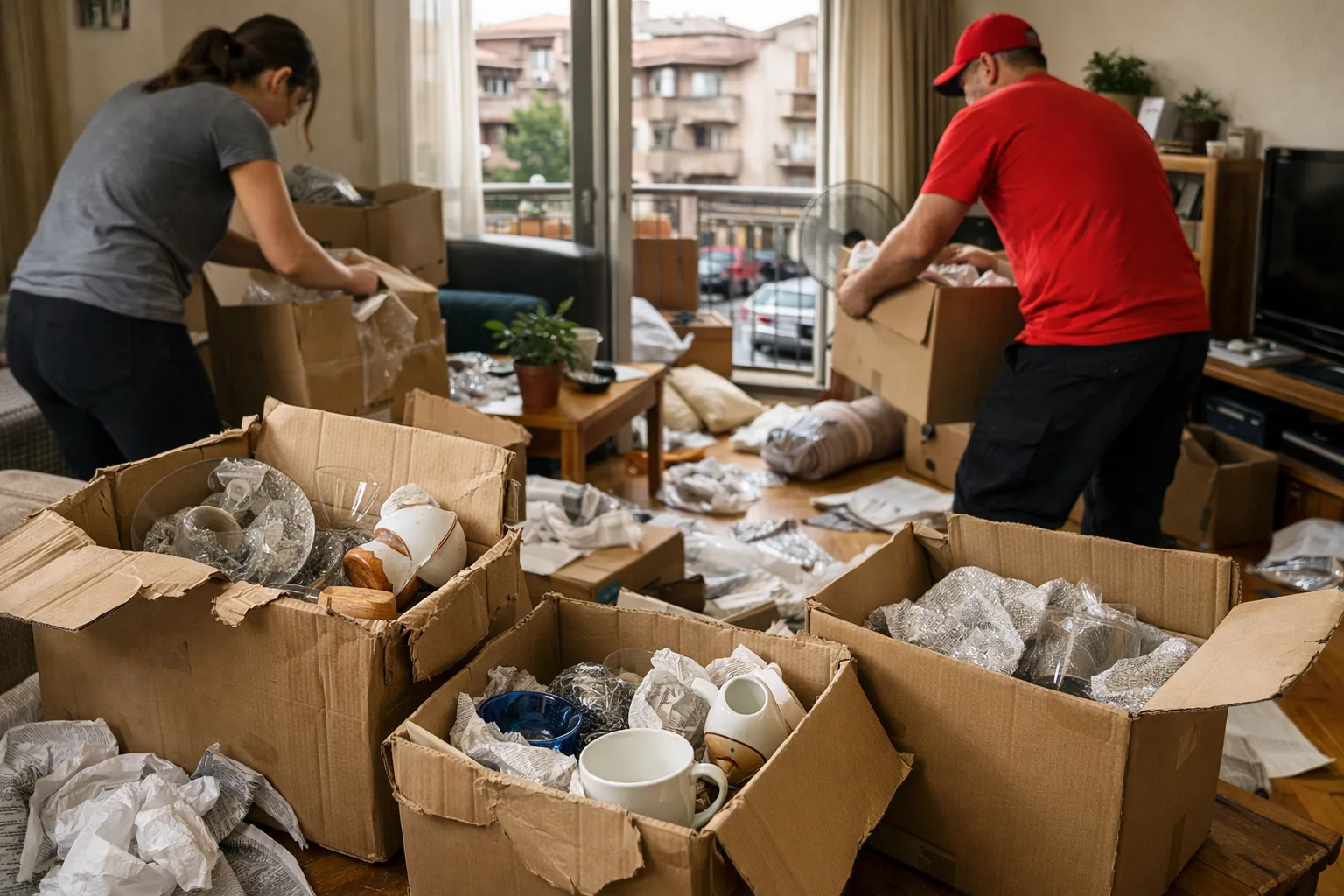
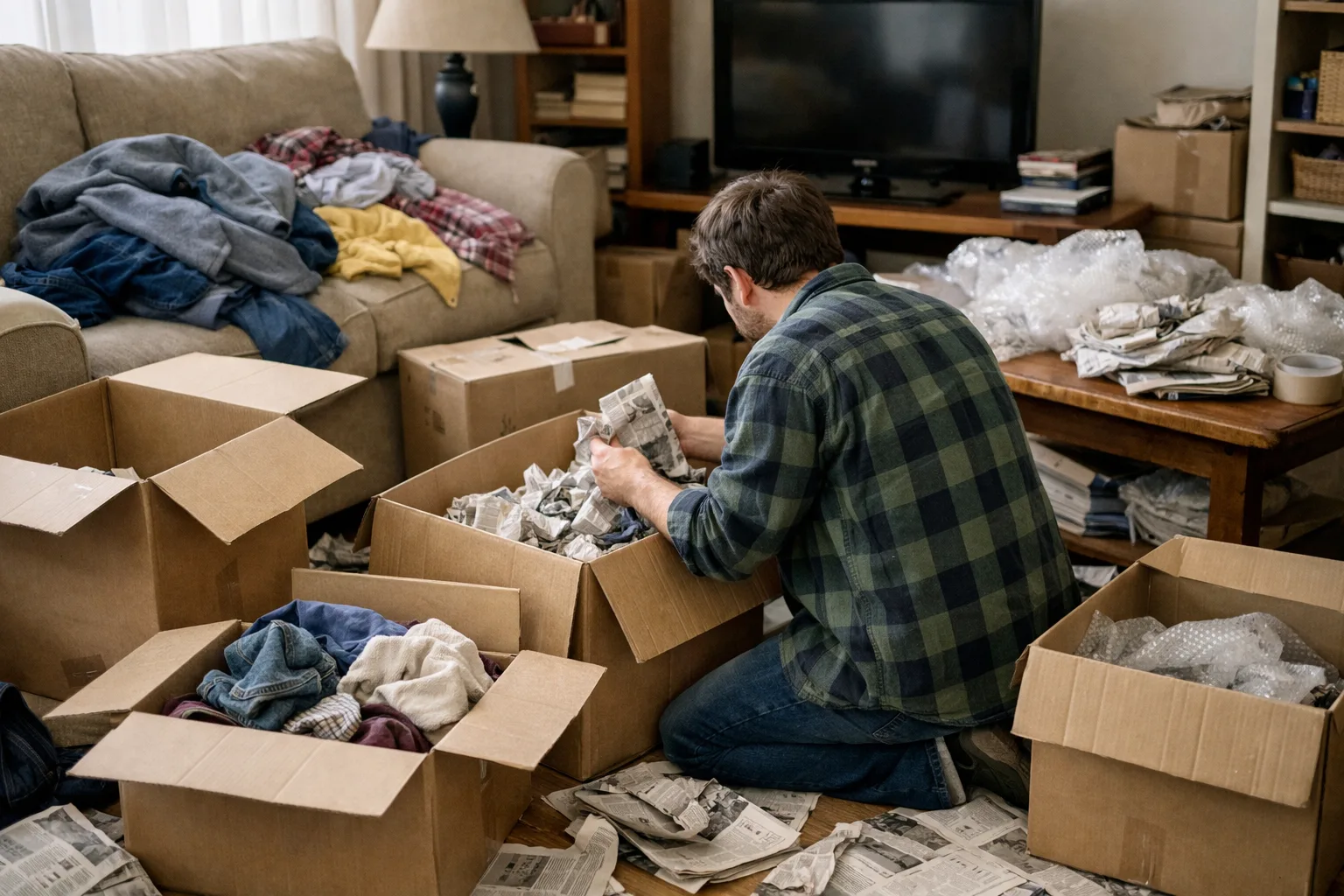
Use packing paper or bubble wrap for fragile items, but if you don't have time for detailed wrapping, line the boxes with clothing for extra protection. Use plenty of tape on all box seams to ensure they are securely closed. For additional safety, you can also use plastic wraps or stretch film to protect against moisture and dirt.
Don't forget to clearly and precisely label each box – indicate what is inside and which room it belongs to. This will make unpacking easier and speed up the organization process in your new space. Use different colored markers or stickers to label rooms, which will further accelerate the distribution of boxes in your new home.
Divide the day into smaller time segments and dedicate each segment to packing specific rooms or categories of items. For example, pack the kitchen in the morning, the living room before noon, bedrooms in the afternoon, and finish with other parts of the apartment in the evening. This approach helps you stay focused and avoid wasting time switching between tasks.
Use the grouping technique – pack items that go together, such as all kitchen utensils in one box or all books in one place. This will help you avoid searching and finish packing quickly. Also, grouping makes unpacking easier because you immediately know where everything belongs.
Also, have a bag ready with essentials for yourself and your family, such as water, snacks, and basic medications. This will help you stay energized and focused throughout the busy day. Don’t forget to take short breaks for refreshment and mental rest, which will boost your productivity.
Take breaks between packing segments to rest and refresh yourself. Short walks or stretching can significantly reduce tension and help you conserve energy. Also, deep breathing and brief meditation can help reduce stress.
Communicate with family members or friends who are helping you – clearly divide tasks and provide instructions. A well-coordinated team works more efficiently and reduces stress for everyone. Regular short meetings throughout the day can help keep everyone on the same page and avoid misunderstandings.
Be flexible and ready to adjust your plan if unexpected situations arise. It is important to stay calm and focused, as panic can only slow down the entire process. Prepare alternative plans for key steps and keep in mind that the goal is to complete the move as efficiently as possible, not perfectly.
Pack technical equipment such as computers, TVs, and household appliances in their original boxes if you have them, or in boxes with extra protection from bubble wrap and soft materials. Disconnect and separate cables, and if possible, tie and label them. Also, take photos of connections and cable layouts for easier reconnection.
For fragile items, use enough protective material, and do not fill boxes to the top so items can move and get damaged. Use layers of clothing or paper for additional cushioning. If you have valuable or particularly sensitive items, consider additional insurance during transport.
Be sure to label boxes with fragile contents and clearly indicate which sides should be handled with care. This will help the moving team or yourself treat them carefully. Also, inform everyone involved in the move about the contents of these boxes so they can be extra cautious. If you want to avoid worries about transporting sensitive and valuable items, you can hire experts for packing and protecting items during the move.
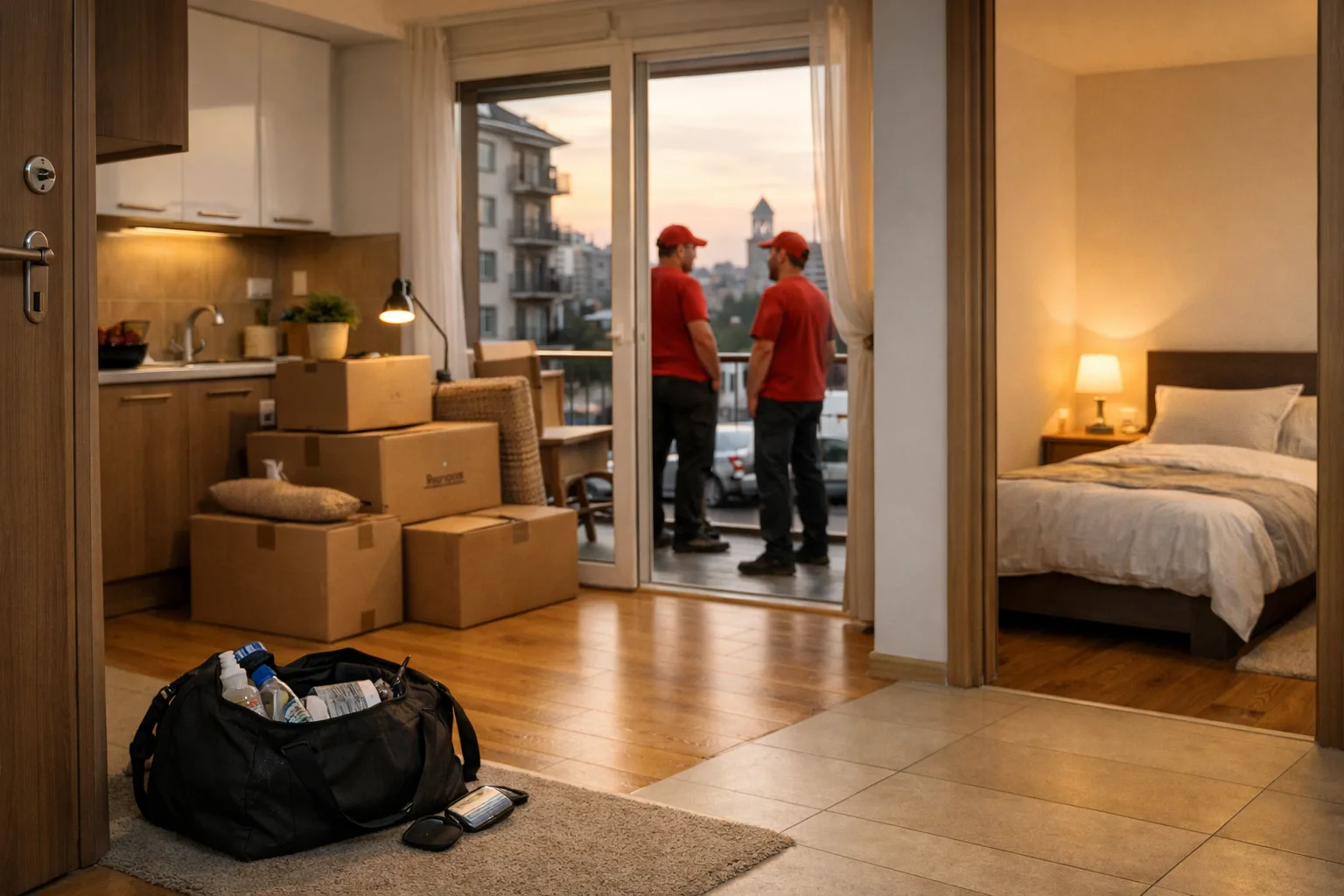
Pack a bag or small box with essentials needed for the first day and night in your new home – this includes basic clothing, toiletries, medications, phone chargers, and basic kitchen items. This bag should be easily accessible and carried with you during the move.
This will allow you to have immediate access to the most important items upon arrival without having to search through all the boxes. This avoids additional stress and gives you time for gradual unpacking. Also, consider packing basic tools such as a screwdriver and scissors, which can be useful right after arrival.
Also, consider packing basic meals or snacks, as well as a bottle of water, since it’s possible that the new place won’t be immediately ready for cooking and meal preparation. This is especially important if the move lasts late into the evening or if you arrive at your new home when stores are closed.
When you arrive at your new home, start by unpacking essential boxes with necessary items and set up the bed and kitchen for basic use. This will help you feel comfortable right away. Focus on the rooms you use daily to speed up your adjustment.
Work by priorities – first arrange the items you need every day, then gradually organize the rest. Avoid trying to unpack everything at once, as it can be exhausting. Set realistic goals for each day to prevent overload.
Use labels on boxes to place them in the appropriate rooms, saving you time and reducing chaos. If you have help, divide tasks – one person unpacks, another organizes and cleans the space. Also, consider removing packaging and boxes you no longer need immediately to free up space and maintain order.
Advantages of Professional Packing Before Moving in Belgrade
We will respond to you as soon as possible.
Below are answers to the most common concerns that arise when you need to quickly pack for a move within one day. These tips will help you avoid common mistakes and make the process as smooth as possible.
The key is efficient organization and grouping items by category. Use large boxes for lighter, bulkier items and smaller ones for heavier objects. Don’t try to wrap every item in detail; instead, use clothing or paper to protect fragile items.
Yes, if you prepare the equipment beforehand by unplugging and organizing cables, labeling them, and using appropriate protective materials. Focus on key devices and use original boxes if you have them.
Make a plan and divide tasks if you have help. Take short breaks and don’t overexert yourself. Flexibility and setting realistic expectations are important to avoid stress.
Use alternatives like plastic bags for clothes or soft items, wrap fragile objects in clothing, and seek help from local stores or neighbors for extra cardboard boxes.
Leave everyday essentials like toiletries, basic clothing, and kitchen utensils for quick meal preparation for last. Also, prepare a bag with essentials for the first day in your new home.
Use thick markers and clearly write what is inside the box and which room it belongs to. You can also use colors to mark different rooms, which further simplifies organizing your belongings.
It’s recommended to secure all necessary materials and make a detailed plan several days before moving day. Also, sort your belongings before the day itself to speed up the packing process.