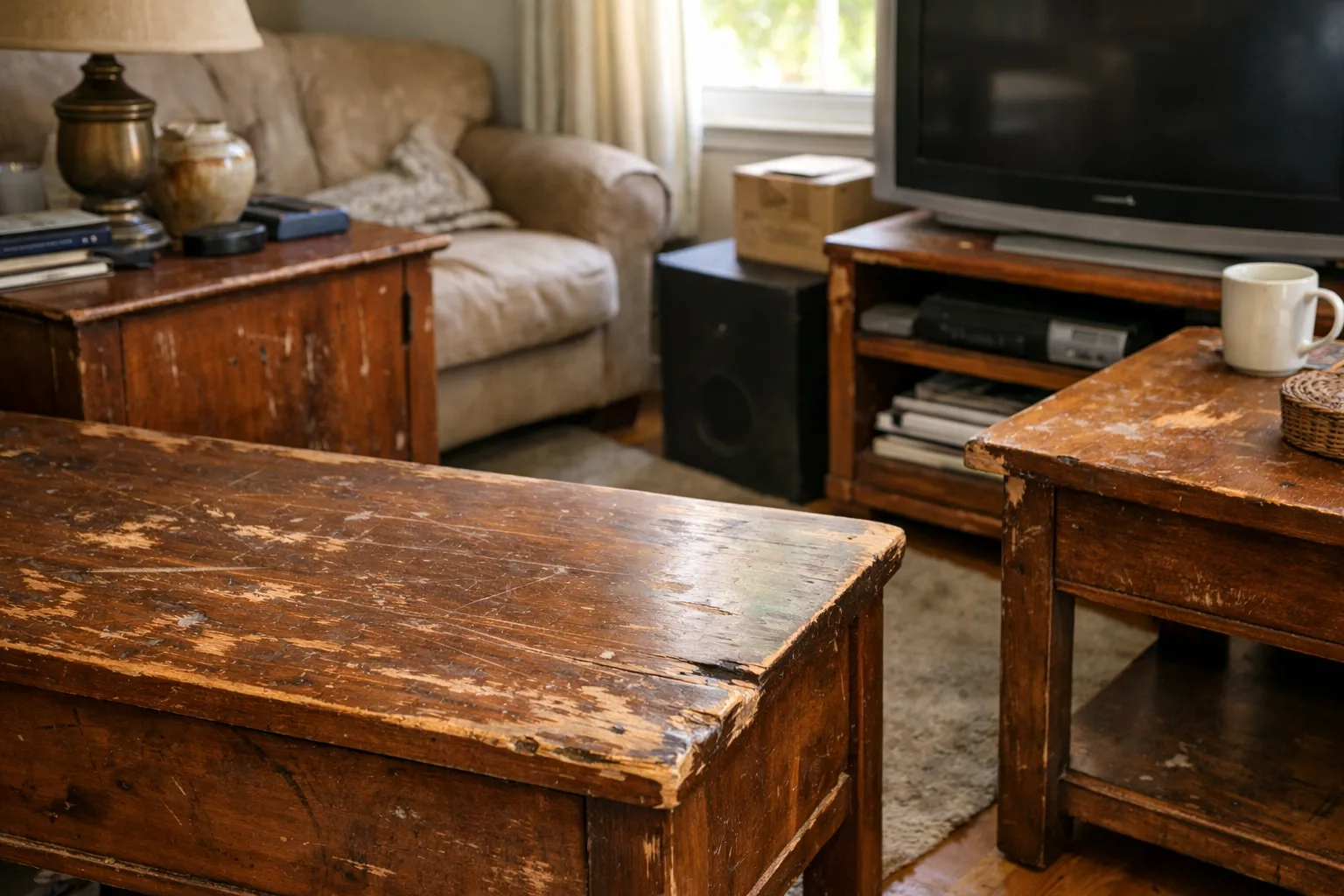
How to pack antique furniture?
How to pack antique furniture?

Enter at least 3 characters.
Moving in one day may seem like an impossible mission, but with good organization and the right advice, it is completely achievable. The key lies in timely planning, efficient packing, and a smart approach to scheduling tasks. In this guide, you will receive concrete recommendations on how to pack quickly, stress-free, and with as few mistakes as possible. Prepare for a dynamic day that can also be an opportunity to refresh your space and habits. With detailed planning and a systematic approach, the move can go smoothly, even if you have limited time. It is important to stay calm and organized to avoid unforeseen problems and unnecessary stress. Every step, from preparation to the actual relocation, can be pre-designed and tailored to your needs, allowing you to make the most of your available time and energy.

Packing preparation starts several days in advance, even if you only have one day to move. The most important thing is to make a detailed list of items to pack. Sort them by rooms and types (clothing, kitchen utensils, books, documents). Also, secure a sufficient number of boxes, plastic bags, packing tape, and markers for labeling.
Prepare a packing area – set aside one room or part of a room where you will sort items. Provide a work table, chairs, or a surface where you can easily arrange things. This way, you will avoid having items scattered throughout the apartment, which can further slow down packing.
Besides physical preparation, it is important to devise a schedule of activities for moving day. Define which items you pack first and which you leave for last (for example, personal belongings and essentials for the first day in the new home). Planning allows you to avoid wasting time on unnecessary steps and stay focused on the goal.
Additionally, it is recommended to create a time frame for each phase of packing and moving. For example, allocate how much time you will dedicate to packing the living room, kitchen, or bedroom, as well as time windows for loading and transport. Such a schedule helps you stay on track and avoid procrastination.
Also, consider logistics – how you will transport items, whether you need help from friends or a professional moving service with workers, and where you will temporarily store boxes until unpacked. Write down all this information and keep it handy so you can respond quickly if unforeseen situations arise.
Before you start packing, quickly review your belongings and decide what you don’t need. Clothes you haven’t worn for months, broken items, or things that don’t fit in the new space can be immediately set aside for donation, recycling, or disposal.
Reducing the number of items significantly speeds up packing because you will have fewer things to organize. It also makes arranging your new apartment easier since you won’t be carrying unnecessary weight.
When sorting items, use three boxes or bags labeled "for donation," "for disposal," and "to keep." This will help you quickly sort your belongings and reduce confusion on moving day.
Additionally, it is recommended to take photos or make brief notes of the items you plan to donate or discard while sorting. This can be useful if you want to remember later what you got rid of or if you plan to gift certain items to someone.
Also, consider selling some items through online platforms or local classifieds before the move. This way, you not only reduce the number of things to pack but can also earn extra money to help cover moving costs.
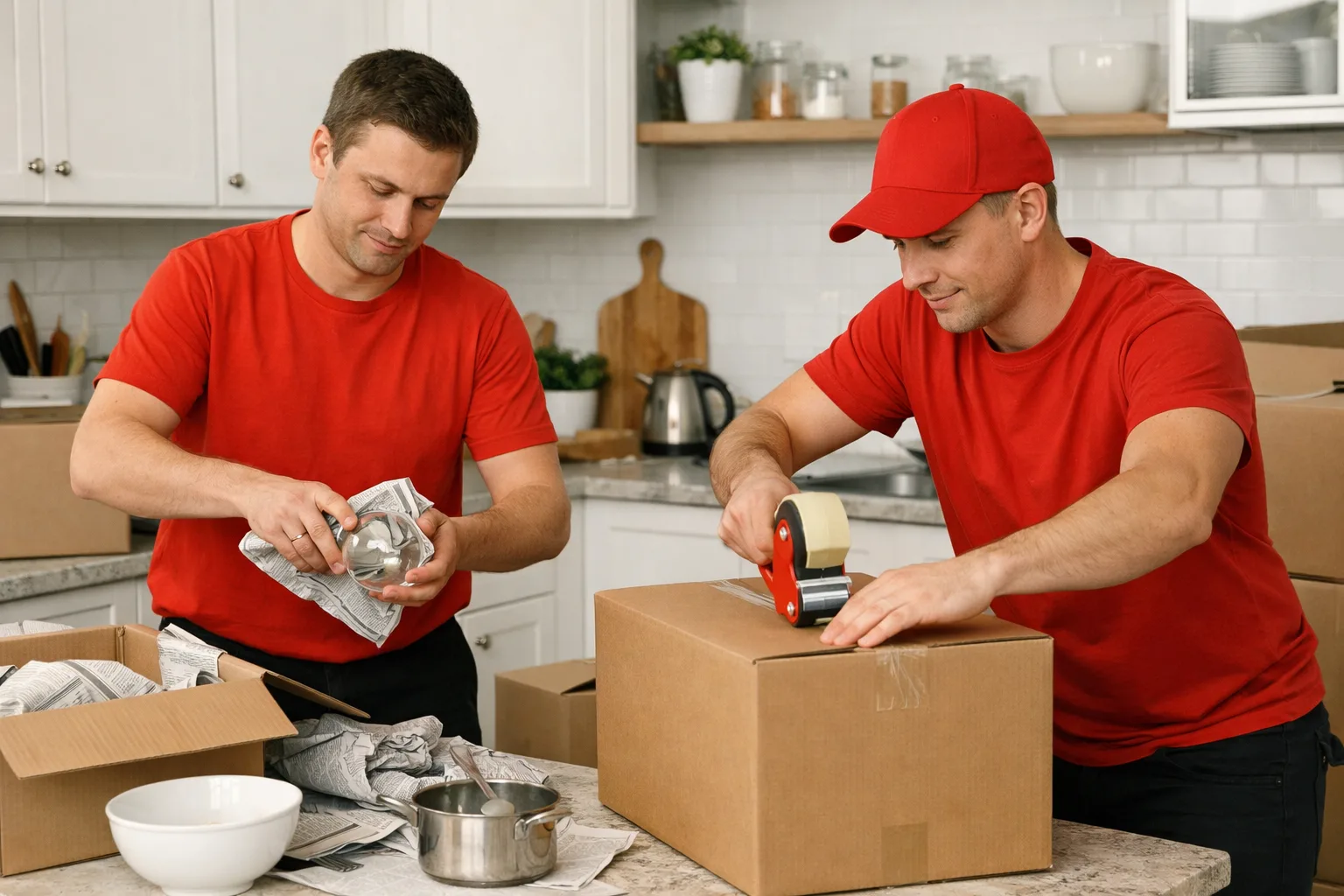
Packing by rooms is the most logical approach as it simplifies unpacking in the new space. Start with the rooms you use the least, such as the guest room or storage, and finish with those you need daily.
Within each room, pack items by category. For example, in the kitchen, pack rarely used utensils first and leave the basic set for last. In the living room, sort books and decorations, and in the bedroom, pack clothes by seasonal groups.
Be sure to clearly and precisely label each box. Use a marker to write what’s inside and which room it’s intended for. This will save you hours during unpacking and help prevent the move from turning into chaos.
It is recommended to use different colored markers or stickers to label boxes by room. For example, blue for the kitchen, red for the bedroom, green for the living room. This visual organization makes identification easier and speeds up unpacking.
Also, when packing fragile items in each room, mark the boxes with a "fragile" warning and be sure to pack them on top or in separate boxes. This helps avoid damage and ensures these boxes are handled carefully.
Boxes and packaging are key for fast and safe packing. Use different types of boxes for different items – sturdy boxes for heavier things and smaller boxes for fragile items. If you don’t have enough packaging, you can opt for renting moving boxes, which can significantly speed up and ease the packing process.
Protective materials such as bubble wrap, newspaper, or old clothes can be useful for wrapping fragile items like glassware or electronics. This prevents damage during transport.
When packing heavier items, make sure the bottom of the box is well protected and the contents are evenly distributed. Don’t overfill boxes as they will be harder to carry and may get damaged.
Besides standard boxes, consider using specialized boxes for certain items, such as wardrobe boxes with hangers for clothes or boxes with extra protection for electronics. This can greatly facilitate packing and protect items from damage.
Also, don’t forget to use quality packing tape to seal boxes and reinforce edges and seams. This will prevent boxes from opening during transport and contents from falling out.
Pack personal items and documents last and keep them separately in a special bag or small box. These are things you will need immediately upon arrival at your new address, such as ID cards, passports, contracts, medications, and money.
Make a list of all important documents and check that you have them all in one place before you start packing. This reduces the risk of losing or forgetting them.
If you have children or pets, set up a special corner with items they need during the moving day, such as toys, meals, and hygiene supplies.
It is recommended to keep personal belongings and documents in a bag or backpack that you carry with you throughout the moving day. This way, you can be sure that your most important items are always at hand and not dependent on others.
Also, make digital copies of important documents and save them on your phone or in the cloud. This can be helpful in case the original documents are lost or damaged during the move.
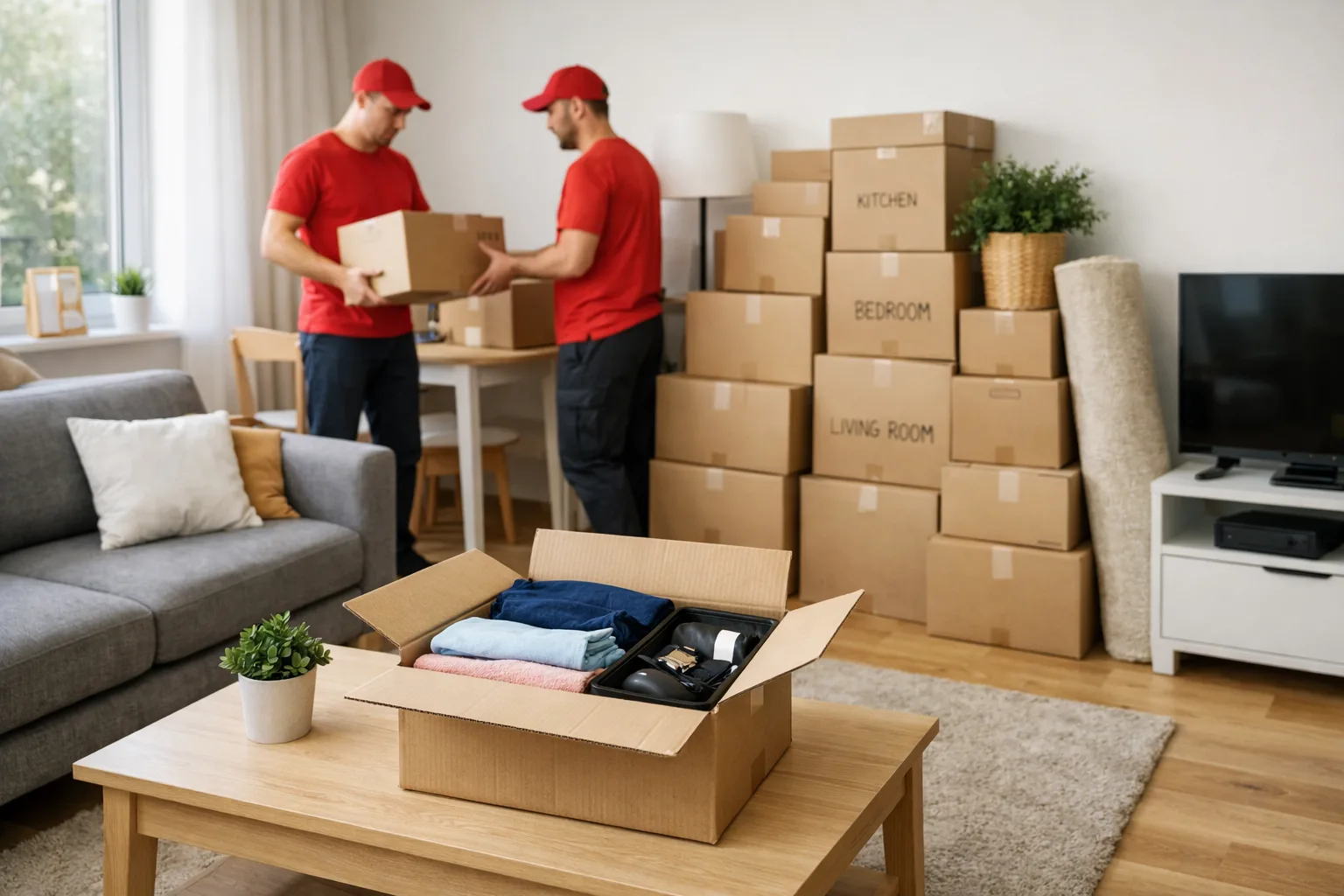
If you are moving on your own, try to enlist friends or family who can help with packing and carrying items. Distribute tasks – someone can pack the kitchen, another the clothes, while you coordinate and monitor progress.
If you hire a professional moving team, agree exactly on what they will do and what is your responsibility. Also, prepare all boxes and items in advance to make their work more efficient.
Team organization and clear communication are key to a successful one-day move. Set priorities and stick to the plan to avoid unnecessary time loss.
It is recommended to organize a brief meeting with everyone involved before the moving day to clearly define tasks and the timeline. This will reduce misunderstandings and increase efficiency.
Also, keep in mind that it is important to be flexible and ready to adapt during the day itself. Unexpected situations may require plan changes, so good communication and team spirit are crucial.
Prepare a special bag or box with items you will immediately need in the new home. This includes basic kitchen supplies, bedding, change of clothes, hygiene items, and basic tools.
This box should be labeled "First Day" and be easily accessible during the move and transport. This way, you avoid searching for essential items among a pile of boxes.
Also, consider what you will need for the night after the move, such as phone chargers, battery lamps, and basic cooking utensils. Planning these details can greatly ease your first day in the new space.
It is recommended to include basic medicines and first aid supplies in this bag, as well as spare keys to the new apartment or house. This will help you feel safer and more prepared for unexpected situations.
Also, consider preparing a simple meal or snacks that you can easily make in the new home. After a tiring moving day, such details can significantly contribute to your comfort and relaxation.
Stay focused and don’t let small distractions interrupt you. Use a timer to take short breaks and monitor your work pace. For example, pack continuously for 45 minutes, then take a 10-minute break.
Avoid multitasking as it can slow down work and increase stress. Focus on one task until it’s finished, then move on to the next.
Remember that staying hydrated and eating throughout the day is important to maintain energy. Prepare light meals and enough water in advance. Good physical and mental condition is key to a successful and fast move.
Also, try to maintain a positive attitude and remember that the goal of moving is a better and more comfortable life in your new space. Motivation and optimism can significantly reduce feelings of stress and fatigue.
It is recommended to listen to your favorite music or podcast while packing to make the task easier and maintain a good atmosphere. A good mood can increase productivity and make moving day a more pleasant experience.
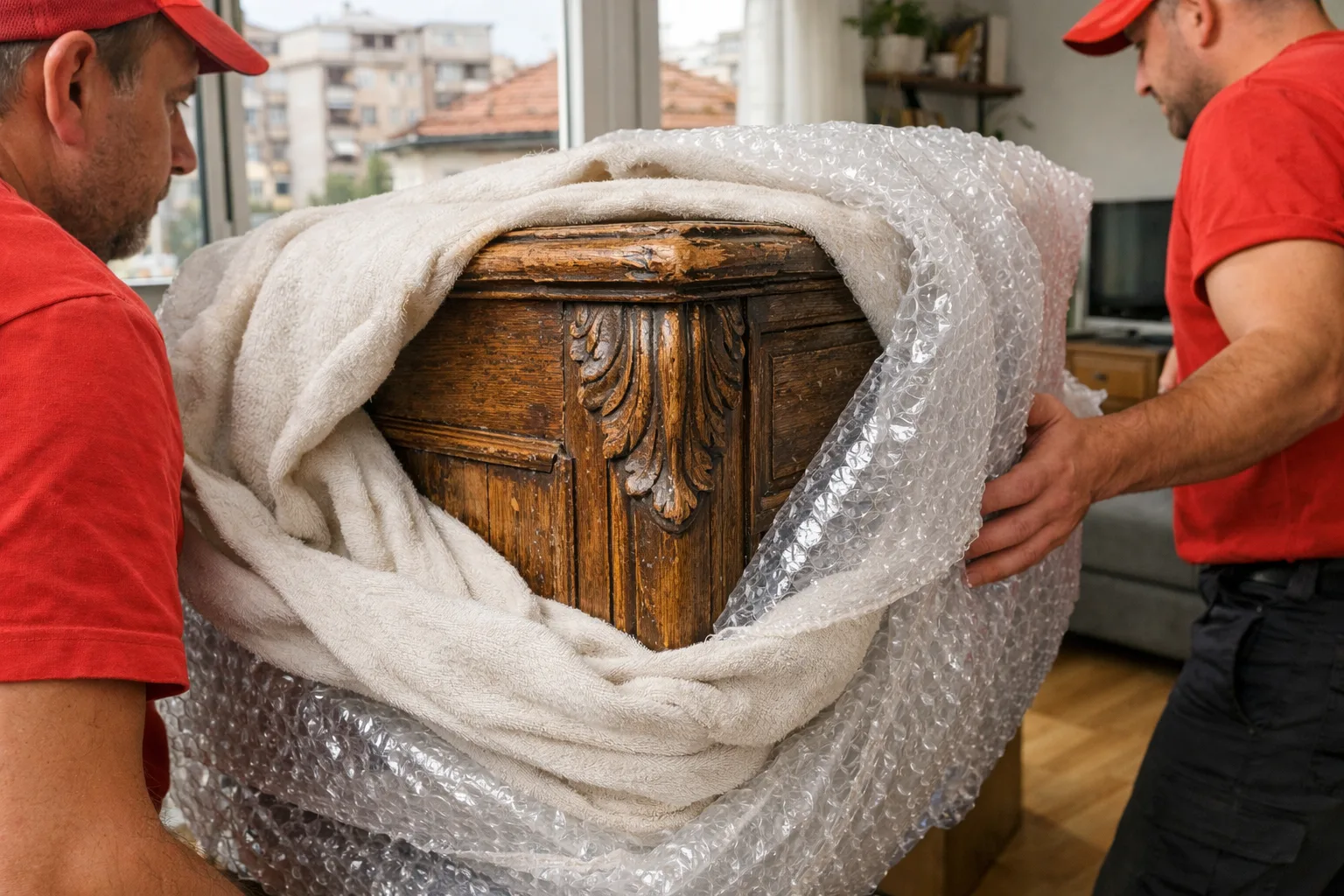
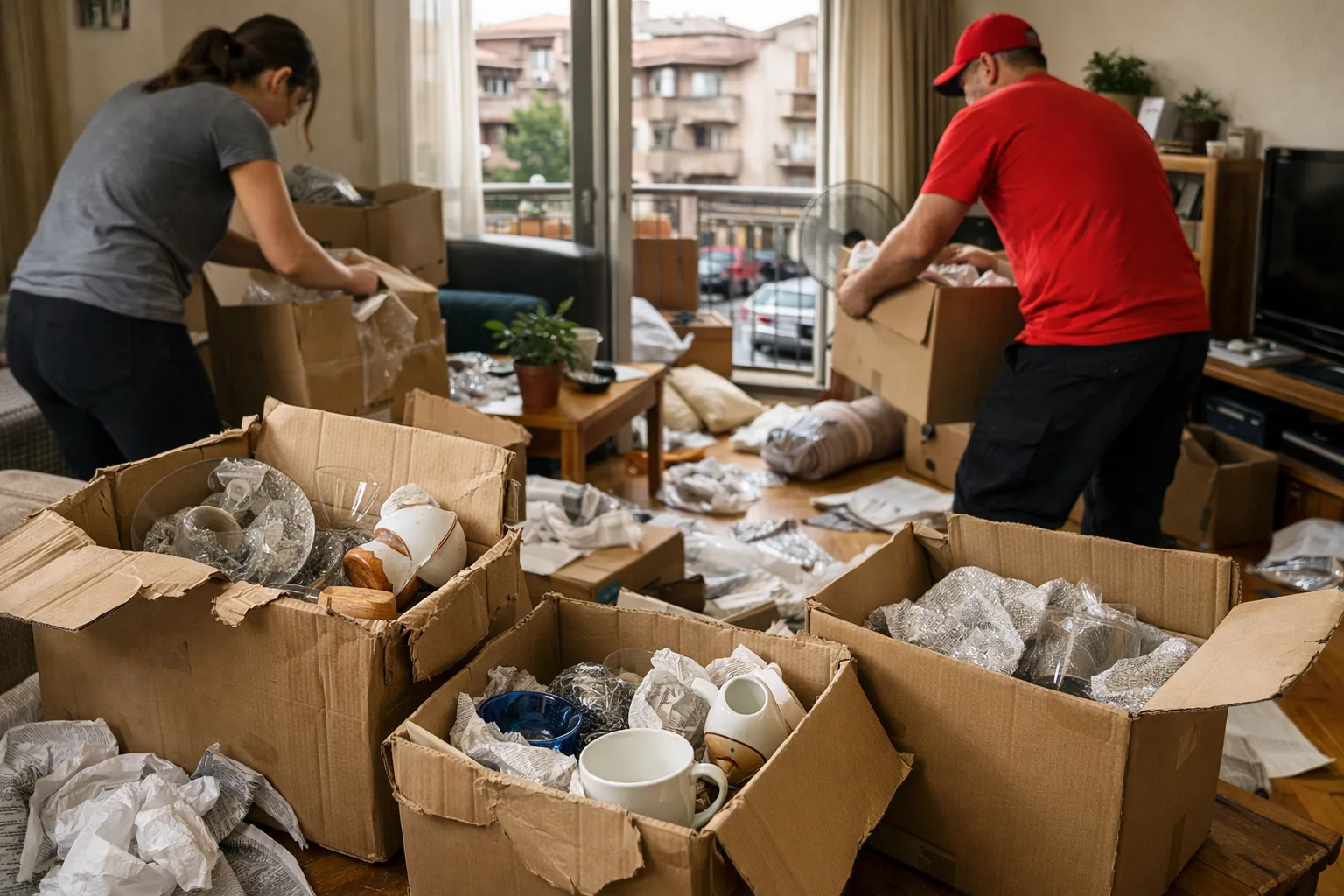
Advantages of Professional Packing Before Moving in Belgrade
We will respond to you as soon as possible.
Below we answer the most common questions that arise when packing for a move on short notice. These answers will help you avoid common mistakes and organize yourself better.
The most important thing is to make a plan and strictly stick to priorities. Start with items that are not urgent and set aside a special box for essential things you need immediately. Use clear labels and sort by rooms to make packing more efficient.
Personal belongings, documents, medications, and essentials for the first night in your new home should be packed last. Also, leave for last the items you use daily, such as your toothbrush, change of clothes, and basic kitchen supplies.
Use available materials like old t-shirts, newspaper, or even kitchen towels to wrap fragile items. Pack them carefully in boxes with enough space, and place extra cushioning material between items for protection.
For a one-day move, packing by rooms is recommended as it makes unpacking easier. Within each room, you can further sort items by type, which makes the process even clearer and faster.
Divide tasks in advance and communicate clearly who is responsible for what. For example, one group can pack the kitchen, another the clothes, while you coordinate and check that everything is going according to plan. Also, arrange breaks and provide refreshments.
Before moving, separate items for donation, sale, or disposal. Organize them into separate boxes or bags and, if possible, take them immediately to the appropriate places. This reduces your load and makes packing easier.
Plan breaks and stick to your schedule. Use breathing techniques or short exercises to reduce stress. Prepare light meals and water in advance, and keep in mind that the goal is to finish packing, not to make everything perfect.