How to pack antique furniture?
How to pack antique furniture?

Enter at least 3 characters.
Moving is one of the most challenging life events, and packing dishes often stands out as one of the most demanding and delicate tasks. Dishes are not only fragile but often hold sentimental or financial value, which is why special attention must be given to their protection during transport. Proper packing not only reduces the risk of breakage but also facilitates unpacking and organizing in the new space. In this guide, we will provide you with detailed advice and practical steps on how to pack dishes safely, efficiently, and quickly, without the risk of breakage or loss, along with additional recommendations to help make the process as simple and stress-free as possible.
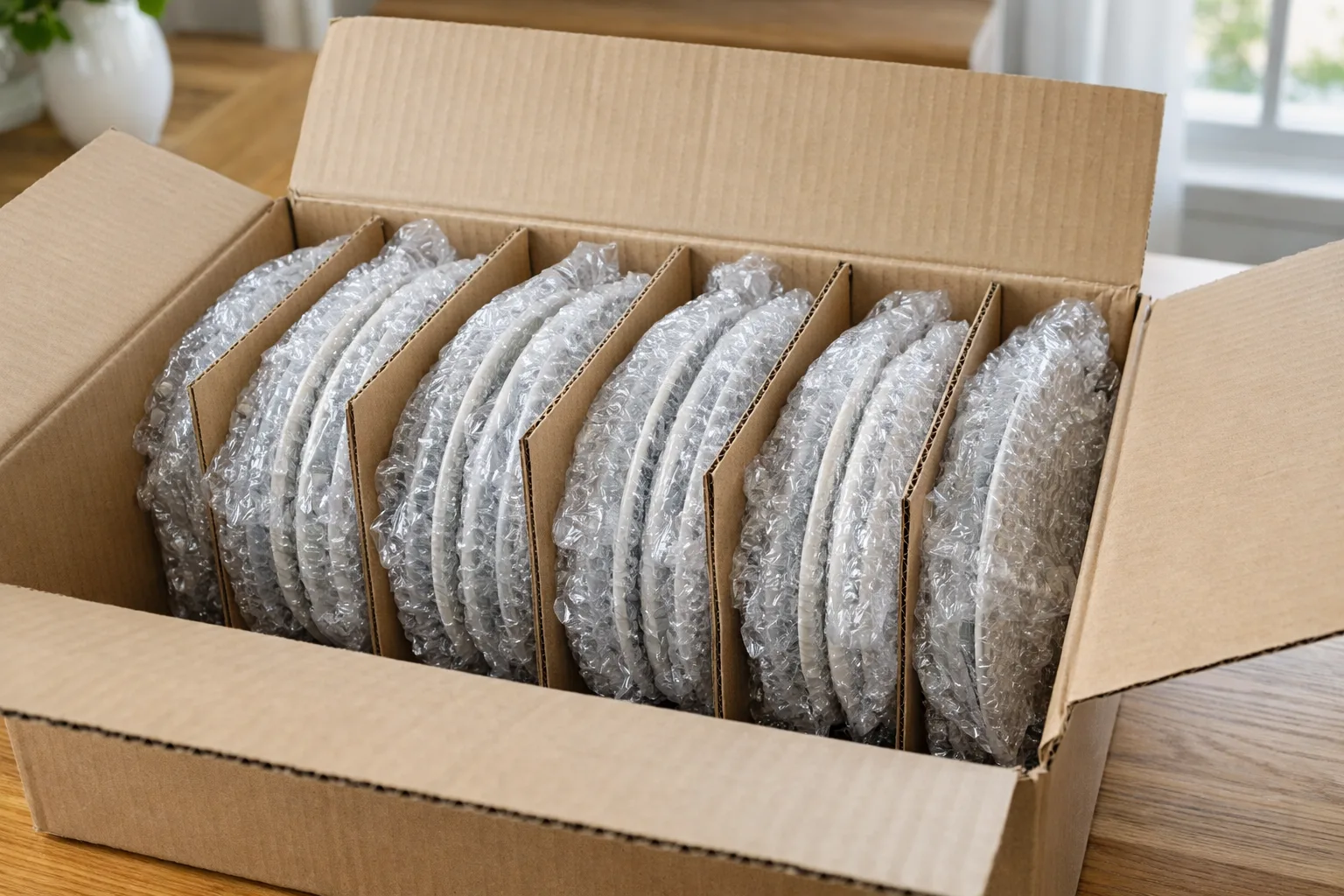
The first step in packing dishes is preparing the appropriate materials. You will need sturdy cardboard boxes, preferably those designed for fragile items, which have additional dividers or are made of thicker cardboard. Besides boxes, secure soft packaging like bubble wrap, newspaper, or special paper towels for protecting dishes. It is also useful to have tape, a marker for labeling, and paper for making dividers inside the box. Preparing all these materials in advance significantly speeds up the packing process and reduces the chance of forgetting something or improvising at the last moment.
When choosing boxes, select ones that are not too large to avoid overpacking and thus increasing the risk of breakage. Medium-sized boxes are ideal because they allow good arrangement and easy carrying. If you don’t have special boxes, you can purchase them at packaging stores or directly through the moving boxes service. Also, check that the boxes are clean and undamaged, as damaged boxes can compromise the safety of dishes during transport.
Prepare a packing area that is clean, spacious, and well-lit. Organize all materials within reach so you can work efficiently. It’s best to pack in a room where you can leave the boxes until they are ready for transport. It is also recommended to have enough space for stacking boxes, which will help you avoid clutter and potential accidents during packing.
Plates are among the most fragile household items and require special attention. Before you start, check that all plates are dry and clean, as moisture can weaken wrapping paper and increase the risk of damage. Use wrapping paper or bubble wrap for each plate to protect them from damage and scratches, paying special attention to the edges, which are the most vulnerable.
Pack plates upright, as if stacking them in a sink, not horizontally. Place a layer of paper or styrofoam at the bottom of the box for cushioning, which will absorb shocks during transport. Place paper between each plate to prevent friction between them. Do not overfill the box to avoid pressure that can cause breakage, as overpacked boxes are heavier and harder to carry, increasing the risk of dropping.
When you have stacked the plates, be sure to make dividers inside the box if you are packing multiple rows. Dividers can be made of cardboard or sturdy paper and serve to stabilize the plates and prevent their movement during transport. Also, after packing, you can reinforce the box edges with tape and label it as "fragile" so that everyone handling the box will be more careful.
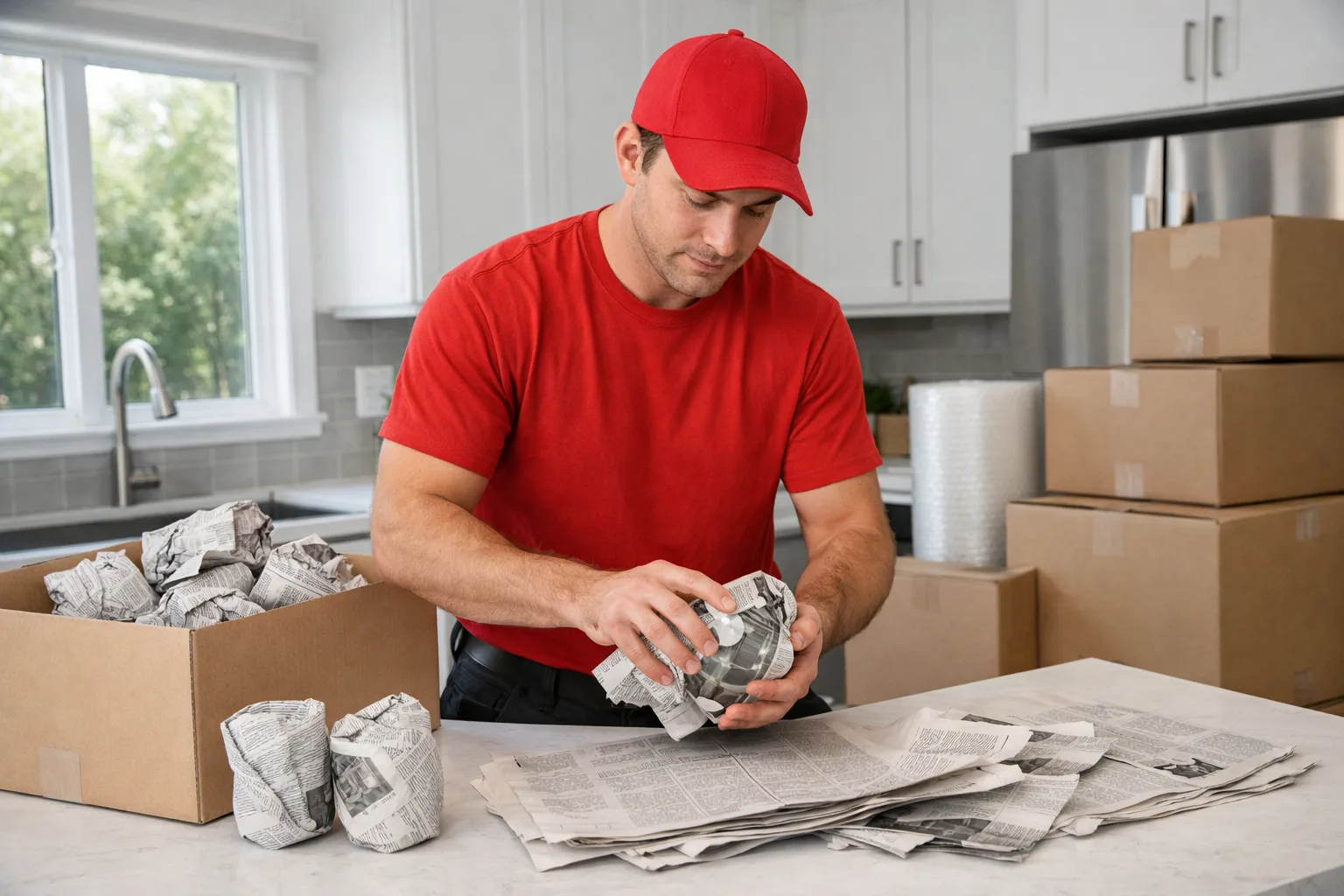
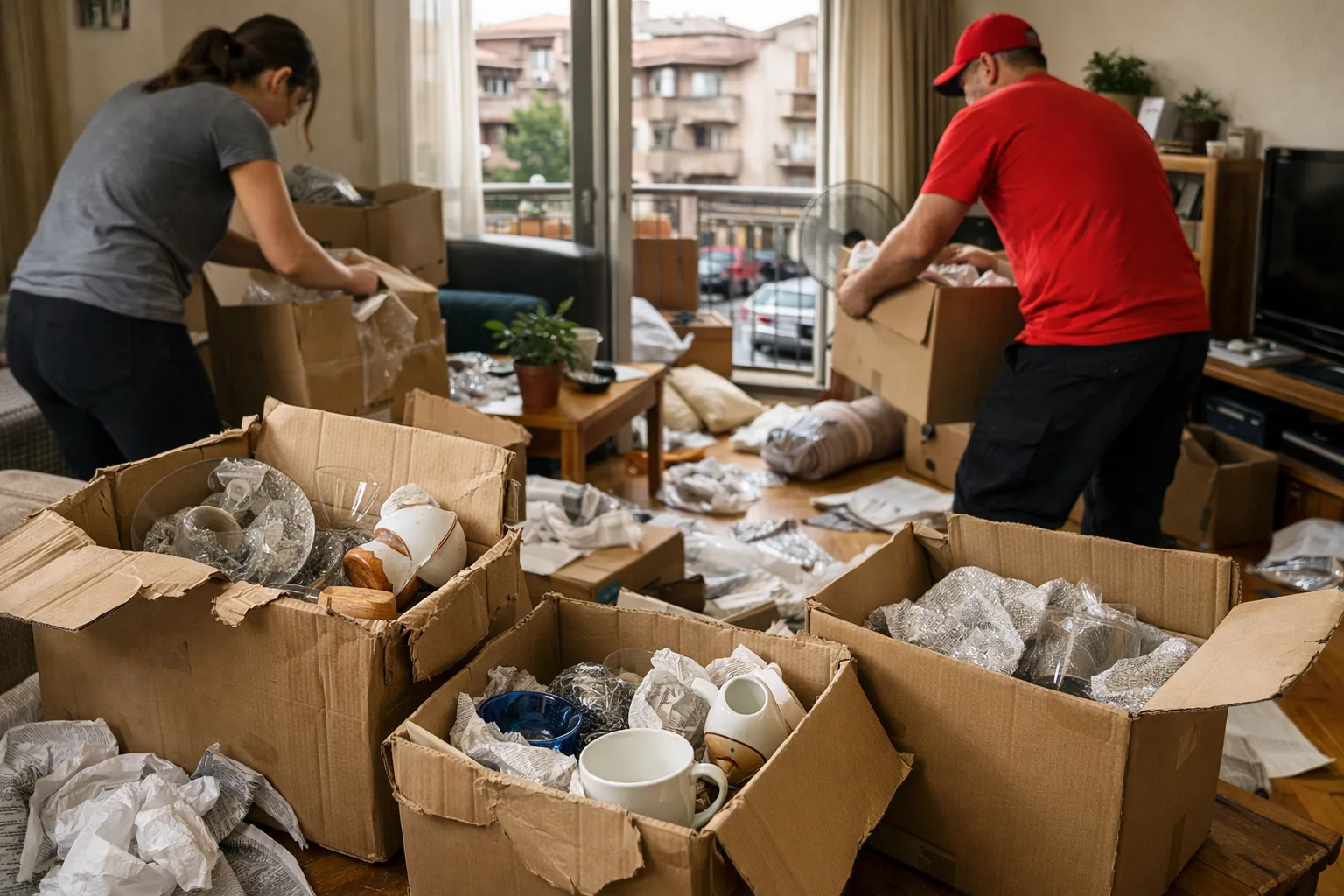
Glasses and cups require extra protection as they are often made of thin glass or porcelain. Wrap each glass and cup individually in bubble wrap or several layers of newspaper, paying special attention to parts like handles, which are most fragile. Additionally, you can use wrapping paper specifically designed for fragile items.
For packing glasses, it’s best to use boxes with dividers that prevent movement and collisions. If you don’t have such boxes, create dividers from cardboard or stack the items vertically with enough protective material between them. Dividers significantly reduce the risk of damage and help prevent the box from deforming during transport.
Place a layer of styrofoam or thick paper at the bottom of the box to absorb shocks. After arranging the glasses, close the box carefully and label it as fragile on all sides. This label will alert handlers to exercise extra care. Also, it’s recommended not to place boxes with glasses and cups at the bottom of large stacks, but rather on top or separately to avoid pressure and breakage.
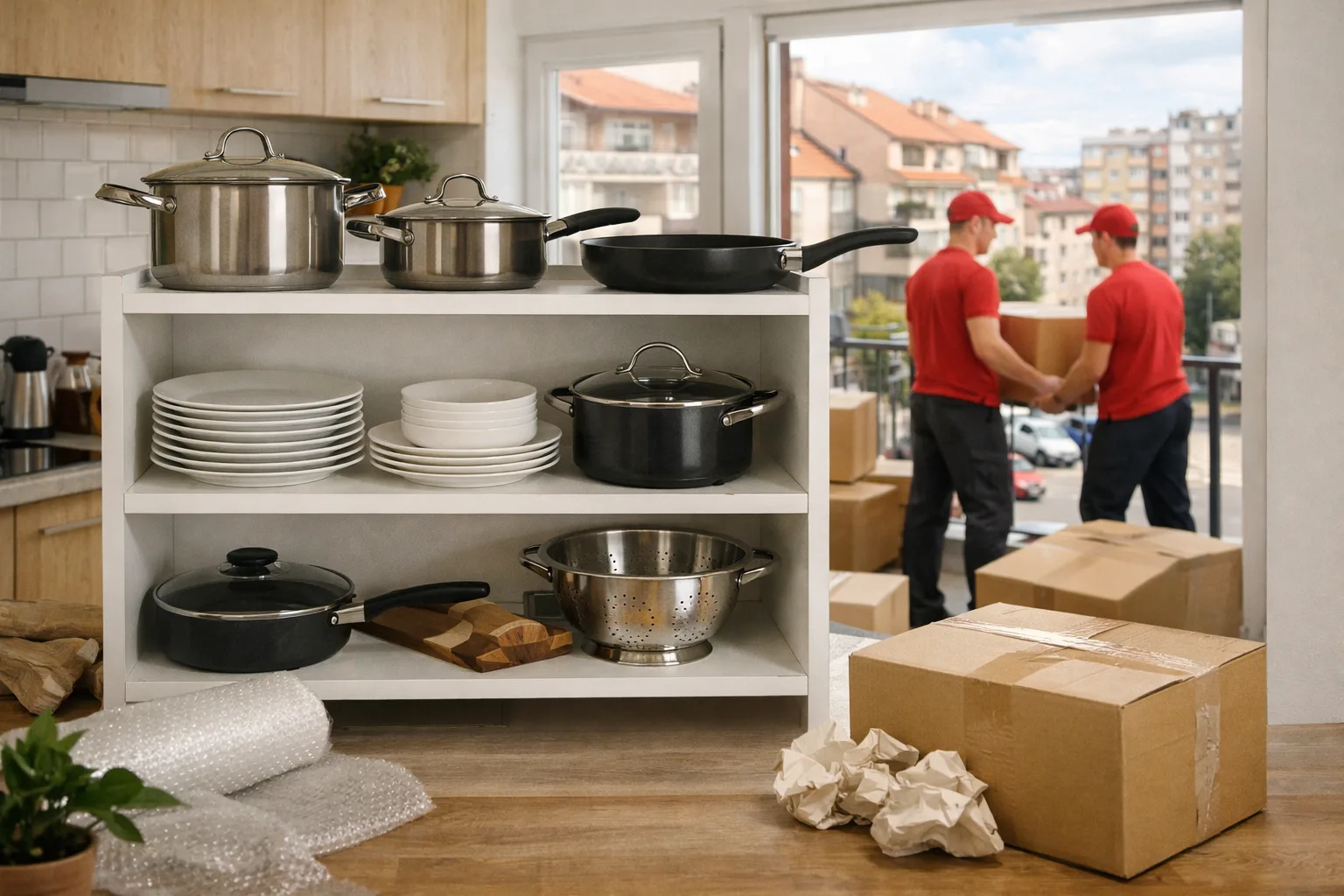
Pots and pans are usually heavier and more durable, but they still require good organization. Before packing, clean and dry them to prevent unpleasant odors or rust. If the cookware has lids, it’s best to pack them separately or secure them inside with tape to prevent movement and damage to other items.
Use old cloths, kitchen towels, or paper to cushion pots and pans and soften contact with other items. Pack heavier cookware at the bottom of boxes to maintain stability and prevent fragile items from being exposed to pressure. Also, distribute weight evenly so boxes are easier to carry and less likely to tip over.
Avoid overpacking boxes as it can make them difficult to carry and increase the risk of damage. If you have many smaller pieces, group them by size and purpose to facilitate unpacking and organization in the new space. Also, label boxes with metal cookware so you can find them quickly and avoid unnecessary moving.
To speed up unpacking, it’s smart to pack dishes by rooms or function. For example, pack plates together with the cutlery you use daily in the kitchen, while special sets for guests can be packed separately. This organization saves time and reduces stress during unpacking.
When packing, clearly label boxes with a marker, indicating the contents and the room they belong to. This will help you avoid wasting time during unpacking and immediately know where everything should go. You can also add extra notes like "fragile" or "heavy" to further ease handling.
You can also use different colored tape to mark boxes, for example red for the kitchen, blue for the dining room, and so on. This way, you’ll have better visual control over the move and item arrangement. Colored tape can also help family members or helpers assisting with the move know exactly where things go and how to handle the boxes.
Quality tape is essential to securely close boxes and prevent them from opening during transport. Use wide tape and several layers to ensure the box is firmly sealed. Pay attention to sealing the edges well, especially for heavier boxes, as edges are where damage most often occurs.
Labels and clear markings are key for dish safety. Besides the "fragile" label, it’s useful to write "this side up" to indicate the correct box orientation. This reduces the risk of damage and facilitates handling. Labels can also include content information, making unpacking and organization easier.
You can also write special instructions like "handle with care" or "do not place heavy items on top." These seemingly small details can significantly help preserve your dishes during the move. It’s recommended to place labels on multiple sides of the box so they are visible from every angle.
If you don’t have access to specialized boxes for fragile dishes, you can use regular cardboard boxes and reinforce them. Place a layer of styrofoam or old cardboard at the bottom, and line the interior with multiple layers of paper or cloth. This will help stabilize the box and better absorb shocks during transport.
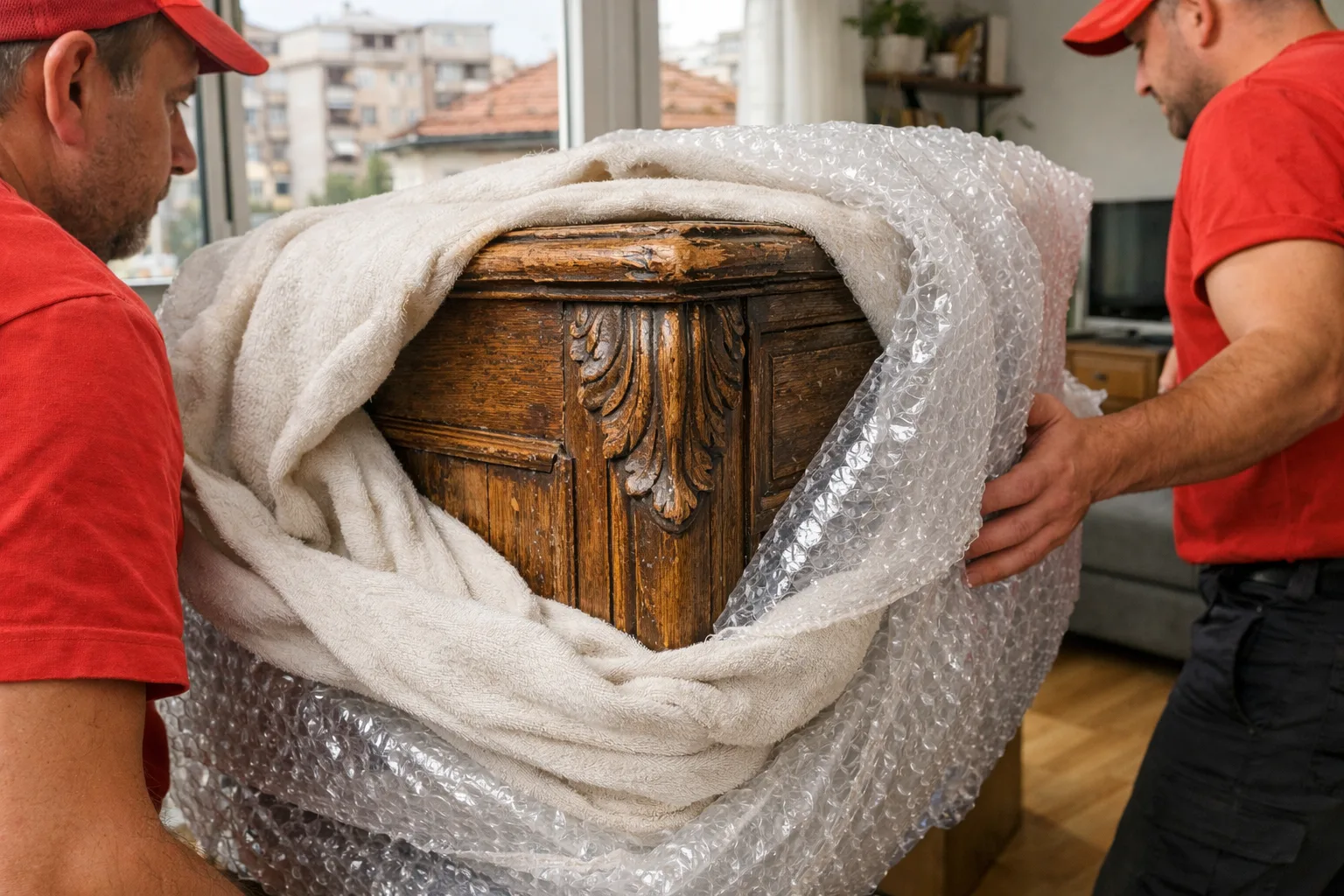
Wrap each item in several layers of newspaper or kitchen towels, paying special attention to edges and the most delicate parts. Insert paper or bubble wrap between dishes to prevent them from shifting. You can also use plastic bubble bags or even old towels and t-shirts for additional protection.
It is crucial that the dishes cannot move inside the box, as this is the most common cause of breakage during transport. If you don't have enough packing materials, consider buying or borrowing from friends, or hire professionals for moving packing, as investing in good dish protection is cost-effective in the long run and saves you money and time you would spend replacing or repairing damaged items.
When you arrive at your new address, the first step is to carefully unpack the boxes with dishes. Open the boxes slowly and check if everything is undamaged. If you notice any damage, try to fix it immediately or note it for later replacement. Also, keep basic repair supplies handy, such as porcelain glue or silicone adhesive for minor cracks.
Organize dishes by rooms and function immediately after unpacking. This will reduce clutter and make daily use easier. Place plates, glasses, and pots where they are most practical and where you will use them most often. Consider using drawer and shelf organizers to further protect dishes and facilitate access.
Keep boxes and protective materials for potential future moves or storage. If you have excess packaging, you can use it for safely packing seasonal items or gifts. This is a practical and economical solution, while also contributing to environmental protection by reducing waste.
Advantages of Professional Packing Before Moving in Belgrade
We will respond to you as soon as possible.
Below we answer the most common doubts and problems people have when packing dishes for moving. These answers can help you avoid common mistakes and protect your dishes in the best way.
The most important thing is to pack plates upright, wrapped in paper or bubble wrap, with dividers inside the box to prevent movement. Do not overfill the box and always use quality boxes designed for fragile items.
Each glass should be packed individually in protective material such as bubble wrap or paper, then placed in boxes with dividers or with extra paper between them. This prevents collisions and breakage during transport.
Boxes should be clearly marked with a marker with labels like "fragile," "this side up," and the name of the room where the dishes belong. You can also use different colored tapes for visual room identification.
You can use regular cardboard boxes reinforced with layers of paper or styrofoam. Wrap each item carefully and create cardboard dividers to prevent movement.
Pots and pans should be cleaned and dried, then stacked by similar sizes, using cloths or paper to cushion contact. Heavier cookware should be placed at the bottom of the boxes for stability.
For glasses, it is ideal to use at least two to three layers of protective material to cushion impacts. Pay special attention to parts such as handles and rims, which are the most delicate.
It is best to pack dishes in the final stage of moving preparation, as they are usually used up until the moving day itself. Also, keep the boxes with dishes in a safe place where they won’t be disturbed.